Seaweed (Edible Sea Vegetables)
Undaria pinnatifida, Ascophyllum nodosum, Laminaria japonica · also known as sea vegetables, kelp, wakame, nori, kombu, dulse, fucus, brown algae, red algae
By Superfoods Advisor Editors·July 3, 2026
Is seaweed good for you? Nutrition of nori, wakame and kombu, iodine benefits and risks, what research shows, how much is too much, and which to avoid.
Seaweeds are edible marine macroalgae, such as nori, wakame, kombu (kelp) and dulse. In moderate amounts they are good for you as a low-calorie source of iodine, minerals and fiber-like polysaccharides. The catch is iodine variability: one gram of dried kombu can hold 2,500–10,000 µg, several times the adult upper limit of 1,100 µg a day.
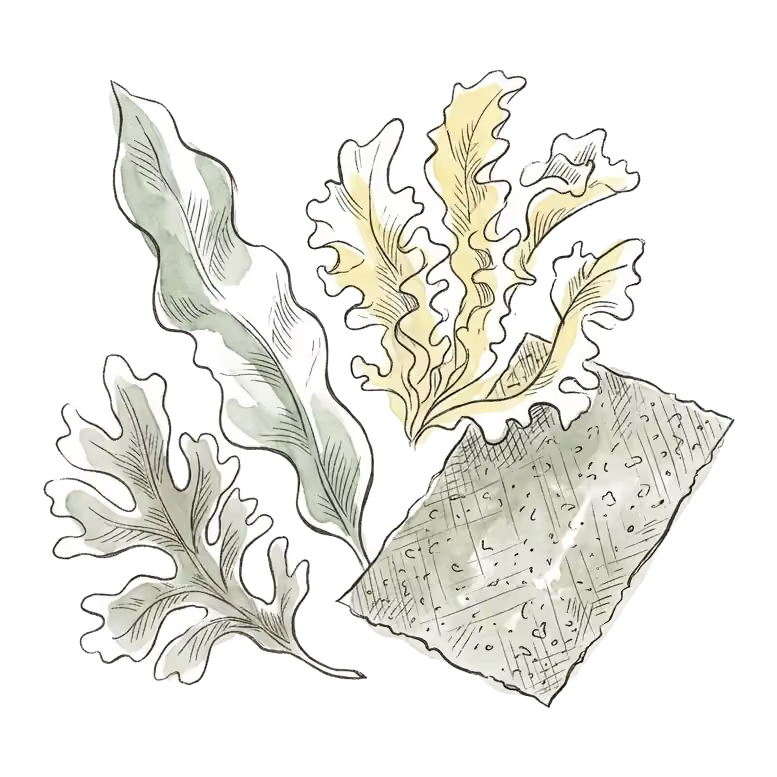
Unlike the microscopic, single-celled spirulina and chlorella, seaweeds are multicellular organisms large enough to be harvested whole. They fall into three groups: brown algae (Phaeophyceae, including kelp, wakame and bladderwrack), red algae (Rhodophyta, including nori, dulse and Irish moss) and green algae (Chlorophyta, including sea lettuce). Nutrition varies widely between and within species.
Seaweed has been central to diets in Japan, Korea and China for millennia and features in Icelandic, Irish, Welsh and Pacific Islander food traditions. Global algae production reached about 37.8 million tonnes in 2022 (FAO, 2024), most of it farmed in Asia. Supplements most often use Ascophyllum nodosum (knotted wrack), Laminaria japonica (kombu), Macrocystis pyrifera (giant kelp), Fucus vesiculosus (bladderwrack) and Undaria pinnatifida (wakame), each with a different iodine level and safety profile.
Evidence at a glance
Active Compounds
Iodine is the nutrient most strongly associated with seaweed and simultaneously its most significant safety variable. Iodine is an essential trace element required for thyroid hormone synthesis (T3 and T4). Seaweeds bio-accumulate iodine from seawater with extraordinary efficiency, but the extent of accumulation varies by several orders of magnitude across species. Brown algae in the Laminaria/Saccharina genus (kombu) are the highest known dietary source of iodine, with published values of roughly 2,500 to 10,000 µg per gram of dried product (Smyth, 2021); one sample of kelp granules measured over 8,000 µg/g (Teas et al., 2004). Wakame (Undaria pinnatifida) contains far less, roughly 30–185 µg/g (Smyth, 2021). Nori (Porphyra species, a red alga) is comparatively low; Teas et al. measured 16 µg/g, the lowest of the 12 species they tested (Teas et al., 2004). The Recommended Dietary Allowance (RDA) for iodine in adults is 150 µg/day; the Tolerable Upper Intake Level (UL) established by the Institute of Medicine is 1,100 µg/day (Linus Pauling Institute). At those concentrations, a single gram of dried kombu can deliver roughly 2 to 9 times the adult UL.
Fucoidan is a sulfated fucose-rich polysaccharide unique to brown algae, found in the cell walls and intercellular matrix of species including wakame, kombu, mozuku (Cladosiphon okamuranus), and bladderwrack. Fucoidan has attracted research interest for a range of activities in cell culture and animal models, including heparin-like anticoagulant effects, anti-tumor activity, antiviral properties, and immunomodulation. Human clinical evidence is early-stage and limited. The fucoidan content and structure (molecular weight, sulfation degree) varies considerably between species and extraction methods, complicating cross-study comparisons.
Alginate is a structural polysaccharide abundant in brown algae (particularly kelp and bladderwrack) that binds some metal ions in the gastrointestinal tract. In human tracer studies, adding sodium alginate to milk cut strontium uptake about ninefold (Höllriegl et al., 2004), which is why it has been studied as a countermeasure for radioactive strontium. Alginate forms a gel in acidic gastric conditions; evidence that eating seaweed reduces absorption of other heavy metals such as lead or cadmium in people is limited.
Phlorotannins are polyphenolic compounds found exclusively in brown algae that function as structural components and chemical defenses. In vitro and animal research suggests alpha-glucosidase inhibitory activity (potentially relevant to postprandial blood glucose) and antioxidant properties. Human bioavailability data are scarce.
Carrageenan is a sulfated polysaccharide extracted from red algae (notably Chondrus crispus and Kappaphycus alvarezii) widely used as a food thickener and emulsifier. Degraded carrageenan (poligeenan) has demonstrated inflammatory effects in animal models and is an established experimental pro-inflammatory agent; food-grade carrageenan is not absorbed intact. In its 2018 re-evaluation, the European Food Safety Authority (EFSA) kept the group acceptable daily intake of 75 mg/kg body weight per day for carrageenan (E 407) and processed Eucheuma seaweed (E 407a) but made it temporary, citing data gaps that it asked to be filled within five years (EFSA ANS Panel, 2018). Debate in the scientific literature continues.
Minerals beyond iodine include calcium, magnesium, potassium, iron, and zinc, with concentrations varying by species and growing conditions. Nori contains relatively high amounts of protein for a sea vegetable: USDA values for raw laver (5.8 g protein at 85% water) work out to roughly 39% of dry weight (USDA FoodData Central), and red seaweeds can reach about 47% (Černá, 2011), along with vitamin A precursors and measurable active vitamin B12 in some analyses (Watanabe et al., 2014), though B12 bioavailability from nori remains an area of active research and should not be relied upon by vegans without corroborating clinical evidence.
Nutritional Profile
Values vary dramatically by species and growing conditions.
Per 100 g raw (fresh) seaweed, from USDA FoodData Central (kelp, wakame, laver/nori). These entries are 80–85% water, so dried products are roughly five to seven times more concentrated by weight:
| Nutrient | Kombu | Wakame | Nori |
|---|---|---|---|
| Calories | 43 kcal | 45 kcal | 35 kcal |
| Protein | 1.7 g | 3.0 g | 5.8 g |
| Calcium | 168 mg | 150 mg | 70 mg |
| Iron | 2.9 mg | 2.2 mg | 1.8 mg |
| Sodium | 233 mg | 872 mg | 48 mg |
USDA does not list iodine for these foods; see the per-gram dried values under Active Compounds.
Standard supplement dose context: Seaweed supplements are typically capsules or tablets of dried kelp or bladderwrack powder. At 1 g of dried kombu, iodine intake could range from roughly 2,500 to 10,000 µg (Smyth, 2021), far exceeding the UL of 1,100 µg/day. This has direct clinical significance.
Evidence for Purported Benefits
Thyroid Function Support
Seaweed is not a reliable way to support the thyroid, and excess iodine from it can cause harm in susceptible people.
Iodine is unambiguously essential for thyroid hormone synthesis, and severe deficiency causes goiter and hypothyroidism (Zimmermann & Boelaert, 2015). Excess iodine is generally well tolerated, but in susceptible people, including those with pre-existing thyroid disease, older adults, fetuses, and newborns, it can trigger hyperthyroidism or hypothyroidism (Leung & Braverman, 2014). Case reports describe iodine-induced hyperthyroidism after a kelp-containing herbal tea in a woman with multinodular goiter (Müssig et al., 2006), and hyperthyroidism followed by months of hypothyroidism after a kelp-containing diet product in a woman with no prior thyroid disease (Di Matola et al., 2014). Where extra iodine is needed, measured-dose iodine supplements are more predictable than seaweed.
Postprandial Glucose and Metabolic Effects
Evidence:Preliminary One crossover trial in 12 men found lower later energy intake but no glucose effect; fucoxanthin data are mostly rodent.
In a small single-blind crossover trial by Hall et al. (2012, Appetite), 12 overweight men who ate bread enriched with 4% Ascophyllum nodosum at breakfast consumed 16.4% less energy at a test meal four hours later, but blood glucose and cholesterol responses did not differ from control bread. Fucoxanthin, a xanthophyll carotenoid in brown algae, has shown anti-obesity effects in rodent models but human evidence remains limited.
Cardiovascular Risk Markers
Evidence:Insufficient The one cited human RCT (72 adults, fucoidan extract) found no effect on lipids, insulin resistance or blood pressure.
Fucoidan has heparin-like anticoagulant activity in laboratory studies. Human evidence for cardiometabolic benefit is thin: in a 90-day double-blind, placebo-controlled trial in 72 obese, nondiabetic adults (Wright et al., 2019, Journal of Alternative and Complementary Medicine; funded by a fucoidan manufacturer), 500 mg of fucoidan extract twice daily did not change insulin resistance, lipid profile, or blood pressure compared with placebo. Large-scale human RCTs are lacking. Whether this activity matters for people on blood-thinning medications is untested in humans (see Safety).
Gut Microbiome Modulation
Evidence:Lab & animal only Mechanistic and gut-gene data only; no trial has tested whether eating seaweed changes the microbiome.
Seaweed polysaccharides (including fucoidan, alginate, carrageenan, and agar) function as prebiotic substrates for gut bacteria capable of producing seaweed-degrading enzymes. Genes for enzymes that digest the nori polysaccharide porphyran were found to be frequent in Japanese gut metagenomes and absent in North American ones, apparently acquired from marine bacteria (Hehemann et al., 2010). Whether short-term supplementation by non-adapted populations produces meaningful microbiome changes is not well established.
Typical Use and Preparation
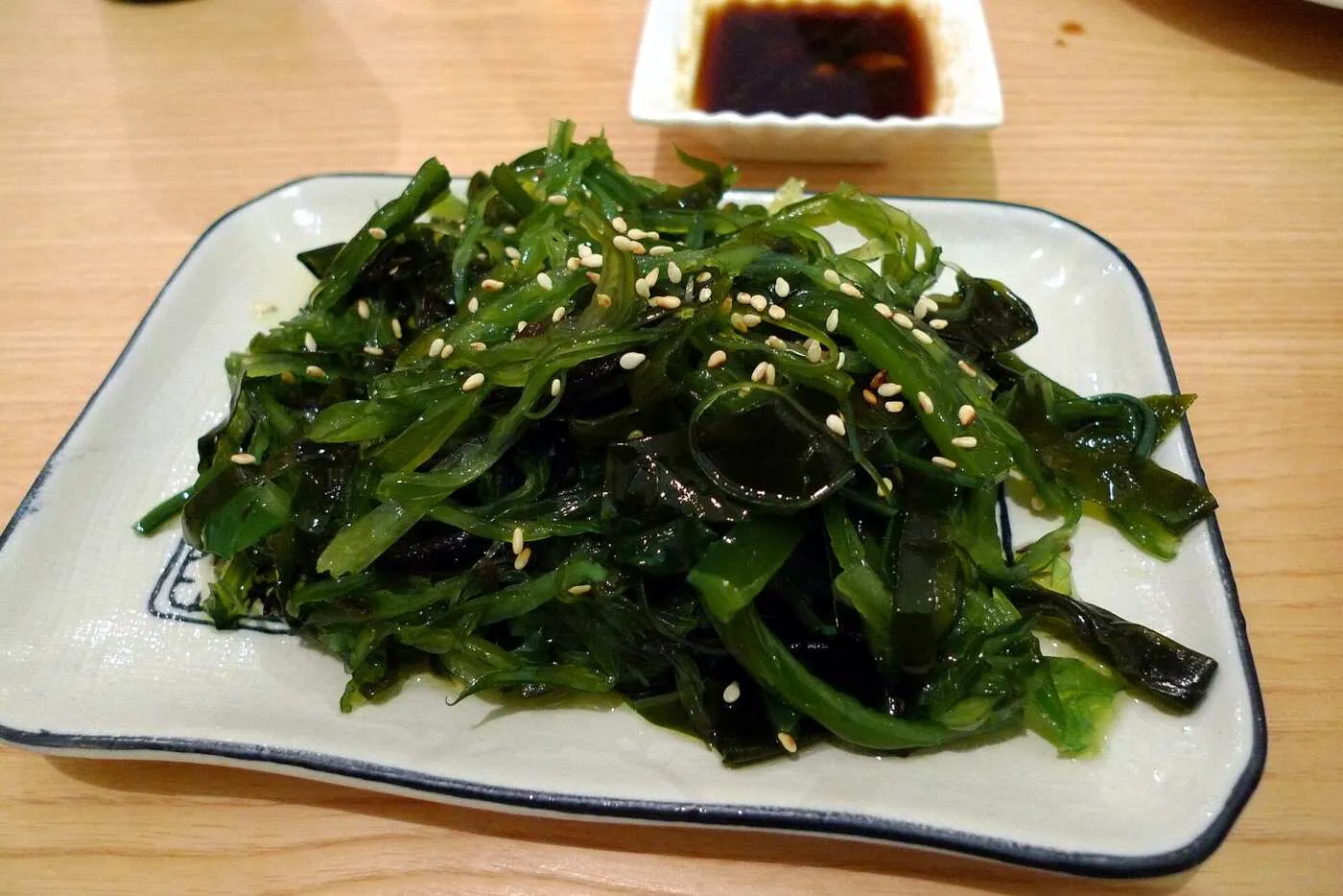 Photo: Ewan Munro from London, UK, CC BY-SA 2.0, via Wikimedia Commons
Seaweed is consumed in many traditional food forms:
- Nori: dried sheets used to wrap sushi; eaten as snacks
- Wakame: rehydrated in miso soup and salads; soak dried wakame 5–10 minutes before use
- Kombu: used to make Japanese dashi stock; usually removed before serving, and eating the frond itself adds far more iodine than the broth
- Dulse (Palmaria palmata): eaten dried or added to soups and salads; popular in Atlantic coast cooking
- Bladderwrack and Ascophyllum: primarily consumed as supplements, not as whole food
In supplement form, seaweed is sold as dried powder, capsules, or liquid extracts. Standardized iodine content per capsule should be disclosed on the label. Consumers purchasing kelp or bladderwrack supplements should verify iodine content per serving and compare it to the tolerable upper limit before use.
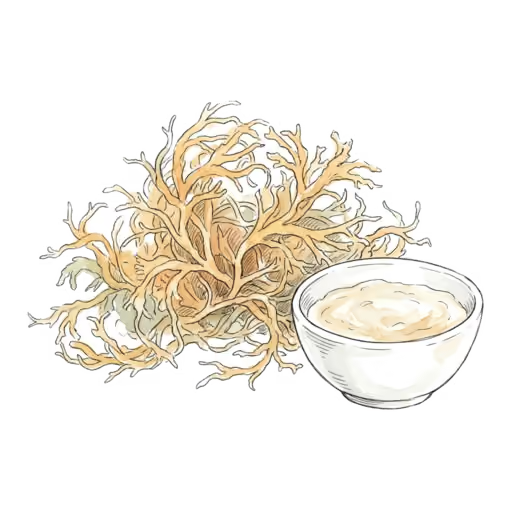
Heavy-metal questions come up with algae supplements too; our look at chlorella and heavy-metal detox reviews the evidence, including a trial that used a Fucus seaweed extract. Irish moss, a red seaweed sold as a gel, has its own entry: sea moss.
Safety, Interactions, and Contraindications
Iodine excess and thyroid dysfunction — critical safety note: This is the most clinically significant risk associated with seaweed supplementation. Kombu (Laminaria) is the highest dietary iodine source known and can deliver many times the adult UL in a single gram. In susceptible people, iodine excess can cause (Leung & Braverman, 2014; Zimmermann & Boelaert, 2015):
- Hyperthyroidism (particularly in individuals with autonomous thyroid nodules)
- Hypothyroidism when the thyroid fails to escape the Wolff-Chaikoff effect (a normally transient suppression of iodine organification)
- Exacerbation of Hashimoto’s thyroiditis (autoimmune hypothyroidism)
- New-onset autoimmune thyroid disease in susceptible individuals
Any individual with known thyroid disease, taking thyroid medication (levothyroxine, methimazole, propylthiouracil), or with a family history of thyroid disorders should consult an endocrinologist before supplementing with any seaweed product, and should specifically identify the iodine content per serving.
Heavy metal contamination: Marine algae bio-accumulate not only beneficial minerals but also environmental contaminants such as arsenic, cadmium, and lead from ocean water (LactMed, 2024). Most arsenic in seaweed is organic, and inorganic arsenic (the more toxic form) is usually low; the clear exception is hijiki (Sargassum fusiforme), which in a survey of Chinese farmed seaweeds was the only genus far above China’s 0.3 mg/kg limit (Huang et al., 2022). Health agencies in the UK (FSA, 2004), Canada (CFIA), and Hong Kong have advised against eating it. Third-party testing for arsenic speciation (inorganic vs. organic) is important.
Anticoagulant interactions: Fucoidan’s anticoagulant activity is strong in vitro, but in a small 12-day pilot trial (20 volunteers, 3 g/day of 75% fucoidan), oral fucoidan only modestly lengthened activated partial thromboplastin time and showed no clear anticoagulant effect, probably because little is absorbed (Irhimeh et al., 2009). No human studies have tested fucoidan together with warfarin, heparin, aspirin, or other antiplatelet drugs, so an interaction remains theoretical. Patients on anticoagulation therapy should still disclose seaweed supplement use to their prescriber.
Pregnancy: Iodine requirements increase during pregnancy (RDA: 220 µg/day; Linus Pauling Institute); however, supplementation should use controlled-dose iodine supplements rather than seaweed, where dose is unpredictable. Hijiki should be avoided entirely during pregnancy due to arsenic content.
Breastfeeding: Iodine is actively transported into breast milk, and some sources recommend against seaweed while breastfeeding because of its iodine content and possible heavy-metal contamination (LactMed, 2024).
Sodium: Some seaweeds, particularly wakame (USDA FoodData Central), and salted, seasoned nori snacks can be high in sodium. Individuals on sodium-restricted diets should account for this contribution.
Product Selection Criteria
Species identification and iodine disclosure: The supplement label should clearly identify the seaweed species (not just “seaweed” or “kelp”) and disclose iodine content in µg per serving, expressed as a percentage of the Daily Value (DV). Products without iodine disclosure present unacceptable risk for consumers with thyroid conditions.
Heavy metal testing: Independent testing for arsenic (with speciation: inorganic vs. organic), lead, mercury, and cadmium is essential, particularly for brown algae. CoAs from ISO 17025-accredited laboratories should be available on request.
Geographic origin: Contaminant levels depend on species and local water conditions; no ocean region is reliably contamination-free, so testing matters more than origin. Avoid hijiki regardless of origin.
Wild-harvested vs. farmed: Farmed seaweeds grown in managed ocean environments may have more consistent quality and lower contamination risk than wild-harvested from polluted coastal areas.
Organic certification: USDA has no organic aquaculture standard, but seaweed can be certified organic under the National Organic Program’s wild-crop or crop rules (USDA NOP Guidance 5022), providing some assurance against synthetic pesticide exposure, though it does not address heavy metals.
Frequently Asked Questions
Is seaweed good for you?
In moderate food amounts, yes for most people. Seaweed is low in calories and supplies iodine, calcium, iron and polysaccharides such as alginate and fucoidan; nori is relatively high in protein. The main risk is too much iodine, especially from kombu and kelp supplements, which matters most for people with thyroid disease. Hijiki should be avoided because of arsenic.
Is seaweed a vegetable?
Botanically, no. Seaweeds are algae, not plants: they have no roots, stems or flowers, and the main groups are brown, red and green algae. In cooking they are often called sea vegetables because they are eaten like greens, in salads, soups and sushi. Nutritionally they differ from land vegetables, above all in their much higher and more variable iodine.
How much seaweed can you eat in a day?
It depends on the type. The adult tolerable upper limit for iodine is 1,100 µg a day, and a single gram of dried kombu can contain 2,500–10,000 µg, while wakame has roughly 30–185 µg per gram. Nori sheets and wakame salad in normal portions are lower-risk choices. Anyone with thyroid disease or taking thyroid medication should check with an endocrinologist before eating seaweed regularly.
Seaweed vs kelp: what is the difference?
Kelp is a type of seaweed. “Seaweed” covers all edible marine macroalgae, while kelp refers to large brown algae such as Laminaria (kombu) and Macrocystis (giant kelp). Kelp is the highest known dietary source of iodine, which is why kelp tablets carry the greatest risk of iodine excess. Nori, a red seaweed, is far lower: one analysis measured 16 µg per gram.
Is seaweed salad good for you?
Seaweed salad is usually made from wakame, which is much lower in iodine than kombu, so it is a reasonable choice in normal portions. Two things to watch: wakame is relatively high in sodium, about 872 mg per 100 g raw according to USDA, and restaurant versions are often dressed with added salt, sugar and oil. People on sodium-restricted diets should count it.
Is nori seaweed healthy?
Nori, the red seaweed used to wrap sushi, is one of the lowest-iodine seaweeds (16 µg/g in one analysis of 12 species) and relatively high in protein, about 39% of dry weight by USDA values. Some analyses find active vitamin B12 in nori, but vegans should not rely on it without stronger clinical evidence. Salted, seasoned nori snacks can be high in sodium.
References
Show all 22 referencesShow fewer
- Zimmermann, M. B., & Boelaert, K. (2015). Iodine deficiency and thyroid disorders. The Lancet Diabetes & Endocrinology, 3(4), 286–295.
- Teas, J., Pino, S., Critchley, A., & Braverman, L. E. (2004). Variability of iodine content in common commercially available edible seaweeds. Thyroid, 14(10), 836–841.
- Wright, C. M., Bezabhe, W., Fitton, J. H., Stringer, D. N., Bereznicki, L. R. E., & Peterson, G. M. (2019). Effect of a fucoidan extract on insulin resistance and cardiometabolic markers in obese, nondiabetic subjects: a randomized, controlled trial. Journal of Alternative and Complementary Medicine, 25(3), 346–352.
- Hall, A. C., Fairclough, A. C., Mahadevan, K., & Paxman, J. R. (2012). Ascophyllum nodosum enriched bread reduces subsequent energy intake with no effect on post-prandial glucose and cholesterol in healthy, overweight males. Appetite, 58(1), 379–386.
- Food Standards Agency (UK). (2004, July 28). Agency advises against eating hijiki seaweed. Press release R938-28. (Archived copy.)
- Leung, A. M., & Braverman, L. E. (2014). Consequences of excess iodine. Nature Reviews Endocrinology, 10(3), 136–142.
- Smyth, P. P. A. (2021). Iodine, seaweed, and the thyroid. European Thyroid Journal, 10(2), 101–108.
- Černá, M. (2011). Seaweed proteins and amino acids as nutraceuticals. Advances in Food and Nutrition Research, 64, 297–312.
- FAO. (2024). The State of World Fisheries and Aquaculture 2024: news release.
- Linus Pauling Institute Micronutrient Information Center. Iodine.
- USDA FoodData Central: Seaweed, kelp, raw (168457); Seaweed, wakame, raw (170496); Seaweed, laver, raw (168458).
- EFSA Panel on Food Additives and Nutrient Sources added to Food. (2018). Re-evaluation of carrageenan (E 407) and processed Eucheuma seaweed (E 407a) as food additives. EFSA Journal, 16(4), e05238.
- Höllriegl, V., et al. (2004). Strontium biokinetics in humans: influence of alginate on the uptake of ingested strontium. Health Physics, 86(2), 193–196.
- Irhimeh, M. R., Fitton, J. H., & Lowenthal, R. M. (2009). Pilot clinical study to evaluate the anticoagulant activity of fucoidan. Blood Coagulation & Fibrinolysis, 20(7), 607–610.
- Watanabe, F., Yabuta, Y., Bito, T., & Teng, F. (2014). Vitamin B12-containing plant food sources for vegetarians. Nutrients, 6(5), 1861–1873.
- Müssig, K., et al. (2006). Iodine-induced thyrotoxicosis after ingestion of kelp-containing tea. Journal of General Internal Medicine, 21(6), C11–C14.
- Di Matola, T., et al. (2014). Thyroid dysfunction following a kelp-containing marketed diet. BMJ Case Reports, bcr2014206330.
- Hehemann, J. H., et al. (2010). Transfer of carbohydrate-active enzymes from marine bacteria to Japanese gut microbiota. Nature, 464(7290), 908–912.
- Huang, Z., et al. (2022). Arsenic species and their health risks in edible seaweeds collected along the Chinese coastline. Science of the Total Environment, 847, 157429.
- Drugs and Lactation Database (LactMed). (2024). Seaweed. National Institute of Child Health and Human Development.
- Canadian Food Inspection Agency. Inorganic arsenic and hijiki seaweed consumption.
- USDA Agricultural Marketing Service. NOP Guidance 5022: Wild Crop Harvesting.
Related content
More in Seaweed & Algae
- Algae Oil (Schizochytrium and Crypthecodinium)
Algae oil omega-3 explained: how much EPA and DHA it supplies, algae oil vs fish oil, what trials show for heart and pregnancy, dosing, and safety.
- Chlorella (Chlorella vulgaris)
Chlorella vs spirulina compared, plus chlorella benefits: trials on immunity and cholesterol, the detox claim, B12, cell walls, dose and side effects.
- Sea Moss (Irish Moss)
What is sea moss good for? Sea moss benefits against the evidence: nutrition, gut, thyroid and immune claims, iodine and heavy metals, and safety.
- Spirulina (Arthrospira platensis)
What is spirulina good for? Spirulina nutrition, what trials show for cholesterol and blood sugar, the B12 myth, how much per day, and side effects.

Curated by Superfoods Advisor Editors·Last updated