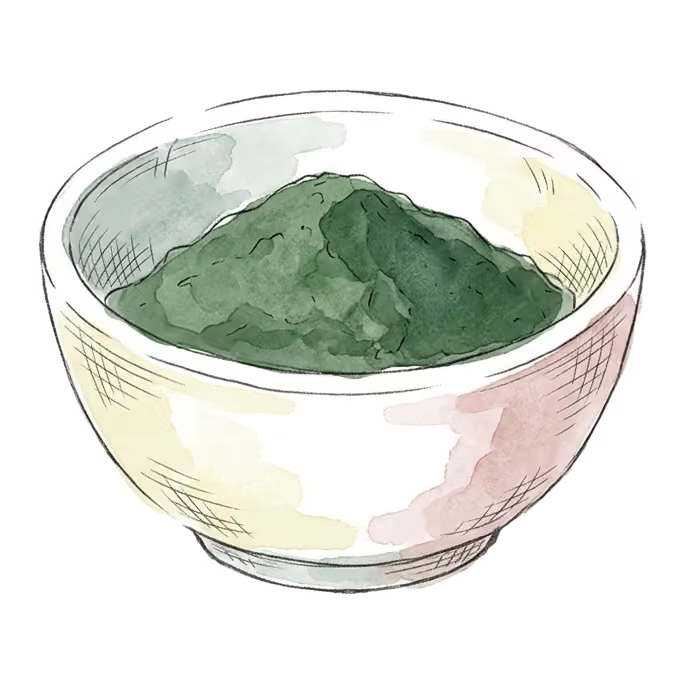
Chlorella (Chlorella vulgaris)
Chlorella vulgaris · also known as green algae, Chlorella pyrenoidosa, broken cell wall chlorella
By Superfoods Advisor Editors·July 3, 2026
Chlorella vs spirulina compared, plus chlorella benefits: trials on immunity and cholesterol, the detox claim, B12, cell walls, dose and side effects.
Chlorella is a single-celled green alga, sold mainly as Chlorella vulgaris and C. pyrenoidosa tablets and powder. Compared with spirulina, a blue-green cyanobacterium, it has a tough cell wall that must be broken for digestion, and some products supply active vitamin B12. Small trials suggest modest cholesterol and immune-marker effects; the heavy-metal detox claim is unproven.
Chlorella belongs to the family Chlorellaceae and lives in fresh water worldwide. It is grown commercially in outdoor ponds or indoor photobioreactors, much of it in East Asia. Unlike spirulina, which is a prokaryote, chlorella is a true eukaryotic alga with a cell nucleus and chloroplasts.
Dutch microbiologist Martinus Willem Beijerinck first isolated it in 1890, and after the Second World War it drew attention as a possible answer to food shortages because of its fast growth and high protein. Today’s marketing centers on chlorophyll, the “Chlorella Growth Factor” (CGF) extract, and claims about heavy-metal chelation and immunity. It is sold as tablets, powder and liquid extract and is a common ingredient in green blends.
Evidence at a glance
Active Compounds
Chlorophyll a and b give chlorella its intensely green color; reported chlorophyll content varies with strain, growing conditions and processing. Ingested chlorophyll is extensively broken down in the gut, mostly to pheophytins, and animal studies suggest little of it is absorbed (Linus Pauling Institute). Chlorophyll and the semi-synthetic derivative chlorophyllin can form complexes with some dietary carcinogens such as aflatoxin-B1; small human studies, mostly of chlorophyllin rather than natural chlorophyll, found reduced aflatoxin uptake or biomarkers, but whether this lowers cancer risk is unknown (Linus Pauling Institute).
Chlorella Growth Factor (CGF) is a proprietary extract obtained by hot-water extraction of chlorella, consisting primarily of nucleotides, nucleic acids (RNA and DNA fragments), peptides, and polysaccharides from the cell interior (Rzeski & Rzeska, 2026). CGF is marketed based on observations that supplementing the growth medium of other organisms with CGF accelerates their growth rate. Direct evidence that CGF supplementation produces analogous growth-promoting effects in adult humans is lacking. A 2026 review describes CGF as a poorly standardized, nucleotide-dominant fraction rather than a true growth factor, and notes that controlled human studies of well-characterized CGF preparations are absent (Rzeski & Rzeska, 2026).
Cell wall: chlorella cells are enclosed in a rigid wall that human digestion cannot break down; a 2020 review describes it as cellulose and notes that most supplements are mechanically disrupted for this reason (Bito et al., 2020). Intact-cell-wall chlorella has significantly reduced bioavailability for intracellular nutrients including protein, vitamins, and chlorophyll. Commercial processing methods — including mechanical bead milling, spray drying with disruption, and high-pressure homogenization — physically rupture the cell wall to improve digestibility. Products labeled “broken cell wall” or “cell-cracked” chlorella are intended to address this limitation, though the efficacy of disruption varies between manufacturers.
Protein comprises roughly 50–70% of dry weight (about 59% on average across 13 commercial products), with all essential amino acids present in substantial amounts (Bito et al., 2020, a review with two co-authors from the supplement maker Sun Chlorella Corporation). Manufacturers of cell-wall-disrupted products report protein digestibility of about 75–85%, and an animal study found more than 80% of chlorella protein digestible (Bito et al., 2020).
Micronutrients include iron (around 100 mg/100 g dry weight in commercial products, though label values range widely), folate (about 0.3–3.6 mg/100 g), vitamin K, magnesium, other B vitamins, and vitamin C (Bito et al., 2020). Reported vitamin B12 content varies from under 0.1 to about 400 µg per 100 g between products and is much higher in C. pyrenoidosa than in C. vulgaris; some high-B12 products also contain inactive corrinoid analogues (Bito et al., 2020). Unlike spirulina, whose B12 is mostly inactive pseudo-B12 (Watanabe et al., 2014), some chlorella products appear to supply usable B12: in a small open-label study of 17 vegans and vegetarians with elevated methylmalonic acid, 9 g/day of C. pyrenoidosa for 60 days lowered serum methylmalonic acid by about 34% (Merchant et al., 2015). Because labels rarely distinguish active B12 from analogues, chlorella should not be relied on as a sole B12 source without blood-level monitoring.
Polysaccharides in chlorella’s hot-water extract stimulated mouse and cultured macrophages in laboratory studies; the main active fraction isolated from C. pyrenoidosa was a phosphorylated galactose-based polysaccharide, not a β-glucan of the kind studied in yeast and mushrooms (Suárez et al., 2010; Hsu et al., 2010). Human relevance is unestablished.
Nutritional Profile
Values approximate; vary by species, growing conditions, and processing method. Ranges are from label data for 13 commercial products compiled by Bito et al., 2020, a review two of whose co-authors work for Sun Chlorella Corporation.
Per 100 g dried powder:
| Nutrient | Amount | % DV |
|---|---|---|
| Protein | 50–70 g | — |
| Carbohydrates | ~5–40 g (about 17 g on average) | — |
| Fat | 5–20 g | — |
| Iron | ~100 mg (label values range widely) | — |
| Folate | 300–3,600 µg | — |
| Vitamin K | 300–3,500 µg | — |
| Vitamin B12 (various forms) | <0.1–400 µg (active fraction varies) | — |
Per 1 teaspoon (3 g) serving:
| Nutrient | Amount |
|---|---|
| Calories | ~12 kcal |
| Protein | ~1.8 g |
| Iron | ~3 mg |
Chlorella vs Spirulina
Chlorella and spirulina are the two best-selling algae supplements and are often sold together, but they are different organisms. Chlorella is a green alga with a rigid cellulose cell wall; spirulina is a cyanobacterium that lacks one, so its protein is available without processing. Their B12, iron and vitamin K content also differ.
| Chlorella | Spirulina | |
|---|---|---|
| Organism | Eukaryotic green alga (Chlorella vulgaris, C. pyrenoidosa) | Cyanobacterium (Arthrospira platensis) |
| Cell wall | Rigid cellulose wall; needs mechanical breaking | No cellulose wall |
| Protein (dry weight) | About 50–70% | About 55–70% |
| Vitamin B12 | Varies widely; some products supply active B12 | Mostly inactive pseudo-B12 |
| Iron per 100 g | About 100 mg on labels (wide range) | About 28 mg (USDA) |
| Vitamin K per 100 g | About 300–3,500 µg on labels | About 25 µg (USDA) |
| Signature compound | Chlorophyll, CGF extract | Phycocyanin, GLA |
| Cholesterol evidence | Meta-analysis of 10 small RCTs: modest LDL drop | Meta-analysis of 7 small RCTs: larger reported drops, mixed quality |
In practice, spirulina is the simpler protein source, while chlorella is the better candidate for B12 among algae, depending on the product. People taking warfarin have more reason to be careful with chlorella, given its vitamin K. Both carry the same contamination risks from pond cultivation, so third-party testing matters for either.
Evidence for Purported Benefits
Immune Function
Evidence:Limited Two small single-institution trials (51 and 15 adults) report immune marker changes; no larger replication.
A 2012 RCT by Kwak et al. (Nutrition Journal, n=51, 8 weeks, 5 g/day) found that chlorella supplementation increased natural killer (NK) cell activity and the production of interferon-gamma in healthy adults compared with placebo. A 2011 crossover study by Otsuki et al. (Nutrition Journal, n=15 men, 4 weeks) reported increased salivary secretory immunoglobulin A (SIgA) secretion after a chlorella-derived supplement compared with baseline, with no change after placebo. These are small, single-institution trials; findings should be considered preliminary.
Blood Glucose and Lipid Parameters
Evidence:Limited A meta-analysis of 10 small RCTs found modest cholesterol drops; most trials carried bias risk and few verified supplement content.
A 2022 meta-analysis by Sherafati et al. (Complementary Therapies in Medicine) pooling 10 RCTs (539 adults) found that Chlorella vulgaris supplementation modestly lowered total cholesterol (about −7.5 mg/dL) and LDL cholesterol (about −7.7 mg/dL), with no significant effect on triglycerides or HDL cholesterol; only four of the included trials were at low risk of bias, and only two verified the content and purity of the supplement used. Findings suggest a signal worth further investigation but are not sufficient to support clinical recommendations.
Heavy Metal Chelation
Evidence:Insufficient Metal binding is shown in lab and mouse work; human data are small uncontrolled studies with no placebo-controlled trial.
The claim that chlorella binds and facilitates excretion of heavy metals such as lead, mercury, and cadmium is prominent in marketing but is not well supported by controlled human clinical trials. In vitro, chlorella biomass binds metal ions, largely through surface polysaccharides and proteins (Salimi et al., 2025); in mice fed a related alga, methylmercury excretion rose and kidney and brain mercury fell (Uchikawa et al., 2011). Human data are limited to small uncontrolled studies, such as one in which hair mercury fell in 16 dental patients taking chlorella with Fucus and other supplements (Merino et al., 2019), but no adequately powered, blinded, placebo-controlled RCT in humans has demonstrated clinically meaningful heavy metal reduction through chlorella supplementation. Individuals with documented heavy metal toxicity require medically supervised chelation therapy, not dietary supplements.
Aerobic Performance
Evidence:Preliminary One small crossover trial in 10 young adults reported a larger VO2 peak gain; not yet replicated.
A 2014 double-blind, placebo-controlled crossover study by Umemoto and Otsuki (Journal of Clinical Biochemistry and Nutrition, n=10 young adults, 4 weeks) reported a greater increase in peak oxygen uptake (VO2 peak) after chlorella-derived supplementation than after placebo. This single small trial requires replication.
Does chlorella actually detox heavy metals? checks that common marketing claim against the published studies. Chlorella and spirulina powders are both blended into the superfood smoothie recipes.
Typical Use and Preparation
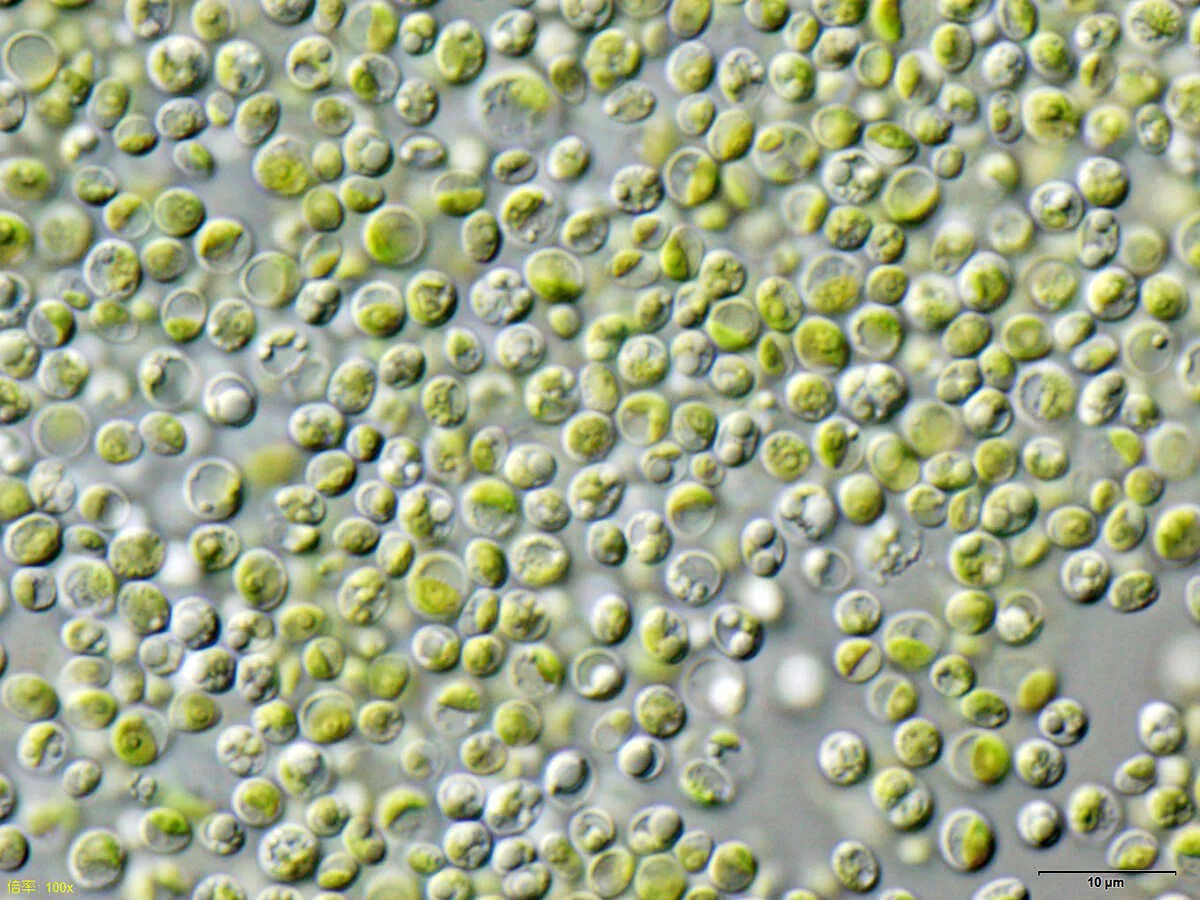 Photo: ja:User:NEON / User:NEON_ja, CC BY-SA 3.0, via Wikimedia Commons
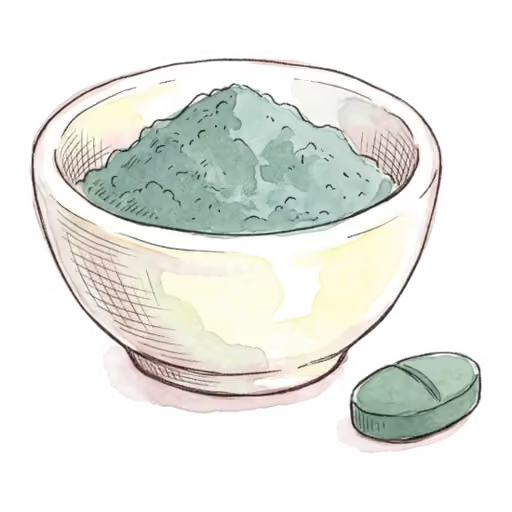
Chlorella powder has a strong, grassy, somewhat sea-like flavor that is often blended into smoothies or diluted juices. Tablet and capsule forms are preferred by users who dislike the taste. Doses in the trials described above include 5 g per day (Kwak et al., 2012) and 9 g per day (Merchant et al., 2015).
Cell wall disruption is a prerequisite for meaningful intracellular nutrient delivery. When selecting powder products, verify that the manufacturer uses a validated disruption method (bead milling, pressure homogenization) rather than simply heat or spray drying, which may not fully disrupt the cell wall.
Safety, Interactions, and Contraindications
Cell wall disruption and bioavailability: Intact-cell chlorella delivers substantially less protein, chlorophyll, and micronutrients than disrupted-cell products. This is a product quality issue with direct nutritional and pharmacological implications.
Photosensitivity: Photosensitive skin reactions on sun-exposed areas have been reported after chlorella ingestion, attributed to pheophorbide a, a chlorophyll breakdown product present in some tablets (Jitsukawa et al., 1984).
Iodine content: As a freshwater alga, chlorella is not expected to approach the iodine levels of seaweeds such as kombu, but published iodine data for chlorella products are sparse. Individuals with pre-existing thyroid conditions should check product labels and consult their clinician.
Autoimmune conditions: As with spirulina, chlorella’s immune-stimulating properties may be inappropriate for individuals with autoimmune conditions or those taking immunosuppressant medications.
Drug interactions: Commercial chlorella products list roughly 0.3–3.5 mg of vitamin K per 100 g (Bito et al., 2020), and a case report described loss of warfarin control after a patient began taking chlorella (Ohkawa et al., 1995); the NIH LactMed monograph likewise notes that chlorella’s vitamin K may decrease warfarin’s effectiveness (LactMed, 2021). People taking warfarin or other vitamin K antagonists should keep intake consistent and inform their prescriber.
Pregnancy and lactation: Insufficient human safety data. Use is not recommended without medical supervision.
Contamination: Open-pond cultivation can introduce other microorganisms, including toxin-producing cyanobacteria. In a German market survey, microcystins were found only in Aphanizomenon flos-aquae products, not chlorella (Heussner et al., 2012), but a Spanish survey of 10 supplements detected microcystin-LR and anatoxin-a in both cyanobacterial and chlorophyte-based products, along with high lead in some (Sánchez-Parra et al., 2020). A 2025 Polish analysis of 52 spirulina and chlorella products found all within EU toxic-metal limits but detected aluminum and pharmaceutical residues (Sochacka et al., 2025). Third-party testing is essential.
Gastrointestinal effects: Reported side effects include green-colored stools, gas, bloating, and nausea. Starting with a lower dose and titrating upward may improve tolerability.
Product Selection Criteria
Cell wall processing: Confirm that the product uses mechanical cell wall disruption (bead milling or high-pressure homogenization), not heat or spray drying alone. The product label or manufacturer CoA should specify the processing method.
Third-party testing: Independent laboratory testing for microcystins (cyanotoxins), heavy metals (arsenic, lead, mercury, cadmium), and microbial contamination is the most critical quality indicator. Look for certificates of analysis from ISO 17025-accredited laboratories.
Origin: Chlorella was first produced and consumed commercially in Asia, mainly Japan (Bito et al., 2020). Country of origin alone does not establish purity; third-party contaminant testing is the more reliable indicator.
Form factor: Powder allows more flexible dosing than tablets. Liquid CGF extracts should specify CGF concentration in mg/mL.
Organic certification: USDA Organic or equivalent reduces pesticide residue risk but does not guarantee absence of environmental contaminants; in one analysis of 52 products, organic and conventional spirulina and chlorella did not differ in metal or drug-residue content (Sochacka et al., 2025).
Frequently Asked Questions
Which is better, chlorella or spirulina?
Neither is better across the board. Spirulina has no tough cell wall, so its protein is readily absorbed, and it has the larger body of small trials on blood lipids. Chlorella needs a broken cell wall but can supply active vitamin B12, which spirulina mostly cannot. Chlorella’s much higher vitamin K matters for anyone taking warfarin.
What are the benefits of chlorella?
The evidence is modest. A meta-analysis of 10 small trials found total and LDL cholesterol fell by about 7.5 mg/dL. Two small trials, of 51 and 15 adults, reported changes in immune markers such as natural killer cell activity. A single 10-person crossover study reported better aerobic capacity. None of these findings has been confirmed in large, well-controlled trials.
Is chlorella the same as chlorophyll?
No. Chlorella is a whole organism, a single-celled green alga, while chlorophyll is the green pigment it contains, along with protein, vitamins and minerals. Liquid “chlorophyll” drops are usually chlorophyllin, a semi-synthetic derivative. Natural chlorophyll is largely broken down in the gut, and animal studies suggest little is absorbed.
Does chlorella detox heavy metals?
That has not been shown in people. Chlorella binds metal ions in lab tests, and a related alga increased mercury excretion in mice. Human evidence is limited to small uncontrolled studies, such as falling hair mercury in 16 dental patients taking chlorella with other supplements. No adequately powered, placebo-controlled trial has tested chelation. Suspected metal poisoning needs medical care, not supplements.
How much chlorella per day?
There is no established dose. The trials described here used 5 g a day for immune markers and 9 g a day in another study, and a teaspoon of powder is about 3 g. Starting low can limit gas, bloating and green stools. People on warfarin, pregnant or breastfeeding, or with autoimmune conditions should talk to a clinician before using it.
What are the side effects of chlorella?
The common ones are digestive: green stools, gas, bloating and nausea. Photosensitive skin reactions have been reported, linked to a chlorophyll breakdown product in some tablets. Its vitamin K can interfere with warfarin, and its immune-stimulating effects may be unsuitable with autoimmune disease or immunosuppressants. Contamination with cyanotoxins or lead has been found in some products, so third-party testing matters.
References
Show all 20 referencesShow fewer
- Kwak, J. H., Baek, S. H., Woo, Y., et al. (2012). Beneficial immunostimulatory effect of short-term Chlorella supplementation: enhancement of natural killer cell activity and early inflammatory response. Nutrition Journal, 11, 53.
- Sherafati, N., Bideshki, M. V., Behzadi, M., et al. (2022). Effect of supplementation with Chlorella vulgaris on lipid profile in adults: A systematic review and dose-response meta-analysis of randomized controlled trials. Complementary Therapies in Medicine, 66, 102822.
- Umemoto, S., & Otsuki, T. (2014). Chlorella-derived multicomponent supplementation increases aerobic endurance capacity in young individuals. Journal of Clinical Biochemistry and Nutrition, 55(2), 143–146.
- Otsuki, T., Shimizu, K., Iemitsu, M., & Kono, I. (2011). Salivary secretory immunoglobulin A secretion increases after 4-weeks ingestion of chlorella-derived multicomponent supplement in humans: a randomized cross over study. Nutrition Journal, 10, 91.
- Bito, T., Okumura, E., Fujishima, M., & Watanabe, F. (2020). Potential of Chlorella as a dietary supplement to promote human health. Nutrients, 12(9), 2524. Two co-authors are affiliated with Sun Chlorella Corporation.
- Merchant, R. E., Phillips, T. W., & Udani, J. (2015). Nutritional supplementation with Chlorella pyrenoidosa lowers serum methylmalonic acid in vegans and vegetarians with a suspected vitamin B12 deficiency. Journal of Medicinal Food, 18(12), 1357–1362.
- Ohkawa, S., Yoneda, Y., Ohsumi, Y., & Tabuchi, M. (1995). Warfarin therapy and chlorella. Rinsho Shinkeigaku, 35(7), 806–807.
- Jitsukawa, K., Suizu, R., & Hidano, A. (1984). Chlorella photosensitization: new phytophotodermatosis. International Journal of Dermatology, 23(4), 263–268.
- Drugs and Lactation Database (LactMed). (2021). Chlorella. National Institute of Child Health and Human Development.
- Rzeski, W., & Rzeska, W. (2026). Chlorella Growth Factor: biochemical identity, redox-active mechanisms, nutritional relevance, and translational implications. Nutrients, 18(8), 1250.
- Watanabe, F., Yabuta, Y., Bito, T., & Teng, F. (2014). Vitamin B12-containing plant food sources for vegetarians. Nutrients, 6(5), 1861–1873.
- Suárez, E. R., Kralovec, J. A., & Grindley, T. B. (2010). Isolation of phosphorylated polysaccharides from algae: the immunostimulatory principle of Chlorella pyrenoidosa. Carbohydrate Research, 345(9), 1190–1204.
- Hsu, H. Y., Jeyashoke, N., Yeh, C. H., et al. (2010). Immunostimulatory bioactivity of algal polysaccharides from Chlorella pyrenoidosa activates macrophages via Toll-like receptor 4. Journal of Agricultural and Food Chemistry, 58(2), 927–936.
- Salimi, A., et al. (2025). Optimizing heavy metal remediation of synthetic wastewater using Chlorella vulgaris and Sargassum angustifolium: a comparative analysis of biosorption and bioaccumulation techniques. Science of the Total Environment.
- Uchikawa, T., Kumamoto, Y., Maruyama, I., et al. (2011). Enhanced elimination of tissue methylmercury in Parachlorella beijerinckii-fed mice. Journal of Toxicological Sciences, 36(1), 121–126.
- Merino, J. J., Parmigiani-Izquierdo, J. M., Toledano Gasca, A., & Cabaña-Muñoz, M. E. (2019). The long-term algae extract (Chlorella and Fucus sp) and aminosulphurate supplementation modulate SOD-1 activity and decrease heavy metals (Hg++, Sn) levels in patients with long-term dental titanium implants and amalgam fillings restorations. Antioxidants, 8(4), 101.
- Heussner, A. H., Mazija, L., Fastner, J., & Dietrich, D. R. (2012). Toxin content and cytotoxicity of algal dietary supplements. Toxicology and Applied Pharmacology, 265(2), 263–271.
- Sánchez-Parra, E., Boutarfa, S., & Aboal, M. (2020). Are cyanotoxins the only toxic compound potentially present in microalgae supplements? Toxins, 12(9), 552.
- Sochacka, M., et al. (2025). Spirulina and Chlorella dietary supplements: are they a source solely of valuable nutrients? International Journal of Molecular Sciences.
- Linus Pauling Institute Micronutrient Information Center. Chlorophyll and chlorophyllin. Oregon State University.
Related content
More in Seaweed & Algae
- Algae Oil (Schizochytrium and Crypthecodinium)
Algae oil omega-3 explained: how much EPA and DHA it supplies, algae oil vs fish oil, what trials show for heart and pregnancy, dosing, and safety.
- Sea Moss (Irish Moss)
What is sea moss good for? Sea moss benefits against the evidence: nutrition, gut, thyroid and immune claims, iodine and heavy metals, and safety.
- Seaweed (Edible Sea Vegetables)
Is seaweed good for you? Nutrition of nori, wakame and kombu, iodine benefits and risks, what research shows, how much is too much, and which to avoid.
- Spirulina (Arthrospira platensis)
What is spirulina good for? Spirulina nutrition, what trials show for cholesterol and blood sugar, the B12 myth, how much per day, and side effects.

Curated by Superfoods Advisor Editors·Last updated