Medicinal Mushrooms: What the Science Says About Reishi, Chaga, Cordyceps, and Lion's Mane
By Superfoods Advisor Editors·July 4, 2026
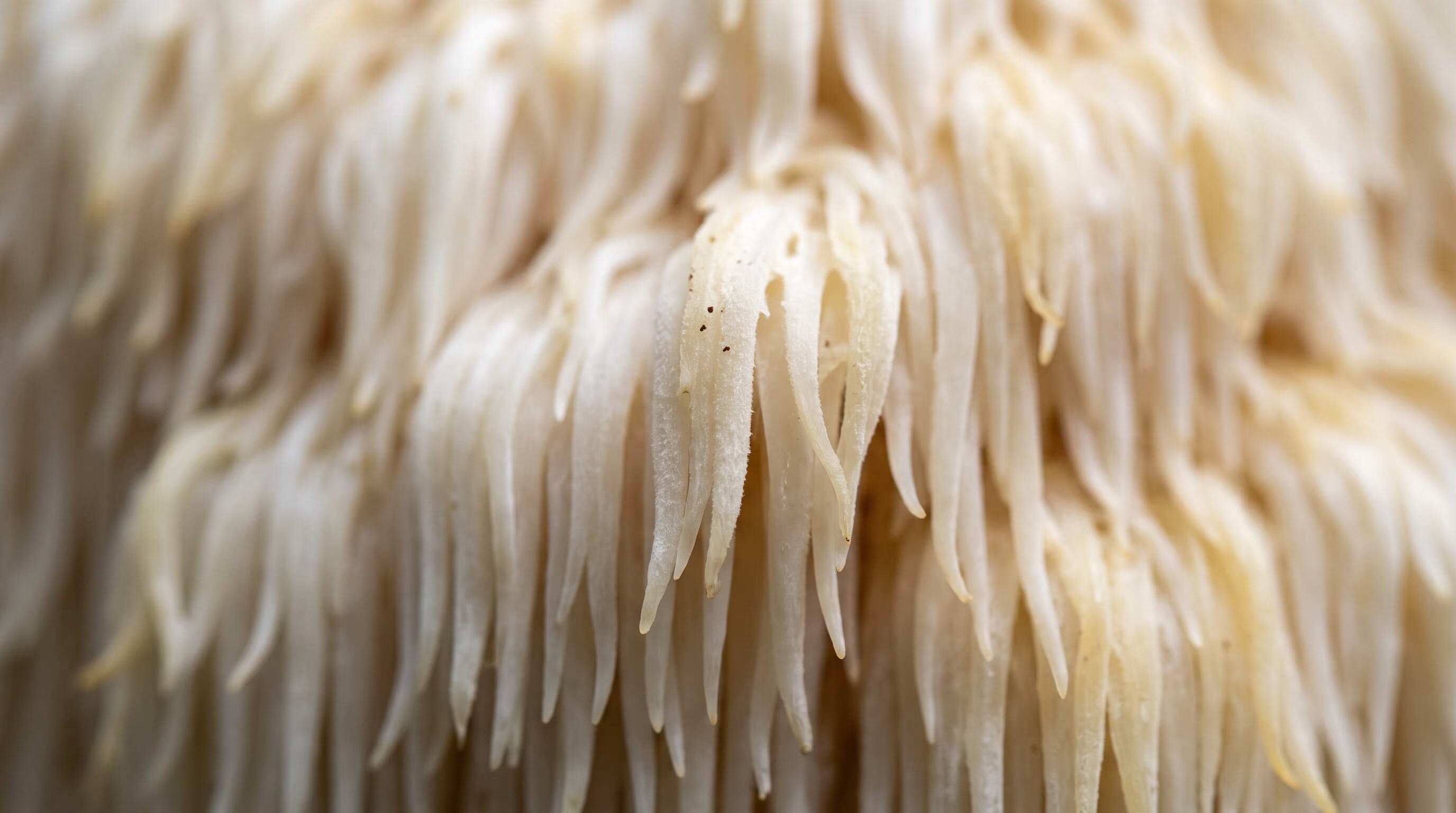
Functional mushrooms like lion's mane, reishi, cordyceps and chaga: what beta-glucans do, which species have human trials, and how to judge a supplement.
Functional mushrooms, also called medicinal or adaptogenic mushrooms, are fungi such as lion’s mane, reishi, cordyceps, chaga, maitake and shiitake, taken for their bioactive compounds rather than for nutrition. Lion’s mane has the most human trial data, for cognition; chaga and maitake rest mostly on cell and animal studies.
What unites the six species reviewed here is a shared class of polysaccharides: beta-(1,3)/(1,6)-D-glucans. These structural carbohydrates bind to immune cell receptors, chiefly Dectin-1, and modulate innate immune activity (Tsoni & Brown, 2008). Beta-glucan content varies widely between species and products, depending heavily on extraction method and substrate origin.
Beyond beta-glucans, each species carries a distinct secondary chemistry: reishi has triterpenes (ganoderic acids), chaga has betulinic acid and melanin pigments, cordyceps has cordycepin, lion’s mane has hericenones and erinacines, maitake has the proprietary D-fraction polysaccharide, and shiitake has lentinan and eritadenine. Understanding which compound drives a claimed benefit, and whether that benefit has been tested in humans, is the necessary starting point for any honest evaluation.
Does Lion’s Mane Mushroom Actually Support Brain Function?
Lion’s mane (Hericium erinaceus) is the medicinal mushroom with the most direct human clinical evidence for cognitive effects. A 2009 double-blind, placebo-controlled trial by Mori et al. (Phytotherapy Research, n=30 adults with mild cognitive impairment) found significantly higher scores on a cognitive scale based on the Revised Hasegawa Dementia Scale at weeks 8, 12 and 16 of taking about 3 g/day of dried fruiting-body powder, with scores declining 4 weeks after supplementation stopped (Mori et al., 2009).
Evidence:Limited A few small placebo-controlled trials in people, with partly mixed results; most of the data are from lab and animal studies.
The proposed mechanism involves two classes of unique terpenoids: hericenones (from the fruiting body) and erinacines (from the mycelium). Both have been reported to stimulate nerve growth factor (NGF) synthesis in laboratory studies, but the hericenone evidence is mixed: in human astrocytoma cells, a lion’s mane extract raised NGF expression while purified hericenones C, D and E did not (Mori et al., 2008). NGF supports the survival and maintenance of neurons, particularly cholinergic neurons implicated in Alzheimer’s disease. In animal studies, erinacine A reached the brain after oral dosing in rats (Tsai et al., 2021) and reduced cerebral plaque loading in a transgenic Alzheimer’s mouse model (Tzeng et al., 2018); none of this has been tested in humans.
A 2019 double-blind, placebo-controlled trial by Saitsu et al. (Biomedical Research) found that 12 weeks of fruiting-body supplements improved scores on the Mini Mental State Examination, but not on the two other cognitive tests used (Saitsu et al., 2019). Both trials are limited by small samples and single-scale outcomes. A 2023 parallel-group pilot RCT in healthy adults aged 18-45 (Nutrients, n=41) found faster Stroop task performance 60 minutes after a single 1.8 g dose, and only a non-significant trend toward lower stress after 28 days (Docherty et al., 2023); the authors also reported null findings and urged caution given the small sample.
The Mori et al. 2009 trial remains the most-cited single piece of human evidence for lion’s mane cognitive effects, and no larger trial has replicated it with fruiting-body powder. The closest is a 49-week pilot RCT in mild Alzheimer’s disease that used erinacine A-enriched mycelium; it reported better cognitive and daily-living scores than placebo, and most of its authors were employed by the manufacturer (Li et al., 2020). The evidence base remains smaller than supplement marketing implies.
What Product Form Is Best for NGF Induction?
Fruiting bodies are the primary source of hericenones; mycelium is richer in erinacines. Many commercial products blend both to cover the full terpenoid spectrum. Grain-colonized mycelium products, where the substrate forms a large portion of total mass, will have diluted active compound concentrations. Look for products that declare beta-glucan content and, ideally, confirm hericenone or erinacine presence via certificate of analysis.
The Mori trial used about 3 g/day of dried fruiting-body powder for 16 weeks; the Saitsu trial ran for 12 weeks. In the Mori trial, benefits appeared only after 8 weeks and faded after supplementation stopped; whether that pattern reflects NGF-driven processes has not been tested.
How Does Reishi Affect the Immune System?
Reishi (Ganoderma lingzhi, long sold and studied as G. lucidum) has a particularly complex bioactive chemistry. Its fruiting body contains a large family of triterpenes (ganoderic acids, lucidenic acids) alongside beta-(1,3)/(1,6)-D-glucans. An uncontrolled 2003 study (Immunological Investigations, 34 advanced-stage cancer patients, 30 assessable) found that 12 weeks of an oral reishi polysaccharide extract (1,800 mg three times daily) increased natural killer (NK) cell activity and CD56+ cell counts compared with baseline (Gao et al., 2003).
Evidence:Limited For immune support in people with cancer: trials exist but are low quality.
Evidence:Insufficient For healthy adults and stress: no supporting human trials.
The ganoderic acids distinguish reishi from other medicinal mushrooms. In laboratory enzyme assays, some reishi triterpenoids inhibit HMG-CoA reductase, the enzyme targeted by statin drugs (Chen et al., 2017), and ganoderic acid DM inhibits 5-alpha reductase (Liu et al., 2006); ganoderic acids have also shown hepatoprotective activity in animal models. In vitro, ganoderic acids inhibit NF-kB signaling, a central pathway in inflammatory responses. The clinical relevance of these in vitro findings to human supplementation doses remains uncertain.
Reishi’s polysaccharide-peptide fraction (GLPP) has been studied separately from the triterpenes, mostly in animals; in mice given the chemotherapy drug cyclophosphamide, GLPP lessened the drug’s immune suppression (Xie et al., 2023). The evidence base for immune support in healthy adults is weaker. A 2016 Cochrane review found only five eligible RCTs, all in cancer patients, and rated their methodological quality as generally unsatisfying; it reported small increases in CD3, CD4 and CD8 percentages and a better tumour response when reishi was added to chemotherapy or radiotherapy, but found the evidence insufficient to support reishi as a first-line cancer treatment (Jin et al., 2016).
Reishi and Sleep: What the Trials Show
Improved sleep is a recurring claim for reishi, largely based on animal studies: in rats, 3 days of a fruiting-body extract increased total sleep and NREM sleep, an effect the authors linked to the cytokine TNF-alpha (Cui et al., 2012). Controlled human sleep data are sparse, and the mechanism remains unclear. Until larger sleep trials are published, these findings should be treated as hypothesis-generating rather than conclusive.
Can Cordyceps Improve Exercise Performance?
Cordyceps has the most direct human performance trial data of any medicinal mushroom. A 2010 double-blind, placebo-controlled trial (Journal of Alternative and Complementary Medicine, n=20 healthy elderly subjects) found that C. sinensis Cs-4 fermented mycelium at 333 mg three times daily (about 1 g/day) for 12 weeks raised the metabolic threshold by 10.5% (p < 0.02) and the ventilatory threshold by 8.5%, with no such changes in the placebo group; VO2 max did not change in either group (Chen et al., 2010). The authors described it as a pilot study.
Evidence:Limited Two trials in specific groups were positive, but results across all trials conflict.
A 2017 RCT (Journal of Dietary Supplements, n=28 healthy younger adults) gave 4 g/day of a mushroom blend containing C. militaris. After 1 week there was no significant effect on any outcome; among the 10 volunteers who continued for 3 weeks, VO2 max improved significantly (+4.8 ml/kg/min vs +0.9 with placebo), and confidence-interval analysis suggested longer time to exhaustion (Hirsch et al., 2017). A 2004 trial in 22 endurance-trained male cyclists found that 3 g/day of Cs-4 for 5 weeks had no effect on VO2 peak, ventilatory threshold, or time-trial performance (Parcell et al., 2004). The divergence may reflect differences in subject training status, duration of supplementation, and cordyceps species/form used.
The proposed mechanism centers on adenosine and cordycepin. Adenosine is a component of ATP and contributes to cellular energy transfer and vasodilation. Cordycepin (3’-deoxyadenosine), an adenosine analog abundant in cultivated C. militaris but found only in very low amounts in wild Ophiocordyceps sinensis and not detected in cultured O. sinensis mycelium (Yang et al., 2009), has been studied for anti-inflammatory and anti-fatigue effects in cell culture and animal models. Its oral bioavailability in humans is still being characterized.
Cs-4 vs. C. militaris: Does the Form Matter?
Affordable cordyceps supplements use cultivated material, mostly C. militaris or fermented mycelium, not wild O. sinensis, which a 2013 review put at roughly USD 20,000 to 40,000 per kilogram (Lo et al., 2013). The two species have partially overlapping but distinct bioactive profiles. The most studied commercial form is Cs-4, a fermented mycelium strain classified as Paecilomyces hepiali (Yao et al., 2026); it has the most human trial data. Products should specify the species and strain. Generic “cordyceps” labeling should be treated cautiously.
What Does the Evidence Say About Chaga’s Antioxidant Claims?
Chaga (Inonotus obliquus) is often marketed on its high scores in laboratory antioxidant assays such as ORAC (Oxygen Radical Absorbance Capacity), attributed largely to its melanin pigment complex and polyphenol content. ORAC is an in vitro test only: the USDA withdrew its ORAC database in 2012 because the values do not reflect effects in the body, and chaga’s antioxidant activity has not been shown in human clinical trials.
Evidence:Insufficient No adequately powered, placebo-controlled human trials exist for any claimed benefit.
Chaga’s chemistry is thought to derive partly from the birch trees it parasitizes; betulin and betulinic acid are pentacyclic triterpenes also found in birch bark. Lab-grown chaga mycelium lacks the triterpenoid and phenolic markers of the wild sclerotium, and 8 of 18 chaga supplements in one recent analysis contained ground mycelium (Avula et al., 2026). Betulinic acid has shown selective cytotoxicity against certain cancer cell lines in cell culture, but laboratory cytotoxicity data should never be interpreted as evidence of anticancer efficacy in humans.
The melanin complex gives chaga its characteristic black exterior and is thought to account for much of its radical-scavenging activity in laboratory assays. Whether consuming chaga raises systemic antioxidant markers in humans remains untested in controlled conditions.
The fundamental credibility problem for chaga supplements is not that the compounds are inactive - betulinic acid and the melanin complex show real activity in preclinical models - but that no properly controlled human trial of chaga on its own appears in the published literature. For a mushroom sold at significant price premiums, the absence of phase I/II human data is a notable gap relative to reishi, lion’s mane, and cordyceps.
The Oxalate Safety Issue
Wild chaga is exceptionally high in oxalates. A 2014 case report in Clinical Nephrology described a 72-year-old woman who developed oxalate nephropathy requiring hemodialysis after taking 4-5 teaspoons of chaga powder daily for 6 months (Kikuchi et al., 2014). Anyone with a history of calcium oxalate kidney stones or existing kidney disease should avoid chaga or use it only under medical supervision.
Maitake and Blood Sugar: How Strong Is the Evidence?
Maitake (Grifola frondosa) contains a proprietary polysaccharide fraction known as D-fraction, a protein-bound beta-(1,3)/(1,6)-glucan thought to act through the same immune-cell receptors as other mushroom beta-glucans. Claims that it lowers blood glucose in people with type 2 diabetes rest mainly on rodent studies and a few small, early human reports that have not been confirmed in controlled trials.
Evidence:Lab & animal only Mostly animal data; no adequately powered human trials as of mid-2026.
The glucose-modulating mechanism proposed for maitake involves both immune receptor activation and potential effects on insulin sensitivity. Animal studies using maitake polysaccharides have reported lower blood glucose in diabetic rodent models. The few human reports have been small, short-term, and largely unblinded - insufficient to recommend maitake as a glycemic management tool. Individuals managing blood sugar with medications should note the theoretical hypoglycemia interaction.
A 2009 phase I/II dose-escalation trial in 34 postmenopausal breast cancer patients (Journal of Cancer Research and Clinical Oncology) gave an oral maitake polysaccharide extract at 0.1-5 mg/kg twice daily for 3 weeks. It found no dose-limiting toxicity, and the extract both raised and depressed different immune measures, with non-monotonic dose responses (Deng et al., 2009). Maitake’s immune effects are biologically plausible but under-studied in humans relative to shiitake or reishi.
Shiitake for Immune and Cardiovascular Health
Shiitake (Lentinula edodes) occupies a unique position as both one of the world’s most widely cultivated edible mushrooms and one of the most clinically studied. A 2015 randomized parallel-group dietary study with no placebo arm (Journal of the American College of Nutrition, Dai et al., n=52 healthy adults aged 21-41) found that eating 5 or 10 g of whole dried shiitake daily for 4 weeks increased ex vivo proliferation of γδ-T cells and NK-T cells, raised salivary sIgA, and reduced C-reactive protein compared to baseline (Dai et al., 2015).
Evidence:Preliminary For immune effects: one small dietary study without a placebo group.
Evidence:Limited For heart health: few human studies.
Lentinan - a triple-helix beta-(1,3)/(1,6)-D-glucan - is one of the most extensively studied compounds in medicinal mushroom research, though primarily in pharmaceutical injectable form. Purified lentinan is approved in Japan as an adjunct to chemotherapy for gastric cancer (Ina et al., 2013). A 2009 meta-analysis (Anticancer Research, Oba et al.) pooled individual data on 650 patients from 5 randomized trials and found that adding injectable lentinan to standard chemotherapy improved overall survival in advanced gastric cancer (hazard ratio 0.80) (Oba et al., 2009). These IV findings do not directly apply to oral supplements; how much orally taken lentinan reaches the immune system in humans has not been established.
Eritadenine, an adenosine derivative characteristic of shiitake, is a potent inhibitor of S-adenosyl-L-homocysteine (SAH) hydrolase, a mechanism distinct from statins (Yamada et al., 2007). Animal studies using eritadenine-supplemented diets have reported lower plasma cholesterol in rats (Sugiyama et al., 1995). Human evidence is limited: in a 2021 double-blind RCT of 68 adults with borderline-high cholesterol, triglycerides fell 10% in the group eating shiitake bars for 66 days (Spim et al., 2021), which falls well short of a substitute for pharmaceutical lipid management.
How Do You Choose a Quality Mushroom Supplement?
In the US, mushroom supplements are sold as dietary supplements, which the FDA does not approve before they are marketed (FDA), and product quality varies sharply. A 2017 analysis of 19 reishi supplements bought in the United States found that the measured triterpenes and polysaccharides matched the label in only 5 of them (Wu et al., 2017). Our lion’s mane supplements comparison and mushroom coffee comparison apply the markers below to specific products. Understanding the key quality markers protects against paying premium prices for substandard products.
Fruiting Body vs. Mycelium on Grain
This is the most commercially consequential distinction. Fruiting bodies are the cap-and-stem structures of the mushroom. Mycelium is the root-like network from which the fruiting body grows. Many inexpensive supplements are produced from mycelium grown on grain (oats, rice, brown rice), then dried and powdered. In these products, a substantial portion of total mass can be residual starch from the grain rather than fungal material; one analysis of chaga products found fermented-grain products starch-rich and authentic chaga free of starch (Windsor et al., 2025, authors employed by a mushroom-ingredient supplier).
Fruiting-body products tend to have higher and more consistent beta-glucan content. They also contain compounds concentrated in the fruiting body, such as hericenones in lion’s mane. Mycelium products are not categorically inferior: erinacines (the NGF-inducing compounds in lion’s mane) are concentrated in the mycelium, and the Cs-4 cordyceps strain studied in RCTs is a mycelium fermentation product. But grain-substrate mycelium products with undeclared beta-glucan are the lowest-quality tier.
Reading the Certificate of Analysis
A certificate of analysis (CoA) from an ISO-accredited third-party laboratory should confirm five things: species identity (via DNA barcoding or HPLC), beta-glucan content by a method that subtracts starch (alpha-glucan), such as the Megazyme mushroom assay (McCleary & Draga, 2016), heavy metal levels below regulatory limits, absence of pesticide residues, and microbial safety. Products that report only “total polysaccharides” by the phenol-sulfuric acid method are including starches from grain substrate in that number. Beta-glucan measured with starch excluded is the honest metric.
For species-specific markers, look for: declared cordycepin content in C. militaris extracts, hericenone or erinacine presence in lion’s mane, and ganoderic acid content in reishi. These declarations are not yet universal.
Across the published literature, the gap between preclinical promise and human clinical evidence is widest for chaga and maitake - precisely the two species most aggressively marketed for immune support and metabolic benefits. Consumers should weight human RCT evidence more heavily than ORAC scores, DPPH assays, or mouse model results.
Frequently Asked Questions
What is the best functional mushroom?
There is no single best one; the answer depends on the outcome. Lion’s mane has the most direct human evidence, from a few small RCTs on cognition, including a 30-person trial using about 3 g a day of dried fruiting body. Cordyceps Cs-4 has a pilot trial on exercise thresholds. Chaga and maitake have the weakest human evidence of the six.
Are functional mushrooms good for you?
As foods, shiitake and maitake are ordinary edible mushrooms. As supplements, the evidence is limited: small human trials for lion’s mane, reishi and cordyceps, and mostly lab data for chaga and maitake. Quality is a real problem too, since one analysis found only 5 of 19 US reishi supplements matched their label. Look for declared beta-glucan content and fruiting-body sourcing.
What do adaptogenic mushrooms do?
“Adaptogenic” is a marketing label for these mushrooms more than a tested property. Their shared compounds, beta-glucans, bind immune-cell receptors such as Dectin-1 and modulate innate immune activity in lab studies. Reishi is the one most often classed with herbal adaptogens; the adaptogens evidence review covers how that category is defined and how far the human data go.
Can I take multiple medicinal mushrooms together?
Combination products are common, but adverse effects do occur. Case reports have linked reishi powder to acute liver injury, including one fatal case (Wanmuang et al., 2007; Guedikian et al., 2023), and raw or undercooked shiitake can cause a distinctive whip-like rash known as shiitake dermatitis (Nguyen et al., 2017); eosinophilia with gastrointestinal symptoms has also been reported after eating shiitake (Levy et al., 1998). Formal herb-drug interaction studies for these species are scarce, so the absence of reported interactions is not evidence of safety. One theoretical concern is additive immunostimulatory effects in people taking immunosuppressant drugs. Individuals using cyclosporine, tacrolimus, or similar medications should not combine medicinal mushroom supplements without physician guidance.
How long before medicinal mushrooms produce noticeable effects?
Human trial data suggest cognitive effects of lion’s mane build over 8-16 weeks, while the shiitake study measured immune-marker changes after 4 weeks. The 2009 Mori et al. lion’s mane trial observed cognitive score improvements that reversed 4 weeks after supplementation stopped, suggesting effects require ongoing intake (Mori et al., 2009). One small 2023 trial reported a faster Stroop task 60 minutes after a single lion’s mane dose, but acute benefits are otherwise not supported by the current evidence base.
Are medicinal mushrooms safe for people with autoimmune conditions?
All six species reviewed here have immunomodulatory properties. In theory, immune stimulation could worsen autoimmune disease. No adequately controlled human trial has evaluated this risk directly. As a precaution, individuals with rheumatoid arthritis, lupus, multiple sclerosis, or inflammatory bowel disease should consult a rheumatologist or specialist before starting any medicinal mushroom supplement.
What is the difference between hot-water extract and dual-extraction?
Hot-water extraction captures water-soluble polysaccharides, primarily beta-glucans. Ethanol extraction captures alcohol-soluble compounds such as the triterpenes in reishi and betulinic acid in chaga. Cordycepin, a water-soluble nucleoside, does not need ethanol. Dual-extraction products use both methods to capture both groups. For lion’s mane, hot-water extraction captures polysaccharides; hericenones and erinacines require ethanol or lipid-based extraction to concentrate meaningfully.
Do medicinal mushrooms interact with cancer treatments?
This is a clinically important question. Injectable lentinan from shiitake is an approved adjunct to chemotherapy in Japan, and reishi polysaccharides have been studied as chemotherapy complements in Chinese clinical trials. However, the immune-stimulating properties of medicinal mushrooms also raise theoretical concerns about interfering with certain immunotherapies. Anyone in active cancer treatment must discuss supplement use with their oncologist before starting.
Disclaimer
This article is for informational purposes only and does not constitute medical advice, diagnosis, or treatment. Medicinal mushroom supplements are not approved by the FDA to treat, cure, or prevent any disease. Preliminary studies suggesting benefits do not establish clinical efficacy. Consult a qualified healthcare provider before beginning any supplement regimen, particularly if you have a medical condition, are pregnant or nursing, or are taking prescription medications.
References
Show all 36 referencesShow fewer
Shopping for lion's mane mushroom?
Top-ranked of 5 products compared.
 Check price on Amazon on Amazon for Real Mushrooms Lion's Mane Extract Capsules (opens in a new tab)
Compare all 5 picks →Affiliate links. Disclosure.
Shopping for lion's mane mushroom?
Top-ranked of 5 products compared.

Compare all 5 picks →Affiliate links. Disclosure.
Read next
Written by Superfoods Advisor Editors·Published July 4, 2026