What Is a Superfood? The Meaning, the Marketing and the Evidence
By Superfoods Advisor Editors·November 5, 2026
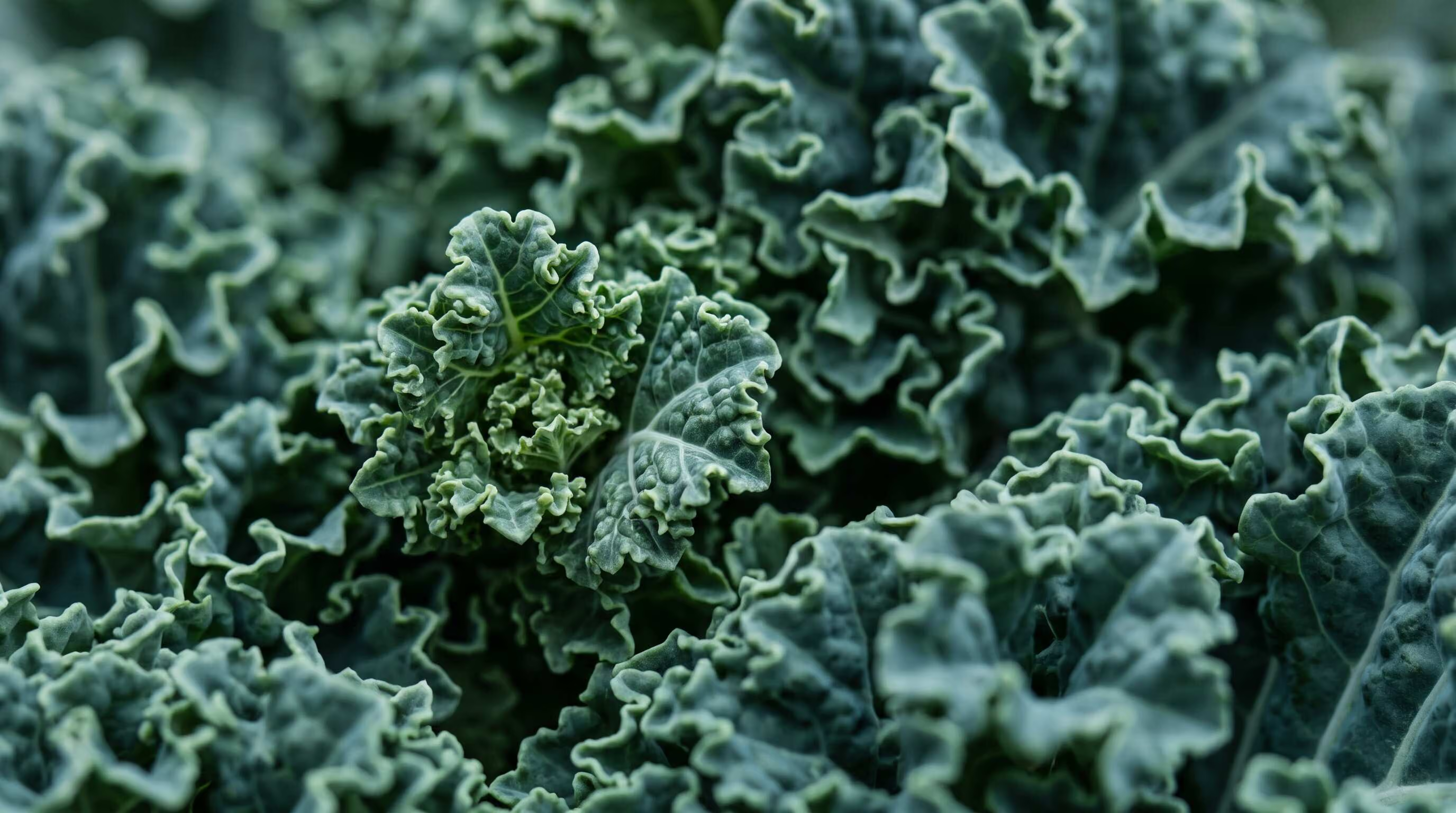
What is a superfood? A marketing label with no legal or scientific definition. Where the word came from, how it is regulated, and what the evidence shows.
A superfood is a food marketed as unusually good for health. The word has no scientific or legal definition in the US, and EU rules restrict it on labels. It is usually applied to nutrient-dense foods such as berries, leafy greens, oily fish and legumes. Research supports eating them regularly, but rarely shows one doing anything special alone.
Where Did the Word “Superfood” Come From?
The word started in advertising. Harvard T.H. Chan School of Public Health’s Nutrition Source dates its earliest known use to the early 20th century, around World War I, when the United Fruit Company ran an advertising campaign for its imported bananas.
According to the same page, the banana’s healthy image grew after doctors published reports on banana diets for celiac disease and diabetes. The banana cure for celiac disease didn’t last; the condition was later traced to gluten. We could not locate a primary company document that uses the word “superfood” itself, so treat the exact origin story as the account most often repeated, not a settled fact.
The pattern held. A food gets the label when a seller, a publisher or a headline gives it one. No committee awards it, and a null study doesn’t take it away.
Is “Superfood” a Regulated Term?
In the European Union, partly. In the United States, no.
European Union: Regulation (EC) No 1924/2006 governs nutrition and health claims on foods. Article 10(3) says that “reference to general, non-specific benefits of the nutrient or food for overall good health or health-related well-being may only be made if accompanied by a specific health claim” from the authorised lists in Articles 13 or 14.
The regulation does not name “superfood”, but UK government guidance on the same regulation gives “superfood” and “healthy” as examples of these general claims (GOV.UK). So a pack of goji berries sold in the EU can say “superfood” only if an authorised claim, such as one about a vitamin the product contains in sufficient amounts, sits next to it.
The rule covers food labels and advertising. People often call it a “superfood ban”, which overstates it, since the word is allowed when paired with an authorised claim.
United States: The FDA has not defined “superfood”. The term it does define is “healthy”, updated in a final rule announced in December 2024.
To carry that claim, a food must contain a minimum amount from a food group recommended by the Dietary Guidelines and stay under limits for added sugars, saturated fat and sodium. Fruits and vegetables with nothing added except water qualify automatically, whether fresh, frozen or canned (FDA).
A plain bag of frozen spinach therefore meets the US definition of “healthy” with no further testing. Under US rules, calling a food a superfood requires nothing at all.
What Makes a Food Nutrient-Dense?
A nutrient-dense food delivers a lot of vitamins, minerals, fiber or protein for relatively few calories. Nutrient density, unlike the label, can actually be measured.
Nutrition scientist Adam Drewnowski pointed out in a 2005 review that the idea of a “nutritious food” had no consistent standard, and that healthy foods were often defined by what they lacked (fat, sugar, salt) rather than by what they supplied (Drewnowski, 2005, American Journal of Clinical Nutrition). He proposed scoring foods by their percentage of daily values per 2,000 kcal.
That work led to the Nutrient Rich Foods index. Its best-performing version, NRF9.3, scores a food on nine nutrients to encourage and three to limit, and its rankings tracked overall diet quality in US national survey data (Fulgoni et al., 2009, Journal of Nutrition). Scores like this tend to rank leafy greens, legumes, fish and many vegetables highly. Exotic foods get no bonus for being exotic.
Antioxidant scores are a separate trap. For years, marketers quoted ORAC values, a lab measure of antioxidant capacity, as proof a food was “super”. In 2012 the USDA withdrew its ORAC database, saying the values had no proven relevance to health in people and were routinely misused to promote products (NutraIngredients, 2012). A high test-tube number says little about what happens once the food is eaten.
Do Superfoods Do Anything Special for Your Body?
Not in the way the label suggests. The foods usually called superfoods are nourishing, and eating more of them is linked with better health. Most of that research, though, looks at food groups and whole diets. Single ingredients get far less study.
What the food-group evidence shows
A meta-analysis of prospective studies on 12 food groups found that each daily serving of whole grains, vegetables, fruits, nuts or fish was associated with lower all-cause mortality, while red and processed meat were associated with higher mortality (Schwingshackl et al., 2017, American Journal of Clinical Nutrition). These are observational data, so they show association, not proof of cause.
An umbrella review covering 13 meta-analyses of observational studies and 16 of randomized trials, with more than 12.8 million participants, found robust evidence linking closer adherence to the Mediterranean diet with lower overall mortality, cardiovascular disease and diabetes (Dinu et al., 2018, European Journal of Clinical Nutrition). For most site-specific cancers and for inflammatory markers, the same review rated the evidence only suggestive or weak.
Where single foods do have strong evidence
A few individual foods do have well-tested effects. The clearest example on our site is oat beta-glucan: a meta-analysis of 28 randomized trials found that at least 3 g a day lowered LDL cholesterol by 0.25 mmol/L, about 10 mg/dL (Whitehead et al., 2014, American Journal of Clinical Nutrition), and the FDA has authorized a health claim for it.
It’s a modest effect, and it comes from a breakfast cereal nobody markets as exotic.
For most foods sold as superfoods, the human evidence is thinner. Cancer Research UK is blunt about it: “There are no ‘superfoods’ that prevent cancer” (Cancer Research UK).
How We Grade the Evidence for a Food
We grade each health claim in our encyclopedia on a six-tier scale, published in full on our editorial standards page. The grade is set by the kind of research behind the claim for that particular food, so one food can carry a Strong grade for one claim and an Insufficient grade for another.
| Tier | What it means | Example claims from our encyclopedia |
|---|---|---|
| Strong | Several consistent meta-analyses or large trials, or an effect a regulator recognises | Oats for LDL cholesterol; eggs for protein quality |
| Moderate | Several randomized trials that mostly agree, or a rich source of a nutrient people lack | Walnuts for LDL cholesterol; green tea for fasting glucose |
| Limited | A few small human trials, or trials that conflict | Acai for antioxidant capacity; chia seeds for cardiovascular markers |
| Preliminary | Observational studies in people, or a single pilot trial | Kale for heart disease risk; sardines for heart disease risk |
| Lab & animal only | Cell or animal studies, no human outcome data | Sea moss for gut health; cabbage for inflammation |
| Insufficient | No meaningful evidence, or studies that found no effect | Acai for weight loss; walnuts for blood pressure |
Acai, one of the most heavily marketed superfoods, has no claim graded above Limited. Preliminary grades for kale and sardines do not mean those foods are poor choices; they mean nobody has run outcome trials on that specific food.
Which Foods Are Commonly Called Superfoods?
There is no official list. A 2023 study looked at 45 English-language websites that came up when searching “superfoods” and found 136 different foods given the label. Ten appeared on at least 15 of the sites (Cobos and Díaz, 2023, Foods):
- Kale
- Spinach
- Salmon
- Blueberries
- Avocado
- Chia seeds
- Walnuts
- Beans
- Fermented milks, such as yogurt and kefir
- Garlic
The authors judged the websites’ information generally accurate but oversimplified, enough to raise false expectations about health benefits. Most of the ten are sold in any supermarket. For every food we cover, with its evidence grades, browse our full superfoods list.
Are Superfoods Worth the Price?
Sometimes. The price rarely tracks the evidence, though. Many of the foods with the most consistent research behind them are among the cheapest in the store, and their nutrient profiles overlap with pricier imports.
Oats: Oats carry the only Strong-graded heart claim in this article, backed by an FDA-authorized health claim for beta-glucan.
Beans and lentils: Beans and lentils supply fiber, protein and folate. Our entries grade lentils’ role in folate status and in LDL lowering as Moderate.
Cabbage: Cabbage belongs to the same cruciferous family as kale and broccoli. 100 g of raw green cabbage provides about 41% of the daily value for vitamin C and 63% for vitamin K.
Frozen berries: Frozen produce holds its vitamins well. In a University of California, Davis study of eight fruits and vegetables, including blueberries and strawberries, vitamin content in frozen samples was comparable to, and sometimes higher than, fresh (Bouzari et al., 2015, Journal of Agricultural and Food Chemistry). Frozen blueberries also kept their anthocyanins over three months of storage in an earlier study.
Canned sardines: Sardines canned with their bones provide about 1 g of EPA and DHA, 382 mg of calcium and 8.9 mcg of vitamin B12 per 100 g, with very low mercury.
An imported berry powder buys a different flavour and some convenience. It doesn’t buy better evidence. For a heart-focused version of this comparison, see our guide to heart health superfoods.
Frequently Asked Questions
What are superfoods, and can you give examples?
Superfoods are foods marketed as especially good for health. The term has no scientific or US legal definition. Commonly named examples include kale, spinach, salmon, blueberries, avocado, chia seeds, walnuts, beans, yogurt or kefir, and garlic. Most are nutrient-dense everyday foods, and research supports them as part of a varied diet rather than as individual cures.
Are superfoods real?
As a scientific category, no. No study or regulator has set criteria that make a food “super”. The foods given the label are real and often nutritious, and eating patterns rich in vegetables, fruit, whole grains, nuts, legumes and fish are linked with lower mortality in large observational studies. The myth is that any one of them works like a medicine.
What are the top 10 superfoods?
There is no official top 10, because no body defines the term. A 2023 study of 45 websites found the ten foods named most often were kale, spinach, salmon, blueberries, avocado, chia seeds, walnuts, beans, fermented milks and garlic. To see how the evidence stacks up food by food, browse our superfoods list, which shows evidence grades for every entry.
Is egg a superfood?
Eggs are often called one, and they are nutrient-dense: one large egg supplies about 6.3 g of complete protein and 147 mg of choline. Our eggs entry grades their protein quality as Strong. Large cohort studies find no raised heart risk at up to one egg a day in healthy adults, though people with diabetes may differ.
Are oats a superfood?
Oats are rarely marketed as one, but they have better evidence than most foods that are. A meta-analysis of 28 randomized trials found that at least 3 g of oat beta-glucan a day lowered LDL cholesterol by roughly 10 mg/dL, and the FDA has authorized a heart health claim for it. See our oats entry for the details.
What do superfoods do for your body?
They supply nutrients such as fiber, vitamins, minerals, protein and healthy fats, in generous amounts for their calories. Some have specific tested effects, such as oat beta-glucan modestly lowering LDL cholesterol. Most claims for disease prevention rest on observational studies or lab work, and no food on its own has been shown to prevent cancer.
Is “superfood” allowed on food labels?
In the US, yes, because the term is undefined and unregulated. In the EU, Regulation (EC) No 1924/2006 allows general health wording such as “superfood” on a label only when a specific authorised health claim accompanies it. UK guidance on the same regulation names “superfood” as an example of this kind of claim.
References
Show all 13 referencesShow fewer
- Harvard T.H. Chan School of Public Health, The Nutrition Source. Superfoods or Superhype?
- Regulation (EC) No 1924/2006 of the European Parliament and of the Council of 20 December 2006 on nutrition and health claims made on foods. EUR-Lex, CELEX 32006R1924
- UK Government. Nutrition and health claims: guidance to compliance with Regulation (EC) 1924/2006. Updated 2021.
- U.S. Food and Drug Administration. Use of the “Healthy” Claim on Food Labeling
- Drewnowski A. (2005). Concept of a nutritious food: toward a nutrient density score. American Journal of Clinical Nutrition, 82(4), 721–732. PubMed
- Fulgoni VL 3rd, Keast DR, Drewnowski A. (2009). Development and validation of the nutrient-rich foods index: a tool to measure nutritional quality of foods. Journal of Nutrition, 139(8), 1549–1554. PubMed
- NutraIngredients (2012). ORAC has “ongoing value”, says expert, as USDA removes online database
- Schwingshackl L, et al. (2017). Food groups and risk of all-cause mortality: a systematic review and meta-analysis of prospective studies. American Journal of Clinical Nutrition, 105(6), 1462–1473. PubMed
- Dinu M, Pagliai G, Casini A, Sofi F. (2018). Mediterranean diet and multiple health outcomes: an umbrella review of meta-analyses of observational studies and randomised trials. European Journal of Clinical Nutrition, 72(1), 30–43. PubMed
- Whitehead A, Beck EJ, Tosh S, Wolever TM. (2014). Cholesterol-lowering effects of oat β-glucan: a meta-analysis of randomized controlled trials. American Journal of Clinical Nutrition. PubMed
- Cancer Research UK. Food controversies
- Cobos Á, Díaz O. (2023). ‘Superfoods’: Reliability of the Information for Consumers Available on the Web. Foods, 12(3), 546. PubMed
- Bouzari A, Holstege D, Barrett DM. (2015). Vitamin retention in eight fruits and vegetables: a comparison of refrigerated and frozen storage. Journal of Agricultural and Food Chemistry, 63(3), 957–962. PubMed
Shopping for sea moss?
Top-ranked of 6 products compared.

Compare all 6 picks →Affiliate links. Disclosure.
Read next
Written by Superfoods Advisor Editors·Published November 5, 2026