The Brain Boost Smoothie
with matcha, blueberries and walnuts
By Superfoods Advisor Editors·July 4, 2026
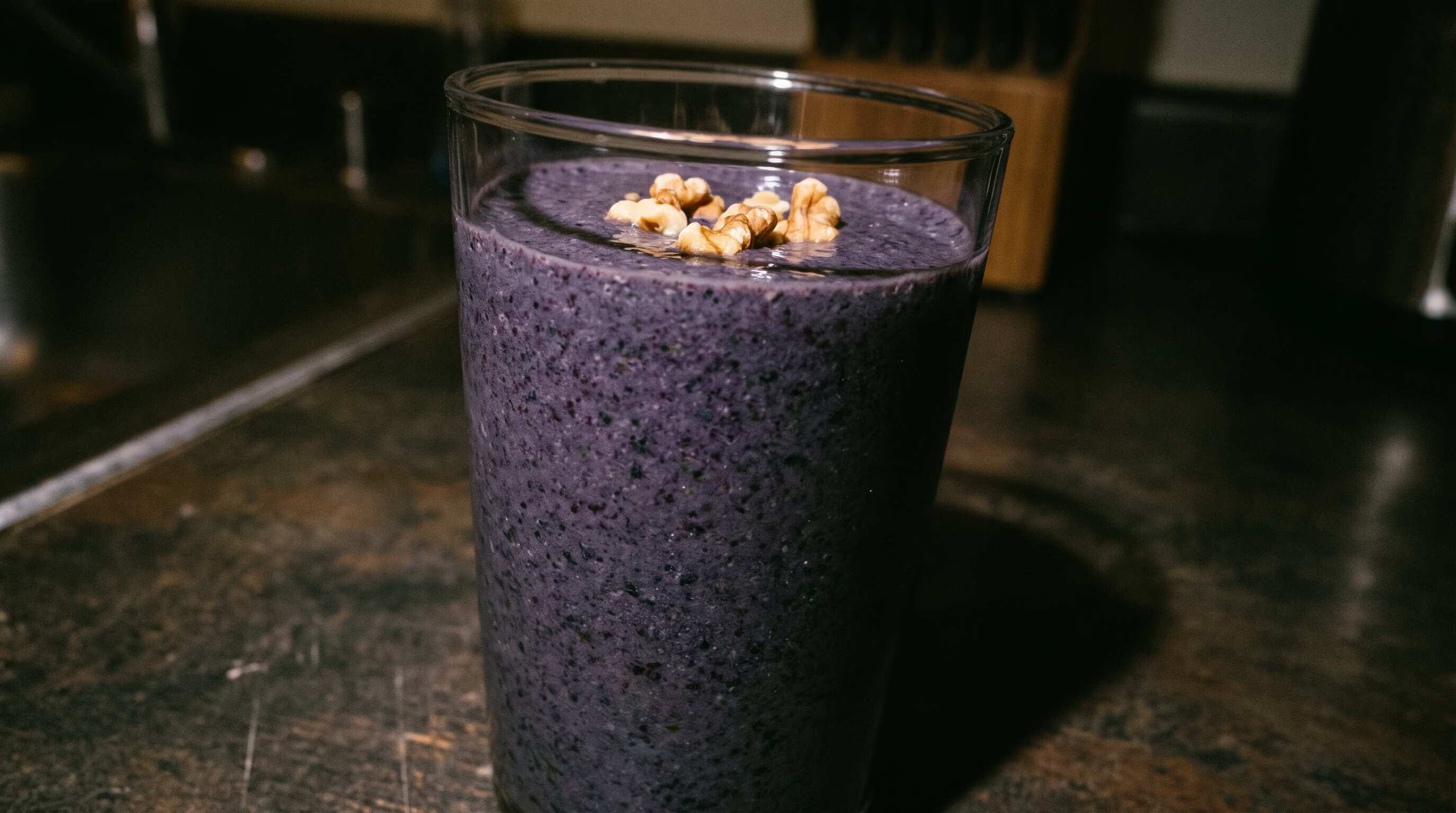
Allergens Oats · Tree nuts
Ingredients
 1 tspCulinary-grade matcha powder, siftedCeremonial grade works too and tastes less grassy
 ¾ cupFrozen blueberries
 ¼ cupRaw walnuts
 1 wholeRipe banana, sliced and frozen
 1 cupUnsweetened oat milkA no-sugar version; nutrition assumes about 45 kcal and 0 g sugar per cup
- ½ cupCold water
From your pantry
- 1 tspRaw honey, or leave it out
Utensils Blender · Fine sieve
Instructions

Slice the banana into coins and freeze it ahead of time. Frozen fruit is what gives the smoothie body, so you do not have to thin the flavour with ice.
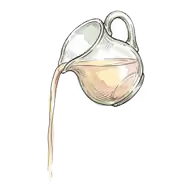
Add the oat milk and cold water to the blender first. Liquid at the base keeps the blade turning freely under the frozen fruit.
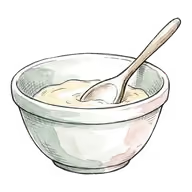
Add the frozen banana, blueberries and walnuts, then sift the matcha over the top.
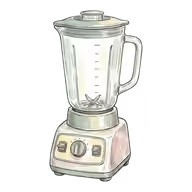
Blend on high for 45 to 60 seconds, until completely smooth.
Taste before adding the honey; the banana usually carries enough sweetness on its own. Serve immediately, as matcha oxidises quickly once blended.
Shopping list
The keeps-in-the-cupboard half of this recipe, and the tools it calls for, in one place. Fresh items are not listed; buy those locally. We earn a commission on purchases made through these links at no cost to you, and it does not affect what gets recommended; see our affiliate disclosure.
- Culinary-grade matcha powderCheck price on Amazon on Amazon
- Raw honeyCheck price on Amazon on Amazon
Tools
Related comparisons: The Best Matcha Powder (2026): Ceremonial and Culinary Picks Compared
Why it works
Sifting the matcha rather than spooning it straight into the blender is what prevents the visible green clumps that spoil both texture and flavour distribution. The powder is fine enough to cake against itself, and a blender does not reliably break those pockets apart.
Matcha contains L-theanine, an amino acid that increased alpha brain wave activity, a marker associated with relaxed alertness, at a dietary-level 50 mg dose in a small placebo-controlled EEG study (Nobre et al., Asia Pacific Journal of Clinical Nutrition, 2008, PubMed:18296328). Blueberry anthocyanins have been linked to better memory in a preliminary study: nine older adults with early memory changes who drank wild blueberry juice daily for 12 weeks improved on paired associate learning and word list recall, though the study had no randomized placebo group of its own (Krikorian et al., Journal of Agricultural and Food Chemistry, 2010, PubMed:20047325). Walnuts add alpha-linolenic acid (ALA), a plant-based omega-3; in humans its conversion to EPA is limited and to DHA very low (Burdge and Calder, Reproduction Nutrition Development, 2005, PubMed:16188209).
Macro detail: of the 32 g sugar, roughly 6 g is added honey and the rest is fruit; of the 18 g fat, about 16 g is walnut, mostly polyunsaturated.
This recipe is part of 5 Superfood Smoothie Recipes Backed by Nutritional Science, which covers the underlying nutrition science and the shared base method.