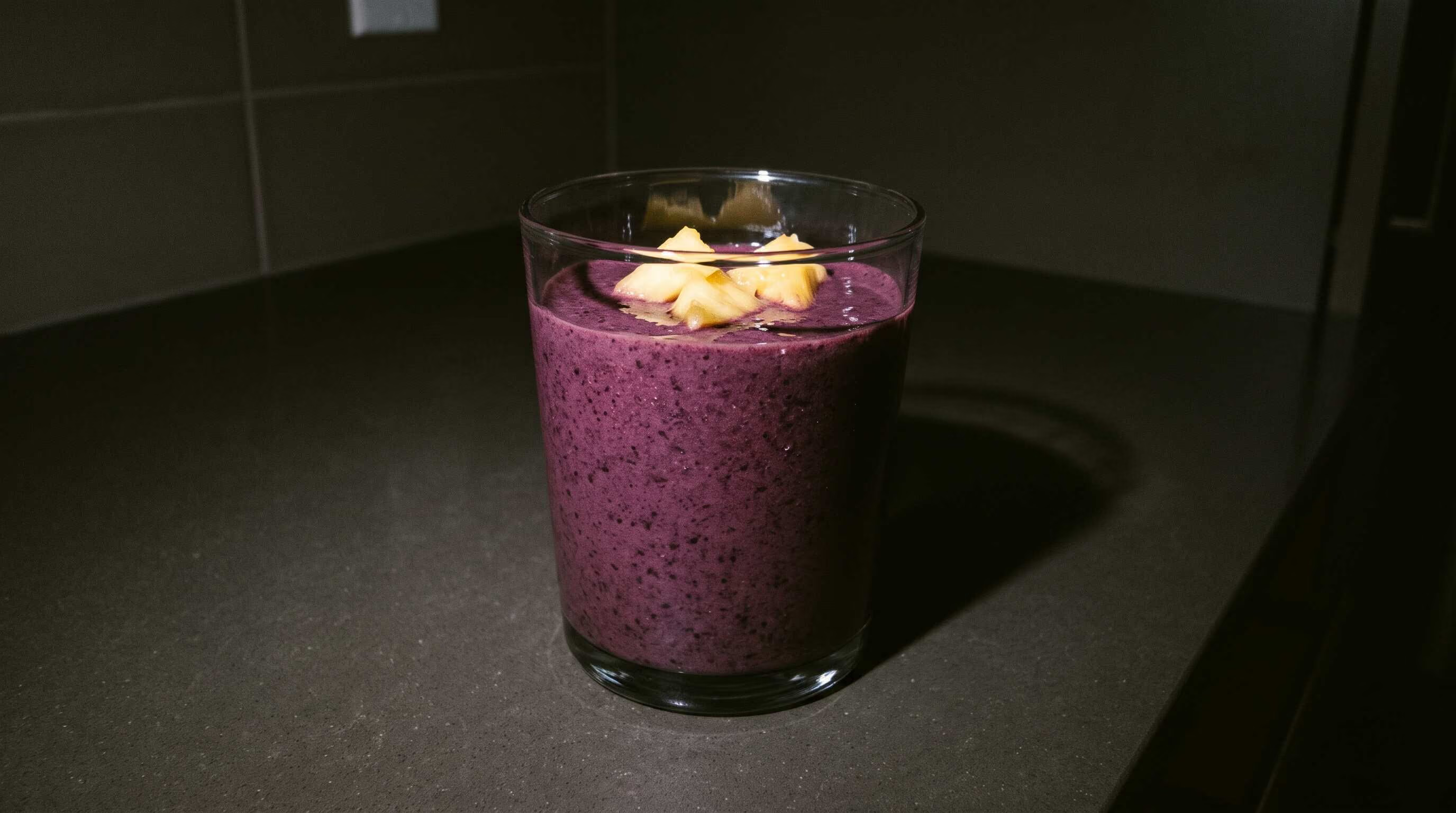
The Anti-Inflammation Smoothie
with acai, turmeric and black pepper
By Superfoods Advisor Editors·July 4, 2026
Ingredients
 3½ ozFrozen unsweetened acai pureeOne 100 g packet
 ½ cupFrozen blueberries
 ½ cupFrozen pineapple chunks
 ½ wholeAvocado (or 1 tsp flaxseed oil)
- 1 cupCoconut water (unsweetened, no added sugar)
 ½ tspFresh ginger, grated
From your pantry
- ¼ tspGround turmeric
- ¼ tspFreshly ground black pepper
Utensils Blender · Microplane
Instructions

Grate the ginger on a microplane and scoop out half an avocado. Grating rather than chopping the ginger spreads it evenly through the drink, with no fibrous pieces.
Pour the coconut water into the blender base.
Break the acai puree into chunks and add it with the frozen blueberries and pineapple, then the avocado, turmeric, black pepper and ginger.
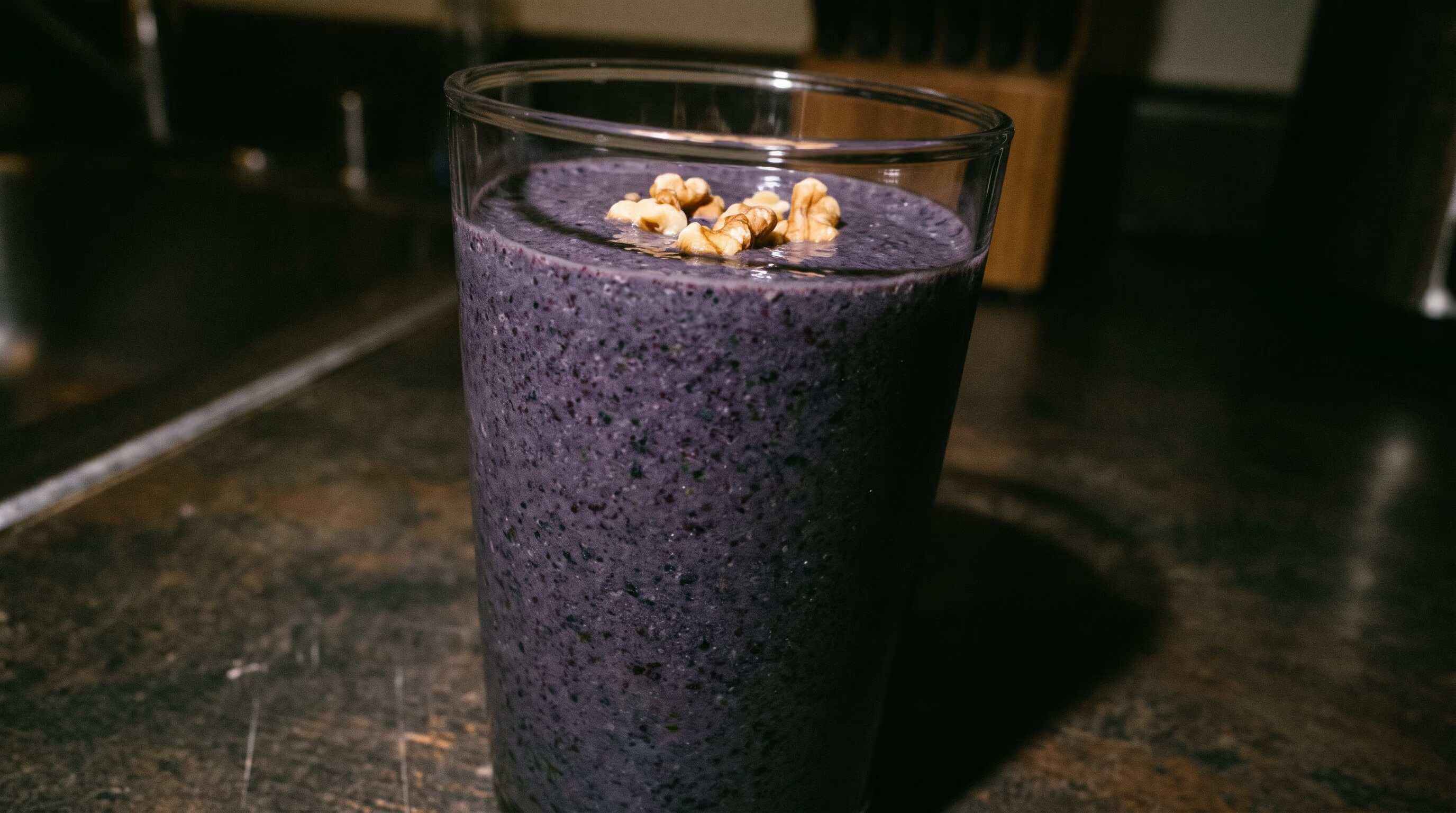
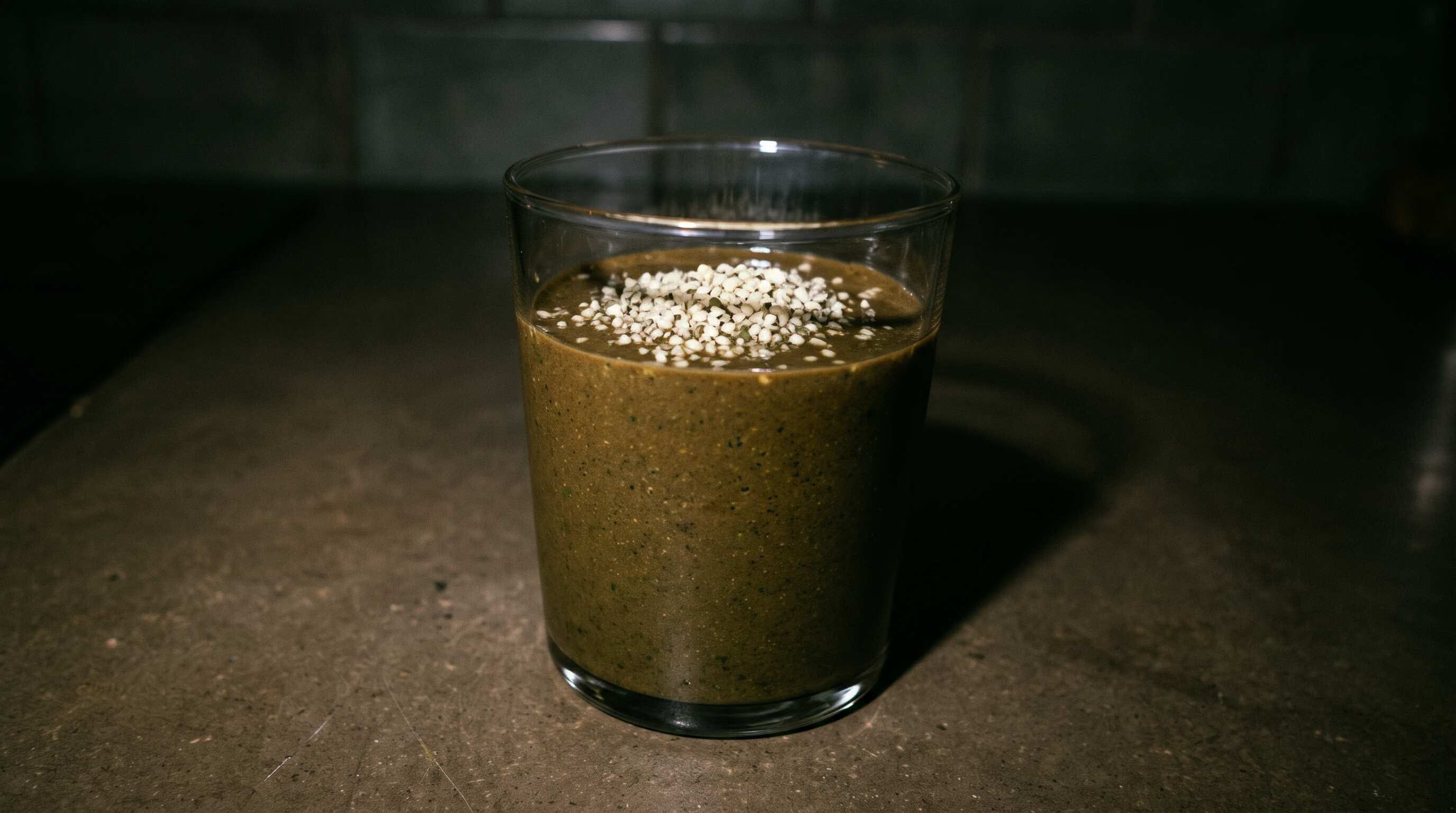
Blend on high for 60 seconds. The acai turns the smoothie a deep purple-brown.
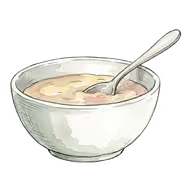
Serve in a chilled glass. This one separates quickly, so stir it again if it has stood for more than a few minutes.
Shopping list
The keeps-in-the-cupboard half of this recipe, and the tools it calls for, in one place. Fresh items are not listed; buy those locally. We earn a commission on purchases made through these links at no cost to you, and it does not affect what gets recommended; see our affiliate disclosure.
- Ground turmericCheck price on Amazon on Amazon
- Freshly ground black pepperCheck price on Amazon on Amazon
Tools
Related comparisons: The Best Turmeric Curcumin Supplements for Joint Comfort (2026)
Why it works
Piperine in black pepper inhibits hepatic and intestinal glucuronidation, slowing curcumin metabolism. In a small study by Shoba et al., 20 mg of isolated piperine taken with 2 g of curcumin increased curcumin bioavailability in healthy volunteers by about 2,000% (Planta Medica, 1998, PubMed:9619120). Acai pulp fractions reduced NF-kB signalling, a key pro-inflammatory pathway, in mouse brain cells in a lab study, though the effect tracked their ferulic acid content more closely than their anthocyanins (Poulose et al., Journal of Agricultural and Food Chemistry, 2012, PubMed:22224493). The fat source is not optional for the carotenoids, which were barely absorbed from a salad eaten with fat-free dressing (Brown et al., The American Journal of Clinical Nutrition, 2004, PubMed:15277161). Curcumin is fat-soluble too, though no human study has shown that fat in a meal raises its absorption.
Freeze-dried acai pulp contained roughly 3.19 mg of total anthocyanins per gram of dry weight in a 2006 Journal of Agricultural and Food Chemistry analysis (Schauss et al., PubMed:17061839). Acai is often marketed on its ORAC (oxygen radical absorbance capacity) score, but ORAC is a test-tube assay, and the USDA withdrew its ORAC database in 2012 because the values do not reflect what happens in the body. Paired with curcumin from turmeric and gingerols from fresh ginger, the drink engages three separate pro-inflammatory pathways, though the evidence for each is mechanistic rather than clinical.
Macro detail: of the 21 g of fat, about 15 g is avocado and most of the rest is acai, both mainly monounsaturated, and the 22 g of sugar comes from the fruit and coconut water rather than anything added.
This recipe is part of 5 Superfood Smoothie Recipes Backed by Nutritional Science, which covers the underlying nutrition science and the shared base method.