5 Superfood Smoothie Recipes Backed by Nutritional Science
By Superfoods Advisor Editors·July 4, 2026
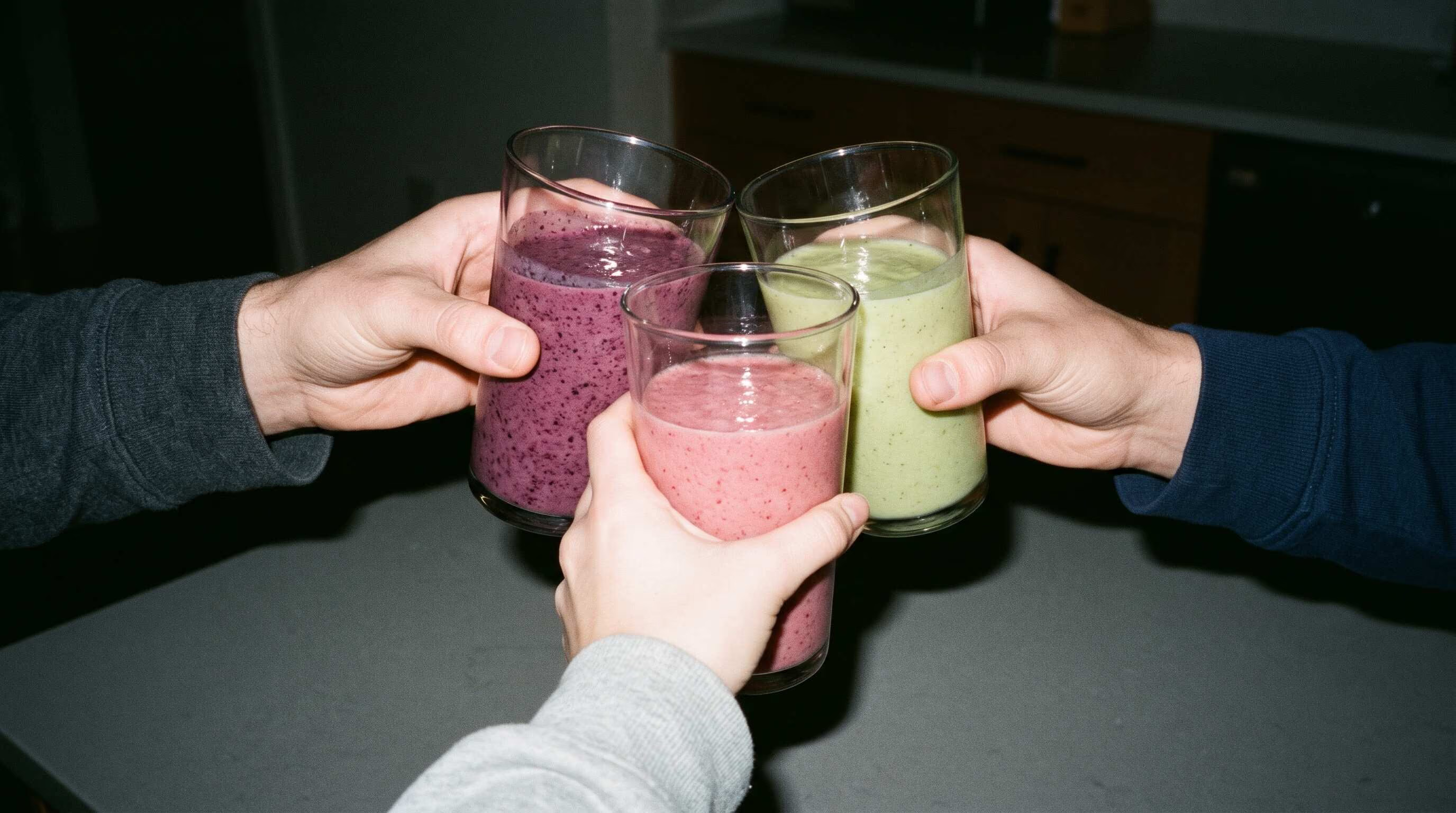
Five superfood smoothie recipes, 315-495 kcal each, for brain, gut, inflammation, energy and recovery, with the evidence behind each key ingredient.
A superfood smoothie is a blend built around one or two nutrient-dense foods, such as matcha, spirulina, kefir, berries or ground seeds, plus a liquid, fruit and a fat source so fat-soluble compounds are absorbed. The five on this page run from about 315 to 495 calories each.
Each recipe is built around a specific physiological goal: brain support, gut health, anti-inflammation, sustained energy, and post-exercise protein recovery. Every key ingredient is linked to at least one published mechanism. None of these smoothies is a treatment for any condition. Think of them as practical, evidence-informed ways to eat more of the foods behind the studies cited here.
Tips for Maximizing Nutrient Absorption
Getting the right ingredients into a blender is step one. Getting those nutrients into your bloodstream is a separate challenge. Several of the compounds in these recipes are fat-soluble, pH-sensitive, or dependent on gut bacteria for activation.
Fat-Soluble Compounds Need a Lipid Carrier
Beta-carotene (from mango) and the carotenoids in spirulina are fat-soluble and absorb poorly in a purely aqueous smoothie: in a small crossover study, almost no carotenoids from a salad reached the blood when the dressing was fat-free (Brown et al., 2004). Always include a fat source: avocado, nut butter, flaxseed oil, or hemp seeds. A modest amount of fat helps these compounds dissolve into the micelles the gut absorbs from. Curcumin (turmeric) is fat-soluble too, but no human study has shown that fat in a meal raises its absorption.
Black Pepper Slows Curcumin’s Breakdown
Piperine in black pepper inhibits curcumin’s hepatic and intestinal metabolism. The 1/4 tsp called for in the Anti-Inflammation Smoothie is not a typo. It doesn’t make the smoothie taste peppery at that dose, and in the study that measured the effect, isolated piperine made curcumin substantially more bioavailable (Shoba et al., Planta Medica, 1998, PubMed:9619120).
Grind Your Seeds
Whole flaxseeds often pass through the gut intact; in one trial, whole flaxseed did not raise plasma ALA while milled seed did (Austria et al., 2008). Chia behaves similarly, at least at moderate doses: in a 10-week trial in overweight postmenopausal women, 25 g a day of milled chia raised plasma ALA by 58%, while whole chia produced no significant change (Nieman et al., Journal of Alternative and Complementary Medicine, 2012, PubMed:22830971), although an earlier trial using 50 g a day of whole chia did raise plasma ALA (Nieman et al., 2009). Buy ground flaxseed or grind it fresh, and grind chia too if omega-3 intake is the goal; soaking whole chia improves texture, but it was milling that changed blood levels in that trial.
Blend Order and Temperature
Add liquids first, then soft ingredients, then frozen or hard items, then powders on top. This sequence protects the blade and ensures powders (matcha, spirulina, maca) get caught in the liquid vortex rather than caking on the walls. Long blending generates friction heat that can begin degrading heat-sensitive vitamin C and the probiotic cultures in kefir-based smoothies. The single-recipe matcha smoothie shows the same order with one extra step: whisking the matcha to a paste first.
The recipes
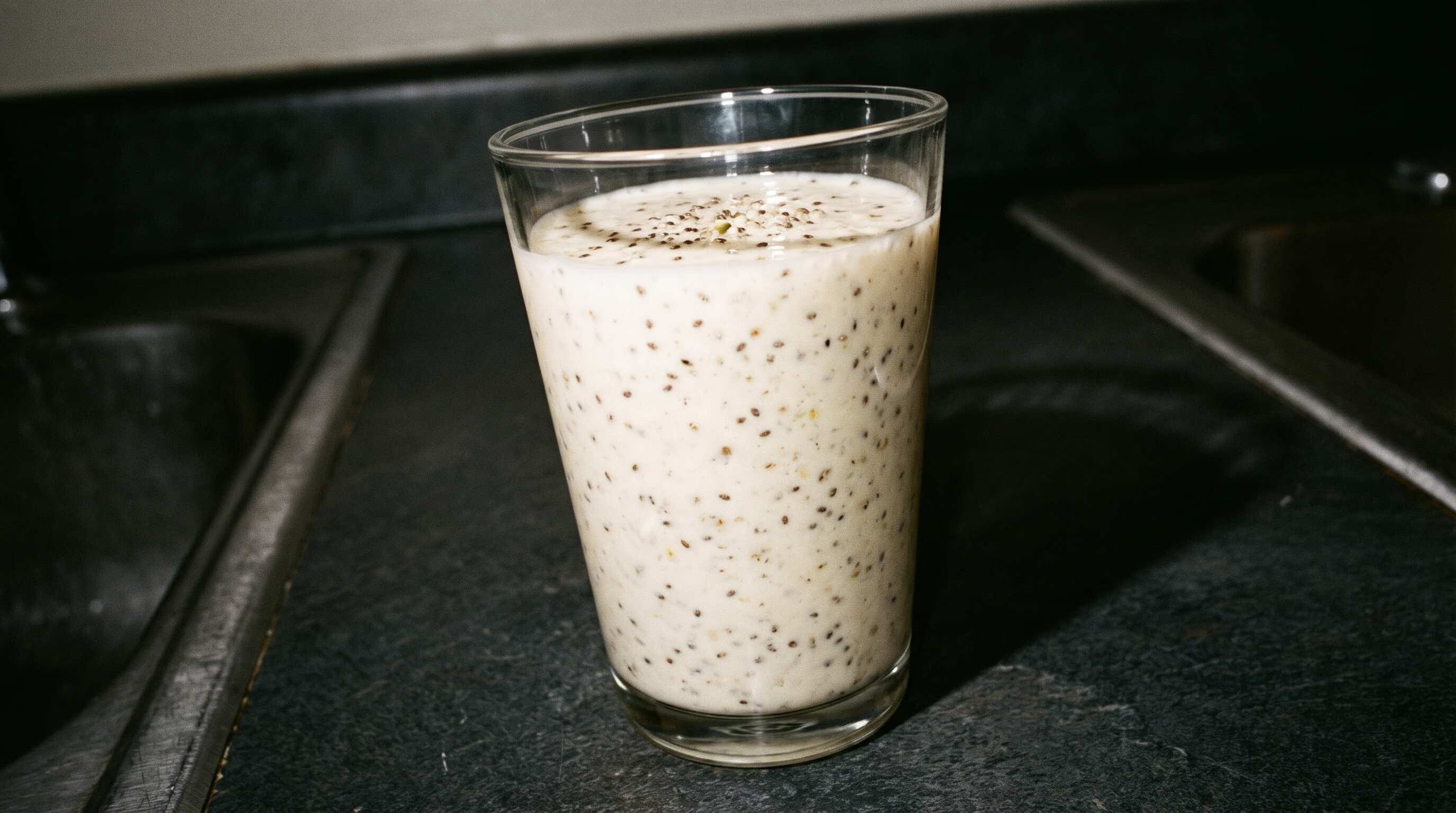
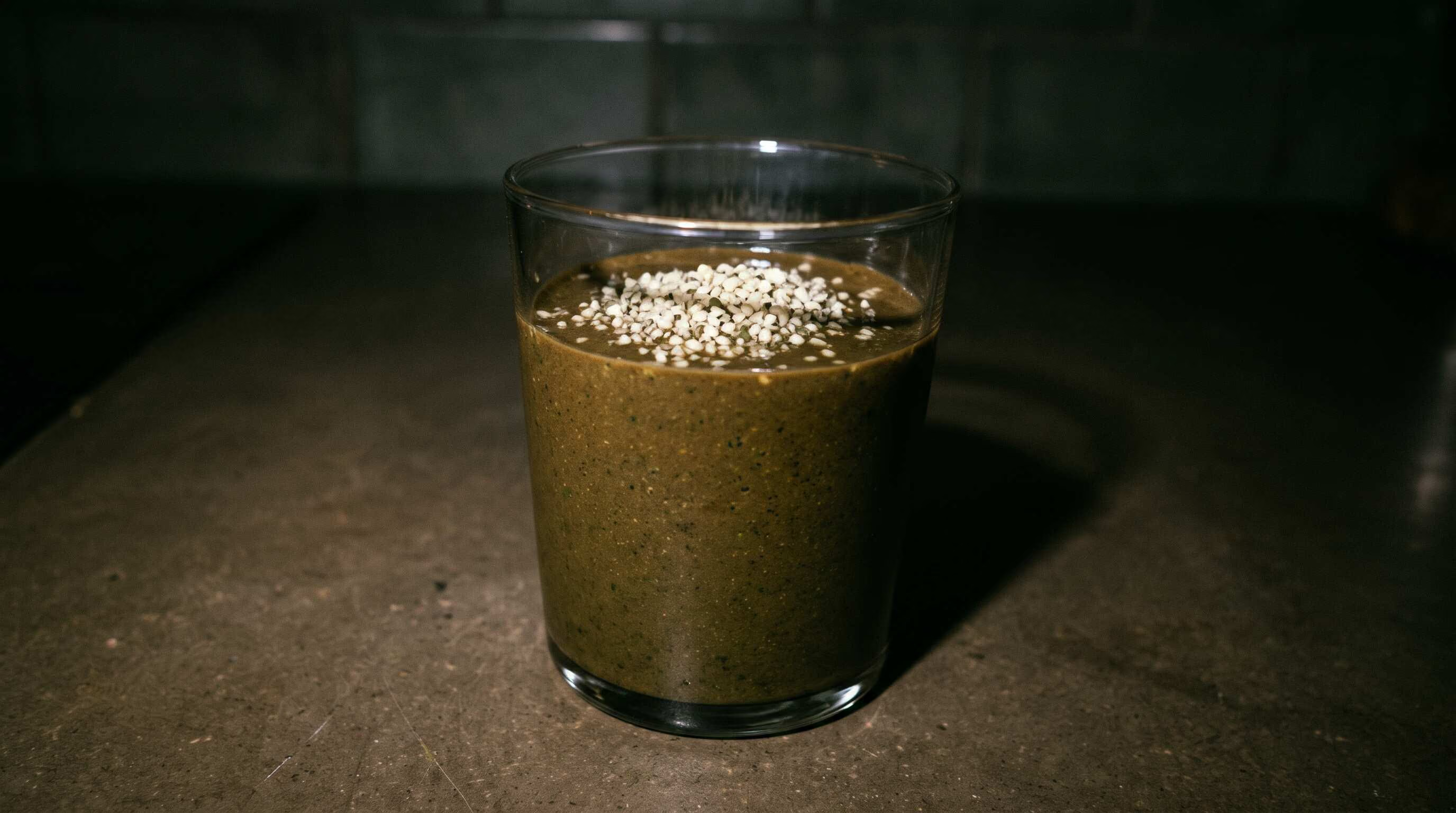
Frequently Asked Questions
What makes a smoothie healthy?
Three things matter most: a protein source, a fat source and whole ingredients rather than juice. Protein makes it filling; a 2016 meta-analysis found higher-protein preloads raised fullness ratings more than lower-protein ones. Fat lets carotenoids from mango or spirulina be absorbed. Whole or milled seeds add fiber that juice-based smoothies lack. Added sugar is what most often turns a smoothie into a dessert.
What should you not put in a smoothie?
Avoid blends with no fat at all, since carotenoids barely reach the blood without it, and skip whole flaxseed, which tends to pass through undigested; use it ground. Supplement-strength add-ins deserve caution too: concentrated piperine can raise levels of some anti-seizure drugs. For spirulina, choose a product with third-party contaminant testing; our spirulina powder comparison ranks products on that basis. Blended greens powders have the same problem, with lead reported in several popular brands; the greens powder comparison ranks them by what each brand discloses about heavy-metal testing.
Can I prep these smoothies the night before?
Some ingredients fare poorly overnight: matcha’s colour and flavour dull within hours of blending, and kefir’s live cultures are best consumed fresh. For the Brain Boost and Gut Reset smoothies, blend fresh. The other three (Anti-Inflammation, Energy, Protein Recovery) hold reasonably well for a short time in a sealed container in the refrigerator; expect some separation that a quick shake will fix. Vitamin C also degrades with time and oxygen exposure once fruit is cut and blended, so fresher is better for that nutrient too.
Is spirulina safe to consume daily?
Trials pooled in a 2018 meta-analysis gave 1 to 19 g of spirulina per day for 2 to 48 weeks (Huang et al., Diabetes, Metabolic Syndrome and Obesity, 2018, PubMed:30532573); the roughly 4 g in this recipe sits at the low end of what has been studied. A USP expert committee that reviewed 31 adverse-event reports gave spirulina a Class A safety rating (Marles et al., 2011), but contamination is a real concern: in a Spanish survey of 10 microalgae supplements, three contained the cyanotoxins microcystin-LR or anatoxin-a, and some had high lead levels (Sánchez-Parra et al., 2020). Choose brands whose third-party testing covers contaminants, such as USP Verified or NSF/ANSI 173 certification (which NSF Certified for Sport also requires); Informed Sport screens for banned substances only. Allergic reactions are rare but documented, including anaphylaxis (Gromek et al., 2024). People with phenylketonuria (PKU) should avoid it, as spirulina contains phenylalanine. Check with a healthcare provider if you take blood-thinning medications: phycocyanin, a spirulina pigment, inhibited platelet aggregation in laboratory studies (Hsiao et al., 2005), though human data are lacking; its vitamin K content is low (about 1 µg in this serving, per USDA).
Do these smoothies count as a full meal?
The Protein Recovery Smoothie (roughly 495 kcal and 19 g protein) and the Energy Smoothie (roughly 450 kcal and 15 g protein) are substantial enough to serve as a meal for most adults. The Brain Boost Smoothie is close behind at roughly 405 kcal, but much of that is walnut fat rather than protein, so it pairs well with eggs or yogurt on the side. The Gut Reset Smoothie (roughly 315 kcal) is the lightest. The Anti-Inflammation Smoothie, at roughly 365 kcal, is the lowest in protein and works better as a breakfast supplement alongside a protein source. A 2016 meta-analysis found that higher-protein preloads raised fullness ratings more than lower-protein ones, though only under tightly defined test conditions (Dhillon et al., Journal of the Academy of Nutrition and Dietetics, 2016, PubMed:26947338).
Can I substitute plant-based milk alternatives in all recipes?
Yes. Oat milk, almond milk, coconut milk, and soy milk all work as bases. Note that coconut milk is significantly higher in saturated fat (useful as the fat carrier in the Anti-Inflammation Smoothie) and calories. Soy milk adds the most protein of the plant-based options, which makes it a good swap in the Protein Recovery Smoothie. The Gut Reset Smoothie depends on kefir for its probiotic benefit; a coconut-based kefir works for dairy-free needs, though its cultures differ from those of traditional dairy kefir, so check the label for live cultures.
A Note on Health Claims
None of the five smoothies described here diagnoses, treats, prevents, or cures any medical condition. The cited mechanisms and studies are presented for educational context. Some smoothie ingredients may interact with medications: isolated piperine, the active compound in black pepper, raised blood levels of the anti-seizure drugs phenytoin and carbamazepine in small studies (Pattanaik et al., 2006; Bedada et al., 2017). If you manage a chronic condition or take prescription medications, speak with a registered dietitian or your physician before making significant dietary changes.
This article reflects the medical disclaimer published at superfoodsadvisor.com/medical-disclaimer.
References
Show all 27 referencesShow fewer
-
Krikorian R, et al. Blueberry supplementation improves memory in older adults. Journal of Agricultural and Food Chemistry. 2010;58(7):3996-4000. PubMed:20047325
-
Shoba G, et al. Influence of piperine on the pharmacokinetics of curcumin in animals and human volunteers. Planta Medica. 1998;64(4):353-356. PubMed:9619120
-
Vuksan V, et al. Reduction in postprandial glucose excursion and prolongation of satiety: possible explanation of the long-term effects of whole grain Salba (Salvia Hispanica L.). European Journal of Clinical Nutrition. 2010;64(4):436-438. PubMed:20087375
-
Adlercreutz H, et al. Dietary phytoestrogens and cancer: in vitro and in vivo studies. The Journal of Steroid Biochemistry and Molecular Biology. 1992;41(3-8):331-337. PubMed:1314077
-
Dhillon J, et al. The effects of increased protein intake on fullness: A meta-analysis and its limitations. Journal of the Academy of Nutrition and Dietetics. 2016;116(6):968-983. PubMed:26947338
-
Nobre AC, Rao A, Owen GN. L-theanine, a natural constituent in tea, and its effect on mental state. Asia Pacific Journal of Clinical Nutrition. 2008;17 Suppl 1:167-168. PubMed:18296328
-
Khalesi S, et al. A review of probiotic supplementation in healthy adults: helpful or hype? European Journal of Clinical Nutrition. 2019;73(1):24-37. PubMed:29581563
-
Schauss AG, et al. Phytochemical and nutrient composition of the freeze-dried Amazonian palm berry, Euterpe oleraceae Mart. (acai). Journal of Agricultural and Food Chemistry. 2006;54(22):8598-8603. PubMed:17061839
-
Stone M, et al. A pilot investigation into the effect of maca supplementation on physical activity and sexual desire in sportsmen. Journal of Ethnopharmacology. 2009;126(3):574-576. PubMed:19781622
-
Kalafati M, et al. Ergogenic and antioxidant effects of spirulina supplementation in humans. Medicine & Science in Sports & Exercise. 2010;42(1):142-151. PubMed:20010119
-
Burdge GC, Calder PC. Conversion of alpha-linolenic acid to longer-chain polyunsaturated fatty acids in human adults. Reproduction Nutrition Development. 2005;45(5):581-597. PubMed:16188209
-
Nieman DC, et al. Chia seed supplementation and disease risk factors in overweight women: a metabolomics investigation. Journal of Alternative and Complementary Medicine. 2012;18(7):700-708. PubMed:22830971
-
Schoenfeld BJ, Aragon AA, Krieger JW. The effect of protein timing on muscle strength and hypertrophy: a meta-analysis. Journal of the International Society of Sports Nutrition. 2013;10(1):53. PubMed:24299050
-
Huang H, et al. Quantifying the effects of spirulina supplementation on plasma lipid and glucose concentrations, body weight, and blood pressure. Diabetes, Metabolic Syndrome and Obesity. 2018;11:729-742. PubMed:30532573
-
Pattanaik S, et al. Effect of piperine on the steady-state pharmacokinetics of phenytoin in patients with epilepsy. Phytotherapy Research. 2006;20(8):683-686. PubMed:16767797
-
Bedada SK, et al. Effect of piperine on the metabolism and pharmacokinetics of carbamazepine in healthy volunteers. Drug Research. 2017;67(1):46-51. PubMed:27776366
-
Austria JA, et al. Bioavailability of alpha-linolenic acid in subjects after ingestion of three different forms of flaxseed. Journal of the American College of Nutrition. 2008;27(2):214-221. PubMed:18689552
-
Kuijsten A, et al. The relative bioavailability of enterolignans in humans is enhanced by milling and crushing of flaxseed. The Journal of Nutrition. 2005;135(12):2812-2816. PubMed:16317125
-
Poulose SM, et al. Anthocyanin-rich açai (Euterpe oleracea Mart.) fruit pulp fractions attenuate inflammatory stress signaling in mouse brain BV-2 microglial cells. Journal of Agricultural and Food Chemistry. 2012;60(4):1084-1093. PubMed:22224493
-
Brown MJ, et al. Carotenoid bioavailability is higher from salads ingested with full-fat than with fat-reduced salad dressings as measured with electrochemical detection. The American Journal of Clinical Nutrition. 2004;80(2):396-403. PubMed:15277161
-
Gonzales GF. Ethnobiology and ethnopharmacology of Lepidium meyenii (maca), a plant from the Peruvian highlands. Evidence-Based Complementary and Alternative Medicine. 2012;2012:193496. PubMed:21977053
-
Reddy CM, et al. Selective inhibition of cyclooxygenase-2 by C-phycocyanin, a biliprotein from Spirulina platensis. Biochemical and Biophysical Research Communications. 2000;277(3):599-603. PubMed:11062000
-
Nieman DC, et al. Chia seed does not promote weight loss or alter disease risk factors in overweight adults. Nutrition Research. 2009;29(6):414-418. PubMed:19628108
-
Marles RJ, et al. United States pharmacopeia safety evaluation of spirulina. Critical Reviews in Food Science and Nutrition. 2011;51(7):593-604. PubMed:21793723
-
Sánchez-Parra E, Boutarfa S, Aboal M. Are cyanotoxins the only toxic compound potentially present in microalgae supplements? Results from a study of ecological and non-ecological products. Toxins. 2020;12(9):552. PubMed:32872271
-
Gromek W, et al. Spirulina (Arthrospira platensis): antiallergic agent or hidden allergen? A literature review. Foods. 2024;13(7):1052. PubMed:38611357
-
Hsiao G, et al. C-phycocyanin, a very potent and novel platelet aggregation inhibitor from Spirulina platensis. Journal of Agricultural and Food Chemistry. 2005;53(20):7734-7740. PubMed:16190625
Shopping for matcha green tea?
Top-ranked of 6 products compared.

Compare all 6 picks →Affiliate links. Disclosure.
Shopping for spirulina?
Top-ranked of 6 products compared.

Compare all 6 picks →Affiliate links. Disclosure.
Top-ranked
Top-ranked of 5 products compared.

Compare all 5 picks →Affiliate links. Disclosure.
Read next
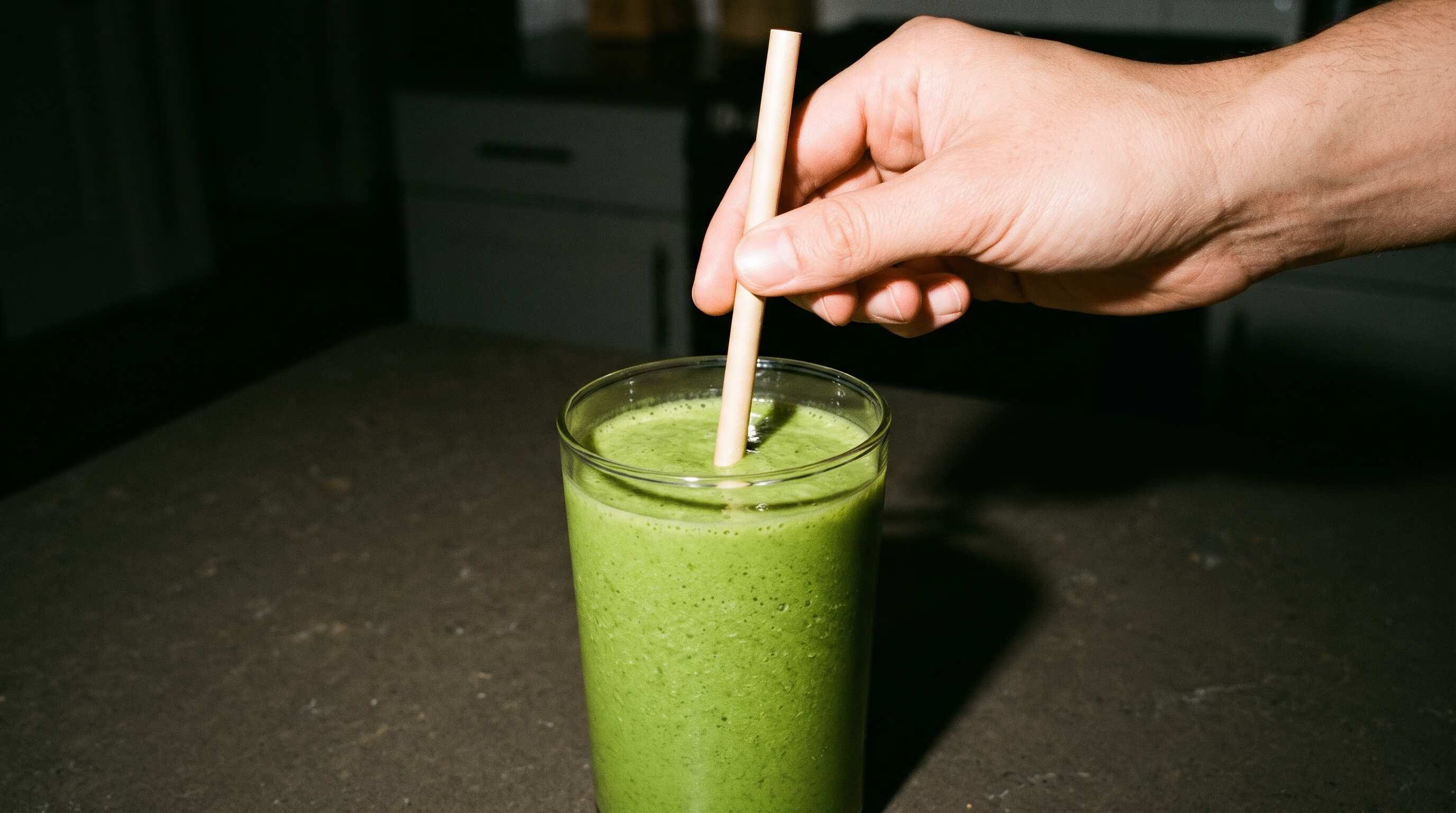
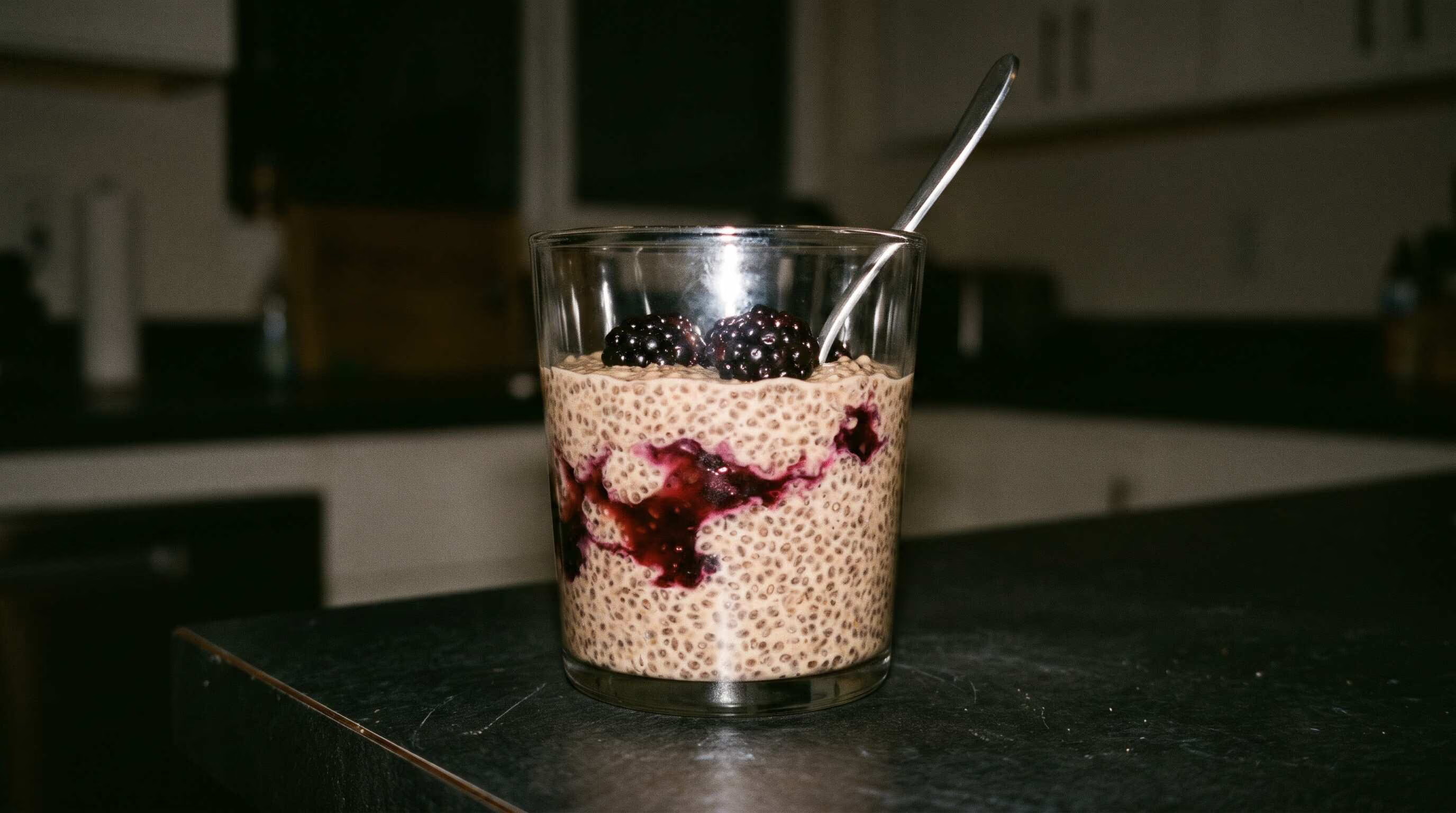

Written by Superfoods Advisor Editors·Published July 4, 2026