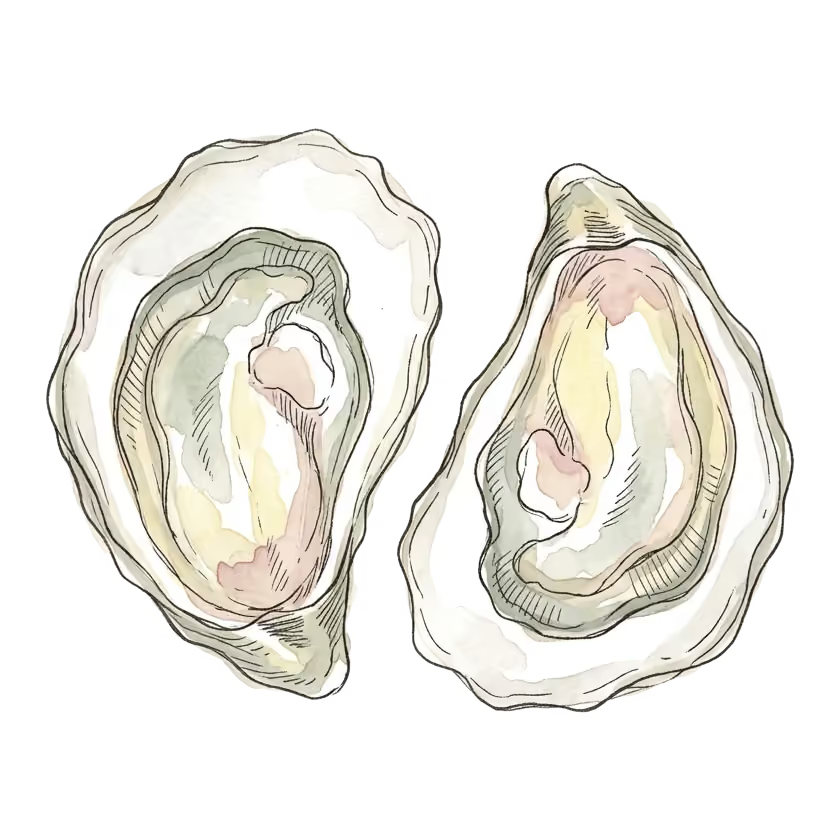
Oysters
Crassostrea gigas / Ostrea edulis · also known as Pacific oyster, European flat oyster, Eastern oyster, Crassostrea virginica, rock oyster, oysters on the half shell
By Superfoods Advisor Editors·July 3, 2026
Oyster benefits: zinc, B12, copper, selenium and omega-3s per serving, what the evidence shows, how many to eat, and the Vibrio risk of raw oysters.
Oysters are filter-feeding bivalve shellfish of the family Ostreidae, mainly the Pacific oyster (Crassostrea gigas), the Eastern oyster (Crassostrea virginica) and the European flat oyster (Ostrea edulis). Their main benefit is zinc: per serving they supply more than any other common food, and six medium cooked oysters provide 27–50 mg. They are also rich in vitamin B12, copper and selenium.
Pacific oysters are a major aquaculture species in France, Japan, South Korea and the U.S. Pacific Northwest; European flat oysters grow more slowly and cost more. Oysters have been eaten since prehistoric times and were a cheap food in 18th- and 19th-century London and New York. Today they are eaten raw on the half shell, steamed, grilled, smoked or in stews, and raw oysters carry a real bacterial risk, covered under Safety.
Evidence at a glance
Active Compounds and Nutritional Profile
Oysters are low in calories (about 51–81 kcal per 100 g raw) but unusually dense in zinc, B12, copper and selenium, with some omega-3s.
Zinc — the richest food source: Per typical serving, oysters supply more zinc than any other common food; the Linus Pauling Institute lists 27–50 mg for six medium cooked oysters. Content varies widely by species and preparation. USDA lists about 17 mg per 100 g for raw Pacific oysters (USDA FoodData Central), about 39 mg for raw wild eastern oysters, C. virginica (USDA FoodData Central), and about 79 mg for cooked wild eastern oysters, which lose water during cooking (USDA FoodData Central). A medium raw Pacific oyster (about 50 g of flesh) therefore provides roughly 8 mg, and a medium raw eastern oyster (about 14 g) roughly 5 mg, against an adult daily value of 11 mg. Zinc from meat and seafood is absorbed better than zinc from phytate-rich grains and legumes (Linus Pauling Institute). The U.S. RDA is 8 mg/day for women and 11 mg/day for men (Linus Pauling Institute), so two or three medium oysters can meet or exceed it. Zinc is a cofactor for numerous enzymes, a structural component of zinc-finger transcription factors, and is needed for immune cell development and function, wound healing, DNA synthesis, and spermatogenesis.
Vitamin B12: Oysters are an exceptional source of vitamin B12. Raw Pacific and farmed eastern oysters provide about 16 µg per 100 g, roughly 670% of the 2.4 µg adult daily value (USDA FoodData Central; USDA FoodData Central), and raw wild eastern oysters about 9 µg (USDA FoodData Central). A medium raw Pacific oyster provides about 8 µg; a medium eastern oyster roughly 1–2 µg. Vitamin B12 is required for DNA synthesis, neurological function (myelin sheath maintenance), and one-carbon metabolism in concert with folate. Deficiency causes megaloblastic anemia and potentially irreversible neurological damage. Oysters represent one of the most concentrated food sources of vitamin B12 available.
Copper: Raw oysters provide about 0.7–2.9 mg of copper per 100 g depending on species and origin (about 80–320% of the adult daily value of 0.9 mg), and cooked wild eastern oysters about 5.7 mg (USDA FoodData Central; USDA FoodData Central; USDA FoodData Central; USDA FoodData Central). Copper functions as a cofactor for enzymes including cytochrome c oxidase (mitochondrial electron transport chain), superoxide dismutase (antioxidant defense), ceruloplasmin (iron metabolism), and lysyl oxidase (connective tissue cross-linking). While copper deficiency is uncommon in Western diets, oysters are one of the few foods capable of meeting several days’ worth of copper requirements in a single serving. Conversely, very frequent consumption of large amounts of oysters should be considered in the context of total copper intake, as the U.S. tolerable upper intake level for copper is 10 mg/day and EFSA’s safe intake level for adults is lower, at 5 mg/day (EFSA Scientific Committee, 2023).
Selenium: Raw oysters contain about 20–77 µg of selenium per 100 g (roughly 35–140% of the adult daily value of 55 µg); wild eastern oysters sit at the low end and Pacific oysters at the high end (USDA FoodData Central; USDA FoodData Central). Selenium is integral to the activity of glutathione peroxidases and thioredoxin reductases, which constitute the primary enzymatic antioxidant defense systems, and to iodothyronine deiodinases required for thyroid hormone activation.
Omega-3 fatty acids: Unlike most meat and poultry, oysters contain meaningful amounts of long-chain omega-3 fatty acids. A 100 g serving of raw oysters provides about 0.3–0.7 g of combined EPA and DHA, from roughly 0.3–0.4 g in eastern oysters to 0.7 g in Pacific oysters (USDA FoodData Central; USDA FoodData Central). While this is lower than oily fish such as salmon, sardines, or anchovies, it is significant for a shellfish product and contributes meaningfully to weekly omega-3 intake within a varied diet.
Iron: Raw oysters provide about 4.6–5.8 mg of iron per 100 g (roughly 26–32% of the 18 mg adult daily value) (USDA FoodData Central; USDA FoodData Central).
Taurine and glycogen: Oysters contain notable amounts of taurine and, during peak harvest seasons, glycogen (which contributes to their characteristic sweetness). These components are not unique to oysters but are present in concentrations relevant to overall nutritional composition.
Protein and caloric density: Per 100 g, raw Pacific oysters provide about 81 kcal, 9.5 g of protein, 5 g of carbohydrate (predominantly glycogen), and 2.3 g of fat (USDA FoodData Central); raw eastern oysters are leaner, at about 51–59 kcal (USDA FoodData Central; USDA FoodData Central). Either way, the nutrient density comes at a modest caloric cost.
Evidence for Purported Benefits
Zinc, Immune Function, and Immune Senescence
Evidence:Moderate Oysters are a very rich zinc source and zinc trials improve immune measures; no trials test oysters themselves.
The evidence linking zinc to immune function is extensive and multi-mechanistic. Zinc is required for thymulin activity (the thymic hormone directing T-cell maturation) (Prasad, 2008), for normal development and function of neutrophils, natural killer cells, and cytotoxic T lymphocytes, and for adequate inflammatory cytokine signaling. Zinc deficiency — even mild, subclinical deficiency — impairs immune responses and increases susceptibility to infections. Populations at elevated risk of zinc deficiency include vegetarians and vegans (due to phytate-bound zinc in plant foods), older adults, and individuals with gastrointestinal disorders affecting zinc absorption, such as celiac disease or inflammatory bowel disease (Linus Pauling Institute).
Zinc supplementation trials in elderly populations have demonstrated improvements in immune parameters and reductions in infection frequency (Prasad et al., 2007, American Journal of Clinical Nutrition, n=50 healthy elderly adults randomized to zinc or placebo; the zinc group showed significantly lower incidence of infections over a 12-month period). A meta-analysis of 17 randomized trials (2,121 participants) found oral zinc shortened common cold symptoms by about 1.65 days overall and 2.63 days in adults, with no significant effect in children, though heterogeneity between trials was high and adverse effects such as bad taste and nausea were more common with zinc (Science et al., 2012, CMAJ). These findings apply to zinc as a nutrient, not specifically to oyster consumption, but oysters are the most efficient dietary vehicle for delivering bioavailable zinc.
Zinc and Reproductive Health
Evidence:Limited Zinc deficiency impairs sperm and testosterone; supplement trials are few and largely null outside documented deficiency.
Zinc is required for spermatogenesis, testosterone biosynthesis, sperm motility, and sperm-egg fusion. Testicular zinc concentrations are among the highest in the body, and seminal plasma zinc is substantially higher than blood serum zinc. In an experimental model of zinc deficiency in human volunteers, restricted zinc intake lowered serum testosterone and sperm counts (Prasad, 2008). A 2018 review concluded that zinc deficiency impairs spermatogenesis and lowers serum testosterone (Fallah et al., 2018, Journal of Reproduction & Infertility). Supplementation has not shown benefit in men without documented deficiency: in a randomized trial of 2,370 men from couples seeking infertility treatment, 30 mg zinc plus 5 mg folic acid daily for 6 months did not improve semen quality or live birth rates compared with placebo (Schisterman et al., 2020, JAMA). Oysters’ historical reputation as an aphrodisiac long predates any knowledge of zinc, and no randomized controlled trials have tested oyster consumption on reproductive outcomes in humans.
Cardiovascular Effects
Evidence:Preliminary Cohort studies link seafood intake to lower coronary death; oyster-specific data are lacking and omega-3 content is modest.
The omega-3 fatty acids and selenium in oysters both have proposed cardiovascular benefits. EPA and DHA lower triglycerides at pharmacological doses of 2–4 g/day (Skulas-Ray et al., 2019), far more than a serving of oysters supplies, and selenium is a component of antioxidant enzymes such as glutathione peroxidase. In a review of prospective studies and trials, modest fish consumption (1–2 servings a week, finfish or shellfish), especially of species higher in EPA and DHA, was associated with lower coronary mortality (Mozaffarian & Rimm, 2006). Evidence specific to oysters is limited, and the magnitude of omega-3 delivery from oysters is substantially lower than from fatty fish.
Iron, B12, and Copper for Red Blood Cell Formation
Evidence:Moderate Oysters supply iron, B12 and copper, each needed to correct its own anemia; oysters themselves are untested.
The iron, vitamin B12, and copper in oysters relate to three independent causes of anemia. Iron deficiency is the most common cause of anemia worldwide; vitamin B12 deficiency causes megaloblastic anemia and neurological damage; copper deficiency also causes anemia, thought to involve reduced activity of the copper-dependent ferroxidases ceruloplasmin and hephaestin that mobilize iron, although the exact mechanism remains unsettled (Prohaska, 2011). Oysters provide meaningful amounts of all three nutrients, which makes them an efficient source of the micronutrients needed for red blood cell formation, particularly for people with restricted red meat or dairy intake.
Typical Use and Preparation
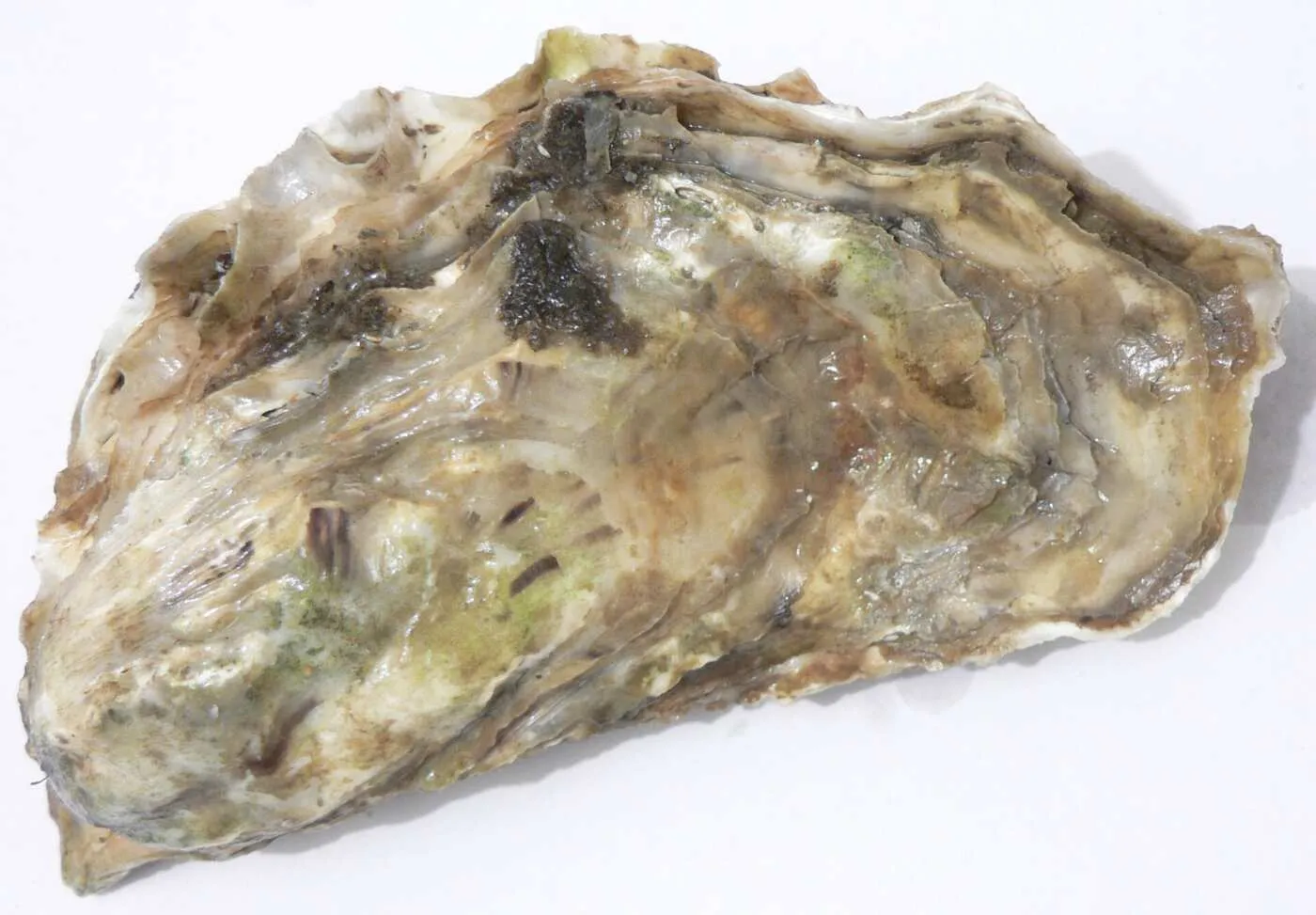 Photo: David Monniaux, CC BY-SA 3.0, via Wikimedia Commons
Raw on the half shell: The most prized culinary preparation, allowing the natural flavor, brininess, and texture of fresh oysters to be appreciated unaltered. Safe raw oyster consumption depends critically on source and freshness (see Safety section below). Raw oysters are traditionally paired with lemon juice, mignonette sauce, horseradish, or hot sauce; these condiments do not make raw oysters safe, and eating them with hot sauce or alcohol does not destroy the bacteria (ISSC).
Steamed, boiled, or poached: U.S. shellfish-safety guidance is to boil live oysters for 3 to 5 minutes after the shells open, or steam them for 4 to 9 minutes in a steamer that is already steaming, discarding any that do not open; shucked oysters should be boiled or simmered for at least 3 minutes or until the edges curl, fried at 375°F for at least 3 minutes, broiled 3 inches from the heat for 3 minutes, or baked at 450°F for 10 minutes (ISSC). Steamed oysters retain most of their nutritional profile, with some reduction in water-soluble vitamins. Thorough cooking removes the main bacterial hazard of raw consumption.
Grilled or roasted: Oysters can be grilled in the half shell, typically with compound butter, garlic, or cheese. Grilling develops flavor through the Maillard reaction, but cooking just until the shells open does not kill the bacteria; the Washington State Department of Health advises an internal temperature of at least 145°F (63°C) for 15 seconds (Washington State Department of Health).
Smoked: Smoked oysters, commonly sold in tins, are fully cooked during processing. They are a convenient form with an intense, savory flavor. Canned smoked oysters are a particularly accessible and shelf-stable source of zinc, B12, and selenium.
Oyster po’boys, stews, and chowders: Traditional preparations in American cuisine involve breaded and fried oysters or incorporation into cream-based soups. These are fully cooked and food-safe but add substantial fat and caloric content from the preparation method.
Serving size context: A typical restaurant serving of oysters on the half shell is 6–12 oysters. Six medium raw eastern oysters (about 84 g of flesh) provide roughly 32–33 mg zinc (about three times the 11 mg daily value), 7–14 µg B12, and about 0.3 g EPA+DHA (USDA FoodData Central; USDA FoodData Central). That zinc figure is close to the U.S. upper limit of 40 mg/day, which counts food and supplements together (Linus Pauling Institute); an occasional serving is not a concern, but daily intake at that level would be.
Our immune-nutrition guide compares oysters with plant sources of zinc and covers the other cofactors immune cells depend on. Among other animal foods, grass-fed beef is a more modest zinc source, and beef liver rivals oysters for B12 and copper.
Safety, Interactions, and Contraindications
Vibrio vulnificus and Vibrio parahaemolyticus (raw oyster risk): This is the most significant safety concern associated with raw or undercooked oyster consumption. Oysters are filter feeders that concentrate bacteria from surrounding water; Vibrio vulnificus and V. parahaemolyticus are naturally occurring marine bacteria that accumulate in warm coastal waters during summer months and can reach infectious concentrations in oyster tissue. V. vulnificus infection — acquired mainly by eating raw or undercooked shellfish, particularly oysters, or through wounds exposed to seawater — kills about 1 in 5 infected people, sometimes within a day or two of becoming ill (CDC). Eaten in raw oysters, it can cause primary septicemia with a fatality rate of 50–60%, mostly in people with liver disease (such as cirrhosis or chronic hepatitis), iron overload (haemochromatosis), or other immunocompromising conditions (Oliver, 2005). The CDC also lists cancer, diabetes, HIV, thalassemia, immune-suppressing therapy, stomach-acid-reducing medicine, and recent stomach surgery as risk factors, while noting that anyone can be infected. V. parahaemolyticus is one of the most common Vibrio species causing illness in the United States (CDC) and typically produces self-limiting gastroenteritis. People in these higher-risk groups should avoid raw or undercooked oysters entirely; the risk of life-threatening septicemia makes raw oyster consumption contraindicated for them. Thorough cooking, as described under Typical Use and Preparation, kills Vibrio (ISSC).
Norovirus: Oysters can also harbor norovirus, and anyone who eats raw shellfish is at risk; the CDC advises against eating raw or undercooked shellfish and recommends cooking it thoroughly, as quick steaming will not heat shellfish enough to kill norovirus (CDC). Norovirus causes acute gastroenteritis (“stomach flu”), with symptoms usually starting 12 to 48 hours after exposure (CDC).
Shellfish allergy: Shellfish allergy is among the most common food allergies in adults; a U.S. survey found seafood allergy more common in adults than in children (Sicherer et al., 2004), and it usually persists. The major allergen in shellfish is tropomyosin, a muscle protein conserved across crustaceans and mollusks (Lopata et al., 2010); however, cross-reactivity between crustacean shellfish (shrimp, crab, lobster) and bivalve mollusks (oysters, clams, mussels) is variable, as they contain different tropomyosin isoforms. Some individuals allergic to crustaceans tolerate mollusks; others do not. In the same survey, only 14% of people with crustacean allergy also reported mollusk allergy, and mollusk allergy also occurs on its own (Sicherer et al., 2004). Individuals with documented shellfish allergy should confirm tolerance to the specific bivalve type with physician guidance rather than assuming cross-reactivity.
Heavy metal concentration — cadmium: Oysters, as filter feeders, bioconcentrate heavy metals from their environment, including cadmium. Cadmium is a nephrotoxic heavy metal; chronic exposure accumulates in the kidney cortex and can cause tubular dysfunction (EFSA, 2009). Oysters from industrially contaminated coastal areas can contain substantially elevated cadmium concentrations (above the EU maximum level of 1.0 mg/kg wet weight for bivalve mollusks set by Commission Regulation (EU) 2023/915). Regular very high consumption of oysters — particularly from unmonitored sources — carries the theoretical risk of cadmium accumulation over time. Commercially sold oysters in regulated markets are subject to contaminant monitoring; sourcing from reputable suppliers with harvest area certification is advisable.
Copper accumulation at very high intake: Given oysters’ high copper content (up to about 3 mg per 100 g raw and nearly 6 mg cooked), eating large quantities daily could approach or exceed the U.S. tolerable upper intake level of 10 mg copper per day, or EFSA’s lower 5 mg/day adult safe level. Typical culinary consumption (a dozen oysters once or twice weekly) is unlikely to approach this threshold, but supplemental oyster concentrate products deserve attention to cumulative copper intake.
Zinc excess (supplement interactions): Very high zinc intake from multiple sources — oysters, zinc supplements, and zinc-fortified foods — can inhibit copper absorption (high zinc intake induces intestinal metallothionein, which traps copper inside gut cells), potentially inducing copper deficiency (Linus Pauling Institute). The U.S. tolerable upper intake level for zinc is 40 mg/day from food and supplements combined (Linus Pauling Institute); regular, very frequent oyster consumption combined with zinc supplementation should be considered in the context of total zinc intake.
Frequently Asked Questions
What are oysters?
Oysters are saltwater bivalve mollusks of the family Ostreidae. They live in coastal and estuarine waters and feed by filtering plankton from the water. The most widely eaten species are the Pacific oyster, the Eastern (American) oyster and the European flat oyster, most of them farmed. They are eaten raw, steamed, grilled, smoked or in cooked dishes.
Are oysters shellfish?
Yes. Oysters are mollusk shellfish, in the same group as clams and mussels, and distinct from crustaceans such as shrimp and crab. The main shellfish allergen, tropomyosin, differs between the two groups: in one U.S. survey only 14% of people with crustacean allergy also reported mollusk allergy. Anyone with a shellfish allergy should confirm tolerance with a physician.
What are the health benefits of oysters?
Oysters are an efficient source of zinc, vitamin B12, copper, selenium and iron, nutrients involved in immune function, red blood cell formation and antioxidant enzymes. Zinc supplement trials show improved immune measures in older adults and shorter colds in adults, but those results apply to zinc as a nutrient. No randomized trial has tested eating oysters for any health outcome.
How many oysters should you eat?
There is no official oyster limit, but zinc sets a practical one. Six medium raw eastern oysters provide about 32–33 mg of zinc, close to the 40 mg/day upper limit for food and supplements combined. An occasional serving of 6 to 12 is not a concern for most adults, while daily servings, especially with zinc supplements, could interfere with copper absorption.
Can oysters kill you?
Rarely, but yes. Raw or undercooked oysters can carry Vibrio vulnificus, which kills about 1 in 5 people it infects; when eaten in raw oysters it can cause bloodstream infection with 50–60% fatality, mostly in people with liver disease, iron overload or weakened immunity. Those groups should avoid raw oysters. Thorough cooking kills Vibrio.
Do oysters help with sex drive or fertility?
Oysters’ reputation as an aphrodisiac predates any knowledge of zinc, and no randomized trial has tested oysters for reproductive outcomes. Zinc deficiency impairs sperm production and lowers testosterone, but in a trial of 2,370 men, zinc plus folic acid did not improve semen quality or live birth rates. Benefit appears limited to correcting a real deficiency.
References
Show all 21 referencesShow fewer
- Prasad, A. S., Beck, F. W., Bao, B., et al. (2007). Zinc supplementation decreases incidence of infections in the elderly: Effect of zinc on generation of cytokines and oxidative stress. American Journal of Clinical Nutrition, 85(3), 837–844.
- Science, M., Johnstone, J., Roth, D. E., et al. (2012). Zinc for the treatment of the common cold: A systematic review and meta-analysis of randomized controlled trials. CMAJ, 184(10), E551–E561.
- Fallah, A., Mohammad-Hasani, A., & Colagar, A. H. (2018). Zinc is an essential element for male fertility: A review of Zn roles in men’s health, germination, sperm quality, and fertilization. Journal of Reproduction & Infertility, 19(2), 69–81.
- Centers for Disease Control and Prevention. About Vibrio infection. https://www.cdc.gov/vibrio/about/index.html
- Oliver, J. D. (2005). Wound infections caused by Vibrio vulnificus and other marine bacteria. Epidemiology & Infection, 133(3), 383–391.
- European Food Safety Authority (EFSA). (2009). Cadmium in food — scientific opinion of the panel on contaminants in the food chain. EFSA Journal, 980, 1–139. https://efsa.onlinelibrary.wiley.com/doi/abs/10.2903/j.efsa.2009.980
- Schisterman, E. F., Sjaarda, L. A., Clemons, T., et al. (2020). Effect of folic acid and zinc supplementation in men on semen quality and live birth among couples undergoing infertility treatment: A randomized clinical trial. JAMA, 323(1), 35–48.
- Interstate Shellfish Sanitation Conference (ISSC). Risks of eating raw oysters or clams. https://www.issc.org/consumer-information/risks-eating-raw-oysters-or-clams
- Centers for Disease Control and Prevention. About norovirus. https://www.cdc.gov/norovirus/about/index.html
- Linus Pauling Institute Micronutrient Information Center. Zinc. https://lpi.oregonstate.edu/mic/minerals/zinc
- EFSA Scientific Committee. (2023). Re-evaluation of the existing health-based guidance values for copper and exposure assessment from all sources. EFSA Journal, 21(1), 7728.
- Commission Regulation (EU) 2023/915 on maximum levels for certain contaminants in food. https://eur-lex.europa.eu/eli/reg/2023/915/oj/eng
- U.S. Department of Agriculture, FoodData Central. Mollusks, oyster: Pacific, raw (174219); eastern, wild, raw (171978); eastern, farmed, raw (175172); eastern, wild, cooked, moist heat (171980). https://fdc.nal.usda.gov/
- Washington State Department of Health. Shellfish handling, storing, and cooking. https://doh.wa.gov/community-and-environment/shellfish/recreational-shellfish/illness-prevention/handle-store-and-cook
- Prasad, A. S. (2008). Clinical, immunological, anti-inflammatory and antioxidant roles of zinc. Experimental Gerontology, 43(5), 370–377.
- Skulas-Ray, A. C., Wilson, P. W. F., Harris, W. S., et al. (2019). Omega-3 fatty acids for the management of hypertriglyceridemia: A science advisory from the American Heart Association. Circulation, 140(12), e673–e691.
- Mozaffarian, D., & Rimm, E. B. (2006). Fish intake, contaminants, and human health: Evaluating the risks and the benefits. JAMA, 296(15), 1885–1899.
- Prohaska, J. R. (2011). Impact of copper limitation on expression and function of multicopper oxidases (ferroxidases). Advances in Nutrition, 2(2), 89–95.
- Centers for Disease Control and Prevention. Preventing norovirus. https://www.cdc.gov/norovirus/prevention/index.html
- Sicherer, S. H., Muñoz-Furlong, A., & Sampson, H. A. (2004). Prevalence of seafood allergy in the United States determined by a random telephone survey. Journal of Allergy and Clinical Immunology, 114(1), 159–165.
- Lopata, A. L., O’Hehir, R. E., & Lehrer, S. B. (2010). Shellfish allergy. Clinical & Experimental Allergy, 40(6), 850–858.
Related content
More in Animal Foods
- Anchovies (Engraulis encrasicolus)
Anchovies vs sardines: how the two small oily fish compare on omega-3s, calcium, B12, sodium and mercury, plus anchovy nutrition, benefits and safety.
- Beef Liver
Is beef liver good for you? Its B12, vitamin A, copper and iron per 100 g, how often to eat it, liver supplements, and the vitamin A toxicity limit.
- Bone Broth
Is bone broth good for you? What a cup contains, how it compares with collagen supplements and chicken broth, and the evidence on joints, gut and sleep.
- Eggs
Are eggs good for you? Egg nutrition per large egg, whole eggs vs egg whites, what cohort studies show on cholesterol and heart risk, and egg safety.
- Grass-Fed Beef
Grass-fed vs grain-fed beef: how omega-3s, CLA, vitamin E, fat, protein, iron and zinc compare, what the USDA grass-fed label means, and red meat cautions.
- Pastured Chicken
Pasture-raised vs free-range chicken: what each USDA label and certifier requires, how the meat differs nutritionally, and chicken safety facts.

Curated by Superfoods Advisor Editors·Last updated