Immune-Supporting Superfoods: What the Evidence Says About Vitamin C, Zinc, Beta-Glucans, and the Gut-Immune Axis
By Superfoods Advisor Editors·July 4, 2026
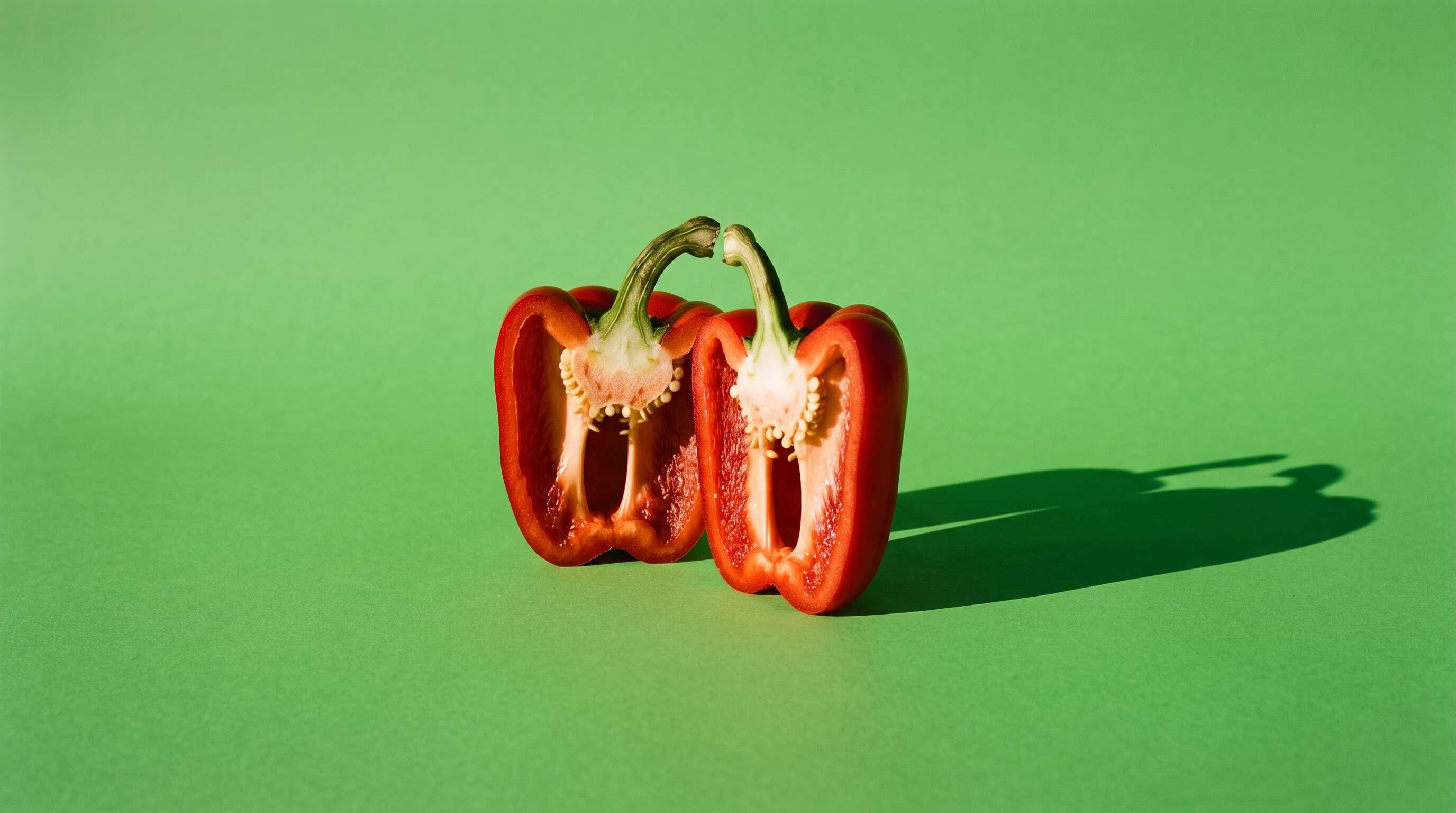
Immune boosting foods examined: what trials show for vitamin C, zinc, vitamin D, mushrooms, garlic, elderberry, and the gut, home to 70% of immune cells.
Immune boosting foods are better described as immune-supporting: foods that supply the nutrients immune cells depend on, such as vitamin C (bell peppers, kiwi, citrus), zinc (pumpkin seeds, lentils, oysters), vitamin D (fatty fish), and selenium (Brazil nuts), plus fermented foods for the gut. They correct shortfalls. They do not push a healthy immune system past normal function.
A properly functioning immune system needs adequate substrate, a stable microbiome, and the absence of chronic inflammation rather than “boosting”. Foods and nutrients, when they do anything measurable, support cofactor supply for immune cell replication, mucosal barrier integrity, and the innate response. The evidence is stronger in some cases (zinc lozenges for cold duration, a small reduction in respiratory infection risk with vitamin D) and weaker in others (elderberry, garlic supplements).
How Does Nutrition Actually Affect the Immune System?
Gut-associated lymphoid tissue (GALT) represents almost 70% of the entire immune system, according to a 2008 review by Vighi et al., which means diet influences immunity primarily through two mechanisms: supplying cofactors for immune cell function, and shaping the gut microbiome that trains and modulates those cells. A 2020 review in Nutrients by Gombart, Pierre, and Maggini catalogued the roles of vitamins A, C, D, E, B6, B12, folate, and the minerals zinc, iron, copper, and selenium at each stage of the immune response, from barrier function to immune cell activity. (PubMed, 2020)
Deficiency in any of these produces measurable immune dysfunction. Sufficiency, on the other hand, does not scale linearly into enhanced immunity. Taking 10 times the RDA of vitamin C does not produce 10 times the benefit; it produces expensive urine and, at very high oral doses, gastrointestinal distress. The realistic framing is repletion and maintenance, not amplification.
Most consumer-facing immune content conflates deficiency correction with supplementation benefit in already-sufficient individuals. Gombart and colleagues note that even marginal deficiency may impair immunity and that the strongest evidence for immune support exists for vitamins C and D and zinc, while acknowledging contradictory data and calling for better-designed trials on dose. Whether extra intake helps people whose status is already adequate remains an open question.
Does Vitamin C From Citrus Actually Help Prevent Colds?
Vitamin C (ascorbic acid) is a water-soluble antioxidant that neutrophils and monocytes accumulate to 50-100 times plasma levels (Carr & Maggini, 2017), suggesting a functional role in phagocyte activity and lymphocyte proliferation. Based on USDA FoodData Central values, a medium orange delivers about 70 mg; a medium red bell pepper closer to 150 mg; a cup of sliced raw kiwi around 165 mg. Reaching the 200 mg/day threshold used in most trials is straightforward through whole foods without supplementation.
The Cochrane data are clear on two points. Prophylactic vitamin C does not prevent colds in typical populations. Once a cold has started, the few therapeutic trials showed no consistent effect on duration or severity. The strongest prevention signal is in people exposed to brief periods of severe physical exercise: in five trials of marathon runners, skiers, and soldiers on subarctic exercises, regular vitamin C roughly halved cold risk (RR 0.48).
Whole-Food Sources Ranked by Density
Bell peppers, kiwi, strawberries, broccoli, Brussels sprouts, and papaya all exceed oranges on a per-gram basis. Cooking reduces vitamin C content, and losses depend on method: because the vitamin is water-soluble and heat-sensitive, boiling with discarded water generally loses more than steaming. The recommended intake for smokers is 35 mg/day higher than for nonsmokers, reflecting added oxidative stress (Linus Pauling Institute).
What Does Zinc Actually Do During a Cold?
Zinc is a cofactor for numerous enzymes and is required for T-cell development, natural killer cell activity, and thymic function. The lozenge effect is hypothesized to involve zinc ions released in the mouth and throat acting locally on rhinovirus, which is why lozenge composition matters; this mechanism has not been confirmed in humans.
Pumpkin seeds are among the denser plant sources, delivering roughly 2.2 mg per ounce (USDA FoodData Central). Oysters are an outlier at roughly 27-50 mg per six medium cooked oysters. Beef, lentils, chickpeas, and cashews are practical daily contributors. The RDA sits at 11 mg for adult men and 8 mg for adult women, and long-term intake above the 40 mg/day upper limit can cause copper deficiency (Linus Pauling Institute), so it is not recommended outside short lozenge courses.
The lozenge vs. capsule distinction is rarely made in consumer supplement marketing. The trials pooled in the 2017 meta-analysis all tested lozenges, so their results do not show whether a swallowed zinc tablet or multivitamin would have the same effect.
How Strong Is the Evidence for Vitamin D and Respiratory Infection?
Vitamin D receptors are expressed on nearly all immune cell types, and in laboratory studies calcitriol (the active hormone form) upregulated the antimicrobial peptide cathelicidin in airway epithelial cells (Hansdottir et al., 2008) and defensin-β2 in monocytic and epithelial cells (Wang et al., 2010). Dietary vitamin D is limited: a 3-ounce serving of cooked salmon provides roughly 450-570 IU in USDA data (farmed Atlantic, sockeye), while canned sardines provide about 164 IU and canned mackerel about 248 IU per 3 ounces (Linus Pauling Institute); egg yolks and fortified dairy contribute modestly. Sun exposure remains the dominant source for most populations, which is why northern latitudes carry higher deficiency rates.
The Jolliffe meta-analysis is one of the most comprehensive syntheses to date. Its practical implication: supplementation produces a small average benefit, and the benefit appeared with modest daily doses rather than large intermittent ones. Avoiding blanket high-dose regimens remains a reasonable approach. Routine 25(OH)D testing is not needed for most healthy people: the 2024 Endocrine Society guideline advises against routine screening in the general population and against empiric doses above current intake recommendations in healthy adults under 75 (Demay et al., 2024).
Do Medicinal Mushrooms Support Immunity Through Beta-Glucans?
Beta-glucans are polysaccharides in the cell walls of certain fungi, oats, and barley. Fungal beta-glucans are recognized by pattern recognition receptors such as dectin-1 as pathogen-associated molecular patterns (PAMPs), triggering an innate immune response without producing infection. In laboratory and mouse studies, fungal beta-glucans reprogrammed monocytes through dectin-1 to respond more strongly to later challenges (Quintin et al., 2012), the basis of the “trained immunity” concept articulated by Netea and colleagues. Our medicinal mushrooms research review covers these trials in more depth.
Shiitake, Maitake, and Reishi
Shiitake contains lentinan, a purified beta-1,3-glucan approved in Japan for use alongside chemotherapy in gastric cancer (Ina et al., 2013). A 2015 human trial by Dai et al. (Journal of the American College of Nutrition) reported increased ex vivo proliferation of gamma-delta T cells and NK-T cells, higher salivary IgA, and lower CRP in 52 healthy young adults eating 5 or 10 g/day of dried shiitake for 4 weeks; the study compared two doses with no placebo group. (PubMed, 2015)
Reishi contains both beta-glucans and triterpene ganoderic acids. Human clinical data are heterogeneous. A 2016 Cochrane review by Jin et al. of five RCTs, which it rated as generally of unsatisfactory quality, found insufficient evidence to justify reishi as a first-line cancer treatment, though pooled data suggested small increases in some T-cell markers when it was used alongside chemotherapy or radiotherapy. (PubMed, 2016)
Maitake extracts have been tested in small, uncontrolled oncology trials with mixed immune results. In a 34-patient breast cancer trial, the extract raised some immune measures and depressed others, with no consistent dose-response (Deng et al., 2009); an 18-patient myelodysplastic syndrome trial reported improved neutrophil and monocyte function in lab tests (Wesa et al., 2015). Neither had a placebo group.
Practical Notes on Culinary Use
Beta-glucans sit in the tough chitin-rich cell walls of mushrooms, and cooking softens that structure. How much cooking changes the amount of beta-glucan that reaches immune tissue in the gut has not been well quantified in humans, so cooking mushrooms is best treated as a culinary and food-safety default rather than a proven way to increase their immune effect.
Does Garlic (Allicin) Have Real Immune Evidence?
Garlic (Allium sativum) contains alliin, which converts to allicin when the clove is crushed or chopped. Allicin has demonstrated antimicrobial activity in vitro against several bacteria and fungi (Ankri & Mirelman, 1999). Human evidence for cold prevention rests on a single small trial, the only one that met the inclusion criteria of a 2014 Cochrane review (Lissiman et al., 2014). Josling (2001, Advances in Therapy) randomized 146 volunteers to an allicin-containing garlic supplement or placebo over 12 weeks and reported 24 colds in the garlic group versus 65 in placebo, based on self-reported diaries. (PubMed, 2001) The trial’s author was based at the Garlic Centre, a UK garlic organization, and no independent replication of this magnitude has been published, which limits confidence.
Cooking degrades allicin substantially. Crushing garlic and letting it rest for 10 minutes before heating allows the alliinase enzyme to generate allicin before thermal inactivation; in rat experiments, this standing time prevented the total loss of activity that 60 seconds of microwaving otherwise caused (Song & Milner, 2001). This is a folk practice with mechanistic support but limited clinical validation.
What Does Research Actually Say About Elderberry?
Elderberry (Sambucus nigra) is rich in anthocyanins, which have in vitro activity against influenza A and B via hemagglutinin inhibition. The clinical trials are almost all small and short, running from a few days to a few weeks, and their results are not consistent. A 2020 placebo-controlled trial in 87 emergency-room patients with confirmed influenza found no benefit for symptom duration or severity (Macknin et al., 2020), and a 2021 systematic review rated the evidence that elderberry shortens colds or flu as uncertain, finding it may not reduce the risk of catching a cold (Wieland et al., 2021). Earlier positive results may also reflect publication bias and the influence of industry sponsorship.
Elderberry is not a replacement for influenza vaccination. It should not be used raw: raw or unripe berries, leaves, and stems contain cyanide-producing compounds, which cooking eliminates (NCCIH). Commercial syrups and standardized extracts are the studied forms.
How Does the Gut-Immune Axis Work?
The gut microbiome interacts with immune function through several mechanisms: production of short-chain fatty acids (SCFAs) that regulate regulatory T-cell development, competition with pathogens for mucosal binding sites, and direct signaling to Peyer’s patches. A 2014 review in Cell by Belkaid and Hand mapped these pathways in detail. (PubMed, 2014)
Fermented foods provide live microorganisms and postbiotic compounds. A 2021 Stanford study by Wastyk and colleagues in Cell randomized 36 healthy adults (18 per arm) to a high-fermented-food diet or high-fiber diet in a 17-week study that included 10 weeks of increasing and then sustained intake. (PubMed, 2021) The fermented-food group showed increased microbial diversity and decreased inflammatory markers (IL-6, IL-10, IL-12b) after 10 weeks. The high-fiber group did not show equivalent inflammation reduction in that timeframe, an interesting finding given fiber’s well-documented long-term microbiome benefits.
Kefir typically contains a wider mix of bacteria and yeasts than most yogurts. Yogurt with live cultures, sauerkraut, kimchi, miso, and tempeh are practical dietary sources. Pasteurized versions of fermented vegetables lose their live microbial content.
The Wastyk 2021 Stanford trial is one of the few randomized human trials directly comparing fermented foods to fiber for immune markers. In this small trial, fermented foods reduced inflammatory cytokines faster than fiber alone, a finding at odds with the common assumption that fiber is the primary microbiome-mediated immune lever.
What About Selenium From Brazil Nuts?
Selenium is a cofactor for glutathione peroxidase and thioredoxin reductase, both central to redox regulation in immune cells. Deficiency impairs neutrophil function and NK cell activity. Brazil nuts are the densest dietary source: USDA data put them at about 1,920 mcg per 100 g (FoodData Central), or roughly 70-90 mcg for a typical nut, above the 55 mcg RDA. Content varies about tenfold with soil selenium (Linus Pauling Institute); in a New Zealand trial, two nuts daily supplied only 53 mcg on average yet raised plasma selenium and glutathione peroxidase activity as effectively as a 100 mcg selenomethionine supplement (Thomson et al., 2008). Eating many more pushes toward the tolerable upper intake of 400 mcg/day.
There is little evidence that extra selenium helps people whose intake is already adequate, which fits the recurring pattern with immune nutrients: correcting a shortfall is where the plausible benefit lies.
Does Green Tea EGCG Support Immunity?
Green tea contains epigallocatechin gallate (EGCG), a polyphenol with in vitro activity against several respiratory viruses through inhibition of viral entry and replication. A 2011 randomized, placebo-controlled trial by Matsumoto and colleagues (BMC Complementary and Alternative Medicine) in 197 Japanese healthcare workers found that capsules of green tea catechins (378 mg/day) plus theanine (210 mg/day) for five months lowered clinically defined influenza (4.1% vs 13.1%); the reduction in laboratory-confirmed influenza was not statistically significant, and single-season data limit generalization. (PubMed, 2011)
EGCG bioavailability from brewed tea is limited by first-pass metabolism. Two to three cups daily is a reasonable culinary contribution. In concentrated supplements, EGCG doses of 800 mg/day or more raised liver enzymes in clinical trials, according to a 2018 EFSA scientific opinion; such supplements are not recommended as an immune strategy.
What Role Do Turmeric and Ginger Play?
Turmeric contains curcumin, which modulates NF-κB signaling and reduces pro-inflammatory cytokine production in vitro. Curcumin’s oral bioavailability is famously poor, which limits translation to clinical effect at culinary doses. In a 1998 pharmacokinetic study by Shoba et al. in Planta Medica, 20 mg of piperine (from black pepper) taken with 2 g of curcumin raised curcumin bioavailability in healthy volunteers by about 2,000% (roughly 20-fold). (PubMed, 1998) One co-author founded the curcumin supplier Sabinsa.
Ginger contains gingerols and shogaols with anti-inflammatory and antiemetic activity. Immune-specific human evidence is thinner than for its digestive applications. Ginger is a reasonable inclusion in a whole-food anti-inflammatory pattern rather than a targeted immune agent.
Both are best framed as anti-inflammatory contributors that may support immune homeostasis indirectly, rather than direct immune activators.
How Should You Actually Structure a Daily Immune-Supportive Diet?
Repletion of the key cofactors is the practical target. That means adequate zinc (pumpkin seeds, lentils, beef), vitamin C (bell peppers, kiwi, berries), vitamin D (fatty fish, tested supplementation in deficient individuals), selenium (two Brazil nuts), and beta-glucans (cooked shiitake or maitake several times weekly). Layer in fermented foods for microbiome diversity and polyphenol-rich foods (green tea, berries, cocoa) for background antioxidant support.
Sample Weekly Rotation
| Category | Practical Sources | Frequency |
|---|---|---|
| Vitamin C | Bell pepper, kiwi, berries, citrus | Daily |
| Zinc | Pumpkin seeds, lentils, oysters, beef | Daily |
| Selenium | Brazil nuts (1-2) | Daily |
| Beta-glucans | Cooked shiitake, maitake, oats | 3-4x/week |
| Fermented foods | Kefir, yogurt, sauerkraut, kimchi | Daily |
| Polyphenols | Green tea, berries, dark chocolate | Daily |
| Omega-3 | Salmon, sardines, walnuts | 2-3x/week |
Safety and Interaction Notes
Whole-food sources at culinary intakes carry low interaction risk for most people, with exceptions: brewed green tea sharply lowered blood levels of the beta-blocker nadolol in healthy volunteers (Misaka et al., 2014). Supplement doses are a different matter.
- Zinc above the 40 mg/day upper limit, taken long term, can cause copper deficiency (Linus Pauling Institute).
- Vitamin C above the 2 g/day upper limit can cause diarrhea and GI upset, and people prone to kidney stones may want to avoid supplements of 1 g/day or more (Linus Pauling Institute); in a Swedish cohort, men taking vitamin C supplements had about twice the kidney stone risk (Thomas et al., 2013).
- Vitamin D above the 4,000 IU/day upper limit, taken long term without testing, raises the risk of hypercalcemia (Linus Pauling Institute).
- Selenium above the 400 mcg/day upper limit is associated with selenosis (brittle hair and nails, GI symptoms, neurological effects) (Linus Pauling Institute).
- Raw or unripe elderberries, leaves, and stems contain cyanide-producing compounds; use only prepared extracts or cooked syrups (NCCIH).
- Green tea extract supplying 800 mg EGCG/day or more has raised liver enzymes in clinical trials (EFSA, 2018).
Immunosuppressed individuals, transplant recipients, and those on biologics should discuss any immune-modulating supplement with their clinician before use. Beta-glucans, in particular, are theoretical concerns in autoimmune conditions given their innate immune-activating profile, though clinical evidence of harm is not well established.
Frequently Asked Questions
Which foods are highest in vitamin C?
Per USDA FoodData Central, a cup of sliced raw kiwi supplies about 165 mg, a medium red bell pepper about 150 mg, and a medium orange about 70 mg. Strawberries, broccoli, Brussels sprouts, and papaya also beat oranges gram for gram. Boiling and discarding the water loses more vitamin C than steaming, because the vitamin is water-soluble and heat-sensitive.
What foods help fight a cold or the flu?
No food has been shown to cure or prevent either. The firmest data are for nutrients, not foods: zinc lozenges started early shortened colds by about 33% in a pooled analysis, and regular vitamin C shortened colds by 8% in adults without preventing them. Elderberry’s effect on symptoms is uncertain, and one influenza trial found no benefit. Vaccination and medical care remain the evidence-based protections.
Can food really replace immune-boosting supplements?
For maintenance immunity in a well-nourished adult, a whole-food diet meeting cofactor requirements is generally sufficient. Supplements have their strongest role in documented deficiency (vitamin D in northern latitudes) or targeted acute use (zinc lozenges at symptom onset). A 2020 Nutrients review by Gombart and colleagues identified vitamins C and D and zinc as the micronutrients with the strongest evidence for immune support, while noting contradictory data and the need for better trials on dosing.
How much vitamin C do I need per day for immune support?
The RDA is 90 mg for adult men and 75 mg for women (Linus Pauling Institute), easily reached with one red bell pepper or two kiwi. The Cochrane analysis used 200 mg/day thresholds for prevention studies with modest duration effects. (Hemilä & Chalker, PubMed, 2013). In a small depletion-repletion study, daily doses above 400 mg had no evident value, and at single doses of 500 mg or more absorption declined and the excess was excreted in urine (Levine et al., 1996).
Are zinc lozenges the same as zinc capsules for colds?
Not necessarily. The 2017 meta-analysis pooled only lozenge trials (zinc acetate or gluconate, more than 75 mg/day of zinc), so it does not show that swallowed capsules work the same way; a local effect in the mouth and throat is the leading hypothesis. (Hemilä, PubMed, 2017). The studied lozenges were dissolved slowly in the mouth.
Does elderberry actually prevent flu?
Limited evidence suggests elderberry syrup may shorten respiratory symptom duration when taken at onset, though a 2021 systematic review rated that effect as uncertain (Wieland et al., 2021) and a 2020 influenza trial found no benefit (Macknin et al., 2020). There is no good evidence that it prevents influenza, and it is not a substitute for vaccination. The 2019 Hawkins meta-analysis rested on small trials totaling 180 participants. At most, otherwise healthy adults might consider it at symptom onset; it is not a preventive or treatment strategy.
How long does it take fermented foods to affect immunity?
The Stanford 2021 trial by Wastyk et al. found detectable increases in microbial diversity and decreases in inflammatory cytokines within 10 weeks of consistent daily fermented food intake (intake rose from 0.4 to about 6.3 servings/day by the end of the maintenance phase). (Wastyk et al., PubMed, 2021) Shorter durations were not tested in the main analysis. Regular daily inclusion, rather than sporadic use, appears to be the operative variable.
Conclusion
Immunity is not a variable to be pushed higher through food. It’s a state of readiness that depends on adequate cofactor supply, a well-populated microbiome, and low background inflammation. The interventions with the strongest evidence are unglamorous: correct actual deficiencies (particularly vitamin D and zinc in at-risk populations), eat enough vitamin C-dense produce to meet daily needs, include cooked beta-glucan-containing mushrooms and fermented foods regularly, and get two Brazil nuts for selenium. Elderberry has limited, inconsistent evidence for shorter symptoms when taken at onset, and zinc lozenges have the most consistent trial evidence for shortening colds.
Marketing claims that any single food “boosts” immunity should be read as hyperbole. What food can do, when the rest of the picture (sleep, physical activity, stress management, vaccination) is in place, is provide the substrate for the immune system to work as designed. That is a smaller claim than “boost,” and it is the honest one.
Medical Disclaimer
The information in this article is for educational purposes only. It does not constitute medical advice, diagnosis, or treatment. Consult a qualified healthcare provider before using any supplement, particularly if you take prescription medications, have a chronic health condition, are immunosuppressed, or are pregnant or breastfeeding. The statements on this site have not been evaluated by the Food and Drug Administration. Dietary supplements are not intended to diagnose, treat, cure, or prevent any disease.
References
Show all 35 referencesShow fewer
-
Hemilä H, Chalker E. Vitamin C for preventing and treating the common cold. Cochrane Database of Systematic Reviews. 2013;1:CD000980. PubMed
-
Hemilä H. Zinc lozenges and the common cold: a meta-analysis comparing zinc acetate and zinc gluconate, and the role of zinc dosage. JRSM Open. 2017;8(5):2054270417694291. PubMed
-
Jolliffe DA, Camargo CA Jr, Sluyter JD, et al. Vitamin D supplementation to prevent acute respiratory infections: a systematic review and meta-analysis of aggregate data from randomised controlled trials. The Lancet Diabetes & Endocrinology. 2021;9(5):276-292. PubMed
-
Hawkins J, Baker C, Cherry L, Dunne E. Black elderberry (Sambucus nigra) supplementation effectively treats upper respiratory symptoms: a meta-analysis of randomized, controlled clinical trials. Complementary Therapies in Medicine. 2019;42:361-365. PubMed
-
Wastyk HC, Fragiadakis GK, Perelman D, et al. Gut-microbiota-targeted diets modulate human immune status. Cell. 2021;184(16):4137-4153. PubMed
-
Vetvicka V, Vetvickova J. Immune-enhancing effects of Maitake (Grifola frondosa) and Shiitake (Lentinula edodes) extracts. Annals of Translational Medicine. 2014;2(2):14. PubMed
-
Gombart AF, Pierre A, Maggini S. A review of micronutrients and the immune system: working in harmony to reduce the risk of infection. Nutrients. 2020;12(1):236. PubMed
-
Dai X, Stanilka JM, Rowe CA, et al. Consuming Lentinula edodes (shiitake) mushrooms daily improves human immunity: a randomized dietary intervention in healthy young adults. Journal of the American College of Nutrition. 2015;34(6):478-487. PubMed
-
Jin X, Ruiz Beguerie J, Sze DM, Chan GC. Ganoderma lucidum (Reishi mushroom) for cancer treatment. Cochrane Database of Systematic Reviews. 2016;4:CD007731. PubMed
-
Josling P. Preventing the common cold with a garlic supplement: a double-blind, placebo-controlled survey. Advances in Therapy. 2001;18(4):189-193. PubMed
-
Belkaid Y, Hand TW. Role of the microbiota in immunity and inflammation. Cell. 2014;157(1):121-141. PubMed
-
Matsumoto K, Yamada H, Takuma N, et al. Effects of green tea catechins and theanine on preventing influenza infection among healthcare workers: a randomized controlled trial. BMC Complementary and Alternative Medicine. 2011;11:15. PubMed
-
Shoba G, Joy D, Joseph T, et al. Influence of piperine on the pharmacokinetics of curcumin in animals and human volunteers. Planta Medica. 1998;64(4):353-356. PubMed
-
Vighi G, Marcucci F, Sensi L, Di Cara G, Frati F. Allergy and the gastrointestinal system. Clinical & Experimental Immunology. 2008;153(Suppl 1):3-6. PubMed
-
Carr AC, Maggini S. Vitamin C and immune function. Nutrients. 2017;9(11):1211. PubMed
-
Levine M, Conry-Cantilena C, Wang Y, et al. Vitamin C pharmacokinetics in healthy volunteers: evidence for a recommended dietary allowance. PNAS. 1996;93(8):3704-3709. PubMed
-
Thomas LD, Elinder CG, Tiselius HG, Wolk A, Akesson A. Ascorbic acid supplements and kidney stone incidence among men: a prospective study. JAMA Internal Medicine. 2013;173(5):386-388. PubMed
-
Ina K, Kataoka T, Ando T. The use of lentinan for treating gastric cancer. Anti-Cancer Agents in Medicinal Chemistry. 2013;13(5):681-688. PubMed
-
Song K, Milner JA. The influence of heating on the anticancer properties of garlic. Journal of Nutrition. 2001;131(3s):1054S-1057S. PubMed
-
Thomson CD, Chisholm A, McLachlan SK, Campbell JM. Brazil nuts: an effective way to improve selenium status. American Journal of Clinical Nutrition. 2008;87(2):379-384. PubMed
-
EFSA Panel on Food Additives and Nutrient Sources added to Food (ANS). Scientific opinion on the safety of green tea catechins. EFSA Journal. 2018;16(4):e05239. PubMed
-
Linus Pauling Institute Micronutrient Information Center: Vitamin C, Zinc, Selenium, Vitamin D. Oregon State University.
-
Hansdottir S, Monick MM, Hinde SL, et al. Respiratory epithelial cells convert inactive vitamin D to its active form: potential effects on host defense. Journal of Immunology. 2008;181(10):7090-7099. PubMed
-
Wang TT, Dabbas B, Laperriere D, et al. Direct and indirect induction by 1,25-dihydroxyvitamin D3 of the NOD2/CARD15-defensin beta2 innate immune pathway defective in Crohn disease. Journal of Biological Chemistry. 2010;285(4):2227-2231. PubMed
-
Demay MB, Pittas AG, Bikle DD, et al. Vitamin D for the prevention of disease: an Endocrine Society clinical practice guideline. Journal of Clinical Endocrinology & Metabolism. 2024;109(8):1907-1947. PubMed
-
Netea MG, Quintin J, van der Meer JW. Trained immunity: a memory for innate host defense. Cell Host & Microbe. 2011;9(5):355-361. PubMed
-
Quintin J, Saeed S, Martens JHA, et al. Candida albicans infection affords protection against reinfection via functional reprogramming of monocytes. Cell Host & Microbe. 2012;12(2):223-232. PubMed
-
Deng G, Lin H, Seidman A, et al. A phase I/II trial of a polysaccharide extract from Grifola frondosa (Maitake mushroom) in breast cancer patients: immunological effects. Journal of Cancer Research and Clinical Oncology. 2009;135(9):1215-1221. PubMed
-
Wesa KM, Cunningham-Rundles S, Klimek VM, et al. Maitake mushroom extract in myelodysplastic syndromes (MDS): a phase II study. Cancer Immunology, Immunotherapy. 2015;64(2):237-247. PubMed
-
Ankri S, Mirelman D. Antimicrobial properties of allicin from garlic. Microbes and Infection. 1999;1(2):125-129. PubMed
-
Lissiman E, Bhasale AL, Cohen M. Garlic for the common cold. Cochrane Database of Systematic Reviews. 2014;(11):CD006206. PubMed
-
Macknin M, Wolski K, Negrey J, Mace S. Elderberry extract outpatient influenza treatment for emergency room patients ages 5 and above: a randomized, double-blind, placebo-controlled trial. Journal of General Internal Medicine. 2020;35(11):3271-3277. PubMed
-
Wieland LS, Piechotta V, Feinberg T, et al. Elderberry for prevention and treatment of viral respiratory illnesses: a systematic review. BMC Complementary Medicine and Therapies. 2021;21(1):112. PubMed
-
Misaka S, Yatabe J, Müller F, et al. Green tea ingestion greatly reduces plasma concentrations of nadolol in healthy subjects. Clinical Pharmacology & Therapeutics. 2014;95(4):432-438. PubMed
-
National Center for Complementary and Integrative Health. Elderberry.
Shopping for turmeric?
Top-ranked of 5 products compared.
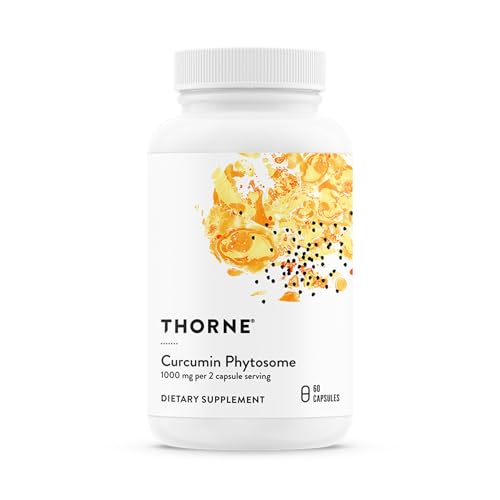
Compare all 5 picks →Affiliate links. Disclosure.
Read next


Written by Superfoods Advisor Editors·Published July 4, 2026