Berberine
Berberis vulgaris, Coptis chinensis, Hydrastis canadensis (source plants) · also known as berberine HCl, berberine hydrochloride, barberry extract, Coptis extract, huanglian, goldenseal alkaloid, BBR
By Superfoods Advisor Editors·October 23, 2026
Berberine for weight loss: trials show about 1 to 2 kg, not Ozempic-level results, plus blood sugar and LDL effects, dosage, side effects and interactions.
Berberine is a bitter plant alkaloid sold as a supplement for blood sugar, cholesterol and weight. For weight loss its effect is small: a meta-analysis of 23 randomized trials found an average of 0.88 kg lost compared with control, far from the roughly 15% of body weight seen with semaglutide in the STEP 1 trial.
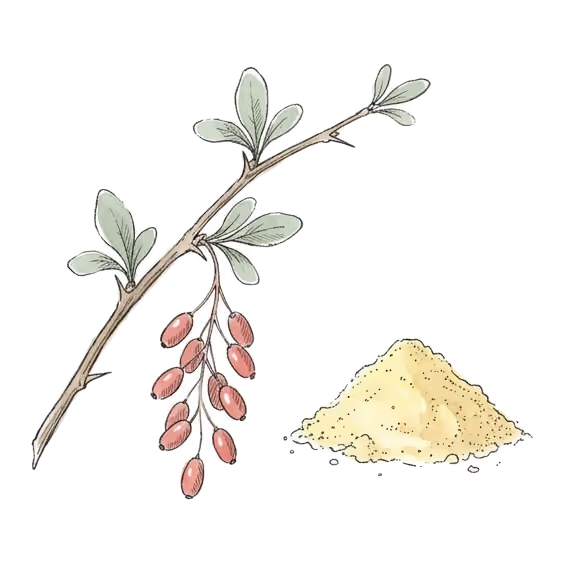
Sources: the bright-yellow isoquinoline alkaloid is found in the roots, rhizomes and bark of several unrelated plants: European barberry (Berberis vulgaris), Indian barberry (Berberis aristata), Chinese goldthread (Coptis chinensis, the huanglian of traditional Chinese medicine), goldenseal (Hydrastis canadensis) and Oregon grape (Mahonia aquifolium). It is not a food. Barberries turn up in Persian cooking, but the alkaloid is concentrated in the root and stem bark, with little in the fruit, and no ordinary diet supplies a meaningful amount. Anyone taking berberine at trial doses is taking a concentrated supplement, almost always berberine hydrochloride.
The interest is metabolic. Pooled randomized trials report reductions in fasting glucose, HbA1c, LDL cholesterol and triglycerides, real in aggregate and modest in size. Most of those trials were small, short and run in China, and many gave berberine on top of standard diabetes drugs rather than alone. Berberine also behaves like a drug in a way that matters more than any of its benefits: it inhibits enzymes that clear a large share of prescription medicines.
Evidence at a glance
Active Compounds and Sources
- Berberine (as berberine hydrochloride): The quaternary protoberberine alkaloid behind essentially all of the clinical research. Supplements nearly always use the hydrochloride salt, usually in 500 mg capsules.
- Related protoberberine alkaloids: The source plants also contain palmatine, jatrorrhizine, coptisine and, in goldenseal, hydrastine. A whole-plant extract is not purified berberine, and goldenseal has an interaction literature of its own (NCCIH, goldenseal).
- Berberine metabolites: After an oral dose, berberine is extensively metabolized, mainly by demethylation, demethylenation, reduction and conjugation, and some metabolites appear to be biologically active, which may partly explain how a compound with such low plasma levels shows any systemic effect (Wang et al., 2017). In rats, thalifendine, berberrubine and jatrorrhizine were the main metabolites found in the liver (Tan et al., 2013).
- Dihydroberberine and other “enhanced” forms: Reduced or reformulated versions sold on claims of better absorption. The support comes mainly from pharmacokinetic studies, such as a five-person crossover pilot in which dihydroberberine produced higher plasma berberine than standard berberine but no difference in glucose or insulin (Moon et al., 2021). Human outcome trials remain very limited (Wang & Tang, 2026), and none of the outcome meta-analyses below tested these forms.
Traditional Use
Coptis and barberry preparations have a long history in traditional Chinese medicine and Ayurveda, mainly for infections, diarrhea and inflammatory conditions, and berberine does show antimicrobial activity in the lab (MSK About Herbs). In China it is also used alongside standard treatment for type 2 diabetes and high cholesterol. Chinese clinical reports from the late 1980s of lower blood sugar in patients with type 2 diabetes helped start the metabolic research (Ni, 1988). Long use shows people took these plants for a long time, not that berberine is safe or effective for any particular modern purpose.
Evidence for Purported Benefits
Blood Glucose and HbA1c
Evidence:Moderate Meta-analyses of 37 and 46 RCTs agree, but trials were small, short, at risk of bias, and often added to metformin.
This is the best-studied use. Xie and colleagues pooled 37 randomized trials covering 3,048 people with type 2 diabetes. Berberine, alone or added to other glucose-lowering drugs, was associated with a fasting glucose reduction of about 0.82 mmol/L (roughly 15 mg/dL) and an HbA1c reduction of about 0.63 percentage points (2022, Frontiers in Pharmacology, PubMed:36467075). People who started with higher glucose saw larger effects, and hypoglycemia did not rise significantly. Guo and colleagues, pooling 46 trials, reported a similar HbA1c reduction of about 0.73 points and smaller improvements in insulin resistance markers (2021, Oxidative Medicine and Cellular Longevity, PubMed:34956436).
Read those numbers carefully. Most of the trials were Chinese, often published in Chinese-language journals, with small samples, short durations and frequent risk-of-bias concerns. In many, berberine was an add-on to metformin or other drugs, so the pooled figure does not estimate what berberine does alone.
The claim most often repeated online traces to a 36-person pilot trial in newly diagnosed patients, where berberine at 0.5 g three times daily performed similarly to metformin over three months (Yin et al., 2008, Metabolism, PubMed:18442638). It has not been replicated at scale. It does not justify swapping prescribed diabetes medication for berberine, and stopping that medication in favor of a supplement carries serious risk.
Blood Lipids
Evidence:Moderate A meta-analysis of 18 placebo-controlled RCTs found small LDL and triglyceride reductions; no trial measured heart attacks or strokes.
The lipid evidence is somewhat cleaner because it includes placebo-controlled trials. Blais and colleagues restricted their analysis to 18 of them (1,788 participants, mostly in mainland China and Hong Kong, 4 to 24 weeks, berberine at 900 to 1,500 mg/day). Berberine lowered LDL cholesterol by about 0.46 mmol/L (roughly 18 mg/dL) and triglycerides by about 0.34 mmol/L (roughly 30 mg/dL), with a very small rise in HDL (2023, Drugs, PubMed:36941490). The authors called these “small reductions,” and no trial measured heart attacks, strokes or deaths. A standard statin dose typically lowers LDL by more.
A 2004 Nature Medicine paper proposed a mechanism unlike that of statins: berberine stabilizes the messenger RNA for the hepatic LDL receptor. The same paper reported cholesterol reductions in 32 hypercholesterolemic patients (Kong et al., 2004, PubMed:15531889). The mechanism has held up better than the effect size, which was larger than later pooled estimates.
Weight Loss: Is Berberine “Nature’s Ozempic”?
Evidence:Moderate For modest weight loss: meta-analyses of 12 to 23 RCTs find about 1 to 2 kg, with frequent reporting and blinding problems.
Evidence:Insufficient For semaglutide-like weight loss: no trial comes close to the roughly 15% seen with semaglutide.
Berberine may produce a small weight loss in some people, about 1 to 2 kg in pooled trials, but the “nature’s Ozempic” label promoted on social media since around 2023 is not supported by the trial data.
The most recent meta-analysis, covering 23 randomized trials, found berberine reduced body weight by an average of 0.88 kg compared with control, with small reductions in BMI and waist circumference (Elahi Vahed et al., 2026, International Journal of Obesity, PubMed:41310257). The authors flagged poor reporting of product purity and dose, and frequent problems with blinding and randomization. An earlier analysis of 12 trials estimated about 2 kg (Asbaghi et al., 2020, Clinical Nutrition ESPEN, PubMed:32690176). A 2025 meta-analysis of placebo-controlled trials in metabolic syndrome reported about 3 cm off waist circumference and a BMI reduction under 0.5 kg/m² (Liu et al., 2025, Frontiers in Pharmacology, PubMed:40740996).
In the STEP 1 trial, adults with overweight or obesity on weekly semaglutide lost about 15% of body weight over 68 weeks, against about 2% on placebo (Wilding et al., 2021, New England Journal of Medicine, PubMed:33567185). That is an order of magnitude apart. Berberine is not a GLP-1 receptor agonist either; it works through different pathways. It may produce a small weight change in some people with metabolic risk factors. Nothing in the trial literature puts it in semaglutide’s company.
Proposed Mechanisms
Evidence:Lab & animal only AMPK activation and other pathways rest on cell and rodent work, sometimes at concentrations oral doses may not reach.
The most cited mechanism is activation of AMP-activated protein kinase (AMPK), a cellular energy sensor also involved in how metformin works. Lee and colleagues showed AMPK activation and better glucose handling in cultured cells and in diabetic and insulin-resistant rodents (2006, Diabetes, PubMed:16873688). It is a plausible pathway, not a demonstrated mechanism in humans, and the cell work used concentrations oral dosing may never reach in blood. Other candidates include the LDL-receptor effect above and effects inside the gut, where much of an oral dose stays. Each rests mainly on preclinical work.
Bioavailability
Berberine is poorly absorbed. In rats, absolute oral bioavailability was about 0.36%. Roughly half a dose passed through the gut unabsorbed, and the small intestine metabolized much of the rest before it reached the circulation. What did get absorbed concentrated in the liver at about 70 times the plasma level (Liu et al., 2010, Drug Metabolism and Disposition, PubMed:20634337). That is one reason trials split the daily amount into two or three doses, and why liver and gut concentrations, not blood levels, may matter most. Absorption-enhanced formulations exist, but better absorption has not been shown to produce better clinical outcomes.
Shopping for berberine?
Top-ranked of 5 products compared.
Compare all 5 picks →Affiliate links. Disclosure.
Typical Use in Trials
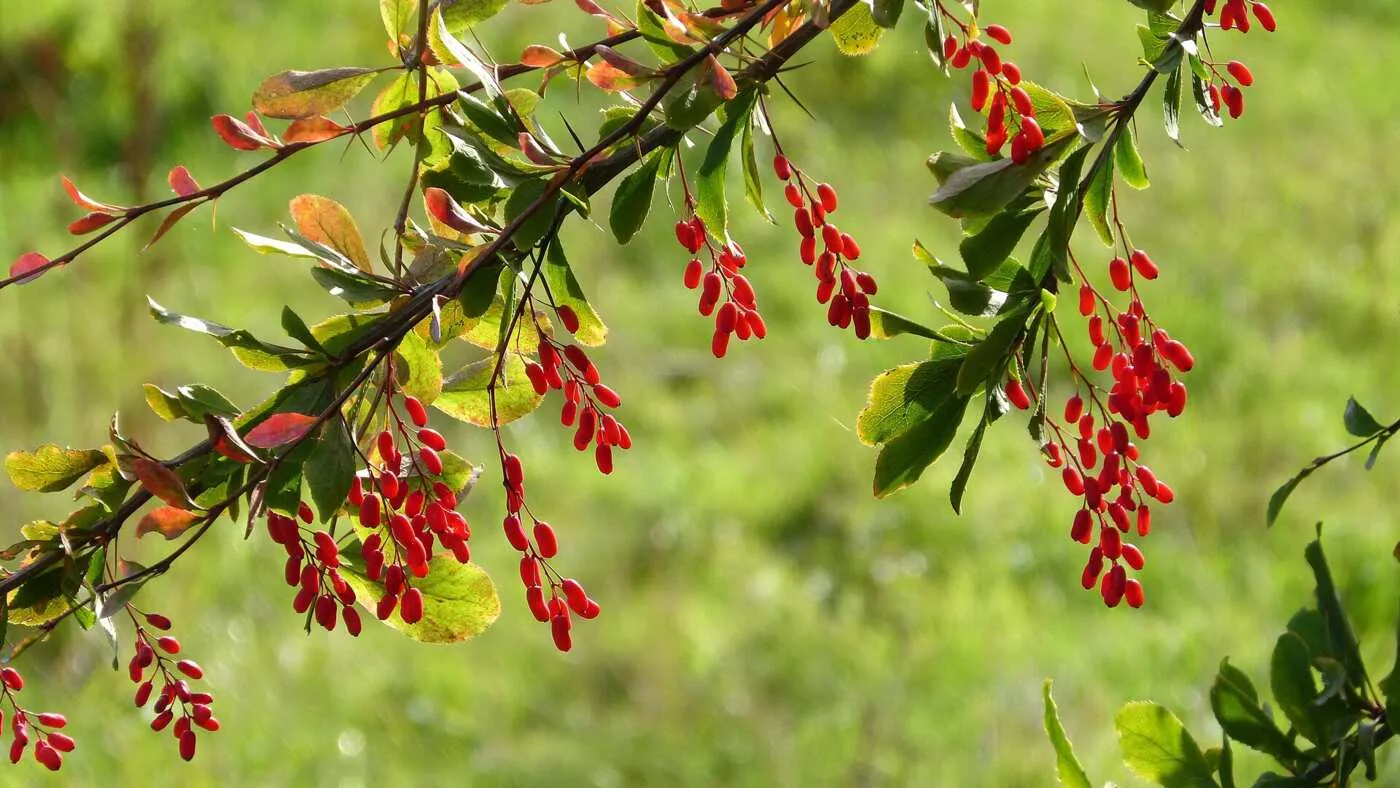 Photo: gailhampshire from Cradley, Malvern, U.K, CC BY 2.0, via Wikimedia Commons
This describes what studies used; it is not a recommendation. Most metabolic trials gave 900 to 1,500 mg of berberine hydrochloride a day, split into two or three doses with meals, for 4 weeks to 6 months (Blais et al., 2023). The usual regimen was 500 mg three times daily. Long-term trials are essentially absent, so long-term safety at these doses is not well characterized.
Anyone with diabetes, high cholesterol or another metabolic condition should talk to a prescriber before starting berberine, both for its additive glucose-lowering effect and for its interactions. Diet-based approaches, with their own evidence base, are covered in Superfoods for Blood Sugar and Metabolic Health. Cinnamon, often compared with berberine online, has a separate and weaker glycemic literature.
Safety, Interactions, and Contraindications
Gastrointestinal effects: The most commonly reported side effects. In the placebo-controlled lipid trials, gastrointestinal adverse events occurred in 2 to 23% of participants on berberine versus 2 to 15% on placebo, mainly constipation, diarrhea, nausea and abdominal discomfort (Blais et al., 2023). In Yin’s pilot trials, about a third of berberine-treated patients (20, or 34.5%) had transient gut symptoms (Yin et al., 2008). Trials commonly split the daily dose and gave it with food. No serious adverse events were reported for berberine in the short-term lipid trials (Blais et al., 2023), but those trials were not designed to find rare harms.
Cytochrome P450 inhibition: In a crossover study in healthy men, two weeks of berberine at 300 mg three times daily reduced the activity of CYP2D6, CYP2C9 and CYP3A4. Exposure to the CYP3A4 probe drug midazolam rose by about 40% (Guo et al., 2012, European Journal of Clinical Pharmacology, PubMed:21870106). Between them, these enzymes metabolize a large share of prescription drugs. The main concern is medications with a narrow therapeutic window: certain anticoagulants, anticonvulsants, antiarrhythmics, some antidepressants and antipsychotics, and immunosuppressants.
Cyclosporine: In kidney-transplant recipients, adding berberine at 0.2 g three times daily raised cyclosporine blood levels; in a 12-day pharmacokinetic sub-study, exposure rose by about 35% (Wu et al., 2005, European Journal of Clinical Pharmacology, PubMed:16133554). An unplanned shift in immunosuppressant levels is a serious risk for a transplant patient. A case report described raised tacrolimus levels in a child after berberine was added (Hou et al., 2013). Anyone on cyclosporine or tacrolimus should not take berberine except under specialist supervision.
Metformin and other glucose-lowering drugs: The effects can add up and push blood sugar too low, particularly with insulin or sulfonylureas. There is a pharmacokinetic problem too. In 16 healthy volunteers, a berberine-standardized goldenseal product cut metformin exposure by about 23% (Nguyen et al., 2021, Clinical Pharmacology & Therapeutics, PubMed:33174626), which the authors noted could worsen glucose control. So the combination can push glucose either way, and it needs a prescriber watching it.
Pregnancy, breastfeeding and newborns: Berberine displaces bilirubin from albumin, more strongly in laboratory testing than phenylbutazone, a known displacer. Berberine-containing herbs have been linked to a risk of kernicterus (bilirubin-induced brain injury) in jaundiced newborns (Chan, 1993, Biology of the Neonate, PubMed:8513024), and the author concluded berberine-rich preparations are best avoided in jaundiced newborns and pregnant women. No safety data support use in pregnancy or breastfeeding. NCCIH advises that the berberine in goldenseal can be harmful to newborns and that goldenseal should not be used in pregnancy or breastfeeding or given to infants (NCCIH). Avoid it then, and never give it to infants.
Heart rhythm: A 2026 case report described recurrent torsades de pointes, a dangerous arrhythmia linked to a prolonged QT interval, in a man taking berberine and dihydroberberine with other supplements and low magnesium; the QT interval normalized after the supplements were stopped (Mohammadi et al., 2026). A review of dihydroberberine also flagged possible hERG potassium-channel inhibition, the mechanism behind many drug-induced QT problems (Wang & Tang, 2026). People with a heart rhythm disorder or taking QT-prolonging drugs should ask a clinician first.
Others who should avoid it or ask first: Children, people with liver disease, and anyone taking several prescription medications.
Regulatory status and product quality: In the United States berberine is sold as a dietary supplement, so nobody checks purity or dose before sale, and label accuracy varies: in one analysis of 15 US products, 9 contained less than 90% of the labeled berberine (Funk et al., 2018). Third-party testing (USP, NSF, or independent certificates of analysis confirming berberine content and screening for heavy metals) is the most practical assurance available. Whole-root “barberry” or “goldenseal” extracts may carry a different, unstated amount of berberine than a purified berberine hydrochloride product. How current products compare on these points is covered in Best Berberine Supplements.
Frequently Asked Questions
How much weight can you lose with berberine?
In pooled trials, not much. The largest meta-analysis, of 23 randomized trials, found an average of 0.88 kg more weight lost than with control; an earlier analysis of 12 trials estimated about 2 kg. Trials ran from a few weeks to six months, often in people with metabolic risk factors, and many had problems with blinding and with reporting product purity.
Is berberine a natural Ozempic?
No. Semaglutide (Ozempic, Wegovy) is a GLP-1 receptor agonist that produced about 15% weight loss over 68 weeks in the STEP 1 trial. Berberine acts through different pathways, and its trials show weight changes of roughly 1 to 2 kg. The comparison is a social-media framing, not a finding from the research.
How much berberine should I take?
There is no established dose. Most metabolic trials used 900 to 1,500 mg of berberine hydrochloride a day, usually 500 mg two or three times daily with meals, for up to six months. Long-term safety at these doses is not well characterized, so the right amount, if any, is a question for a prescriber, especially for anyone taking other medication.
What are the side effects of berberine?
Gastrointestinal effects are the most common: constipation, diarrhea, nausea and abdominal discomfort, reported in 2 to 23% of participants in placebo-controlled lipid trials. The larger concern is interactions. Berberine slows the enzymes that clear many prescription drugs, raised cyclosporine levels in transplant patients, and should not be used in pregnancy, breastfeeding or newborns.
Can I take berberine with metformin?
Only with a prescriber’s oversight. The glucose-lowering effects can add up, raising the risk of low blood sugar, particularly alongside insulin or sulfonylureas. In 16 healthy volunteers, a berberine-standardized goldenseal product also cut metformin exposure by about 23%, so the combination can push glucose control in either direction.
References
Show all 25 referencesShow fewer
- Xie, W., Su, F., Wang, G., et al. (2022). Glucose-lowering effect of berberine on type 2 diabetes: a systematic review and meta-analysis. Frontiers in Pharmacology, 13, 1015045.
- Guo, J., Chen, H., Zhang, X., et al. (2021). The effect of berberine on metabolic profiles in type 2 diabetic patients: a systematic review and meta-analysis of randomized controlled trials. Oxidative Medicine and Cellular Longevity, 2021, 2074610.
- Yin, J., Xing, H., & Ye, J. (2008). Efficacy of berberine in patients with type 2 diabetes mellitus. Metabolism, 57(5), 712–717.
- Blais, J. E., Huang, X., & Zhao, J. V. (2023). Overall and sex-specific effect of berberine for the treatment of dyslipidemia in adults: a systematic review and meta-analysis of randomized placebo-controlled trials. Drugs, 83(5), 403–427.
- Kong, W., Wei, J., Abidi, P., et al. (2004). Berberine is a novel cholesterol-lowering drug working through a unique mechanism distinct from statins. Nature Medicine, 10(12), 1344–1351.
- Elahi Vahed, I., Shahir-Roudi, E., Nojumi, S., et al. (2026). The effect of berberine on obesity indices: a systematic review and meta-analysis. International Journal of Obesity, 50(1), 53–73.
- Asbaghi, O., Ghanbari, N., Shekari, M., et al. (2020). The effect of berberine supplementation on obesity parameters, inflammation and liver function enzymes: a systematic review and meta-analysis of randomized controlled trials. Clinical Nutrition ESPEN, 38, 43–49.
- Liu, D., Zhao, H., Zhang, Y., Hu, J., & Xu, H. (2025). Efficacy and safety of berberine on the components of metabolic syndrome: a systematic review and meta-analysis of randomized placebo-controlled trials. Frontiers in Pharmacology, 16, 1572197.
- Wilding, J. P. H., Batterham, R. L., Calanna, S., et al. (2021). Once-weekly semaglutide in adults with overweight or obesity. New England Journal of Medicine, 384(11), 989–1002.
- Lee, Y. S., Kim, W. S., Kim, K. H., et al. (2006). Berberine, a natural plant product, activates AMP-activated protein kinase with beneficial metabolic effects in diabetic and insulin-resistant states. Diabetes, 55(8), 2256–2264.
- Liu, Y. T., Hao, H. P., Xie, H. G., et al. (2010). Extensive intestinal first-pass elimination and predominant hepatic distribution of berberine explain its low plasma levels in rats. Drug Metabolism and Disposition, 38(10), 1779–1784.
- Guo, Y., Chen, Y., Tan, Z. R., Klaassen, C. D., & Zhou, H. H. (2012). Repeated administration of berberine inhibits cytochromes P450 in humans. European Journal of Clinical Pharmacology, 68(2), 213–217.
- Wu, X., Li, Q., Xin, H., Yu, A., & Zhong, M. (2005). Effects of berberine on the blood concentration of cyclosporin A in renal transplanted recipients: clinical and pharmacokinetic study. European Journal of Clinical Pharmacology, 61(8), 567–572.
- Nguyen, J. T., Tian, D. D., Tanna, R. S., et al. (2021). Assessing transporter-mediated natural product-drug interactions via in vitro-in vivo extrapolation: clinical evaluation with a probe cocktail. Clinical Pharmacology & Therapeutics, 109(5), 1342–1352.
- Chan, E. (1993). Displacement of bilirubin from albumin by berberine. Biology of the Neonate, 63(4), 201–208.
- Wang, K., Feng, X., Chai, L., Cao, S., & Qiu, F. (2017). The metabolism of berberine and its contribution to the pharmacological effects. Drug Metabolism Reviews, 49(2), 139–157.
- Tan, X. S., Ma, J. Y., Feng, R., et al. (2013). Tissue distribution of berberine and its metabolites after oral administration in rats. PLoS One, 8(10), e77969.
- Moon, J. M., Ratliff, K. M., Hagele, A. M., et al. (2021). Absorption kinetics of berberine and dihydroberberine and their impact on glycemia: a randomized, controlled, crossover pilot trial. Nutrients, 14(1), 124.
- Wang, D., & Tang, Y. (2026). Dihydroberberine in metabolic disorders: bioavailability, molecular mechanisms, toxicology, and future perspectives. Food and Chemical Toxicology, 216, 116267.
- Ni, Y. X. (1988). Therapeutic effect of berberine on 60 patients with type II diabetes mellitus and experimental research. Zhong Xi Yi Jie He Za Zhi, 8(12), 711–713. (In Chinese.)
- Hou, Q., Han, W., & Fu, X. (2013). Pharmacokinetic interaction between tacrolimus and berberine in a child with idiopathic nephrotic syndrome. European Journal of Clinical Pharmacology, 69(10), 1861–1862.
- Mohammadi, A., Abdalla, H. M., Falls, N., et al. (2026). Recurrent torsades de pointes precipitated by berberine supplement. JACC: Case Reports, 110193.
- Funk, R. S., Singh, R. K., Winefield, R. D., et al. (2018). Variability in potency among commercial preparations of berberine. Journal of Dietary Supplements, 15(3), 343–351.
- National Center for Complementary and Integrative Health. Goldenseal.
- Memorial Sloan Kettering Cancer Center. About Herbs: Berberine.
Reviews
Product recommendations tied to this entry, selected by the criteria in our affiliate disclosure.
The Best Berberine Supplements (2026): HCl and Dihydroberberine Compared
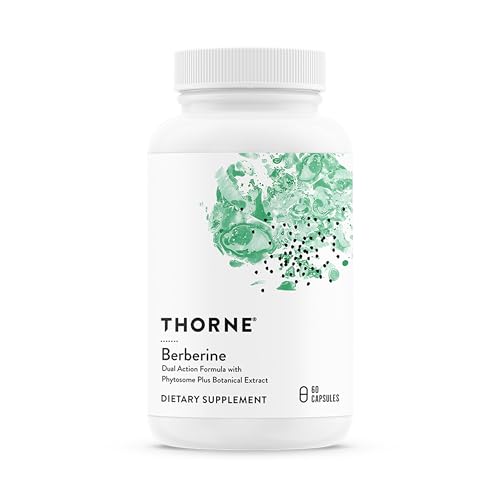 Check price on Amazon on Amazon for Thorne Berberine, Dual Action Phytosome & HCl Formula, 60 Capsules (opens in a new tab)
 Check price on Amazon on Amazon for Genex Formulas Berberine HCl 500 mg, NSF Certified, 90 Capsules (opens in a new tab)
 Check price on Amazon on Amazon for Integrative Therapeutics Berberine 500 mg, 60 Capsules (opens in a new tab)
Compare all 5 picks →Affiliate links. Disclosure.
Related content
More in Supplements & Ingredients
- CBD (Cannabidiol)
CBD for sleep: what the research shows, how CBD differs from THC, plus the anxiety and epilepsy evidence, dosing, legal status and side effects.
- Collagen (Hydrolyzed Collagen Peptides)
Collagen peptides benefits weighed against the trials: skin elasticity, joint pain, bone density and muscle, plus daily dose, timing and side effects.
- Inulin
What is inulin? A prebiotic fiber from chicory root and other plants: how it feeds gut bacteria, benefits, daily dose, side effects and inulin vs psyllium.
- MCT Oil (Medium-Chain Triglycerides)
What is MCT oil? C8 and C10 fats fractionated from coconut or palm kernel oil. Ketones, weight and brain evidence, vs coconut oil, dose and side effects.
- Nutritional Yeast
Is nutritional yeast good for you? About 8 g complete protein per 15 g, B vitamins and B12 if fortified, vs brewer's yeast, daily amounts and gout.
- Resveratrol (trans-3,5,4'-Trihydroxystilbene)
Resveratrol benefits weighed against the evidence: under 1% bioavailability, mixed human trials, no lifespan gain in rigorous mouse tests, plus safety.

Browse all supplements & ingredients →
Curated by Superfoods Advisor Editors·Last updated