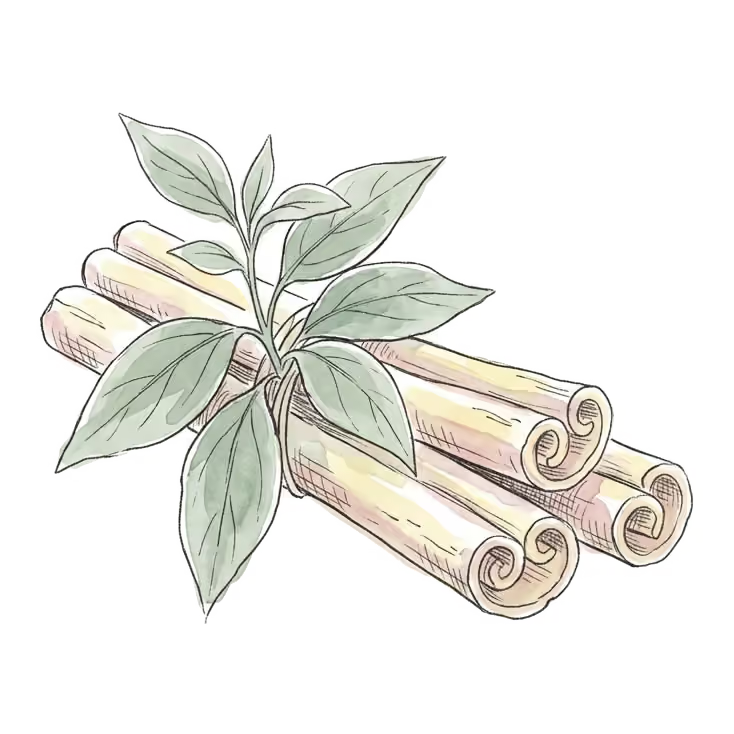
Cinnamon (Cinnamomum verum / C. cassia)
Cinnamomum verum · also known as Ceylon cinnamon, True cinnamon, Cassia, Chinese cinnamon
By Superfoods Advisor Editors·July 3, 2026
Ceylon cinnamon vs cassia: coumarin levels and liver risk, how much is safe per day, and what trials show for blood sugar and cholesterol.
Ceylon cinnamon (Cinnamomum verum) and cassia cinnamon (C. cassia) are the two main types of cinnamon, both sold as dried inner bark. The difference that matters most is coumarin: cassia averages about 3,000 mg/kg, so one teaspoon can reach an adult’s tolerable daily intake, while authenticated Ceylon bark contains only traces. Cassia is the type most sold in North America.
Cinnamon comes from several tree species within the genus Cinnamomum (family Lauraceae). Two species dominate commercial trade and most of the scientific literature: Ceylon cinnamon (Cinnamomum verum, synonym C. zeylanicum), native to Sri Lanka, and Cassia cinnamon (Cinnamomum cassia), native to southern China and also grown in Vietnam. Two related cassia species, C. loureiroi (Saigon or Vietnamese cinnamon) and C. burmannii (Indonesian cinnamon), are also sold as cinnamon (Wang et al., 2013). Ceylon and cassia are frequently confused in commerce and in dietary supplement labeling, yet they differ substantially in chemical composition, flavor profile, and safety at supplemental doses.
Cinnamon bark has a long history of use in the traditional medicine of South Asia, the Middle East, and China. Contemporary interest in cinnamon’s health effects centers primarily on its potential to modulate blood glucose — a body of evidence that spans from cell culture studies to randomized controlled trials in people with type 2 diabetes.
Evidence at a glance
Active Compounds
The key bioactive constituents differ meaningfully between the two major species:
Cinnamaldehyde (trans-cinnamaldehyde) is the primary volatile compound in both species, contributing the characteristic flavor and aroma. It is the dominant constituent of the bark essential oil in both species; one GC-MS analysis of a commercial Ceylon bark oil measured 78% (E)-cinnamaldehyde (Živković et al., 2025). Cinnamaldehyde activates the TRPA1 ion channel (Bandell et al., 2004), has antimicrobial properties in vitro, and in diabetic rats increased glucose uptake through GLUT4 glucose transporter translocation in peripheral tissues (Anand et al., 2010).
Coumarin is present at substantially different concentrations in the two species — this is the most clinically important compositional difference:
- Cassia: highly variable, from below the limit of detection to about 10,000 mg/kg, even within a single package or tree (Woehrlin et al., 2010). The German Federal Institute for Risk Assessment puts the average at about 3,000 mg/kg (BfR FAQ), and mean levels across 12 brands of Czech retail ground cinnamon ranged from 2,650 to 7,017 mg/kg (Blahová & Svobodová, 2012).
- Cinnamomum verum (Ceylon): only traces in authenticated bark (Wang et al., 2013); a Sri Lankan sample analyzed alongside the Czech retail samples was coumarin-free.
In especially sensitive people, coumarin can cause liver damage, usually reversible (BfR FAQ). The European Food Safety Authority (EFSA) established a tolerable daily intake (TDI) of 0.1 mg/kg body weight per day (EFSA, 2008). For a 70 kg adult this equates to 7 mg/day. A single teaspoon (2.6 g, per USDA FoodData Central) of ground Cassia cinnamon at those mean levels would contain roughly 7–18 mg of coumarin — at or above the TDI. At supplemental doses (1–6 g/day, as used in clinical trials), coumarin intake from Cassia can substantially exceed the TDI, and acute hepatitis has been reported in a person taking cinnamon supplements (Brancheau et al., 2015).
A-type procyanidins — a class of condensed tannins found predominantly in water-soluble cinnamon extracts. Water-soluble A-type procyanidin polymers isolated from cinnamon increased insulin-dependent glucose metabolism in vitro (Anderson et al., 2004), and cinnamon extract and polyphenols increased GLUT4 and insulin-receptor protein levels in cultured fat cells (Cao et al., 2007). The water-soluble extract fraction (sold as Cinnulin PF) is standardized to doubly-linked A-type procyanidins; the manufacturer markets it as low in coumarin, but independent data are limited.
Volatile oil fraction: In addition to cinnamaldehyde, cinnamon essential oil contains eugenol (more prevalent in Ceylon), linalool, cinnamyl acetate, and safrole in trace amounts.
Ceylon vs Cassia Cinnamon
Ceylon and cassia taste similar enough to be sold under one name, but they are different species with very different coumarin content. For occasional baking the choice matters little; for daily spoonfuls or supplements it is the main safety decision.
| Ceylon | Cassia | |
|---|---|---|
| Species | C. verum (C. zeylanicum) | C. cassia; also C. loureiroi (Saigon), C. burmannii (Indonesian) |
| Native range | Sri Lanka | Southern China (C. cassia); related species from Vietnam and Indonesia |
| Coumarin | Traces in authenticated bark | Highly variable, up to about 10,000 mg/kg; BfR average about 3,000 mg/kg |
| Flavor | Sweeter, more delicate | Stronger; most common in North America |
| In clinical trials | Rarely used | Used in most glucose trials |
Sources: Wang et al., 2013; Woehrlin et al., 2010; BfR FAQ; NCCIH.
Because most glucose trials used cassia, switching to Ceylon lowers coumarin exposure but has not been shown to give the same glucose effect.
Evidence for Purported Benefits
Blood Glucose Modulation
Evidence:Limited RCT results conflict: pooled fasting glucose fell but HbA1c did not, and a key trial is under an expression of concern.
The proposed mechanism by which cinnamon constituents reduce postprandial blood glucose involves:
- Insulin-like signaling and GLUT4: In mouse 3T3-L1 adipocytes, a cinnamon-derived hydroxychalcone mimicked insulin, stimulating glucose uptake and glycogen synthesis to a similar degree as insulin (Jarvill-Taylor et al., 2001), and cinnamon extract and polyphenols increased levels of the GLUT4 glucose transporter and insulin-receptor protein (Cao et al., 2007). These are cell-culture findings.
- Insulin receptor sensitization: In enzyme and rat fat-cell experiments, cinnamon fractions stimulated insulin-receptor autophosphorylation and inhibited PTP-1, a phosphatase that switches the receptor off, acting upstream of PI3-kinase (Imparl-Radosevich et al., 1998).
- Alpha-glucosidase inhibition: A cinnamon bark extract inhibited rat intestinal alpha-glucosidase in vitro and blunted the glucose rise after maltose or sucrose loading in diabetic rats (Shihabudeen et al., 2011).
Human clinical trials: Results in people with type 2 diabetes or prediabetes are mixed:
- A trial by Khan and colleagues (2003) in Diabetes Care reported that 1, 3, or 6 g/day of ground Cassia cinnamon for 40 days significantly reduced fasting blood glucose (18–29%), total cholesterol (12–26%), LDL-C (7–27%), and triglycerides (23–30%) in 60 Pakistani adults with type 2 diabetes. In 2025 the journal issued an expression of concern about the trial, citing baseline differences between groups inconsistent with proper randomization, unclear blinding, possible misreporting of standard deviations, and authors who could not be reached for the data.
- A meta-analysis by Allen and colleagues (2013) of ten randomized controlled trials (n=543) found that cinnamon (120 mg to 6 g/day for 4–18 weeks) reduced fasting plasma glucose by about 25 mg/dL on average, but had no significant effect on HbA1c (−0.16%; 95% CI −0.39% to 0.02%). Heterogeneity across trials was high, which limits confidence in the pooled estimate.
- In people with normal glucose, results are mixed: 6 g of cinnamon added to rice pudding lowered the post-meal glucose response in 14 healthy adults (Hlebowicz et al., 2007), while 1 or 3 g did not change blood glucose (Hlebowicz et al., 2009).
The water-soluble extract Cinnulin PF has been studied in a small randomized trial by Ziegenfuss and colleagues (2006) with modest improvements in fasting glucose and body composition markers reported, but trial size was small.
Important caveat: Many trials used Cassia cinnamon, not Ceylon. Whether the results are attributable to procyanidins, cinnamaldehyde, or other components remains unclear. The species used in individual trials is often not specified.
Lipid Modulation
Evidence:Limited Results conflict; pooled RCT reductions are heterogeneous, and the largest early trial is under an expression of concern.
The Khan (2003) trial, now under an expression of concern, reported substantial reductions in LDL and triglycerides; subsequent studies have shown mixed results. A 2019 randomized controlled trial by Zare and colleagues in adults with type 2 diabetes reported improvements in total cholesterol, LDL-C, and HDL-C with cinnamon supplementation; most outcomes, though not total cholesterol or LDL-C, improved more in participants with a baseline BMI of 27 or higher. In the Allen (2013) meta-analysis, pooled reductions in total cholesterol, LDL-C, and triglycerides were statistically significant but heterogeneous.
Antioxidant and Anti-inflammatory Activity
Evidence:Limited A 12-trial meta-analysis found lower CRP and malondialdehyde; these are blood markers, not clinical outcomes.
Cinnamon polyphenols demonstrate DPPH radical-scavenging activity in vitro. Animal studies have shown reductions in inflammatory markers (TNF-α, IL-6) with cinnamon supplementation. In humans, a meta-analysis of 12 randomized trials (1.5–4 g/day of cinnamon powder) found reductions in C-reactive protein and malondialdehyde and a borderline reduction in IL-6 (Zhu et al., 2020).
Typical Use and Dosing
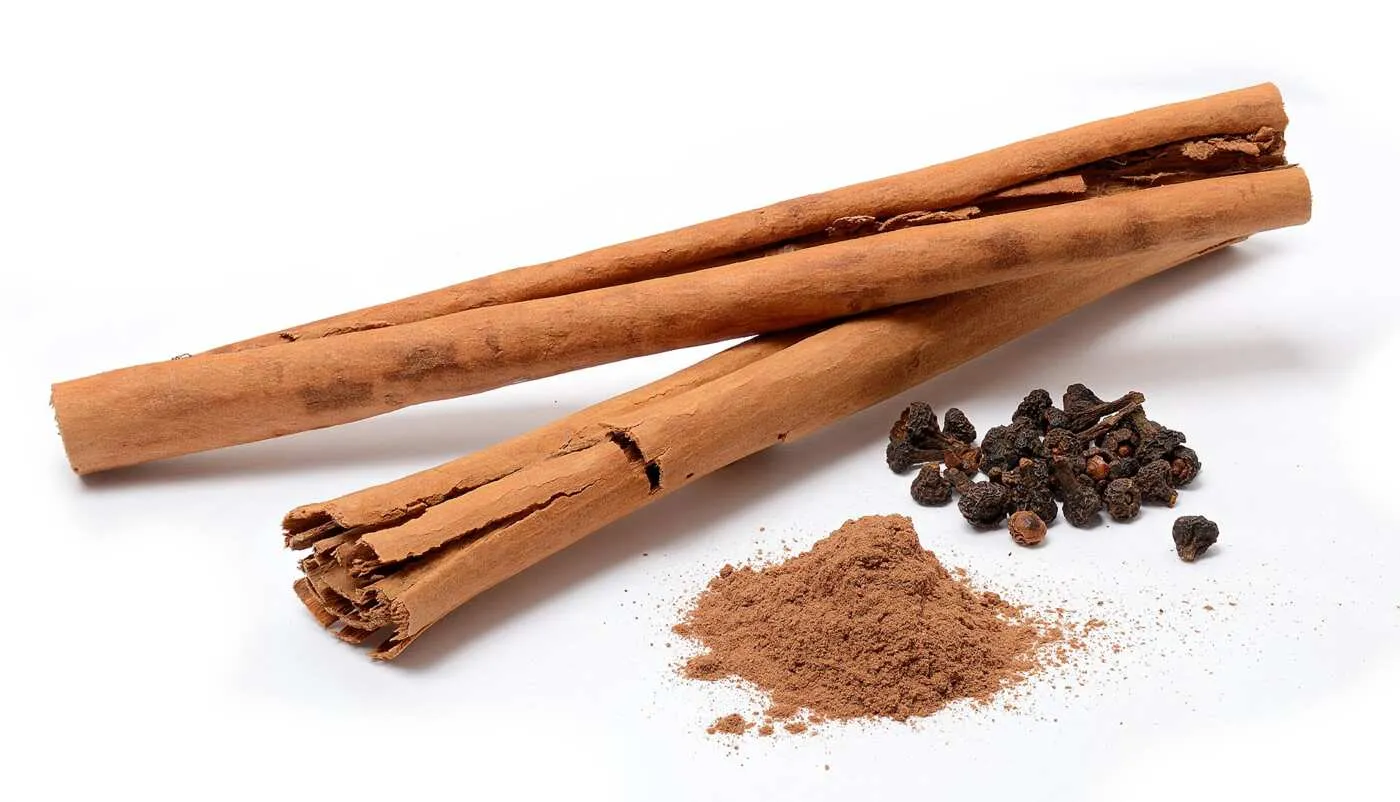 Photo: Simon A. Eugster, CC BY-SA 3.0, via Wikimedia Commons
Culinary use: Ground cinnamon is widely used in baking and cooking at 0.5–3 g per dish. Both Ceylon and Cassia are sold in grocery stores; Cassia is the most common type sold in North America (NCCIH). Ceylon tends to have a sweeter, more delicate flavor.
Supplement dosing from trials: Clinical trials have predominantly used 1–6 g/day of ground Cassia cinnamon bark, or 500 mg/day of standardized water-soluble extract (Cinnulin PF) in the Ziegenfuss trial. No standardized dosing regimen has regulatory approval for glycemic management.
Coumarin-aware dosing: Individuals wishing to use cinnamon supplements while minimizing coumarin exposure should:
- Use Ceylon cinnamon specifically, which contains negligible coumarin.
- If using a Cassia-based water-soluble extract (e.g., Cinnulin PF), look for a product that discloses coumarin testing. Coumarin is only sparingly water-soluble but not insoluble (about 1.9 g per liter at 20 °C, per PubChem), and independent data showing that water extraction removes it are lacking; a US market survey detected coumarin in every cinnamon supplement it tested (Wang et al., 2013).
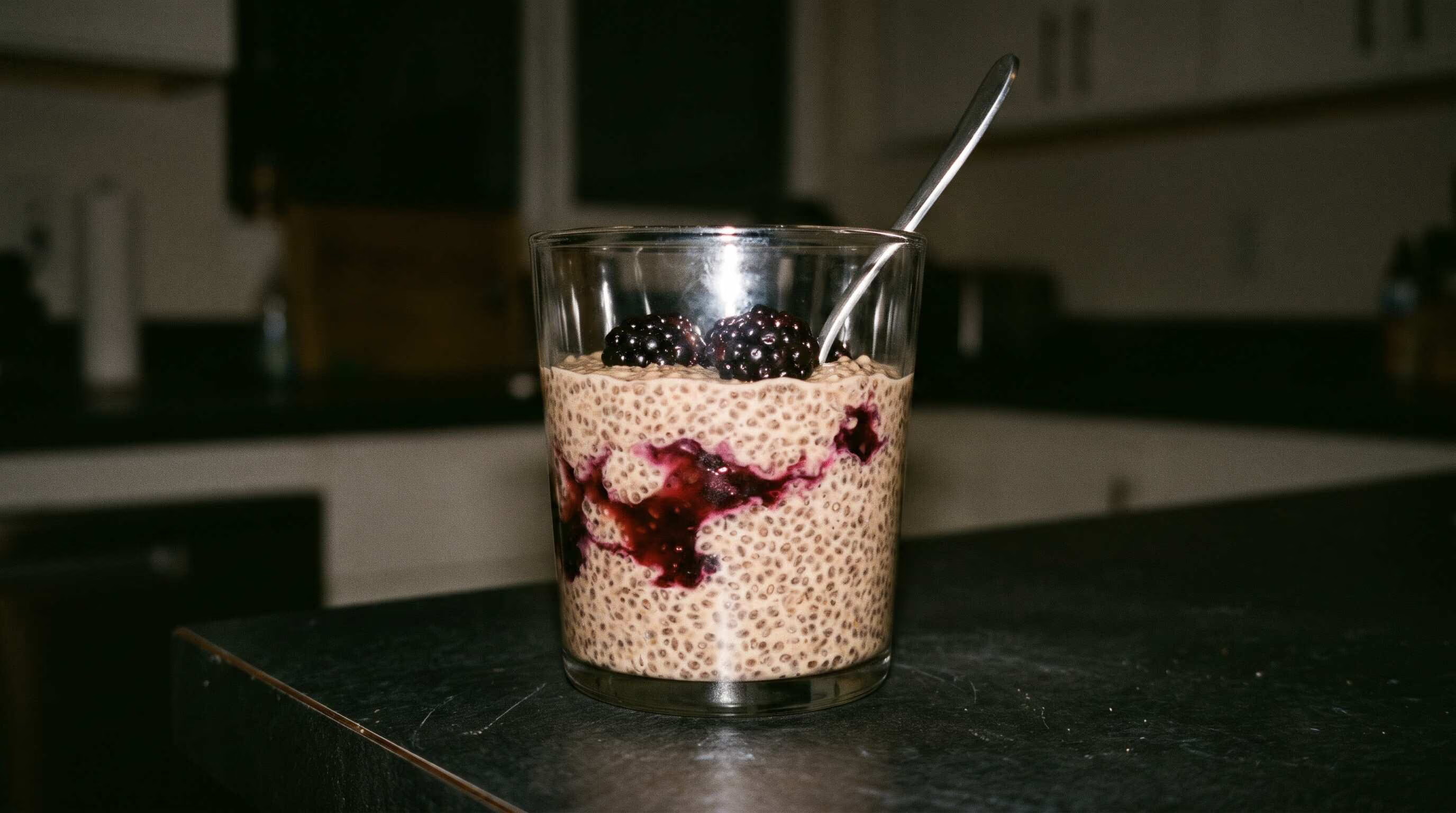
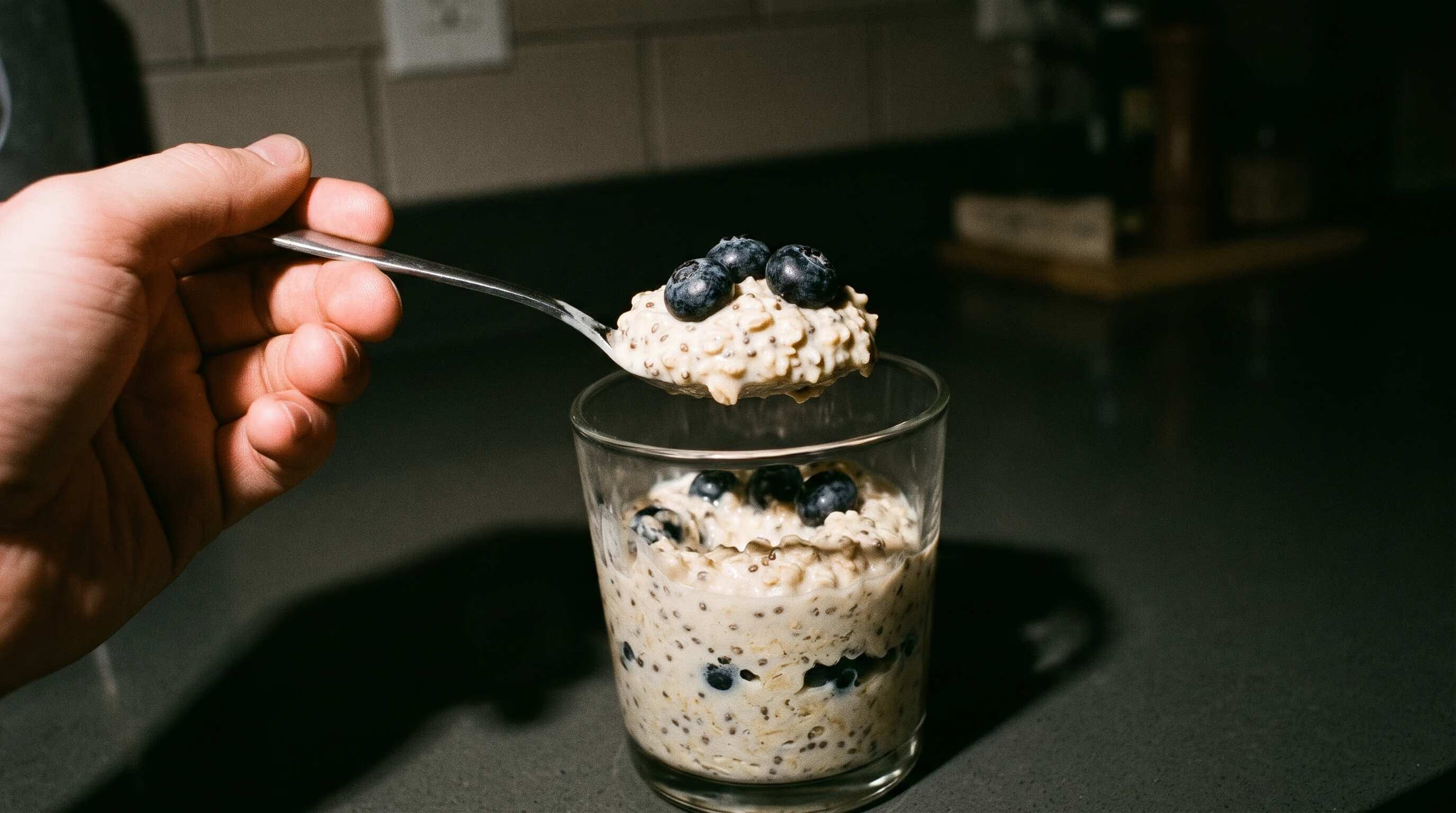
In the kitchen, cinnamon appears in the golden milk recipes and in the apple version of the overnight oats. The guide to blood sugar and metabolic superfoods places cinnamon’s glucose evidence alongside other foods.
Safety, Side Effects, and Interactions
Cinnamon in food amounts is safe for most people; the main risk is coumarin from regular or supplemental cassia, followed by interactions with glucose-lowering drugs.
Coumarin hepatotoxicity: This is the primary safety concern with cinnamon supplementation and is specific to Cassia species. The German Federal Institute for Risk Assessment (BfR) estimates that a 60 kg adult reaches the TDI with about 2 g of Cassia cinnamon per day, and a 15 kg child with about 0.5 g (BfR FAQ). In a published case report, a 73-year-old woman on a statin developed acute hepatitis about a week after starting cinnamon capsules (Brancheau et al., 2015). Individuals with pre-existing liver conditions should avoid Cassia cinnamon supplementation.
Hypoglycemic interactions: Because cinnamon may lower blood glucose, concurrent use with insulin or other glucose-lowering drugs, especially sulfonylureas, can theoretically increase hypoglycemia risk. People with diabetes using glucose-lowering medications should monitor blood glucose more closely if adding cinnamon supplements and should inform their prescriber.
Anticoagulant interactions (theoretical): Coumarin itself is not an anticoagulant; the anticoagulant dicoumarol forms from it only in mold-spoiled sweet clover. No clinical evidence was found that cinnamon raises warfarin’s effect, so the concern is theoretical. Because warfarin and coumarin are both processed by the liver, people on warfarin may still prefer to avoid supplemental Cassia cinnamon and should tell their prescriber if they take it.
Cinnamon oil and cinnamaldehyde toxicity: Concentrated cinnamon essential oil is a potent mucosal irritant and should not be consumed internally in undiluted form. “Cinnamon challenges” circulating on social media (consuming large volumes of dry cinnamon powder) have led to calls to US poison centers and carry a risk of aspiration and lung injury, particularly in children and adolescents (Grant-Alfieri et al., 2013).
Pregnancy: According to NCCIH, some studies suggest cinnamon is safe during pregnancy in amounts commonly found in food, but larger amounts of Ceylon cinnamon are considered unsafe in pregnancy, and little is known about larger amounts of either type while breastfeeding.
Product Selection Criteria
For consumers selecting cinnamon supplements:
- Species identification: Label must specify Cinnamomum verum (Ceylon) or a cassia species (C. cassia, Chinese; C. loureiroi, Saigon or Vietnamese; C. burmannii, Indonesian). Generic “cinnamon” without species designation on the label should be avoided for supplemental use given the coumarin risk differential.
- Coumarin testing: For safety-conscious supplementation, seek products with third-party coumarin quantification.
- Third-party certification: NSF International or USP verification addresses label accuracy and general contaminants, not coumarin specifically. For coumarin, look for a product that states its species (Ceylon) or discloses coumarin testing.
Frequently Asked Questions
Is Ceylon cinnamon better than cassia?
For regular or supplemental use, Ceylon is the safer choice because it contains only traces of coumarin, which can harm the liver in sensitive people. Cassia is fine as an occasional spice. Ceylon is not proven better for blood sugar, though: most glucose trials used cassia, and the effect of Ceylon on its own has been studied far less.
How much cinnamon per day is safe?
It depends on the type. Germany’s BfR estimates that a 60 kg adult reaches the coumarin tolerable daily intake with about 2 g of cassia a day, a little under one teaspoon, and a 15 kg child with about 0.5 g. Ceylon’s coumarin is negligible, though NCCIH notes larger amounts of it are considered unsafe in pregnancy.
Can cinnamon lower blood sugar?
The evidence is limited. A meta-analysis of 10 trials found that 120 mg to 6 g a day lowered fasting glucose by about 25 mg/dL, but did not significantly change HbA1c, the longer-term marker. Results varied widely between trials, and an influential 2003 trial is now under an expression of concern. Cinnamon is not a substitute for diabetes treatment.
How can you tell if cinnamon is Ceylon or cassia?
Check the label for the species name. Ceylon is Cinnamomum verum or C. zeylanicum; cassia is C. cassia, C. loureiroi (Saigon) or C. burmannii (Indonesian). Ground cinnamon labeled only “cinnamon” in North America is usually cassia. For supplements, prefer products that disclose coumarin testing.
Is cinnamon bad for your liver?
Cinnamon used occasionally in food is not considered a liver risk. Cassia supplements are different: coumarin can cause usually reversible liver damage in sensitive people, and acute hepatitis was reported in a woman taking cinnamon capsules with a statin. People with liver disease should avoid supplemental cassia.
References
Show all 25 referencesShow fewer
- Khan, A., Safdar, M., Ali Khan, M. M., Khattak, K. N., & Anderson, R. A. (2003). Cinnamon improves glucose and lipids of people with type 2 diabetes. Diabetes Care, 26(12), 3215–3218.
- Allen, R. W., Schwartzman, E., Baker, W. L., Coleman, C. I., & Phung, O. J. (2013). Cinnamon use in type 2 diabetes: An updated systematic review and meta-analysis. Annals of Family Medicine, 11(5), 452–459.
- Jarvill-Taylor, K. J., Anderson, R. A., & Graves, D. J. (2001). A hydroxychalcone derived from cinnamon functions as a mimetic for insulin in 3T3-L1 adipocytes. Journal of the American College of Nutrition, 20(4), 327–336.
- EFSA Panel on Food Additives, Flavourings, Processing Aids and Materials in Contact with Food. (2008). Coumarin in flavourings and other food ingredients with flavouring properties. EFSA Journal, 6(10), 793.
- Cao, H., Polansky, M. M., & Anderson, R. A. (2007). Cinnamon extract and polyphenols affect the expression of tristetraprolin, insulin receptor, and glucose transporter 4 in mouse 3T3-L1 adipocytes. Archives of Biochemistry and Biophysics, 459(2), 214–222.
- Ziegenfuss, T. N., Hofheins, J. E., Mendel, R. W., Landis, J., & Anderson, R. A. (2006). Effects of a water-soluble cinnamon extract on body composition and features of the metabolic syndrome in pre-diabetic men and women. Journal of the International Society of Sports Nutrition, 3(2), 45–53.
- Zare, R., Nadjarzadeh, A., Zarshenas, M. M., Shams, M., & Heydari, M. (2019). Efficacy of cinnamon in patients with type II diabetes mellitus: A randomized controlled clinical trial. Clinical Nutrition, 38(2), 549–556.
- Woehrlin, F., Fry, H., Abraham, K., & Preiss-Weigert, A. (2010). Quantification of flavoring constituents in cinnamon: High variation of coumarin in cassia bark from the German retail market and in authentic samples from Indonesia. Journal of Agricultural and Food Chemistry, 2010.
- Blahová, J., & Svobodová, Z. (2012). Assessment of coumarin levels in ground cinnamon available in the Czech retail market. The Scientific World Journal, 2012, 263851.
- Wang, Y. H., Avula, B., Nanayakkara, N. P., Zhao, J., & Khan, I. A. (2013). Cassia cinnamon as a source of coumarin in cinnamon-flavored food and food supplements in the United States. Journal of Agricultural and Food Chemistry, 2013.
- Brancheau, D., et al. (2015). Do cinnamon supplements cause acute hepatitis? American Journal of Case Reports, 2015.
- Živković, M., et al. (2025). Comprehensive phytochemical analysis and evaluation of antioxidant, antimicrobial, cytotoxic, and immunomodulatory activities of commercial cinnamon bark essential oil (Cinnamomum zeylanicum L.). International Journal of Molecular Sciences.
- German Federal Institute for Risk Assessment (BfR). Frequently asked questions about coumarin in cinnamon and other foods.
- Grant-Alfieri, A., Schaechter, J., & Lipshultz, S. E. (2013). Ingesting and aspirating dry cinnamon by children and adolescents: The “cinnamon challenge”. Pediatrics, 2013.
- Bandell, M., et al. (2004). Noxious cold ion channel TRPA1 is activated by pungent compounds and bradykinin. Neuron, 41(6), 849–857.
- Anand, P., Murali, K. Y., Tandon, V., Murthy, P. S., & Chandra, R. (2010). Insulinotropic effect of cinnamaldehyde on transcriptional regulation of pyruvate kinase, phosphoenolpyruvate carboxykinase, and GLUT4 translocation in experimental diabetic rats. Chemico-Biological Interactions, 186(1), 72–81.
- Anderson, R. A., et al. (2004). Isolation and characterization of polyphenol type-A polymers from cinnamon with insulin-like biological activity. Journal of Agricultural and Food Chemistry, 52(1), 65–70.
- Imparl-Radosevich, J., et al. (1998). Regulation of PTP-1 and insulin receptor kinase by fractions from cinnamon: Implications for cinnamon regulation of insulin signalling. Hormone Research, 50(3), 177–182.
- Mohamed Sham Shihabudeen, H., Hansi Priscilla, D., & Thirumurugan, K. (2011). Cinnamon extract inhibits α-glucosidase activity and dampens postprandial glucose excursion in diabetic rats. Nutrition & Metabolism, 8(1), 46.
- American Diabetes Association. (2025). Expression of concern: Khan et al., Cinnamon improves glucose and lipids of people with type 2 diabetes. Diabetes Care, 48(9), 1646.
- Hlebowicz, J., Darwiche, G., Björgell, O., & Almér, L. O. (2007). Effect of cinnamon on postprandial blood glucose, gastric emptying, and satiety in healthy subjects. American Journal of Clinical Nutrition, 85(6), 1552–1556.
- Hlebowicz, J., et al. (2009). Effects of 1 and 3 g cinnamon on gastric emptying, satiety, and postprandial blood glucose, insulin, glucose-dependent insulinotropic polypeptide, glucagon-like peptide 1, and ghrelin concentrations in healthy subjects. American Journal of Clinical Nutrition, 89(3), 815–821.
- Zhu, C., et al. (2020). Impact of cinnamon supplementation on cardiometabolic biomarkers of inflammation and oxidative stress: A systematic review and meta-analysis of randomized controlled trials. Complementary Therapies in Medicine, 53, 102517.
- National Center for Complementary and Integrative Health (NCCIH). Cinnamon.
- PubChem. Coumarin (CID 323).
Related content



More in Roots & Herbs
- Ashwagandha (Withania somnifera)
Ashwagandha side effects, who should avoid it, and drug interactions, plus what trials show for stress, sleep and strength at clinical doses.
- Basil (Ocimum basilicum)
Basil benefits: what lab and human studies show, vitamin K per serving, sweet basil vs holy basil, and the estragole and warfarin cautions.
- Black Pepper (Piper nigrum)
Black pepper benefits: how piperine raises absorption of curcumin and some drugs, what human studies show, side effects, and drug interactions.
- Cilantro / Coriander (Coriandrum sativum)
Cilantro vs parsley: how the two herbs differ in flavor, vitamin K and vitamin C, plus what the evidence says about cilantro benefits and safety.
- Garlic (Allium sativum)
Garlic benefits for blood pressure, cholesterol and colds: what trials show, how much raw garlic or supplement they used, and bleeding risks.
- Ginger (Zingiber officinale)
Ginger for nausea: what trials show for morning sickness, chemotherapy, surgery and motion sickness, the doses studied, and ginger's side effects.

Curated by Superfoods Advisor Editors·Last updated