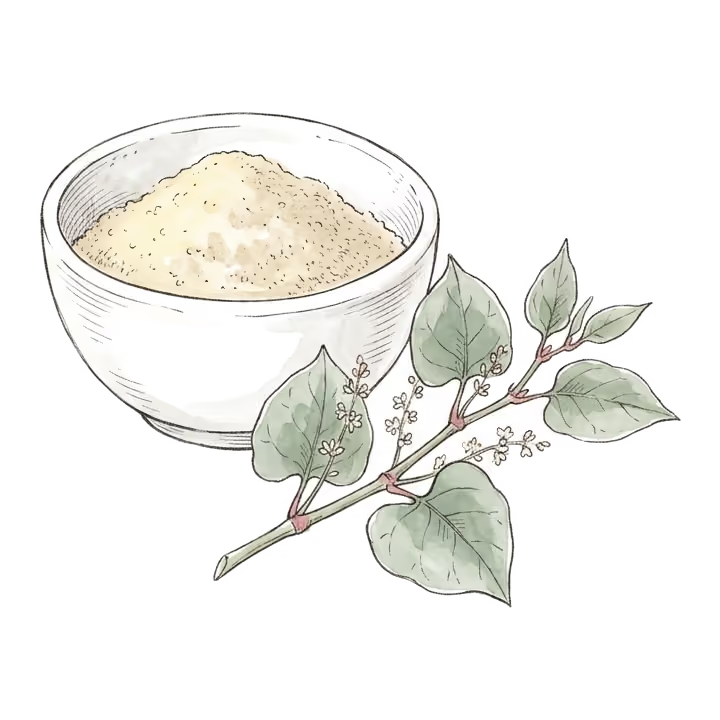
Resveratrol (trans-3,5,4'-Trihydroxystilbene)
Polygonum cuspidatum (commercial source) · also known as trans-resveratrol, stilbenoid, Japanese knotweed extract, polygonum extract, RSV
By Superfoods Advisor Editors·August 19, 2026
Resveratrol benefits weighed against the evidence: under 1% bioavailability, mixed human trials, no lifespan gain in rigorous mouse tests, plus safety.
Resveratrol is a polyphenol found in grapes, red wine and peanuts and extracted for supplements from Japanese knotweed (Polygonum cuspidatum). Its demonstrated benefits in people are few: oral bioavailability is under 1%, the most rigorous mouse lifespan study was negative, and metabolic trials are mixed, with small positive results mainly in obese men.
Chemically, resveratrol (3,5,4’-trihydroxy-trans-stilbene) is a stilbenoid synthesised by plants under stress — fungal infection, ultraviolet exposure, or mechanical injury — as part of their chemical defence. It was first isolated from white hellebore (Veratrum grandiflorum) in 1939 (Pezzuto, 2019) and identified in grapevines in the 1970s, but it entered general awareness in 2003, when a paper in Nature reported that resveratrol activated the yeast sirtuin Sir2 and extended replicative lifespan in Saccharomyces cerevisiae by up to 70% (Howitz et al., 2003, PubMed:12939617).
Within five years GlaxoSmithKline had paid about $720 million for Sirtris, a company founded to commercialise sirtuin activators. GSK halted Sirtris’s resveratrol formulation SRT501 in 2010 and closed the company’s Cambridge site in 2013, folding the remaining work into its own research.
Two decades on the picture is substantially more restrained, and resveratrol is best understood as a case study in how a compelling mechanism can outrun its evidence. Oral bioavailability is under 1%. The sirtuin-activation model was challenged as an assay artifact. The most rigorous mouse lifespan experiment was negative. No primate study has shown the survival benefit reported in obese mice. The compound retains genuinely interesting biology — it is not inert, and it is not a fraud — but it is not the anti-aging drug it was sold as. The extended account of how that case unravelled is in Resveratrol and Longevity.
Evidence at a glance
Active Compounds
- trans-Resveratrol: The biologically active isomer, and the form studied in essentially all research. Standardised supplements specify trans-resveratrol content, and a label that gives only “resveratrol” or “polyphenols” is not making the claim that matters.
- cis-Resveratrol: The photoisomerisation product, less stable and not the target of any longevity claim. The trans form converts to cis under ultraviolet light, which is why storage in opaque containers away from light is a genuine quality consideration rather than packaging convention.
- Resveratrol glucuronides and sulfates: The phase II conjugates that constitute almost all circulating resveratrol after an oral dose. They persist longer than the parent compound and have different, generally weaker, biological activity. Any account of what resveratrol does in humans is largely an account of what these metabolites do.
- Polydatin (piceid): The glucoside of resveratrol and the dominant stilbenoid form in Polygonum cuspidatum. It is hydrolysed to free resveratrol by gut enzymes and microbiota, and some commercial extracts declare it alongside the aglycone.
- Emodin: An anthraquinone present in Polygonum cuspidatum raw material. It is a laxative with hepatotoxic potential at high exposure, is not a desired component, and its residual concentration is a purity question worth asking about a knotweed-derived extract.
Sources and Manufacture
Most resveratrol supplements sold in the US are extracted from the root of Polygonum cuspidatum (Japanese knotweed), not from grapes (Linus Pauling Institute). Knotweed root contains stilbenoids at concentrations far above any food source, which makes it the practical feedstock; grape and red-wine extracts are also sold. Yeast-fermentation routes producing resveratrol biosynthetically have also been commercialised.
The dietary sources are real but nutritionally trivial at the doses under study:
| Source | Approximate resveratrol content |
|---|---|
| Red wine | about 1.9 mg per litre on average, varying widely (Stervbo et al., 2007) |
| Red wine, 150 mL glass | about 0.3 mg |
| Fresh black (red) grapes, 100 g | about 0.15 mg, range 0.02–0.58 mg (Phenol-Explorer) |
| Peanuts, 100 g | about 0.005 mg roasted to 0.5 mg boiled (Sobolev & Cole, 1999) |
| Blueberries, 100 g | under 0.01 mg, often undetectable (Lyons et al., 2003) |
| Doses used in human trials | 150 mg to 5 g per day |
The gap between the top and bottom of that table is the single most important fact about resveratrol as a dietary compound. Reaching even the lowest trial dose from wine would take roughly 80 litres a day, and a 1 g dose several hundred, and the ethanol would be the dominant physiological exposure long before the stilbenoid was.
Evidence for Purported Benefits
Bioavailability — the Constraint on Everything Else
Walle and colleagues gave 25 mg of oral resveratrol to six healthy volunteers and found absorption was high, around 70%, but that the parent compound was almost entirely conjugated to glucuronides and sulfates during first pass. Free trans-resveratrol in plasma stayed below 5 ng/mL, corresponding to under 1% oral bioavailability (2004, Drug Metabolism and Disposition, PubMed:15333514).
This governs how every other finding should be read. Cell-culture work suggests chemopreventive effects need at least about 5 µM free resveratrol, yet a single 5 g oral dose produced a mean peak plasma level of only 2.4 µM in healthy volunteers (Boocock et al., 2007); ordinary supplement doses come nowhere near that. Micronised formulations, phospholipid complexes and nanoformulations have all been tested to close the gap, with modest and inconsistent gains; micronised SRT501, for example, gave plasma levels about 3.6 times those of standard resveratrol (Howells et al., 2011).
Lifespan Extension
Evidence:Lab & animal only No human data; the most rigorous mouse program found no lifespan extension.
The lifespan literature varies by organism. Even in yeast the original finding has not held up everywhere: Kaeberlein and colleagues found no effect on lifespan in three different yeast strain backgrounds (2005, Journal of Biological Chemistry, PubMed:15684413). In worms and flies it is inconsistent across laboratories. In mice it is conditional: Baur and colleagues reported improved survival and health markers in middle-aged mice fed a high-calorie diet, with roughly a 31% reduction in mortality risk relative to high-calorie controls (2006, Nature, PubMed:17086191). A follow-up from the same groups found that resveratrol started at 12 months delayed several markers of ageing but did not extend lifespan in mice on a standard diet (Pearson et al., 2008, Cell Metabolism, PubMed:18599363).
The decisive test came from the National Institute on Aging’s Interventions Testing Program, which evaluates candidate compounds in genetically heterogeneous mice across three independent sites. Rapamycin extended lifespan; resveratrol did not (Miller et al., 2011, Journals of Gerontology, PubMed:20974732). This is the field’s most rigorous negative result and it is not seriously disputed. A 2013 rhesus monkey study found that two years of resveratrol improved insulin signalling and reduced inflammatory markers in visceral fat of monkeys on a high-fat, high-sugar diet, but it did not assess lifespan (Jimenez-Gomez et al., 2013, Cell Metabolism, PubMed:24093677).
Read charitably, the mouse data suggest resveratrol partially offsets metabolic damage from an obesogenic diet rather than extending intrinsic lifespan. That is a different and much smaller claim than the one on the bottle.
The Sirtuin Mechanism
Evidence:Lab & animal only Cell and mouse studies, with direct SIRT1 activation disputed as a possible assay artifact.
Pacholec and colleagues at Pfizer reported that resveratrol and the related SRT compounds activated SIRT1 only when the deacetylation assay used a fluorophore-tagged peptide substrate; with native substrates, the activation disappeared (2010, Journal of Biological Chemistry, PubMed:20061378). The finding suggested an assay artifact rather than direct enzyme activation. Follow-up work from the original group proposed allosteric activation dependent on hydrophobic motifs in the substrate (Hubbard et al., 2013), and the dispute has not been fully resolved. What can be said is that “resveratrol directly activates SIRT1” is no longer a settled statement, and that alternative routes have been proposed, among them AMPK activation downstream of phosphodiesterase inhibition, shown in cells and mice (Park et al., 2012).
Human Metabolic Outcomes
Evidence:Limited Results conflict: an 11-person month-long trial in obese men was positive, later trials in healthier people were null.
Timmers and colleagues gave 150 mg/day of resveratrol to obese men for 30 days in a randomised crossover trial and reported reductions in sleeping metabolic rate, blood glucose, triglycerides and inflammatory markers, with a pattern the authors described as resembling calorie restriction (2011, Cell Metabolism, PubMed:22055504). The trial had 11 participants and ran a month. Subsequent trials in healthier populations have generally been null; 75 mg/day for 12 weeks changed no metabolic measure in nonobese postmenopausal women (Yoshino et al., 2012), and a reasonable reading is that resveratrol may do something detectable in metabolically impaired people and little in metabolically healthy ones.
Cognitive and Neuropsychiatric Effects
Evidence:Insufficient Rodent findings have not been reproduced in humans; a small single-dose trial found no cognitive change.
A 2021 systematic review by Khorshidi et al. in Ageing Research Reviews examined the neuropsychiatric and cognitive literature and concluded, in the authors’ own framing, that the case for resveratrol as a cognitive enhancer rests substantially on rodent work that human trials have not reproduced (PubMed:33303422). Preliminary evidence exists for acute effects on cerebral blood flow, from a single-dose crossover trial in 22 adults that found no change in cognitive performance (Kennedy et al., 2010); evidence for clinical cognitive benefit does not.
Typical Use and Preparation
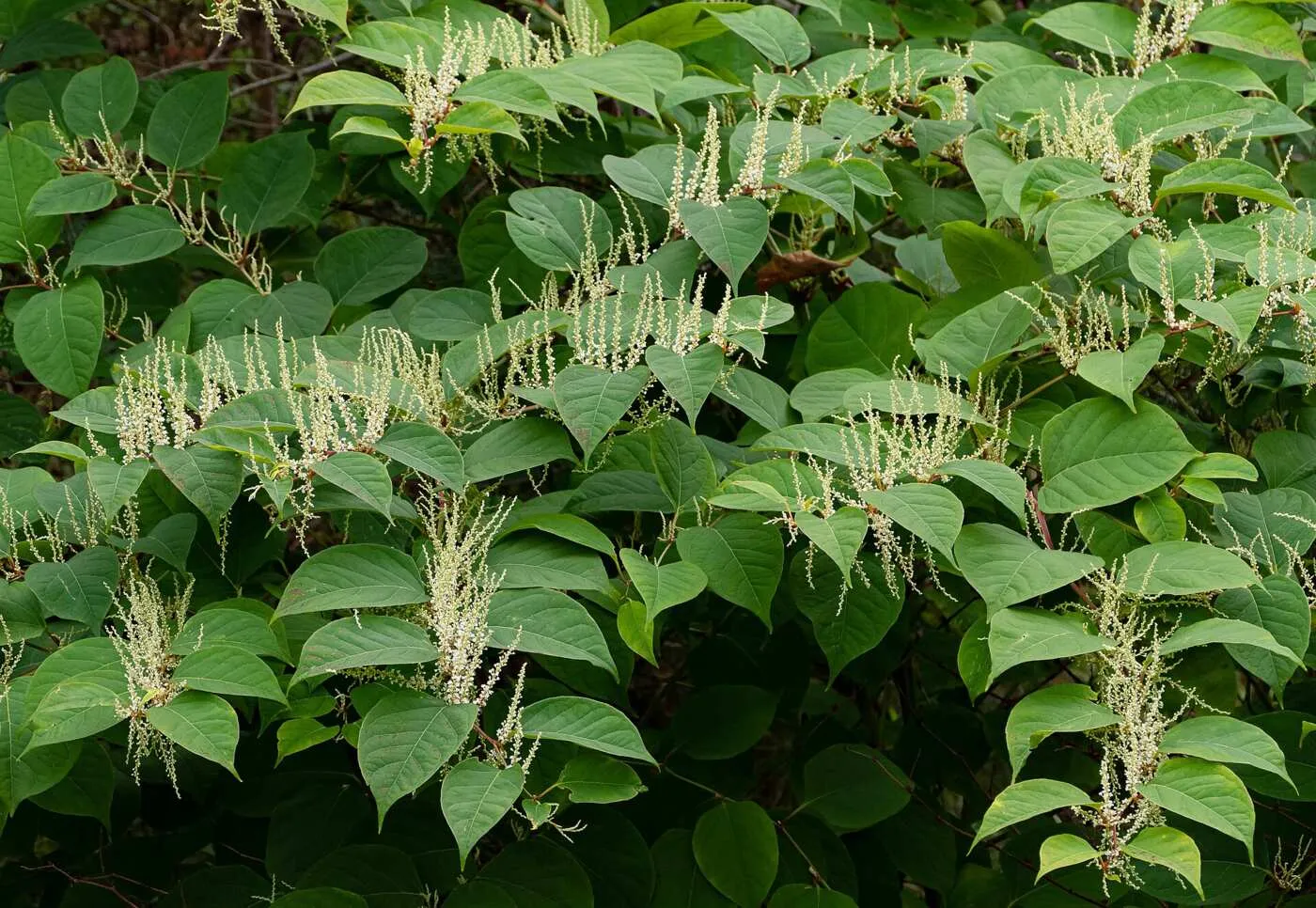 Photo: W.carter, CC0, via Wikimedia Commons
Trial doses range from 150 mg/day at the metabolic end (Timmers et al., 2011) to 0.5–5 g/day in cancer-prevention research (Brown et al., 2010), against a food intake measured in fractions of a milligram.
Choose products that declare trans-resveratrol content specifically, carry third-party purity testing, and specify the raw material. Knotweed-derived extracts should have emodin content controlled. Opaque packaging matters because of the trans-to-cis photoisomerisation. Taking resveratrol with a high-fat meal delays its absorption without meaningfully changing how much is absorbed, so food timing does not solve the bioavailability problem (Vaz-da-Silva et al., 2008).
Anyone whose interest is in polyphenols generally, rather than this molecule specifically, is better served by dietary intake across grapes, berries, cocoa and green tea — a strategy whose rationale is set out in Polyphenols and Aging.
Safety, Interactions, and Contraindications
Gastrointestinal effects at high dose: Brown and colleagues, in a repeat-dose study in healthy volunteers, gave 40 volunteers 0.5–5 g daily for 29 days and found the compound was tolerated, but the 2.5 g and 5 g doses caused mild to moderate gastrointestinal symptoms (2010, Cancer Research, PubMed:20935227). Gram-level dosing is not benign.
Cytochrome P450 interactions: In a study of 42 healthy volunteers, 1 g/day of resveratrol for four weeks inhibited CYP3A4, CYP2D6 and CYP2C9 activity and induced CYP1A2 activity, and the authors warned that this could cause adverse drug reactions or altered drug efficacy (Chow et al., 2010). Inhibition can raise levels of drugs cleared by the first three enzymes; induction can lower levels of CYP1A2 substrates such as theophylline, clozapine and caffeine. Because CYP3A4 metabolises a large share of prescription drugs, supplemental resveratrol should be raised with a prescriber by anyone taking statins, calcium channel blockers, immunosuppressants, certain antiarrhythmics, or medications with a narrow therapeutic index.
Antiplatelet activity: Resveratrol inhibits platelet aggregation in laboratory studies; this has not been established in humans (Linus Pauling Institute). Combined with warfarin, clopidogrel, aspirin or a direct oral anticoagulant, this raises bleeding risk in principle, and supplementation should be discontinued in advance of scheduled surgery in consultation with the surgical team.
Estrogenic activity: Resveratrol acted as an estrogen-receptor agonist in cell studies (Gehm et al., 1997), and it is generally described as a phytoestrogen with mixed agonist and antagonist activity depending on tissue and concentration. People with hormone-sensitive conditions — including estrogen-receptor-positive breast cancer, endometriosis and uterine fibroids — should not supplement without oncological or gynaecological advice.
Pregnancy and lactation: Not established as safe at supplemental doses (Linus Pauling Institute). Avoid.
Renal caution: A phase 2 trial of high-dose micronised resveratrol (SRT501) in multiple myeloma was terminated early after renal toxicity was observed in participants (Popat et al., 2013, British Journal of Haematology, PubMed:23205612). The population was specific and already at renal risk, but it is a reason for caution at gram-level doses in anyone with impaired kidney function.
Regulatory status: Resveratrol is sold as a dietary supplement, not a drug, and is therefore not subject to pre-market efficacy or purity review in the United States. Content analyses of commercial products have found actual content departing from label claims in both directions (Rossi et al., 2012; Bensa et al., 2023). Third-party certification is the most practical assurance.
Frequently Asked Questions
What is resveratrol good for?
In humans, very little has been established. A small 30-day trial in obese men reported lower glucose, triglycerides and inflammatory markers, but trials in healthier people mostly found nothing. Lifespan and cognitive claims rest on yeast, worm and rodent studies that have not been reproduced in people. Much of the interest comes from a 2003 yeast paper.
Does resveratrol work?
Not in the way it is usually marketed. Under 1% of an oral dose circulates as free resveratrol, and a single 5 g dose reached only about half the concentration cell studies suggest is needed for chemopreventive effects. Enhanced formulations raised blood levels modestly, and none has shown clear clinical benefit.
How much resveratrol per day?
No effective dose has been established. Human trials have used 150 mg to 5 g a day, against well under a milligram from a typical diet. At 2.5 and 5 g a day, digestive symptoms were common, and a high-dose formulation was linked to kidney problems in a myeloma trial. Anyone considering a supplement should discuss it with a clinician.
Can you get resveratrol from red wine?
Not in meaningful amounts. Red wine averages about 1.9 mg per litre, or roughly 0.3 mg per 150 mL glass. Reaching the lowest trial dose of 150 mg would take about 80 litres a day, and the alcohol would be the dominant exposure long before the resveratrol.
Is resveratrol safe?
At supplement doses for short periods it was generally tolerated in trials, but it is not risk-free. At 1 g a day it inhibited CYP3A4, CYP2D6 and CYP2C9 and induced CYP1A2, in principle it may add to bleeding risk with anticoagulants, and it acts as a phytoestrogen. It should be avoided in pregnancy and by people with hormone-sensitive conditions unless a specialist advises otherwise.
References
Show all 29 referencesShow fewer
- Howitz, K. T., Bitterman, K. J., Cohen, H. Y., et al. (2003). Small molecule activators of sirtuins extend Saccharomyces cerevisiae lifespan. Nature, 425(6954), 191–196.
- Walle, T., Hsieh, F., DeLegge, M. H., Oatis, J. E., & Walle, U. K. (2004). High absorption but very low bioavailability of oral resveratrol in humans. Drug Metabolism and Disposition, 32(12), 1377–1382.
- Baur, J. A., Pearson, K. J., Price, N. L., et al. (2006). Resveratrol improves health and survival of mice on a high-calorie diet. Nature, 444(7117), 337–342.
- Miller, R. A., Harrison, D. E., Astle, C. M., et al. (2011). Rapamycin, but not resveratrol or simvastatin, extends life span of genetically heterogeneous mice. Journals of Gerontology Series A, 66(2), 191–201.
- Timmers, S., Konings, E., Bilet, L., et al. (2011). Calorie restriction-like effects of 30 days of resveratrol supplementation on energy metabolism and metabolic profile in obese humans. Cell Metabolism, 14(5), 612–622.
- Brown, V. A., Patel, K. R., Viskaduraki, M., et al. (2010). Repeat dose study of the cancer chemopreventive agent resveratrol in healthy volunteers: safety, pharmacokinetics, and effect on the insulin-like growth factor axis. Cancer Research, 70(22), 9003–9011.
- Khorshidi, F., Poljak, A., Liu, Y., Lo, J. W., Crawford, J. D., & Sachdev, P. S. (2021). Resveratrol: a “miracle” drug in neuropsychiatry or a cognitive enhancer for mice only? A systematic review and meta-analysis. Ageing Research Reviews, 65, 101199.
- Pearson, K. J., Baur, J. A., Lewis, K. N., et al. (2008). Resveratrol delays age-related deterioration and mimics transcriptional aspects of dietary restriction without extending life span. Cell Metabolism, 8(2), 157–168.
- Jimenez-Gomez, Y., Mattison, J. A., Pearson, K. J., et al. (2013). Resveratrol improves adipose insulin signaling and reduces the inflammatory response in adipose tissue of rhesus monkeys on high-fat, high-sugar diet. Cell Metabolism, 18(4), 533–545.
- Pacholec, M., Bleasdale, J. E., Chrunyk, B., et al. (2010). SRT1720, SRT2183, SRT1460, and resveratrol are not direct activators of SIRT1. Journal of Biological Chemistry, 285(11), 8340–8351.
- Popat, R., Plesner, T., Davies, F., et al. (2013). A phase 2 study of SRT501 (resveratrol) with bortezomib for patients with relapsed and or refractory multiple myeloma. British Journal of Haematology, 160(5), 714–717.
- Boocock, D. J., Faust, G. E., Patel, K. R., et al. (2007). Phase I dose escalation pharmacokinetic study in healthy volunteers of resveratrol, a potential cancer chemopreventive agent. Cancer Epidemiology, Biomarkers & Prevention, 16(6), 1246–1252.
- Chow, H. H., Garland, L. L., Hsu, C. H., et al. (2010). Resveratrol modulates drug- and carcinogen-metabolizing enzymes in a healthy volunteer study. Cancer Prevention Research, 3(9), 1168–1175.
- Gehm, B. D., McAndrews, J. M., Chien, P. Y., & Jameson, J. L. (1997). Resveratrol, a polyphenolic compound found in grapes and wine, is an agonist for the estrogen receptor. Proceedings of the National Academy of Sciences, 94(25), 14138–14143.
- Vaz-da-Silva, M., Loureiro, A. I., Falcao, A., et al. (2008). Effect of food on the pharmacokinetic profile of trans-resveratrol. International Journal of Clinical Pharmacology and Therapeutics, 46(11), 564–570.
- Stervbo, U., Vang, O., & Bonnesen, C. (2007). A review of the content of the putative chemopreventive phytoalexin resveratrol in red wine. Food Chemistry, 101(2), 449–457.
- Sobolev, V. S., & Cole, R. J. (1999). trans-Resveratrol content in commercial peanuts and peanut products. Journal of Agricultural and Food Chemistry, 47(4), 1435–1439.
- Lyons, M. M., Yu, C., Toma, R. B., et al. (2003). Resveratrol in raw and baked blueberries and bilberries. Journal of Agricultural and Food Chemistry, 51(20), 5867–5870.
- Pezzuto, J. M. (2019). Resveratrol: twenty years of growth, development and controversy. Biomolecules & Therapeutics, 27(1), 1–14.
- Phenol-Explorer. Resveratrol: content in foods.
- Kaeberlein, M., McDonagh, T., Heltweg, B., et al. (2005). Substrate-specific activation of sirtuins by resveratrol. Journal of Biological Chemistry, 280(17), 17038–17045.
- Hubbard, B. P., Gomes, A. P., Dai, H., et al. (2013). Evidence for a common mechanism of SIRT1 regulation by allosteric activators. Science, 339(6124), 1216–1219.
- Park, S. J., Ahmad, F., Philp, A., et al. (2012). Resveratrol ameliorates aging-related metabolic phenotypes by inhibiting cAMP phosphodiesterases. Cell, 148(3), 421–433.
- Yoshino, J., Conte, C., Fontana, L., et al. (2012). Resveratrol supplementation does not improve metabolic function in nonobese women with normal glucose tolerance. Cell Metabolism, 16(5), 658–664.
- Kennedy, D. O., Wightman, E. L., Reay, J. L., et al. (2010). Effects of resveratrol on cerebral blood flow variables and cognitive performance in humans: a double-blind, placebo-controlled, crossover investigation. American Journal of Clinical Nutrition, 91(6), 1590–1597.
- Howells, L. M., Berry, D. P., Elliott, P. J., et al. (2011). Phase I randomized, double-blind pilot study of micronized resveratrol (SRT501) in patients with hepatic metastases: safety, pharmacokinetics, and pharmacodynamics. Cancer Prevention Research, 4(9), 1419–1425.
- Rossi, D., Guerrini, A., Bruni, R., et al. (2012). trans-Resveratrol in nutraceuticals: issues in retail quality and effectiveness. Molecules, 17(10), 12393–12405.
- Bensa, M., Vovk, I., & Glavnik, V. (2023). Resveratrol food supplement products and the challenges of accurate label information to ensure food safety for consumers. Nutrients, 15(2), 474.
- Linus Pauling Institute, Micronutrient Information Center. Resveratrol.
Related content
More in Supplements & Ingredients
- Berberine
Berberine for weight loss: trials show about 1 to 2 kg, not Ozempic-level results, plus blood sugar and LDL effects, dosage, side effects and interactions.
- CBD (Cannabidiol)
CBD for sleep: what the research shows, how CBD differs from THC, plus the anxiety and epilepsy evidence, dosing, legal status and side effects.
- Collagen (Hydrolyzed Collagen Peptides)
Collagen peptides benefits weighed against the trials: skin elasticity, joint pain, bone density and muscle, plus daily dose, timing and side effects.
- Inulin
What is inulin? A prebiotic fiber from chicory root and other plants: how it feeds gut bacteria, benefits, daily dose, side effects and inulin vs psyllium.
- MCT Oil (Medium-Chain Triglycerides)
What is MCT oil? C8 and C10 fats fractionated from coconut or palm kernel oil. Ketones, weight and brain evidence, vs coconut oil, dose and side effects.
- Nutritional Yeast
Is nutritional yeast good for you? About 8 g complete protein per 15 g, B vitamins and B12 if fortified, vs brewer's yeast, daily amounts and gout.

Browse all supplements & ingredients →
Curated by Superfoods Advisor Editors·Last updated