Superfoods for Brain Health: What the Evidence Says About Lion's Mane, Walnuts, and Omega-3s
By Superfoods Advisor Editors·July 4, 2026
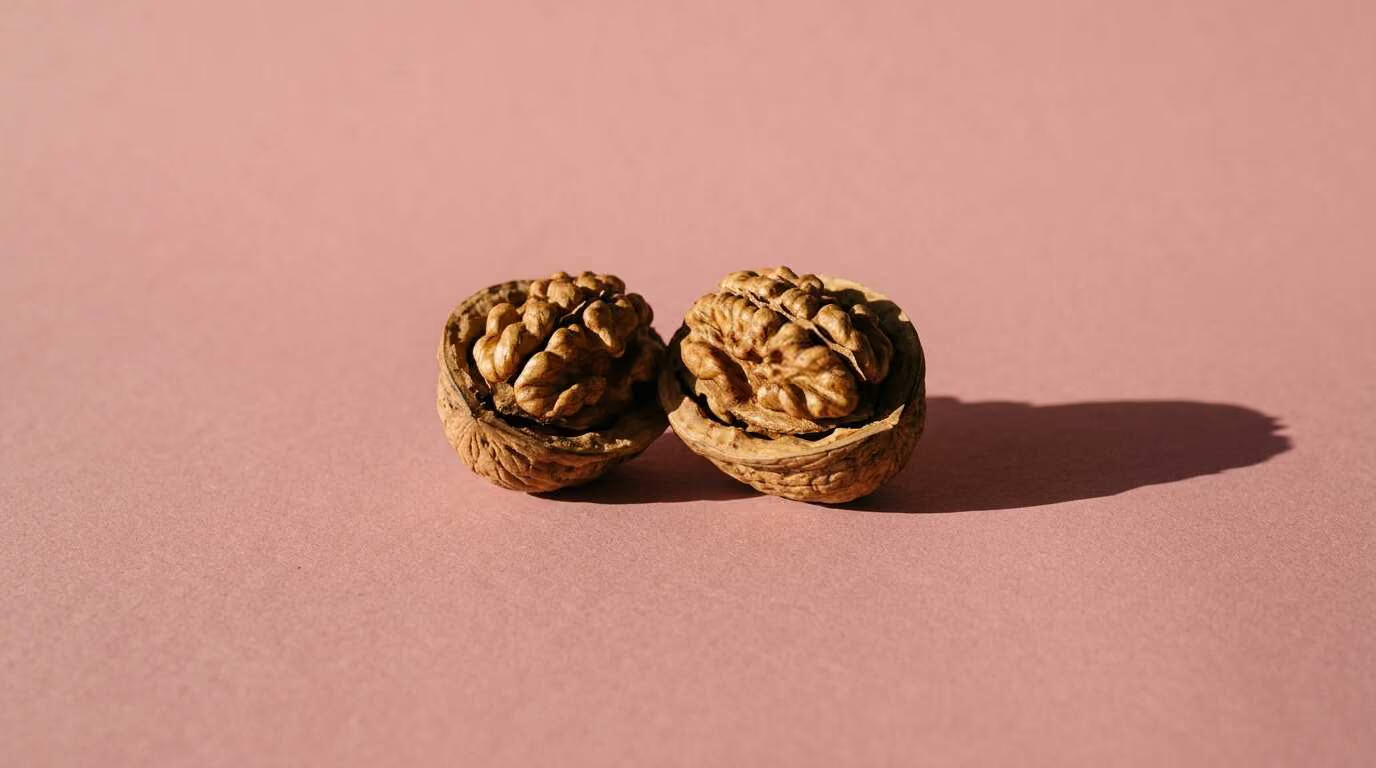
Brain foods weighed on the evidence: fatty fish, walnuts, berries, eggs, green tea, lion's mane and the MIND diet, and what human trials found.
Brain foods are foods whose nutrients are linked to brain structure or cognitive aging, chiefly fatty fish (for DHA), walnuts, berries, leafy greens, eggs (for choline), green tea, and cocoa. Most of the evidence is observational or comes from small, short trials, and a three-year MIND diet trial found no cognitive advantage over a control diet.
The human brain accounts for roughly 2% of body weight but consumes about 20% of the body’s total energy budget (Raichle & Gusnard, 2002, PNAS). That metabolic demand makes the brain unusually sensitive to the quality of nutrients it receives over a lifetime. Mechanisms of interest include BDNF (brain-derived neurotrophic factor) production, cerebral blood flow, mitochondrial efficiency in neurons, and the regulation of neuroinflammation. None of these pathways responds dramatically to a single meal or supplement dose. Diet shapes them gradually, across years.
This guide reviews the foods with the most credible human evidence for brain function and states plainly where clinical data are limited. Nothing here constitutes medical advice, diagnosis, or treatment.
How Does Diet Influence Brain Health?
Dietary patterns influence cognition through at least four overlapping mechanisms, and no single biomarker captures all of them. Neuroinflammation is one of the better-studied routes. At the level of whole diets, a prospective cohort study of 923 older adults found that the highest tertile of MIND diet adherence was associated with a 53% lower rate of Alzheimer’s disease than the lowest tertile over an average 4.5 years (Morris et al., 2015, Alzheimer’s & Dementia).
Beyond inflammation, diet affects BDNF levels, which govern the birth and survival of new neurons. Dietary fatty acids physically incorporate into neuronal membranes, altering their fluidity and receptor function. Some polyphenols, notably cocoa flavanols, have increased cerebral blood flow in short-term studies. Understanding which mechanism each food targets helps set realistic expectations about what “brain food” can and cannot do.
What Does Lion’s Mane Mushroom Do for the Brain?
Lion’s mane (Hericium erinaceus) is among the most clinically studied mushrooms for cognitive outcomes. It contains two families of compounds studied for neuroactivity: hericenones (found in the fruiting body) and erinacines (found mainly in the mycelium). Erinacines stimulated nerve growth factor (NGF) synthesis in cell and rodent studies (Szućko-Kociuba et al., 2023); hericenones C, D and E failed to induce NGF in human astrocytoma cells, although whole lion’s mane extract did (Mori et al., 2008). A 2009 double-blind RCT by Mori and colleagues (Phytotherapy Research, n=30, adults aged 50-80 with mild cognitive impairment) found that 1,000 mg of H. erinaceus powder three times daily for 16 weeks significantly improved scores on a cognitive scale based on the Revised Hasegawa Dementia Scale compared to placebo; scores declined again within four weeks of stopping (Mori et al., 2009, Phytotherapy Research). The lead author was affiliated with Hokuto Corporation, a mushroom producer.
What the Clinical Evidence Actually Shows
A 2023 double-blind, placebo-controlled pilot RCT published in Nutrients (n=41, healthy adults aged 18-45, 1.8 g lion’s mane) found faster Stroop task performance 60 minutes after a single dose and a non-significant trend toward lower subjective stress after 28 days of supplementation, alongside several null findings (Docherty et al., 2023, Nutrients). Effect sizes were modest. Most trials are short, sample sizes remain small, and no study has followed participants long enough to assess effects on incident dementia. Lion’s mane looks promising for cognitive support; calling it a proven treatment would go beyond the data.
Dosing and Form Considerations
Whole-fruiting-body extracts and mycelium-based products differ meaningfully in composition: fruiting bodies generally contain no detectable erinacines, and mycelial erinacine content varies with growth substrate (Doar et al., 2025; authors affiliated with supplement maker Fungi Perfecti). Human trials have used roughly 1-3 g/day: 3 g/day of dried fruiting body in the Mori trial, 1.8 g/day in the Docherty pilot, and about 1 g/day of erinacine A-enriched mycelium in a small 49-week pilot in mild Alzheimer’s disease (Li et al., 2020; several authors were employed by the mycelium manufacturer, Grape King Bio). Products that state their hericenone or erinacine content are more directly comparable to the research literature. Mycelium grown on grain substrate may contain significant starch filler, which dilutes active compound concentration.
Do Omega-3 Fatty Acids Support Brain Structure?
DHA (docosahexaenoic acid) is not merely associated with brain health: it is structurally embedded in it. DHA is quantitatively the most important omega-3 fatty acid in the brain and has indispensable roles in neuronal membranes (Dyall, 2015, Frontiers in Aging Neuroscience), where it maintains neuronal membrane fluidity and supports synaptic signaling. EPA (eicosapentaenoic acid) contributes primarily through anti-inflammatory pathways. Both come preformed from fatty fish; plant sources supply ALA, a precursor whose conversion to EPA is limited and to DHA very low (Burdge & Calder, 2005).
Fatty Fish: The Most Efficient DHA Source
Salmon is one of the richest dietary sources of preformed DHA and EPA. A 100 g serving of raw farmed Atlantic salmon provides roughly 2,000 mg of EPA plus DHA (USDA FoodData Central). A prospective Framingham Heart Study cohort (n=899, median age 76) found that adults in the top quartile of plasma DHA had a 47% lower risk of developing all-cause dementia over a mean 9.1 years of follow-up compared with those in the lower three quartiles (Schaefer et al., 2006, Archives of Neurology). Cohort data cannot establish causation, and DHA supplementation trials have not shown a matching benefit (see the FAQ below).
Walnuts: The Plant-Based Omega-3 Option
Walnuts are far richer in omega-3 ALA than other common tree nuts, providing approximately 2.5 g of ALA per 28 g serving (USDA FoodData Central). ALA does not substitute directly for DHA in brain tissue, and trial evidence for walnuts and cognition is limited. The Walnuts And Healthy Aging (WAHA) RCT randomized 708 cognitively healthy adults aged 63-79 to a walnut-enriched or control diet for two years and found no difference in the global cognitive composite; a post hoc analysis of the Barcelona site alone suggested slower decline in the walnut group, which the authors called inconclusive (Sala-Vila et al., 2020, American Journal of Clinical Nutrition). Walnuts also supply ellagitannins that some people’s gut bacteria convert to urolithins; urolithin A has been studied for effects on mitophagy, mainly in worms and rodents (Ryu et al., 2016).
Can Polyphenols Slow Cognitive Aging?
Polyphenols are the most chemically diverse class of plant compounds studied for brain health. Their cognitive relevance operates through at least two routes: increased cerebral blood flow (measurable acutely with flavanol-rich foods) and possible upregulation of BDNF, a protein involved in long-term synaptic plasticity. Randomized trials of flavonoid-rich foods have produced mixed results so far, with small improvements on some memory and attention measures and null findings on others.
Blueberries and BDNF
Blueberries are a rich source of anthocyanins, with content varying widely by variety and growing conditions. A six-month RCT by Whyte and colleagues (2018, Nutrients, n=122 older adults) tested two doses of wild blueberry powder and a 100 mg purified extract; only the extract improved delayed word recognition at three months, with a non-significant trend on a spatial working memory task, and neither powder dose produced clear cognitive effects (Whyte et al., 2018). In an uncontrolled pilot, Krikorian and colleagues (2010, Journal of Agricultural and Food Chemistry, n=9) reported improved paired-associate learning and word-list recall in older adults with early memory changes after 12 weeks of wild blueberry juice (Krikorian et al., 2010). Sample sizes are small; these findings are directionally consistent but not yet definitive.
Dark Chocolate and Processing Speed
Dark chocolate (70% cacao or higher) delivers flavanols, primarily epicatechin and catechin. In a small crossover trial (n=18, aged 50-65), a high-flavanol cocoa drink increased regional cerebral perfusion within two hours compared with a low-flavanol drink (Lamport et al., 2015). A single-blind crossover trial by Field and colleagues (2011, Physiology & Behavior, n=30 healthy young adults) found that dark chocolate providing 720 mg cocoa flavanols improved spatial working memory and some aspects of a choice reaction time task compared to white chocolate (Field et al., 2011). Acute blood-flow effects have been reported in small trials; long-term cognitive benefit has not been shown. In COSMOS-Mind, 2,262 older adults took a cocoa extract providing 500 mg flavanols a day or placebo for three years, and the cocoa extract had no effect on global cognition; only the trial’s multivitamin arm showed a benefit (Baker et al., 2023). Flavanol content also varies widely between chocolate products, so a small square may deliver far less than trial doses.
What Neuroprotective Compounds Are Most Studied?
Neuroprotection is a broad term covering anything that reduces neuronal damage, limits excitotoxicity, or suppresses chronic low-grade neuroinflammation. Two of the most consistently studied dietary neuroprotectants are curcumin (from turmeric) and L-theanine combined with caffeine (from green tea and matcha). Both have some human trial evidence, and both have important caveats around bioavailability and dose.
Turmeric and Curcumin
Turmeric powder averaged 3.14% curcumin by weight in an analysis of retail products (Tayyem et al., 2006). In aged Alzheimer’s-model mice, curcumin crossed the blood-brain barrier, bound amyloid plaques, and reduced plaque burden when fed (Yang et al., 2005); its inhibition of NF-kB inflammatory signaling comes from cell studies. A 2018 double-blind RCT by Small and colleagues (American Journal of Geriatric Psychiatry, n=40) found that a bioavailable curcumin formulation (Theracurmin, 90 mg curcumin twice daily) for 18 months improved memory and attention scores relative to placebo in non-demented adults aged 51-84 (between-group p=0.04-0.05), and FDDNP-PET imaging in a subset suggested less amyloid and tau signal in the amygdala and hypothalamus (Small et al., 2018). Curcumin’s oral bioavailability is poor without adjuvants (piperine, phospholipid complexes, or nanoparticle formulations); dietary turmeric at cooking doses delivers far lower plasma concentrations than studied doses.
Green Tea, Matcha, and L-Theanine
Green tea delivers both caffeine and L-theanine. A meta-analysis of 11 placebo-controlled studies found moderate acute effects of the combination on alertness and attention-switching accuracy, with effect size tracking caffeine dose more than L-theanine dose (Camfield et al., 2014). A 2008 crossover RCT by Owen and colleagues (Nutritional Neuroscience, n=27) found that 100 mg L-theanine combined with 50 mg caffeine improved both speed and accuracy of attention switching and reduced susceptibility to distraction compared to placebo, while 50 mg caffeine alone improved attention-switching accuracy only at the later time point (Owen et al., 2008). A 2010 trial (n=44) found that 97 mg L-theanine with 40 mg caffeine improved task-switching accuracy and self-rated alertness (Giesbrecht et al., 2010). L-theanine alone was not tested in either study, so whether the pairing is truly synergistic remains open. Matcha is made from shade-grown leaves, which raises theanine (and caffeine), and the whole powdered leaf is consumed; content varies widely between grades (Kochman et al., 2020; Unno et al., 2026).
Why Are Choline and Eggs Relevant to Brain Function?
Choline is an essential nutrient that most adults consume below the adequate intake level. Mean choline intakes for older children, men and women in the U.S. fall well below the adequate intake level (Zeisel & da Costa, 2009, Nutrition Reviews). Choline is a direct precursor to acetylcholine, the neurotransmitter most central to memory encoding and attention. It also supplies phosphatidylcholine, the dominant phospholipid in neuronal membranes. In rodents, choline given to adult animals has shown only modest cognitive effects, while choline availability before and shortly after birth has had lasting effects on memory (Meck & Williams, 2003).
Eggs as a Concentrated Choline Source
Eggs are among the richest common food sources of dietary choline; one large whole egg supplies approximately 147 mg, most of it in the yolk (USDA FoodData Central), against a daily adequate intake of 425 mg for women and 550 mg for men (Linus Pauling Institute). A prospective cohort analysis nested in the PREDIMED-Plus trial (n=6,610 adults aged 55-75 with metabolic syndrome) found that higher dietary choline intake was associated with modestly more favourable two-year changes in attention and language scores (Vázquez-Lorente et al., 2026, American Journal of Clinical Nutrition). Observational data of this kind cannot show that choline caused the difference.
What Does a Brain-Healthy Diet Actually Look Like?
No single food sustains cognitive health in isolation. The MIND diet (Mediterranean-DASH Intervention for Neurodegenerative Delay) was designed specifically around foods linked to dementia risk. The original prospective cohort study by Morris and colleagues (2015, Alzheimer’s & Dementia, n=923) found a 53% lower Alzheimer’s risk in the highest adherence tertile compared to the lowest (Morris et al., 2015). The MIND diet emphasizes green leafy vegetables, berries, fish, poultry, olive oil, whole grains, beans, nuts, and wine in moderation; it limits red meat, butter, cheese, pastries, and fried food. The diet has since been tested directly: in a three-year RCT of 604 cognitively unimpaired older adults, global cognition improved in both the MIND diet group and a control diet group (both with mild caloric restriction), with no significant difference between them (Barnes et al., 2023, NEJM).
Practical Weekly Pattern
A practical weekly pattern based on the reviewed evidence looks like this:
- Fatty fish twice weekly: salmon, sardines, or mackerel for preformed DHA and EPA.
- Berries daily or near-daily: one cup of blueberries or mixed berries for anthocyanins.
- Leafy greens daily: one to two cups of spinach, kale, or arugula for folate and vitamin K.
- A handful of walnuts daily: approximately 28 g for ALA and ellagitannins.
- Eggs four to six times weekly: two whole eggs for choline and phosphatidylcholine.
- Green tea or matcha daily: one to two cups for L-theanine and EGCG.
- Dark chocolate in moderate portions: 10-20 g of 70%+ cacao for flavanols.
The foods on this list are not independently powerful in isolation. Their overlapping and complementary mechanisms - fatty acids in membranes, polyphenols on blood flow, choline for neurotransmitter synthesis, mushroom compounds for NGF - suggest that dietary diversity across these categories is more valuable than high doses of any single item. The research supports eating the pattern, not supplementing one compound.
Should You Supplement, or Just Eat the Foods?
Whole foods deliver cofactors, fiber, and compound interactions that isolated supplements cannot replicate. Supplements are most relevant when dietary gaps exist. Vegans and strict vegetarians have limited access to preformed DHA and choline-dense foods, making algae-derived DHA and choline supplements reasonable considerations. Lion’s mane has a handful of small, short human trials behind it, some by manufacturer-affiliated authors; our lion’s mane supplement roundup looks at fruiting-body content and testing. Enhanced-bioavailability curcumin supplements (phospholipid complexes, nanoparticles) reach higher plasma levels than culinary turmeric, but turmeric and curcumin supplements have been linked to cases of liver injury (Halegoua-DeMarzio et al., 2023); discuss them with a clinician first, especially if you take other medications.
Neither approach has strong trial support yet. Single-nutrient trials such as DHA in Alzheimer’s disease and cocoa extract in COSMOS-Mind have been largely null, and the MIND diet trial did not beat its control diet. The case for dietary patterns rests mainly on observational data.
Frequently Asked Questions
What is the best food for the brain?
No single food has trial evidence of protecting the brain on its own. Fatty fish comes closest to a staple choice, because DHA is the most abundant omega-3 in the brain and salmon or sardines supply it preformed. In cohort studies, the strongest associations belong to whole patterns such as the MIND diet, which pairs fish with leafy greens, berries, nuts, beans, and olive oil.
What brain foods help you concentrate?
Green tea and matcha have the most direct short-term data. A meta-analysis of 11 placebo-controlled studies found moderate acute effects of caffeine plus L-theanine on alertness and attention switching, with the effect tracking caffeine dose more than theanine dose. These are effects within hours of a dose in small samples, not evidence that any food improves concentration over the long term.
What are the worst foods for brain health?
The MIND diet limits red meat, butter, cheese, pastries, and fried food, based on cohort data linking these to higher dementia risk. That is association, not proof that these foods harm the brain, and the diet’s three-year trial did not outperform its control diet. Unfiltered coffee is a separate case: it raised LDL cholesterol in a controlled trial, a cardiovascular rather than cognitive concern.
Does lion’s mane mushroom improve memory in healthy young adults?
Most lion’s mane trials have enrolled older adults aged 50 or above with mild cognitive complaints. Data in healthy young adults are very limited. A 2023 parallel-group pilot in adults aged 18-45 (n=41, Nutrients) found faster Stroop performance after a single dose and a non-significant trend toward lower stress after 28 days, but a single small trial is not a firm basis for recommendation. The evidence base is more developed for older adults.
How much DHA do you need daily for brain health?
The European Food Safety Authority sets an adequate intake of 250 mg/day of combined DHA and EPA for adults (EFSA, 2010). Intervention trials have used far higher doses without settling an optimal amount for cognition; 2 g/day of algal DHA for 18 months did not slow decline in people with mild to moderate Alzheimer’s disease (Quinn et al., 2010). Two 100 g servings of farmed salmon per week work out to roughly 500-600 mg/day of EPA plus DHA when averaged across the week.
Can blueberries prevent Alzheimer’s disease?
No. Current clinical evidence shows that blueberry supplementation has improved some individual memory measures in small short-term trials in older adults, with null results on others. No RCT has demonstrated that blueberry consumption prevents or delays Alzheimer’s disease. In the Nurses’ Health Study, women with higher long-term blueberry and strawberry intake showed slower cognitive decline (Devore et al., 2012), but associations like this cannot establish prevention.
Is turmeric in cooking enough to get cognitive benefits?
Probably not at most culinary doses. The 18-month trial discussed above used 180 mg of curcumin per day (90 mg twice daily) in an enhanced-bioavailability formulation. A teaspoon of turmeric powder (about 3 g) contains roughly 90 mg of curcumin at the 3.14% average measured in retail powders (Tayyem et al., 2006), and absorption from food is poor. In a small pharmacokinetic study, 20 mg of piperine raised curcumin bioavailability in healthy volunteers by approximately 2,000% (Shoba et al., 1998, Planta Medica), which is why turmeric and black pepper are often paired, though that study used 2 g of curcumin, far above culinary amounts.
Does coffee count as a brain food?
Coffee is rich in chlorogenic acids and delivers caffeine, and prospective cohorts have produced mixed results for dementia. In UK Biobank (about 399,000 adults), the association was U-shaped: compared with 1-2 cups a day, non-drinkers, decaf drinkers, and people drinking more than six cups a day had higher odds of dementia (Pham et al., 2022). Unfiltered coffee also contains the diterpenes cafestol and kahweol, which raised LDL cholesterol in a controlled trial (Urgert et al., 1997). The cognitive evidence for coffee is largely epidemiological, not from RCTs. Green tea and matcha offer a similar caffeine-plus-polyphenol profile, with acute trial data on the caffeine-L-theanine pairing and without the unfiltered-coffee lipid concern.
Disclaimer
This article is for informational and educational purposes only. It does not constitute medical advice, diagnosis, or treatment. The findings discussed are from peer-reviewed research and do not imply that any food or supplement prevents, treats, or cures any disease or cognitive condition. Consult a qualified healthcare provider before making changes to your diet or supplement routine, particularly if you have a diagnosed health condition or take prescription medications.
References
Show all 39 referencesShow fewer
- Raichle ME, Gusnard DA. (2002). Appraising the brain’s energy budget. PNAS, 99(16), 10237-10239. https://pubmed.ncbi.nlm.nih.gov/12149485/
- Morris MC, et al. (2015). MIND diet associated with reduced incidence of Alzheimer’s disease. Alzheimer’s & Dementia, 11(9), 1007-1014. https://pubmed.ncbi.nlm.nih.gov/25681666/
- Mori K, et al. (2009). Improving effects of the mushroom Yamabushitake (Hericium erinaceus) on mild cognitive impairment. Phytotherapy Research, 23(3), 367-372. https://pubmed.ncbi.nlm.nih.gov/18844328/
- Schaefer EJ, et al. (2006). Plasma phosphatidylcholine docosahexaenoic acid content and risk of dementia and Alzheimer disease: the Framingham Heart Study. Archives of Neurology, 63(11), 1545-1550. https://pubmed.ncbi.nlm.nih.gov/17101822/
- Dyall SC. (2015). Long-chain omega-3 fatty acids and the brain: a review of the independent and shared effects of EPA, DPA, and DHA. Frontiers in Aging Neuroscience, 7, 52. https://pubmed.ncbi.nlm.nih.gov/25954194/
- Zeisel SH, da Costa KA. (2009). Choline: an essential nutrient for public health. Nutrition Reviews, 67(11), 615-623. https://pubmed.ncbi.nlm.nih.gov/19906248/
- Shoba G, et al. (1998). Influence of piperine on the pharmacokinetics of curcumin in animals and human volunteers. Planta Medica, 64(4), 353-356. https://pubmed.ncbi.nlm.nih.gov/9619120/
- Docherty S, Doughty FL, Smith EF. (2023). The acute and chronic effects of lion’s mane mushroom supplementation on cognitive function, stress and mood in young adults: a double-blind, parallel groups, pilot study. Nutrients, 15(22), 4842. https://pubmed.ncbi.nlm.nih.gov/38004235/
- Sala-Vila A, et al. (2020). Effect of a 2-year diet intervention with walnuts on cognitive decline. The Walnuts And Healthy Aging (WAHA) study: a randomized controlled trial. American Journal of Clinical Nutrition, 111(3), 590-600. https://pubmed.ncbi.nlm.nih.gov/31912155/
- Whyte AR, et al. (2018). A randomized, double-blinded, placebo-controlled study to compare the safety and efficacy of low dose enhanced wild blueberry powder and wild blueberry extract (ThinkBlue) in maintenance of episodic and working memory in older adults. Nutrients, 10(6), 660. https://pubmed.ncbi.nlm.nih.gov/29882843/
- Krikorian R, et al. (2010). Blueberry supplementation improves memory in older adults. Journal of Agricultural and Food Chemistry, 58(7), 3996-4000. https://pubmed.ncbi.nlm.nih.gov/20047325/
- Field DT, Williams CM, Butler LT. (2011). Consumption of cocoa flavanols results in an acute improvement in visual and cognitive functions. Physiology & Behavior, 103(3-4), 255-260. https://pubmed.ncbi.nlm.nih.gov/21324330/
- Small GW, et al. (2018). Memory and brain amyloid and tau effects of a bioavailable form of curcumin in non-demented adults: a double-blind, placebo-controlled 18-month trial. American Journal of Geriatric Psychiatry, 26(3), 266-277. https://pubmed.ncbi.nlm.nih.gov/29246725/
- Owen GN, et al. (2008). The combined effects of L-theanine and caffeine on cognitive performance and mood. Nutritional Neuroscience, 11(4), 193-198. https://pubmed.ncbi.nlm.nih.gov/18681988/
- Giesbrecht T, et al. (2010). The combination of L-theanine and caffeine improves cognitive performance and increases subjective alertness. Nutritional Neuroscience, 13(6), 283-290. https://pubmed.ncbi.nlm.nih.gov/21040626/
- Vázquez-Lorente H, et al. (2026). Dietary choline and betaine intake and 2-year changes in cognitive function in older adults with overweight or obesity and metabolic syndrome: a prospective cohort analysis. American Journal of Clinical Nutrition, 123(5), 101265. https://pubmed.ncbi.nlm.nih.gov/41825530/
- Li IC, et al. (2020). Prevention of early Alzheimer’s disease by erinacine A-enriched Hericium erinaceus mycelia pilot double-blind placebo-controlled study. Frontiers in Aging Neuroscience, 12, 155. https://pubmed.ncbi.nlm.nih.gov/32581767/
- Burdge GC, Calder PC. (2005). Conversion of alpha-linolenic acid to longer-chain polyunsaturated fatty acids in human adults. Reproduction Nutrition Development, 45(5), 581-597. https://pubmed.ncbi.nlm.nih.gov/16188209/
- Baker LD, et al. (2023). Effects of cocoa extract and a multivitamin on cognitive function: a randomized clinical trial. Alzheimer’s & Dementia, 19(4), 1308-1319. https://pubmed.ncbi.nlm.nih.gov/36102337/
- Tayyem RF, et al. (2006). Curcumin content of turmeric and curry powders. Nutrition and Cancer, 55(2), 126-131. https://pubmed.ncbi.nlm.nih.gov/17044766/
- Quinn JF, et al. (2010). Docosahexaenoic acid supplementation and cognitive decline in Alzheimer disease: a randomized trial. JAMA, 304(17), 1903-1911. https://pubmed.ncbi.nlm.nih.gov/21045096/
- EFSA Panel on Dietetic Products, Nutrition, and Allergies. (2010). Scientific opinion on dietary reference values for fats. EFSA Journal, 8(3), 1461. https://doi.org/10.2903/j.efsa.2010.1461
- U.S. Department of Agriculture. FoodData Central: salmon, Atlantic, farmed, raw (175167); walnuts, english (170187); egg, whole, raw, fresh (171287). https://fdc.nal.usda.gov/
- Linus Pauling Institute Micronutrient Information Center. Choline. https://lpi.oregonstate.edu/mic/other-nutrients/choline
- Szućko-Kociuba I, et al. (2023). Neurotrophic and neuroprotective effects of Hericium erinaceus. International Journal of Molecular Sciences, 24(21), 15960. https://pubmed.ncbi.nlm.nih.gov/37958943/
- Mori K, et al. (2008). Nerve growth factor-inducing activity of Hericium erinaceus in 1321N1 human astrocytoma cells. Biological & Pharmaceutical Bulletin, 31(9), 1727-1732. https://pubmed.ncbi.nlm.nih.gov/18758067/
- Doar E, et al. (2025). Influences of substrate and tissue type on erinacine production and biosynthetic gene expression in Hericium erinaceus. Fungal Biology and Biotechnology, 12(1), 4. https://pubmed.ncbi.nlm.nih.gov/40181478/
- Ryu D, et al. (2016). Urolithin A induces mitophagy and prolongs lifespan in C. elegans and increases muscle function in rodents. Nature Medicine, 22(8), 879-888. https://pubmed.ncbi.nlm.nih.gov/27400265/
- Lamport DJ, et al. (2015). The effect of flavanol-rich cocoa on cerebral perfusion in healthy older adults during conscious resting state: a placebo controlled, crossover, acute trial. Psychopharmacology, 232(17), 3227-3234. https://pubmed.ncbi.nlm.nih.gov/26047963/
- Yang F, et al. (2005). Curcumin inhibits formation of amyloid beta oligomers and fibrils, binds plaques, and reduces amyloid in vivo. Journal of Biological Chemistry, 280(7), 5892-5901. https://pubmed.ncbi.nlm.nih.gov/15590663/
- Camfield DA, et al. (2014). Acute effects of tea constituents L-theanine, caffeine, and epigallocatechin gallate on cognitive function and mood: a systematic review and meta-analysis. Nutrition Reviews, 72(8), 507-522. https://pubmed.ncbi.nlm.nih.gov/24946991/
- Kochman J, et al. (2020). Health benefits and chemical composition of matcha green tea: a review. Molecules, 26(1), 85. https://pubmed.ncbi.nlm.nih.gov/33375458/
- Unno K, et al. (2026). Compositional diversity and functional interactions of bioactive compounds in Japanese green tea: focus on matcha, sencha, and gyokuro. Molecules, 31(16), 2934. https://pubmed.ncbi.nlm.nih.gov/42654013/
- Meck WH, Williams CL. (2003). Metabolic imprinting of choline by its availability during gestation: implications for memory and attentional processing across the lifespan. Neuroscience & Biobehavioral Reviews, 27(4), 385-399. https://pubmed.ncbi.nlm.nih.gov/12946691/
- Barnes LL, et al. (2023). Trial of the MIND diet for prevention of cognitive decline in older persons. New England Journal of Medicine, 389(7), 602-611. https://pubmed.ncbi.nlm.nih.gov/37466280/
- Halegoua-DeMarzio D, et al. (2023). Liver injury associated with turmeric: a growing problem. Ten cases from the Drug-Induced Liver Injury Network [DILIN]. American Journal of Medicine, 136(2), 200-206. https://pubmed.ncbi.nlm.nih.gov/36252717/
- Devore EE, et al. (2012). Dietary intakes of berries and flavonoids in relation to cognitive decline. Annals of Neurology, 72(1), 135-143. https://pubmed.ncbi.nlm.nih.gov/22535616/
- Pham K, et al. (2022). High coffee consumption, brain volume and risk of dementia and stroke. Nutritional Neuroscience, 25(10), 2111-2122. https://pubmed.ncbi.nlm.nih.gov/34165394/
- Urgert R, et al. (1997). Separate effects of the coffee diterpenes cafestol and kahweol on serum lipids and liver aminotransferases. American Journal of Clinical Nutrition, 65(2), 519-524. https://pubmed.ncbi.nlm.nih.gov/9022539/
Shopping for lion's mane mushroom?
Top-ranked of 5 products compared.
 Check price on Amazon on Amazon for Real Mushrooms Lion's Mane Extract Capsules (opens in a new tab)
Compare all 5 picks →Affiliate links. Disclosure.
Shopping for turmeric?
Top-ranked of 5 products compared.
Compare all 5 picks →Affiliate links. Disclosure.
Shopping for matcha green tea?
Top-ranked of 6 products compared.

Compare all 6 picks →Affiliate links. Disclosure.
Read next


Written by Superfoods Advisor Editors·Published July 4, 2026