The Best Turmeric Curcumin Supplements for Joint Comfort (2026)
By Superfoods Advisor Editors·July 7, 2026
Updated July 7, 2026Top-ranked
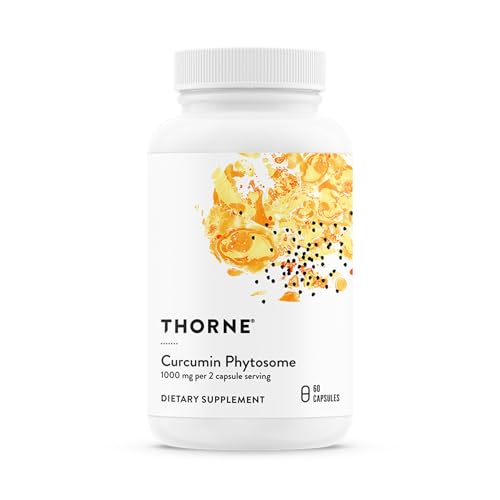 Check price on Amazon on Amazon for Thorne Curcumin Phytosome (Meriva) 1000 mg (opens in a new tab)
 Check price on Amazon on Amazon for Nutrivene Longvida Optimized Curcumin 500 mg (opens in a new tab)
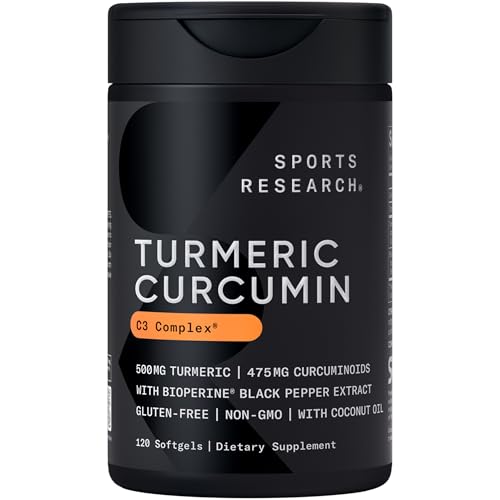 Check price on Amazon on Amazon for Sports Research Turmeric Curcumin C3 Complex with BioPerine (opens in a new tab)
Compare all 5 picks →Affiliate links. Disclosure.
The best turmeric supplement here is Thorne Meriva: five curcumin products ranked on curcuminoid dose, absorption form, third-party testing and recalls.
Top-ranked · 5 products compared
We earn a commission on purchases made through these links. It does not affect our rankings. See our affiliate disclosure.
| # | Product | Score | Details |
|---|---|---|---|
| 1 | | ||
| 2 | | ||
| 3 | | ||
| 4 |  | ||
| 5 | 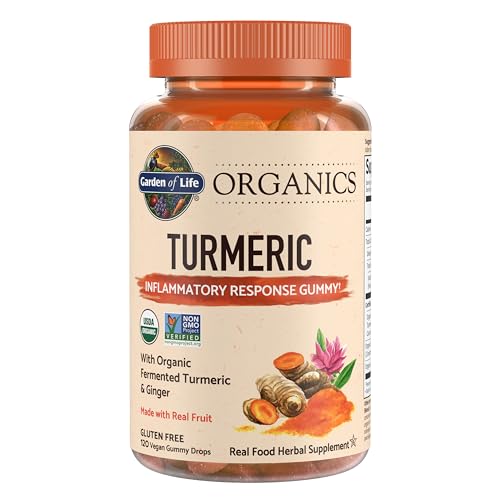 Garden of Life Garden of Life mykind Organics Turmeric Inflammatory Response GummiesBest for palatability |
1Thorne
Thorne Curcumin Phytosome (Meriva) 1000 mg
Meriva curcumin phytosome (Indena) at 1,000 mg per serving. NSF Certified for Sport on the bottle itself, the only pick here with that mark. A bioavailability form with published human absorption data.
Strengths
- NSF Certified for Sport on the individual bottle
- Meriva phytosome, with human absorption data
- 1,000 mg Meriva per two-capsule serving
Trade-offs
- Highest price per serving in this roundup
- Mild GI upset when taken on an empty stomach
Thorne is the only product on this list carrying an NSF Certified for Sport mark on the individual bottle, not just facility-level GMP. The active is Meriva, Indena's curcumin-phospholipid (phytosome) complex. In a randomized crossover study, total curcuminoid absorption from Meriva was about 29-fold higher than from its unformulated curcuminoid mixture, though only conjugated metabolites were detectable in plasma (Cuomo et al. 2011, J Nat Prod).
Reddit consensus is unusually consistent: on r/Supplements, Meriva-vs-regular-curcumin threads rank Thorne Meriva as the default recommendation, and r/ChronicPain ("turmeric that actually worked") repeatedly names it for osteoarthritis and post-exercise stiffness. Amazon reviewers with joint indications commonly report less stiffness, though these are anecdotes, not trial data.
Downsides in the review body: highest price per serving in this roundup, and mild GI upset when taken on an empty stomach.
Check price on Amazon on Amazon for Thorne Curcumin Phytosome (Meriva) 1000 mg (opens in a new tab)
2Nutrivene
Nutrivene Longvida Optimized Curcumin 500 mg
Longvida SLCP (Verdure Sciences) is one of the few curcumin forms shown to deliver measurable free curcumin to human plasma, with small placebo-controlled trials on working memory and mood in older adults. Piperine-free. Best pick when cognitive endpoints matter; its joint evidence is a single small pilot.
Strengths
- Small trials report working-memory and mood effects
- Free curcumin reaches systemic circulation
- Piperine-free, avoiding piperine's drug-interaction risk
Trade-offs
- Not USDA Organic (a patented lipid-matrix extract)
- Large capsules; joint data is one small 90-day pilot
Longvida is a Solid Lipid Curcumin Particle developed by UCLA researchers with NIH funding and licensed by the UC Regents to Verdure Sciences (Hu et al. 2015, Expert Rev Neurother). That review, by the formulation's developers, also notes that superiority over other curcumin formulations has not been established. Its differentiator is that free curcumin, not only the glucuronidated metabolite, reaches the bloodstream: in healthy volunteers, 650 mg of the particle formulation gave a mean peak plasma curcumin of about 22 ng/mL, while the same amount of unformulated 95 percent curcuminoids gave none detectable (Gota et al. 2010, J Agric Food Chem). A small 90-day pilot trial in knee osteoarthritis at 160 mg/day reported symptom improvement but no change in inflammatory markers (Gupte et al. 2019, J Inflamm Res).
The Nutrivene bottle is the long-tenured Amazon vendor for the raw material at 500 mg of Longvida per capsule. Longvida is roughly one-fifth curcumin by weight (a 400 mg dose supplies about 80 mg, per Cox et al. 2020, Nutrients), so each capsule carries on the order of 100 mg curcumin. Reddit's r/Nootropics Longvida discussion picks it for cognition and mood, and two placebo-controlled trials give that some modest support. In 60 adults aged 60–85, 400 mg improved sustained attention and working memory an hour after dosing, and working memory and mood after 4 weeks (Cox et al. 2015, J Psychopharmacol). A Verdure-funded partial replication in 80 adults found better working memory at 12 weeks and lower fatigue scores (Cox et al. 2020, Nutrients). Neither trial measured curcumin in the brain.
Not USDA Organic (Longvida is a patented lipid-matrix extract, not a whole-root organic product). Capsules are large. The joint evidence is the single 90-day osteoarthritis pilot above, which gives no basis for saying how soon any effect appears.
3Sports Research
Sports Research Turmeric Curcumin C3 Complex with BioPerine
Curcumin C3 Complex (Sabinsa, 95% curcuminoids) + 5 mg BioPerine in an organic coconut oil softgel. Best cost-per-serving of any evidence-backed extract on this list.
Strengths
- Curcumin C3 Complex, 95% standardized curcuminoids
- Lowest cost per serving of any extract here
- Label lists non-GMO testing and third-party testing
Trade-offs
- Piperine inhibits CYP3A4, so clear it with a prescriber
- Not USDA Organic; only the coconut-oil carrier is organic
Curcumin C3 Complex is Sabinsa's 95 percent standardized curcuminoid extract, a raw material used in a number of published curcumin trials. Sports Research pairs 500 mg of C3 (475 mg curcuminoids) with 5 mg BioPerine (piperine) in a coconut-oil softgel, and prices it as the volume budget pick.
Third-party testing: the label claims non-GMO and third-party testing; the coconut oil is organic, but the product is not USDA Organic certified. We could not confirm an Informed-Sport listing for this product. Reddit's r/Supplements best-value threads name Sports Research as the default entry-level pick with credible testing.
Piperine caveat: piperine inhibits CYP3A4 and P-glycoprotein in lab studies (Bhardwaj et al. 2002, J Pharmacol Exp Ther), and in 12 healthy volunteers 20 mg/day for 10 days raised carbamazepine peak levels by about 69 percent (Bedada et al. 2017, Drug Res). A small crossover trial of a curcumin–piperine extract found no meaningful change in midazolam, flurbiprofen or paracetamol levels (Volak et al. 2013, Br J Clin Pharmacol), so the risk depends on the drug. If you take prescription medication, especially anticoagulants or narrow-margin drugs, clear this product with your prescriber before daily use.
4Gaia Herbs
Gaia Herbs Turmeric Supreme Extra Strength (Liquid Phyto-Caps)
A turmeric root extract blend (partly organic) with black pepper extract in a liquid phyto-cap, at about 36–50 mg curcuminoids per capsule. Gaia's per-batch Meet Your Herbs traceability is the most detailed on this list.
Strengths
- Batch ID looks up that bottle's purity and identity tests
- Turmeric root extract blend with black pepper extract
- Non-GMO Project Verified, vegan, gluten-free
Trade-offs
- Lower curcuminoid dose than the C3 or Meriva picks
- Under 100 mg curcuminoids at the 1–2 caps/day label dose
For readers who prefer a traditional turmeric extract blend to a patented isolate, Gaia Herbs is the strongest transparency story in the category. Every bottle carries a batch ID that looks up, on Gaia's website, that batch's test results (DNA identity, marker-compound levels, and screens for microbes, pesticides and heavy metals) under its "Meet Your Herbs" system (New Hope Network). Gaia publishes these results itself; they are not an independent certification.
The blend combines organic and conventional turmeric root extracts with a supercritical CO₂ extract and black pepper extract in a liquid phyto-cap. Gaia's listing states 50 mg curcuminoids, and the label panel on Amazon shows 36 mg curcuminoids in a 482 mg blend per capsule; at the label's 1–2 capsules a day, that is well under 100 mg, far below the C3 or Meriva picks. The black pepper extract means the piperine caveat above applies here too.
Reddit's r/herbalism community rates Gaia as the go-to for whole-plant purists (Gaia Herbs quality thread); the batch-COA transparency is the specific reason cited. Certifications: Non-GMO Project Verified, vegan, gluten-free; the product is not USDA Organic certified as a whole.
5Garden of Life
Garden of Life mykind Organics Turmeric Inflammatory Response Gummies
USDA Organic turmeric root + 50 mg turmeric extract (95% curcuminoids) per 4-gummy serving. Best palatability format on the list; well below the curcuminoid dose used in the joint-pain literature.
Strengths
- USDA Organic and Non-GMO Project Verified
- NSF Certified Gluten-Free, vegan and kosher
- Most certification seals of any pick here
Trade-offs
- About 47.5 mg curcuminoids per 4-gummy serving
- Far below the ~1,000 mg/day used in arthritis trials
Gummies are a maintenance / palatability format, not a research-dose delivery system, and Garden of Life carries the most certifications if you need a gummy: USDA Organic, Non-GMO Project Verified, vegan, kosher, and NSF Certified Gluten-Free. The blend also contains organic black pepper, cinnamon and fermented ginger (Whole Foods listing); the label does not state a piperine amount, but the piperine caveat above is worth keeping in mind.
The catch is the dose. The four-gummy serving delivers about 47.5 mg curcuminoids, whereas the arthritis trials pooled in a 2016 meta-analysis used turmeric extract providing about 1,000 mg of curcumin per day (Daily 2016, PubMed). Matching that would take roughly 80 gummies per day, which is not the intended use.
Reddit's r/Supplements verdict (turmeric-gummies-worth-it thread) is straightforward: gummies deliver too low a curcuminoid dose to match capsule research, and Garden of Life is the label to pick if the format is non-negotiable.
The best turmeric supplement in this comparison is Thorne Curcumin Phytosome. It uses Meriva, a curcumin-phospholipid complex with published human absorption data, at 1,000 mg per serving, and it is the only pick NSF Certified for Sport on the bottle itself. Nutrivene Longvida suits readers interested in cognitive endpoints; Sports Research C3 Complex costs least per serving.
How we chose
We ranked five Amazon products on what a label, a brand disclosure or an independent source lets a buyer check. We ran no HPLC or heavy-metal assays of our own. In order of weight:
- Bioavailability strategy. A curcumin form with published human absorption data ranked above plain extract, for the reasons below.
- Curcuminoid standardization and dose. The stated curcuminoid content per serving, compared with the doses used in trials.
- Third-party testing. A product-level seal such as NSF Certified for Sport ranked above facility-level GMP, which ranked above a bare “tested” claim. Heavy-metal testing weighed heavily because of documented lead adulteration in turmeric.
- Recall and warning-letter history. Brands with recent FDA recalls or disease-claim warning letters were excluded.
- Customer and Reddit sentiment. Recurring themes in Amazon reviews and r/Supplements, r/Nootropics and r/herbalism threads.
Why we ranked on bioavailability, not milligrams
Pure turmeric powder averaged about 3 percent curcumin by weight in one HPLC analysis of retail spice products (Tayyem et al. 2006, Nutr Cancer), and even standardized 95 percent curcumin has poor systemic bioavailability without a delivery strategy: poor absorption, rapid metabolism, and rapid systemic elimination (Anand et al. 2007, Mol Pharm). A big label mg number without a bioavailability strategy is misleading. Four strategies have published human pharmacokinetic data, most of it from small, manufacturer-linked studies:
- Phospholipid (phytosome) complex: Meriva (Indena) (Cuomo et al. 2011).
- Solid lipid particle: Longvida (Verdure Sciences) (Gota et al. 2010).
- Essential-oil co-formulation: BCM-95 / Curcugreen (Arjuna). Its human absorption data come from a small crossover pilot run by the manufacturer (Antony et al. 2008, Indian J Pharm Sci), but the U.S. retail product we would typically list here (Terry Naturally CuraMed) is currently unlisted on Amazon, or relisted under a new listing; we will add it back once a stable listing is available.
- Piperine co-administration: BioPerine (Sabinsa) with C3 Complex 95% (Shoba et al. 1998, Planta Med).
Thorne, Nutrivene and Sports Research use strategies 1, 2 and 4. Gaia’s blend and the Garden of Life gummies also contain black pepper but are not patented absorption forms; Gaia is included as the transparency pick for readers who prefer the un-isolate approach, and the gummies as the palatability pick.
Why most of these picks aren’t USDA Organic
Only the Garden of Life gummies carry the USDA Organic seal. The bioavailability forms with pharmacokinetic data (Meriva, Longvida, C3 with BioPerine) are patented, processed extracts, not certified-organic whole root, and Gaia’s blend mixes organic and conventional extracts. If organic certification matters most to you, the gummies are the only certified pick here, at a curcuminoid dose far below the trials. If trial-relevant dose and absorption matter more, the certification has to give.
Category safety flags (things we did surface)
- Qunol Extra Strength Turmeric 1,000 mg: subject to a February 2026 FDA recall of ~42,740 bottles for mold contamination in raw materials (FDA Recalls of Foods & Dietary Supplements; Local3News coverage; Wausau Pilot coverage). Excluded from this list.
- Nature’s Boost LLC: received an FDA warning letter in November 2020 for disease claims, including customer testimonials about arthritis and chronic pain, on its Turmeric Curcumin product (FDA warning letter); FDA issued a close-out letter in April 2021. Excluded.
- Liver injury: the U.S. Drug-Induced Liver Injury Network described 10 turmeric-associated cases enrolled 2004–2022, typically appearing 1–4 months after starting, with one death; 3 of 7 tested products also contained piperine (Halegoua-DeMarzio et al. 2023, Am J Med). Stop and seek care if jaundice, dark urine or abdominal pain develops.
- Lead chromate adulteration in ground turmeric: lead chromate pigment added to deepen the color has been found in turmeric sampled across South Asia (Forsyth et al. 2024, Sci Total Environ), ground turmeric has been documented as a source of lead exposure in the U.S. (Cowell et al. 2017, Public Health Rep), and FDA lists turmeric from several firms in Bangladesh and India for detention over lead (FDA Import Alert 99-42; SupplySideJ: ground turmeric lead recall). This is the reason heavy-metal testing weighted heavily in the ranking.
What we verified vs. what we didn’t
- Verified: extract identity and standardization for each product, bioavailability strategy, published certifications, FDA warning-letter and recall history per brand, and current Amazon review-body sentiment coded against manufacturer disclosures.
- Not verified: our own HPLC or heavy-metal assays. Amazon prices and star counts drift and are not printed in the review body for that reason.
Frequently Asked Questions
What’s the best turmeric supplement to take?
Thorne Curcumin Phytosome (Meriva) ranks first here: an absorption-enhanced curcumin form with human pharmacokinetic data, 1,000 mg per two-capsule serving, and NSF Certified for Sport on the bottle. It is also the most expensive per serving. Sports Research C3 Complex with BioPerine is the lower-cost alternative with an evidence-backed extract.
What’s the best turmeric supplement for inflammation?
No product here is proven to reduce inflammation. The arthritis trials pooled in a 2016 meta-analysis used turmeric extract supplying about 1,000 mg of curcumin a day (Daily 2016), so a capsule near that dose, in a well-absorbed form, is the closer match. A small knee osteoarthritis pilot of Longvida reported symptom improvement but no change in inflammatory markers.
Does black pepper make turmeric work better?
Piperine, the active compound in black pepper, raised curcumin absorption in a small early study (Shoba et al. 1998), which is why many products add BioPerine. Higher blood levels are not the same as proven benefit. Piperine also inhibits drug-metabolizing enzymes in lab studies, so anyone on prescription medication should clear a piperine product with a prescriber.
Is turmeric curcumin safe to take every day?
It is widely used, but it carries known risks. The U.S. Drug-Induced Liver Injury Network described 10 turmeric-associated liver injury cases enrolled from 2004 to 2022, typically appearing one to four months after starting. Stop and seek care if jaundice, dark urine or abdominal pain develops, and talk to a clinician first if you take anticoagulants or other medication.
Why isn’t the top pick USDA Organic?
The curcumin forms with absorption data, such as Meriva, Longvida and C3 with BioPerine, are patented, processed extracts rather than certified-organic whole root. Only the Garden of Life gummies here carry the USDA Organic seal, at a curcuminoid dose far below the trials. If organic certification is your firm requirement, the trade-off is dose.
Related
- Encyclopedia: Turmeric
- Recipe: Golden milk (turmeric latte): turmeric as food, with black pepper.
- Guide: How to build an anti-inflammatory pantry
- Roundup: The best ashwagandha supplements
- Roundup: The best lion’s mane mushroom supplements for focus
- Policy: Affiliate disclosure
References
Show all 20 referencesShow fewer
- Cuomo J, et al. (2011). Comparative absorption of a standardized curcuminoid mixture and its lecithin formulation. Journal of Natural Products.
- Hu S, et al. (2015). Clinical development of curcumin in neurodegenerative disease. Expert Review of Neurotherapeutics.
- Gota VS, et al. (2010). Safety and pharmacokinetics of a solid lipid curcumin particle formulation in osteosarcoma patients and healthy volunteers. Journal of Agricultural and Food Chemistry.
- Gupte PA, et al. (2019). Evaluation of the efficacy and safety of Capsule Longvida Optimized Curcumin (solid lipid curcumin particles) in knee osteoarthritis: a pilot clinical study. Journal of Inflammation Research.
- Cox KH, Pipingas A, Scholey AB. (2015). Investigation of the effects of solid lipid curcumin on cognition and mood in a healthy older population. Journal of Psychopharmacology.
- Cox KHM, et al. (2020). Further evidence of benefits to mood and working memory from lipidated curcumin in healthy older people: a 12-week, double-blind, placebo-controlled, partial replication study. Nutrients.
- Bhardwaj RK, et al. (2002). Piperine, a major constituent of black pepper, inhibits human P-glycoprotein and CYP3A4. Journal of Pharmacology and Experimental Therapeutics.
- Bedada SK, Appani R, Boga PK. (2017). Effect of piperine on the metabolism and pharmacokinetics of carbamazepine in healthy volunteers. Drug Research.
- Volak LP, et al. (2013). Effect of a herbal extract containing curcumin and piperine on midazolam, flurbiprofen and paracetamol (acetaminophen) pharmacokinetics in healthy volunteers. British Journal of Clinical Pharmacology.
- Daily JW, Yang M, Park S. (2016). Efficacy of turmeric extracts and curcumin for alleviating the symptoms of joint arthritis: a systematic review and meta-analysis of randomized clinical trials. Journal of Medicinal Food.
- Tayyem RF, et al. (2006). Curcumin content of turmeric and curry powders. Nutrition and Cancer.
- Anand P, et al. (2007). Bioavailability of curcumin: problems and promises. Molecular Pharmaceutics.
- Antony B, et al. (2008). A pilot cross-over study to evaluate human oral bioavailability of BCM-95CG (Biocurcumax), a novel bioenhanced preparation of curcumin. Indian Journal of Pharmaceutical Sciences.
- Shoba G, et al. (1998). Influence of piperine on the pharmacokinetics of curcumin in animals and human volunteers. Planta Medica.
- Halegoua-DeMarzio D, et al. (2023). Liver injury associated with turmeric, a growing problem: ten cases from the Drug-Induced Liver Injury Network (DILIN). American Journal of Medicine.
- Forsyth JE, et al. (2024). Evidence of turmeric adulteration with lead chromate across South Asia. Science of the Total Environment.
- Cowell W, et al. (2017). Ground turmeric as a source of lead exposure in the United States. Public Health Reports.
- U.S. Food and Drug Administration. Recalls of foods and dietary supplements. FDA.
- U.S. Food and Drug Administration. (2020). Warning letter: Natures Boost LLC, 609846. FDA.
- U.S. Food and Drug Administration. Import Alert 99-42. FDA.
Read the underlying research in the encyclopedia entry.
By Superfoods Advisor Editors·Published July 7, 2026·Updated July 7, 2026