How to Build an Anti-Inflammatory Pantry: 10 Superfoods to Stock
By Superfoods Advisor Editors·July 4, 2026
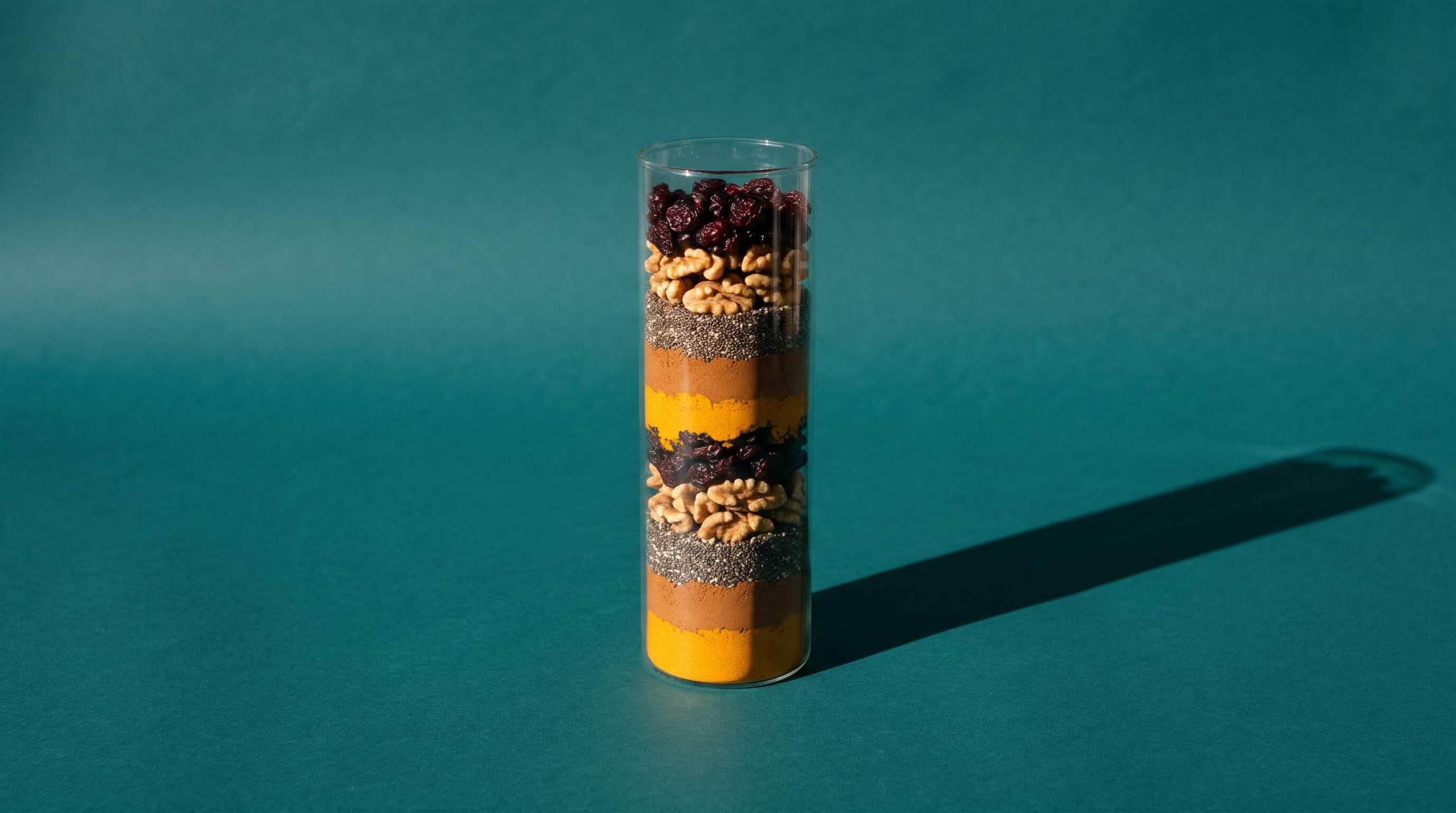
An anti-inflammatory diet food list of 10 pantry staples, from turmeric and salmon to green tea, with what the trials show and how to stock each.
An anti-inflammatory diet food list built on trial evidence starts with 10 pantry staples: turmeric, ginger, garlic, extra-virgin olive oil, salmon, walnuts, blueberries, dark chocolate, broccoli, and green tea. Each supplies compounds, such as curcumin, omega-3 fats, or polyphenols, that studies link to lower inflammatory markers, though effects from food are modest.
Chronic low-grade inflammation is increasingly viewed as a shared contributor to cardiovascular disease, type 2 diabetes, certain cancers, and neurodegenerative conditions (Furman et al., Nature Medicine, 2019). Unlike the acute inflammation that helps a cut heal, it can persist for years without obvious symptoms. Diet is one of the modifiable factors that influence it.
A meta-analysis of 17 randomized trials found that Mediterranean-style diets, rich in polyphenols and omega-3 fatty acids, lowered circulating inflammatory markers such as high-sensitivity C-reactive protein (CRP) and interleukin-6 compared with control diets (Schwingshackl & Hoffmann, Nutrition, Metabolism & Cardiovascular Diseases, 2014). This guide covers the 10 foods by category, with stocking and use notes for each.
How Do Spices and Herbs Fight Inflammation?
Culinary spices concentrate a lot of bioactive compounds into small amounts. A 2009 review in the International Journal of Biochemistry and Cell Biology identified curcumin as one of the most characterized natural inhibitors of NF-kB, a master transcription factor that controls expression of many pro-inflammatory genes, including COX-2, TNF-alpha, and IL-6. (Aggarwal & Harikumar, 2009) The three herbs below target this pathway through overlapping but distinct mechanisms.
Turmeric - Curcumin and COX-2 Inhibition
Turmeric (Curcuma longa) gets most of its anti-inflammatory reputation from curcumin, the primary polyphenol in its curcuminoid fraction. In cell studies, curcumin blocks IkB kinase activity, preventing NF-kB from reaching the cell nucleus and triggering inflammatory gene transcription (Jobin et al., Journal of Immunology, 1999), and lowers expression of COX-2, the prostaglandin-producing enzyme that ibuprofen inhibits (Plummer et al., Oncogene, 1999). These effects have not been shown at the blood levels reached by eating turmeric.
There’s a critical practical caveat, though. Curcumin from standard turmeric powder has extremely poor oral bioavailability. A small pharmacokinetic study in healthy volunteers by Shoba et al. (Planta Medica, 1998) found that co-administering 20 mg of piperine (from black pepper) with 2,000 mg curcumin increased curcumin bioavailability by approximately 2,000%; curcumin alone left serum levels undetectable or very low. (Shoba et al., Planta Medica, 1998) One of the authors founded Sabinsa, which sells a piperine extract.
Pantry tip: Store ground turmeric in an airtight container away from light. Use it in curries, golden milk, or soups with a pinch of black pepper and a fat source such as ghee or olive oil. A quarter to half a teaspoon per serving is a realistic daily culinary dose.
In practice, adding black pepper is the best-supported way to raise curcumin absorption in everyday cooking. Cooking with fat is a common habit too, but no human study has shown that ordinary dietary fat raises curcumin absorption.
Ginger - Gingerols and Arachidonic Acid
Ginger (Zingiber officinale) contains gingerols, particularly [6]-gingerol, that inhibited both prostaglandin synthesis (COX) and 5-lipoxygenase (LOX) in laboratory enzyme assays. (Kiuchi et al., Chemical & Pharmaceutical Bulletin, 1992) COX enzymes produce prostaglandins; LOX enzymes produce leukotrienes. NSAIDs such as ibuprofen block only the COX arm. Whether ginger produces this dual effect at dietary or supplement doses in people has not been established.
Clinical trials are modest in scale but consistent in direction. A 2015 meta-analysis by Bartels et al. (Osteoarthritis and Cartilage; 5 randomized placebo-controlled trials, 593 osteoarthritis patients) found oral ginger produced small but statistically significant reductions in pain and disability, though patients taking ginger supplements were more likely to discontinue treatment. (Bartels et al., Osteoarthritis and Cartilage, 2015) NCCIH notes that ginger has been used safely in many research studies, though it can cause heartburn, abdominal discomfort, and diarrhea. (NCCIH)
Pantry tip: Fresh ginger root keeps 2-3 weeks refrigerated; freeze it unpeeled for longer storage and grate directly from frozen. Ground ginger is convenient for teas and baking.
Garlic - Allicin and Cytokine Modulation
Garlic (Allium sativum) generates allicin and a cascade of organosulfur compounds (DADS, DATS, ajoene) only when crushed or chopped, triggering the alliin-alliinase enzymatic reaction. These compounds modulate cytokine production and have demonstrated NF-kB inhibitory activity in cell studies. A meta-analysis by Ried (Journal of Nutrition, 2016; 20 trials, 970 participants) found garlic supplements reduced systolic blood pressure by a mean of 5.1 mmHg versus placebo, and by 8.7 mmHg in the trials of hypertensive patients. Blood pressure is a cardiovascular endpoint, not a direct measure of inflammation. (Ried, Journal of Nutrition, 2016)
Pantry tip: Crush or mince garlic and allow it to rest about 10 minutes before applying heat. This allows the alliin-to-allicin conversion to proceed before alliinase is denatured by cooking temperature; in a rat study, letting crushed garlic stand 10 minutes before brief microwaving preserved activity that immediate heating destroyed. (Song & Milner, Journal of Nutrition, 1999)
Which Fats Actually Reduce Inflammation?
Not all dietary fats are equal in their inflammatory effects. A common claim is that omega-6-rich seed oils promote inflammation, but a systematic review of 15 controlled trials in healthy adults found that adding linoleic acid to the diet did not raise inflammatory markers such as CRP. (Johnson & Fritsche, Journal of the Academy of Nutrition and Dietetics, 2012) Omega-3 fats are precursors to anti-inflammatory and pro-resolving signaling molecules. The three foods below are well-studied fat sources in this category.
Olive Oil - Oleocanthal and the Mediterranean Diet
Extra virgin olive oil contains oleocanthal, a phenolic compound that inhibits both COX-1 and COX-2. A landmark paper by Beauchamp et al. (Nature, 2005) showed that oleocanthal’s COX-inhibitory potency per 50 mL serving approximates roughly 10% of an adult ibuprofen dose. That’s a meaningful mechanism from a drizzle of oil. (Beauchamp et al., Nature, 2005)
The broader human evidence comes from the PREDIMED trial: 7,447 adults with high cardiovascular risk. The corrected 2018 analysis still found approximately a 31% relative risk reduction in major cardiovascular events (hazard ratio 0.69) for the Mediterranean diet arm supplemented with EVOO, compared with a reduced-fat control diet. (Estruch et al., NEJM, 2018) Trials of EVOO on its own are less clear: a 2024 meta-analysis of 33 randomized trials found no significant effect on CRP, IL-6, or TNF-alpha. (Morvaridzadeh et al., Journal of Nutrition, 2024) Oleocanthal content varies widely; high-polyphenol early-harvest EVOO produces the characteristic throat-peppery sensation that signals meaningful oleocanthal levels.
Pantry tip: Buy EVOO in dark glass or tins, check for a harvest date (not just a best-by date), and use it while it is fresh. The EU permits a polyphenol health claim only for oils with at least 5 mg of hydroxytyrosol and its derivatives per 20 g, roughly 250 mg/kg. (EU Regulation 432/2012) Reserve it for raw applications and medium-heat cooking; it’s more heat-stable than its reputation suggests: in a domestic deep-frying study, olive oils lasted longer than a vegetable oil blend before reaching the legal limit for degradation compounds. (Casal et al., Food and Chemical Toxicology, 2010)
Salmon - EPA, DHA, and Specialized Pro-Resolving Mediators
Salmon is the most practical dietary source of preformed long-chain omega-3s. Cooked wild sockeye salmon provides roughly 0.9 g of EPA and DHA combined per 100 g (USDA FoodData Central), and cooked farmed Atlantic salmon about 2.2 g (USDA FoodData Central). EPA and DHA are precursors to specialized pro-resolving mediators (SPMs), including resolvins and protectins, which actively resolve inflammation rather than merely suppressing it. (Calder, Biochimica et Biophysica Acta, 2015) This is a mechanistically distinct pathway from COX inhibition.
The open-label GISSI-Prevenzione trial (1999, Lancet; 11,324 post-MI patients) found that 1 g/day of n-3 fatty acids lowered the combined risk of death, non-fatal heart attack, and stroke by 10-15% over 3.5 years, driven mainly by fewer deaths (a 14-20% reduction depending on the analysis). Later fish-oil trials in other populations have produced mixed results. (GISSI-Prevenzione Investigators, Lancet, 1999) The American Heart Association recommends two servings of fish a week, preferably fatty fish, and the 2020-2025 Dietary Guidelines recommended at least 8 ounces of seafood a week.
Pantry tip: Canned wild sockeye salmon is shelf-stable, affordable, and nutritionally comparable to fresh. Farmed Atlantic salmon has higher total fat and more absolute EPA+DHA per serving, though its EPA+DHA content has fallen as plant oils replaced fish oil in feed: in Scottish farmed salmon, levels dropped enough between 2006 and 2015 that roughly double the portion was needed to meet intake recommendations. (Sprague et al., Scientific Reports, 2016)
The SPM pathway from EPA/DHA is often missing from popular anti-inflammatory diet guides, which focus on prostaglandin suppression. Resolvins and protectins don’t just slow inflammation - they actively signal its resolution, which is a functionally distinct and underappreciated mechanism.
Walnuts - ALA Omega-3 and Ellagitannins
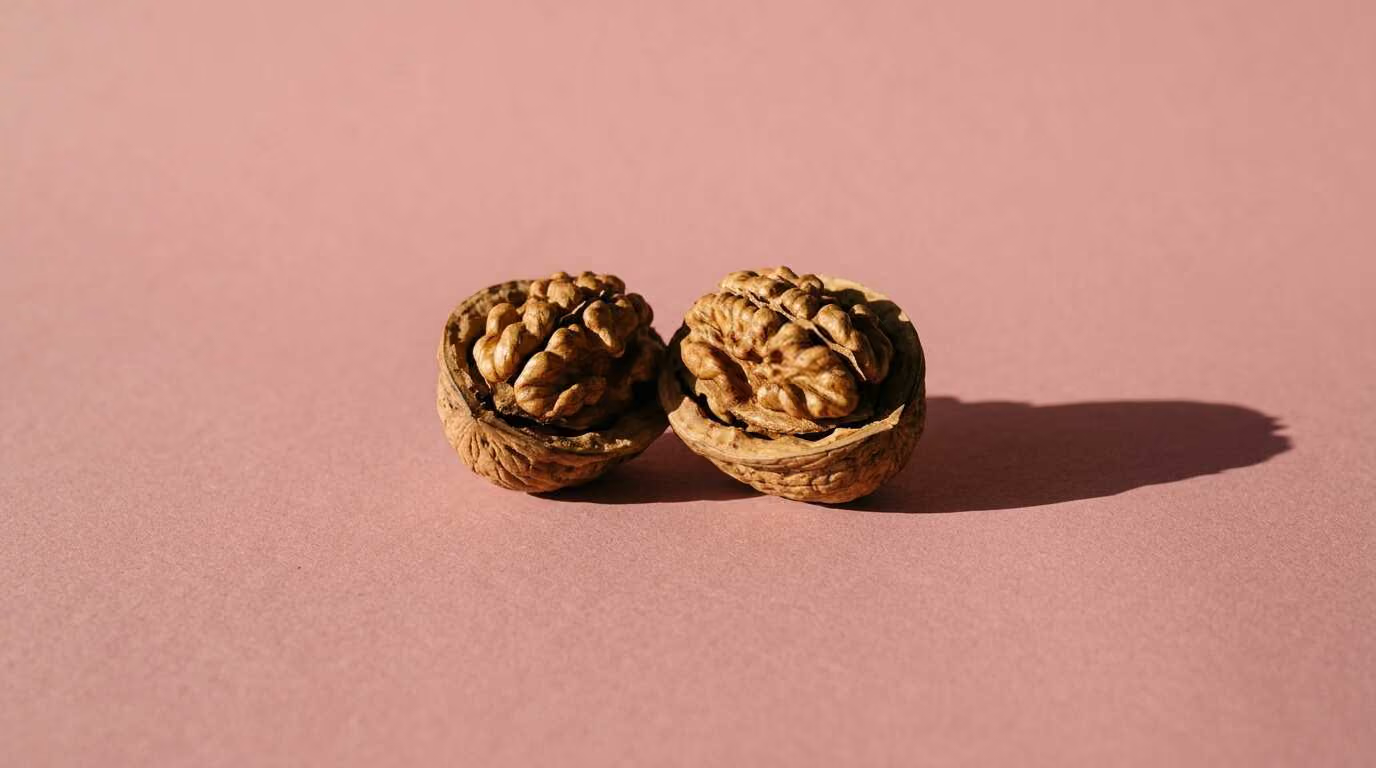
Walnuts are the only tree nut with a meaningful omega-3 fatty acid content. A 28 g (one ounce) serving provides approximately 2.5 g of alpha-linolenic acid (ALA), the plant-form omega-3. (USDA FoodData Central) In humans, conversion of ALA to EPA is limited and to DHA very low, so walnuts are not a substitute for fatty fish. (Burdge & Calder, 2005) However, walnuts also contribute ellagitannins that gut bacteria convert to urolithins, compounds showing independent anti-inflammatory activity in cell models.
A 2018 meta-analysis in the American Journal of Clinical Nutrition (26 controlled trials, 1,059 participants) found walnut-enriched diets lowered total and LDL cholesterol, triglycerides, and apolipoprotein B without affecting body weight or blood pressure. (Guasch-Ferré et al., AJCN, 2018) The two-year WAHA trial in healthy older adults reported favorable changes in lipoprotein subclasses with daily walnuts. (Rajaram et al., Circulation, 2021) Evidence for walnut-driven reductions in inflammatory markers such as CRP is less consistent.
Pantry tip: Store walnuts in the refrigerator or freezer to slow oxidation of their high polyunsaturated fat content. Thirty grams (a small handful) daily is consistent with trial protocols. Use them raw or lightly toasted.
Do Fruits and Berries Have Meaningful Anti-Inflammatory Effects?
Fruits and cacao-derived foods contribute a different class of polyphenols, primarily anthocyanins and flavanols, that modulate inflammatory signaling through antioxidant activity and NF-kB pathway inhibition. The evidence is stronger for some cardiovascular and cognitive measures than for direct CRP or cytokine reductions in otherwise healthy adults.
Blueberries - Anthocyanins and Vascular Health
Blueberries contain a range of anthocyanin compounds concentrated in their skin. A 2022 systematic review and meta-analysis by Azari et al. (Food & Function, 21 studies meta-analyzed) found blueberry supplementation significantly improved systolic and diastolic blood pressure among the components of metabolic syndrome. (Azari et al., Food & Function, 2022) The evidence is not uniform: a 2024 meta-analysis limited to patients with cardiometabolic disease found no significant blood pressure effect from blueberry or cranberry. (Delpino et al., Phytotherapy Research, 2024)
Anti-inflammatory effects in otherwise healthy people are less consistent in the literature. Their clearest signals so far are cardiovascular and cognitive: a 2020 systematic review of 12 randomized studies concluded that blueberries may improve some measures of memory, including in older adults, though doses and study designs varied too widely for firm conclusions. (Travica et al., Brain, Behavior, and Immunity, 2020)
Pantry tip: Frozen blueberries showed no significant anthocyanin loss over three months of storage (Lohachoompol et al., 2004) and are far more economical year-round. Heat processing reduces anthocyanin content: canning, pureeing, and juicing cut it by 28-59% in one study. (Brownmiller et al., Journal of Food Science, 2008) About 150 g (one cup) per day is the amount that improved endothelial function in the six-month Curtis et al. trial described below; half that amount had no effect.
Dark Chocolate - Flavanols and Endothelial Function
Dark chocolate (70%+ cacao) contains epicatechin and other flavanols. In healthy men, flavanol-rich cocoa raised circulating nitric oxide species and improved flow-mediated dilation, effects that tracked with epicatechin levels. (Schroeter et al., PNAS, 2006) Flavanols also show NF-kB inhibitory activity in cell studies. The clinical evidence is most robust for blood pressure and flow-mediated dilation (FMD) endpoints, less so for direct inflammatory marker reduction.
Quality matters significantly here. Dutching (alkalization) during processing destroys much of the flavanol content: in one survey, heavily alkalized cocoa powders averaged about 4 mg/g of flavanols versus about 35 mg/g in natural cocoa, a loss of roughly 90%. (Miller et al., Journal of Agricultural and Food Chemistry, 2008) Natural-process or minimally processed dark chocolate labeled with a specific flavanol content retains more of these compounds.
Pantry tip: A 20-30 g portion of 70-85% dark chocolate provides a practical dose of flavanols without excessive caloric or sugar load. Look for “natural cocoa” or “non-alkalized” on the label. Pair with walnuts or berries for a genuinely evidence-adjacent snack.
What About Vegetables and Beverages?
Cruciferous vegetables and polyphenol-rich beverages round out an anti-inflammatory pantry with two mechanistically distinct contributions: sulforaphane’s activation of the Nrf2 detoxification pathway, and green tea’s EGCG, which modulates multiple inflammatory signaling kinases simultaneously.
Broccoli - Sulforaphane and NF-kB Suppression
Broccoli (Brassica oleracea) is the most practical dietary source of glucoraphanin, which is enzymatically converted by myrosinase to sulforaphane when the vegetable is chopped or chewed. Sulforaphane activates Nrf2, a transcription factor that upregulates phase II detoxification enzymes, and in cell studies it reduces NF-kB-driven inflammatory gene expression. This is a different entry point into the inflammatory pathway than COX inhibition or cytokine suppression, making broccoli mechanistically complementary to the other foods on this list.
Cooking method matters. In one lab study, boiling and microwaving reduced sulforaphane yield within a minute, while steaming for 1-3 minutes increased it. (Wang et al., 2012) Steaming lightly, eating raw, or adding a small amount of raw broccoli or mustard seed (an external myrosinase source) to cooked broccoli significantly improves sulforaphane yield.
Pantry tip: Fresh broccoli, frozen florets (blanched, so add mustard seed), and broccoli sprouts (3-day-old sprouts of some cultivars contain 10-100 times the glucoraphanin of the mature plant; Fahey et al., PNAS, 1997) are all viable formats.
A small study in 12 healthy adults found that adding 1 g of powdered brown mustard to cooked broccoli made sulforaphane more than four times as bioavailable as cooked broccoli alone, because the mustard supplies the myrosinase that cooking destroys. (Okunade et al., Molecular Nutrition & Food Research, 2018) The same logic offers a practical workaround for blanched frozen broccoli.
Green Tea - EGCG and Multi-Pathway Inhibition
Green tea is the richest common dietary source of epigallocatechin-3-gallate (EGCG), a catechin that inhibits NF-kB, AP-1, and PI3K/Akt/mTOR signaling pathways in laboratory studies. EGCG’s multi-target profile has attracted significant preclinical research attention. Clinical results are weaker than the preclinical picture: a 2025 dose-response meta-analysis of randomized trials found green tea supplementation improved several antioxidant markers but had no significant effect on CRP, IL-6, or TNF-alpha. (Dehzad et al., Journal of Nutritional Science, 2025)
Green tea also provides L-theanine, an amino acid studied together with caffeine for effects on attention (Camfield et al., Nutrition Reviews, 2014), though the amounts per cup are modest: one analysis measured about 12.5 mg of L-theanine per 200 mL of green tea (Ayakdaş et al., Foods, 2025), and USDA lists roughly 29 mg of caffeine per 8 oz cup (USDA FoodData Central).
Pantry tip: Brewing at 70-80°C rather than with boiling water reduces bitterness and astringency, though hotter water extracts more catechins: in one analysis, total catechins peaked with 95°C water at about 10 minutes. (Jin et al., Molecules, 2019) Matcha, shade-grown and stone-ground, delivered at least three times more EGCG per gram of leaf than the highest published value for other green teas in one analysis. (Weiss & Anderton, 2003) Note that green tea polyphenols can reduce non-heme iron absorption: a green tea extract added to a meal lowered it by about a quarter in one isotope study (Samman et al., AJCN, 2001), so drink it between meals rather than with iron-rich ones if this is a concern.
How Do You Actually Use All 10 Foods Together?
Stocking these foods is step one. Using them consistently without turning every meal into a nutritional calculation is the real challenge. These practical patterns make daily inclusion realistic.
Build Anchor Meals Around the Big-Impact Items
Salmon and olive oil are easy anchors, so build two or three weekly dinners around one or the other. A simple template: baked salmon with a side of lightly steamed broccoli dressed with EVOO, black pepper, and a squeeze of lemon. This single meal hits three of the ten foods.
Breakfast is the easiest place to stack berries and walnuts. A bowl of Greek yogurt or oatmeal with 150 g frozen blueberries, 30 g walnuts, and a small square of dark chocolate on the side checks three items before 9 am.
Use Spices as a Daily Default
Turmeric and ginger are most consistent when they become habitual defaults rather than conscious choices. Add turmeric and black pepper to scrambled eggs or soups. Grate fresh ginger into morning hot water or afternoon tea. Mince garlic into every savory dish that allows it. None of these require recipe changes, only habit shifts.
Plan for the Seasonality of Bioactive Compounds
EVOO polyphenol content peaks in early-harvest oils (October-November Mediterranean harvest); buy a fresh bottle annually rather than stockpiling. Frozen blueberries are usually cheaper and hold their anthocyanins well. Walnuts should be refrigerated once opened. Planning for product freshness is as important as planning for variety.
Frequently Asked Questions
What are the best anti-inflammatory foods to keep at home?
The 10 covered here are turmeric, ginger, garlic, extra-virgin olive oil, salmon, walnuts, blueberries, dark chocolate (70-85% cacao, non-alkalized), broccoli, and green tea. Most store well: spices and green tea keep for months airtight, frozen blueberries hold their anthocyanins, and walnuts last longer refrigerated. None prevents or treats disease on its own; the evidence points to a consistent overall pattern, such as a Mediterranean-style diet.
Which spices are anti-inflammatory?
Turmeric, ginger, and garlic have the most research behind them. Curcumin from turmeric inhibits NF-kB, a key inflammatory switch, in cell studies, but those effects have not been shown at the blood levels reached by eating turmeric. Pairing it with black pepper raised curcumin absorption about 2,000% in a small study. For a daily habit, a turmeric golden milk latte combines turmeric, ginger, and pepper in one cup.
How does an anti-inflammatory diet work?
It shifts the mix of fats and plant compounds you eat. The EPA and DHA in salmon are precursors of resolvins, molecules that signal inflammation to resolve, while polyphenols from olive oil, berries, cocoa, and tea, and sulforaphane from broccoli, act on inflammatory signaling in lab studies. In trials, Mediterranean-style diets lowered markers such as CRP and IL-6 compared with control diets, over weeks to months rather than days.
Do I need to take supplements, or can I get these benefits from food alone?
For most of these foods, culinary doses provide real but modest benefits. Turmeric is the clearest exception: turmeric powder averages about 3% curcumin by weight (Tayyem et al., 2006), so half a teaspoon (about 1.5 g) supplies roughly 45 mg, far below the supplement doses used in most clinical trials. If targeting specific therapeutic effects from curcumin, enhanced-bioavailability formulations (such as Meriva or Theracurmin) are the forms studied for that purpose; our turmeric curcumin supplement roundup compares products on those criteria. Turmeric supplements have been linked to rare cases of liver injury (Halegoua-DeMarzio et al., American Journal of Medicine, 2023), so discuss them with a clinician first. For the other nine foods, consistent dietary use is both practical and evidence-supported.
How long does it take to see changes in inflammatory markers?
Trials measuring CRP, IL-6, and endothelial function typically run for weeks to months before changes are assessed. Individual responses vary based on baseline inflammatory status, overall diet quality, and lifestyle factors. In the Curtis et al. 2019 RCT (n=115, adults with metabolic syndrome), for example, one cup of blueberries daily improved endothelial function and arterial stiffness at 6 months, while blood pressure was unaffected. (Curtis et al., AJCN, 2019) This is a long-game strategy, not an acute intervention.
Is an anti-inflammatory diet safe for people on blood thinners?
Garlic, fish oil, and curcumin supplements are often flagged as possibly adding to the effect of anticoagulant or antiplatelet drugs, but small controlled studies have not confirmed it: aged garlic extract caused no extra bleeding in 48 patients on warfarin (Macan et al., 2006), 3-6 g/day of fish oil did not change INR in patients on stable warfarin (Bender et al., 1998), and a curcumin formulation did not alter INR or bleeding time in patients on warfarin, dabigatran, or antiplatelet drugs (Hu et al., 2018). These studies were short and small, so any significant dietary or supplement change should still be discussed with a prescribing clinician. Blueberries contain modest amounts of vitamin K (about 19 µg per 100 g; USDA FoodData Central), which is relevant for warfarin management, where the usual advice is to keep vitamin K intake steady rather than avoid it (Violi et al., 2016); brewed green tea contains essentially none (USDA FoodData Central).
Are frozen versions of these foods as effective as fresh?
For most foods here, freezing preserves bioactive content well. Frozen blueberries retain comparable anthocyanin levels to fresh. Frozen salmon retains its EPA and DHA. Frozen broccoli florets lose some myrosinase activity during blanching, but this can be partially compensated with the mustard seed workaround described above. Dried spices (turmeric, ginger, garlic powder) lose volatile aromatic compounds over time, so buy small amounts and store them airtight.
Can these foods replace anti-inflammatory medications?
No. These foods may support a dietary pattern that reduces systemic inflammatory burden over time, but they do not replace prescribed medications for diagnosed inflammatory conditions. Preliminary studies suggest dietary interventions can complement pharmacological treatment, but this article does not constitute medical advice. Anyone managing a diagnosed inflammatory condition should consult their physician before making significant dietary changes.
References
Show all 45 referencesShow fewer
- Shoba, G., Joy, D., Joseph, T., Majeed, M., Rajendran, R., & Srinivas, P. S. (1998). Influence of piperine on the pharmacokinetics of curcumin in animals and human volunteers. Planta Medica, 64(4), 353-356.
- Beauchamp, G. K., Keast, R. S. J., Morel, D., Lin, J., Pika, J., Han, Q., Lee, C. H., Smith, A. B., & Breslin, P. A. S. (2005). Ibuprofen-like activity in extra-virgin olive oil. Nature, 437(7055), 45-46.
- Estruch, R., Ros, E., Salas-Salvado, J., et al. (2018). Primary prevention of cardiovascular disease with a Mediterranean diet supplemented with extra-virgin olive oil or nuts. New England Journal of Medicine, 378(25), e34.
- GISSI-Prevenzione Investigators. (1999). Dietary supplementation with n-3 polyunsaturated fatty acids and vitamin E after myocardial infarction. Lancet, 354(9177), 447-455.
- Azari, H., Morovati, A., Pourghassem Gargari, B., & Sarbakhsh, P. (2022). Beneficial effects of blueberry supplementation on the components of metabolic syndrome: a systematic review and meta-analysis. Food & Function, 13(9), 4875-4900.
- Ried, K. (2016). Garlic lowers blood pressure in hypertensive individuals, regulates serum cholesterol, and stimulates immunity: an updated meta-analysis and review. Journal of Nutrition, 146(2), 389S-396S.
- Calder, P. C. (2015). Marine omega-3 fatty acids and inflammatory processes: effects, mechanisms and clinical relevance. Biochimica et Biophysica Acta, 1851(4), 469-484.
- Aggarwal, B. B., & Harikumar, K. B. (2009). Potential therapeutic effects of curcumin, the anti-inflammatory agent, against neurodegenerative, cardiovascular, pulmonary, metabolic, autoimmune and neoplastic diseases. International Journal of Biochemistry and Cell Biology, 41(1), 40-59.
- Delpino, F. M., Dos Santos, F. S., Flores, T. R., Cerqueira, H. S., & Santos, H. O. (2024). The effects of blueberry and cranberry supplementation on blood pressure in patients with cardiovascular diseases: a systematic review and meta-analysis of randomized clinical trials. Phytotherapy Research, 38(2), 646-661.
- Bartels, E. M., Folmer, V. N., Bliddal, H., Altman, R. D., Juhl, C., Tarp, S., Zhang, W., & Christensen, R. (2015). Efficacy and safety of ginger in osteoarthritis patients: a meta-analysis of randomized placebo-controlled trials. Osteoarthritis and Cartilage, 23(1), 13-21.
- Guasch-Ferré, M., Li, J., Hu, F. B., Salas-Salvadó, J., & Tobias, D. K. (2018). Effects of walnut consumption on blood lipids and other cardiovascular risk factors: an updated meta-analysis and systematic review of controlled trials. American Journal of Clinical Nutrition, 108(1), 174-187.
- Rajaram, S., Cofán, M., Sala-Vila, A., et al. (2021). Effects of walnut consumption for 2 years on lipoprotein subclasses among healthy elders: findings from the WAHA randomized controlled trial. Circulation, 144(13), 1083-1085.
- Okunade, O., Niranjan, K., Ghawi, S. K., Kuhnle, G., & Methven, L. (2018). Supplementation of the diet by exogenous myrosinase via mustard seeds to increase the bioavailability of sulforaphane in healthy human subjects after the consumption of cooked broccoli. Molecular Nutrition & Food Research, 62(18), e1700980.
- Dehzad, M. J., Ghalandari, H., Nouri, M., Makhtoomi, M., & Askarpour, M. (2025). Effects of green tea supplementation on antioxidant status and inflammatory markers in adults: a GRADE-assessed systematic review and dose-response meta-analysis of randomised controlled trials. Journal of Nutritional Science, 14, e25.
- Curtis, P. J., van der Velpen, V., Berends, L., et al. (2019). Blueberries improve biomarkers of cardiometabolic function in participants with metabolic syndrome: results from a 6-month, double-blind, randomized controlled trial. American Journal of Clinical Nutrition, 109(6), 1535-1545.
- Song, K., & Milner, J. A. (1999). Heating garlic inhibits its ability to suppress 7,12-dimethylbenz(a)anthracene-induced DNA adduct formation in rat mammary tissue. Journal of Nutrition, 129(3).
- Sprague, M., Dick, J. R., & Tocher, D. R. (2016). Impact of sustainable feeds on omega-3 long-chain fatty acid levels in farmed Atlantic salmon, 2006-2015. Scientific Reports, 6, 21892.
- Burdge, G. C., & Calder, P. C. (2005). Conversion of alpha-linolenic acid to longer-chain polyunsaturated fatty acids in human adults. Reproduction Nutrition Development, 45(5).
- Miller, K. B., Hurst, W. J., Payne, M. J., et al. (2008). Impact of alkalization on the antioxidant and flavanol content of commercial cocoa powders. Journal of Agricultural and Food Chemistry, 56(18).
- Wang, G. C., Farnham, M., & Jeffery, E. H. (2012). Impact of thermal processing on sulforaphane yield from broccoli (Brassica oleracea L. ssp. italica). Journal of Agricultural and Food Chemistry, 60(27).
- Fahey, J. W., Zhang, Y., & Talalay, P. (1997). Broccoli sprouts: an exceptionally rich source of inducers of enzymes that protect against chemical carcinogens. Proceedings of the National Academy of Sciences, 94(19), 10367-10372.
- Ayakdaş, G., et al. (2025). Determination of L-theanine and caffeine contents in tea infusions with different fermentation degrees and brewing conditions using the chromatographic method. Foods.
- Weiss, D. J., & Anderton, C. R. (2003). Determination of catechins in matcha green tea by micellar electrokinetic chromatography. Journal of Chromatography A.
- Samman, S., Sandström, B., Toft, M. B., et al. (2001). Green tea or rosemary extract added to foods reduces nonheme-iron absorption. American Journal of Clinical Nutrition, 73(3), 607-612.
- Tayyem, R. F., Heath, D. D., Al-Delaimy, W. K., & Rock, C. L. (2006). Curcumin content of turmeric and curry powders. Nutrition and Cancer, 55(2).
- Furman, D., Campisi, J., Verdin, E., et al. (2019). Chronic inflammation in the etiology of disease across the life span. Nature Medicine, 25(12).
- Schwingshackl, L., & Hoffmann, G. (2014). Mediterranean dietary pattern, inflammation and endothelial function: a systematic review and meta-analysis of intervention trials. Nutrition, Metabolism & Cardiovascular Diseases, 24(9).
- Jobin, C., Bradham, C. A., Russo, M. P., et al. (1999). Curcumin blocks cytokine-mediated NF-kappa B activation and proinflammatory gene expression by inhibiting inhibitory factor I-kappa B kinase activity. Journal of Immunology, 163(6), 3474-3483.
- Plummer, S. M., et al. (1999). Inhibition of cyclo-oxygenase 2 expression in colon cells by the chemopreventive agent curcumin involves inhibition of NF-kappaB activation via the NIK/IKK signalling complex. Oncogene, 18(44).
- Kiuchi, F., Iwakami, S., Shibuya, M., Hanaoka, F., & Sankawa, U. (1992). Inhibition of prostaglandin and leukotriene biosynthesis by gingerols and diarylheptanoids. Chemical & Pharmaceutical Bulletin, 40(2), 387-391.
- National Center for Complementary and Integrative Health. Ginger: Usefulness and Safety.
- Johnson, G. H., & Fritsche, K. (2012). Effect of dietary linoleic acid on markers of inflammation in healthy persons: a systematic review of randomized controlled trials. Journal of the Academy of Nutrition and Dietetics, 112(7).
- Morvaridzadeh, M., Cohen, A. A., Heshmati, J., et al. (2024). Effect of extra virgin olive oil on anthropometric indices, inflammatory and cardiometabolic markers: a systematic review and meta-analysis of randomized clinical trials. Journal of Nutrition, 154(1).
- Casal, S., Malheiro, R., Sendas, A., Oliveira, B. P., & Pereira, J. A. (2010). Olive oil stability under deep-frying conditions. Food and Chemical Toxicology, 48(10).
- Travica, N., D’Cunha, N. M., Naumovski, N., et al. (2020). The effect of blueberry interventions on cognitive performance and mood: a systematic review of randomized controlled trials. Brain, Behavior, and Immunity, 85.
- Lohachoompol, V., Srzednicki, G., & Craske, J. (2004). The change of total anthocyanins in blueberries and their antioxidant effect after drying and freezing. Journal of Biomedicine and Biotechnology, 2004(5).
- Brownmiller, C., Howard, L. R., & Prior, R. L. (2008). Processing and storage effects on monomeric anthocyanins, percent polymeric color, and antioxidant capacity of processed blueberry products. Journal of Food Science, 73(5).
- Schroeter, H., Heiss, C., Balzer, J., et al. (2006). (-)-Epicatechin mediates beneficial effects of flavanol-rich cocoa on vascular function in humans. Proceedings of the National Academy of Sciences, 103(4).
- Camfield, D. A., Stough, C., Farrimond, J., & Scholey, A. B. (2014). Acute effects of tea constituents L-theanine, caffeine, and epigallocatechin gallate on cognitive function and mood: a systematic review and meta-analysis. Nutrition Reviews, 72(8).
- Jin, Y., Zhao, J., Kim, E. M., et al. (2019). Comprehensive investigation of the effects of brewing conditions in sample preparation of green tea infusions. Molecules, 24(9).
- Halegoua-DeMarzio, D., Navarro, V., Ahmad, J., et al. (2023). Liver injury associated with turmeric: a growing problem. Ten cases from the Drug-Induced Liver Injury Network [DILIN]. American Journal of Medicine, 136(2).
- Macan, H., Uykimpang, R., Alconcel, M., et al. (2006). Aged garlic extract may be safe for patients on warfarin therapy. Journal of Nutrition, 136(3 Suppl).
- Bender, N. K., Kraynak, M. A., Chiquette, E., Linn, W. D., Clark, G. M., & Bussey, H. I. (1998). Effects of marine fish oils on the anticoagulation status of patients receiving chronic warfarin therapy. Journal of Thrombosis and Thrombolysis, 5(3).
- Hu, S., Belcaro, G., Dugall, M., et al. (2018). Interaction study between antiplatelet agents, anticoagulants, thyroid replacement therapy and a bioavailable formulation of curcumin (Meriva). European Review for Medical and Pharmacological Sciences, 22(15).
- Violi, F., Lip, G. Y., Pignatelli, P., & Pastori, D. (2016). Interaction between dietary vitamin K intake and anticoagulation by vitamin K antagonists: is it really true? A systematic review. Medicine (Baltimore), 95(10).
This article is for informational and educational purposes only. It does not constitute medical advice and should not be used to diagnose, treat, prevent, or cure any disease or health condition. Consult a qualified healthcare provider before making significant changes to your diet, particularly if you take prescription medications or have a diagnosed medical condition. See our full medical disclaimer for details.
Shopping for turmeric?
Top-ranked of 5 products compared.
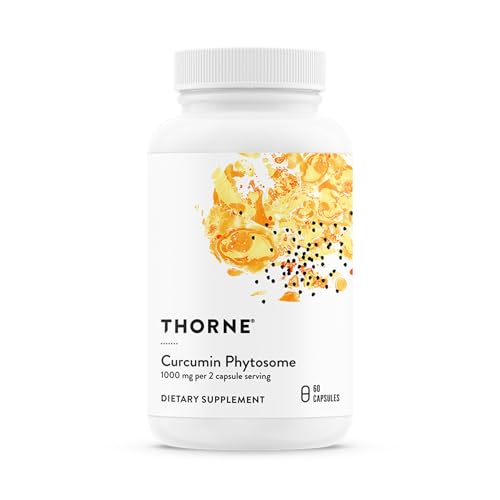
Compare all 5 picks →Affiliate links. Disclosure.
Shopping for matcha green tea?
Top-ranked of 6 products compared.

Compare all 6 picks →Affiliate links. Disclosure.
Read next


Written by Superfoods Advisor Editors·Published July 4, 2026