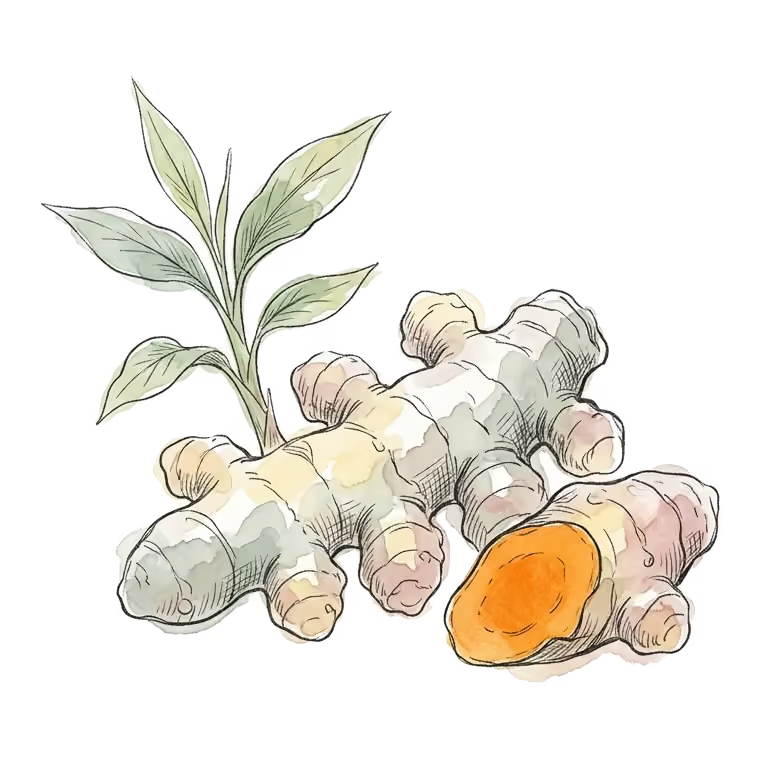
Turmeric (Curcuma longa)
Curcuma longa · also known as common turmeric, Indian saffron, curcumin, haldi, ukon
By Superfoods Advisor Editors·July 3, 2026
Turmeric and black pepper: how piperine raises curcumin absorption, how much pepper to use, what trials show for joints and cholesterol, and risks.
Turmeric (Curcuma longa) is a spice rhizome in the ginger family whose main compound, curcumin, is poorly absorbed on its own. Pairing it with black pepper helps: in a small 1998 study, 20 mg of piperine taken with 2 g of curcumin raised curcumin bioavailability by about 2,000%. Piperine also changes how some drugs are absorbed, which matters for supplements.
The plant is a rhizomatous perennial in the Zingiberaceae family, alongside ginger, native to the Indian subcontinent and Southeast Asia, where its recorded medicinal use goes back nearly 4,000 years (Prasad & Aggarwal, 2011). India remains the world’s dominant producer and consumer, with turmeric integrated into Ayurvedic medicine, culinary practice, religious ritual, and textile dyeing. The dried and powdered rhizome — recognizable by its vivid orange-yellow color — contains a class of polyphenolic pigments called curcuminoids, which have attracted extraordinary scientific attention since the 1970s.
Turmeric is simultaneously one of the most studied botanical compounds in preclinical science and one of the most striking examples of the gap between in vitro activity and human clinical translation. Curcumin’s anti-inflammatory and antioxidant properties in cell culture and animal models have generated thousands of publications and widespread marketing claims. However, the fundamental pharmacokinetic problem — curcumin’s poor oral bioavailability due to rapid phase II glucuronidation and poor aqueous solubility — means that most of this preclinical activity does not straightforwardly predict human therapeutic effects at conventional dietary or supplement doses. Understanding this distinction is essential for evaluating turmeric’s genuine evidence base.
Evidence at a glance
Active Compounds
Curcuminoids: The collective term for the three principal polyphenols in turmeric rhizome: curcumin, demethoxycurcumin, and bisdemethoxycurcumin. Curcumin is the most studied and is considered the primary bioactive component. Commercial curcuminoid extracts are mostly curcumin: capsules analysed in one dose-escalation trial were 75% curcumin, 23% demethoxycurcumin and 2% bisdemethoxycurcumin, which the authors described as typical of commercial products (Lao et al., BMC Complementary and Alternative Medicine, 2006). In the whole spice the fraction is small and variable: total curcuminoids ranged from about 2.3% to 9.2% by weight across four Indian turmeric varieties (Jayaprakasha et al., Journal of Agricultural and Food Chemistry, 2002), and retail turmeric powders averaged 3.14% curcumin (Tayyem et al., Nutrition and Cancer, 2006), so typical dietary turmeric use provides relatively modest curcuminoid amounts.
Bioavailability challenge — glucuronidation: Curcumin undergoes rapid and extensive phase II metabolism in the intestinal wall and liver. Glucuronidation (conjugation with glucuronic acid) is the predominant pathway, with some sulfation, producing curcumin glucuronides and sulfates that are thought to be less active; poor absorption, rapid metabolism and rapid elimination together keep plasma and tissue levels low (Anand et al., Molecular Pharmaceutics, 2007). In one dose-escalation study, no curcumin was detected in serum after single doses up to 8 g, and only low levels in two volunteers given 10–12 g (Lao et al., 2006). This rapid glucuronidation is the primary reason standard turmeric powder and unformulated curcumin show limited systemic effects.
Piperine (from black pepper) and bioavailability enhancement: Piperine, the alkaloid responsible for black pepper’s pungency, inhibited glucuronidation and other drug-metabolizing reactions in rat studies (Atal et al., Journal of Pharmacology and Experimental Therapeutics, 1985). In a small pharmacokinetic study in rats and healthy human volunteers, 2 g of curcumin alone produced serum levels that were undetectable or very low in humans, while co-administration of 20 mg piperine raised curcumin bioavailability by about 2,000% (Shoba et al., Planta Medica, 1998); one of its authors founded Sabinsa, which sells piperine as BioPerine. The proposed mechanism is inhibition of UDP-glucuronosyltransferases (UGTs), shown in rats, and of intestinal P-glycoprotein efflux, shown in human cell and microsome studies (Bhardwaj et al., 2002). Even with piperine, free curcumin remained undetectable in plasma in a later trial (Volak et al., 2013).
Fat co-ingestion: Curcumin is lipophilic (fat-soluble) and poorly soluble in water, which is why several enhanced formulations use lipid or phospholipid carriers. Whether simply eating turmeric with a fatty meal raises absorption meaningfully has been little studied in humans. Traditional Indian cooking often prepares turmeric in ghee or oil.
Enhanced-bioavailability formulations: Several technologies have been developed to circumvent curcumin’s bioavailability limitations:
- Phospholipid complexes (e.g., Meriva, Phytosome): binding curcumin to phosphatidylcholine creates a more absorbable amphiphilic structure; in a randomized crossover study, total curcuminoid absorption from Meriva was about 29-fold higher than from the corresponding unformulated curcuminoid mixture, although only phase-2 metabolites were detectable in plasma and the gain was larger for demethoxycurcumin than for curcumin itself (Cuomo et al., Journal of Natural Products, 2011)
- Nanoparticle and nanostructured lipid carriers: encapsulation in nano-sized lipid vehicles improves solubility and permeability
- Self-emulsifying drug delivery systems (SEDDS): spontaneously form microemulsions in GI fluid, improving dispersibility
- Theracurmin (amorphous curcumin dispersed in colloidal submicron particles): in healthy volunteers given 30 mg of curcumin in either form, plasma AUC was 27-fold higher than with curcumin powder (Sasaki et al., Biological and Pharmaceutical Bulletin, 2011)
- BCM-95 (Biocurcumax): curcumin combined with turmeric essential oils; a manufacturer-run pilot crossover study reported relative bioavailability about 6.93-fold that of normal curcumin (Antony et al., Indian Journal of Pharmaceutical Sciences, 2008)
These multipliers come from separate studies, each against its own unformulated comparator, with different doses, analytes (total curcuminoids versus curcumin) and assay methods. They are not a ranking: a 29-fold figure for one product and a 7-fold figure for another do not mean the first delivers four times as much curcumin.
Essential oil fraction: Turmerones (ar-turmerone, α-turmerone, β-turmerone) are sesquiterpene ketones that typically dominate turmeric’s volatile oil, although its composition varies considerably between samples and chemotypes (Dosoky et al., Foods, 2019). Ar-turmerone increased neural stem cell proliferation in rat cell cultures and in rats given it by brain injection (Hucklenbroich et al., Stem Cell Research & Therapy, 2014) and may contribute to traditional medicinal properties independent of curcuminoids.
Turmeric and Black Pepper
Black pepper is added to turmeric to slow the breakdown of curcumin, so more of it reaches the bloodstream. The evidence comes from small pharmacokinetic studies rather than outcome trials, and the same mechanism raises the risk of drug interactions.
How much pepper: The original study paired 20 mg of piperine with 2 g of curcumin, a 100:1 ratio (Shoba et al., 1998). At the average 4.4% piperine content of retail black pepper (Lee et al., 2021), 20 mg is roughly 0.5 g of ground pepper, about a quarter teaspoon. Supplements usually add a standardized piperine extract instead; check the milligrams per serving on the label.
In food: Indian cooking often combines turmeric with fat and pepper, as do golden milk recipes. Whether culinary amounts of pepper raise curcumin absorption meaningfully has not been measured directly.
The trade-off: Piperine inhibits CYP3A4, P-glycoprotein and glucuronidation, so it can raise levels of some medicines as well as curcumin. Three of the seven products tested in a US series of turmeric-associated liver injury also contained piperine (Halegoua-DeMarzio et al., 2023). Anyone on prescription drugs should check a piperine-containing curcumin product with a pharmacist.
Evidence for Purported Benefits
Anti-Inflammatory Activity — Mechanism
Curcumin is one of the most extensively characterized natural NF-κB inhibitors. NF-κB (nuclear factor kappa-light-chain-enhancer of activated B cells) is a master transcription factor regulating the expression of a large number of genes involved in inflammation, immunity, cell survival, and proliferation. In cell studies, curcumin blocks activation of the IκB kinase (IKK) complex (Jobin et al., Journal of Immunology, 1999), preventing NF-κB nuclear translocation and reducing transcription of pro-inflammatory mediators including:
- TNF-α (tumor necrosis factor-alpha)
- IL-1β, IL-6, IL-8 (pro-inflammatory interleukins)
- COX-2 (cyclooxygenase-2) and iNOS (inducible nitric oxide synthase)
- MMP-9 (matrix metalloproteinase-9)
These effects are robustly demonstrated in cell culture and animal models (Aggarwal & Harikumar, 2009). Whether they translate to meaningful clinical anti-inflammatory effects at achievable human plasma concentrations remains the central question.
Osteoarthritis and Joint Pain
Evidence:Limited An 11-RCT meta-analysis found benefit, but trials were small and low quality; another study had manufacturer ties.
This is among the better-studied clinical indications for curcumin, although most trials are small:
Belcaro et al. (Alternative Medicine Review, 2010) followed 100 osteoarthritis patients for 8 months, comparing Meriva (a curcumin-phosphatidylcholine complex) with a control group. The authors reported significant improvements in WOMAC scores, treadmill walking performance, and inflammatory markers (IL-1β, IL-6, sCD40L, sVCAM-1, ESR) in the Meriva group.
A systematic review and meta-analysis by Bannuru et al. (Seminars in Arthritis and Rheumatism, 2018) pooled 11 RCTs (1,009 participants) of curcuminoid or boswellia formulations for knee osteoarthritis. Curcuminoids were significantly more effective than placebo for pain and function, showed no significant difference from NSAIDs in efficacy, and caused fewer gastrointestinal adverse events than NSAIDs. The authors rated study quality as low overall, noted that most trials had fewer than 100 participants, and concluded the evidence was not adequate to support clinical practice recommendations.
Depression and Mood
Evidence:Preliminary One short, underpowered 60-patient RCT against fluoxetine.
Sanmukhani et al. (Phytotherapy Research, 2014) conducted an RCT in 60 patients with major depressive disorder comparing curcumin (1,000 mg/day), fluoxetine (20 mg/day), and the combination. Response rates and mean change in Hamilton Depression Rating Scale scores at 6 weeks did not differ significantly between the three arms. The study was underpowered to establish non-inferiority.
Metabolic and Cardiovascular Markers
Evidence:Limited Small, short RCTs; meta-analyses find lower LDL and triglycerides, but results vary across formulations.
Small, short RCTs have reported reductions in CRP, LDL cholesterol, triglycerides, and fasting blood glucose in people with metabolic syndrome or type 2 diabetes; a 2025 meta-analysis pooled these effects but described the trial findings as inconsistent, with differences in formulation, dose and duration (Kehinde et al., Foods, 2025). A meta-analysis by Qin et al. (Nutrition Journal, 2017) of 7 RCTs (649 patients with cardiovascular risk factors) found significant reductions in LDL-C and triglycerides with turmeric or curcumin, a possible reduction in total cholesterol in people with metabolic syndrome, and no clear change in HDL-C.
Shopping for turmeric?
Top-ranked of 5 products compared.
Compare all 5 picks →Affiliate links. Disclosure.
Typical Use and Dosing
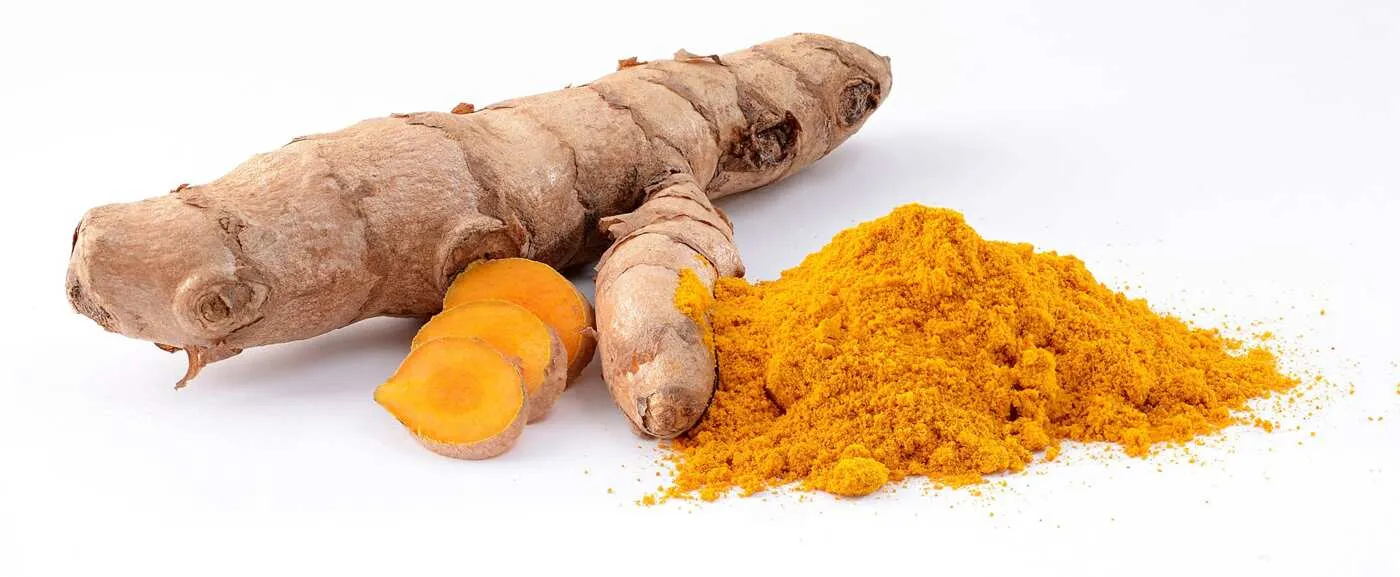 Photo: Simon A. Eugster, CC BY-SA 3.0, via Wikimedia Commons
Culinary use: Retail turmeric powder averages roughly 3% curcumin (Tayyem et al., 2006). A teaspoon of ground turmeric weighs about 3 g (USDA FoodData Central), so standard culinary use (1/4 to 1 teaspoon, about 0.75–3 g per serving) provides roughly 20–100 mg curcumin — far below the gram-level daily doses used in many clinical trials of unformulated curcumin. Traditional Indian cooking often pairs turmeric with fat and black pepper, though the absorption benefit at culinary amounts has not been measured directly.
Standard curcumin (unformulated): trials have generally used gram-level daily doses, often divided and taken with meals. Clinical trial evidence for standard curcumin is limited due to bioavailability issues; any effects of this form may come largely from its action in the gut (Lopresti, 2018).
Piperine-enhanced formulations: the original pharmacokinetic study paired 2 g curcumin with 20 mg piperine, a 100:1 ratio (Shoba et al., 1998); commercial “black pepper curcumin” products vary. Check the label for the piperine amount per serving.
Enhanced-bioavailability formulations (higher plasma exposure in pharmacokinetic studies): follow the label, and compare products by curcumin content rather than total formulation weight.
- Meriva (curcumin-phosphatidylcholine): labels give both the complex weight and the curcumin it supplies; compare on the curcumin figure
- Theracurmin: read the label as curcumin content, not powder weight. The formulation in the original pharmacokinetic study was 10% curcumin by weight (Sasaki et al., 2011), so 180–360 mg of that powder supplies 18–36 mg curcumin. An 18-month trial used Theracurmin providing 90 mg curcumin twice daily (Small et al., American Journal of Geriatric Psychiatry, 2018). Lower curcumin weight than unformulated doses, but higher plasma exposure
- BCM-95: dose by the curcumin content stated on the label; published dosing data are limited and largely manufacturer-linked
For a turmeric-based drink, see the golden milk recipes, which pair it with black pepper and a fat.
Safety, Side Effects, and Interactions
Curcumin was well tolerated in early clinical trials. A phase I study found no treatment-related toxicity up to 8 g/day for 3 months in 25 patients; above that, the volume of capsules was unacceptable to participants (Cheng et al., Anticancer Research, 2001). Single doses up to 12 g in healthy volunteers caused only minimal toxicity that did not appear dose-related (Lao et al., 2006). These short trials do not rule out the rare liver injury described below.
GI effects: Nausea, diarrhea, or stomach cramping may occur, particularly at high doses or on an empty stomach.
Liver injury: The U.S. Drug-Induced Liver Injury Network described 10 turmeric-associated cases enrolled between 2004 and 2022, mostly hepatocellular, appearing 1–4 months after starting; five patients were hospitalized and one died of acute liver failure. Three of the seven products tested also contained piperine, and seven patients carried the HLA-B*35:01 allele (Halegoua-DeMarzio et al., American Journal of Medicine, 2023). Stop the supplement and seek care if jaundice, dark urine, or abdominal pain develops.
Gallstone risk: Curcumin stimulates gallbladder contraction; in a small ultrasound study in healthy volunteers, a single 20 mg dose of curcumin reduced gallbladder volume by about 29% at two hours (Rasyid & Lelo, Alimentary Pharmacology & Therapeutics, 1999). In individuals with gallstones or bile duct obstruction, this may precipitate biliary colic. Individuals with known gallbladder disease should consult their physician before supplementing.
Anticoagulation: Curcumin has antiplatelet properties in vitro and may potentiate the effects of anticoagulant and antiplatelet drugs. A French pharmacovigilance case report described a probable interaction in which turmeric raised the INR of a patient on the vitamin K antagonist fluindione (Daveluy et al., Thérapie, 2014). A small manufacturer-linked study of Meriva found no change in INR or bleeding time over 10 days in stable patients on warfarin, dabigatran or antiplatelet drugs (Hu et al., European Review for Medical and Pharmacological Sciences, 2018), but that is too short and small to rule out an interaction. Individuals on anticoagulant therapy should consult their healthcare provider before use.
Piperine co-administration effects on drug metabolism: Piperine inhibits CYP3A4 and P-glycoprotein in laboratory studies (Bhardwaj et al., Journal of Pharmacology and Experimental Therapeutics, 2002). In humans, 20 mg/day for 10 days raised carbamazepine peak levels by about 69% in 12 healthy volunteers (Bedada et al., Drug Research, 2017), and a single 20 mg dose raised phenytoin levels in patients with epilepsy (Pattanaik et al., Phytotherapy Research, 2006). A small crossover trial of a curcumin–piperine extract, by contrast, found no meaningful change in midazolam, flurbiprofen or paracetamol levels (Volak et al., British Journal of Clinical Pharmacology, 2013), so the risk depends on the drug. People taking narrow-margin medications such as anticonvulsants or immunosuppressants should discuss piperine-containing formulations with their prescriber.
Iron absorption: Curcumin binds iron in laboratory studies, but in a stable-isotope study in young women, 0.5 g turmeric added to a rice meal did not reduce iron absorption (Tuntipopipat et al., Journal of Nutrition, 2006). Whether high-dose curcumin supplements affect iron status has not been well studied; people with iron deficiency anemia may reasonably take them apart from iron supplements.
Pregnancy and breastfeeding: Turmeric in culinary amounts is a long-standing part of many diets. NCCIH states that turmeric supplements may be unsafe during pregnancy and that little is known about amounts above those in food during breastfeeding (NCCIH), so supplemental doses are best avoided in pregnancy and discussed with a clinician while breastfeeding.
Drug interactions: Curcuminoids inhibit several drug-metabolizing enzymes in vitro, but in the Volak et al. (2013) trial a curcumin–piperine extract did not meaningfully alter CYP3A, CYP2C9 or conjugation-enzyme probe drugs. Clinical significance at typical supplement doses remains unclear.
Product Selection Criteria
- Formulation transparency: The single most important selection criterion. Standard turmeric powder and unformulated curcumin extract are likely to have minimal systemic bioavailability. Prefer products using an enhanced-bioavailability technology (Meriva, Theracurmin, BCM-95, Longvida, or piperine-combined formulations) with published pharmacokinetic data. The roundup of organic turmeric and curcumin supplements compares products on these formulations, including piperine-free options.
- Curcuminoid standardization: Products should specify percentage of curcuminoids (not just “turmeric extract”) — extracts used in trials of standard curcumin, such as the one in Lao et al. (2006), were standardized to at least 95% curcuminoids.
- Piperine products: If using piperine-enhanced formulations, ensure the piperine dose per serving is specified. Be aware of the drug interaction implications of piperine if taking other medications.
- Third-party testing: NSF International or USP certification verifies identity, curcuminoid content accuracy, and that heavy metals are below set limits; Informed Sport screens only for banned substances. Lead is the main concern for turmeric: lead chromate pigment added to deepen the color has been found in turmeric sampled across South Asia (Forsyth et al., Science of the Total Environment, 2024), and FDA lists turmeric from several firms for detention over lead (FDA Import Alert 99-42).
- Excipients and carrier oils: For lipid-based formulations, the quality of carrier oils (non-oxidized, cold-pressed where specified) affects product stability and efficacy.
- Stability and packaging: Curcumin degrades in light and oxygen exposure. Opaque, sealed containers limit light and air exposure. Check manufacturing and expiration dates.
Frequently Asked Questions
Why take turmeric with black pepper?
Curcumin, turmeric’s main active compound, is quickly broken down in the gut wall and liver, so very little reaches the blood. Piperine from black pepper slows that breakdown. In a small 1998 study, 20 mg of piperine with 2 g of curcumin raised bioavailability about 2,000%. Later work found free curcumin still mostly undetectable, so the practical gain remains uncertain.
How much black pepper should you take with turmeric?
The studied ratio is about 1 part piperine to 100 parts curcumin, as in 20 mg of piperine with 2 g of curcumin. Ground black pepper averages about 4.4% piperine, so 20 mg is roughly 0.5 g, about a quarter teaspoon. In cooking a pinch is common, but whether culinary amounts change absorption has not been measured.
What is turmeric good for?
The most-studied use is knee osteoarthritis, where an 11-trial meta-analysis found curcuminoids eased pain and improved function more than placebo, with fewer stomach side effects than NSAIDs; the authors rated trial quality low. Small trials also report lower LDL cholesterol and triglycerides. The evidence for each use is limited, and turmeric is not a substitute for medical treatment.
How much turmeric should you take daily?
There is no single established dose. Culinary use of 1/4 to 1 teaspoon supplies roughly 20 to 100 mg of curcumin. Trials of unformulated curcumin used gram-level daily doses, while enhanced formulations such as Theracurmin used far less curcumin, for example 90 mg twice daily. Compare supplements by curcumin content, and check with a clinician if you take other medicines.
Is turmeric bad for your liver?
Turmeric in food is not considered a liver risk, but supplements have been linked to rare liver injury. A US network described 10 cases between 2004 and 2022, five hospitalized and one fatal, most appearing one to four months after starting. Stop the supplement and seek care if jaundice, dark urine or abdominal pain develops.
Who should avoid turmeric supplements?
People with gallstones or bile duct obstruction, since curcumin makes the gallbladder contract; people on anticoagulants or antiplatelet drugs; and people on narrow-margin drugs such as anticonvulsants if the product contains piperine. NCCIH says supplements may be unsafe in pregnancy. Anyone in these groups should talk to a clinician before using turmeric supplements.
References
Show all 34 referencesShow fewer
- Shoba, G., Joy, D., Joseph, T., Majeed, M., Rajendran, R., & Srinivas, P. S. (1998). Influence of piperine on the pharmacokinetics of curcumin in animals and human volunteers. Planta Medica, 64(4), 353–356.
- Belcaro, G., Cesarone, M. R., Dugall, M., Pellegrini, L., Ledda, A., Grossi, M. G., Togni, S., & Appendino, G. (2010). Efficacy and safety of Meriva®, a curcumin-phosphatidylcholine complex, during extended administration in osteoarthritis patients. Alternative Medicine Review, 15(4), 337–344.
- Bannuru, R. R., Osani, M. C., Al-Eid, F., & Wang, C. (2018). Efficacy of curcumin and Boswellia for knee osteoarthritis: Systematic review and meta-analysis. Seminars in Arthritis and Rheumatism, 48(3), 416–429.
- Sanmukhani, J., Satodia, V., Trivedi, J., Patel, T., Tiwari, D., Panchal, B., Goel, A., & Tripathi, C. B. (2014). Efficacy and safety of curcumin in major depressive disorder: A randomized controlled trial. Phytotherapy Research, 28(4), 579–585.
- Aggarwal, B. B., & Harikumar, K. B. (2009). Potential therapeutic effects of curcumin, the anti-inflammatory agent, against neurodegenerative, cardiovascular, pulmonary, metabolic, autoimmune and neoplastic diseases. International Journal of Biochemistry and Cell Biology, 41(1), 40–59.
- Anand, P., Kunnumakkara, A. B., Newman, R. A., & Aggarwal, B. B. (2007). Bioavailability of curcumin: Problems and promises. Molecular Pharmaceutics, 4(6), 807–818.
- Qin, S., Huang, L., Gong, J., Shen, S., Huang, J., Ren, H., & Hu, H. (2017). Efficacy and safety of turmeric and curcumin in lowering blood lipid levels in patients with cardiovascular risk factors: A meta-analysis of randomized controlled trials. Nutrition Journal, 16(1), 68.
- Lopresti, A. L. (2018). The problem of curcumin and its bioavailability: Could its gastrointestinal influence contribute to its overall health-enhancing effects? Advances in Nutrition, 9(1), 41–50.
- Cuomo, J., Appendino, G., Dern, A. S., Schneider, E., McKinnon, T. P., Brown, M. J., Togni, S., & Dixon, B. M. (2011). Comparative absorption of a standardized curcuminoid mixture and its lecithin formulation. Journal of Natural Products, 74(4), 664–669.
- Sasaki, H., Sunagawa, Y., Takahashi, K., Imaizumi, A., Fukuda, H., Hashimoto, T., Wada, H., Katanasaka, Y., Kakeya, H., Fujita, M., Hasegawa, K., & Morimoto, T. (2011). Innovative preparation of curcumin for improved oral bioavailability. Biological and Pharmaceutical Bulletin, 34(5), 660–665.
- Antony, B., Merina, B., Iyer, V. S., Judy, N., Lennertz, K., & Joyal, S. (2008). A pilot cross-over study to evaluate human oral bioavailability of BCM-95CG (Biocurcumax), a novel bioenhanced preparation of curcumin. Indian Journal of Pharmaceutical Sciences, 70(4), 445–449.
- Small, G. W., Siddarth, P., Li, Z., Miller, K. J., Ercoli, L., Emerson, N. D., Martinez, J., Wong, K.-P., Liu, J., Merrill, D. A., Chen, S. T., Henning, S. M., Satyamurthy, N., Huang, S.-C., Heber, D., & Barrio, J. R. (2018). Memory and brain amyloid and tau effects of a bioavailable form of curcumin in non-demented adults: A double-blind, placebo-controlled 18-month trial. American Journal of Geriatric Psychiatry, 26(3), 266–277.
- Prasad, S., & Aggarwal, B. B. (2011). Turmeric, the golden spice: From traditional medicine to modern medicine. In I. F. F. Benzie & S. Wachtel-Galor (Eds.), Herbal Medicine: Biomolecular and Clinical Aspects (2nd ed., Chapter 13). CRC Press.
- Lao, C. D., Ruffin, M. T., Normolle, D., et al. (2006). Dose escalation of a curcuminoid formulation. BMC Complementary and Alternative Medicine, 6, 10.
- Jayaprakasha, G. K., Jagan Mohan Rao, L., & Sakariah, K. K. (2002). Improved HPLC method for the determination of curcumin, demethoxycurcumin, and bisdemethoxycurcumin. Journal of Agricultural and Food Chemistry, 50(13), 3668–3672.
- Tayyem, R. F., Heath, D. D., Al-Delaimy, W. K., & Rock, C. L. (2006). Curcumin content of turmeric and curry powders. Nutrition and Cancer, 55(2), 126–131.
- Dosoky, N. S., Satyal, P., & Setzer, W. N. (2019). Variations in the volatile compositions of Curcuma species. Foods, 8(2), 53.
- Cheng, A. L., Hsu, C. H., Lin, J. K., et al. (2001). Phase I clinical trial of curcumin, a chemopreventive agent, in patients with high-risk or pre-malignant lesions. Anticancer Research, 21(4B), 2895–2900.
- Halegoua-DeMarzio, D., Navarro, V., Ahmad, J., et al. (2023). Liver injury associated with turmeric — a growing problem: Ten cases from the Drug-Induced Liver Injury Network [DILIN]. American Journal of Medicine, 136(2), 200–206.
- Rasyid, A., & Lelo, A. (1999). The effect of curcumin and placebo on human gall-bladder function: An ultrasound study. Alimentary Pharmacology & Therapeutics, 13(2), 245–249.
- Daveluy, A., Géniaux, H., Thibaud, L., Mallaret, M., Miremont-Salamé, G., & Haramburu, F. (2014). Probable interaction between an oral vitamin K antagonist and turmeric (Curcuma longa). Thérapie, 69(6), 519–520.
- Hu, S., Belcaro, G., Dugall, M., et al. (2018). Interaction study between antiplatelet agents, anticoagulants, thyroid replacement therapy and a bioavailable formulation of curcumin (Meriva®). European Review for Medical and Pharmacological Sciences, 22(15), 5042–5046.
- Bhardwaj, R. K., Glaeser, H., Becquemont, L., Klotz, U., Gupta, S. K., & Fromm, M. F. (2002). Piperine, a major constituent of black pepper, inhibits human P-glycoprotein and CYP3A4. Journal of Pharmacology and Experimental Therapeutics, 302(2), 645–650.
- Bedada, S. K., Appani, R., & Boga, P. K. (2017). Effect of piperine on the metabolism and pharmacokinetics of carbamazepine in healthy volunteers. Drug Research, 67(1), 46–51.
- Pattanaik, S., Hota, D., Prabhakar, S., Kharbanda, P., & Pandhi, P. (2006). Effect of piperine on the steady-state pharmacokinetics of phenytoin in patients with epilepsy. Phytotherapy Research, 20(8), 683–686.
- Volak, L. P., Hanley, M. J., Masse, G., et al. (2013). Effect of a herbal extract containing curcumin and piperine on midazolam, flurbiprofen and paracetamol (acetaminophen) pharmacokinetics in healthy volunteers. British Journal of Clinical Pharmacology, 75(2), 450–462.
- Tuntipopipat, S., Judprasong, K., Zeder, C., et al. (2006). Chili, but not turmeric, inhibits iron absorption in young women from an iron-fortified composite meal. Journal of Nutrition, 136(12), 2970–2974.
- Atal, C. K., Dubey, R. K., & Singh, J. (1985). Biochemical basis of enhanced drug bioavailability by piperine: Evidence that piperine is a potent inhibitor of drug metabolism. Journal of Pharmacology and Experimental Therapeutics, 232(1), 258–262.
- Jobin, C., Bradham, C. A., Russo, M. P., et al. (1999). Curcumin blocks cytokine-mediated NF-kappa B activation and proinflammatory gene expression by inhibiting inhibitory factor I-kappa B kinase activity. Journal of Immunology, 163(6), 3474–3483.
- Hucklenbroich, J., Klein, R., Neumaier, B., et al. (2014). Aromatic-turmerone induces neural stem cell proliferation in vitro and in vivo. Stem Cell Research & Therapy, 5(4), 100.
- Kehinde, S. A., et al. (2025). Clinical potential of Curcuma longa Linn. as nutraceutical/dietary supplement for metabolic syndrome: Systematic review and meta-analysis of randomized controlled trials. Foods.
- Forsyth, J. E., et al. (2024). Evidence of turmeric adulteration with lead chromate across South Asia. Science of the Total Environment, 949, 175003.
- National Center for Complementary and Integrative Health. Turmeric: Usefulness and safety.
- U.S. Food and Drug Administration. Import Alert 99-42.
Reviews
Product recommendations tied to this entry, selected by the criteria in our affiliate disclosure.
The Best Turmeric Curcumin Supplements for Joint Comfort (2026)
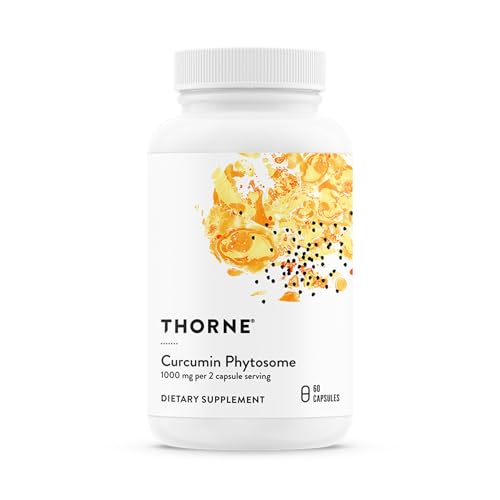 Check price on Amazon on Amazon for Thorne Curcumin Phytosome (Meriva) 1000 mg (opens in a new tab)
 Check price on Amazon on Amazon for Nutrivene Longvida Optimized Curcumin 500 mg (opens in a new tab)
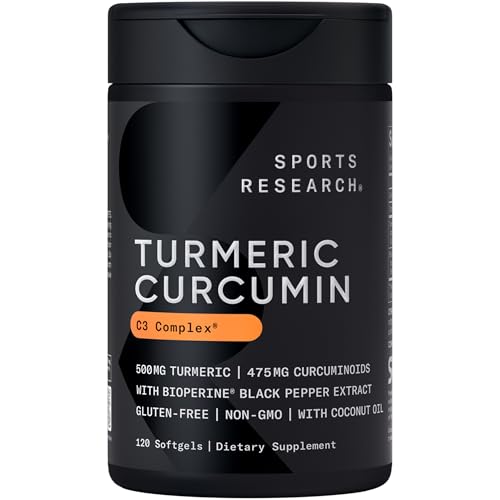 Check price on Amazon on Amazon for Sports Research Turmeric Curcumin C3 Complex with BioPerine (opens in a new tab)
Compare all 5 picks →Affiliate links. Disclosure.
Related content
More in Roots & Herbs
- Ashwagandha (Withania somnifera)
Ashwagandha side effects, who should avoid it, and drug interactions, plus what trials show for stress, sleep and strength at clinical doses.
- Basil (Ocimum basilicum)
Basil benefits: what lab and human studies show, vitamin K per serving, sweet basil vs holy basil, and the estragole and warfarin cautions.
- Black Pepper (Piper nigrum)
Black pepper benefits: how piperine raises absorption of curcumin and some drugs, what human studies show, side effects, and drug interactions.
- Cilantro / Coriander (Coriandrum sativum)
Cilantro vs parsley: how the two herbs differ in flavor, vitamin K and vitamin C, plus what the evidence says about cilantro benefits and safety.
- Cinnamon (Cinnamomum verum / C. cassia)
Ceylon cinnamon vs cassia: coumarin levels and liver risk, how much is safe per day, and what trials show for blood sugar and cholesterol.
- Garlic (Allium sativum)
Garlic benefits for blood pressure, cholesterol and colds: what trials show, how much raw garlic or supplement they used, and bleeding risks.

Curated by Superfoods Advisor Editors·Last updated