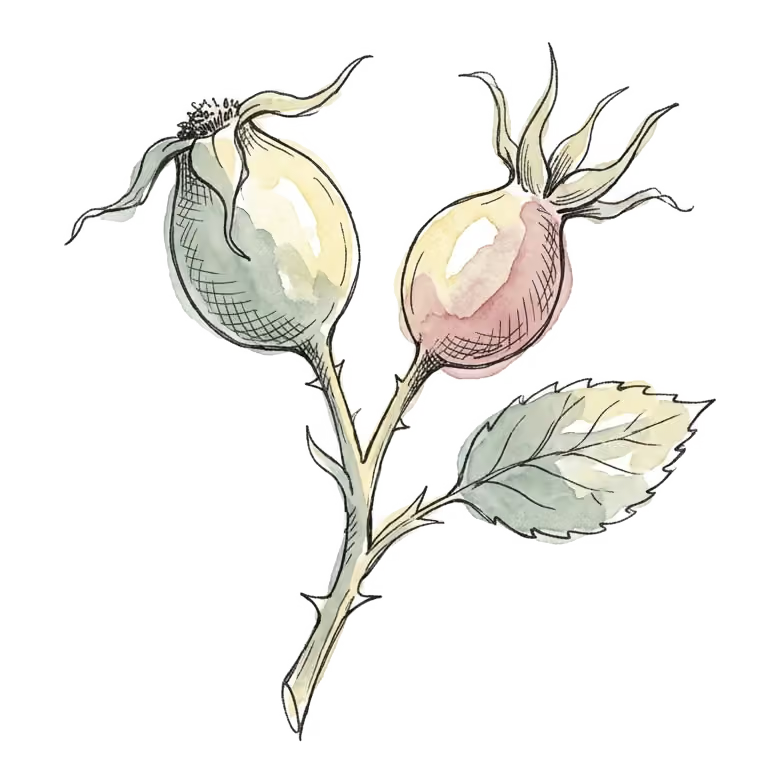
Rose Hip (Rosa canina)
Rosa canina · also known as dog rose hip, rose hep, hip berry, cynosbati fructus, nyponfrukt, rose hips, rosehip
By Superfoods Advisor Editors·July 3, 2026
Rose hips benefits: rich in vitamin C, and three trials of rose hip powder found modest osteoarthritis pain relief. Nutrition, tea, powder and safety.
Rose hips are the red-orange fruits of wild roses, mainly the dog rose (Rosa canina). Their two best-documented benefits are a high vitamin C content, 426 mg per 100 g of wild hips in USDA data, and modest osteoarthritis pain relief with a standardized powder in three manufacturer-supported trials.
Botanically, a rose hip is the accessory fruit — botanically a fleshy hypanthium enclosing the true achene seeds — of species within the genus Rosa, most notably Rosa canina (dog rose), Rosa eglanteria (sweetbriar), and Rosa rugosa (Japanese rose). Rosa canina is the most commercially significant species, native to Europe, northwest Africa, and western Asia and now naturalized throughout temperate regions worldwide. The small, oval to globose fruits ripen to a vivid red-orange in autumn and have been gathered as food in Europe since prehistoric times.
Across European folk medicine traditions, rose hips were gathered as a winter nutritional supplement at a time when fresh fruit was scarce. During World War II, the British government organized systematic collection of wild rose hips to produce rose hip syrup as a vitamin C supplement for children, compensating for the wartime loss of citrus imports. Contemporary scientific interest has expanded beyond vitamin C to a galactolipid fraction, sold as GOPO® (see Active Compounds), that has been proposed as an active constituent of the standardized rose hip powder studied in several randomized controlled trials for osteoarthritis pain.
Evidence at a glance
Active Compounds
- Ascorbic acid (vitamin C): Rose hip pulp is among the richest plant sources of vitamin C, with USDA FoodData Central listing 426 mg/100 g for wild hips and wild Romanian R. canina biotypes measuring 112–360 mg/100 g of pulp (Roman et al., 2013), compared with ~53 mg/100 g in raw orange (USDA FoodData Central). Content is highly variable by cultivar, ripeness, geography (including altitude), and post-harvest handling; vitamin C degrades rapidly upon drying and heat processing.
- Galactolipids (GOPO fraction): A glycolipid mixture including (2S)-1,2-di-O-α-linolenoyl-3-O-β-d-galactopyranosyl-sn-glycerol and related compounds; collectively referred to in commercial extracts as GOPO. The isolated galactolipid inhibited chemotaxis of human neutrophils in vitro (Larsen et al., 2003); the human trials tested whole rose hip powder, not the isolated compound.
- Carotenoids: β-carotene, lycopene, rubixanthin, zeaxanthin, lutein, and β-cryptoxanthin; amounts vary considerably between species and products (Al-Yafeai et al., 2018). Lycopene concentration is relatively high and unusual for a temperate European fruit (6.8 mg/100 g in wild hips per USDA FoodData Central).
- Polyphenols: Procyanidins (catechin, epicatechin oligomers), quercetin, kaempferol, isoquercitrin, tiliroside (a p-coumaroyl glucoside of kaempferol), and ellagic acid.
- Organic acids: Citric, malic, and quinic acids contribute to the characteristic tartness.
- Fatty acids (seed oil): Cold-pressed seed oil is high in α-linolenic acid (omega-3) and also carries phytosterols, tocopherols, and carotenoids (Grajzer et al., 2015); its composition is distinct from the pulp.
- Tocopherols (vitamin E): Present in both the hips and the seed oil; vitamin E content differs significantly between R. canina and R. rugosa (Al-Yafeai et al., 2018).
Nutritional Profile
Values for wild rose hips, per 100 g (USDA FoodData Central, “Rose Hips, wild (Northern Plains Indians),” FDC ID 168998):
| Nutrient | Amount | % DV |
|---|---|---|
| Energy | 162 kcal | — |
| Water | 58.7 g | — |
| Carbohydrates | 38.2 g | — |
| Dietary fiber | 24.1 g | — |
| Sugars | 2.6 g | — |
| Protein | 1.6 g | — |
| Total fat | 0.3 g | — |
| Vitamin C | 426 mg | 473% |
| Vitamin A (RAE) | 217 µg | 24% |
| Vitamin E | 5.8 mg | 39% |
| Vitamin K | 25.9 µg | 22% |
| Iron | 1.1 mg | 6% |
| Calcium | 169 mg | 13% |
Note: the USDA value for vitamin C (426 mg/100 g) is a reference figure for wild rose hips; dried rose hip powders can retain substantially less vitamin C, depending on drying temperature and storage conditions.
Evidence for Purported Benefits
Osteoarthritis Pain Reduction
Evidence:Moderate Three manufacturer-supported RCTs (n=287 pooled) show a modest pain reduction; independent replication is lacking.
The best-studied application of rose hip extract is symptomatic relief of osteoarthritis (OA), particularly hip and knee OA. The galactolipid GOPO has been proposed as an active fraction (Larsen et al., 2003), although in cell studies the isolated galactolipid had weaker effects than the whole powder, which presumably contains other active substances (Schwager et al., 2011). Three double-blind RCTs with parallel-arm or crossover designs have evaluated standardized rose hip powder (Litozin®/GOPO Joint Health):
Winther et al. (Scandinavian Journal of Rheumatology, 2005; n = 94, 3-month crossover) found standardized rose hip powder (5 g/day) significantly reduced WOMAC pain scores at 3 weeks compared with placebo and reduced rescue medication use. Rein et al. (Phytomedicine, 2004; n = 112, 3-month crossover, 5 g/day) reported a responder rate of 66% versus 36% on placebo in the first treatment period. Warholm et al. (Current Therapeutic Research, 2003; n = 100, 4 months) found reduced pain and improved hip mobility with rose hip powder versus placebo. A 2008 meta-analysis by Christensen et al. (Osteoarthritis and Cartilage; pooling data from these 3 manufacturer-supported trials, n = 287) estimated a pooled pain-reduction effect size (standardized mean difference) of 0.37 versus placebo. The meta-analysis authors called the data sparse and said efficacy and safety need independent replication in a large, long-term trial, and a systematic review noted that the clinical significance of the effect sizes had yet to be established (Chrubasik et al., 2008). The mechanism remains incompletely understood.
Anti-Inflammatory Biomarkers
Evidence:Preliminary One short human report on CRP, plus cell studies.
A short report by Winther et al. (Inflammopharmacology, 1999) found that four weeks of daily rose hip powder reduced serum CRP and neutrophil chemotaxis in healthy volunteers and patients with OA. In cell studies, rose hip powder and its galactolipid reduced prostaglandin E2 and nitric oxide production in macrophages and lowered matrix metalloproteinase gene expression in chondrocytes (Schwager et al., 2011). Lipophilic rose hip extracts inhibited COX-1 and COX-2 in vitro, apparently through constituents other than the galactolipid (Wenzig et al., 2008). The relevance of these in vitro findings to clinical pain outcomes has not been established.
Vitamin C and Immune Function
Evidence:Moderate A very rich vitamin C source, which supports normal immune function; no RCT has tested rose hip itself.
Rose hips are one of the richest known food sources of vitamin C per gram, and vitamin C is an established contributor to normal immune function (EFSA NDA Panel, 2009). However, the vitamin C content of processed rose hip products varies enormously; dried powders, teas, and extracts often have substantially lower vitamin C activity than fresh pulp. No human RCT has specifically attributed immune benefits to rose hip consumption independent of its vitamin C content. Consumers relying on rose hip as a primary vitamin C source should seek products with documented, retained ascorbic acid content verified by third-party analysis.
Cardiovascular Risk Markers
Evidence:Preliminary One six-week crossover RCT in 31 obese adults; fiber may explain the effect.
Andersson et al. (European Journal of Clinical Nutrition, 2012; n = 31 obese adults, 6-week double-blind crossover RCT) found that consumption of a rose hip drink (40 g rose hip powder/day) significantly reduced total cholesterol (−4.9%), LDL cholesterol (−6.0%), and systolic blood pressure (−3.4%) compared with control; body weight did not differ. Glucose tolerance and inflammation markers did not change. The authors speculated that the drink’s high fiber content (about 31 g/day) at least partly explained the cholesterol and blood-pressure effects. The small sample and short duration limit conclusions.
Antioxidant Activity
Evidence:Lab & animal only In vitro radical-scavenging and digestion-model data; human absorption data are scarce.
Rose hip extracts scavenge free radicals in vitro, and that activity tracked total phenolic content rather than vitamin C (Wenzig et al., 2008). The release of lycopene, rubixanthin and β-carotene from rose hip products has been measured in an in vitro digestion model (Al-Yafeai & Böhm, 2018); human absorption data are limited. As with other polyphenol research, laboratory antioxidant measures do not reliably predict clinical outcomes.
Typical Use and Preparation
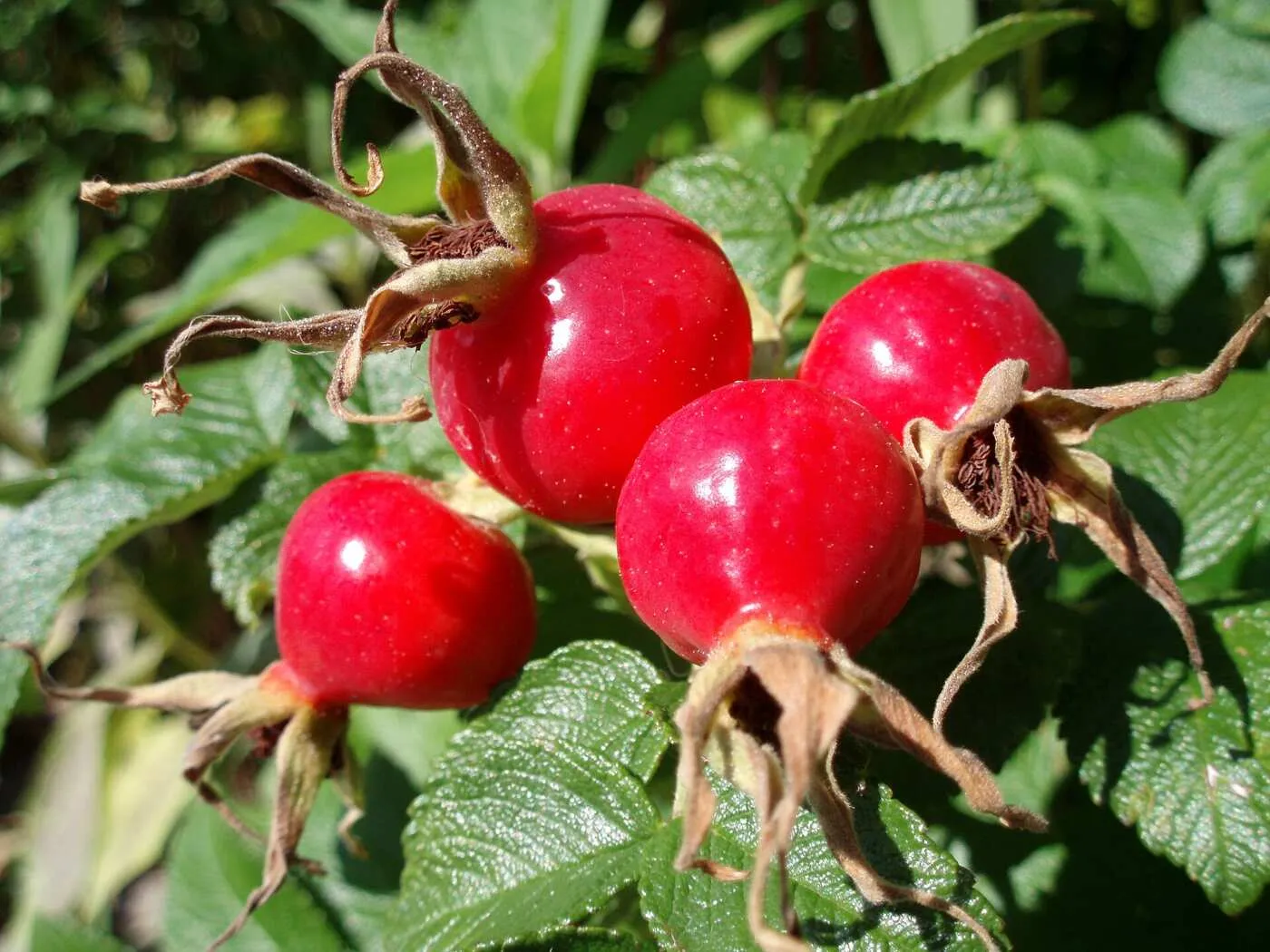 Photo: Morn the Gorn, CC BY-SA 3.0, via Wikimedia Commons
- Rose hip tea: Dried rose hips steeped in hot water (not boiling; excessive heat degrades vitamin C); 2–5 g per cup for 10–15 minutes. Widely available.
- Rose hip powder: Whole dried and ground rose hips, with or without seeds. The osteoarthritis trials used 5 g/day. Dissolves in water, juice, or yogurt. The osteoarthritis trials used a proprietary standardized powder (Hyben Vital, also sold as Litozin®).
- Rose hip syrup: Traditional preparation with high sugar content; widely made in the UK during WWII. Vitamin C content variable and often low due to heating.
- Rose hip seed oil: Cold-pressed from seeds; used topically in cosmetics and marketed for moisturizing and scar care (distinct from internal use; not covered in depth here).
- Standardized extracts: Galactolipid-standardized powders used in most OA clinical trials; dose typically 5 g/day of full-spectrum powder.
Rose hips are often bought for vitamin C, as are acerola cherry and camu camu, which both carry more of it per 100 g. The immune-nutrition guide summarizes what the research on that vitamin actually supports.
Safety, Interactions, and Contraindications
Rose hips are widely eaten as food, and no major side effects were reported in an osteoarthritis trial of 5 g/day powder (Rein et al., 2004). At supplemental doses:
- Vitamin K and anticoagulants: Rose hips contain significant vitamin K (25.9 µg/100 g in wild hips per USDA FoodData Central; higher in concentrated powders). Patients on warfarin should maintain consistent intake and inform their provider of supplemental use, as sudden changes in dietary vitamin K can destabilize INR.
- Vitamin C at high doses: Very high intakes of vitamin C (from concentrated rose hip products) can cause gastrointestinal effects (diarrhea, cramping) and raise urinary oxalate; people prone to kidney stones are advised to avoid 1 g/day or more (Linus Pauling Institute). The tolerable upper intake level for vitamin C in adults is 2,000 mg/day (Institute of Medicine, 2000).
- Iron overload: Vitamin C enhances non-heme iron absorption; individuals with hereditary hemochromatosis or other iron-loading conditions should be cautious with high-dose rose hip supplementation, and the NHS advises people with haemochromatosis to avoid vitamin C supplements (NHS).
- Pregnancy: Concentrated rose hip supplements have not been studied for safety in pregnancy; total vitamin C intake should stay below the tolerable upper intake level, which is 1,800 mg/day under age 19 and 2,000 mg/day for adults during pregnancy (Institute of Medicine, 2000).
- Seed hairs: The hairs surrounding the seeds are a skin and mucous membrane irritant; commercial preparations should be processed to remove them.
Frequently Asked Questions
What are rose hips?
Rose hips are the fruits that form after a rose flowers, most commonly from the dog rose (Rosa canina), sweetbriar or Japanese rose. They are small, oval and red-orange, ripening in autumn, with a fleshy outer layer around hairy seeds. In Europe they have been gathered as food since prehistoric times and are used today in tea, syrup, powder and jam.
Are rose hips edible?
Yes, the fleshy outer part of ripe rose hips is edible, raw or cooked, and has a tart, fruity flavor. The seeds are surrounded by fine hairs that irritate the skin, mouth and gut, so they should be removed or strained out, which commercial products do. Hips from ornamental roses sprayed with pesticides should not be eaten.
Do rose hips have vitamin C?
Yes, a lot. USDA data list 426 mg of vitamin C per 100 g of wild rose hips, about eight times the figure for raw orange, and wild Romanian dog rose hips measured 112–360 mg per 100 g of pulp. Vitamin C breaks down quickly with drying and heat, so teas, syrups and powders often contain much less.
How much rose hip should you take per day?
No official dose exists. The osteoarthritis trials used 5 g/day of a standardized rose hip powder, and the cholesterol trial used 40 g/day of powder in a drink. A cup of tea typically uses 2–5 g of dried hips. Anyone on warfarin, prone to kidney stones or with iron overload should check with a clinician before regular supplemental use.
Are rose hips safe during pregnancy?
Rose hips eaten as food are generally considered safe, but concentrated supplements have not been studied for safety in pregnancy. Total vitamin C intake in pregnancy should stay below the tolerable upper intake level, 2,000 mg/day for adults and 1,800 mg/day under age 19. Pregnant people considering rose hip supplements should ask a healthcare provider first.
References
Show all 20 referencesShow fewer
- Winther, K., Apel, K., & Thamsborg, G. (2005). A powder made from seeds and shells of a rose-hip subspecies (Rosa canina) reduces symptoms of knee and hip osteoarthritis. Scandinavian Journal of Rheumatology, 34(4), 302–308.
- Christensen, R., Bartels, E. M., Altman, R. D., Astrup, A., & Bliddal, H. (2008). Does the hip powder of Rosa canina (rosehip) reduce pain in osteoarthritis patients? A meta-analysis of randomized controlled trials. Osteoarthritis and Cartilage, 16(9), 965–972.
- Chrubasik, C., Roufogalis, B. D., Müller-Ladner, U., & Chrubasik, S. (2008). A systematic review on the Rosa canina effect and efficacy profiles. Phytotherapy Research, 22(6), 725–733.
- Rein, E., Kharazmi, A., & Winther, K. (2004). A herbal remedy, Hyben Vital (stand. powder of a subspecies of Rosa canina fruits), reduces pain and improves general wellbeing in patients with osteoarthritis. Phytomedicine, 11(5), 383–391.
- Andersson, U., Berger, K., Högberg, A., Landin-Olsson, M., & Holm, C. (2012). Effects of rose hip intake on risk markers of type 2 diabetes and cardiovascular disease. European Journal of Clinical Nutrition, 66(5), 585–590.
- USDA FoodData Central. Rose Hips, wild (Northern Plains Indians). FDC ID 168998. U.S. Department of Agriculture.
- Warholm, O., Skaar, S., Hedman, E., Mølmen, H. M., & Eik, L. (2003). The effects of a standardized herbal remedy made from a subtype of Rosa canina in patients with osteoarthritis. Current Therapeutic Research, 64(1), 21–31.
- Winther, K., Rein, E., & Kharazmi, A. (1999). The anti-inflammatory properties of rose-hip. Inflammopharmacology, 7(1), 63–68.
- Roman, I., Stănilă, A., & Stănilă, S. (2013). Bioactive compounds and antioxidant activity of Rosa canina L. biotypes from spontaneous flora of Transylvania. Chemistry Central Journal, 7(1), 73.
- Al-Yafeai, A., Malarski, A., & Böhm, V. (2018). Characterization of carotenoids and vitamin E in R. rugosa and R. canina: Comparative analysis. Food Chemistry, 242, 435–442.
- Grajzer, M., et al. (2015). Characteristics of rose hip (Rosa canina L.) cold-pressed oil and its oxidative stability studied by the differential scanning calorimetry method. Food Chemistry, 188, 459–466.
- Institute of Medicine. (2000). Dietary Reference Intakes for Vitamin C, Vitamin E, Selenium, and Carotenoids. National Academies Press.
- USDA FoodData Central. Oranges, raw, all commercial varieties. FDC ID 169097.
- Larsen, E., Kharazmi, A., Christensen, L. P., & Christensen, S. B. (2003). An antiinflammatory galactolipid from rose hip (Rosa canina) that inhibits chemotaxis of human peripheral blood neutrophils in vitro. Journal of Natural Products, 66(7), 994–995.
- Schwager, J., Hoeller, U., Wolfram, S., & Richard, N. (2011). Rose hip and its constituent galactolipids confer cartilage protection by modulating cytokine, and chemokine expression. BMC Complementary and Alternative Medicine, 11, 105.
- Wenzig, E. M., et al. (2008). Phytochemical composition and in vitro pharmacological activity of two rose hip (Rosa canina L.) preparations. Phytomedicine, 15(10), 826–835.
- Al-Yafeai, A., & Böhm, V. (2018). In vitro bioaccessibility of carotenoids and vitamin E in rosehip products and tomato paste as affected by pectin contents and food processing. Journal of Agricultural and Food Chemistry, 66(15), 3801–3809.
- EFSA Panel on Dietetic Products, Nutrition and Allergies. (2009). Scientific Opinion on the substantiation of health claims related to vitamin C (including function of the immune system). EFSA Journal, 7(9), 1226.
- Linus Pauling Institute. Vitamin C. Micronutrient Information Center, Oregon State University.
- NHS. Haemochromatosis: Treatment.
More in Berries
- Acai Berry (Euterpe oleracea)
Is acai good for you? What small human trials show on acai benefits for antioxidants, lipids and blood sugar, plus nutrition, acai bowls and safety.
- Acerola Cherry (Malpighia emarginata)
Acerola cherry benefits come mostly from its vitamin C, about 1,680 mg per 100 g. What the evidence shows for immunity, skin and antioxidants, and safety.
- Blackberry (Rubus fruticosus)
What are blackberries good for? Fiber (5.3 g per 100 g), vitamin C, vitamin K and anthocyanins. Blackberry benefits, nutrition and what research shows.
- Blackcurrant (Ribes nigrum)
Blackcurrant benefits: a tart berry with 181 mg vitamin C per 100 g and dense anthocyanins. Small trials on eye fatigue, exercise recovery and cognition.
- Blueberry (Vaccinium corymbosum)
Are blueberries good for you? Trials suggest a daily cup (150 g) may help blood-vessel function; memory and blood-sugar data are early. Nutrition, safety.
- Camu Camu (Myrciaria dubia)
What is camu camu, and what are its benefits? An Amazonian berry with 1,800–3,000 mg vitamin C per 100 g, small trials on inflammation, and safety notes.

Curated by Superfoods Advisor Editors·Last updated