
Buckwheat (Fagopyrum esculentum)
Fagopyrum esculentum · also known as common buckwheat, kasha, soba, beechwheat
By Superfoods Advisor Editors·July 3, 2026
Is buckwheat gluten free? Yes: it is a seed unrelated to wheat. Buckwheat nutrition, rutin, glycemic index, benefits, allergy and side effects.
Yes, buckwheat is gluten free. Buckwheat (Fagopyrum esculentum) is not a grain or a type of wheat but the seed of a flowering plant in the rhubarb and sorrel family (Polygonaceae), eaten like a cereal and known as kasha when toasted. People with celiac disease should still buy certified gluten-free buckwheat, because it is often milled alongside wheat.
Originating in southern China, where most wild Fagopyrum species grow (Ohsako & Li, 2020), buckwheat cultivation spread westward along trade routes into Central Asia and Europe, and later reached the Americas. In Russia and Eastern Europe, roasted buckwheat groats (kasha) became a staple grain food that persists today. In Japan, buckwheat flour has been the basis of soba noodles for centuries. In France, buckwheat crêpes (galettes) are a regional specialty of Brittany.
Botanically, the “grain” of buckwheat is actually a fruit — a three-sided achene — but it is processed and consumed as a cereal grain. When the hull is removed, the interior groat can be eaten whole, cracked, or milled into flour. Buckwheat is naturally gluten-free and is often positioned as an alternative grain for individuals with celiac disease, though processing cross-contamination must be considered. Interest in buckwheat has grown among nutritional researchers due to its flavonoid content, particularly rutin, and its favorable amino acid and mineral profile.
Evidence at a glance
Is Buckwheat Gluten Free?
Buckwheat is naturally gluten free: it is a pseudocereal unrelated to wheat, barley and rye, the grasses whose proteins make up gluten. Whole groats, kasha and pure buckwheat flour contain no gluten. Two practical caveats apply for people with celiac disease or gluten sensitivity.
Cross-contamination: Buckwheat is commonly milled and packed in facilities that also handle wheat, so trace gluten can get in. Products certified gluten-free by a third party are the safer choice.
Blended products: Buckwheat flour mixes, pancake mixes and most commercial soba noodles combine buckwheat with wheat flour. Only 100% buckwheat soba (juwari soba) is gluten-free, so the ingredient list matters more than the product name. Other naturally gluten-free whole grains include amaranth, quinoa and millet.
Active Compounds
Buckwheat contains several bioactive compounds absent or present only in trace amounts in common cereals:
- Rutin (quercetin-3-O-rutinoside): A flavonoid glycoside concentrated in the outer layers of the buckwheat seed and especially in buckwheat sprouts. Rutin inhibits platelet aggregation in vitro, has long been studied for capillary fragility, and shows anti-inflammatory activity in animal models. Common buckwheat seeds contain roughly 0.01% rutin by dry weight (about 10 mg per 100 g), while Tartary buckwheat (F. tataricum) seeds contain about 0.8–1.7% (roughly 800–1,700 mg per 100 g); content varies with variety and growing conditions (Fabjan et al., 2003).
- Quercetin: Both as a free aglycone and as rutin’s enzymatic hydrolysis product; quercetin is a well-studied flavonoid with antioxidant and anti-inflammatory activity in vitro.
- D-chiro-inositol: A cyclitol that may act as a secondary mediator of insulin signaling. In buckwheat seeds it occurs mostly bound as fagopyritols, concentrated in the bran (Steadman et al., 2000); a rat study found lower blood glucose after a buckwheat concentrate (Kawa et al., 2003), but human clinical evidence is limited.
- Fagopyritols: Water-soluble galactosyl D-chiro-inositols that may also influence insulin action.
- Resistant starch: Present in raw and cooked (then cooled) buckwheat; contributes to lower glycemic response and serves as substrate for colonic fermentation.
- Amino acid profile: Buckwheat protein has a well-balanced essential amino acid pattern with more lysine than most cereals (about 5 g per 100 g protein in USDA FoodData Central data) and relatively high arginine. In a rat ileal-digestibility study, cooked buckwheat had a DIAAS of 68, the highest of nine cereal grains tested but below the score of 75 usually used for a “good” protein source (Han et al., 2019).
- Phytic acid: Present and may limit mineral bioavailability; reduced by soaking and fermentation.
Nutritional Profile
Values are approximate per 100 g of cooked buckwheat groats, roasted (USDA FoodData Central):
| Nutrient | Amount | % DV |
|---|---|---|
| Energy | 92 kcal | — |
| Protein | 3.4 g | — |
| Total fat | 0.6 g | — |
| Carbohydrate | 19.9 g | — |
| Dietary fiber | 2.7 g | — |
| Magnesium | 51 mg | 12% |
| Phosphorus | 70 mg | 6% |
| Copper | 0.15 mg | 16% |
| Manganese | 0.40 mg | 18% |
| Niacin (B3) | 0.9 mg | 6% |
| Iron | 0.8 mg | 4% |
| Zinc | 0.6 mg | 6% |
In one human study, boiled buckwheat groats had a glycemic index (GI) of 61 (Skrabanja et al., 2001), lower than the pooled values for boiled white rice (~73) and white wheat bread (~75) (Atkinson et al., 2008), though GI values depend substantially on cooking method, variety, and co-consumed foods.
Evidence for Purported Benefits
Blood Glucose and Insulin Response
Evidence:Preliminary One small acute study in healthy volunteers plus rat data; no longer-term human trials.
Buckwheat appears to raise blood glucose less than white bread, but the human data come from short, small studies. Small studies suggest buckwheat may attenuate postprandial glycemia relative to refined wheat. In healthy volunteers (Skrabanja et al., 2001, Journal of Agricultural and Food Chemistry), boiled buckwheat groats and a bread made with 50% buckwheat groats produced significantly lower postprandial glucose and insulin responses than white wheat bread, with a glycemic index of 61 for the boiled groats. In streptozotocin-diabetic rats (Kawa et al., 2003, Journal of Agricultural and Food Chemistry), a single dose of a D-chiro-inositol-containing buckwheat concentrate lowered serum glucose by about 12–19% at 90–120 minutes; this has not been tested in a comparable human trial. The proposed mechanisms include slowed starch digestion, D-chiro-inositol-mediated insulin signaling, and resistant starch. Studies are generally small and short-term; results should be viewed as hypothesis-generating rather than definitive.
Cardiovascular Risk Markers
Evidence:Preliminary One cross-sectional study of 850 adults plus lab and animal data on rutin; no RCTs.
Rutin’s ability to inhibit platelet aggregation and improve microvascular permeability has been demonstrated in vitro and in animal models. In a cross-sectional study of 850 Yi people in southwest China (He et al., 1995, American Journal of Clinical Nutrition), each 100 g/day of buckwheat intake was associated with slightly lower serum total and LDL cholesterol and a higher HDL-to-total cholesterol ratio. However, observational designs cannot establish causation, and confounding by overall dietary pattern is likely. Well-powered randomized trials specifically examining buckwheat on cardiovascular endpoints in humans are lacking.
Antioxidant Status
Evidence:Preliminary One small crossover trial found lower myeloperoxidase with high-rutin cookies; other data are in vitro.
Buckwheat’s high rutin content correlates with high in vitro radical-scavenging activity. A small double-blind crossover study (Wieslander et al., 2011, Tohoku Journal of Experimental Medicine; n = 62 day-care staff) found that two weeks of high-rutin tartary buckwheat cookies lowered serum myeloperoxidase, a marker of inflammation and oxidative activity, compared with common buckwheat cookies. Biomarker changes in small intervention studies do not necessarily translate to reduced disease incidence.
Cholesterol Reduction
Evidence:Preliminary Rat studies, one cross-sectional study, and one small crossover trial without a non-buckwheat control.
In rat studies, buckwheat protein lowered plasma cholesterol compared with casein, apparently by increasing fecal excretion of neutral sterols, an effect the authors linked to the protein’s low digestibility (Kayashita et al., 1997). Human evidence is limited to the cross-sectional He et al. (1995) association described above and the Wieslander et al. (2011) crossover study, in which total cholesterol (and HDL cholesterol) fell over four weeks of eating either type of buckwheat cookie; that study had no non-buckwheat control.
Typical Use and Preparation
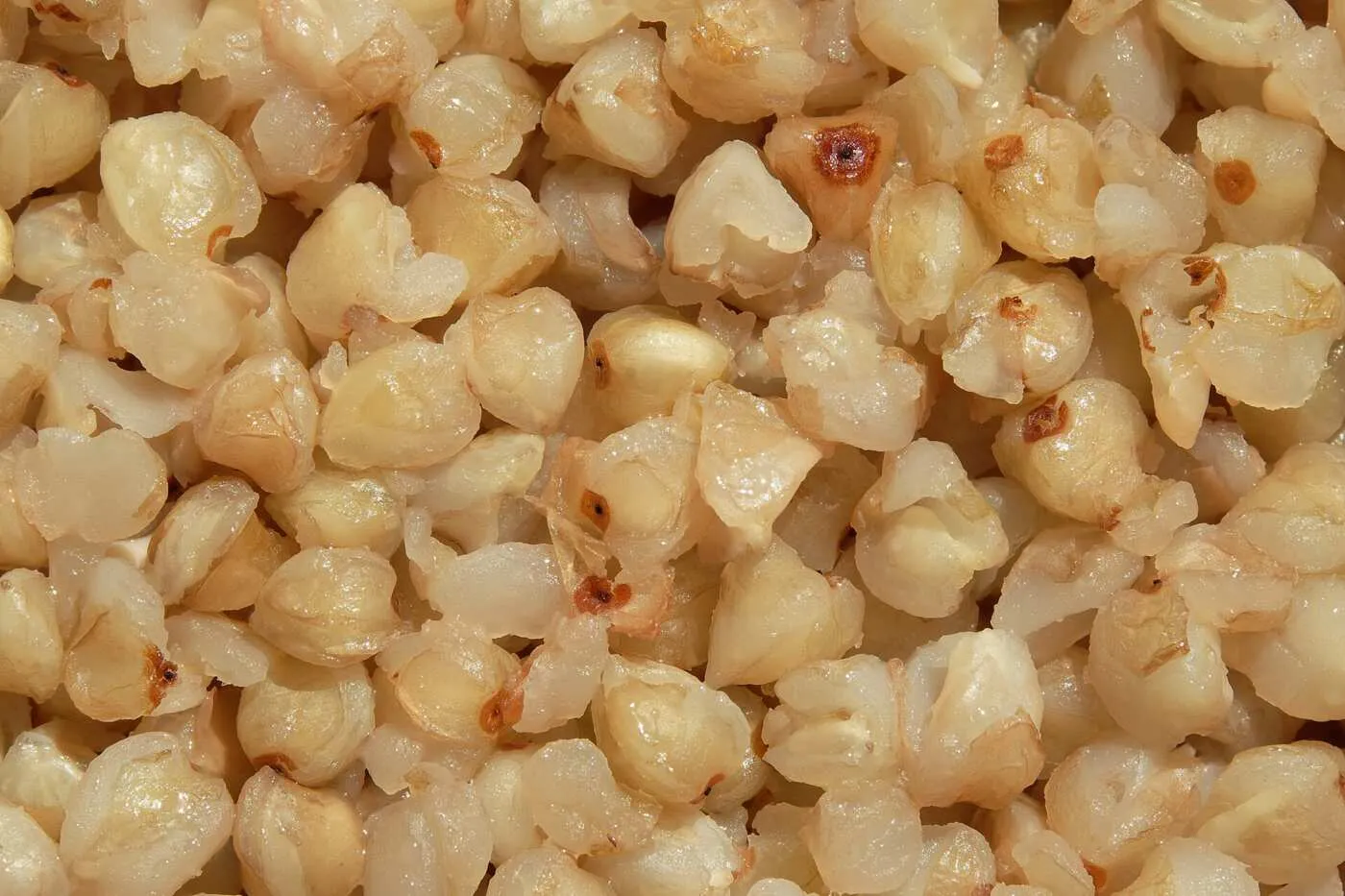 Photo: V.Boldychev, CC BY-SA 4.0, via Wikimedia Commons
Whole groats (kasha): Buckwheat groats can be dry-toasted in a pan before boiling to produce kasha — this deepens their nutty flavor. Toast over medium heat for 3–5 minutes, then add boiling water (1:2 ratio), cover, and cook for 10–15 minutes. Untoasted groats produce a milder, softer texture.
Soba noodles: Traditional 100% buckwheat soba noodles (juwari soba) are gluten-free; many commercial soba products blend in a substantial share of wheat flour to improve texture and reduce cost. Consumers with celiac disease must verify the composition on the label.
Buckwheat flour: Used in pancakes, crêpes, and as a partial flour substitute in baked goods. It has no gluten network-forming capacity, so bread made entirely from buckwheat flour is dense. Blending with gluten-free starches (tapioca, potato starch) improves texture.
Glycemic index and cooking: The glycemic index of buckwheat varies with preparation. Whole cooked groats generally produce a lower glycemic response than products made from finely milled buckwheat flour. Cooling cooked groats for several hours before reheating increases resistant starch content and may further reduce glycemic response.
Sprouting: Germinating buckwheat seeds over about three days increased rutin and other phenolics and lowered phytic acid in one laboratory study (Zhang et al., 2015), which may improve mineral bioavailability. Larger multi-fold rutin gains are reported in sprouts grown for a week or more (Ling et al., 2018); see the fagopyrin note below.
Our review of fiber and microbiome research points to whole grains like buckwheat as a way to keep fiber up on a gluten-free diet.
Safety, Interactions, and Contraindications
Buckwheat allergy: Buckwheat is a recognized food allergen, particularly in Japan and South Korea where soba consumption is widespread. Allergic reactions range from mild urticaria to anaphylaxis. Several IgE-binding allergens have been characterized, including Fag e 1, Fag e 2 and Fag e 3 in common buckwheat; population prevalence is estimated at about 0.1–0.4% in Japan, Korea and buckwheat-eating areas of China, and severe reactions are rare (Norbäck & Wieslander, 2021). Individuals with known buckwheat allergy must avoid all buckwheat-containing products.
Cross-reactivity with latex: Clinically relevant cross-reactivity has been described between buckwheat and latex, as well as peanut, coconut, quinoa and poppy seed (De Maat-Bleeker & Stapel, 1998; Norbäck & Wieslander, 2021); individuals with latex allergy should be cautious on first exposure.
Gluten cross-contamination: Buckwheat itself is gluten-free, but it is commonly processed in facilities handling wheat. Individuals with celiac disease should use certified gluten-free buckwheat products.
Fagopyrism (photosensitization): Buckwheat plants contain fagopyrins, phototoxic naphthodianthrones that cause photosensitization in livestock grazing large quantities of green plant material. A systematic review found no reliable quantitative toxicity data, but concluded that buckwheat seeds, flour and teas are generally safe in normal amounts, while diets made up largely of buckwheat sprouts, green herb, flowers or fagopyrin-rich extracts may cause fagopyrism (Benković & Kreft, 2015).
Medication interactions: Interactions between buckwheat and medications have not been studied systematically. The D-chiro-inositol content could theoretically have additive effects in individuals taking insulin sensitizers; this has not been studied clinically.
Frequently Asked Questions
What is buckwheat?
Buckwheat is the triangular seed of Fagopyrum esculentum, a flowering plant in the family Polygonaceae, related to rhubarb and sorrel rather than wheat. Once the hull is removed, the groat is cooked whole, toasted into kasha, or milled into flour for soba noodles, crêpes and pancakes. It originated in southern China and is a staple in Eastern Europe.
Is buckwheat a grain?
Not botanically. Buckwheat is a pseudocereal: its “grain” is a fruit (an achene) from a broadleaf plant, not the seed of a grass like wheat, rice or oats. It is cooked and eaten like a cereal grain. Quinoa and amaranth are other pseudocereals.
Is buckwheat flour gluten free?
Pure buckwheat flour is gluten free. Check the label anyway, because many buckwheat flour blends, pancake mixes and soba noodles include wheat flour, and buckwheat is often milled where wheat is processed. People with celiac disease should look for a certified gluten-free mark. Buckwheat flour has no gluten network, so all-buckwheat breads are dense.
Is buckwheat good for you?
Buckwheat is a nutritious whole-grain alternative with fiber, magnesium, copper, manganese and protein with more lysine than most cereals. Small studies suggest it raises blood glucose less than white bread, and one cross-sectional study linked higher intake to slightly lower cholesterol. These findings are preliminary; no large randomized trials have tested health outcomes.
Can you eat buckwheat raw?
Raw groats are often soaked or sprouted rather than eaten dry, and soaking or sprouting also lowers phytic acid. A systematic review concluded that buckwheat seeds and flour are generally safe in normal amounts. Diets made up largely of buckwheat sprouts, green plant parts or fagopyrin-rich extracts, however, may cause photosensitivity (fagopyrism), so sprouts are best eaten in moderation.
What are the side effects of buckwheat?
The main risk is allergy. Buckwheat is a recognized allergen, especially in Japan and Korea, with reactions ranging from hives to anaphylaxis, and it can cross-react with latex, peanut, quinoa and poppy seed. Large amounts of sprouts or green buckwheat may cause photosensitivity. Anyone with a known buckwheat allergy should avoid it entirely.
References
Show all 16 referencesShow fewer
- Skrabanja, V., et al. (2001). Nutritional properties of starch in buckwheat products: Studies in vitro and in vivo. Journal of Agricultural and Food Chemistry, 49(1), 490–496.
- Kawa, J. M., Taylor, C. G., & Przybylski, R. (2003). Buckwheat concentrate reduces serum glucose in streptozotocin-diabetic rats. Journal of Agricultural and Food Chemistry, 51(25), 7287–7291.
- He, J., Klag, M. J., Whelton, P. K., et al. (1995). Oats and buckwheat intakes and cardiovascular disease risk factors in an ethnic minority of China. American Journal of Clinical Nutrition, 61(2), 366–372.
- Wieslander, G., Fabjan, N., Vogrinčič, M., et al. (2011). Eating buckwheat cookies is associated with the reduction in serum levels of myeloperoxidase and cholesterol: A double blind crossover study in day-care centre staffs. Tohoku Journal of Experimental Medicine, 225(2), 123–130.
- USDA FoodData Central. (2019). Buckwheat groats, roasted, cooked. FDC ID 170686. U.S. Department of Agriculture.
- Fabjan, N., Rode, J., Košir, I. J., et al. (2003). Tartary buckwheat (Fagopyrum tataricum Gaertn.) as a source of dietary rutin and quercitrin. Journal of Agricultural and Food Chemistry, 51(22), 6452–6455.
- Han, F., et al. (2019). Digestible indispensable amino acid scores of nine cooked cereal grains. British Journal of Nutrition, 121(1), 30–41.
- Atkinson, F. S., Foster-Powell, K., & Brand-Miller, J. C. (2008). International tables of glycemic index and glycemic load values: 2008. Diabetes Care, 31(12), 2281–2283.
- Zhang, G., et al. (2015). Effects of germination on the nutritional properties, phenolic profiles, and antioxidant activities of buckwheat. Journal of Food Science, 80(5), H1111–H1119.
- Ling, A., et al. (2018). Dynamic changes in polyphenol compounds, antioxidant activity, and PAL gene expression in different tissues of buckwheat during germination. Journal of the Science of Food and Agriculture, 98(15), 5723–5730.
- Norbäck, D., & Wieslander, G. (2021). A review on epidemiological and clinical studies on buckwheat allergy. Plants, 10(3), 607.
- De Maat-Bleeker, F., & Stapel, S. O. (1998). Cross-reactivity between buckwheat and latex. Allergy, 53(5), 538–539.
- Benković, E. T., & Kreft, S. (2015). Fagopyrins and protofagopyrins: Detection, analysis, and potential phototoxicity in buckwheat. Journal of Agricultural and Food Chemistry, 63(24), 5715–5724.
- Kayashita, J., Shimaoka, I., Nakajoh, M., Yamazaki, M., & Kato, N. (1997). Consumption of buckwheat protein lowers plasma cholesterol and raises fecal neutral sterols in cholesterol-fed rats because of its low digestibility. Journal of Nutrition, 127(7), 1395–1400.
- Steadman, K. J., Burgoon, M. S., Schuster, R. L., Lewis, B. A., Edwardson, S. E., & Obendorf, R. L. (2000). Fagopyritols, D-chiro-inositol, and other soluble carbohydrates in buckwheat seed milling fractions. Journal of Agricultural and Food Chemistry, 48(7), 2843–2847.
- Ohsako, T., & Li, C. (2020). Classification and systematics of the Fagopyrum species. Breeding Science, 70(1), 93–100.
More in Grains & Legumes
- Amaranth (Amaranthus spp.)
Amaranth benefits and nutrition: a gluten-free pseudocereal high in lysine, manganese and iron, what human studies show, and its side effects.
- Beans (Phaseolus spp.)
Beans benefits and nutrition: protein, fiber, folate and resistant starch in navy, pinto, black and kidney beans, what studies show, and side effects.
- Black Beans (Phaseolus vulgaris)
Black beans vs pinto beans compared, plus black beans nutrition and benefits: 8.9 g protein and 8.7 g fiber per 100 g cooked, and what studies show.
- Brown Rice (Oryza sativa)
Brown rice vs white rice: brown keeps the bran, with 4x the fiber and 3x the magnesium, a slightly lower GI and more arsenic. Benefits and evidence.
- Chickpeas (Cicer arietinum)
Chickpeas (garbanzo beans) benefits and nutrition: 8.9 g protein, 7.6 g fiber and 43% DV folate per 100 g, a GI near 28, what studies show, side effects.
- Edamame (Glycine max)
Is edamame good for you? These young soybeans give 11.9 g complete protein, 5.2 g fiber and 78% DV folate per 100 g. Benefits, downsides and safety.

Curated by Superfoods Advisor Editors·Last updated