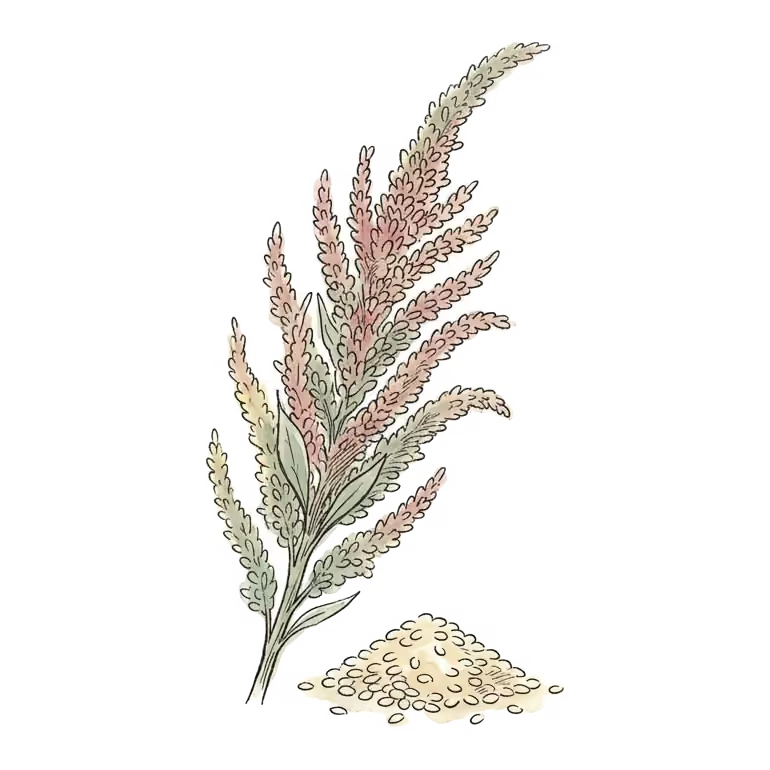
Amaranth (Amaranthus spp.)
Amaranthus spp. · also known as kiwicha, huautli, alegría, rajgira, amaranth grain
By Superfoods Advisor Editors·July 3, 2026
Amaranth benefits and nutrition: a gluten-free pseudocereal high in lysine, manganese and iron, what human studies show, and its side effects.
Amaranth (Amaranthus spp.) is a gluten-free pseudocereal: the tiny seed of a broadleaf plant in the family Amaranthaceae, eaten like a grain. Its main nutritional draw is protein unusually rich in lysine plus notable manganese, magnesium and iron. Human evidence for specific health benefits is thin, and small studies suggest cooked or popped amaranth raises blood glucose quickly.
Amaranthus hypochondriacus, A. cruentus and A. caudatus are the three species most often grown for food. It is also known as kiwicha in the Andes, huautli in Nahuatl, and rajgira in India. The Aztecs treated amaranth as a sacred staple alongside maize; Spanish colonizers suppressed it in the sixteenth century, but it survived in highland Mexico, Peru and Bolivia.
Unlike wheat and rice, amaranth is not a grass. The seeds have a nutty, slightly earthy flavor and cook into a porridge-like texture. Both leaves and seeds are edible; this entry covers the seed.
Evidence at a glance
Active Compounds
Amaranth seeds contain a notable array of bioactive constituents:
- Complete amino acid profile: Amaranth supplies all nine essential amino acids, including lysine at concentrations (about 5.5 g per 100 g protein in USDA FoodData Central data for the uncooked grain) substantially higher than most cereal grains. Lysine is typically the first limiting amino acid in maize- and wheat-based diets.
- Squalene: An isoprenoid lipid found at about 7–10 g per 100 g of oil in raw grain from six varieties (Rodas & Bressani, 2009), considerably higher than in most plant oils. Preclinical studies suggest squalene may have antioxidant properties, though human evidence remains preliminary.
- Tocopherols: Amaranth oil is rich in vitamin E compounds (mainly α- and β-tocopherol in USDA FoodData Central data), which protect polyunsaturated fatty acids from oxidation.
- Phenolic compounds: Including rutin and other quercetin glycosides plus hydroxybenzoic and p-coumaric acids, with rutin the main radical scavenger in one analysis (Kraujalis et al., 2013); these may contribute to in vitro antioxidant capacity. Clinical relevance in humans is not yet established.
- Phytosterols: Amaranth oil contains plant sterols. Plant sterols can modestly reduce intestinal cholesterol absorption, but only at gram-level intakes far above what a serving of the grain supplies.
- Starch structure: Amaranth starch is low in amylose (about 12% in one analysis, so mostly amylopectin) and has very small granules (mean about 3 µm; Shen et al., 2024), which contribute to its digestibility profile and may influence postprandial glucose response.
Nutritional Profile
Values are approximate per 100 g of cooked amaranth (USDA FoodData Central):
| Nutrient | Amount | % DV |
|---|---|---|
| Energy | 102 kcal | — |
| Protein | 3.8 g | — |
| Total fat | 1.6 g | — |
| Carbohydrate | 18.7 g | — |
| Dietary fiber | 2.1 g | — |
| Iron | 2.1 mg | 12% |
| Magnesium | 65 mg | 15% |
| Phosphorus | 148 mg | 12% |
| Calcium | 47 mg | 4% |
| Zinc | 0.9 mg | 8% |
| Manganese | 0.9 mg | 37% |
| Folate | 22 µg | 6% |
Amaranth provides more calcium, iron, and magnesium per serving than most common cereal grains on an equal cooked-weight basis. It is naturally free of gluten-containing proteins (gliadin, glutenin), and in laboratory immune studies amaranth proteins showed no cross-reactivity with wheat gliadin (Bergamo et al., 2011), though cross-contamination during processing is a practical concern (see Safety section).
Evidence for Purported Benefits
Cardiovascular Risk Markers
Evidence:Limited Two small trials of amaranth oil; results conflict, and one found higher LDL cholesterol.
A Russian clinical study (Gonor et al., 2006, Voprosy Pitaniia) added amaranth oil to a cholesterol-lowering diet in patients with ischemic heart disease and hyperlipoproteinemia, comparing doses that supplied 100–600 mg of squalene per day; the 600 mg dose was associated with the most favorable changes in serum cholesterol and triglycerides. Because every group followed a therapeutic diet, the contribution of amaranth oil itself is difficult to isolate. Results are not consistent: a randomized double-blind crossover trial in overweight and obese adults (Dus-Zuchowska et al., 2019, Nutrients) found that 20 mL/day of amaranth oil raised total and LDL cholesterol compared with rapeseed oil. Larger, rigorously controlled trials are needed before firm conclusions can be drawn.
Blood Glucose Response
Evidence:Preliminary One small study in type 2 diabetes measured a high glycemic index; DPP-4 effects come from cell and rat work.
Amaranth does not appear to help blood sugar control as a food; the limited data point the other way. It behaves as a high-glycemic food, likely because of its small starch granules, very low resistant starch, and the loss of starch structure during heating. In a small study in people with type 2 diabetes, popped amaranth with milk had a glycemic index of about 97, while a 25:75 amaranth–wheat flour diet scored about 66 (Chaturvedi et al., 1997). In vitro, cooked, extruded and popped seeds all had predicted glycemic indexes similar to or above white bread; only raw seeds scored lower (Capriles et al., 2008). Peptides from amaranth protein hydrolysis inhibited dipeptidyl peptidase-4 (DPP-4), an enzyme relevant to blood glucose regulation, in vitro (Velarde-Salcedo et al., 2013), and a popped-amaranth diet reversed raised plasma DPP-4 activity in hyperglycemic rats (Velarde-Salcedo et al., 2017); human clinical evidence is lacking.
Protein Quality and Complementarity
Evidence:Moderate High lysine content is well documented; protein quality scores vary widely by variety, and human outcome data are scarce.
Reported protein digestibility-corrected amino acid scores (PDCAAS) for amaranth vary widely with variety and method; a rat study of four Argentine varieties found values of only about 0.24–0.36, with valine as the limiting amino acid (Aguilar et al., 2015). Its high lysine content makes it a useful complement to maize or wheat, which are lysine-deficient. This is a chemical and digestibility finding; clinical outcomes such as lean mass accrual from amaranth-supplemented diets have not been extensively studied in humans.
Antioxidant Activity
Evidence:Lab & animal only In vitro radical-scavenging data only; amaranth had the lowest phenol content of four grains compared.
Amaranth extracts show radical-scavenging activity in vitro, but the grain is not an especially rich source: in one comparison, amaranth seeds had the lowest total phenol content of four grains tested, below buckwheat, quinoa, and wheat (Alvarez-Jubete et al., 2010). Whether these effects translate to meaningful changes in systemic oxidative stress biomarkers in humans is unknown; no well-powered intervention trials have been published as of mid-2026.
Typical Use and Preparation
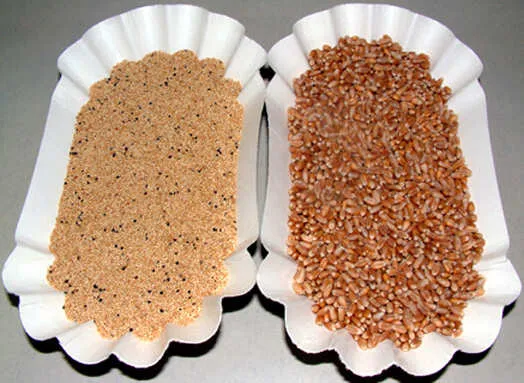 Photo: Burgkirsch, CC BY-SA 2.0 de, via Wikimedia Commons
Whole cooked grain: Rinse 1 part amaranth, combine with 2–2.5 parts water, bring to a boil, then simmer 20 minutes until water is absorbed. The cooked texture is somewhat sticky and porridge-like. Soaking before cooking may reduce phytate content (see below).
Popped amaranth: Seeds can be dry-toasted in a hot pan (no oil) for a few seconds until they pop, producing a light, crunchy topping for yogurt, salads, or granola bars. Popped amaranth has a high glycemic response, somewhat higher than cooked seeds in vitro (Capriles et al., 2008).
Flour: Amaranth flour can replace part of the wheat flour in baked goods. Higher substitution rates produce denser results due to the absence of gluten. It is suitable for gluten-free formulations when entirely substituting wheat.
Soaking to reduce antinutrients: Soaking seeds and discarding the soaking water reduces phytic acid (which binds minerals) and tannin content. In one study, soaking followed by germination (sprouting) cut phytic acid by about 30% and tannins by about 32% in amaranth while raising phenolic content (Thakur et al., 2021).
The plant-based protein guide covers protein quality and complementarity in pseudocereals such as quinoa, which applies to amaranth as well. For other gluten-free whole grains, see buckwheat and millet.
Safety, Interactions, and Contraindications
Amaranth is a common food that most people eat without problems. Allergy is rare but documented: a case of anaphylaxis after eating amaranth seed flour was reported in India (Kasera et al., 2013).
Gluten cross-contamination: Amaranth does not inherently contain gluten, but commercial processing facilities often handle gluten-containing grains. Individuals with celiac disease should purchase amaranth certified gluten-free by a recognized body (e.g., GFCO, NSF Gluten-Free).
Oxalate content: Amaranth leaves are high in oxalic acid, which may be a concern for individuals with calcium oxalate kidney stones or renal impairment. The seeds are also a meaningful oxalate source: 30 grain genotypes averaged about 229 mg total oxalate per 100 g, mostly in insoluble form, and boiling did not lower the total (Gélinas & Seguin, 2007). Those with a history of oxalate kidney stones should consult a healthcare provider.
Phytic acid and mineral absorption: Like all grains and seeds, amaranth contains phytic acid, which can reduce the bioavailability of iron, zinc, and calcium. Soaking, sprouting, and fermentation can lower phytate levels (Thakur et al., 2021).
Medication interactions: Drug interactions with amaranth or amaranth oil have not been formally studied. Individuals taking lipid-lowering medications should not substitute amaranth or amaranth oil for prescribed therapy; in one trial, amaranth oil raised LDL cholesterol (Dus-Zuchowska et al., 2019).
Regulatory and Quality Notes
Amaranth is a food ingredient (not a dietary supplement) regulated as such by the FDA in the United States and by equivalent agencies in other jurisdictions. No specific health claims are approved for amaranth in the US or EU. Consumers seeking gluten-free certified products should verify third-party certification on the label.
Frequently Asked Questions
Is amaranth gluten free?
Yes. Amaranth contains none of the gluten proteins (gliadin, glutenin) found in wheat, and in laboratory immune studies its proteins showed no cross-reactivity with wheat gliadin. The practical risk is cross-contamination, since many mills also process wheat, barley or rye. People with celiac disease should choose amaranth carrying a third-party gluten-free certification such as GFCO.
Is amaranth good for you?
Amaranth is a nutrient-dense whole grain alternative. Per 100 g cooked it provides about 3.8 g protein, 2.1 g fiber, 2.1 mg iron, 65 mg magnesium and over a third of the Daily Value for manganese. Its protein is high in lysine. Claimed effects on cholesterol, blood sugar and oxidative stress rest on small, conflicting or laboratory studies.
Amaranth vs quinoa: which is more nutritious?
They are close relatives with similar profiles. Per 100 g cooked, amaranth has slightly more iron (2.1 mg vs 1.5 mg) and manganese, while quinoa has a little more protein (4.4 g vs 3.8 g), fiber and folate. Both are gluten-free and supply all essential amino acids. Amaranth cooks sticky and porridge-like; quinoa stays fluffier.
What are the side effects of amaranth?
Most people eat amaranth without problems. Allergy is rare but documented, including one reported case of anaphylaxis. The seeds contain meaningful oxalate (about 229 mg per 100 g in one analysis) and phytic acid, which can reduce mineral absorption. People with a history of oxalate kidney stones should talk to a clinician before eating it often.
Can amaranth help with diabetes?
The evidence does not support that. In a small study in people with type 2 diabetes, popped amaranth with milk had a glycemic index of about 97, and cooked, extruded and popped seeds tested similar to or above white bread in vitro. Enzyme effects relevant to glucose control have been seen only in cell and rat studies.
References
Show all 16 referencesShow fewer
- Gonor, K. V., Pogozheva, A. V., Kulakova, S. N., Medvedev, F. A., & Miroshnichenko, L. A. (2006). The influence of diet with including amaranth oil on lipid metabolism in patients with ischemic heart disease and hyperlipoproteidemia. Voprosy Pitaniia, 75(3), 17–21.
- USDA FoodData Central. Amaranth grain, cooked. FDC ID 170683. Uncooked grain: FDC ID 170682.
- Alvarez-Jubete, L., et al. (2010). Polyphenol composition and in vitro antioxidant activity of amaranth, quinoa buckwheat and wheat as affected by sprouting and baking. Food Chemistry, 119(2), 770–778.
- Dus-Zuchowska, M., Walkowiak, J., Morawska, A., et al. (2019). Amaranth oil increases total and LDL cholesterol levels without influencing early markers of atherosclerosis in an overweight and obese population: a randomized double-blind cross-over study in comparison with rapeseed oil supplementation. Nutrients, 11(12), 3069.
- Rodas, B., & Bressani, R. (2009). The oil, fatty acid and squalene content of varieties of raw and processed amaranth grain. Archivos Latinoamericanos de Nutrición, 59(1), 82–87.
- Shen, W., Yang, J., Wang, Z., & Liu, B. (2024). Structural characterization and physicochemical properties of grain amaranth starch. Food Chemistry: X, 23, 101723.
- Chaturvedi, A., et al. (1997). Glycemic index of grain amaranth, wheat and rice in NIDDM subjects. Plant Foods for Human Nutrition, 50(2), 171–178.
- Capriles, V. D., Coelho, K. D., Guerra-Matias, A. C., & Arêas, J. A. (2008). Effects of processing methods on amaranth starch digestibility and predicted glycemic index. Journal of Food Science, 73(7), H160–H164.
- Aguilar, E. G., et al. (2015). Evaluation of the nutritional quality of the grain protein of new amaranths varieties. Plant Foods for Human Nutrition.
- Thakur, P., et al. (2021). Effect of soaking and germination treatments on nutritional, anti-nutritional, and bioactive properties of amaranth, quinoa, and buckwheat. Current Research in Food Science.
- Kraujalis, P., et al. (2013). Antioxidant properties and preliminary evaluation of phytochemical composition of different anatomical parts of amaranth. Plant Foods for Human Nutrition, 68(3).
- Bergamo, P., et al. (2011). Immunological evaluation of the alcohol-soluble protein fraction from gluten-free grains in relation to celiac disease. Molecular Nutrition & Food Research, 55(8), 1266–1270.
- Velarde-Salcedo, A. J., et al. (2013). In vitro inhibition of dipeptidyl peptidase IV by peptides derived from the hydrolysis of amaranth (Amaranthus hypochondriacus L.) proteins. Food Chemistry.
- Velarde-Salcedo, A. J., et al. (2017). Consumption of amaranth induces the accumulation of the antioxidant protein paraoxonase/arylesterase 1 and modulates dipeptidyl peptidase IV activity in plasma of streptozotocin-induced hyperglycemic rats. Journal of Nutrigenetics and Nutrigenomics, 10(5–6), 181–193.
- Kasera, R., et al. (2013). First case report of anaphylaxis caused by Rajgira seed flour (Amaranthus paniculatus) from India: a clinico-immunologic evaluation. Asian Pacific Journal of Allergy and Immunology, 31(1), 79–83.
- Gélinas, B., & Seguin, P. (2007). Oxalate in grain amaranth. Journal of Agricultural and Food Chemistry, 55(12).
More in Grains & Legumes
- Beans (Phaseolus spp.)
Beans benefits and nutrition: protein, fiber, folate and resistant starch in navy, pinto, black and kidney beans, what studies show, and side effects.
- Black Beans (Phaseolus vulgaris)
Black beans vs pinto beans compared, plus black beans nutrition and benefits: 8.9 g protein and 8.7 g fiber per 100 g cooked, and what studies show.
- Brown Rice (Oryza sativa)
Brown rice vs white rice: brown keeps the bran, with 4x the fiber and 3x the magnesium, a slightly lower GI and more arsenic. Benefits and evidence.
- Buckwheat (Fagopyrum esculentum)
Is buckwheat gluten free? Yes: it is a seed unrelated to wheat. Buckwheat nutrition, rutin, glycemic index, benefits, allergy and side effects.
- Chickpeas (Cicer arietinum)
Chickpeas (garbanzo beans) benefits and nutrition: 8.9 g protein, 7.6 g fiber and 43% DV folate per 100 g, a GI near 28, what studies show, side effects.
- Edamame (Glycine max)
Is edamame good for you? These young soybeans give 11.9 g complete protein, 5.2 g fiber and 78% DV folate per 100 g. Benefits, downsides and safety.

Curated by Superfoods Advisor Editors·Last updated