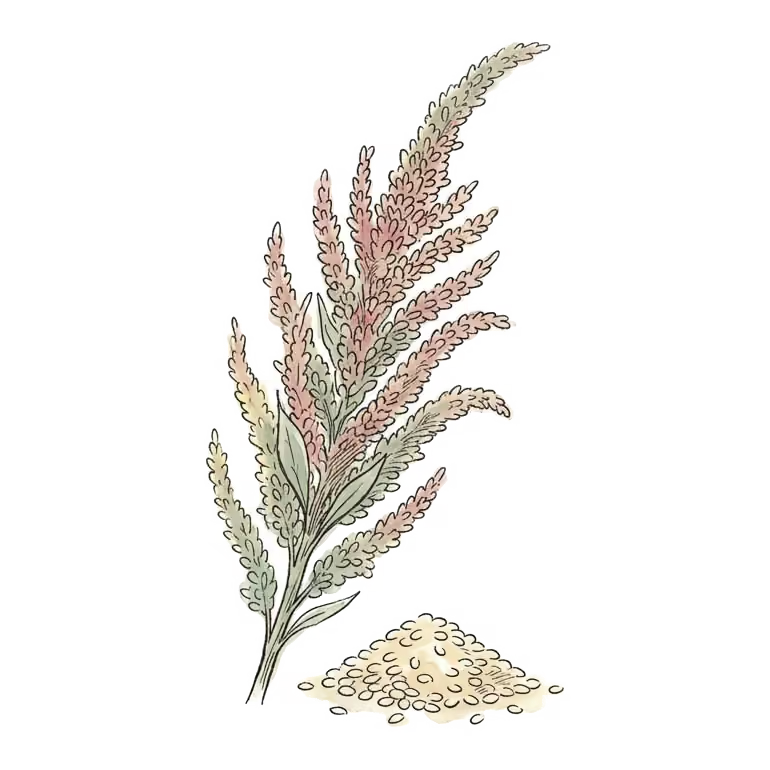
Amaranth (Amaranthus spp.)
A gluten-free pseudocereal high in lysine, manganese and iron, what human studies show, and its side effects.
Encyclopedia
Ancient grains, pseudocereals, and legumes — quinoa, buckwheat, lentils, chickpeas, black beans — profiled for macronutrients, antinutrients, and preparation.
A gluten-free pseudocereal high in lysine, manganese and iron, what human studies show, and its side effects.
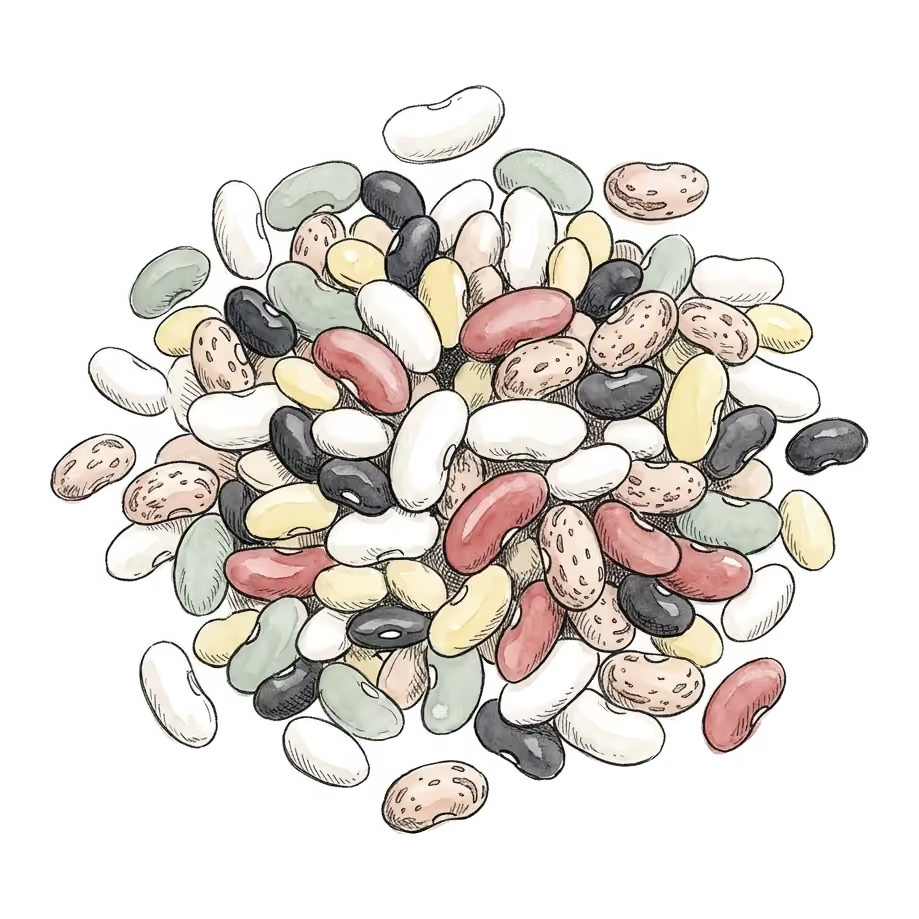
Protein, fiber, folate and resistant starch in navy, pinto, black and kidney beans, what studies show, and side effects.
8.9 g protein and 8.7 g fiber per 100 g cooked, and what studies show.
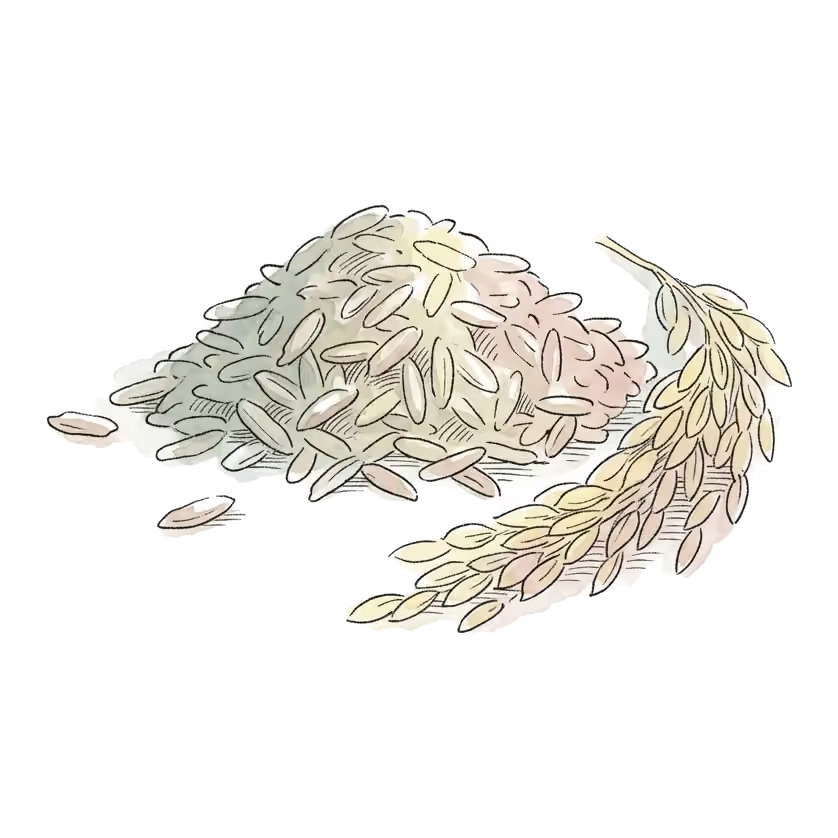
Brown keeps the bran, with 4x the fiber and 3x the magnesium, a slightly lower GI and more arsenic. Benefits and evidence.
It is a seed unrelated to wheat. Buckwheat nutrition, rutin, glycemic index, benefits, allergy and side effects.
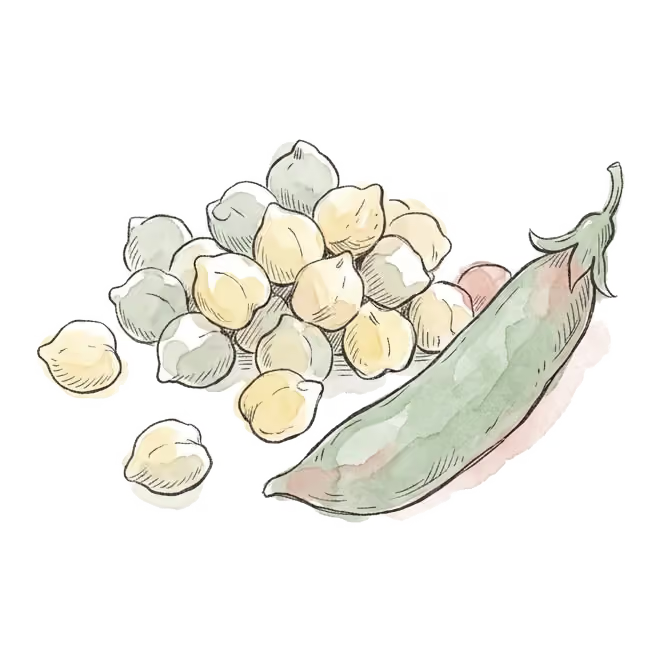
8.9 g protein, 7.6 g fiber and 43% DV folate per 100 g, a GI near 28, what studies show, side effects.
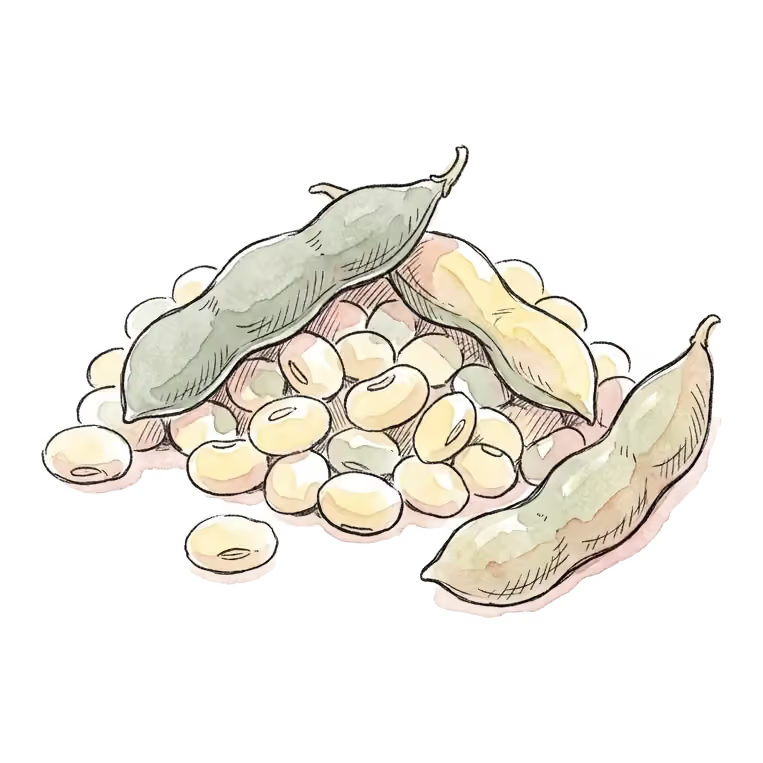
Is edamame good for you? These young soybeans give 11.9 g complete protein, 5.2 g fiber and 78% DV folate per 100 g. Benefits, downsides and safety.
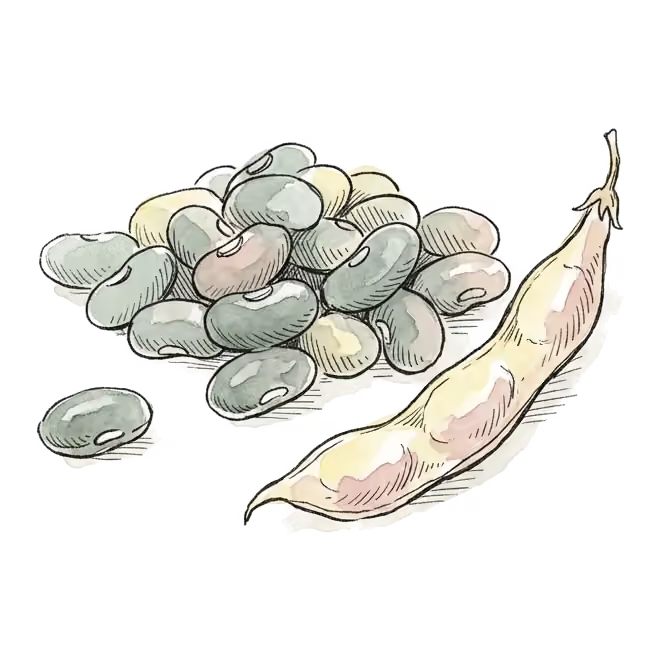
8.7 g protein, 7.4 g fiber and a GI near 24 per 100 g, plus why raw or undercooked kidney beans are toxic.
9 g protein, 7.9 g fiber and 45% DV folate per 100 g cooked, a very low GI, what studies show, and side effects.
What is millet? A group of small-seeded, gluten-free cereal grasses (pearl, proso, foxtail, finger). Nutrition, benefits, GI and thyroid cautions.
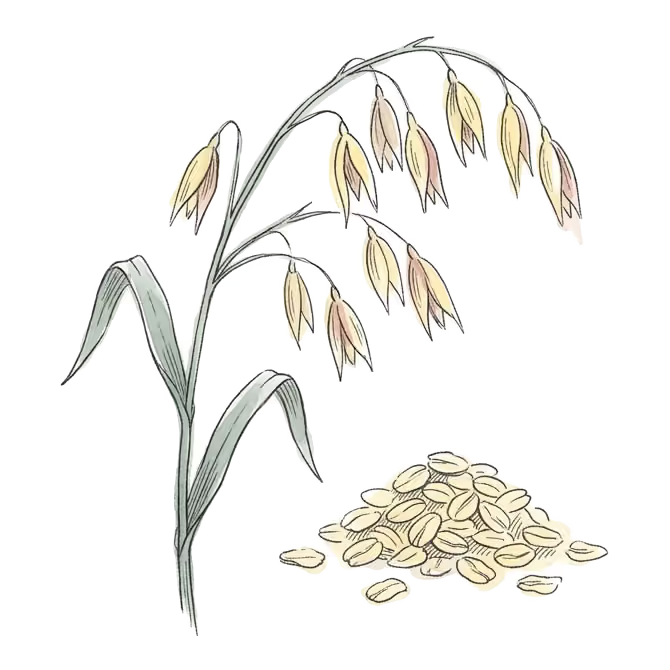
Beta-glucan fiber lowers LDL cholesterol by about 10 mg/dL at 3 g a day. Glycemic index, gluten and safety.
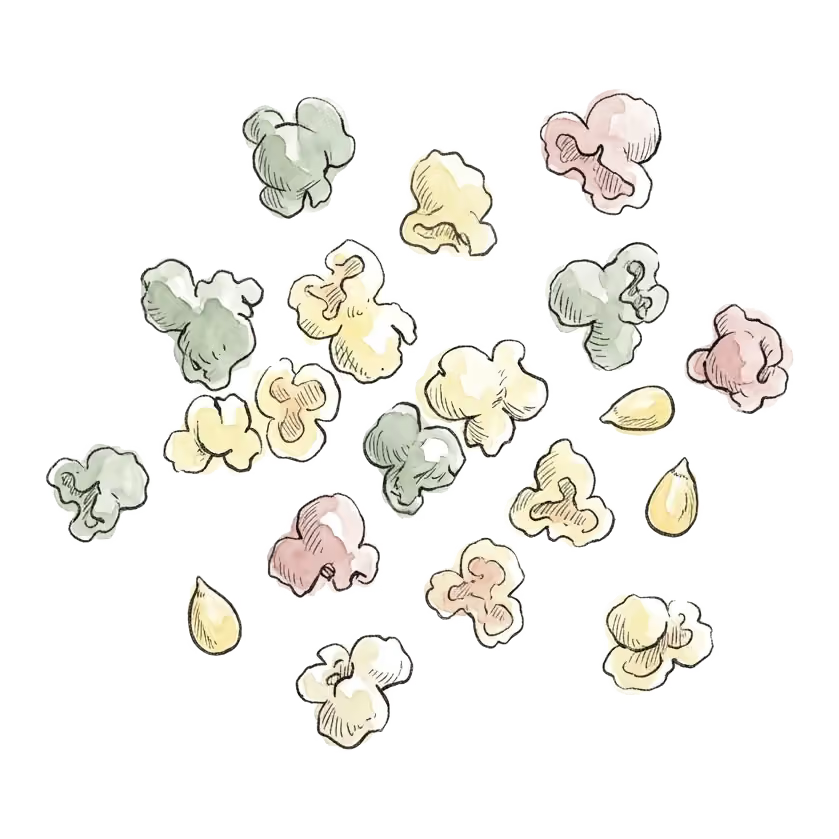
Is popcorn healthy? Air-popped, it is a whole grain with 3.5 g fiber and about 93 kcal per 3 cups. How butter, oil and microwave bags change that.
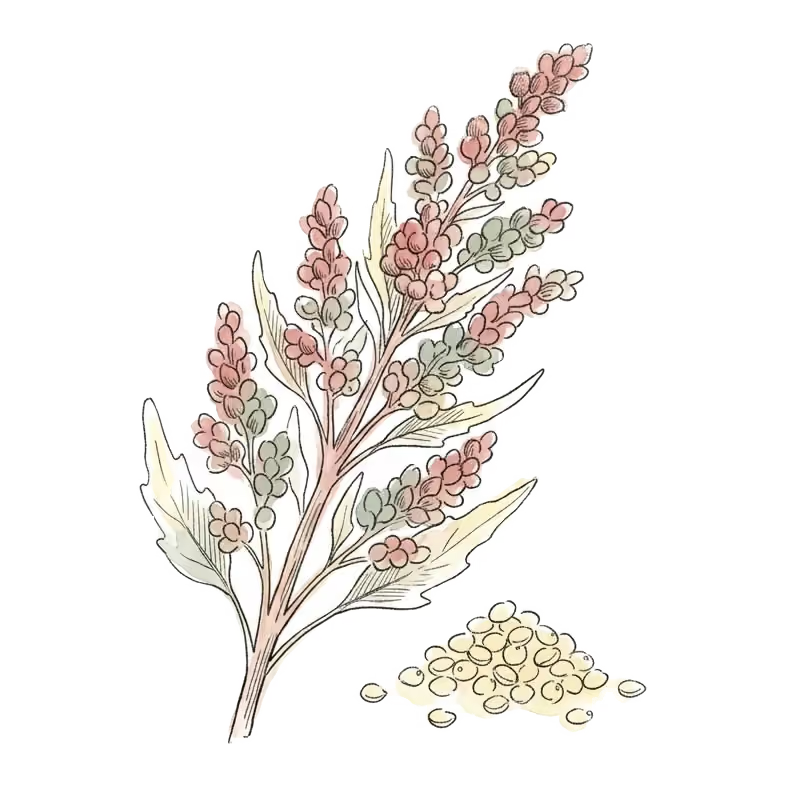
Is quinoa good for you? This gluten-free seed has complete protein, 2.8 g fiber and 64 mg magnesium per 100 g cooked. Quinoa vs rice, benefits, safety.
Soy is a complete protein that modestly lowers LDL. The evidence on estrogen, thyroid, cancer and allergy.