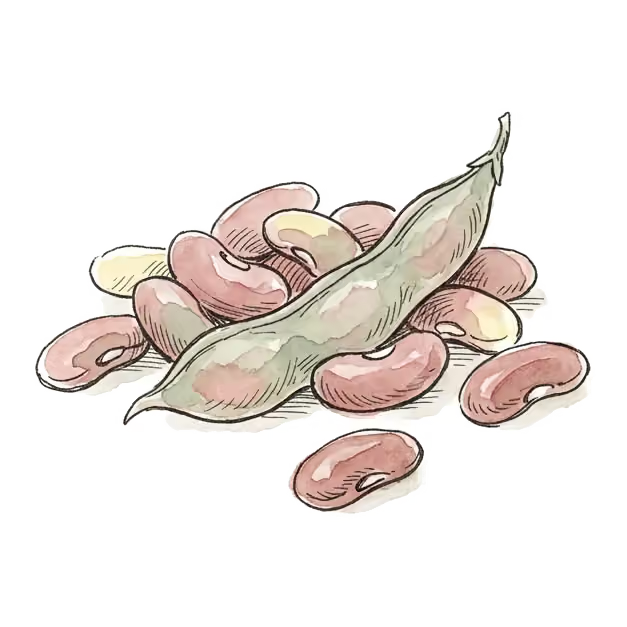
Kidney Beans (Phaseolus vulgaris)
Phaseolus vulgaris · also known as red kidney bean, dark red kidney bean, light red kidney bean, chili bean
By Superfoods Advisor Editors·July 3, 2026
Kidney beans benefits and nutrition: 8.7 g protein, 7.4 g fiber and a GI near 24 per 100 g, plus why raw or undercooked kidney beans are toxic.
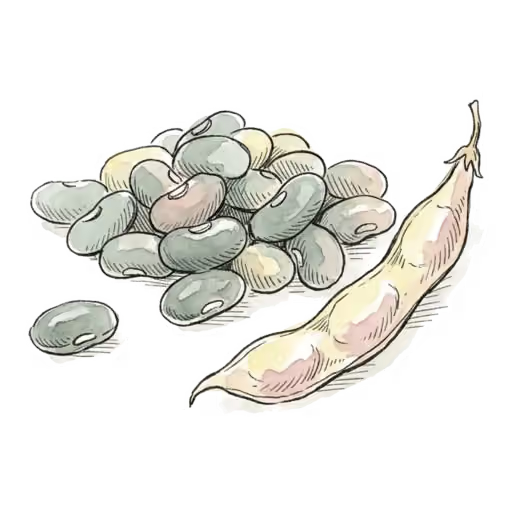
Kidney beans (Phaseolus vulgaris) are a red, kidney-shaped variety of the common bean. Per 100 g cooked they provide about 127 kcal, 8.7 g protein, 7.4 g fiber and a third of the Daily Value for folate, with a glycemic index near 24. Raw or undercooked kidney beans contain a lectin, phytohaemagglutinin, that causes acute poisoning, so dried beans must be boiled.
Among the most consumed legumes in North America, they are the primary bean in chili con carne, red beans and rice (Louisiana Creole cuisine), rajma (Indian cuisine), and many European bean stews. Two principal market classes exist: dark red kidney beans (deeper color, firmer texture after cooking, stronger flavor) and light red kidney beans (lighter color, softer texture, milder flavor). Nutritionally they are nearly identical.
Kidney beans share the broad cultivation history of Phaseolus vulgaris — domesticated in Mesoamerica and the Andes several thousand years ago and introduced to Europe, Africa, and Asia in the 16th century via trade routes following European contact with the New World. Today they are produced at large scale in India, Brazil, Mexico, China, and the United States. While nutritionally valuable — delivering resistant starch, anthocyanins, folate, iron, and plant protein — kidney beans carry the most significant food safety risk of any commonly consumed bean: their raw or undercooked form contains phytohaemagglutinin (PHA) at levels that reliably cause acute poisoning. This safety consideration must be understood by anyone preparing kidney beans from dried form. The beans entry covers the wider Phaseolus group.
Evidence at a glance
Active Compounds
CRITICAL SAFETY NOTE: Kidney beans contain the highest concentration of phytohaemagglutinin (PHA) of all common bean varieties. Raw kidney beans contain 20,000–70,000 hemagglutinating units (hau), against 200–400 hau in fully cooked beans, according to the FDA Bad Bug Book. Even a small amount of raw or undercooked kidney bean can cause severe gastrointestinal poisoning within 1–3 hours. The FDA advises soaking dried beans for at least 5 hours, discarding the water, and boiling them in fresh water for at least 30 minutes. See the Safety section for full detail.
- Phytohaemagglutinin (PHA): A lectin (carbohydrate-binding protein) that binds to glycoproteins on cell surfaces; the FDA notes that the exact mechanism of poisoning is not known, although oral lectins reduce intestinal absorption in animals (FDA Bad Bug Book). PHA agglutinates red blood cells (the origin of the name “hemagglutinin”) and activates T-lymphocytes non-specifically (mitogenic activity). In vivo, ingestion of raw kidney bean extract causes dramatic intestinal damage in animal models and severe symptomatic poisoning in humans. In laboratory work, 10 minutes at 100°C destroyed the toxin, but the FDA recommends boiling for at least 30 minutes so that the beans reliably reach that temperature for long enough. Lower temperatures are inadequate: casseroles cooked in slow cookers often reached internal temperatures of only 75°C or less, and several outbreaks have been linked to slow-cooked beans (FDA Bad Bug Book). Canned kidney beans are pre-processed at temperatures that fully destroy PHA and are safe to consume after draining and rinsing.
- Resistant starch: Like other common beans, kidney beans are a rich source of resistant starch (RS1 and RS2), which resists small intestinal digestion and reaches the colon for fermentation by microbiota into short-chain fatty acids. Cooking followed by cooling (retrograde starch, RS3) further increases resistant starch content.
- Seed-coat flavonoids and anthocyanins: Pigment profiles vary by variety. Korean-grown red kidney beans were dominated by the anthocyanin pelargonidin 3-glucoside (Choung et al., 2003), whereas a USDA analysis of US dark and light red kidney beans found quercetin and kaempferol glycosides rather than anthocyanins (Lin et al., 2008). Anthocyanins show antioxidant activity in vitro; after ingestion they circulate mostly as breakdown metabolites rather than intact compounds (Czank et al., 2013), and their in vivo antioxidant effects are debated. A meta-analysis of cohort studies linked higher anthocyanin intake from all sources with lower coronary heart disease risk and cardiovascular mortality, though not total cardiovascular disease or stroke (Kimble et al., 2019).
- Folate: A 100 g serving of cooked red kidney beans provides about 130 µg DFE of folate, roughly a third of the adult daily value (USDA FoodData Central). Folate is essential for one-carbon metabolism, DNA synthesis, and fetal neural tube development in early pregnancy.
- Soluble and insoluble fiber: Total dietary fiber is about 7.4 g per 100 g cooked (USDA FoodData Central). Soluble pectin forms gels that slow gastric emptying and blunt postprandial glucose; insoluble fiber adds bulk and reduces colonic transit time.
- Non-heme iron: Kidney beans provide about 2.9 mg iron per 100 g cooked, roughly 16% of the 18 mg daily value (USDA FoodData Central). As non-heme iron, it is absorbed substantially less efficiently than heme iron from meat, and absorption is further reduced by the phytate and polyphenol content of kidney beans themselves. Consuming kidney beans with a vitamin C-rich food markedly improves non-heme iron absorption.
- Phytic acid: Concentrated in the seed, phytate reduces the absorption of iron, zinc, calcium, and magnesium. Soaking with discard of water and thorough cooking reduce phytate content.
- Oligosaccharides: Raffinose, stachyose, and verbascose cause flatulence by colonic fermentation. Soaking and rinsing reduce (but do not eliminate) these compounds.
Nutritional Profile
Per 100 g cooked red kidney beans, boiled without salt (USDA FoodData Central):
| Nutrient | Amount | % DV |
|---|---|---|
| Energy | 127 kcal | — |
| Protein | 8.7 g | — |
| Total fat | 0.5 g | — |
| Carbohydrate | 22.8 g | — |
| Dietary fiber | 7.4 g | — |
| Sugars | 0.3 g | — |
| Folate | 130 µg DFE | 33% |
| Iron | 2.9 mg | 16% |
| Potassium | 403 mg | 9% |
| Magnesium | 45 mg | 11% |
| Phosphorus | 142 mg | 11% |
| Zinc | 1.1 mg | 10% |
| Manganese | 0.48 mg | 21% |
Kidney Beans vs Black Beans
Kidney and black beans are varieties of the same species and are close nutritionally. Per 100 g cooked, kidney beans have more iron (2.9 mg vs 2.1 mg) and potassium (403 mg vs 355 mg); black beans have more folate (149 µg vs 130 µg), magnesium (70 mg vs 45 mg) and fiber (8.7 g vs 7.4 g), with similar calories and protein (USDA FoodData Central: kidney, black). The practical difference is safety: kidney beans have the highest lectin levels of common beans, so the boiling rule matters most for them.
Evidence for Purported Benefits
Blood Glucose Management and Glycemic Index
Evidence:Moderate Measured GI is about 24, and one 3-month RCT of mixed legumes lowered HbA1c; no kidney-bean diabetes outcome data.
Kidney beans raise blood glucose slowly, and a trial of legume-rich eating in type 2 diabetes found improved HbA1c. Kidney beans have an average glycemic index of about 24 (Atkinson et al., 2008), among the lowest of any starchy food, owing to the combination of intact cell wall structure, resistant starch, and viscous soluble fiber. These properties slow starch digestion and glucose absorption, resulting in attenuated postprandial blood glucose and insulin responses relative to equivalent carbohydrate from refined sources. In a 3-month randomized trial in 121 adults with type 2 diabetes (Jenkins et al., 2012), a low-GI diet asking participants to eat at least 1 cup of legumes per day lowered HbA1c by 0.5%, compared with 0.3% on a high-wheat-fiber diet, and produced a larger fall in systolic blood pressure. That trial covered legumes in general (beans, chickpeas, lentils) rather than kidney beans specifically. The mechanism is well-established; long-term diabetes outcome data specific to kidney beans are not available.
Cardiovascular Health (Lipids and Blood Pressure)
Evidence:Moderate A meta-analysis of 10 RCTs of non-soy legumes found modest LDL drops; anthocyanin effects are unproven.
Legume consumption, including kidney beans, is associated with reduced LDL-cholesterol in dietary intervention studies. A meta-analysis of 10 randomized trials (Bazzano et al., 2011; 268 participants) found that non-soy legume diets lowered total cholesterol by about 11.8 mg/dL and LDL cholesterol by about 8.0 mg/dL compared with control diets. The high potassium content supports blood pressure regulation consistent with the DASH dietary pattern. Whether the anthocyanins in kidney beans specifically contribute to cardiovascular benefits beyond the lipid and fiber effects is uncertain; most anthocyanin cardiovascular evidence derives from berry-focused cohort studies.
Gut Microbiome and Prebiotic Effects
Evidence:Lab & animal only Mouse studies show higher SCFAs and milder colitis; no human kidney bean trials have been published.
The resistant starch and oligosaccharides in kidney beans are fermented by colonic bacteria into short-chain fatty acids, including butyrate, the primary fuel for colonocytes. In mice, diets with 20% cooked white or dark red kidney bean flour raised cecal short-chain fatty acids and reduced the severity of chemically induced colitis (Monk et al., 2015); comparable human trials with kidney beans have not been published.
Antioxidant Activity (Anthocyanins)
Evidence:Lab & animal only Test-tube ORAC data only; anthocyanin cohort studies cannot isolate kidney beans.
Kidney bean polyphenols show antioxidant activity in test-tube assays such as oxygen radical absorbance capacity (ORAC), which Wu et al. (2004) applied to common US foods. ORAC is an in-vitro measure only, and the USDA withdrew its ORAC database in 2012 because the values do not reflect effects in the body. Moreover, in vivo antioxidant capacity after ingestion is not simply additive with dietary sources; endogenous antioxidant enzymes (superoxide dismutase, glutathione peroxidase) tightly regulate circulating antioxidant capacity, and many in vitro antioxidant claims do not translate to equivalent in vivo effects in humans consuming typical food portions. Cohort studies linking anthocyanin intake from all dietary sources with lower cardiovascular mortality (Kimble et al., 2019) cannot isolate kidney bean contributions.
Typical Use and Preparation
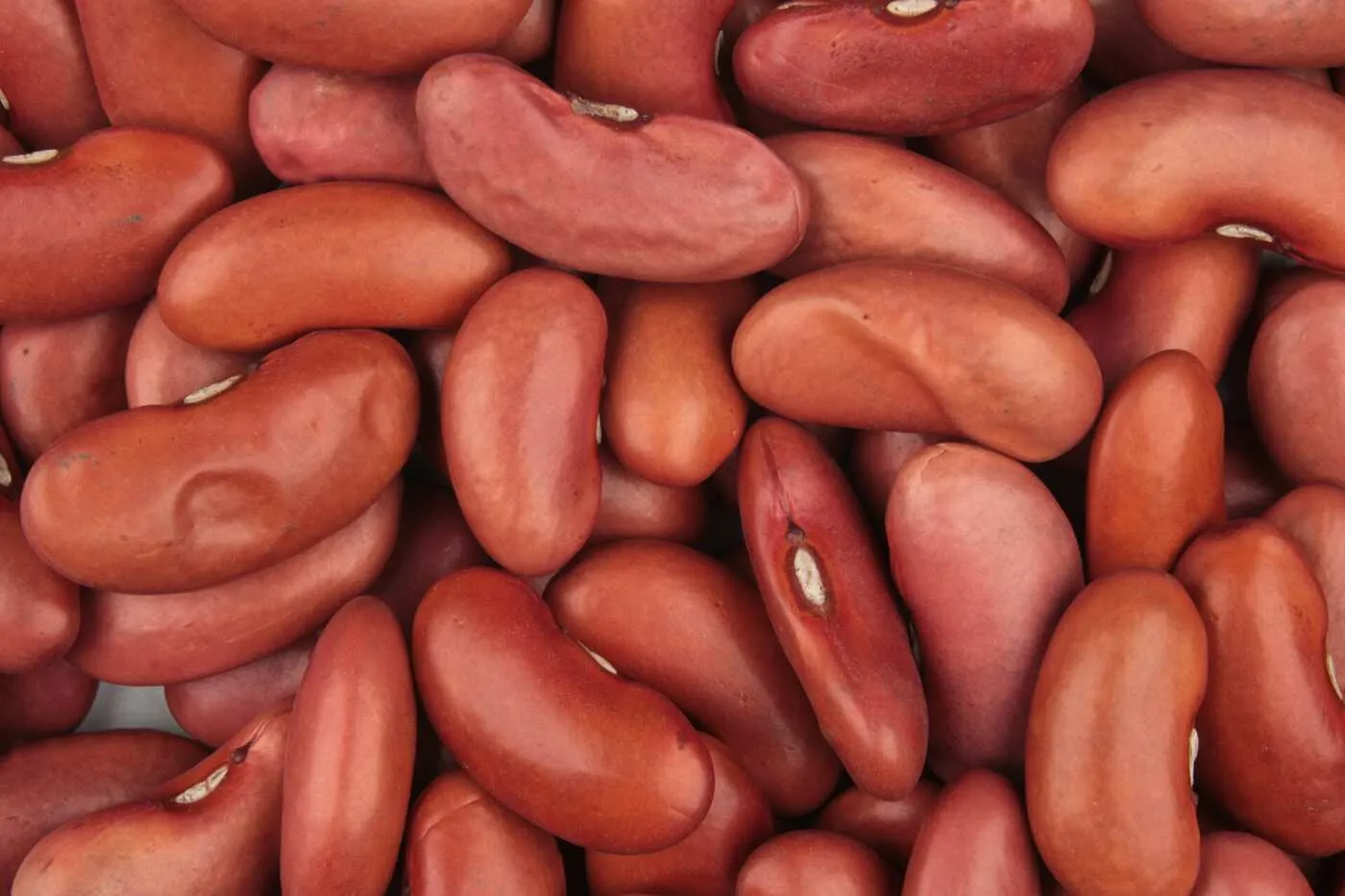 Photo: Bean appreciator, CC0, via Wikimedia Commons
Safe preparation of dried kidney beans is a multi-step process where each step serves a specific safety or palatability purpose:
- Sort and rinse: Remove any stones, debris, or shriveled beans.
- Soak: Cover with at least 3× their volume of cold water for at least 5 hours (overnight is convenient), then pour the soaking water away (FDA Bad Bug Book). Soaking does not destroy lectins but reduces oligosaccharides and phytate.
- Boil vigorously for at least 30 minutes: This is the critical lectin-inactivation step. Transfer soaked beans to fresh water, bring to a rolling boil, and keep them at a full boil for at least 30 minutes, the minimum the FDA recommends (FDA Bad Bug Book). Do not cook dried kidney beans in a slow cooker or a low oven.
- Cook until fully soft: After the boil, keep cooking until the beans are completely soft throughout. Undercooked kidney beans — firm inside, resistant to mashing — may still contain active PHA.
Canned kidney beans have already undergone high-temperature processing that destroys PHA; they are safe after draining and rinsing without additional cooking for food safety purposes (heating for flavor is still recommended).
Kidney beans are used in chili, red beans and rice, rajma curry (Indian), bean soups, cassoulet, three-bean salad, and as a protein addition to grain bowls and tacos.
The blood sugar and metabolic health guide explains why beans sit near the bottom of the glycemic index among staple carbohydrates.
Safety, Interactions, and Contraindications
Phytohaemagglutinin (PHA) toxicity — primary safety concern: Kidney bean poisoning outbreaks have been recorded repeatedly in the United Kingdom since the 1970s, with 50 suspected incidents reported between 1976 and 1989 (Rodhouse et al., 1990). According to the FDA Bad Bug Book, symptoms begin within 1–3 hours of ingestion of raw or undercooked kidney beans and include severe nausea, vomiting, and diarrhea. As few as 4–5 raw kidney beans can cause symptoms. The FDA describes the mechanism of toxicity as not known. Recovery typically occurs within 3–4 hours without specific medical treatment, but severe cases may require hospitalization for fluid management.
CRITICAL WARNING — Slow Cookers: Slow-cooker dishes often reach internal temperatures of only about 75°C, which is inadequate to destroy PHA, and several poisoning outbreaks have been linked to beans cooked this way. The FDA advises against using slow cookers to cook kidney beans or dishes that contain them (FDA Bad Bug Book). Use canned kidney beans, or dried beans that have already been soaked, drained, and boiled for at least 30 minutes.
CRITICAL WARNING — Raw bean snacking and sprouting: Sprouting does not make raw kidney beans safe; laboratory studies of germinating Phaseolus beans have reported a slight rise in PHA over 4 days (Nciri et al., 2015) as well as a fall (Koval’chuk, 2006), and in Nciri’s tests only cooking or autoclaving presoaked beans removed it. Sprouted kidney beans therefore need the same thorough boiling as dried beans (FDA Bad Bug Book). Raw kidney bean flour, raw ground beans, and kidney bean sprouts must not be consumed without full cooking.
Phytic acid and mineral absorption: Reduces iron, zinc, and calcium bioavailability. Pairing kidney beans with vitamin C-rich foods substantially improves iron absorption.
Gout/hyperuricemia: Kidney beans contain moderate purines. Legume and vegetable purines were not linked to developing gout in a large cohort (Choi et al., 2004), but among people who already had gout, high plant-purine intake was associated with a modestly higher risk of recurrent attacks, weaker than for animal purines (Zhang et al., 2012). Individuals with active gout or very high serum uric acid should discuss intake with a healthcare provider.
Kidney disease (CKD): The potassium and phosphorus content is relevant for individuals with advanced CKD on dietary mineral restriction.
Warfarin: Kidney beans are not a significant source of vitamin K (about 8 µg per 100 g cooked; USDA FoodData Central), so they are not a typical concern for people taking warfarin.
Frequently Asked Questions
What are kidney beans good for?
Kidney beans are a low-cost source of plant protein, fiber, folate and iron with a very low glycemic index. Trials of legume-rich diets, which include kidney beans, report modest improvements in LDL cholesterol and, in type 2 diabetes, HbA1c. They are a staple in chili, red beans and rice, and rajma. Kidney-bean-specific health trials are few.
Do kidney beans have protein?
Yes. Cooked kidney beans provide about 8.7 g protein per 100 g, roughly 15 g per cup. Bean protein is usually described as rich in lysine but low in the sulfur amino acids methionine and cysteine, which is the traditional logic behind eating kidney beans with rice or another grain over the day.
Can kidney beans kill you?
Raw or undercooked kidney beans cause acute poisoning, not usually death. According to the FDA, as few as four or five raw beans can trigger severe nausea, vomiting and diarrhea within 1–3 hours. Recovery typically occurs within 3–4 hours, though severe cases have needed hospital care for fluids. Soaking, discarding the water and boiling for at least 30 minutes prevents it.
Are kidney beans good for kidney patients?
The name refers to the bean’s shape, not any kidney benefit. Kidney beans contain notable potassium (403 mg per 100 g) and phosphorus (142 mg), minerals that people with advanced chronic kidney disease are often asked to limit. Anyone on a kidney diet should ask their nephrologist or renal dietitian how beans fit their limits.
How many kidney beans should I eat a day?
No official target exists for kidney beans. In the 3-month diabetes trial summarized here, participants were asked to eat at least 1 cup of mixed legumes a day. Nutrition labels and recipes often use ½ cup cooked as a serving, a convention rather than a tested dose. People new to beans may want to start smaller and build up, since the oligosaccharides in kidney beans can cause gas.
Are kidney beans the same as red beans?
Both are Phaseolus vulgaris, and the names overlap. The “red beans” of Louisiana red beans and rice are usually described as a smaller, rounder bean than the kidney bean, though packages labeled “red beans” vary, and cooks commonly swap the two. Whichever you buy, dried red and kidney beans carry raw-bean lectins and need the same soak and full boil when cooked from dried.
References
Show all 16 referencesShow fewer
- U.S. Food and Drug Administration. (2012). Bad Bug Book: Foodborne Pathogenic Microorganisms and Natural Toxins Handbook (2nd ed.), Phytohaemagglutinin chapter.
- Jenkins, D. J., et al. (2012). Effect of legumes as part of a low glycemic index diet on glycemic control and cardiovascular risk factors in type 2 diabetes mellitus. Archives of Internal Medicine, 172(21), 1653–1660.
- Bazzano, L. A., et al. (2011). Non-soy legume consumption lowers cholesterol levels: a meta-analysis of randomized controlled trials. Nutrition, Metabolism and Cardiovascular Diseases, 21(2), 94–103.
- Nciri, N., et al. (2015). Toxicity assessment of common beans (Phaseolus vulgaris L.) widely consumed by Tunisian population. Journal of Medicinal Food, 18(9), 1049–1064.
- Wu, X., Beecher, G. R., Holden, J. M., Haytowitz, D. B., Gebhardt, S. E., & Prior, R. L. (2004). Lipophilic and hydrophilic antioxidant capacities of common foods in the United States. Journal of Agricultural and Food Chemistry, 52(12), 4026–4037.
- Atkinson, F. S., Foster-Powell, K., & Brand-Miller, J. C. (2008). International tables of glycemic index and glycemic load values: 2008. Diabetes Care, 31(12), 2281–2283.
- U.S. Department of Agriculture. FoodData Central: Beans, kidney, red, mature seeds, cooked, boiled, without salt (FDC 175194).
- Koval’chuk, N. V. (2006). Dynamic of lectin activity during germination of bean seeds (Phaseolus vulgaris L.) [in Ukrainian]. Ukrainskyi Biokhimichnyi Zhurnal, 78(1), 130–134.
- Choung, M. G., et al. (2003). Anthocyanin profile of Korean cultivated kidney bean (Phaseolus vulgaris L.). Journal of Agricultural and Food Chemistry, 51(24), 7040–7043.
- Lin, L. Z., Harnly, J. M., Pastor-Corrales, M. S., & Luthria, D. L. (2008). The polyphenolic profiles of common bean (Phaseolus vulgaris L.). Food Chemistry, 107(1), 399–410.
- Czank, C., et al. (2013). Human metabolism and elimination of the anthocyanin, cyanidin-3-glucoside: a 13C-tracer study. American Journal of Clinical Nutrition, 97(5), 995–1003.
- Kimble, R., et al. (2019). Dietary intake of anthocyanins and risk of cardiovascular disease: a systematic review and meta-analysis of prospective cohort studies. Critical Reviews in Food Science and Nutrition, 59(18), 3032–3043.
- Monk, J. M., et al. (2015). White and dark kidney beans reduce colonic mucosal damage and inflammation in response to dextran sodium sulfate. Journal of Nutritional Biochemistry, 26(7), 752–760.
- Rodhouse, J. C., Haugh, C. A., Roberts, D., & Gilbert, R. J. (1990). Red kidney bean poisoning in the UK: an analysis of 50 suspected incidents between 1976 and 1989. Epidemiology and Infection, 105(3), 485–491.
- Choi, H. K., et al. (2004). Purine-rich foods, dairy and protein intake, and the risk of gout in men. New England Journal of Medicine, 350(11), 1093–1103.
- Zhang, Y., et al. (2012). Purine-rich foods intake and recurrent gout attacks. Annals of the Rheumatic Diseases, 71(9), 1448–1453.
More in Grains & Legumes
- Amaranth (Amaranthus spp.)
Amaranth benefits and nutrition: a gluten-free pseudocereal high in lysine, manganese and iron, what human studies show, and its side effects.
- Beans (Phaseolus spp.)
Beans benefits and nutrition: protein, fiber, folate and resistant starch in navy, pinto, black and kidney beans, what studies show, and side effects.
- Black Beans (Phaseolus vulgaris)
Black beans vs pinto beans compared, plus black beans nutrition and benefits: 8.9 g protein and 8.7 g fiber per 100 g cooked, and what studies show.
- Brown Rice (Oryza sativa)
Brown rice vs white rice: brown keeps the bran, with 4x the fiber and 3x the magnesium, a slightly lower GI and more arsenic. Benefits and evidence.
- Buckwheat (Fagopyrum esculentum)
Is buckwheat gluten free? Yes: it is a seed unrelated to wheat. Buckwheat nutrition, rutin, glycemic index, benefits, allergy and side effects.
- Chickpeas (Cicer arietinum)
Chickpeas (garbanzo beans) benefits and nutrition: 8.9 g protein, 7.6 g fiber and 43% DV folate per 100 g, a GI near 28, what studies show, side effects.

Curated by Superfoods Advisor Editors·Last updated