Extra Virgin Olive Oil (Olea europaea)
Olea europaea · also known as EVOO, extra-virgin olive oil, cold-pressed olive oil
By Superfoods Advisor Editors·July 3, 2026
Extra virgin olive oil benefits weighed against the evidence: PREDIMED heart data, oleocanthal and other polyphenols, nutrition, daily amounts and safety.
Extra virgin olive oil (EVOO) is the top grade of olive oil from Olea europaea, a plant oil pressed from the fruit, not a seed. Its best-documented benefit is cardiovascular: in the large PREDIMED trial, a Mediterranean diet supplemented with EVOO was followed by about 30% fewer major cardiovascular events than a low-fat control diet.
To qualify as extra virgin, the oil must be extracted only by mechanical or physical means (pressing or centrifugation), without solvents or heat that alters it, and have a free acidity of no more than 0.8% (International Olive Council). Unlike most plant oils, it also carries phenolic compounds such as oleocanthal, hydroxytyrosol, oleuropein and tyrosol, which show anti-inflammatory and antioxidant activity in laboratory, animal and some human studies (Cicerale et al., 2010).
Evidence at a glance
Active Compounds
Fatty acid profile. Olive oil is roughly 71% oleic acid (18:1 n-9), a monounsaturated omega-9 fatty acid, which is its dominant structural component. The remainder includes ~10% linoleic acid (18:2 n-6, polyunsaturated), ~11% palmitic acid (16:0, saturated), ~2% stearic acid (18:0), and under 1% alpha-linolenic acid (18:3 n-3) (USDA FoodData Central). The exact proportions vary with cultivar, climate, and ripeness. The high oleic acid content confers relative oxidative stability compared with polyunsaturated oils (such as sunflower or flaxseed oil) and in a meta-analysis of 60 controlled feeding trials, replacing saturated fat with cis-unsaturated fats such as oleic acid lowered LDL cholesterol and the total-to-HDL cholesterol ratio (Mensink et al., 2003).
Oleocanthal. Perhaps the most pharmacologically distinctive compound in EVOO, oleocanthal is a secoiridoid phenolic aldehyde that inhibits both cyclooxygenase-1 (COX-1) and cyclooxygenase-2 (COX-2) enzymes — the same enzymes targeted by ibuprofen and aspirin. A landmark paper by Beauchamp et al. (Nature, 2005) demonstrated that the throat-irritating sensation characteristic of high-polyphenol EVOO is caused by oleocanthal, and the authors estimated that 50 g of a high-oleocanthal oil a day would deliver roughly 10% of the ibuprofen dose recommended for adult pain relief (Beauchamp et al., 2005). Oleocanthal content in EVOO varies widely by olive variety, harvest time, and production; it is essentially absent in refined olive oil and light olive oil.
Hydroxytyrosol. A phenolic alcohol and potent antioxidant, hydroxytyrosol is absorbed in humans in a dose-dependent manner (Visioli et al., 2000) and is a hydrolysis product of oleuropein. The European Food Safety Authority (EFSA) Panel on Dietetic Products issued a favorable opinion in 2011 on olive polyphenols (hydroxytyrosol and its derivatives) and protection of LDL particles from oxidative damage, setting a daily intake of 5 mg (EFSA, 2011). The EU then authorized the claim that these polyphenols “contribute to the protection of blood lipids from oxidative stress” for olive oil containing at least 5 mg of hydroxytyrosol and its derivatives per 20 g, with the benefit tied to a daily intake of 20 g of that oil (Regulation (EU) No 432/2012).
Oleuropein. A secoiridoid glycoside present in higher concentrations in olive leaves and young fruit than in mature fruit oil, oleuropein and its aglycone form contribute to EVOO’s bitterness and have demonstrated anti-inflammatory, antioxidant, and antihypertensive activity in cell and animal models. Ripeness at harvest significantly affects oleuropein content: early-harvest EVOO from unripe olives contains substantially more oleuropein than late-harvest oil.
Squalene. EVOO contains notably high concentrations of squalene (Greek virgin olive oils averaged roughly 4,100–4,900 mg/kg, declining as the olives ripen; Mastralexi et al., 2021), a triterpene hydrocarbon that is an intermediate in cholesterol biosynthesis and serves as a lipid-soluble antioxidant. Squalene has been proposed as one factor behind Mediterranean populations’ historically lower rates of certain cancers (Newmark, 1997), though direct human trial evidence is limited.
Tocopherols and carotenoids. Alpha-tocopherol (vitamin E) is present at ~14 mg/100 g in olive oil (USDA FoodData Central). Beta-carotene and chlorophylls contribute to the characteristic golden-green color; chlorophylls act as pro-oxidants when the oil is exposed to light (Trypidis et al., 2019).
Polyphenol total. Total phenolic content in olive oil ranges from about 50 to 1,000 mg/kg depending on cultivar, ripeness, and processing, with most oils falling between 100 and 300 mg/kg (Pedan et al., 2019). This wide range means not all EVOO provides equivalent functional benefits. The IOC (International Olive Council) and EU regulations define EVOO by chemical and sensory criteria, but neither sets a minimum polyphenol content, and polyphenol content is not required to be stated on labels.
Evidence for Purported Benefits
Most of the evidence concerns the heart and blood lipids, where large trials exist; claims about inflammation, cancer and the brain rest on weaker or conflicting data. How EVOO fits a wider eating pattern is covered in the heart health superfoods guide.
Cardiovascular disease
Evidence:Moderate One large RCT (PREDIMED, corrected 2018) plus cohort data; the FDA allows only a qualified claim for olive oil and heart disease.
The PREDIMED trial (Prevención con Dieta Mediterránea; Estruch et al., New England Journal of Medicine, 2013, with correction 2018) remains the most cited human cardiovascular outcome trial for EVOO and Mediterranean diet research. The trial enrolled 7,447 adults with high cardiovascular risk in Spain (Estruch et al., 2018) and randomized them to a Mediterranean diet supplemented with EVOO (~1 L/week), a Mediterranean diet supplemented with mixed nuts, or a low-fat control diet. The original paper reported a ~30% relative risk reduction in major cardiovascular events (myocardial infarction, stroke, cardiovascular death) for the two Mediterranean diet arms versus control.
In 2018, the authors retracted and republished the paper (New England Journal of Medicine, 2018) after identifying protocol deviations: household members of participants had been enrolled without randomization, participants at one of 11 sites had been assigned to groups without randomization, and randomization tables appeared to have been used inconsistently at another site. The revised analysis, adjusted for baseline characteristics and propensity scores, gave hazard ratios of 0.69 (95% CI 0.53–0.91) for the Mediterranean diet with EVOO and 0.72 (95% CI 0.54–0.95) for the nut arm versus the control diet, over a median 4.8 years, and results were similar after excluding the 1,588 participants whose assignment departed from protocol. The correction weakened the trial’s claim to be a cleanly randomized comparison, but the estimated effect size changed little.
PREDIMED-Plus is a separate trial, not an extension of PREDIMED: it tests an energy-reduced Mediterranean diet combined with physical activity and behavioral support (Martínez-González et al., 2019). The Lyon Diet Heart Study (de Lorgeril et al., 1994; final report, 1999) is often cited alongside PREDIMED, but its Mediterranean arm was an alpha-linolenic-acid-rich diet built around a canola-oil-based margarine rather than olive oil, so it supports the dietary pattern, not EVOO specifically. Within the PREDIMED cohort, analysed observationally, participants with the highest baseline EVOO intake had a lower risk of cardiovascular events (Guasch-Ferré et al., 2014). The US FDA permits only a qualified health claim for olive oil and coronary heart disease, which must state that the supporting evidence is “limited and not conclusive” (FDA, 2004).
LDL oxidation and endothelial function
Evidence:Moderate A 200-person crossover trial and an EFSA opinion support less LDL oxidation; endothelial results are less consistent.
Olive oil phenolics, chiefly hydroxytyrosol and its derivatives, inhibit LDL oxidation in vitro. Oxidized LDL is considered more atherogenic than native LDL and is thought to contribute to atherosclerotic plaque formation. In the EUROLIVE randomized crossover trial, 200 healthy men took 25 mL a day of olive oils differing only in phenolic content for 3-week periods; oxidized LDL fell and HDL cholesterol rose as phenolic content increased (Covas et al., 2006). This finding underpins the EFSA opinion described above. Effects on endothelial function, such as flow-mediated dilation, have been reported in some smaller trials, but the results are less consistent.
Inflammation
Evidence:Limited Results conflict: one review found lower IL-6, but a 2024 meta-analysis of 33 trials found no effect on inflammatory markers.
Oleocanthal’s COX inhibitory activity and hydroxytyrosol’s NF-κB modulating effects in cell studies suggest plausible anti-inflammatory mechanisms. A 2020 review of randomized trials reported lower inflammatory markers with regular olive oil intake, most clearly for interleukin-6 (Fernandes et al., 2020), but a 2024 meta-analysis of 33 trials found no significant effect of EVOO on C-reactive protein, interleukin-6, or tumor necrosis factor-α (Morvaridzadeh et al., 2024).
Cancer risk
Evidence:Preliminary Observational Mediterranean-diet data and a 35-case PREDIMED secondary finding; no trial tests EVOO and cancer directly.
In a 2021 meta-analysis of observational studies, high adherence to a Mediterranean diet was associated with lower risk of colorectal, breast, gastric, liver, and head and neck cancers, but not prostate cancer (Morze et al., 2021). EVOO specifically has been proposed as a contributing factor through oleocanthal’s COX-2 inhibition (COX-2 is overexpressed in many tumor types), squalene’s antioxidant properties, and oleic acid’s effects on oncogene expression in cell studies. No randomized controlled trial has established a causal relationship between EVOO consumption and cancer risk reduction. In a secondary analysis of PREDIMED, breast cancer incidence was lower in the EVOO arm than in the control arm, but the finding rested on 35 cases and the authors called for confirmation (Toledo et al., 2015). These observations should be considered hypothesis-generating.
Cognitive function and neurodegeneration
Evidence:Preliminary Mostly observational Mediterranean-diet data; one PREDIMED substudy found better scores on two cognitive tests.
Mediterranean diet adherence, in which EVOO is a central fat source, is associated in longitudinal studies with reduced cognitive decline and lower risk of Alzheimer’s disease. In mice and cultured brain endothelial cells, oleocanthal increased amyloid-beta clearance across the blood-brain barrier by up-regulating the transport proteins P-glycoprotein and LRP1 (Abuznait et al., 2013). Human trials specifically testing EVOO in isolation for cognitive outcomes are limited; in a PREDIMED substudy, the EVOO-supplemented Mediterranean diet arm scored better than controls on two of the individual cognitive tests after about four years (Valls-Pedret et al., 2015). The PREDIMED-Plus trial includes cognitive endpoints that may clarify this question.
Typical Use and Culinary Applications
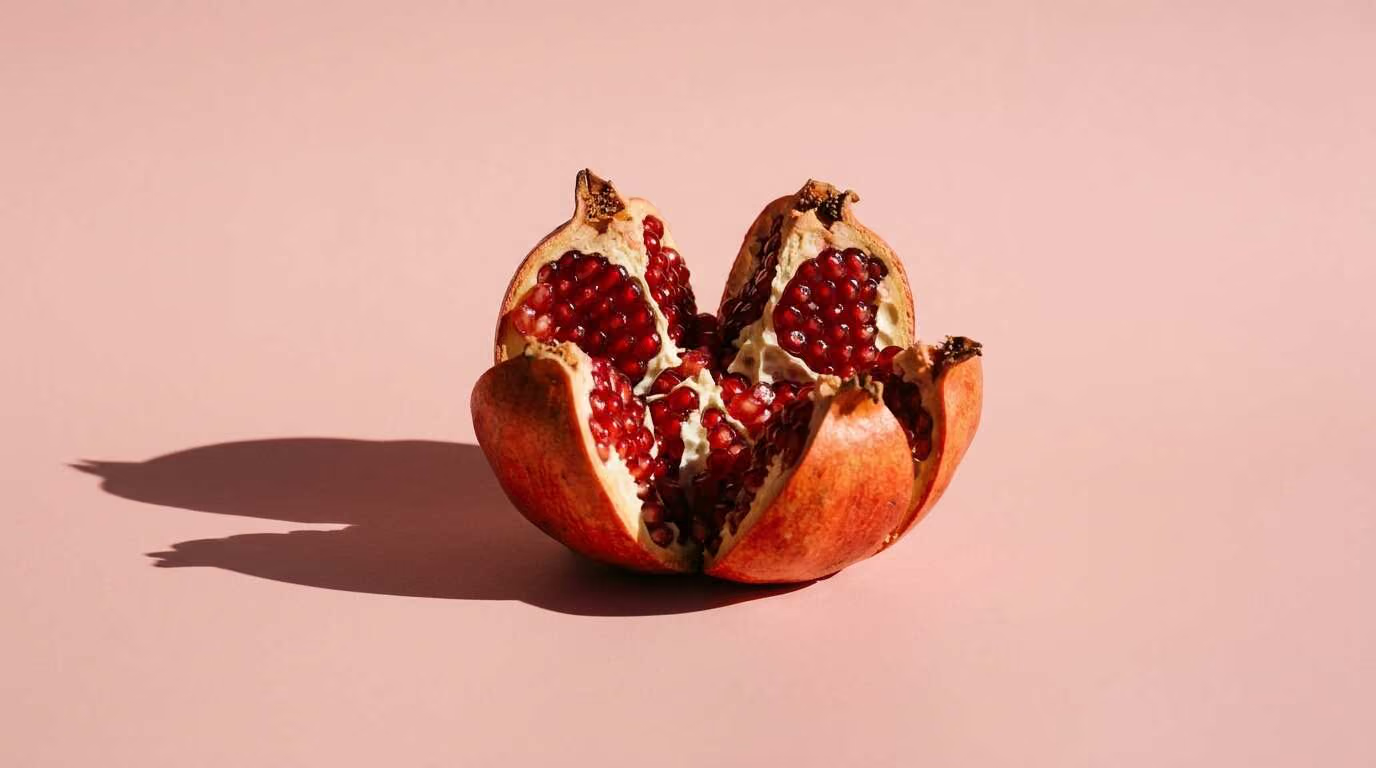
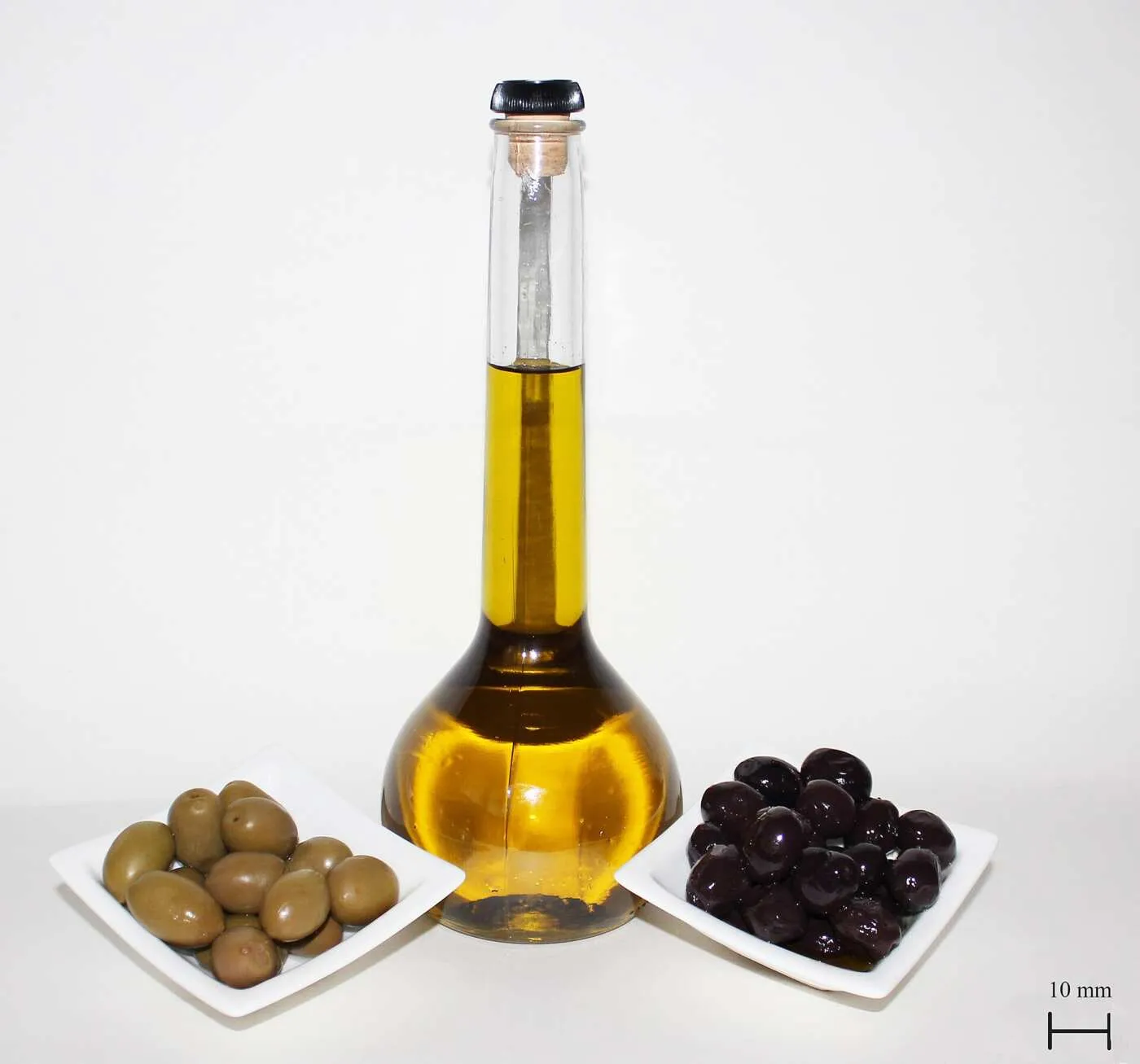 Photo: Poyraz 72, CC BY-SA 4.0, via Wikimedia Commons
Raw use. EVOO is most commonly used in salad dressings, dips (bread, hummus), drizzled over pasta, vegetables, grilled proteins, and soups. Raw applications preserve the full phenolic complement, including volatile aromatic compounds that degrade with heat.
Smoke point and cooking. The smoke point of EVOO varies with free fatty acid content and polyphenol load (polyphenols function as partial antioxidants extending stability). Contrary to widespread belief, multiple studies have found that EVOO is relatively stable during frying compared with polyunsaturated oils, due to its high oleic acid content and antioxidant phenolics. A 2018 laboratory study (Guillaume et al., 2018, Acta Scientific Nutritional Health) heated EVOO and other common cooking oils to 240°C and held them at 180°C for 6 hours; EVOO produced the lowest level of polar compounds of the oils tested and low levels of oxidative by-products, whereas oils such as canola generated high levels, and smoke point did not predict how an oil performed under heat. Sautéing and pan frying at medium heat are reasonable culinary applications; deep frying in large volumes of EVOO is less practical economically but not necessarily unsafe.
Typical serving size. One tablespoon (13.5 g) provides approximately 119 kcal, 13.5 g total fat (about 10 g MUFA) (USDA FoodData Central), and variable polyphenol content depending on oil quality. In the PREDIMED trial, households in the olive oil arm were supplied with about 1 L of EVOO per week, generally more than typical Western use.
Storage. Phenolic compounds degrade with light, heat, and oxygen exposure. Store EVOO in dark glass bottles or opaque tins, away from heat sources. A dark cool pantry or cupboard is appropriate; refrigeration is generally unnecessary. Phenolics and vitamin E decline steadily after bottling, so freshness (rather than best-by date) is the most meaningful quality indicator.
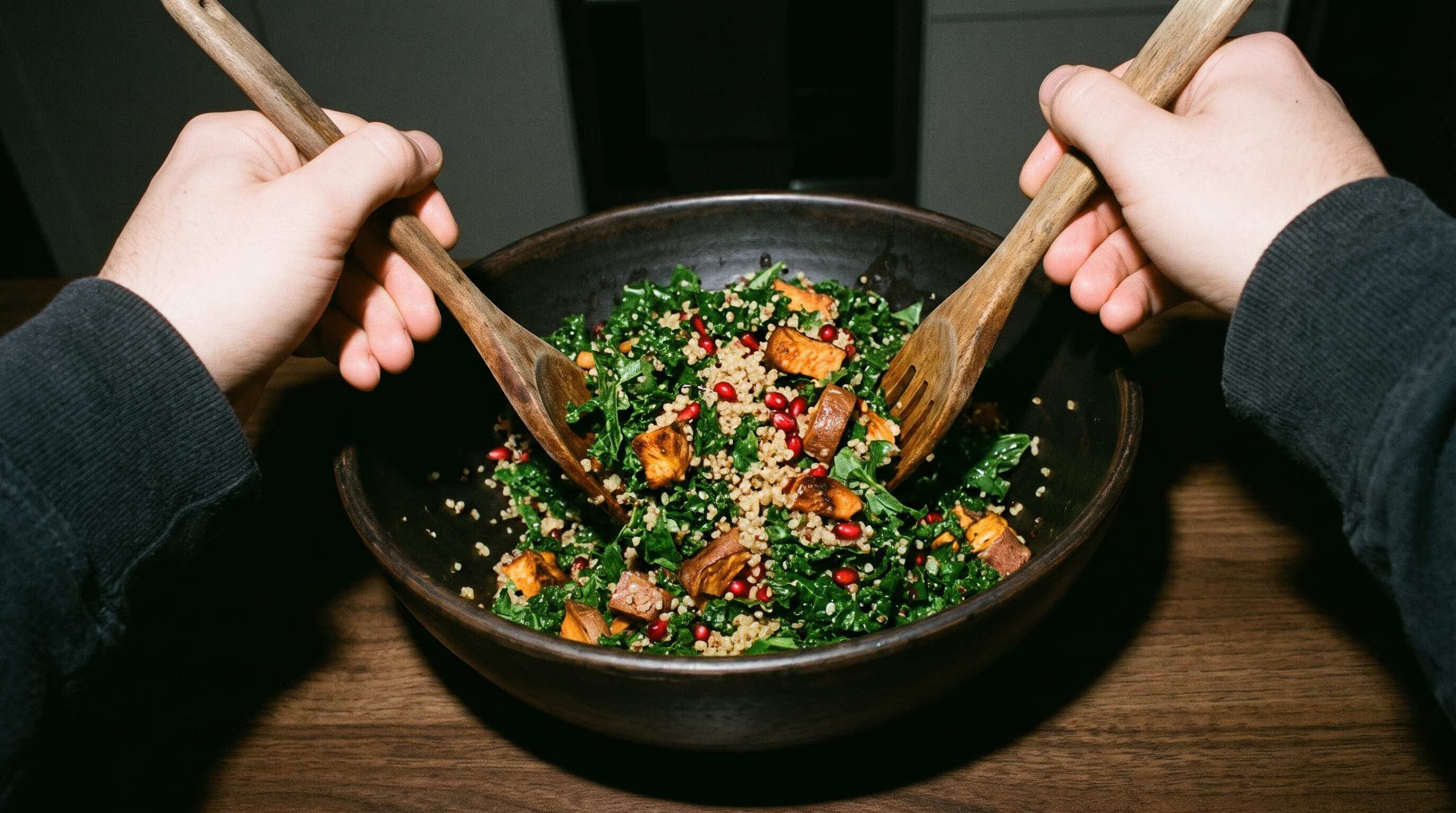
Extra virgin olive oil forms the dressing in the superfood salad bowl. For high-heat searing, some cooks choose avocado oil, which has a similar fat profile and a higher reported smoke point.
Safety, Interactions, and Contraindications
Caloric density. EVOO is 100% fat and calorie-dense (~884 kcal/100 g; USDA FoodData Central). Substituting EVOO for other fats is nutritionally reasonable; adding large quantities on top of existing caloric intake contributes to energy surplus. The PREDIMED protocol’s supplemental EVOO was integrated into a dietary pattern, not added to an unchanged Western diet.
Drug interactions. Oleocanthal’s COX-inhibitory activity theoretically could have additive effects with NSAIDs or antiplatelet drugs such as aspirin, though clinically significant interactions at dietary intake levels have not been formally documented. Patients on anticoagulants (warfarin) who make major dietary changes, including significantly increasing EVOO intake, should monitor INR, as vitamin K and fatty acid changes can affect coagulation.
Allergy. Olive oil allergy is rare, but allergy to the olive fruit itself, including anaphylaxis, has been reported (Prados-Castaño et al., 2023). Refining removes most protein, while EVOO retains more protein residues, so people with a confirmed olive allergy should ask an allergist before using it.
Adulteration. The olive oil industry has a documented history of adulteration — EVOO labeled products diluted with refined olive oil or cheaper oils (hazelnut, sunflower, soybean). Purchasing oils carrying a third-party certification seal (such as the COOC seal or an equivalent national program) may reduce this risk.
Product Selection Criteria
Polyphenol content. The most meaningful quality differentiator not visible to the naked eye. Look for: (1) producers who state polyphenol content in mg/kg on the label or website; early-harvest oils tend to sit at the high end of the range; (2) the presence of the EU health claim for olive oil polyphenols on European products, which requires at least 5 mg of hydroxytyrosol and its derivatives per 20 g (equivalent to 250 mg/kg).
Harvest date. Prefer bottles with a harvest (not just bottling or best-by) date. Phenolic content is highest in fresh oil and falls during storage. Mediterranean harvest is typically October–November.
Origin and designation. PDO (Protected Designation of Origin) and PGI (Protected Geographical Indication) labels on EU-sourced oils provide geographic traceability. Single-origin oils from specific estates are more easily traceable than blends from multiple countries.
Organoleptic indicators of quality. High-polyphenol EVOO tastes distinctly bitter (in the back of the mouth) and peppery (in the throat upon swallowing) — the sensations attributable to oleuropein aglycone and oleocanthal respectively. Mild, buttery-flavored “olive oil” is often low-polyphenol or refined. A quality EVOO has a complex aroma (fresh grass, green tomato, artichoke are common descriptors).
Certification. Seals such as the California Olive Oil Council (COOC) Seal of Certification and the Australian Olive Association’s certification program verify specific oils against extra virgin grade standards. They do not set polyphenol minimums, and the International Olive Council sets trade standards rather than certifying individual retail bottles.
Packaging. Dark glass, opaque tins, or bag-in-box are all appropriate. Avoid clear plastic or clear glass containers, particularly for storefronts with significant light exposure.
Frequently Asked Questions
Is olive oil good for you?
For most people, extra virgin olive oil is a well-studied choice of dietary fat. A large trial, PREDIMED, linked an EVOO-supplemented Mediterranean diet to fewer cardiovascular events, and a 200-person crossover trial found less LDL oxidation as phenolic content rose. It is still calorie-dense, at about 119 kcal per tablespoon, so it works best replacing other fats.
Is olive oil a seed oil?
No. Olive oil is pressed from the flesh of the olive fruit, while oils such as canola, sunflower and soybean come from seeds. Extra virgin olive oil is extracted mechanically without solvents. Refined olive oil and “light” olive oil are still olive oils but lose most of their phenolic compounds in processing.
How much olive oil per day?
No official daily target exists. The EU polyphenol claim is tied to 20 g (about 1.5 tablespoons) a day of a qualifying oil, the EUROLIVE trial used 25 mL a day, and PREDIMED households received about 1 L a week. Anyone on warfarin who plans a large change in intake should tell their clinician.
Are there benefits to drinking olive oil?
No trial has compared drinking olive oil as a shot with eating the same amount in food. The benefits studied in PREDIMED and EUROLIVE came from olive oil used as part of meals. A shot adds about 119 kcal per tablespoon, and its polyphenol dose depends entirely on the oil’s quality.
Is extra virgin olive oil better than regular olive oil?
For polyphenols, yes. Oleocanthal is essentially absent from refined and light olive oils, and the EU polyphenol claim requires about 250 mg/kg, while most oils measure 100 to 300 mg/kg. The fatty acid profile is similar across grades, so the difference lies in the minor compounds, not the fat.
References
Show all 27 referencesShow fewer
- Estruch, R., Ros, E., Salas-Salvadó, J., Covas, M. I., Corella, D., Arós, F., Gómez-Gracia, E., Ruiz-Gutiérrez, V., Fiol, M., Lapetra, J., Lamuela-Raventos, R. M., Serra-Majem, L., Pintó, X., Basora, J., Muñoz, M. A., Sorlí, J. V., Martínez, J. A., Fitó, M., Gea, A., Hernán, M. A., & Martínez-González, M. A. (2018). Primary prevention of cardiovascular disease with a Mediterranean diet supplemented with extra-virgin olive oil or nuts [Retraction and Republication]. New England Journal of Medicine, 378(25), e34.
- Beauchamp, G. K., Keast, R. S. J., Morel, D., Lin, J., Pika, J., Han, Q., Lee, C. H., Smith, A. B., & Breslin, P. A. S. (2005). Ibuprofen-like activity in extra-virgin olive oil. Nature, 437(7055), 45–46.
- European Food Safety Authority (EFSA). (2011). Scientific Opinion on the substantiation of health claims related to polyphenols in olive and protection of LDL particles from oxidative damage. EFSA Journal, 9(4), 2033.
- Guasch-Ferré, M., Hu, F. B., Martínez-González, M. A., Fitó, M., Bulló, M., Estruch, R., Ros, E., Corella, D., Recondo, J., Gómez-Gracia, E., Fiol, M., Lapetra, J., Serra-Majem, L., Muñoz, M. A., Pintó, X., Lamuela-Raventós, R. M., Basora, J., Buil-Cosiales, P., Sorlí, J. V., & Salas-Salvadó, J. (2014). Olive oil intake and risk of cardiovascular disease and mortality in the PREDIMED Study. BMC Medicine, 12(1), 78.
- Cicerale, S., Lucas, L., & Keast, R. (2010). Biological activities of phenolic compounds present in virgin olive oil. International Journal of Molecular Sciences, 11(2), 458–479.
- De Lorgeril, M., Salen, P., Martin, J. L., Monjaud, I., Delaye, J., & Mamelle, N. (1999). Mediterranean diet, traditional risk factors, and the rate of cardiovascular complications after myocardial infarction: Final report of the Lyon Diet Heart Study. Circulation, 99(6), 779–785.
- Guillaume, C., De Alzaa, F., & Ravetti, L. (2018). Evaluation of chemical and physical changes in different commercial oils during heating. Acta Scientific Nutritional Health, 2(6), 2–11.
- Mastralexi, A., & Tsimidou, M. Z. (2021). On the squalene content of cv Chondrolia Chalkidikis and Chalkidiki (Greece) virgin olive oil. Molecules, 26(19), 6007.
- Pedan, V., Popp, M., Rohn, S., Nyfeler, M., & Bongartz, A. (2019). Characterization of phenolic compounds and their contribution to sensory properties of olive oil. Molecules, 24(11), 2041.
- European Commission. (2012). Commission Regulation (EU) No 432/2012 establishing a list of permitted health claims made on foods. Official Journal of the European Union, L 136, 1–40.
- U.S. Department of Agriculture. Oil, olive, salad or cooking (FDC ID 171413). FoodData Central.
- Covas, M. I., Nyyssönen, K., Poulsen, H. E., Kaikkonen, J., Zunft, H. J., Kiesewetter, H., Gaddi, A., de la Torre, R., Mursu, J., Bäumler, H., Nascetti, S., Salonen, J. T., Fitó, M., Virtanen, J., Marrugat, J., & EUROLIVE Study Group. (2006). The effect of polyphenols in olive oil on heart disease risk factors: A randomized trial. Annals of Internal Medicine, 145(5), 333–341.
- Martínez-González, M. A., et al. (2019). Cohort profile: Design and methods of the PREDIMED-Plus randomized trial. International Journal of Epidemiology, 48(2), 387–388o.
- de Lorgeril, M., Renaud, S., Salen, P., Monjaud, I., Mamelle, N., Martin, J. L., Guidollet, J., Touboul, P., & Delaye, J. (1994). Mediterranean alpha-linolenic acid-rich diet in secondary prevention of coronary heart disease. Lancet, 343(8911), 1454–1459.
- Mensink, R. P., Zock, P. L., Kester, A. D. M., & Katan, M. B. (2003). Effects of dietary fatty acids and carbohydrates on the ratio of serum total to HDL cholesterol and on serum lipids and apolipoproteins: A meta-analysis of 60 controlled trials. American Journal of Clinical Nutrition, 77(5), 1146–1155.
- Visioli, F., Galli, C., Bornet, F., Mattei, A., Patelli, R., Galli, G., & Caruso, D. (2000). Olive oil phenolics are dose-dependently absorbed in humans. FEBS Letters, 468(2–3), 159–160.
- Newmark, H. L. (1997). Squalene, olive oil, and cancer risk: A review and hypothesis. Cancer Epidemiology, Biomarkers & Prevention, 6(12), 1101–1103.
- Trypidis, D., García-González, D. L., Lobo-Prieto, A., Nenadis, N., Tsimidou, M. Z., & Tena, N. (2019). Real time monitoring of the combined effect of chlorophyll content and light filtering packaging on virgin olive oil photo-stability using mesh cell-FTIR spectroscopy. Food Chemistry, 295, 94–100.
- U.S. Food and Drug Administration. (2004). Qualified health claims: Letter of enforcement discretion — Monounsaturated fatty acids from olive oil and coronary heart disease (Docket No. 2003Q-0559).
- Fernandes, J., Fialho, M., Santos, R., Peixoto-Plácido, C., Madeira, T., Sousa-Santos, N., Virgolino, A., Santos, O., & Vaz Carneiro, A. (2020). Is olive oil good for you? A systematic review and meta-analysis on anti-inflammatory benefits from regular dietary intake. Nutrition, 69, 110559.
- Morvaridzadeh, M., et al. (2024). Effect of extra virgin olive oil on anthropometric indices, inflammatory and cardiometabolic markers: A systematic review and meta-analysis of randomized clinical trials. Journal of Nutrition, 154(1), 95–120.
- Morze, J., Danielewicz, A., Przybyłowicz, K., Zeng, H., Hoffmann, G., & Schwingshackl, L. (2021). An updated systematic review and meta-analysis on adherence to Mediterranean diet and risk of cancer. European Journal of Nutrition, 60(3), 1561–1586.
- Toledo, E., Salas-Salvadó, J., Donat-Vargas, C., et al. (2015). Mediterranean diet and invasive breast cancer risk among women at high cardiovascular risk in the PREDIMED trial: A randomized clinical trial. JAMA Internal Medicine, 175(11), 1752–1760.
- Abuznait, A. H., Qosa, H., Busnena, B. A., El Sayed, K. A., & Kaddoumi, A. (2013). Olive-oil-derived oleocanthal enhances β-amyloid clearance as a potential neuroprotective mechanism against Alzheimer’s disease: In vitro and in vivo studies. ACS Chemical Neuroscience, 4(6), 973–982.
- Valls-Pedret, C., Sala-Vila, A., Serra-Mir, M., et al. (2015). Mediterranean diet and age-related cognitive decline: A randomized clinical trial. JAMA Internal Medicine, 175(7), 1094–1103.
- Prados-Castaño, M., Reguero-Capilla, M., Bartolomé, B., Pastor-Vargas, C., Ochando, M., & Quiralte, J. (2023). Allergens responsible for anaphylaxis after olive fruit ingestion. Journal of Investigational Allergology and Clinical Immunology, 33(5), 403–404.
- International Olive Council. Olive oil: Designations and definitions.
Related content

More in Oils & Fats
- Avocado Oil (Persea americana)
Avocado oil vs olive oil: how the two compare on fat profile, smoke point and vitamin E, plus avocado oil benefits, nutrition, uses and side effects.
- Coconut (Cocos nucifera)
Is coconut oil good for you? What trials show on LDL, HDL, weight and MCTs, how it compares with olive and MCT oil, plus coconut flesh, milk and water.
- Dark Chocolate (Theobroma cacao ≥70%)
Is dark chocolate good for you? What trials show for blood pressure, cholesterol and the brain, plus how much a day, caffeine, sugar and heavy metals.
- Ghee / Clarified Butter (Bos taurus, milk fat)
Ghee vs butter: how clarifying removes water, lactose and casein and raises the smoke point, plus ghee benefits, nutrition, storage and saturated fat.
- Raw Cacao (Theobroma cacao)
Cacao vs cocoa: same Theobroma cacao bean, different processing. How roasting and Dutching change flavanols, plus cacao benefits, caffeine and safety.

Curated by Superfoods Advisor Editors·Last updated