Heart Health Superfoods: An Evidence-Based Guide to Cardiovascular Nutrition
By Superfoods Advisor Editors·July 4, 2026
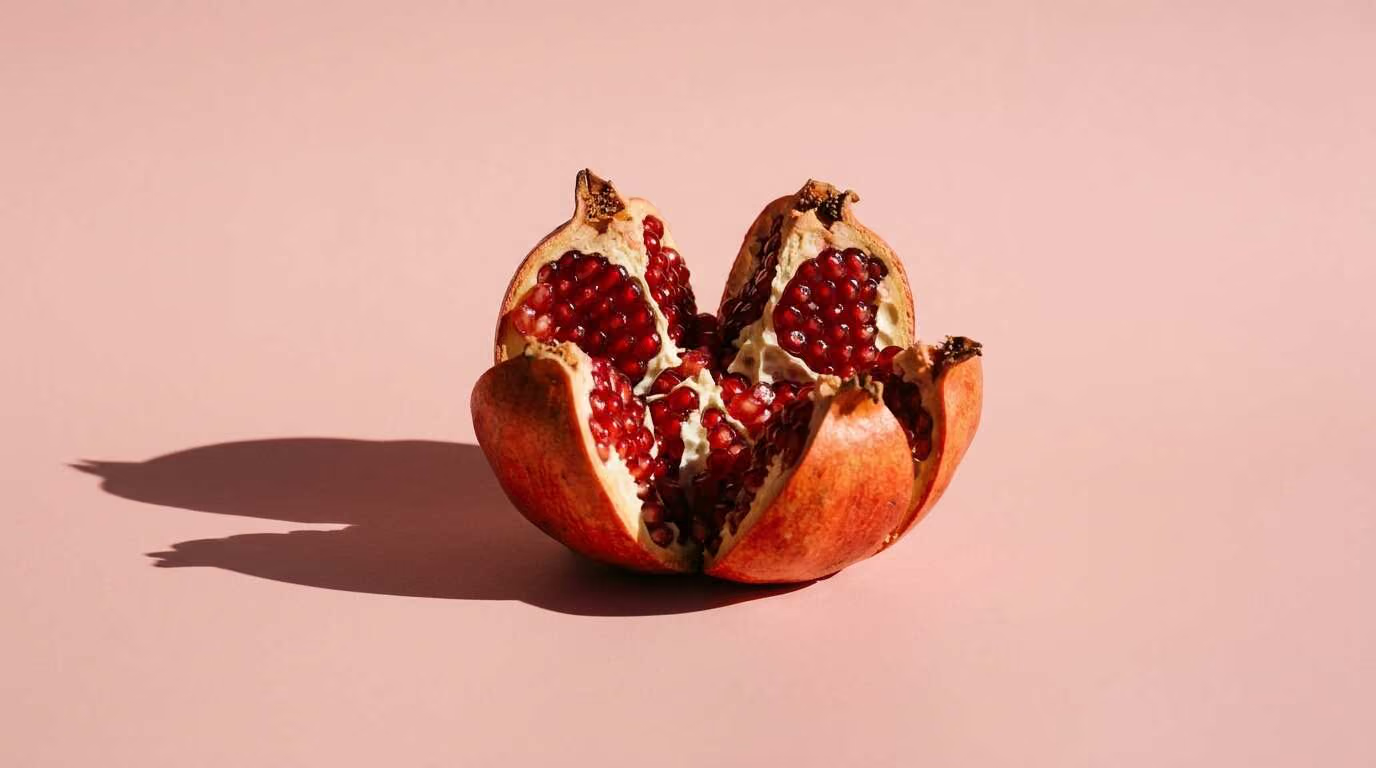
Foods for heart health ranked by trial evidence: oats, fatty fish, nuts, olive oil, berries, cocoa, leafy greens and legumes, and their effects on LDL.
The foods for heart health with the strongest trial evidence are oats, fatty fish, nuts, extra-virgin olive oil, berries, cocoa flavanols, nitrate-rich leafy greens and beetroot, and legumes. Most improved at least one marker such as LDL cholesterol or blood pressure in controlled trials, and they work best together: a Mediterranean pattern cut major cardiovascular events by roughly 30% in PREDIMED.
Cardiovascular disease remains the leading cause of death worldwide, with an estimated 19.8 million deaths in 2022, according to the World Health Organization (WHO fact sheet). The PREDIMED trial (Estruch et al., New England Journal of Medicine, 2018) compared a Mediterranean dietary pattern with a low-fat control diet in 7,447 high-risk adults (PubMed). What follows is a food-by-food review of the ingredients with the most defensible clinical evidence for lipid, blood pressure, and endothelial outcomes.
What Actually Defines a “Heart-Healthy” Food?
This guide counts a food as heart-healthy when controlled trials show it improves at least one validated cardiovascular biomarker: LDL cholesterol, triglycerides, blood pressure, flow-mediated dilation, arterial stiffness (pulse wave velocity), or inflammatory markers like hs-CRP. The 2021 American Heart Association Dietary Guidance statement (Lichtenstein et al., Circulation) (PubMed) puts overall dietary patterns ahead of single foods, which is worth keeping in mind for every food below.
The mechanistic categories worth tracking are LDL reduction (viscous fibers, plant sterols, unsaturated fats displacing saturated), blood pressure reduction (dietary nitrate, potassium, polyphenols), triglyceride reduction (marine omega-3), and endothelial support (flavanols, nitrates, polyphenols). Foods hitting multiple targets carry the strongest signal.
How Much Does Oat Beta-Glucan Actually Lower LDL Cholesterol?
Oats are among the best-studied whole grains for LDL reduction, and the mechanism is well characterized. Beta-glucan, a soluble viscous fiber concentrated in the oat bran layer, forms a gel in the small intestine that traps bile acids. The liver responds by pulling circulating LDL out of the bloodstream to synthesize replacement bile acids. The FDA authorized a health claim for oat beta-glucan and coronary heart disease risk reduction in 1997 based on evidence that it lowers blood cholesterol (21 CFR 101.81).
Dose-Response and Practical Application
The 3 g/day threshold shows up repeatedly in trial data as the minimum dose for meaningful LDL reduction. That corresponds to roughly 75 g of dry rolled oats or 55 g of oat bran at the minimum beta-glucan contents (4% and 5.5% dry weight) that the FDA health claim requires. The 2014 Whitehead meta-analysis of 28 RCTs (American Journal of Clinical Nutrition) (PubMed) reported a mean LDL reduction of 0.25 mmol/L at doses at or above 3 g/day, and found no evidence that higher doses (up to 12.4 g/day) produced larger effects.
The molecular weight of beta-glucan matters clinically. Processing that fragments the polymer reduces viscosity. In a trial of 345 adults, a cereal with low-molecular-weight oat beta-glucan lowered LDL only about half as much as versions with higher-molecular-weight beta-glucan, and the difference was not statistically significant versus control (Wolever et al., 2010). Molecular weight does not appear on nutrition labels, so the effect of a given oat product is hard to judge from the package.
Does Fatty Fish Really Reduce Cardiovascular Events?
Marine omega-3 fatty acids EPA and DHA are among the most extensively studied nutrients in cardiovascular medicine. Fatty fish like salmon, sardines, mackerel, and anchovies deliver roughly 1-2 g of combined EPA+DHA per 100 g, from about 1.0 g in canned sardines to 2.2 g in cooked farmed Atlantic salmon (USDA FoodData Central; FDC). A 2018 American Heart Association science advisory suggests one to two seafood meals per week, especially when seafood replaces less healthy foods (Rimm et al., Circulation) (PubMed).
The Triglyceride Effect Is Robust
For triglyceride reduction, the evidence is consistent. A 2009 meta-analysis by Eslick and colleagues (International Journal of Cardiology) of 47 placebo-controlled trials in people with hyperlipidemia found that fish oil (a weighted average of 3.25 g/day of EPA and/or DHA) lowered fasting triglycerides by 0.34 mmol/L (about 30 mg/dL) without changing total cholesterol (PubMed). The reduction was larger with higher EPA+DHA intake and higher starting triglyceride levels.
The Event Reduction Debate
Whether fish oil reduces cardiovascular events in primary prevention is less settled. The VITAL trial (Manson et al., New England Journal of Medicine, 2019) (PubMed) in 25,871 adults found no significant reduction in major cardiovascular events with 1 g/day of EPA+DHA. REDUCE-IT used a higher dose (4 g/day) of purified EPA and enrolled a high-risk population, and it did show benefit. The gap between these trials suggests dose and population selection matter substantially.
The most prominent positive outcome trial, REDUCE-IT, used purified EPA (icosapent ethyl), while VITAL and several other trials of mixed EPA/DHA at lower doses were null for their primary endpoints. Whether this reflects the specific molecule, the higher dose, or the mineral oil placebo used in REDUCE-IT remains debated. Higher doses also carry a trade-off: in a meta-analysis of seven cardiovascular outcome trials, omega-3 supplements were associated with a higher risk of atrial fibrillation, and the risk appeared greater at doses above 1 g/day (Gencer et al., 2021).
Are Nuts Really Associated with Lower Coronary Risk?
Walnuts, almonds, pistachios, and hazelnuts appear repeatedly in cardiovascular nutrition trials. In PREDIMED, the Mediterranean diet supplemented with mixed nuts also lowered major cardiovascular events versus the control diet (hazard ratio 0.72) (PubMed), and walnuts stand out among nuts for their alpha-linolenic acid (ALA) content, the plant-derived omega-3.
Mechanisms: Unsaturated Fats, Fiber, and Polyphenols
Nuts displace saturated fat with monounsaturated and polyunsaturated fats, deliver roughly 2-3.5 g of fiber per 28 g serving (walnuts near the low end, almonds near the high end, per USDA FoodData Central), and contain phytosterols that competitively inhibit cholesterol absorption. Walnuts additionally provide about 2.5 g of ALA per 28 g, per USDA FoodData Central (FDC 170187). A 2021 report from the WAHA trial (Rajaram et al., Circulation) (PubMed) in 628 older adults found that eating 30-60 g of walnuts daily for two years lowered LDL cholesterol by an average of 4.3 mg/dL (a modest change, about 4%) versus a walnut-free control diet.
The Weight-Gain Concern Is Not Borne Out in Trial Data
A frequent objection is caloric density. In controlled trials, however, nut consumption does not typically produce weight gain. A 2021 meta-analysis of 55 trials by Guarneiri and Cooper (Advances in Nutrition) (PubMed) found no change in body weight, BMI, or waist circumference with nut-enriched diets. Proposed explanations include satiety and incomplete absorption of nut fat. In one controlled feeding study, standard Atwater factors overestimated the calories people actually absorbed from almonds by about 32% (Novotny et al., 2012).
Why Does Extra-Virgin Olive Oil Matter Specifically?
Extra-virgin olive oil sits at the center of the Mediterranean dietary pattern. Its cardiovascular effects trace to both the monounsaturated oleic acid backbone and the polyphenol content, particularly oleocanthal and hydroxytyrosol. Refined olive oils lose most of the polyphenol fraction during processing, which is why the “extra-virgin” designation matters clinically, not just gastronomically.
The Polyphenol-Dependent Effect
The 2006 EUROLIVE crossover trial (Covas et al., Annals of Internal Medicine) (PubMed) gave 200 healthy men in five European countries 25 mL a day of olive oils differing only in phenolic content, for three weeks each. HDL cholesterol rose and oxidative stress markers fell in step with phenolic content. This suggested that the polyphenols contribute independently of the fat profile.
The European Food Safety Authority backed a health claim in 2011 for olive oil polyphenols at 5 mg hydroxytyrosol and its derivatives per 20 g olive oil, based on protection of LDL from oxidative damage (EFSA Journal). Meeting that threshold requires a genuinely extra-virgin oil with verifiable phenolic content, not commodity olive oil.
What Do Berry Anthocyanins Do for the Heart?
Blueberries, strawberries, blackberries, and tart cherries deliver anthocyanins, a subclass of flavonoids responsible for their pigment. A 2013 prospective analysis of 93,600 women in the Nurses’ Health Study II by Cassidy and colleagues (Circulation) (PubMed) found that the highest fifth of anthocyanin intake was associated with a 32% lower risk of myocardial infarction over 18 years than the lowest fifth. Eating more than three servings a week of blueberries and strawberries combined showed only a non-significant trend toward lower risk.
Mechanisms: Endothelial and Anti-Inflammatory
Trials suggest anthocyanin-rich foods can improve endothelial function measured by flow-mediated dilation, possibly through increased nitric oxide bioavailability. A 2019 double-blind RCT by Curtis et al. (American Journal of Clinical Nutrition) (PubMed) in 115 adults with metabolic syndrome found that 150 g/day of blueberries (freeze-dried powder) over six months improved flow-mediated dilation and arterial stiffness, and raised HDL cholesterol in participants not taking statins. Insulin resistance and blood pressure did not change, and a half-cup dose had no effect.
Is Dark Chocolate Actually Cardioprotective?
The active fraction in dark chocolate is not the cocoa mass per se but the flavanols, particularly epicatechin. Commercial dark chocolate varies enormously in flavanol content depending on cocoa origin, alkalization (“Dutching”), and processing. In a survey of commercial cocoa powders, light alkalization cut total flavanols by about 60% and heavy alkalization by about 90% versus natural cocoa (Miller et al., Journal of Agricultural and Food Chemistry, 2008) (PubMed), which means “dark chocolate” as a label tells you little about the cardiovascular-relevant compound. For endothelial function, a 2019 dose-response meta-analysis of 18 trial arms supplying 80-1,248 mg/day of extra flavanols found that flow-mediated dilation improved by about 1.2 percentage points, though results varied widely and most studies carried risk-of-bias concerns (Sun et al., Food & Function) (PubMed).
The COSMOS Trial
The 2022 COSMOS trial (Sesso et al., American Journal of Clinical Nutrition) (PubMed) randomized 21,442 older adults to 500 mg/day of cocoa flavanols or placebo for a median 3.6 years. The primary composite cardiovascular endpoint showed a non-significant 10% reduction, but a secondary analysis of cardiovascular mortality showed a significant 27% reduction. Whatever benefit COSMOS suggests applies to a standardized flavanol extract, not to chocolate bars, which contain sugar, saturated fat, and variable flavanol levels.
Flavanol content varies too widely between bars to match the 500 mg COSMOS dose reliably from chocolate, and 70-85% dark chocolate supplies about 600 kcal per 100 g (USDA FoodData Central), so chasing that dose with bars is not a realistic dietary intervention. Flavanol-specific formulations or high-flavanol cocoa powder are more efficient delivery vehicles.
How Do Leafy Greens Affect Blood Pressure?
Spinach, arugula, Swiss chard, and beetroot greens are among the highest dietary sources of inorganic nitrate. The nitrate-nitrite-nitric oxide pathway is now well characterized: dietary nitrate is absorbed, concentrated in saliva, and reduced to nitrite by oral bacteria; nitrite is then reduced to nitric oxide in blood and tissues, promoting vasodilation (Lundberg et al., 2008).
The Oral Microbiome Caveat
Antibacterial mouthwash interferes with this pathway by killing the oral bacteria that reduce nitrate to nitrite. In a 2013 study by Kapil et al. (Free Radical Biology and Medicine) (PubMed), a week of chlorhexidine mouthwash in 19 healthy volunteers cut oral nitrite production by about 90% and raised blood pressure by 2-3.5 mmHg. A small crossover trial by Bondonno et al. (American Journal of Hypertension, 2015) (PubMed) saw a similar 2.3 mmHg systolic rise in 15 treated hypertensive adults.
A 100 g portion of raw spinach typically supplies roughly 100-250 mg of nitrate: the European Food Safety Authority’s survey mean was 1,066 mg/kg, other surveys have reported 2,000-2,300 mg/kg, and levels vary widely with season and growing conditions (Karwowska and Kononiuk, Antioxidants, 2020) (PubMed). Trials of leafy greens themselves are smaller and less consistent than the beetroot work. In a crossover trial in 26 healthy adults, a meal supplying 220 mg of nitrate from spinach lowered systolic blood pressure relative to a low-nitrate meal over the following 3.5 hours (Liu et al., Nitric Oxide, 2013) (PubMed). In 38 adults with high-normal blood pressure, however, a 7-day diet adding at least 300 mg/day of nitrate from green leafy vegetables did not change office, home, or ambulatory blood pressure (Bondonno et al., Free Radical Biology and Medicine, 2014) (PubMed). Pooled across 16 short-term trials of inorganic nitrate or beetroot juice, systolic blood pressure fell by about 4.4 mmHg on average (Siervo et al., Journal of Nutrition, 2013) (PubMed).
What About Legumes and Garlic?
Legumes and garlic deserve mention separately because both have distinct evidence profiles from the foods above. A 2014 meta-analysis by Ha and colleagues (Canadian Medical Association Journal) of 26 RCTs found that consuming approximately one serving (130 g cooked) of legumes daily reduced LDL cholesterol by 6.6 mg/dL (0.17 mmol/L) versus control diets (PubMed). The authors called for longer, higher-quality trials. Proposed explanations include soluble fiber, plant protein displacing animal protein, and phytosterol content.
Garlic evidence is more variable. A 2016 updated meta-analysis by Ried (Journal of Nutrition) of 20 trials (970 participants) found that garlic supplements lowered systolic blood pressure by about 5 mmHg overall, and by 8.7 mmHg systolic and 6.1 mmHg diastolic in the subgroup of trials in hypertensive participants (PubMed). Raw garlic and aged garlic extract are not interchangeable at the compound level; allicin (raw) and S-allylcysteine (aged) have different pharmacokinetic profiles.
In cohort studies, eating about four 100 g servings of legumes a week was associated with a 14% lower risk of ischemic heart disease, though not with stroke (Afshin et al., 2014). People who eat more legumes differ in other dietary habits, so the LDL trials above are the more direct evidence.
Putting It Together: A Practical Cardiovascular Plate
Individual foods matter less than sustained dietary patterns. The PREDIMED and DASH (PubMed) trials both tested whole dietary patterns rather than single foods, and both produced clinically meaningful effects. That said, populating a daily plate with the highest-evidence foods is straightforward.
| Food | Studied Dose | Primary Effect |
|---|---|---|
| Oats (beta-glucan) | 3 g beta-glucan (75 g oats) | LDL about -4% |
| Fatty fish | 1-2 servings/week (or about 3 g EPA+DHA) | TG about -0.34 mmol/L (supplements) |
| Nuts | 28 g/day | CHD risk -29% (cohort) |
| Extra-virgin olive oil | 4+ tbsp/day | Major CV events -31% (PREDIMED) |
| Berries | 150 g/day | Endothelial function; LDL about -8 mg/dL (meta-analysis) |
| Cocoa flavanols | about 670 mg/day (trial mean) | SBP -1.8 mmHg |
| Leafy greens (nitrate) | about 220-400 mg nitrate/day (Liu 2013; Kapil 2015) | SBP about -4 mmHg (nitrate trials, mostly beetroot) |
| Legumes | 130 g cooked/day | LDL -6.6 mg/dL |
Frequently Asked Questions
What foods lower cholesterol?
Foods with viscous fiber, plant protein, or unsaturated fat have the clearest LDL data. Oat beta-glucan at about 3 g a day lowered LDL by roughly 4% across 58 trials, and about one daily serving of legumes (130 g cooked) lowered it by 6.6 mg/dL in a meta-analysis of 26 trials. Nuts and olive oil may help when they replace saturated fat. Food effects are smaller than statins, so they complement rather than replace prescribed treatment.
What can you drink for heart health?
Beetroot juice has the most direct blood pressure data. In a four-week trial in 68 adults with hypertension, 250 mL a day of nitrate-rich beetroot juice lowered clinic systolic pressure by 7.7 mmHg versus a nitrate-depleted placebo. Antibacterial mouthwash blunts this effect by killing the oral bacteria that convert nitrate. Cocoa flavanols improved endothelial function in pooled trials, but flavanol content varies too widely between products to match trial doses reliably.
How quickly do dietary changes affect cholesterol levels?
LDL cholesterol responds to sustained dietary change within a few weeks. The Ho 2016 meta-analysis of oat beta-glucan included trials as short as three weeks and found significant LDL reductions overall. (PubMed, 2016).
Is fish oil supplementation as good as eating fish?
Not equivalent. Whole fish delivers protein, selenium, vitamin D, and other nutrients absent from most fish oil supplements. For triglyceride reduction at the roughly 3 g/day EPA+DHA doses used in pooled trials, supplementation is more practical. For general cardiovascular prevention in average-risk adults, one to two seafood meals a week is the AHA-endorsed approach. Purified EPA (icosapent ethyl) at 4 g/day is a specific prescription indication, not a food substitute.
Does coconut oil belong on this list?
No. Coconut oil raises LDL cholesterol relative to unsaturated vegetable oils. A 2020 meta-analysis by Neelakantan and colleagues (Circulation) (PubMed) of 16 trials found that coconut oil raised LDL by 10.5 mg/dL versus non-tropical vegetable oils. Its inclusion in “superfood” lists reflects marketing, not cardiovascular trial evidence.
Can dietary changes alone replace statin therapy?
No, in most cases. Dietary change and statins operate on different scales of LDL reduction. In a six-month trial of 351 adults with high cholesterol, dietary advice built around a portfolio of LDL-lowering foods (plant sterols, soy protein, viscous fiber, nuts) lowered LDL by about 13-14%, versus 3% on a conventional low-saturated-fat diet (Jenkins et al., JAMA, 2011) (PubMed). The 2018 ACC/AHA cholesterol guideline expects moderate-intensity statins to lower LDL by 30-49% and high-intensity statins by 50% or more (PubMed). For established cardiovascular disease or high-risk primary prevention, guidelines from the ACC/AHA position diet as complementary to, not a replacement for, pharmacotherapy.
Are eggs bad for the heart?
Current evidence does not support blanket egg avoidance. A 2020 pooled analysis of three US cohorts by Drouin-Chartier and colleagues (BMJ) (PubMed) covering 215,618 adults found no significant association between moderate egg intake (up to one per day) and cardiovascular disease in the overall population. Effects may differ in people with diabetes: in a 2013 meta-analysis of cohort studies, eating an egg or more a day was associated with higher cardiovascular risk in diabetic participants (Shin et al., American Journal of Clinical Nutrition) (PubMed).
Conclusion
Cardiovascular nutrition is one of the better-evidenced areas of dietary science, and the practical implications are consistent across trial data. Oats, fatty fish, nuts, extra-virgin olive oil, berries, cocoa flavanols, leafy greens, and legumes each carry independent evidence for at least one validated cardiovascular biomarker. Their combined effect within a Mediterranean-style pattern produced a roughly 30% reduction in major vascular events in PREDIMED, an effect size comparable to some pharmacologic interventions.
None of these foods work as isolated fixes. Displacement matters as much as inclusion: extra-virgin olive oil replacing butter, oats replacing refined cereal, fish replacing processed meat, nuts replacing crackers. Cardiovascular risk reduction from diet accumulates across decades, not weeks, and the strongest evidence supports patterns over individual “superfoods.” The foods reviewed here are the best-supported building blocks of that pattern.
Medical Disclaimer
The information in this article is for educational purposes only. It does not constitute medical advice, diagnosis, or treatment. Consult a qualified healthcare provider before making significant dietary changes, particularly if you take prescription medications, have a chronic health condition, or are pregnant or breastfeeding. The statements on this site have not been evaluated by the Food and Drug Administration. Foods and dietary supplements are not intended to diagnose, treat, cure, or prevent any disease.
References
Show all 39 referencesShow fewer
-
Estruch R, Ros E, Salas-Salvadó J, et al. Primary prevention of cardiovascular disease with a Mediterranean diet supplemented with extra-virgin olive oil or nuts. New England Journal of Medicine. 2018;378(25):e34. PubMed
-
Ho HVT, Sievenpiper JL, Zurbau A, et al. The effect of oat β-glucan on LDL-cholesterol, non-HDL-cholesterol and apoB for CVD risk reduction: a systematic review and meta-analysis of randomised-controlled trials. British Journal of Nutrition. 2016;116(8):1369-1382. PubMed
-
Bhatt DL, Steg PG, Miller M, et al. Cardiovascular risk reduction with icosapent ethyl for hypertriglyceridemia (REDUCE-IT). New England Journal of Medicine. 2019;380(1):11-22. PubMed
-
Aune D, Keum N, Giovannucci E, et al. Nut consumption and risk of cardiovascular disease, total cancer, all-cause and cause-specific mortality: a systematic review and dose-response meta-analysis of prospective studies. BMC Medicine. 2016;14(1):207. PubMed
-
Huang H, Chen G, Liao D, Zhu Y, Xue X. Effects of berries consumption on cardiovascular risk factors: a meta-analysis with trial sequential analysis of randomized controlled trials. Scientific Reports. 2016;6:23625. PubMed
-
Ried K, Fakler P, Stocks NP. Effect of cocoa on blood pressure. Cochrane Database of Systematic Reviews. 2017;4:CD008893. PubMed
-
Kapil V, Khambata RS, Robertson A, et al. Dietary nitrate provides sustained blood pressure lowering in hypertensive patients: a randomized, phase 2, double-blind, placebo-controlled study. Hypertension. 2015;65(2):320-327. PubMed
-
Ha V, Sievenpiper JL, de Souza RJ, et al. Effect of dietary pulse intake on established therapeutic lipid targets for cardiovascular risk reduction: a systematic review and meta-analysis of randomized controlled trials. Canadian Medical Association Journal. 2014;186(8):E252-E262. PubMed
-
Lichtenstein AH, Appel LJ, Vadiveloo M, et al. 2021 Dietary guidance to improve cardiovascular health: a scientific statement from the American Heart Association. Circulation. 2021;144(23):e472-e487. PubMed
-
Whitehead A, Beck EJ, Tosh S, Wolever TM. Cholesterol-lowering effects of oat β-glucan: a meta-analysis of randomized controlled trials. American Journal of Clinical Nutrition. 2014;100(6):1413-1421. PubMed
-
Eslick GD, Howe PR, Smith C, et al. Benefits of fish oil supplementation in hyperlipidemia: a systematic review and meta-analysis. International Journal of Cardiology. 2009;136(1):4-16. PubMed
-
Manson JE, Cook NR, Lee IM, et al. Marine n-3 fatty acids and prevention of cardiovascular disease and cancer. New England Journal of Medicine. 2019;380(1):23-32. PubMed
-
Rajaram S, Cofán M, Sala-Vila A, et al. Effects of walnut consumption for 2 years on lipoprotein subclasses among healthy elders: findings from the WAHA randomized controlled trial. Circulation. 2021;144(13):1083-1085. PubMed
-
Guarneiri LL, Cooper JA. Intake of nuts or nut products does not lead to weight gain, independent of dietary substitution instructions: a systematic review and meta-analysis of randomized trials. Advances in Nutrition. 2021;12(2):384-401. PubMed
-
Covas MI, Nyyssönen K, Poulsen HE, et al. The effect of polyphenols in olive oil on heart disease risk factors: a randomized trial. Annals of Internal Medicine. 2006;145(5):333-341. PubMed
-
Cassidy A, Mukamal KJ, Liu L, et al. High anthocyanin intake is associated with a reduced risk of myocardial infarction in young and middle-aged women. Circulation. 2013;127(2):188-196. PubMed
-
Curtis PJ, van der Velpen V, Berends L, et al. Blueberries improve biomarkers of cardiometabolic function in participants with metabolic syndrome: results from a 6-month, double-blind, randomized controlled trial. American Journal of Clinical Nutrition. 2019;109(6):1535-1545. PubMed
-
Sesso HD, Manson JE, Aragaki AK, et al. Effect of cocoa flavanol supplementation for the prevention of cardiovascular disease events: the COcoa Supplement and Multivitamin Outcomes Study (COSMOS) randomized clinical trial. American Journal of Clinical Nutrition. 2022;115(6):1490-1500. PubMed
-
Kapil V, Haydar SM, Pearl V, et al. Physiological role for nitrate-reducing oral bacteria in blood pressure control. Free Radical Biology and Medicine. 2013;55:93-100. PubMed
-
Bondonno CP, Liu AH, Croft KD, et al. Antibacterial mouthwash blunts oral nitrate reduction and increases blood pressure in treated hypertensive men and women. American Journal of Hypertension. 2015;28(5):572-575. PubMed
-
Ried K. Garlic lowers blood pressure in hypertensive individuals, regulates serum cholesterol, and stimulates immunity: an updated meta-analysis and review. Journal of Nutrition. 2016;146(2):389S-396S. PubMed
-
Neelakantan N, Seah JYH, van Dam RM. The effect of coconut oil consumption on cardiovascular risk factors: a systematic review and meta-analysis of clinical trials. Circulation. 2020;141(10):803-814. PubMed
-
Drouin-Chartier JP, Chen S, Li Y, et al. Egg consumption and risk of cardiovascular disease: three large prospective US cohort studies, systematic review, and updated meta-analysis. BMJ. 2020;368:m513. PubMed
-
Appel LJ, Moore TJ, Obarzanek E, et al. A clinical trial of the effects of dietary patterns on blood pressure. New England Journal of Medicine. 1997;336(16):1117-1124. PubMed
-
Siervo M, Lara J, Ogbonmwan I, Mathers JC. Inorganic nitrate and beetroot juice supplementation reduces blood pressure in adults: a systematic review and meta-analysis. Journal of Nutrition. 2013;143(6):818-826. PubMed
-
Liu AH, Bondonno CP, Croft KD, et al. Effects of a nitrate-rich meal on arterial stiffness and blood pressure in healthy volunteers. Nitric Oxide. 2013;35:123-130. PubMed
-
Bondonno CP, Liu AH, Croft KD, et al. Short-term effects of nitrate-rich green leafy vegetables on blood pressure and arterial stiffness in individuals with high-normal blood pressure. Free Radical Biology and Medicine. 2014;77:353-362. PubMed
-
Karwowska M, Kononiuk A. Nitrates/nitrites in food: risk for nitrosative stress and benefits. Antioxidants. 2020;9(3):241. PubMed
-
Rimm EB, Appel LJ, Chiuve SE, et al. Seafood long-chain n-3 polyunsaturated fatty acids and cardiovascular disease: a science advisory from the American Heart Association. Circulation. 2018;138(1):e35-e47. PubMed
-
Miller KB, Hurst WJ, Payne MJ, et al. Impact of alkalization on the antioxidant and flavanol content of commercial cocoa powders. Journal of Agricultural and Food Chemistry. 2008;56(18):8527-8533. PubMed
-
Sun Y, Zimmermann D, De Castro CA, Actis-Goretta L. Dose-response relationship between cocoa flavanols and human endothelial function: a systematic review and meta-analysis of randomized trials. Food & Function. 2019;10(10):6322-6330. PubMed
-
Jenkins DJ, Jones PJ, Lamarche B, et al. Effect of a dietary portfolio of cholesterol-lowering foods given at 2 levels of intensity of dietary advice on serum lipids in hyperlipidemia: a randomized controlled trial. JAMA. 2011;306(8):831-839. PubMed
-
Grundy SM, Stone NJ, Bailey AL, et al. 2018 AHA/ACC/AACVPR/AAPA/ABC/ACPM/ADA/AGS/APhA/ASPC/NLA/PCNA guideline on the management of blood cholesterol. Circulation. 2019;139(25):e1082-e1143. PubMed
-
Wolever TM, Tosh SM, Gibbs AL, et al. Physicochemical properties of oat β-glucan influence its ability to reduce serum LDL cholesterol in humans: a randomized clinical trial. American Journal of Clinical Nutrition. 2010;92(4):723-732. PubMed
-
Gencer B, Djousse L, Al-Ramady OT, et al. Effect of long-term marine ω-3 fatty acids supplementation on the risk of atrial fibrillation in randomized controlled trials of cardiovascular outcomes: a systematic review and meta-analysis. Circulation. 2021;144(25):1981-1990. PubMed
-
Novotny JA, Gebauer SK, Baer DJ. Discrepancy between the Atwater factor predicted and empirically measured energy values of almonds in human diets. American Journal of Clinical Nutrition. 2012;96(2):296-301. PubMed
-
Lundberg JO, Weitzberg E, Gladwin MT. The nitrate-nitrite-nitric oxide pathway in physiology and therapeutics. Nature Reviews Drug Discovery. 2008;7(2):156-167. PubMed
-
Afshin A, Micha R, Khatibzadeh S, Mozaffarian D. Consumption of nuts and legumes and risk of incident ischemic heart disease, stroke, and diabetes: a systematic review and meta-analysis. American Journal of Clinical Nutrition. 2014;100(1):278-288. PubMed
-
Shin JY, Xun P, Nakamura Y, He K. Egg consumption in relation to risk of cardiovascular disease and diabetes: a systematic review and meta-analysis. American Journal of Clinical Nutrition. 2013;98(1):146-159. PubMed
Read next


Written by Superfoods Advisor Editors·Published July 4, 2026