Golden Milk (Turmeric Latte): 6 Recipes and the Curcumin Bioavailability Science
By Superfoods Advisor Editors·July 4, 2026
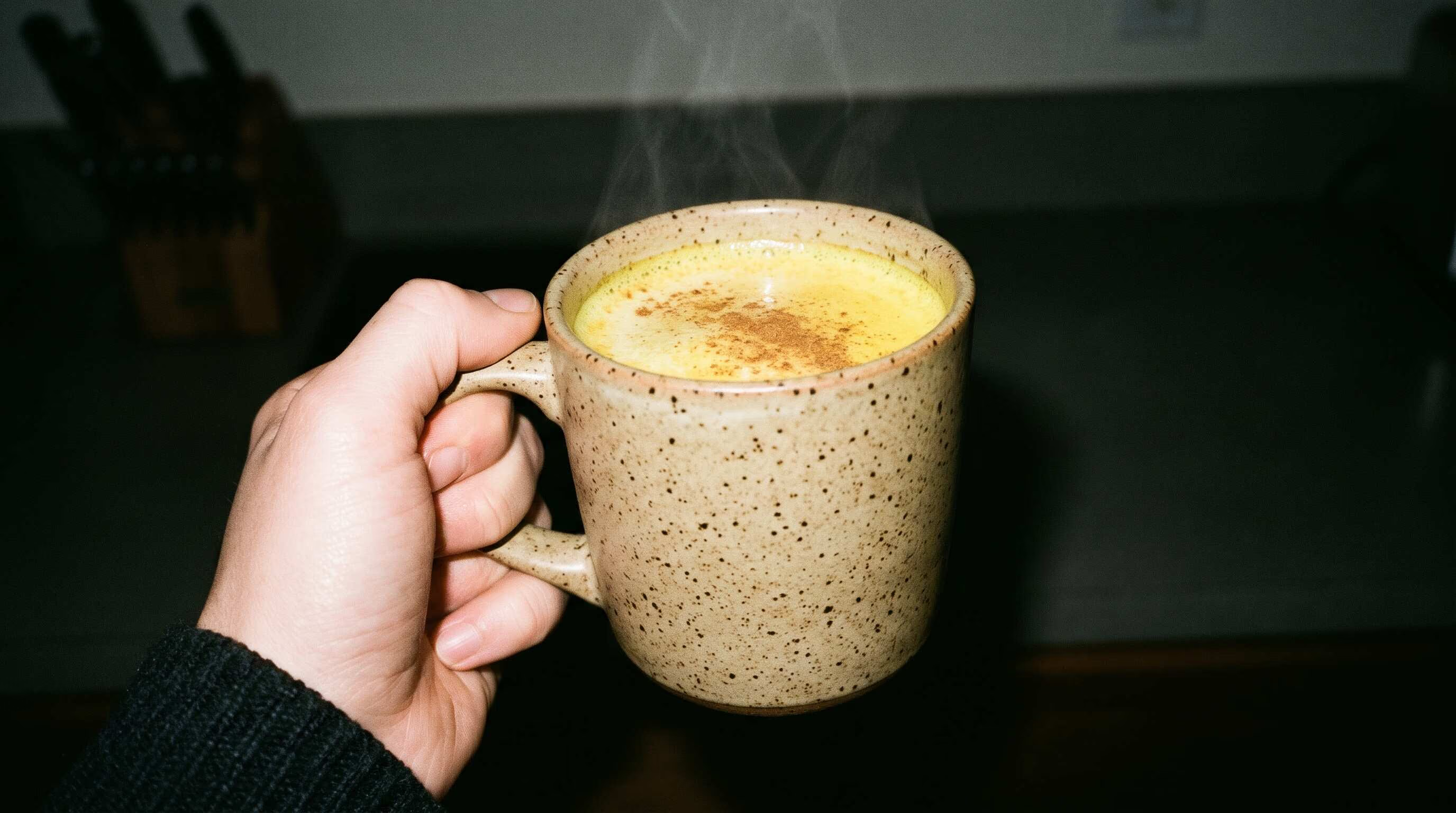
A golden milk recipe from traditional haldi doodh to café, iced and cacao turmeric lattes, with black pepper and fat added for curcumin absorption.
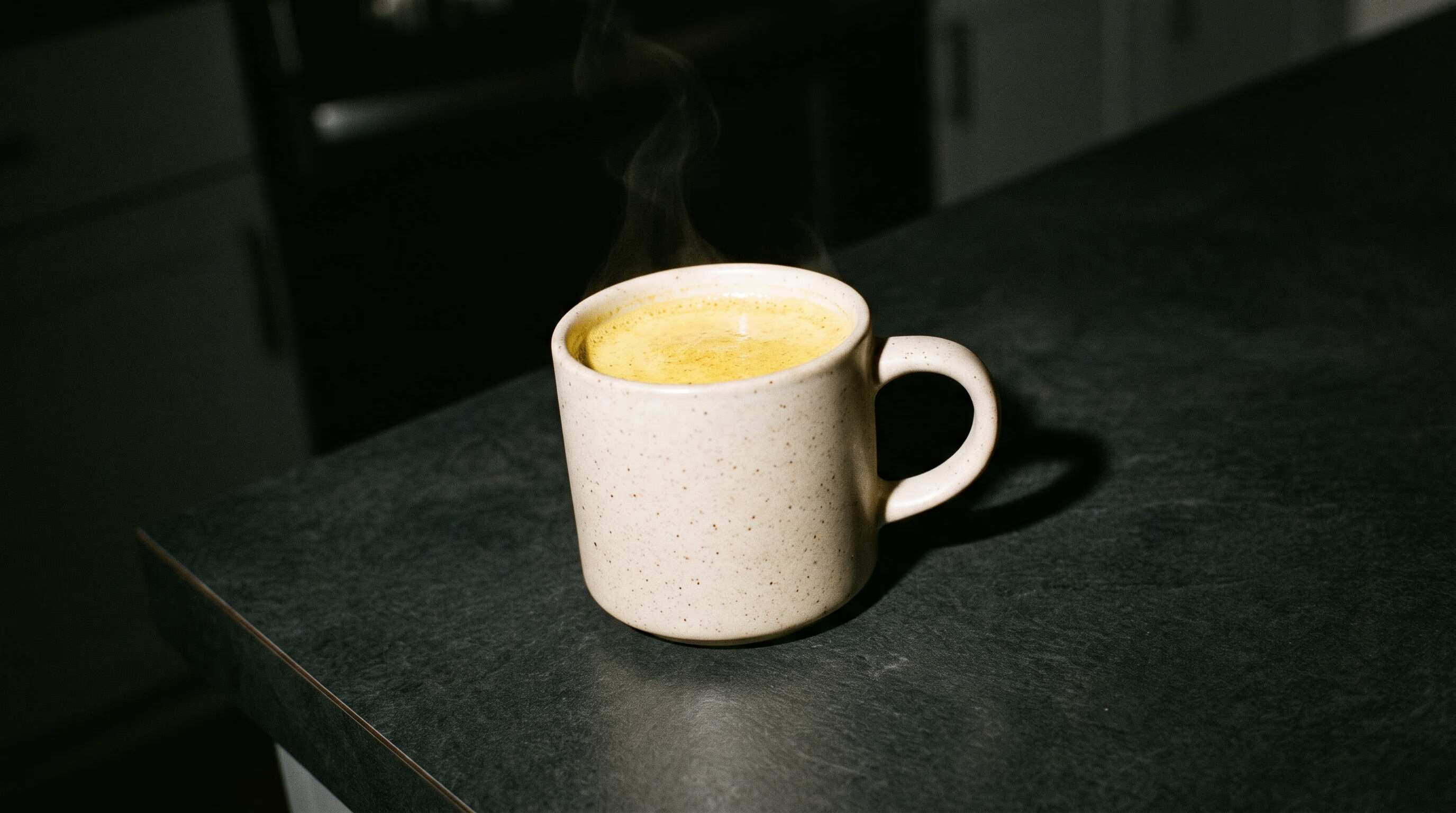
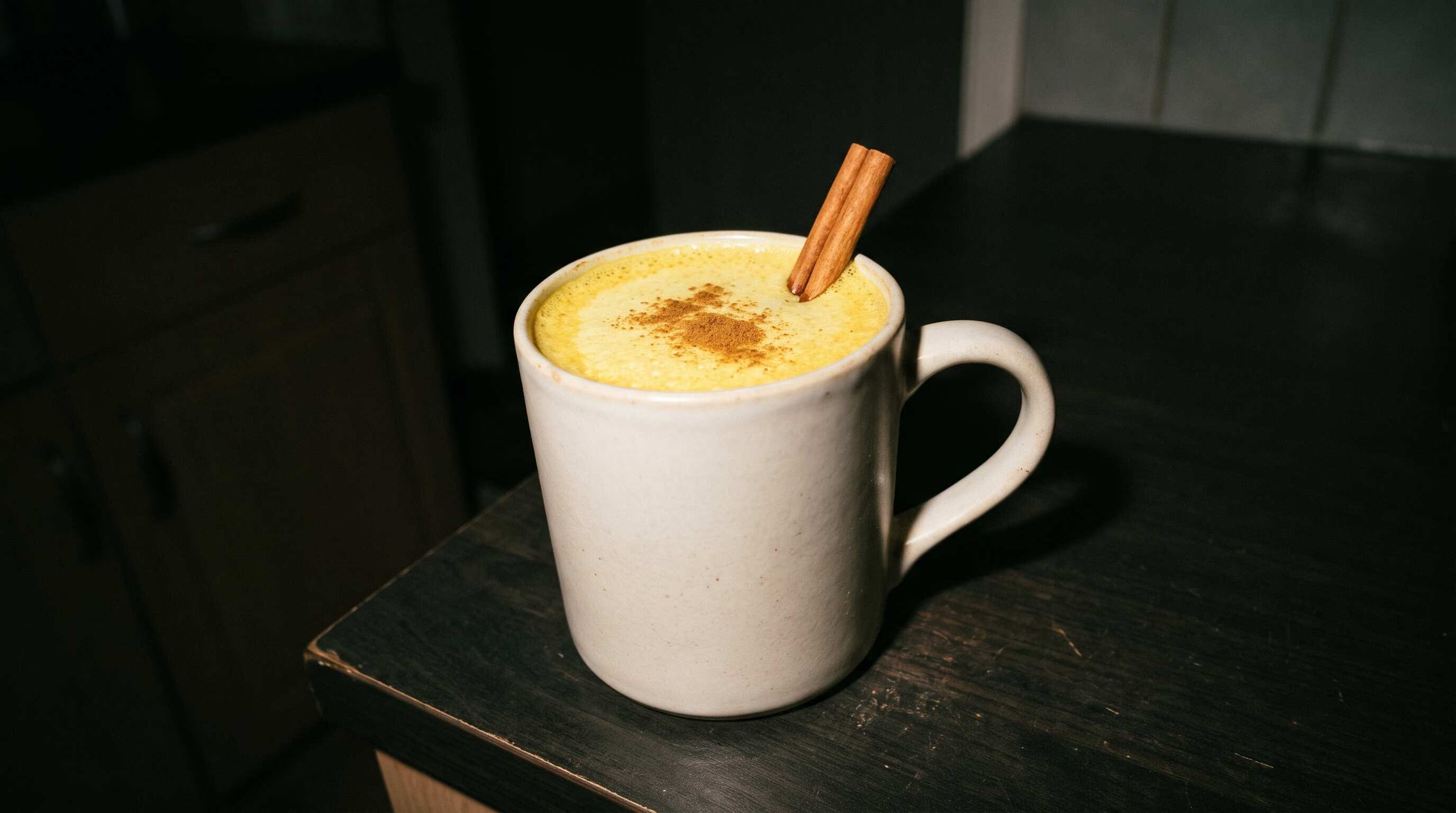
To make golden milk, bloom 1/2 teaspoon of ground turmeric and 1/8 teaspoon of black pepper in 1/4 teaspoon of ghee or coconut oil for 30 seconds, whisk in 1 cup of whole or coconut milk, and hold at a bare simmer for 5 to 7 minutes. Sweeten off the heat. The pepper and fat are there for curcumin absorption.
Golden milk, haldi doodh in Hindi and turmeric latte on café menus, is a warm spiced drink from the Ayurvedic tradition built around turmeric simmered in milk. Café versions are usually a mildly sweetened latte with oat or almond milk. What most café versions get wrong is the chemistry underneath: turmeric’s active compound, curcumin, is famously hard for the body to absorb, and even the best-studied workaround, black pepper, has a mixed record in human studies.
Curcumin on its own is very poorly absorbed. In healthy adults given a 2 g oral dose of pure curcumin, serum levels were either undetectable or very low (Shoba et al., 1998). Two things are commonly used to change that picture. First, curcumin is fat-soluble, so a lipid carrier is the traditional choice, though no human study has shown that fat co-ingested in food raises absorption. Second, piperine (the pungent compound in black pepper) inhibits the hepatic and intestinal glucuronidation enzymes that would otherwise clear curcumin rapidly. In the 1998 study by Shoba and colleagues published in Planta Medica, adding 20 mg of piperine to a 2 g dose of curcumin increased curcumin bioavailability by 2,000% (PubMed:9619120). The figure is large partly because the baseline was close to zero, and it comes from one small study; in a later trial of 4 g curcuminoids with 24 mg piperine, unconjugated (free) curcumin in plasma stayed below the assay’s detection limit (Volak et al., 2013).
Heat matters too. In one HPLC study, boiling turmeric for 10 or 20 minutes, or pressure-cooking it, cost 27–53% of its curcumin, with the largest loss under pressure (Suresh et al., 2007). The traditional Ayurvedic instruction, a gentle simmer for a few minutes rather than a long boil, is a reasonable way to limit that loss, though no study has tested the traditional timing directly.
The Bioavailability Trio: Turmeric, Black Pepper, and Fat
Three ingredients carry the bioavailability logic of golden milk. Only one pairing, piperine with curcumin, has been measured in people; the fat is traditional and plausible rather than proven.
Turmeric contributes curcuminoids: mostly curcumin, plus smaller amounts of demethoxycurcumin and bisdemethoxycurcumin. Retail ground turmeric averaged 3.14% curcumin by weight in one HPLC survey (Tayyem et al., 2006), and a level teaspoon weighs about 3 g (USDA FoodData Central), so a teaspoon carries roughly 90 mg and the half teaspoon in most of these recipes about 45 mg. Fresh grated root is mostly water, so it carries less curcumin per spoonful, but it has a brighter flavor.
Black pepper contributes piperine, a piperidine alkaloid that inhibits glucuronidation, the main route by which curcumin is cleared (Shoba et al., 1998). You don’t need much. Retail black pepper averaged about 4.4% piperine in one survey (Lee et al., 2021), so 1/8 to 1/4 teaspoon (about 0.3–0.6 g) supplies roughly 13–26 mg, in the range of the 20 mg Shoba et al. used. The trial paired that piperine with 2 g of purified curcumin, though, about 40 times what half a teaspoon of turmeric supplies, so the 2,000% figure does not transfer directly to a mug. Freshly ground pepper also tastes noticeably sharper than pre-ground.
Fat is thought to help carry curcumin through the watery environment of the gut into micelles for absorption. Whole milk, full-fat coconut milk, ghee, or a spoon of MCT oil all work. Skim milk or a thin nut milk offers much less fat to dissolve it in, though how much that changes absorption from a drink has not been measured directly. A 2007 review of curcumin bioavailability (Anand et al., Molecular Pharmaceutics) lists piperine, liposomes, nanoparticles and phospholipid complexes among the approaches that have raised plasma curcumin levels (PubMed:17999464).
Blooming the turmeric in warm ghee or oil before adding milk (the traditional tadka technique adapted to a drink) starts the curcuminoids in the fat, where they dissolve far better than in water. Adding turmeric directly to hot milk works, but more of the powder tends to settle. The 30-second bloom in fat is a small step that improves the color; whether it changes absorption has not been tested.
The recipes
Frequently Asked Questions
Is it good to drink golden milk every day?
For most healthy adults, a daily mug made with food amounts of turmeric (about 45–90 mg of curcumin per cup) is an ordinary food habit, not a treatment. The safety concerns on record involve concentrated turmeric supplements, which have been linked to rare liver injury. If you take prescription medications or manage a chronic condition, check daily use with a healthcare provider.
Who should not drink turmeric milk?
Food amounts are generally considered safe, but some people should ask a clinician first. NCCIH notes turmeric supplements may be unsafe in pregnancy, piperine at supplement doses raised carbamazepine and phenytoin levels in small studies, and the ashwagandha version is not recommended in pregnancy, breastfeeding, or with thyroid or autoimmune conditions. Anyone with a dairy allergy should use the coconut milk option.
Does a turmeric latte have caffeine?
No. Turmeric, black pepper, ginger, cinnamon and milk contain no caffeine, so the traditional, café-style and iced versions here are caffeine-free. The cacao version is the exception in kind: cocoa supplies theobromine, a milder stimulant (about 120 mg per tablespoon of cocoa powder), which is why it is suggested as an afternoon drink rather than a bedtime one.
When’s the best time to drink golden milk?
Ayurvedic tradition places haldi doodh at bedtime, and a warm, stimulant-free drink fits an evening routine. No study has tested whether the time of day changes any effect of golden milk. The ashwagandha version is the one aimed at sleep; the guide on how to take ashwagandha for sleep and anxiety covers what the extract trials did and did not show. The chocolate-cacao version is best kept to mornings or early afternoons because of the theobromine.
Is a curcumin supplement better than golden milk?
For trial-level doses, yes. The arthritis trials pooled by Daily and colleagues mostly used about 1,000 mg of curcumin a day (Daily et al., 2016), while a cup of golden milk made with 1/2 to 1 teaspoon of turmeric supplies roughly 45–90 mg. Golden milk isn’t trying to hit clinical trial doses. It’s a food that pairs turmeric with cultural context, warmth, and the pepper that has some absorption data behind it. Standardized turmeric extracts are what the joint and inflammatory-marker trials tested, but supplements are also where the liver-injury reports come from (see below), so that is a conversation for a clinician. If you do go that route, our turmeric curcumin supplements comparison ranks products on standardization and third-party testing. If nightly practice and enjoyment are the goal, golden milk is fine.
Does the type of milk matter?
Fat content matters most. Whole milk (3.25% fat, per USDA FoodData Central) and full-fat canned coconut milk work best. Skim milk and thin nut milks offer little fat for curcumin to dissolve in. If you use a low-fat plant milk, add a teaspoon of coconut oil, MCT oil, or ghee to compensate. Oat milk barista blends often contain added oil, which makes them richer than plain oat milk.
How should I store leftovers?
Refrigerated in a sealed jar, golden milk keeps 48 hours. Curcumin oxidizes slowly with light exposure, so opaque containers help. Reheat gently on the stovetop rather than the microwave to avoid boiling. The fat may separate; a quick whisk restores it.
A Note on Health Claims
Golden milk is a food, not a medicine. None of the recipes here diagnoses, treats, prevents, or cures any medical condition. Turmeric supplements have been linked to rare liver injury: the U.S. Drug-Induced Liver Injury Network described 10 cases, one fatal (Halegoua-DeMarzio et al., 2023), and NCCIH notes they may be unsafe in pregnancy; turmeric in food amounts is a different matter. Piperine at supplement doses raised carbamazepine and phenytoin levels in small human studies (Bedada et al., 2017; Pattanaik et al., 2006), although a curcumin–piperine extract did not change midazolam, flurbiprofen or paracetamol levels (Volak et al., 2013). Ashwagandha has its own liver-injury case series (Björnsson et al., 2020) and is not recommended during pregnancy or breastfeeding or with thyroid or autoimmune conditions (NCCIH). If you take prescription medications or manage a chronic condition, discuss regular use with a healthcare provider before adopting any of these recipes as a daily practice.
This article reflects the medical disclaimer published at superfoodsadvisor.com/medical-disclaimer.
References
Show all 22 referencesShow fewer
-
Shoba G, Joy D, Joseph T, et al. Influence of piperine on the pharmacokinetics of curcumin in animals and human volunteers. Planta Medica. 1998;64(4):353-356. PubMed:9619120
-
Daily JW, Yang M, Park S. Efficacy of turmeric extracts and curcumin for alleviating the symptoms of joint arthritis: a systematic review and meta-analysis of randomized clinical trials. Journal of Medicinal Food. 2016;19(8):717-729. PubMed:27533649
-
Dehzad MJ, Ghalandari H, Nouri M, Askarpour M. Antioxidant and anti-inflammatory effects of curcumin/turmeric supplementation in adults: A GRADE-assessed systematic review and dose-response meta-analysis of randomized controlled trials. Cytokine. 2023;164:156144. PubMed:36804260
-
Langade D, Kanchi S, Salve J, et al. Efficacy and safety of ashwagandha (Withania somnifera) root extract in insomnia and anxiety: a double-blind, randomized, placebo-controlled study. Cureus. 2019;11(9):e5797. PubMed:31728244
-
Anand P, Kunnumakkara AB, Newman RA, Aggarwal BB. Bioavailability of curcumin: problems and promises. Molecular Pharmaceutics. 2007;4(6):807-818. PubMed:17999464
-
Suresh D, Manjunatha H, Srinivasan K. Effect of heat processing of spices on the concentrations of their bioactive principles: turmeric (Curcuma longa), red pepper (Capsicum annuum) and black pepper (Piper nigrum). Journal of Food Composition and Analysis. 2007;20(3-4):346-351. doi:10.1016/j.jfca.2006.10.002
-
Volak LP, Hanley MJ, Masse G, et al. Effect of a herbal extract containing curcumin and piperine on midazolam, flurbiprofen and paracetamol (acetaminophen) pharmacokinetics in healthy volunteers. British Journal of Clinical Pharmacology. 2013;75(2):450-462. PubMed:22725836
-
Tayyem RF, Heath DD, Al-Delaimy WK, Rock CL. Curcumin content of turmeric and curry powders. Nutrition and Cancer. 2006;55(2):126-131. PubMed:17044766
-
Lee JG, Kim AY, Kim DW, Kim YJ. Determination and risk characterisation of bio-active piperine in black pepper and selected food containing black pepper consumed in Korea. Food Science and Biotechnology. 2021;30(2):209-215. PubMed:33732511
-
Halegoua-DeMarzio D, Navarro V, Ahmad J, et al. Liver injury associated with turmeric — a growing problem: ten cases from the Drug-Induced Liver Injury Network [DILIN]. American Journal of Medicine. 2023;136(2):200-206. PubMed:36252717
-
Bedada SK, Appani R, Boga PK. Effect of piperine on the metabolism and pharmacokinetics of carbamazepine in healthy volunteers. Drug Research. 2017;67(1):46-51. PubMed:27776366
-
Pattanaik S, Hota D, Prabhakar S, Kharbanda P, Pandhi P. Effect of piperine on the steady-state pharmacokinetics of phenytoin in patients with epilepsy. Phytotherapy Research. 2006;20(8):683-686. PubMed:16767797
-
Björnsson HK, Björnsson ES, Avula B, et al. Ashwagandha-induced liver injury: a case series from Iceland and the US Drug-Induced Liver Injury Network. Liver International. 2020;40(4):825-829. PubMed:31991029
-
Mahmoudi R, Mohammadi-Sartang M, Servatyari K, Rafieipour N. Effect of saffron on depression, anxiety and mood disorder: a GRADE assessed systematic review and meta-analysis of 34 randomized controlled trials. Nutritional Neuroscience. 2026;29(7):816-837. PubMed:41693488
-
Lian J, Zhong Y, Li H, et al. Effects of saffron supplementation on improving sleep quality: a meta-analysis of randomized controlled trials. Sleep Medicine. 2022;92:24-33. PubMed:35325766
-
Zhu C, Yan H, Zheng Y, et al. Impact of cinnamon supplementation on cardiometabolic biomarkers of inflammation and oxidative stress: a systematic review and meta-analysis of randomized controlled trials. Complementary Therapies in Medicine. 2020;53:102517. PubMed:33066854
-
Ghasemzadeh A, Jaafar HZE, Baghdadi A, Tayebi-Meigooni A. Formation of 6-, 8- and 10-shogaol in ginger through application of different drying methods: altered antioxidant and antimicrobial activity. Molecules. 2018;23(7):1646. PubMed:29976903
-
Cheah KL, Norhayati MN, Husniati Yaacob L, Abdul Rahman R. Effect of ashwagandha (Withania somnifera) extract on sleep: a systematic review and meta-analysis. PLoS One. 2021;16(9):e0257843. PubMed:34559859
-
Scholey AB, French SJ, Morris PJ, et al. Consumption of cocoa flavanols results in acute improvements in mood and cognitive performance during sustained mental effort. Journal of Psychopharmacology. 2010;24(10):1505-1514. PubMed:19942640
-
Massee LA, Ried K, Pase M, et al. The acute and sub-chronic effects of cocoa flavanols on mood, cognitive and cardiovascular health in young healthy adults: a randomized, controlled trial. Frontiers in Pharmacology. 2015;6:93. PubMed:26042037
-
National Center for Complementary and Integrative Health (NCCIH): Turmeric; Ashwagandha. German Federal Institute for Risk Assessment (BfR): FAQ on coumarin in cinnamon.
-
USDA FoodData Central: Spices, turmeric, ground (172231); Milk, whole, 3.25% milkfat (171265); Cocoa, dry powder, unsweetened (169593).
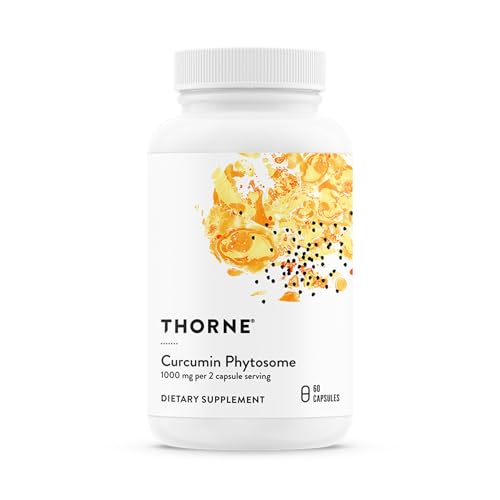
Shopping for turmeric?
Top-ranked of 5 products compared.
Compare all 5 picks →Affiliate links. Disclosure.
Read next
Written by Superfoods Advisor Editors·Published July 4, 2026