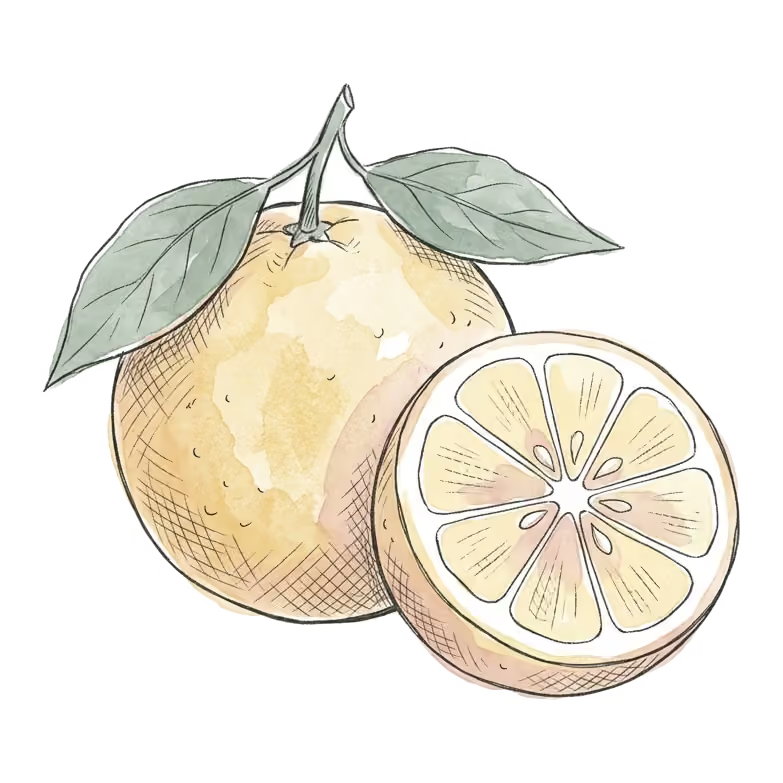
Orange (Citrus sinensis)
Citrus sinensis · also known as sweet orange, navel orange, Valencia orange, naranja
By Superfoods Advisor Editors·July 3, 2026
Oranges benefits, weighed: one medium orange gives about 70 mg of vitamin C plus fiber and folate; hesperidin trials hint at modest heart effects.
The best-established benefit of oranges is nutritional: one medium sweet orange (Citrus sinensis, including navel and Valencia types) of about 131 g provides roughly 70 mg of vitamin C, about three-quarters of the Daily Value, plus fiber and folate. Small trials suggest the orange flavanone hesperidin may modestly lower blood pressure and blood lipids, mostly in supplement form.
The sweet orange descends from mandarin and pomelo ancestors; a 2025 genome study inferred that it arose from a cross between sour orange and mandarin (Liu et al., 2025). It has been cultivated in southern China since antiquity, and world production reached about 70 million tonnes in 2023 (FAO, 2024). Brazil, China, the European Union and Mexico lead production in USDA estimates (USDA FAS, 2026).
Citrus was used against scurvy on long voyages well before vitamin C was identified. The traditional Chinese medicine herb chen pi (dried aged peel) is officially made from mandarin peel, not sweet orange (Zhang et al., 2024). Modern research has focused on the fruit’s flavonoids, especially hesperidin.
Evidence at a glance
Active Compounds
Vitamin C (ascorbic acid): The most nutritionally significant micronutrient in orange, present at approximately 53 mg per 100 g of fresh flesh (USDA FoodData Central). Vitamin C is a water-soluble antioxidant and essential cofactor for collagen synthesis, immune function, and non-heme iron absorption. Unlike most mammals, humans cannot synthesize vitamin C endogenously and depend on dietary sources.
Hesperidin: The predominant flavanone glycoside in sweet orange, concentrated primarily in the peel and white pith (albedo) rather than the juice. Hesperidin is hydrolyzed to its aglycone hesperetin during gut microbial metabolism. It has been studied for effects on endothelial function, blood pressure, and LDL oxidation. Bioavailability differs widely between dietary polyphenols, and the most abundant ones are not necessarily the best absorbed (Manach et al., 2004).
Naringenin: A flavanone found in lower concentrations than hesperidin; more abundant in grapefruit. Associated with anti-inflammatory activity in preclinical models.
Nobiletin and tangeretin: Polymethoxylated flavones concentrated in the peel; absent or trace-level in juice. Animal studies suggest anti-inflammatory and potential anticancer properties; human data are limited.
Carotenoids: Beta-cryptoxanthin, beta-carotene, and zeaxanthin are present at moderate levels. Beta-cryptoxanthin is a provitamin A carotenoid; oranges are among the better dietary sources of this specific carotenoid.
Limonoids: Limonin and nomilin, found in seeds and juice, are triterpene compounds that have demonstrated antiproliferative activity in cell-culture models. Clinical significance is uncertain.
Folate: Oranges are one of the more folate-rich common fruits (~30 µg/100 g), relevant to pregnancy health and cardiovascular risk.
Pectin: A soluble dietary fiber particularly concentrated in the pith and inner membranes (segments). Orange pectin supports viscosity in digestion and has prebiotic properties in vitro.
Nutritional Profile
The following values represent raw orange flesh (all commercial varieties) per 100 g (USDA FoodData Central, FDC ID 169097):
| Nutrient | Amount | % DV |
|---|---|---|
| Energy | 47 kcal | — |
| Water | 86.8 g | — |
| Carbohydrates | 11.75 g | — |
| Sugars | 9.35 g | — |
| Dietary fiber | 2.4 g | — |
| Protein | 0.94 g | — |
| Total fat | 0.12 g | — |
| Vitamin C | 53.2 mg | 59% |
| Folate | 30 µg | 8% |
| Vitamin B1 (Thiamine) | 0.087 mg | 7% |
| Potassium | 181 mg | 4% |
| Calcium | 40 mg | 3% |
| Vitamin A (RAE) | 11 µg | 1% |
A medium orange (approximately 131 g) provides approximately 70 mg of vitamin C, about three-quarters of the 90 mg Daily Value. The fruit is low in fat and protein and contributes modestly to potassium and folate targets.
Evidence for Purported Benefits
Immune System Support (Vitamin C)
Evidence:Moderate Vitamin C supplements shorten colds in a Cochrane review; equal benefit from eating oranges has not been tested.
The role of vitamin C in supporting innate and adaptive immune responses is well established in nutritional science. Adequate vitamin C status supports neutrophil and lymphocyte function and epithelial barrier function, according to a review by Carr & Maggini (2017). A Cochrane review found that regular supplemental vitamin C (200 mg/day or more) modestly reduces the duration of common cold symptoms in the general population, though it does not significantly reduce incidence in the general population (Hemilä & Chalker, 2013). Whether consuming oranges specifically (providing 50–70 mg vitamin C per fruit) produces the same magnitude of benefit as supplemental doses has not been established in controlled trials.
Cardiovascular Health
Evidence:Preliminary Orange-specific data are observational; the RCT meta-analysis tested isolated hesperidin supplements.
Hesperidin has been the subject of multiple small randomized controlled trials targeting endothelial function and cardiovascular risk markers. A dose-response meta-analysis of randomized controlled trials by Khorasanian et al. (2023) found that hesperidin supplementation was associated with statistically significant reductions in triglycerides, total and LDL cholesterol, and systolic blood pressure, but no significant effect on diastolic blood pressure, HDL cholesterol, or fasting glucose; the effective dose appeared to be around 1,000 mg/day. Most trials used isolated hesperidin supplements rather than whole orange or orange juice, limiting direct translation to dietary intake.
Some prospective cohort studies associate higher citrus fruit consumption with reduced cardiovascular event risk; in a Japanese cohort of about 10,600 adults, near-daily citrus intake was associated with lower incidence of cardiovascular disease and ischemic stroke, but not myocardial infarction (Yamada et al., 2011). Such associations cannot establish causality and may reflect broader dietary patterns.
Blood Pressure Regulation
Evidence:Preliminary A single small crossover trial (n=24) of orange juice lowered diastolic pressure.
A 2011 randomized crossover trial by Morand et al. enrolled 24 healthy, moderately overweight men aged 50–65, who each spent three 4-week periods drinking 500 mL daily of orange juice, a control drink with added hesperidin, or a control drink with placebo. Diastolic blood pressure was significantly lower after the orange juice and hesperidin periods than after placebo (P = 0.02), and both improved postprandial microvascular reactivity. The authors proposed hesperidin as the primary mediating compound. Larger trials with diverse populations are needed to confirm and quantify this effect.
Antioxidant and Anti-inflammatory Activity
Evidence:Preliminary Small acute studies of orange juice on post-meal inflammation markers; no clinical endpoints.
Drinking orange juice has been associated with reduced postprandial oxidative stress in several small human studies. A meal high in fat and carbohydrates induces a transient increase in inflammatory markers (NF-κB activation, reactive oxygen species); co-ingestion of orange juice attenuated this response in a study by Ghanim et al. (2010) of three groups of 10 healthy subjects. These findings suggest a potential role in managing post-meal inflammation, but clinical endpoints such as disease incidence have not been tested.
Cancer Prevention
Evidence:Preliminary Cell and animal data plus cohort associations between citrus intake and some upper digestive cancers.
Various compounds in orange — including limonoids, nobiletin, and vitamin C — have demonstrated antiproliferative effects in cancer cell lines and animal models. In a review of prospective cohort studies, higher citrus intake was associated with lower risk of esophageal and gastric cardia cancers, but not other gastric cancers (Vingeliene et al., 2016); confounding is difficult to eliminate. Orange consumption cannot be recommended for cancer prevention based on current evidence; no regulatory body has approved such a claim.
Typical Use and Preparation
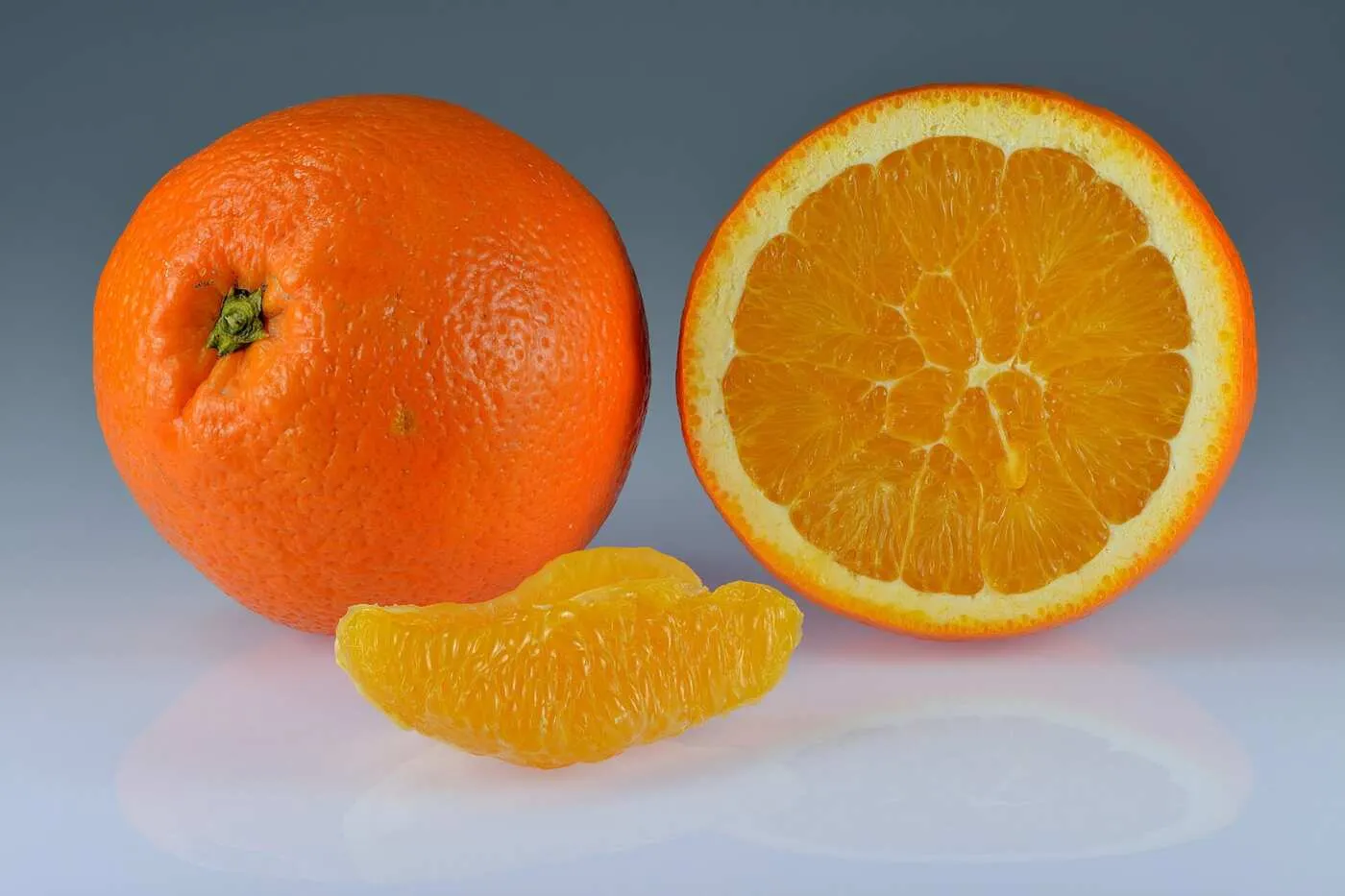 Photo: Ivar Leidus, CC BY-SA 4.0, via Wikimedia Commons
Fresh whole oranges are the most nutritionally complete form, retaining fiber in the pith and membranes. Juice is the most commercially dominant product globally but lacks most of the fiber and pith-concentrated flavonoids; in a small crossover study, whole oranges were more satiating than sugar-matched orange juice and produced a smaller insulin response (Bolton et al., 1981).
Orange zest (grated outer peel) is widely used in cooking and baking to deliver essential oil aroma compounds including limonene, linalool, and alpha-pinene. Commercially produced orange extract, essential oil, and hesperidin supplements are available. Dried mandarin peel (chen pi), often sold as dried orange peel, is a component of several traditional Chinese herbal formulas.
Blood oranges (cultivars Moro, Tarocco, Sanguinello) contain anthocyanins in addition to the standard citrus flavonoid profile, giving them a distinct deep red color and a somewhat different phytochemical composition.
The immune-nutrition guide compares oranges with other vitamin C sources and explains how cooking and storage affect the vitamin. Kiwi supplies more vitamin C per 100 g than orange. For the citrus fruit that does interact with many medications, see grapefruit.
Safety, Interactions, and Contraindications
General: Sweet orange is among the most broadly consumed foods worldwide. The main issues at ordinary dietary intakes are the drug, acidity, and allergy considerations below.
Drug interactions — CYP3A4 inhibition: Grapefruit (Citrus paradisi) is well documented to inhibit intestinal CYP3A4 enzyme through furanocoumarins, dramatically increasing blood levels of numerous medications. Sweet orange juice contains only trace amounts of the relevant furanocoumarins and does not meaningfully inhibit CYP3A4 at typical serving sizes. Seville (sour) orange (Citrus aurantium), used in some supplements and marmalades, does contain furanocoumarins and may interact with medications in a manner analogous to grapefruit; in a small crossover trial, Seville orange juice raised felodipine exposure much as grapefruit juice did, while ordinary orange juice served as the non-interacting control (Malhotra et al., 2001). Patients taking statins, calcium channel blockers, immunosuppressants, or other CYP3A4-substrate drugs should consult their pharmacist regarding Seville orange products specifically.
Drug interactions — reduced absorption: Ordinary orange juice works in the opposite direction for some drugs. It inhibits intestinal OATP uptake transporters and lowered blood levels of the antihistamine fexofenadine in a small crossover trial (Dresser et al., 2002), and it sharply reduced absorption of the beta-blocker celiprolol in another (Lilja et al., 2004). People taking these drugs may want to take them with water and ask a pharmacist about spacing them from orange juice.
Synephrine in Seville orange: Bitter orange peel supplements are sometimes marketed as stimulants and weight-loss aids due to synephrine content (NCCIH). Sweet orange (C. sinensis) juice does contain some synephrine (Saenger et al., 2021), but dietary amounts are not comparable to concentrated bitter orange extracts. The two should not be conflated.
Gastroesophageal reflux: Orange juice’s high acidity (pH about 3.7–4.1 across US brands tested by Reddy et al., 2016) may exacerbate symptoms in individuals with acid reflux or GERD.
Dental erosion: Frequent consumption of acidic citrus juice can contribute to dental enamel erosion over time. The American Dental Association advises waiting an hour before brushing after acidic foods or drinks (ADA MouthHealthy).
Allergy: IgE-mediated allergy to sweet orange has been described. In one series of 23 orange-allergic patients, most were sensitized to the orange profilin Cit s 2, a pan-allergen family that can cross-react with pollens and other plant foods (López-Torrejón et al., 2005).
This entry is for informational purposes only and does not constitute medical advice. Consult a qualified healthcare provider before using any supplement or making dietary changes to manage a health condition.
Frequently Asked Questions
What are the health benefits of oranges?
Oranges are a rich, low-calorie source of vitamin C, with about 70 mg in a medium fruit, plus fiber, folate and the flavanone hesperidin. Vitamin C supports immune function and iron absorption. Preliminary evidence from small trials, mostly using orange juice or hesperidin supplements, suggests modest effects on blood pressure and blood lipids. Cohort studies link citrus intake to lower stroke risk.
Do oranges have fiber?
Yes. Raw orange flesh contains about 2.4 g of dietary fiber per 100 g, according to USDA FoodData Central, much of it soluble pectin in the pith and segment membranes. Orange juice loses most of that fiber. In a small crossover study, whole oranges were more satiating than orange juice matched for sugar and produced a smaller insulin response.
How many oranges should you eat a day?
There is no specific recommendation for oranges. One medium orange provides about 70 mg of vitamin C, roughly three-quarters of the 90 mg Daily Value, so one or two a day covers most people’s vitamin C needs alongside other foods. More is not harmful for most people, but the acidity can bother those with reflux and wear tooth enamel.
Are oranges good for diabetics?
Whole oranges can fit a diabetes meal plan in measured portions. They contain about 9.35 g of sugars and 2.4 g of fiber per 100 g, and whole fruit produced a smaller insulin response than sugar-matched juice in a small study. Juice delivers sugar without the fiber, so whole fruit is usually the better choice. Portion planning is best discussed with a dietitian or clinician.
Do oranges interact with medications like grapefruit does?
Sweet oranges such as navel and Valencia contain only trace furanocoumarins and do not cause the CYP3A4 interaction seen with grapefruit. Seville (sour) orange does: in a small trial it raised felodipine exposure much as grapefruit did. Ordinary orange juice can lower absorption of some drugs, such as fexofenadine and celiprolol, so taking those with water is often advised.
Is orange juice as healthy as whole oranges?
Not quite. Juice keeps much of the vitamin C and some hesperidin, and one crossover trial found 500 mL a day lowered diastolic blood pressure. But it loses most of the fiber and pith-concentrated flavonoids, is less filling, and raises insulin more than whole fruit. Its acidity, with a pH of about 3.7 to 4.1, also matters for teeth.
References
Show all 21 referencesShow fewer
- Hemilä, H., & Chalker, E. (2013). Vitamin C for preventing and treating the common cold. Cochrane Database of Systematic Reviews, (1), CD000980.
- Manach, C., Scalbert, A., Morand, C., Rémésy, C., & Jiménez, L. (2004). Polyphenols: food sources and bioavailability. The American Journal of Clinical Nutrition, 79(5), 727–747.
- Morand, C., Dubray, C., Milenkovic, D., Lioger, D., Martin, J. F., Scalbert, A., & Mazur, A. (2011). Hesperidin contributes to the vascular protective effects of orange juice: A randomized crossover study in healthy volunteers. The American Journal of Clinical Nutrition, 93(1), 73–80.
- Khorasanian, A. S., Fateh, S. T., Gholami, F., Rasaei, N., Gerami, H., Khayyatzadeh, S. S., Shiraseb, F., & Asbaghi, O. (2023). The effects of hesperidin supplementation on cardiovascular risk factors in adults: A systematic review and dose-response meta-analysis. Frontiers in Nutrition, 10, 1177708.
- Ghanim, H., Sia, C. L., Upadhyay, M., Korzeniewski, K., Viswanathan, P., Abuaysheh, S., … Dandona, P. (2010). Orange juice neutralizes the proinflammatory effect of a high-fat, high-carbohydrate meal and prevents endotoxin increase and Toll-like receptor expression. The American Journal of Clinical Nutrition, 91(4), 940–949.
- USDA FoodData Central. Oranges, raw, all commercial varieties. FDC ID 169097. U.S. Department of Agriculture.
- Malhotra, S., Bailey, D. G., Paine, M. F., & Watkins, P. B. (2001). Seville orange juice-felodipine interaction: Comparison with dilute grapefruit juice and involvement of furocoumarins. Clinical Pharmacology & Therapeutics, 69(1), 14–23.
- Saenger, T., Hübner, F., Lindemann, V., Ganswind, K., & Humpf, H. U. (2021). Urinary biomarkers for orange juice consumption. Molecular Nutrition & Food Research, 65(2), e2000781.
- Reddy, A., Norris, D. F., Momeni, S. S., Waldo, B., & Ruby, J. D. (2016). The pH of beverages in the United States. Journal of the American Dental Association, 147(4), 255–263.
- Food and Agriculture Organization of the United Nations. (2024). Agricultural production statistics 2010–2023. FAOSTAT Analytical Brief 96.
- USDA Foreign Agricultural Service. (2026, January). Citrus: World Markets and Trade.
- Liu, S., Xu, Y., Yang, K., et al. (2025). Origin and de novo domestication of sweet orange. Nature Genetics, 57(3), 754–762.
- Zhang, X., Jiang, Y., Zeng, J., et al. (2024). Phytochemistry, pharmacological properties and pharmacokinetics of Citri Reticulatae Pericarpium: A systematic review. Journal of Ethnopharmacology, 333, 118503.
- Carr, A. C., & Maggini, S. (2017). Vitamin C and immune function. Nutrients, 9(11), 1211.
- Yamada, T., Hayasaka, S., Shibata, Y., et al. (2011). Frequency of citrus fruit intake is associated with the incidence of cardiovascular disease: The Jichi Medical School cohort study. Journal of Epidemiology, 21(3), 169–175.
- Vingeliene, S., Chan, D. S., Aune, D., et al. (2016). An update of the WCRF/AICR systematic literature review on esophageal and gastric cancers and citrus fruits intake. Cancer Causes & Control, 27(7), 837–851.
- Bolton, R. P., Heaton, K. W., & Burroughs, L. F. (1981). The role of dietary fiber in satiety, glucose, and insulin: Studies with fruit and fruit juice. The American Journal of Clinical Nutrition, 34(2), 211–217.
- Dresser, G. K., Bailey, D. G., Leake, B. F., et al. (2002). Fruit juices inhibit organic anion transporting polypeptide-mediated drug uptake to decrease the oral availability of fexofenadine. Clinical Pharmacology & Therapeutics, 71(1), 11–20.
- Lilja, J. J., Juntti-Patinen, L., & Neuvonen, P. J. (2004). Orange juice substantially reduces the bioavailability of the beta-adrenergic-blocking agent celiprolol. Clinical Pharmacology & Therapeutics, 75(3), 184–190.
- López-Torrejón, G., Ibáñez, M. D., Ahrazem, O., et al. (2005). Isolation, cloning and allergenic reactivity of natural profilin Cit s 2, a major orange allergen. Allergy, 60(11), 1424–1429.
- National Center for Complementary and Integrative Health. Bitter Orange: Usefulness and Safety.
Related content

More in Fruits
- Apple (Malus domestica)
Are apples good for you? Apples supply pectin fiber and quercetin, and large cohort studies link regular intake to lower heart disease and diabetes risk.
- Avocado (Persea americana)
Is avocado good for you? Avocado is high in monounsaturated fat, fiber and potassium, and small trials link a daily avocado to lower LDL cholesterol.
- Banana (Musa acuminata)
Are bananas good for you? Bananas supply potassium, vitamin B6 and fiber, and green bananas add resistant starch. The evidence, and who should limit them.
- Cherry (Prunus avium / Prunus cerasus)
Tart cherry juice benefits, weighed: small trials suggest faster muscle recovery and longer sleep, and gout data are early. Sweet vs tart cherry nutrition.
- Grapefruit (Citrus × paradisi)
Is grapefruit good for you? It is low in calories and rich in vitamin C, but it interacts with statins and 85+ other drugs. Benefits, nutrition and risks.
- Grapes (Vitis vinifera)
Are grapes good for you? Grapes supply skin polyphenols and vitamin K but little fiber and plenty of sugar. What the vascular and resveratrol data show.

Curated by Superfoods Advisor Editors·Last updated