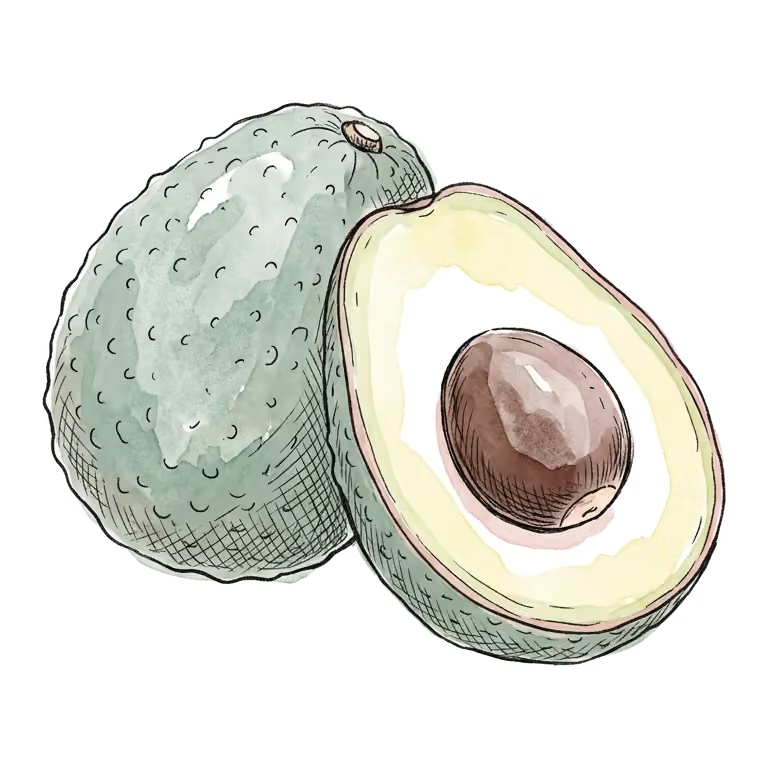
Avocado (Persea americana)
Persea americana · also known as alligator pear, butter fruit, aguacate
By Superfoods Advisor Editors·July 3, 2026
Is avocado good for you? Avocado is high in monounsaturated fat, fiber and potassium, and small trials link a daily avocado to lower LDL cholesterol.
Avocado (Persea americana, also called alligator pear or butter fruit) is a nutrient-dense fruit of an evergreen tree in the laurel family. Per 100 g it provides 160 kcal, 14.7 g of mostly monounsaturated fat, 6.7 g of fiber and 485 mg of potassium, and one controlled-feeding trial found a daily avocado lowered LDL cholesterol.
The tree is native to south-central Mexico and Guatemala and was long cultivated by Mesoamerican peoples, including the Aztec and Maya. Unlike most fruits, avocado gets most of its energy from fat rather than carbohydrate. Spanish explorers documented it in the sixteenth century, and commercial production now spans tropical and subtropical regions worldwide.
Traditional Mesoamerican medicine used the leaves, seeds and flesh for wound healing, digestive complaints and as a general tonic. Modern research focuses on the fruit’s lipid composition and its fat-soluble micronutrients.
Evidence at a glance
Active Compounds
- Oleic acid — A monounsaturated omega-9 fatty acid supplying about 9 g of the 14.7 g of total fat per 100 g, roughly 60% (USDA FoodData Central); associated in epidemiological and intervention research with improved LDL-to-HDL cholesterol ratios and reduced inflammatory markers.
- Glutathione — A tripeptide antioxidant (glutamate–cysteine–glycine) present at about 8.4 mg per 30 g (roughly 28 mg per 100 g), several-fold higher than other fruits analyzed in the same food survey (Dreher & Davenport, 2013). The body makes its own glutathione, and dietary glutathione is largely broken down into amino acids during digestion, so the benefit of eating it is uncertain.
- Beta-sitosterol — A plant sterol that competitively inhibits intestinal cholesterol absorption; avocado delivers approximately 76 mg per 100 g (USDA FoodData Central).
- Lutein and zeaxanthin — Xanthophyll carotenoids concentrated in the macular region of the retina; avocado provides approximately 271 µg per 100 g (USDA FoodData Central). Their absorption is enhanced by avocado’s co-present dietary fat.
- Avocatin B — A lipid-derived compound (avocadyne/avocadene pair) reported in laboratory research to be cytotoxic to acute myeloid leukemia cells while sparing normal blood stem cells (Lee et al., 2015); human clinical data are absent.
- Polyhydroxylated fatty alcohols (PFAs) — Lipids characteristic of avocado; in one cell and skin-explant study by a company developing them, they lowered IL-6 and prostaglandin E2 release from UVB-exposed skin cells (Rosenblat et al., 2011).
- Potassium — 485 mg per 100 g (USDA FoodData Central), more than raw banana’s 358 mg (USDA FoodData Central); relevant to blood pressure regulation via sodium–potassium homeostasis.
- Folate (vitamin B9) — 81 µg per 100 g (approximately 20% of the adult RDA), essential for one-carbon metabolism and neural tube development during pregnancy.
Nutritional Profile
Per 100 g of raw avocado flesh, all commercial varieties (USDA FoodData Central, SR Legacy, FDC ID 171705):
| Nutrient | Amount | % DV |
|---|---|---|
| Energy | 160 kcal | — |
| Total fat | 14.7 g | — |
| — Saturated fat | 2.1 g | — |
| — Monounsaturated fat | 9.8 g | — |
| — Polyunsaturated fat | 1.8 g | — |
| Carbohydrate | 8.5 g | — |
| — Dietary fiber | 6.7 g | — |
| — Sugars | 0.7 g | — |
| Protein | 2.0 g | — |
| Potassium | 485 mg | — |
| Magnesium | 29 mg | — |
| Vitamin K | 21 µg | — |
| Folate | 81 µg | — |
| Vitamin C | 10 mg | — |
| Vitamin E | 2.1 mg | — |
| Vitamin B6 | 0.26 mg | — |
Avocados are notably low in sugar. Because they contain so little digestible carbohydrate, their glycemic index has not been formally established and is expected to be negligible (Dreher & Davenport, 2013).
Evidence for Purported Benefits
Cardiovascular Risk Factor Reduction
Evidence:Limited One controlled-feeding crossover trial (n=45) and its secondary analysis improved LDL markers; no data on cardiovascular events.
A randomized crossover controlled-feeding trial by Wang et al. (2015, Journal of the American Heart Association, n = 45 adults with overweight or obesity) fed three cholesterol-lowering diets for five weeks each. The diet that included one Hass avocado per day lowered LDL cholesterol more than both a lower-fat diet and a moderate-fat diet whose fatty acids were matched with high-oleic oils, and only the avocado diet significantly reduced LDL particle number and small, dense LDL cholesterol from baseline. A secondary analysis of the same trial (Wang et al., 2020, Journal of Nutrition) reported that the avocado diet lowered circulating oxidized LDL and raised plasma lutein. Because the comparison diet matched the avocado’s fatty acid profile, the authors suggested that components beyond oleic acid contribute to the effect, though larger long-term trials are needed to confirm cardiovascular event reduction.
Glycemic Regulation and Metabolic Health
Evidence:Preliminary A single small crossover meal study (n=31) in overweight adults; no trials in people with diabetes.
The high fiber and low glycemic load of avocado may attenuate postprandial blood glucose responses. A small crossover study by Zhu et al. (2019, Nutrients, n = 31 overweight adults) found that replacing carbohydrate energy in a breakfast with a whole avocado produced a lower postprandial insulin response and higher satiety hormones (PYY and GLP-1) over six hours than a low-fat, high-carbohydrate control meal. Evidence remains insufficient to draw clinical conclusions for individuals with diabetes.
Carotenoid Bioavailability Enhancement
Evidence:Limited Two small crossover studies (about a dozen participants each) consistently show large gains in carotenoid absorption.
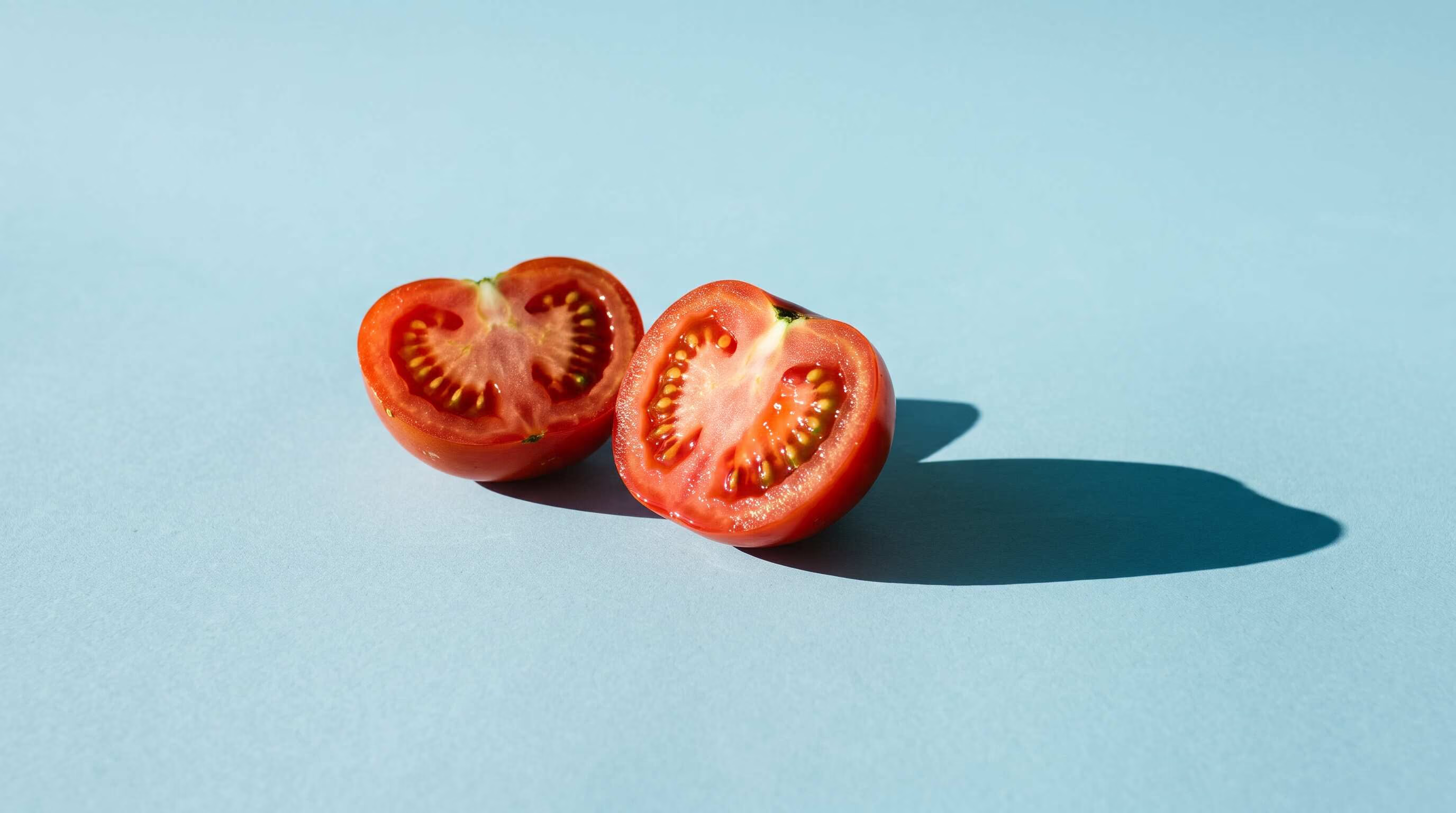
Because lutein, beta-carotene, and lycopene are fat-soluble, co-consumption of dietary fat substantially increases their absorption. Unlu et al. (2005, Journal of Nutrition, n = 11) found that adding avocado to tomato salsa increased lycopene and beta-carotene absorption 4.4-fold and 2.6-fold, and that adding avocado or avocado oil to salad increased absorption of alpha-carotene, beta-carotene, and lutein. A 2014 crossover study by Kopec et al. (Journal of Nutrition, n = 12 per study) found that avocado eaten with a high-beta-carotene tomato sauce increased beta-carotene absorption 2.4-fold and its conversion to vitamin A 4.6-fold. These findings have practical implications for designing vegetable-rich meals.
Weight Management
Evidence:Preliminary Mostly cross-sectional data; one 12-week RCT shifted visceral fat in women only, with no effect in men.
Despite its energy density, avocado consumption has been associated with lower body weight and waist circumference in several large cross-sectional analyses, including Fulgoni et al. (2013, Nutrition Journal, NHANES data, n = 17,567). Authors proposed that the high fiber and fat content promotes satiety. A 12-week RCT by Khan et al. (2021, Journal of Nutrition, n = 105 adults with overweight or obesity) found that a daily meal with one avocado shifted abdominal fat distribution in women, with a greater reduction in visceral fat, but produced no difference in men and did not improve insulin sensitivity; observational associations should not be read as causal.
Typical Use and Preparation
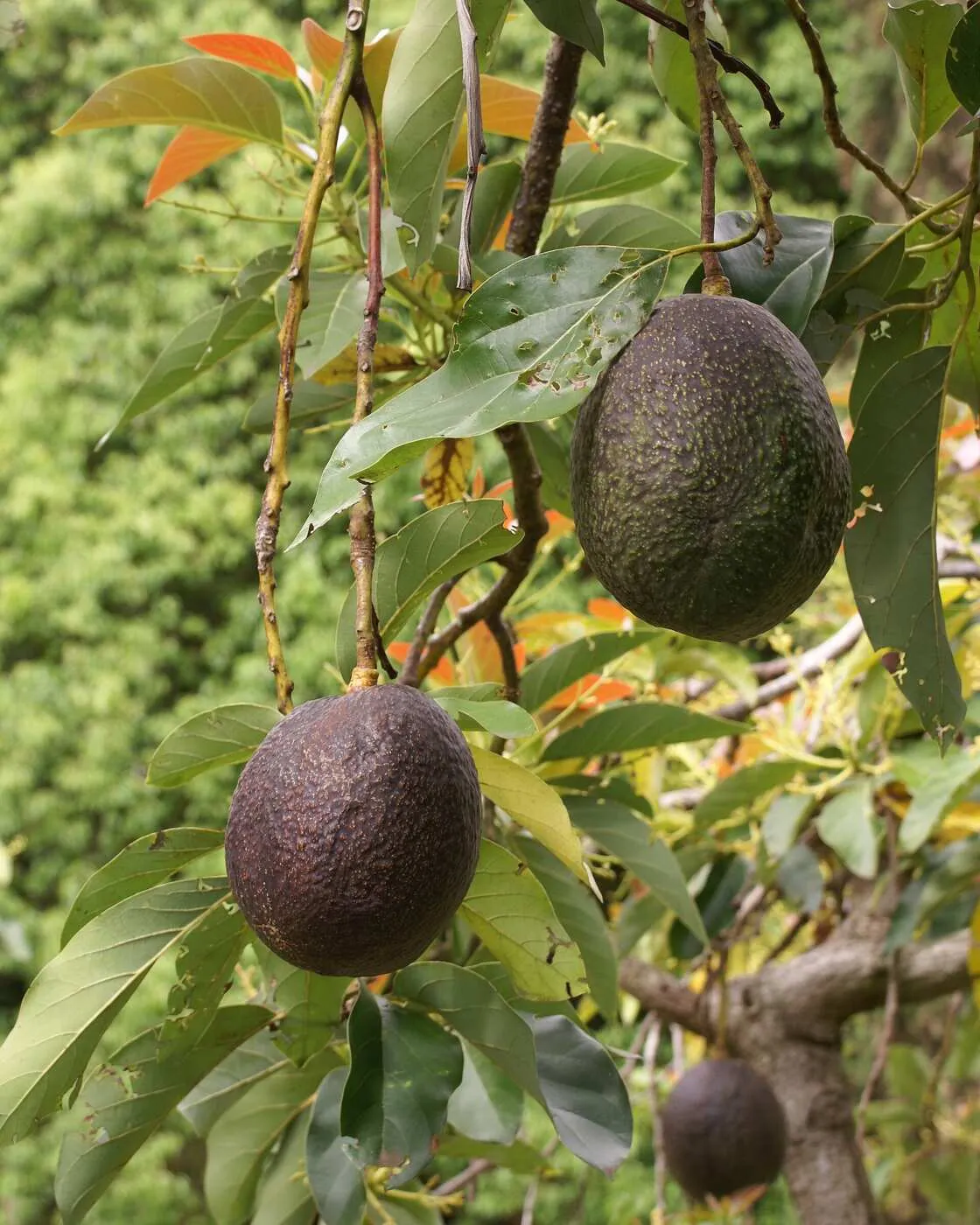 Photo: B.navez, CC BY-SA 3.0, via Wikimedia Commons
Avocado is consumed raw in its fresh form, as guacamole, blended into smoothies, or spread on bread and toast. Its high monounsaturated fat content makes it stable enough for brief moderate-heat cooking, though sustained high heat degrades both oleic acid and heat-sensitive vitamins. Avocado oil, cold-pressed from the fruit flesh (not the seed), is used as a culinary oil with a relatively high smoke point, particularly in its refined form, making it suitable for higher-heat applications.
The fruit ripens after harvest; firmness and skin color (for Hass cultivars) are practical ripeness indicators. Enzymatic browning of cut flesh is mediated by polyphenol oxidase and can be slowed by citric acid (lemon juice) or by limiting oxygen exposure. The seed and skin are not recommended for consumption; the seed contains persin in low concentrations, a fungicidal toxin with unclear safety at high doses in humans.
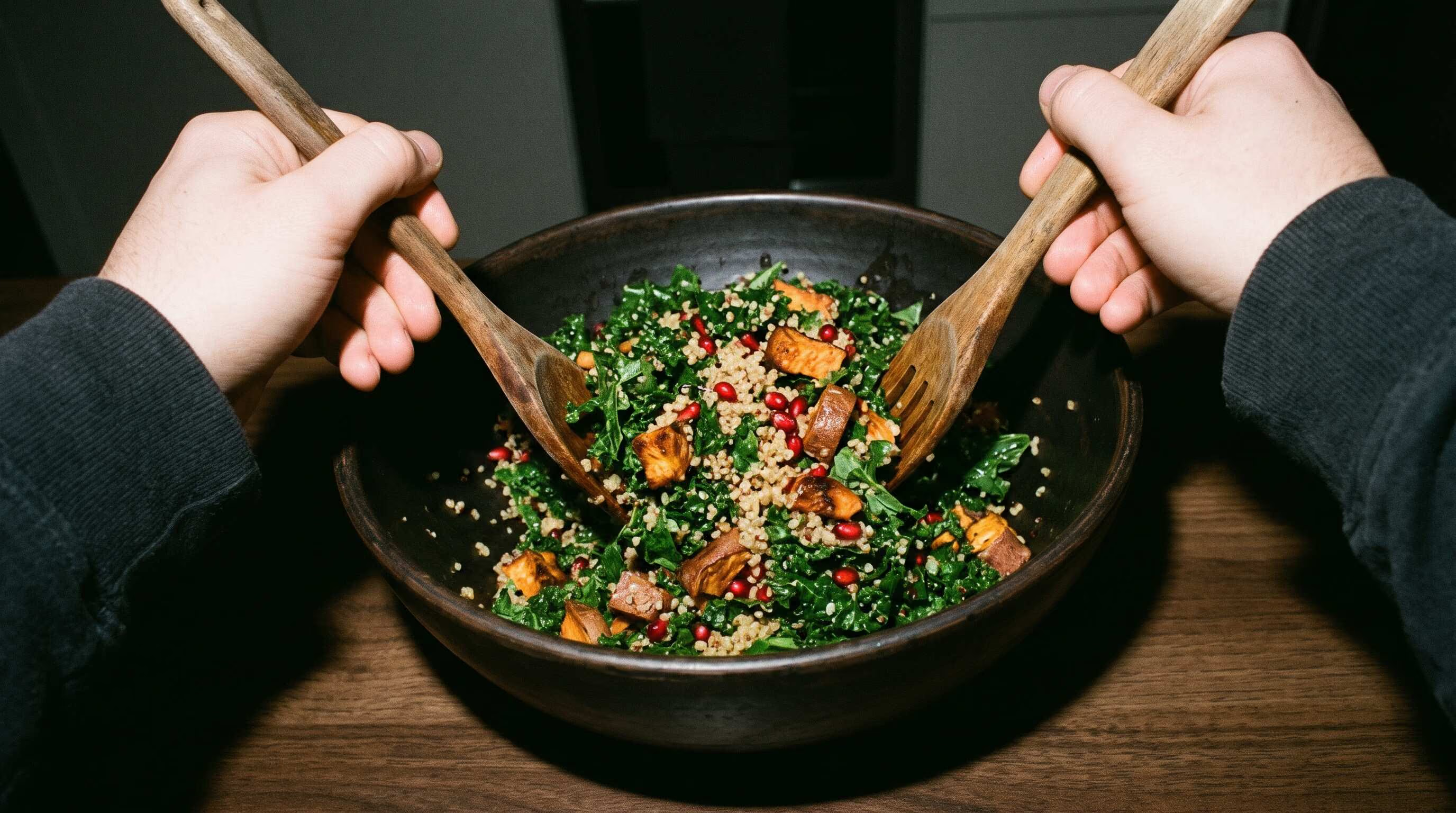
Avocado is one of the core components of the superfood salad bowl recipe. For other foods studied for LDL cholesterol, see the heart health superfoods guide; for how fiber and fat shape the glycemic response, see the blood sugar and metabolic health guide.
Safety, Interactions, and Contraindications
Avocado is well tolerated by the general population at normal dietary amounts. Several specific considerations apply:
Latex-fruit syndrome: Individuals with latex allergy may cross-react to avocado proteins (primarily Hev b 6.02 homologs) and may experience oral allergy syndrome or systemic reactions including anaphylaxis. Roughly 30–50% of people allergic to natural rubber latex react to some plant-derived foods, avocado among the most frequently implicated (Wagner & Breiteneder, 2002); a 2024 review found reported prevalence varied widely (4–88%) with diagnostic method and region (Gromek et al., 2024).
Vitamin K and anticoagulation: The vitamin K content (approximately 21 µg per 100 g) is modest but relevant for patients on warfarin therapy, for whom consistent daily vitamin K intake is recommended to maintain stable INR values. Separately, case reports have described a reduced warfarin effect (falling INR) after avocado intake, by a mechanism not established (Blickstein et al., 1991); a review of warfarin–fruit interactions judged the evidence scarce but suggested clinicians ask about recent avocado intake when INR is unstable (Norwood et al., 2015). Patients should discuss dietary habits with their prescribing clinician rather than change intake abruptly.
Energy density: At 160 kcal per 100 g, avocado is among the most calorie-dense fruits. Individuals managing caloric intake should account for its contribution to total daily energy.
Persin toxicity in animals: Avocado leaves, skin, and seed contain persin, and avocado ingestion has caused often fatal heart damage in rabbits, pet birds, horses, and other animals (Cowan & Berg, 2026; Freitas et al., 2022). Keep the fruit, pit, and leaves away from susceptible animals. Human sensitivity to persin at dietary fruit-flesh levels appears low, but there are no formal toxicological studies in humans.
Frequently Asked Questions
Is avocado a superfood?
“Superfood” is a marketing term with no legal definition, but avocado is a genuinely nutrient-dense fruit. Its best-supported benefit is fat-assisted absorption: two small crossover studies found that adding avocado to salsa or salad raised absorption of some carotenoids 2.4- to 4.4-fold. A 45-adult feeding trial also suggests a daily avocado lowers LDL cholesterol. The limit is that no trial has measured heart attacks or strokes, and at 160 kcal per 100 g avocado is energy-dense.
Is avocado good for you?
For most people, yes. Avocado supplies monounsaturated fat, fiber, potassium, folate and vitamin K with almost no sugar. A controlled-feeding trial in 45 adults found that a daily avocado lowered LDL cholesterol and LDL particle number, though no trial has measured heart attacks or strokes. At 160 kcal per 100 g it is energy-dense, so portion size matters for anyone tracking calories.
Is avocado a fruit?
Yes. Botanically, avocado is the fruit of Persea americana, an evergreen tree in the laurel family (Lauraceae), with a single large seed. It is used more like a vegetable in cooking because it is savory and low in sugar, with only 0.7 g of sugars per 100 g, and it gets most of its energy from fat rather than carbohydrate.
Does avocado have protein?
A little. Raw avocado contains about 2.0 g of protein per 100 g, according to USDA FoodData Central, which is more than most fruits but far less than legumes, dairy or meat. Its main macronutrient is fat, at 14.7 g per 100 g, followed by carbohydrate, most of which is fiber.
How much avocado should you eat a day?
There is no official daily amount. The trials described on this page used one Hass avocado a day as part of a controlled diet, for five to twelve weeks. Because avocado provides 160 kcal per 100 g, how much fits depends on total energy needs. People on warfarin should keep intake steady from day to day and discuss changes with their prescriber.
Does avocado help you absorb nutrients from vegetables?
Small studies suggest it does. In one crossover study of 11 adults, adding avocado to tomato salsa raised lycopene and beta-carotene absorption 4.4-fold and 2.6-fold. A second study found avocado eaten with a high-beta-carotene tomato sauce raised beta-carotene absorption 2.4-fold. The effect comes from avocado’s fat, since these carotenoids are fat-soluble.
Can you eat the avocado seed or skin?
They are not recommended. The seed, skin and leaves contain persin, a fungicidal compound whose safety at high doses in humans is unclear, and there are no formal human toxicology studies. Avocado and its pit and leaves have caused often fatal heart damage in rabbits, pet birds and horses, so keep them away from susceptible animals.
References
Show all 18 referencesShow fewer
- Wang, L., Bordi, P. L., Fleming, J. A., Hill, A. M., & Kris-Etherton, P. M. (2015). Effect of a moderate fat diet with and without avocados on lipoprotein particle number, size and subclasses in overweight and obese adults: A randomized, controlled trial. Journal of the American Heart Association, 4(1), e001355.
- Unlu, N. Z., Bohn, T., Clinton, S. K., & Schwartz, S. J. (2005). Carotenoid absorption from salad and salsa by humans is enhanced by the addition of avocado or avocado oil. Journal of Nutrition, 135(3), 431–436.
- Fulgoni, V. L., Dreher, M., & Davenport, A. J. (2013). Avocado consumption is associated with better diet quality and nutrient intake, and lower metabolic syndrome risk in US adults: Results from the National Health and Nutrition Examination Survey (NHANES) 2001–2008. Nutrition Journal, 12(1), 1.
- Zhu, L., Huang, Y., Edirisinghe, I., Park, E., & Burton-Freeman, B. (2019). Using the avocado to test the satiety effects of a fat-fiber combination in place of carbohydrate energy in a breakfast meal in overweight and obese men and women. Nutrients, 11(5), 952.
- Kopec, R. E., Cooperstone, J. L., Schweiggert, R. M., Young, G. S., Harrison, E. H., Francis, D. M., Clinton, S. K., & Schwartz, S. J. (2014). Avocado consumption enhances human postprandial provitamin A absorption and conversion from a novel high-β-carotene tomato sauce and from carrots. Journal of Nutrition, 144(8), 1158–1166.
- Dreher, M. L., & Davenport, A. J. (2013). Hass avocado composition and potential health effects. Critical Reviews in Food Science and Nutrition, 53(7), 738–750.
- Wang, L., Tao, L., Hao, L., Stanley, T. H., Huang, K. H., Lambert, J. D., & Kris-Etherton, P. M. (2020). A moderate-fat diet with one avocado per day increases plasma antioxidants and decreases the oxidation of small, dense LDL in adults with overweight and obesity: A randomized controlled trial. Journal of Nutrition, 150(2), 276–284.
- Khan, N. A., Edwards, C. G., Thompson, S. V., Hannon, B. A., Burke, S. K., Walk, A. D. M., Mackenzie, R. W. A., Reeser, G. E., Fiese, B. H., Burd, N. A., & Holscher, H. D. (2021). Avocado consumption, abdominal adiposity, and oral glucose tolerance among persons with overweight and obesity. Journal of Nutrition, 151(9), 2513–2521.
- Wagner, S., & Breiteneder, H. (2002). The latex-fruit syndrome. Biochemical Society Transactions, 30(Pt 6), 935–940.
- Gromek, W., Kołdej, N., Świtała, S., Majsiak, E., & Kurowski, M. (2024). Revisiting latex-fruit syndrome after 30 years of research: A comprehensive literature review and description of two cases. Journal of Clinical Medicine, 13(14), 4222.
- U.S. Department of Agriculture, Agricultural Research Service. FoodData Central — Avocados, raw, all commercial varieties. FDC ID 171705. https://fdc.nal.usda.gov/food-details/171705/nutrients
- U.S. Department of Agriculture, Agricultural Research Service. FoodData Central — Bananas, raw. FDC ID 173944. https://fdc.nal.usda.gov/food-details/173944/nutrients
- Lee, E. A., et al. (2015). Targeting mitochondria with avocatin B induces selective leukemia cell death. Cancer Research, 75(12), 2478–2488.
- Rosenblat, G., et al. (2011). Polyhydroxylated fatty alcohols derived from avocado suppress inflammatory response and provide non-sunscreen protection against UV-induced damage in skin cells. Archives of Dermatological Research, 303(4).
- Blickstein, D., Shaklai, M., & Inbal, A. (1991). Warfarin antagonism by avocado. The Lancet, 337(8746), 914–915.
- Norwood, D. A., Parke, C. K., & Rappa, L. R. (2015). A comprehensive review of potential warfarin-fruit interactions. Journal of Pharmacy Practice, 28(6), 561–571.
- Cowan, V. E., & Berg, K. J. (2026). Dietary intoxications of the exotic animal patient. Veterinary Clinics of North America: Exotic Animal Practice.
- Freitas, M. S., et al. (2022). Acetogenin-induced fibrotic heart disease from avocado (Persea americana, Lauraceae) poisoning in horses. Toxicon.
Related content
More in Fruits
- Apple (Malus domestica)
Are apples good for you? Apples supply pectin fiber and quercetin, and large cohort studies link regular intake to lower heart disease and diabetes risk.
- Banana (Musa acuminata)
Are bananas good for you? Bananas supply potassium, vitamin B6 and fiber, and green bananas add resistant starch. The evidence, and who should limit them.
- Cherry (Prunus avium / Prunus cerasus)
Tart cherry juice benefits, weighed: small trials suggest faster muscle recovery and longer sleep, and gout data are early. Sweet vs tart cherry nutrition.
- Grapefruit (Citrus × paradisi)
Is grapefruit good for you? It is low in calories and rich in vitamin C, but it interacts with statins and 85+ other drugs. Benefits, nutrition and risks.
- Grapes (Vitis vinifera)
Are grapes good for you? Grapes supply skin polyphenols and vitamin K but little fiber and plenty of sugar. What the vascular and resveratrol data show.
- Kiwi (Actinidia deliciosa)
Is kiwi good for you? Kiwifruit has more vitamin C than orange, plus fiber and vitamin K, and trials show two kiwis a day can ease constipation.



Curated by Superfoods Advisor Editors·Last updated