Plant-Based Protein Superfoods: A Complete Guide to Hemp Seeds, Quinoa, and Legumes
By Superfoods Advisor Editors·July 4, 2026
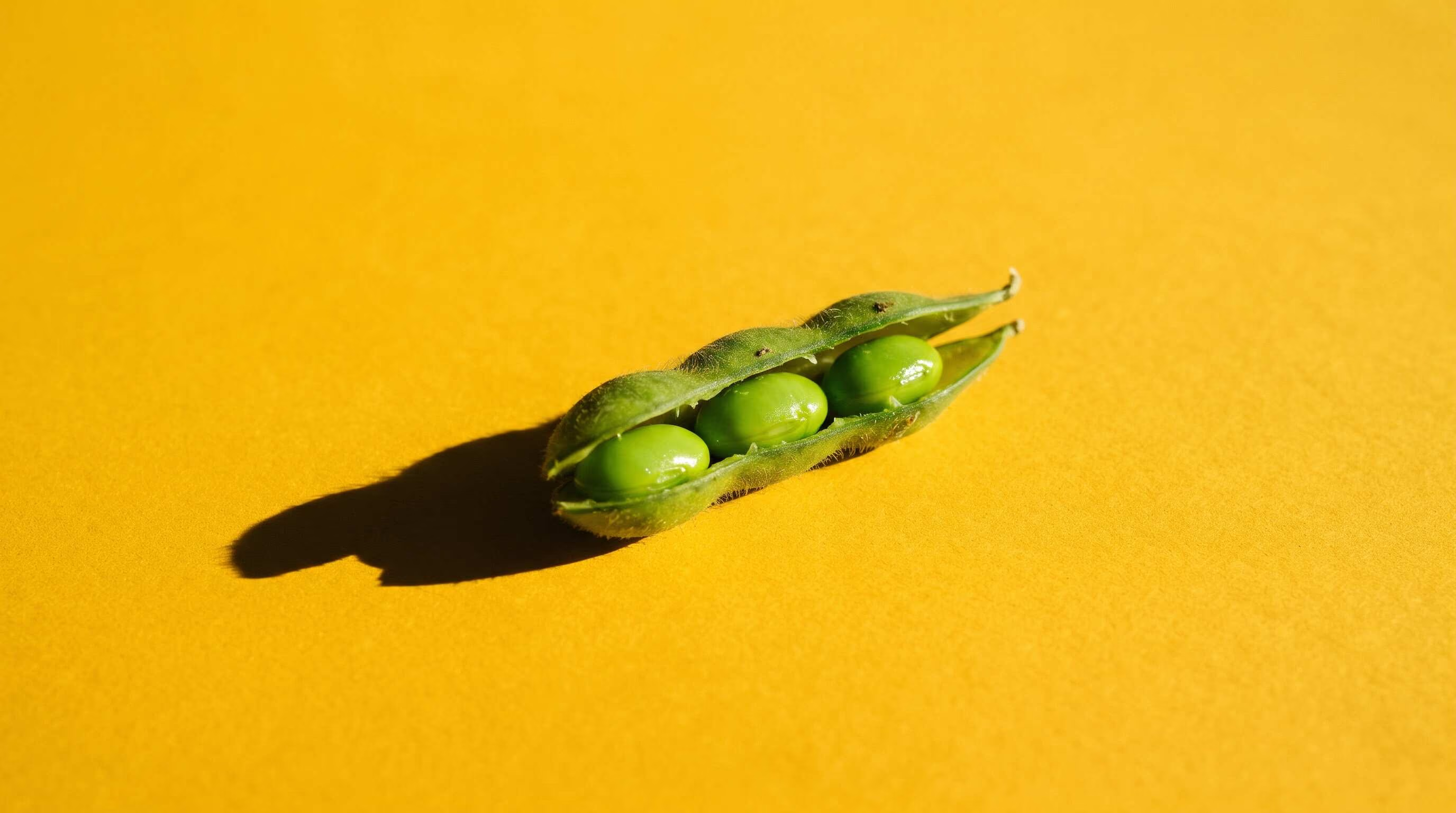
High-protein vegan foods compared: grams per serving, amino acid completeness and digestibility for lentils, tempeh, edamame, hemp seeds, quinoa and more.
The high-protein vegan foods that deliver the most per typical serving are edamame (about 18.4 g per shelled cup), lentils (17.9 g per cooked cup), tempeh (16.9 g per 85 g), black beans (15.2 g), and chickpeas (14.5 g), per USDA data. Soy foods and quinoa are complete proteins, and eating a variety across the day covers the rest.
Protein quality matters as well as grams. The gap between a protein-rich legume and an animal food is narrower than once assumed, but it remains measurable, and it lies mostly in digestibility and amino acid completeness.
The two metrics that matter most are the Protein Digestibility Corrected Amino Acid Score (PDCAAS) and the newer Digestibility Indispensable Amino Acid Score (DIAAS), both defined by the Food and Agriculture Organization (FAO). PDCAAS caps at 1.0 and uses fecal digestibility; DIAAS uses ileal (small-intestine) digestibility and is considered more precise. A 2013 FAO expert consultation recommended transitioning to DIAAS for this reason (FAO, 2013). Several plant foods score surprisingly well under both systems when processed or combined correctly.
What Makes a Plant Protein “Complete”?
A complete protein supplies all nine essential amino acids (EAAs) in quantities sufficient to meet human requirements. Animal proteins typically meet this threshold; most plant proteins do not in isolation, though several plant-based superfoods are notable exceptions. According to a 2018 analysis in Amino Acids, plant-based protein isolates typically contain less methionine and lysine than animal proteins, with large differences in amino acid composition from one plant source to another (Gorissen et al., 2018, Amino Acids).
Why completeness matters in practice. If any EAA is consistently undersupplied, the body cannot synthesize proteins at the rate needed for muscle maintenance, immune function, and enzyme production. The threshold effect is real: one limiting amino acid constrains utilization of all others. This is why variety across the day matters more than any single food’s profile.
PDCAAS and DIAAS at a glance. Casein, the milk protein used as the reference in rat assays, reaches the 1.0 cap on PDCAAS (Nosworthy et al., 2017). Soy products averaged a PDCAAS of about 0.92 and a DIAAS of about 0.86, with wide variation by product and processing (van den Berg et al., 2022). Pea protein, limited mainly by methionine, scored a DIAAS of 0.88 against 1.29 for casein in one rat study (Guillin et al., 2021). These numbers are not a reason to avoid pea protein. They are a reason to pair it with complementary sources.
Complete Plant Proteins: Hemp Seeds, Quinoa, Edamame, and Tempeh
These four foods stand apart from most plant sources because they supply all nine EAAs in a single serving. Hemp seeds and quinoa earn this status from their unusual amino acid profiles, though hemp falls short on lysine (see below); edamame and tempeh earn it as soy-based foods.
Hemp Seeds
Hemp seeds deliver approximately 31.6 g of protein per 100 g (raw, hulled), according to USDA FoodData Central (FDC ID: 170148). Three tablespoons (30 g), a practical daily serving, provide about 9.5 g of protein. Most of its protein is edestin, a storage globulin that made up about 70% of the protein in one hemp isolate and was highly digestible in a laboratory digestion model (Mamone et al., 2019). Hemp seeds also supply gamma-linolenic acid (GLA) and an omega-6 to omega-3 (linoleic to alpha-linolenic acid) ratio near 3:1 in the same USDA record.
All nine EAAs are present, including a methionine and cysteine content that is higher than most legumes. This makes hemp a useful complement to lentils or chickpeas, which are relatively low in sulfur-containing amino acids. A 2010 paper in the Journal of Agricultural and Food Chemistry measured PDCAAS values of 49–53% for whole hemp seed, 46–51% for hemp seed meal, and 63–66% for dehulled hemp seed, with lysine as the first limiting amino acid in every product (House et al., 2010, J Agric Food Chem). By that scoring, hemp is not a complete protein on its own, which is why pairing it with lysine-rich legumes works well.
Quinoa
Quinoa is a seed (technically a pseudocereal) that provides roughly 14.1 g of protein per 100 g uncooked (USDA FDC ID: 168874) and about 8 g per cup cooked (USDA FDC ID: 168917). It is one of the few grain-category foods with a complete EAA profile, notably high in lysine, the amino acid most commonly deficient in grain-heavy plant diets.
A 1992 study in Plant Foods for Human Nutrition found quinoa’s essential amino acid content higher than that of common cereals, with protein digestibility comparable to other high-quality food proteins (Ruales & Nair, 1992, Plant Foods Hum Nutr). Quinoa also contains notable amounts of iron, magnesium, and manganese, making it one of the more nutritionally dense grain alternatives for plant-based eaters.
Edamame
Edamame (immature soybeans) provides approximately 11.9 g of protein per 100 g cooked and roughly 18.5 g per 155 g cup shelled (USDA FDC ID: 168411). Soy is among the higher-scoring plant proteins, with a mean PDCAAS of about 0.92 across soy products in a 2022 review, though scores varied widely with processing (van den Berg et al., 2022).
Edamame is also a source of isoflavones (genistein, daidzein), which have been studied in the context of bone health and cardiovascular risk. The evidence on isoflavones is mixed. For soy protein itself, a 1995 meta-analysis of 38 controlled trials found that replacing animal protein with soy protein (an average of 47 g/day) lowered LDL cholesterol by about 12.9%, with larger drops in people with higher starting cholesterol (Anderson et al., 1995, NEJM). Later trials suggest smaller effects, and in 2017 the FDA proposed revoking its authorized health claim for soy protein and heart disease; that proposal has not been finalized (Federal Register, 2017).
Tempeh
Tempeh is fermented whole soybeans pressed into a dense cake. It provides about 20 g of protein per 100 g cooked (USDA FDC ID: 172467), more than regular tofu at about 8 g/100 g (USDA FDC ID: 172476), largely because tofu holds more water. The Rhizopus oligosporus mold used to make it produces phytases (Sutardi & Buckle, 1988), enzymes that partially break down phytic acid, an antinutrient that mainly reduces mineral absorption from legumes.
Published DIAAS data for tempeh itself are scarce, so whether fermentation lifts its score above that of unfermented soy is not established. The mold produces riboflavin, niacin, and vitamin B6 during fermentation but no active B12; bacteria that commonly ride along can make active B12, in amounts too variable to rely on (Keuth & Bisping, 1993).
High-Protein Legumes: Lentils, Chickpeas, and Black Beans
Legumes are the backbone of protein intake in most long-term plant-based diets. A 2019 umbrella review and meta-analysis of prospective cohort studies found that higher intake of pulses and other legumes was associated with a modestly lower incidence of cardiovascular disease (RR 0.92), though the certainty of the evidence was rated low (Viguiliouk et al., 2019, Adv Nutr). Beyond that association, their protein density and fiber content make them practical daily staples.
Lentils
Lentils provide 17.9 g of protein per cup cooked (198 g) (USDA FDC ID: 172421). Cooked lentils scored a PDCAAS of 0.54 (split red) to 0.63 (whole green) in a rat assay, limited primarily by methionine and cysteine (Nosworthy et al., 2017). Combining lentils with a methionine-rich source (rice, hemp seeds, pumpkin seeds) raises the combined score. Lentils also deliver about 15.6 g of dietary fiber per cup.
Red lentils cook faster than green or black varieties and require no soaking. Dried lentils are also among the less expensive protein sources at retail.
Chickpeas
Chickpeas (garbanzo beans) supply about 14.5 g of protein per cup cooked (164 g) (USDA FDC ID: 173757). Cooked Kabuli chickpeas scored a PDCAAS of about 0.52 in the same rat assay, with tryptophan the first-limiting amino acid (Nosworthy et al., 2017). Like lentils, they are lysine-rich, so grain-based pairings complement them. Chickpeas are one of the more versatile legumes: they work in hummus, roasted as a snack, added to curries, or blended into flour for high-protein baking.
Chickpea flour (besan) retains most of the whole bean’s protein content, making it a useful ingredient in protein-dense plant-based cooking.
Black Beans
Black beans deliver about 15.2 g of protein per cup cooked (172 g) (USDA FDC ID: 173735). They contain resistant starch, which is not digested in the small intestine and functions as a prebiotic substrate in the colon. In a 2021 meta-analysis of 19 randomized trials, mostly using isolated resistant starch rather than whole beans, resistant starch modestly lowered fasting glucose and HOMA-IR (a measure of insulin resistance), though other insulin measures did not change significantly (Xiong et al., 2021).
Black beans also provide a meaningful iron contribution (about 3.6 mg/cup cooked, roughly 45% of the 8 mg RDA for men and 20% of the 18 mg RDA for premenopausal women), though this is non-heme iron with substantially lower bioavailability than heme iron. Vitamin C-rich foods eaten with a meal improve non-heme iron absorption, though a whole-diet study found the effect far smaller than single-meal tests suggest (Cook & Reddy, 2001).
Seeds and Nutritional Yeast: Underrated Protein Boosters
Seeds and nutritional yeast are often overlooked in discussions of plant protein, but both contribute meaningfully to daily totals and fill specific micronutrient gaps that legumes leave open.
Pumpkin Seeds
Pumpkin seeds (pepitas, hulled) provide approximately 30.2 g of protein per 100 g (USDA FDC ID: 170556), among the highest protein densities of any whole food. A 28 g serving (1 oz, about a quarter cup) supplies roughly 8.5 g of protein. They are also one of the best plant-based sources of zinc (2.2 mg per 28 g), a mineral that supports immune function and protein synthesis.
Pumpkin seeds are incomplete proteins, limiting in lysine (Sá et al., 2023), but pair well with lysine-rich lentils or chickpeas. They are also a source of magnesium (about 166 mg per 28 g, roughly 40% of the 420 mg RDA for adult men), which supports more than 300 enzyme reactions including those involved in protein metabolism.
Adding a handful of pumpkin seeds to a lentil-based grain bowl brings the meal’s combined protein closer to a complete profile while substantially increasing zinc intake. Zinc is a nutrient that tends to run lower in vegetarian diets, especially vegan ones (Foster et al., 2013).
Nutritional Yeast
Nutritional yeast is a deactivated yeast (Saccharomyces cerevisiae) typically sold as flakes or powder. It is protein-dense by dry weight and contains all nine EAAs, though serving sizes and protein per serving vary by brand, so check the label. It also supplies notable amounts of B vitamins.
Many commercial nutritional yeast products are fortified with vitamin B12, in amounts that vary considerably by brand. Fortified products make it one of the very few reliable B12 sources in a whole-food plant-based diet. That is a meaningful distinction, since B12 deficiency is a real and documented risk in fully vegan populations (Pawlak et al., 2014, Eur J Clin Nutr). Always check the label, because unfortified nutritional yeast does not provide meaningful B12.
Protein Content Comparison: All Foods at a Glance
The table below uses USDA FoodData Central data throughout (FDC IDs: hemp 170148, pumpkin 170556, tempeh 172467, lentils 172421, black beans 173735, chickpeas 173757, quinoa 168917, edamame 168411). Nutritional yeast is left out because USDA has no generic entry for it and brands vary. Cooked weights reflect standard preparation without added fat or salt.
| Food | Protein per 100 g | Protein per typical serving | Serving size | Complete protein? |
|---|---|---|---|---|
| Hemp seeds (hulled, raw) | 31.6 g | 9.5 g | 3 tbsp (30 g) | No (low in lysine) |
| Pumpkin seeds (hulled, raw) | 30.2 g | 8.5 g | 1 oz (28 g) | No |
| Tempeh (cooked) | 19.9 g | 16.9 g | 85 g (~3 oz) | Yes |
| Lentils (cooked) | 9.0 g | 17.9 g | 1 cup (198 g) | No |
| Black beans (cooked) | 8.9 g | 15.2 g | 1 cup (172 g) | No |
| Chickpeas (cooked) | 8.9 g | 14.5 g | 1 cup (164 g) | No |
| Quinoa (cooked) | 4.4 g | 8.0 g | 1 cup (185 g) | Yes |
| Edamame (cooked, shelled) | 11.9 g | 18.4 g | 1 cup (155 g) | Yes |
Sources: USDA FoodData Central (fdc.nal.usda.gov). “Complete protein” indicates all nine EAAs present at or near FAO reference amounts per gram of protein; hemp’s lysine falls well short (House et al., 2010).
A note on per-serving vs. per-100 g ranking. Hemp and pumpkin seeds rank highest by protein density (per 100 g), but they are consumed in small amounts. By realistic serving volume, lentils, edamame, and tempeh deliver the most protein per meal. Both metrics matter depending on whether you are tracking total intake or managing caloric density.
Pumpkin seeds are frequently grouped with “snack seeds” rather than protein sources in popular nutrition writing. At 30.2 g of protein and about 7.8 mg of zinc per 100 g, they are arguably the most underrated protein food in the plant-based category.
How to Combine Plant Proteins for Complete Amino Acid Coverage
Protein combining (the practice of pairing complementary amino acid profiles) does not need to happen within a single meal. A 1997 position paper from the American Dietetic Association confirmed that consuming a varied plant-based diet across the day reliably provides all EAAs, even without deliberate same-meal combining (American Dietetic Association, 1997, J Am Diet Assoc). The body maintains a free amino acid pool throughout the day that draws from multiple meals.
Practical pairings that work. Grains and legumes remain the most well-studied complementary pair: rice provides methionine and cysteine; lentils and beans provide lysine and threonine. A meal of rice and lentils scores higher in combination than either food alone. Other effective pairings include:
- Hummus (chickpeas) with whole-grain pita: lysine from chickpeas complements methionine from wheat.
- Hemp seeds added to a lentil bowl: sulfur amino acids from hemp offset lentils’ methionine deficit.
- Quinoa with black beans: quinoa provides lysine and methionine; the combination is fully complete.
- Tempeh with any grain: already complete, so any pairing is reinforcing rather than corrective.
When combining matters more. Athletes consuming plant-based diets at higher protein targets (1.4–2.0 g/kg/day) may benefit from more deliberate same-meal pairing, since the absolute amino acid delivery per meal affects muscle protein synthesis rates. A 2021 systematic review and meta-analysis in Nutrients found that protein source did not affect changes in absolute lean mass or muscle strength, though animal protein had a small advantage for percent lean mass; note that most studies used protein isolates rather than whole foods (Lim et al., 2021, Nutrients).
Daily Protein Targets and Practical Meal Planning
The Recommended Dietary Allowance (RDA) for protein in healthy adults is 0.8 g per kilogram of body weight per day, set to meet the needs of 97.5% of healthy adults (Mariotti & Gardner, 2019). For a 70 kg adult, that equals 56 g/day. For people who exercise, the International Society of Sports Nutrition considers 1.4–2.0 g/kg/day sufficient for most (Jäger et al., 2017).
Plant-based adjustment. Because many whole plant proteins have PDCAAS and DIAAS scores below 1.0, some sources suggest plant-based eaters aim modestly above the RDA. A 2019 review called this over-precautious for varied diets, noting that human studies of ileal digestibility find plant and animal proteins differ by only a few percent (Mariotti & Gardner, 2019). A small buffer is a reasonable precaution, not a requirement.
A sample 1,800-calorie plant-based day reaching roughly 85–90 g of protein.
Morning: oatmeal with 3 tbsp hemp seeds and 2 tbsp nutritional yeast (approximately 18–22 g protein, depending on the yeast brand). Lunch: lentil soup with a slice of whole-grain bread (approximately 22 g protein). Snack: edamame, 1 cup shelled (approximately 18 g protein). Dinner: tempeh stir-fry with quinoa (approximately 27 g protein). Total: roughly 85–90 g, a little over 1 g/kg for an 82 kg adult, without protein supplements.
Frequently Asked Questions
Which vegan foods are highest in protein?
By serving, the leaders in the table above are edamame (18.4 g per cup), lentils (17.9 g per cooked cup), tempeh (16.9 g per 85 g), black beans (15.2 g), and chickpeas (14.5 g). By weight, hulled hemp seeds (31.6 g per 100 g) and pumpkin seeds (30.2 g per 100 g) are the densest, but they are eaten in smaller amounts, so a typical serving gives 8.5-9.5 g.
Which plant proteins are complete?
Quinoa, edamame, and tempeh supply all nine essential amino acids at or near reference amounts. Hemp seeds contain all nine but run well short on lysine, and many other plant proteins are limited in one amino acid, such as methionine in pea protein or lysine in pumpkin seeds. A varied diet across the day fills those gaps, so a single food does not need to be complete.
How much protein do you need on a vegan diet?
The RDA for healthy adults is 0.8 g per kilogram of body weight a day, or 56 g for a 70 kg adult. Some sources suggest plant-based eaters aim slightly higher to allow for lower digestibility, though a 2019 review judged that over-precautious for varied diets. People who train regularly may target 1.4-2.0 g/kg, the range the International Society of Sports Nutrition considers sufficient for most.
Is plant protein sufficient for building muscle without supplements?
Preliminary evidence suggests yes, provided total daily protein intake is adequate and amino acid variety is covered across meals. A 2021 systematic review and meta-analysis in Nutrients found no statistically significant difference in absolute lean mass or strength gains between plant and animal protein (Lim et al., 2021). Whole foods like tempeh, edamame, and lentils can meet these targets.
Which plant protein has the highest digestibility?
Soy products score among the highest of plant proteins, averaging a PDCAAS of about 0.92 in a 2022 review (van den Berg et al., 2022). Fermentation lowers tempeh’s phytic acid, but DIAAS data for tempeh itself are too scarce to say it outscores unfermented soy. Dehulled hemp seed scored a PDCAAS equal to or greater than certain grains, nuts, and some pulses (House et al., 2010), and quinoa’s essential amino acid content is higher than that of common cereals (Ruales & Nair, 1992).
Do I need to combine plant proteins at every meal?
No. The American Dietetic Association confirmed in a widely cited position paper that daily dietary variety across plant foods is sufficient, so same-meal combining is not required (ADA, 1997, J Am Diet Assoc). The body’s free amino acid pool draws from multiple meals throughout the day. Focus on variety across the week rather than engineering each individual plate.
How much protein can the body absorb from a single meal?
The “30 g per meal” rule is a simplification. A 2018 review concluded that larger doses are not wasted (some of the extra amino acids still go to tissue building, while more are oxidized) and suggested about 0.4 g/kg of body weight per meal across at least four meals to maximize muscle building (Schoenfeld & Aragon, 2018).
Are there any plant protein sources I should be cautious about?
Raw or undercooked legumes, kidney beans especially, contain lectins that can cause nausea, vomiting, and diarrhea (FDA Bad Bug Book); legumes also contain phytic acid, which reduces mineral absorption. Thorough cooking inactivates the lectins, and soaking and fermentation reduce phytic acid. Soy is a major food allergen, so edamame and tempeh are out for anyone with a soy allergy. On thyroid health, a review of the trial literature found little evidence that soy foods affect thyroid function in people with normal thyroid function and adequate iodine intake, though soy may reduce absorption of thyroid hormone medication (Messina & Redmond, 2006). The levothyroxine label lists soybean flour among foods that may reduce absorption, so people taking it should ask their doctor about timing (Synthroid label, DailyMed).
Medical disclaimer: The information in this article is educational and does not constitute medical advice, diagnosis, or treatment. Consult a registered dietitian or physician before making significant changes to your diet, particularly if you have underlying health conditions.
References
Show all 26 referencesShow fewer
-
Gorissen SHM, Crombag JJR, Senden JMG, et al. Protein content and amino acid composition of commercially available plant-based protein isolates. Amino Acids. 2018;50(12):1685-1695. PubMed
-
House JD, Neufeld J, Leson G. Evaluating the quality of protein from hemp seed (Cannabis sativa L.) products through the use of the protein digestibility-corrected amino acid score method. J Agric Food Chem. 2010;58(22):11801-11807. PubMed
-
Pawlak R, Lester SE, Babatunde T. The prevalence of cobalamin deficiency among vegetarians assessed by serum vitamin B12: a review of literature. Eur J Clin Nutr. 2014;68(5):541-548. PubMed
-
Lim MT, Pan BJ, Toh DWK, Sutanto CN, Kim JE. Animal protein versus plant protein in supporting lean mass and muscle strength: a systematic review and meta-analysis of randomized controlled trials. Nutrients. 2021;13(2):661. PubMed
-
Food and Agriculture Organization of the United Nations. Dietary protein quality evaluation in human nutrition: report of an FAO Expert Consultation. FAO Food and Nutrition Paper 92. Rome: FAO; 2013. FAO
-
Nosworthy MG, Neufeld J, Frohlich P, et al. Determination of the protein quality of cooked Canadian pulses. Food Sci Nutr. 2017;5(4):896-903. PubMed
-
van den Berg LA, Mes JJ, Mensink M, Wanders AJ. Protein quality of soy and the effect of processing: a quantitative review. Front Nutr. 2022;9:1004754. PubMed
-
Guillin FM, Gaudichon C, Guérin-Deremaux L, et al. Multi-criteria assessment of pea protein quality in rats: a comparison between casein, gluten and pea protein alone or supplemented with methionine. Br J Nutr. 2021;125(4):389-397. PubMed
-
Cook JD, Reddy MB. Effect of ascorbic acid intake on nonheme-iron absorption from a complete diet. Am J Clin Nutr. 2001;73(1):93-98. PubMed
-
Mariotti F, Gardner CD. Dietary protein and amino acids in vegetarian diets: a review. Nutrients. 2019;11(11):2661. PubMed
-
Jäger R, Kerksick CM, Campbell BI, et al. International Society of Sports Nutrition position stand: protein and exercise. J Int Soc Sports Nutr. 2017;14:20. PubMed
-
Schoenfeld BJ, Aragon AA. How much protein can the body use in a single meal for muscle-building? Implications for daily protein distribution. J Int Soc Sports Nutr. 2018;15:10. PubMed
-
Anderson JW, Johnstone BM, Cook-Newell ME. Meta-analysis of the effects of soy protein intake on serum lipids. N Engl J Med. 1995;333(5):276-282. PubMed
-
Viguiliouk E, Glenn AJ, Nishi SK, et al. Associations between dietary pulses alone or with other legumes and cardiometabolic disease outcomes: an umbrella review and updated systematic review and meta-analysis of prospective cohort studies. Adv Nutr. 2019;10(Suppl 4):S308-S319. PubMed
-
Ruales J, Nair BM. Nutritional quality of the protein in quinoa (Chenopodium quinoa, Willd) seeds. Plant Foods Hum Nutr. 1992;42(1):1-11. PubMed
-
Messina VK, Burke KI. Position of the American Dietetic Association: vegetarian diets. J Am Diet Assoc. 1997;97(11):1317-1321. PubMed
-
Mamone G, et al. Production, digestibility and allergenicity of hemp (Cannabis sativa L.) protein isolates. Food Res Int. 2019. PubMed
-
Sutardi, Buckle KA. Characterization of extra- and intracellular phytases from Rhizopus oligosporus used in tempeh production. Int J Food Microbiol. 1988. PubMed
-
Keuth S, Bisping B. Formation of vitamins by pure cultures of tempe moulds and bacteria during the tempe solid substrate fermentation. J Appl Bacteriol. 1993. PubMed
-
Xiong K, et al. Effects of resistant starch on glycaemic control: a systematic review and meta-analysis. Br J Nutr. 2021. PubMed
-
Sá AGA, et al. Processing effects on the protein quality and functional properties of cold-pressed pumpkin seed meal. Food Res Int. 2023. PubMed
-
Foster M, et al. Effect of vegetarian diets on zinc status: a systematic review and meta-analysis of studies in humans. J Sci Food Agric. 2013. PubMed
-
Messina M, Redmond G. Effects of soy protein and soybean isoflavones on thyroid function in healthy adults and hypothyroid patients: a review of the relevant literature. Thyroid. 2006. PubMed
-
US Food and Drug Administration. Food labeling; health claims; soy protein and coronary heart disease (proposed rule). Federal Register. October 31, 2017. Federal Register
-
US Food and Drug Administration. Bad Bug Book, 2nd ed.: Phytohaemagglutinin (kidney bean lectin). 2012. FDA
-
AbbVie. Synthroid (levothyroxine sodium) tablets: prescribing information. DailyMed
Read next


Written by Superfoods Advisor Editors·Published July 4, 2026