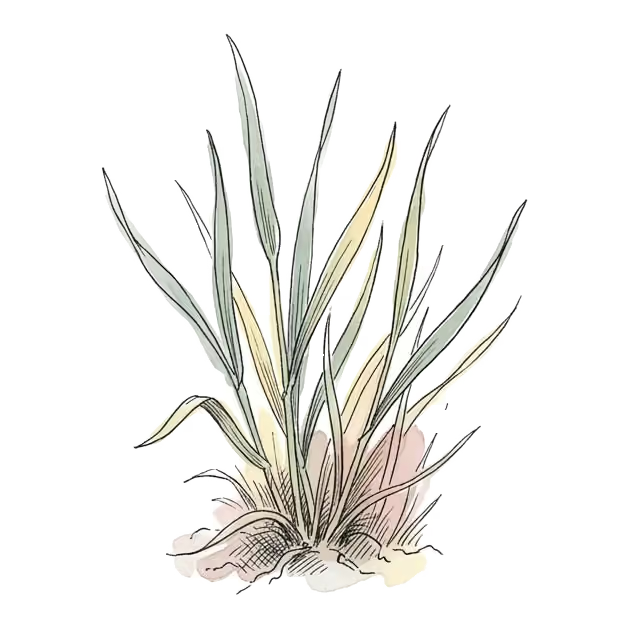
Barley Grass (Hordeum vulgare)
Hordeum vulgare · also known as barley leaf, young barley, green barley, barley grass powder
By Superfoods Advisor Editors·July 3, 2026
Barley grass benefits weighed against the evidence: antioxidant and blood sugar research, whether it contains gluten, vitamin K, dosing and safety.
Barley grass is the young leaf of the barley plant (Hordeum vulgare), cut 7–15 days after germination and sold as juice, powder, or tablets. Its claimed benefits rest mostly on lab studies of its flavonoids, saponarin and lutonarin; the human evidence is one small pilot trial without a placebo, so the benefits remain unproven.
Barley itself is one of the oldest cultivated cereals; grain remains indicate it was domesticated in the Fertile Crescent about 10,000 years ago (Badr et al., 2000). The young leaf, as distinct from the grain, became a commercial supplement in Japan, where Yoshihide Hagiwara promoted it as a concentrated nutrient source.
The leaves are harvested before jointing, when concentrations of their characteristic C-glycosyl flavones are at or near their peak (Rzeski & Rzeska, 2026), then juiced fresh or dried at low temperature and milled. Gluten proteins (hordeins) are stored in the seed, so leaves cut before the seed head forms should not contain them. Cross-contamination during processing is still possible, so people with celiac disease should look for certified gluten-free products.
Evidence at a glance
Active Compounds
The phytochemical profile of barley grass is broad, reflecting the metabolic activity of a rapidly growing plant tissue.
Chlorophyll and chlorophyllin: Barley grass derives its intense green color from chlorophyll a and b. Chlorophyll shares structural similarity with heme, and chlorophylls and the semi-synthetic derivative chlorophyllin form tight complexes with some carcinogens, which has been investigated as a way to limit their absorption (Linus Pauling Institute); human clinical evidence remains limited.
Superoxide dismutase (SOD): The antioxidant enzyme superoxide dismutase has been reported in young barley preparations. SOD catalyzes the dismutation of the superoxide radical (O₂⁻) into oxygen and hydrogen peroxide, providing a primary line of cellular antioxidant defense. Whether it contributes anything after oral intake is uncertain, because protein digestion in the gut may limit absorption of the intact enzyme (Rzeski & Rzeska, 2026).
Saponarin: This C-glycosyl flavone (apigenin-6-C-glucosyl-7-O-glucoside) is, with lutonarin, the principal flavonoid of young barley (Rzeski & Rzeska, 2026). In vitro studies suggest antioxidant and anti-inflammatory activity, though human pharmacokinetic data are sparse. A separate, related flavone, 2″-O-glycosylisovitexin (2″-O-GIV), also isolated from green barley leaves, trapped superoxide and hydroxyl radicals in a laboratory assay (Arimoto et al., 2000).
Lutonarin: A second characteristic flavone, lutonarin (luteolin-6-C-glucosyl-7-O-glucoside), contributes to the total polyphenol content and exhibits radical-scavenging activity in cell-based assays.
Vitamins and minerals: Barley grass is a source of vitamins C, K1, E, and several B vitamins (including folate), as well as minerals including potassium, calcium, magnesium, iron, and manganese.
Gamma-aminobutyric acid (GABA): The young leaf accumulates GABA under certain growing conditions. GABA is an inhibitory neurotransmitter; dietary GABA’s ability to cross the blood-brain barrier in meaningful quantities is uncertain.
Nutritional Profile
There is no standard reference nutrient profile for barley grass powder: vitamin and mineral content varies with cultivar, soil, fertilization, harvest timing and drying method, and product labels are not a substitute for compositional testing (Rzeski & Rzeska, 2026). One measured value is relevant to safety. A Tokyo public-health laboratory survey of Japanese green-juice (aojiru) products, made from greens including barley grass, found 410–3,300 µg of vitamin K1 per 100 g in powders and 640–3,100 µg per 100 g in tablets; estimated daily intake from the powders was roughly 20–250 µg (Sakamaki et al., 2006). This vitamin K1 content is clinically relevant for individuals on anticoagulant therapy (see Safety section).
Evidence for Purported Benefits
Antioxidant Activity
Evidence:Preliminary Mostly lab work on barley grass flavonoids; human data come from one small pilot study without a placebo arm.
Several studies have examined the antioxidant effects of barley grass preparations. Lahouar et al. (2015) reviewed the largely preclinical evidence, attributing barley grass’s antioxidant activity to constituents such as superoxide dismutase and the flavonoids saponarin and lutonarin. In laboratory testing, Benedet et al. (2007) found that a saponarin/lutonarin mixture isolated from young barley leaves inhibited lipid oxidation in fish oil, omega-3 fatty acids, phospholipids and blood plasma, with activity comparable to alpha-tocopherol; isolated saponarin showed similar activity in a follow-up study (Kamiyama & Shibamoto, 2012). In vitro results of this kind do not establish an effect in people. Larger, randomized controlled trials are needed before clinical recommendations can be made.
Glycemic and Lipid Modulation
Evidence:Preliminary Animal studies and one 36-person pilot in type 2 diabetes with no placebo arm.
Animal studies of young barley leaf and grass juice preparations have reported lipid- and glucose-lowering effects, often at high doses (Rzeski & Rzeska, 2026). Zeng et al. (2020) reviewed the proposed mechanisms, attributing them to barley grass constituents such as GABA, flavonoids, superoxide dismutase, and potassium and calcium. A pilot human study by Yu et al. (2002) in 36 adults with type 2 diabetes found that 15 g/day of young barley leaf extract for 4 weeks reduced blood free-radical levels and inhibited LDL oxidation, with a larger effect when combined with vitamins C and E; the study was small, short, and had no placebo arm. These findings are hypothesis-generating rather than conclusive.
Anti-inflammatory Activity
Evidence:Lab & animal only Cell-culture studies in mouse macrophages only; no human trials.
In cell culture, saponarin reduced TNF-α and IL-1β expression (Min et al., 2021) and lutonarin reduced TNF-α and IL-6 (Yang et al., 2021) in lipopolysaccharide-stimulated mouse macrophages. Translation to in vivo human effects has not been adequately established in controlled trials.
Alkalizing Effect
Evidence:Insufficient No human evidence; blood pH is tightly regulated, and food cannot shift it in healthy people.
Barley grass is widely marketed as an “alkalizing” food based on its mineral content. Human blood pH is tightly regulated within a narrow range (7.35–7.45) by pulmonary and renal buffering mechanisms, and foods cannot meaningfully shift systemic blood pH in healthy individuals. The claim should be regarded as unsubstantiated from a physiological standpoint.
Typical Use and Preparation
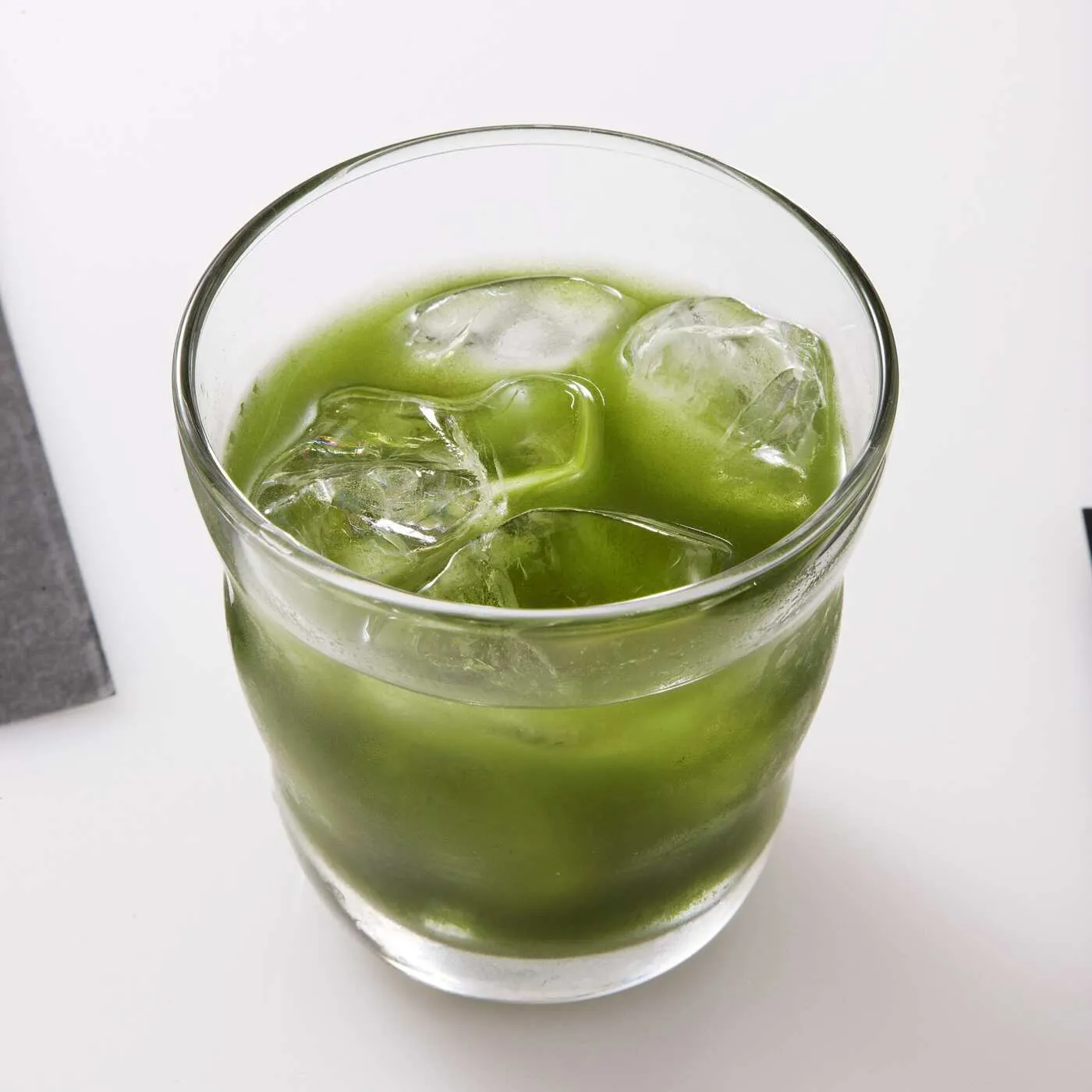 Photo: Ugawa, CC BY-SA 3.0, via Wikimedia Commons
Fresh juice: Young barley shoots are cold-pressed to produce a juice consumed immediately or frozen to preserve enzymatic activity. Juicing preserves chlorophyll and heat-labile vitamins but removes most insoluble fiber.
Dried powder: Low-temperature drying is preferred to retain heat-sensitive vitamins and enzyme activity. Powder is typically mixed into water, juice, or smoothies in servings of 5–10 g. Hot-air drying degrades more chlorophyll and enzymatic antioxidants than freeze-drying, and vitamin C is lost to oxidation during processing and storage (Rzeski & Rzeska, 2026).
Tablets and capsules: Convenient for standardized dosing but may contain fillers; consumers should verify that no gluten-containing binders are used.
Storage: Powder oxidizes on exposure to air, heat, and light. Sealed, opaque containers kept in a cool place prolong shelf life. Refrigeration is advisable after opening.
There is no established therapeutic dose. Commercial products typically suggest 5–10 g of powder or 1–2 oz of fresh juice per day. These amounts are based on traditional practice and product convention, not clinical dose-finding studies.
Smoothies are the usual vehicle for green powders, and our superfood smoothie recipes show how to blend them without clumping. Barley grass powder is often used interchangeably with wheatgrass powder, and the two are commonly blended with spirulina or chlorella in greens mixes.
Safety, Interactions, and Contraindications
Vitamin K and anticoagulants: The vitamin K1 content of barley grass powder can be relevant for individuals taking warfarin or other vitamin K antagonists. Large or inconsistent servings may shift INR. Patients on anticoagulation therapy should consult their prescribing clinician before using barley grass products and, if use is continued, maintain strictly consistent intake while monitoring INR closely.
Gluten and celiac disease: Barley grass harvested before jointing should not contain gluten proteins, but contamination with seed or other grains during harvest and processing is possible. Individuals with celiac disease or non-celiac gluten sensitivity should use only certified gluten-free products.
Thyroid function: As a grass, barley does not produce glucosinolates, the goitrogenic compounds characteristic of cruciferous vegetables such as kale and broccoli. Its effect on thyroid function has not been studied in people.
Pregnancy and lactation: No human safety data exist for barley grass supplements during pregnancy and lactation; supplementation should be avoided without medical supervision.
Drug interactions: Beyond the warfarin concern noted above, interactions with other medications have not been studied.
General tolerability: In the small clinical trials to date, adverse events were limited to mild, transient gastrointestinal discomfort (Rzeski & Rzeska, 2026). The same review notes that heavy metals from soil and nitrate from heavy fertilization can accumulate in the leaves, so contaminant testing matters.
This entry is informational. It does not constitute medical advice, diagnosis, or treatment. Individuals with health conditions should consult a qualified healthcare provider before initiating supplementation.
Frequently Asked Questions
What are the benefits of barley grass?
The proposed benefits are antioxidant, anti-inflammatory, and blood sugar or cholesterol effects. Evidence for all of them is early. Its flavonoids saponarin and lutonarin act as antioxidants in lab tests, and one 36-person pilot in type 2 diabetes reported lower free-radical levels after 4 weeks of 15 g/day of young barley leaf extract, without a placebo group for comparison.
Is barley grass gluten free?
The leaf itself should be. Gluten proteins in barley (hordeins) are stored in the seed, and barley grass is cut before the seed head forms. The risk is contamination with seed or other grains during harvest and processing. People with celiac disease or non-celiac gluten sensitivity should use only products certified gluten free and check tablets for gluten-containing binders.
Is barley grass the same as barley?
It comes from the same plant, Hordeum vulgare, but it is a different food. Barley grain is the mature seed, eaten as a cereal and used in brewing. Barley grass is the young leaf, harvested 7–15 days after germination, and is consumed as juice or powder. The grain carries the gluten; the leaf carries the chlorophyll and the flavonoids saponarin and lutonarin.
How much barley grass powder per day?
There is no established dose. Commercial products usually suggest 5–10 g of powder or 1–2 oz of fresh juice a day, figures based on product convention rather than dose-finding trials. People taking warfarin should talk to their clinician first, because green powders can carry a lot of vitamin K1, and anyone pregnant or breastfeeding should avoid supplements without medical supervision.
Barley grass vs wheatgrass: which is better?
No trial has compared them directly. Both are young cereal-grass leaves sold as juice or powder, both are rich in chlorophyll, and both are naturally free of gluten when cut before the seed forms but can be contaminated in processing. Barley grass is distinguished by its flavones saponarin and lutonarin. The evidence for either rests largely on lab and small pilot studies.
References
Show all 12 referencesShow fewer
- Benedet, J. A., Umeda, H., & Shibamoto, T. (2007). Antioxidant activity of flavonoids isolated from young green barley leaves toward biological lipid samples. Journal of Agricultural and Food Chemistry, 55(14), 5499–5504.
- Lahouar, L., El-Bok, S., & Achour, L. (2015). Therapeutic potential of young green barley leaves in prevention and treatment of chronic diseases: An overview. American Journal of Chinese Medicine, 43(7), 1311–1329.
- Yu, Y. M., Chang, W. C., Chang, C. T., Hsieh, C. L., & Tsai, C. E. (2002). Effects of young barley leaf extract and antioxidative vitamins on LDL oxidation and free radical scavenging activities in type 2 diabetes. Diabetes & Metabolism, 28(2), 107–114.
- Zeng, Y., Pu, X., Du, J., Yang, X., Li, X., Mandal, M. S. N., Yang, T., & Yang, J. (2020). Molecular mechanism of functional ingredients in barley to combat human chronic diseases. Oxidative Medicine and Cellular Longevity, 2020, 3836172.
- Kamiyama, M., & Shibamoto, T. (2012). Flavonoids with potent antioxidant activity found in young green barley leaves. Journal of Agricultural and Food Chemistry, 60(25), 6260–6267.
- Badr, A., Müller, K., Schäfer-Pregl, R., et al. (2000). On the origin and domestication history of barley (Hordeum vulgare). Molecular Biology and Evolution, 17(4), 499–510.
- Rzeski, W., & Rzeska, W. (2026). Young barley (Hordeum vulgare L.) preparations: From phytochemical complexity to clinical relevance. Molecules, 31(12), 2190.
- Sakamaki, N., Nakazato, M., Matsumoto, H., et al. (2006). Determination of vitamin K in aojiru (green juice) products by HPLC. Shokuhin Eiseigaku Zasshi, 47(2), 85–88.
- Arimoto, T., Ichinose, T., Yoshikawa, T., & Shibamoto, T. (2000). Effect of the natural antioxidant 2″-O-glycosylisovitexin on superoxide and hydroxyl radical generation. Food and Chemical Toxicology, 38(9).
- Min, S. Y., Park, C. H., Yu, H. W., & Park, Y. J. (2021). Anti-inflammatory and anti-allergic effects of saponarin and its impact on signaling pathways of RAW 264.7, RBL-2H3, and HaCaT cells. International Journal of Molecular Sciences, 22(16).
- Yang, J. Y., Woo, S. Y., Lee, M. J., et al. (2021). Lutonarin from barley seedlings inhibits the lipopolysaccharide-stimulated inflammatory response of RAW 264.7 macrophages by suppressing nuclear factor-κB signaling. Molecules, 26(6), 1571.
- Linus Pauling Institute. Chlorophyll and chlorophyllin. Micronutrient Information Center, Oregon State University.
More in Leafy Greens
- Arugula (Eruca vesicaria ssp. sativa)
Is arugula good for you? Nutrition per 100 g, nitrate and blood pressure, vitamin K, cancer research and safety for this peppery cruciferous green.
- Bok Choy (Brassica rapa subsp. chinensis)
Bok choy benefits and nutrition: well-absorbed calcium, vitamin C and K per 100 g, glucosinolates, the raw-intake thyroid caveat, and how to cook it.
- Broccoli Sprouts (Brassica oleracea var. italica sprouts)
Broccoli sprouts benefits: why 3-day sprouts carry 10–100x more glucoraphanin than broccoli, what human trials found, how to eat them, and sprout safety.
- Collard Greens (Brassica oleracea var. viridis)
Health benefits of collard greens: vitamin K, calcium and fiber per 100 g, what research shows for bones and heart, cooking tips, and warfarin cautions.
- Kale (Brassica oleracea var. sabellica)
Is kale good for you? Kale nutrition per 100 g, what research shows for heart, eyes and bones, kale vs spinach, how much is too much, and safety.
- Microgreens (various species)
Microgreens benefits and nutrition: how 7–21-day seedlings compare with mature vegetables, what human studies show, microgreens vs sprouts, and safety.

Curated by Superfoods Advisor Editors·Last updated