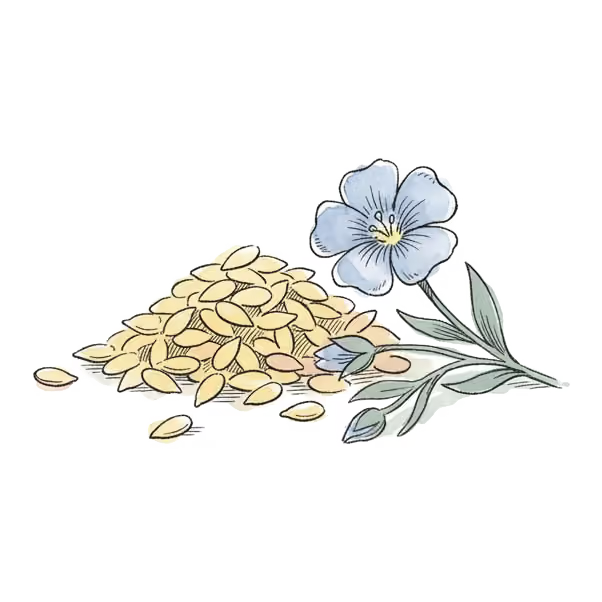
Flaxseed (Linum usitatissimum)
Linum usitatissimum · also known as linseed, common flax, golden flax, brown flax
By Superfoods Advisor Editors·July 3, 2026
Flaxseed benefits explained: what trials show for blood pressure, cholesterol and constipation, why ground beats whole, daily amounts and side effects.
Flaxseed (Linum usitatissimum, also called linseed) is a small oilseed and the richest common food source of the plant omega-3 ALA and of lignans. Its best-supported benefits are small reductions in blood pressure and LDL cholesterol, seen in meta-analyses of randomized trials, mostly with ground whole seed. One to two tablespoons of ground flaxseed a day is the usual amount.
The plant is grown both for its fiber, which is spun into linen, and for its seeds, eaten directly or pressed into linseed oil. Flax was among the earliest crops domesticated in the Near East, and ancient Egyptians used linen woven from flax fibers for mummy wrappings and garments. The species name usitatissimum means “most useful” in Latin, reflecting its historical versatility.
Traditional medical systems across Europe, Asia, and the Middle East used flaxseed for its mucilaginous properties as a digestive soother, poultice for inflammation, and laxative. Hippocrates is reported to have advocated flax for the relief of abdominal pain (Goyal et al., 2014). Modern nutritional interest grew from the 1980s onward, as flaxseed was identified as the richest known dietary source of mammalian lignan precursors (Thompson et al., 1991) and its exceptionally high ALA omega-3 content was recognized. Today Canada, Russia, and Kazakhstan are the principal commercial producers. Brown and golden (yellow) flaxseed varieties have broadly similar nutrient profiles; the golden variety has a slightly milder flavor.
Evidence at a glance
Active Compounds
- Alpha-linolenic acid (ALA): Flaxseed contains approximately 22.8 g of ALA per 100 g of whole seed (USDA FoodData Central), and approximately 53 g/100 g in cold-pressed flaxseed oil (USDA FoodData Central). ALA is an essential omega-3 fatty acid. In human adults, conversion to EPA is limited and conversion to DHA very low (Burdge & Calder, 2005), though ALA itself may have anti-inflammatory and cardiovascular effects, proposed to work through suppression of thromboxane A2 synthesis and inflammatory eicosanoid production.
- Lignans (secoisolariciresinol diglucoside, SDG): Flaxseed is the richest dietary source of plant lignans, containing roughly 600–1,300 mg SDG per 100 g of whole seed in an analysis of 29 Swedish and Danish cultivars (Johnsson et al., 2000). SDG is hydrolyzed by colonic bacteria to the mammalian lignans enterolactone and enterodiol, which are phytoestrogens — compounds that weakly bind estrogen receptors and may modulate estrogenic signaling. Both enterolactone and enterodiol demonstrate weak estrogenic and antiestrogenic activities depending on the hormonal context.
- Mucilage fiber: Flaxseed contains approximately 27 g of total dietary fiber per 100 g (USDA FoodData Central), part of which is soluble mucilage (arabinoxylans and rhamnogalacturonans). This gel-forming fiber is thought to slow gastric emptying and the absorption of glucose and cholesterol, and it ferments in the colon to produce short-chain fatty acids. The mucilage is concentrated in the seed coat.
- Flaxseed proteins: Approximately 18 g/100 g (USDA FoodData Central), dominated by an 11S globulin (linin) and a 2S albumin (conlinin) (Basagaña et al., 2018). Lysine is the limiting amino acid: in a human study of flaxseed protein baked into biscuits, lysine insufficiency held its DIAAS to 0.6 despite good digestibility (Tessier et al., 2023).
- Cyanogenic glycosides (linamarin, linustatin): Total cyanogenic glycosides ranged from about 200 to 510 mg/100 g in seven French cultivars (Roulard et al., 2017); only a small fraction of that mass is releasable cyanide. EFSA found that mean dietary cyanide exposure in Europe stayed below its acute reference dose (EFSA CONTAM Panel, 2019; see Safety below), though it did not assess flaxseed servings specifically.
- Phytosterols: About 195 mg total phytosterols per 100 g, of which beta-sitosterol accounts for roughly 90 mg (USDA FoodData Central).
Nutritional Profile
Per 100 g whole dry flaxseed (USDA FoodData Central, SR Legacy):
| Nutrient | Amount | % DV |
|---|---|---|
| Energy | 534 kcal | — |
| Protein | 18.3 g | — |
| Total fat | 42.2 g | — |
| — Saturated fat | 3.7 g | — |
| — Monounsaturated fat | 7.5 g | — |
| — Polyunsaturated fat | 28.7 g | — |
| — ALA (omega-3) | 22.8 g | — |
| — Linoleic acid (omega-6) | 5.9 g | — |
| Carbohydrate | 28.9 g | — |
| Dietary fiber | 27.3 g | — |
| Total sugars | 1.5 g | — |
| Thiamine | 1.6 mg | 137% |
| Magnesium | 392 mg | 93% |
| Phosphorus | 642 mg | 51% |
| Copper | 1.2 mg | 136% |
| Selenium | 25.4 mcg | 46% |
| Manganese | 2.5 mg | 108% |
| Iron | 5.7 mg | 32% |
| Zinc | 4.3 mg | 39% |
Evidence for Purported Benefits
Cardiovascular Risk Reduction
Evidence:Moderate Meta-analyses of RCTs show small, consistent reductions in blood pressure and LDL, mainly with whole seed.
A 2015 meta-analysis by Khalesi et al. (Journal of Nutrition) pooling 11 studies (14 trials) found that flaxseed supplementation slightly reduced systolic blood pressure (mean −1.77 mmHg) and diastolic blood pressure (mean −1.58 mmHg); the effect did not differ by baseline blood pressure. In subgroup analyses, diastolic reductions were significant for whole flaxseed and for intakes lasting 12 weeks or more, which may suggest the whole-seed matrix (fiber, ALA, lignans together) matters, though subgroup results of this size are exploratory.
Pan et al. (2009, American Journal of Clinical Nutrition) meta-analyzed 28 randomized trials of flaxseed and its derivatives and found small reductions in total cholesterol (−0.10 mmol/L) and LDL cholesterol (−0.08 mmol/L). The reductions were significant for whole flaxseed and lignan supplements but not for flaxseed oil, and were more apparent in postmenopausal women and people with higher starting cholesterol.
Glycemic Control
Evidence:Limited A 25-trial meta-analysis found small glucose and insulin drops with whole seed only, no HbA1c change; results conflict across forms.
The mucilage fiber in flaxseed is thought to slow intestinal glucose absorption through gel formation in the proximal small intestine, similar in mechanism to oat beta-glucan. A meta-analysis of 25 randomized trials by Mohammadi-Sartang et al. (2018, Nutrition Reviews) found modest reductions in blood glucose (−2.94 mg/dL) and insulin (−7.32 pmol/L) but no significant effect on HbA1c; the reductions appeared only in studies using whole flaxseed, not flaxseed oil or lignan extracts.
Hormone-Related Cancers (Lignan Activity)
Evidence:Preliminary Cohort associations plus short presurgical trials on tumor markers; no clinical outcome trials.
The enterolignans produced from flaxseed SDG have been investigated in relation to hormone-sensitive cancers, particularly breast cancer and prostate cancer. In a prospective cohort of 58,049 postmenopausal French women, those in the highest quartile of dietary lignan intake had a modestly lower risk of breast cancer (RR 0.83), an association limited to estrogen- and progesterone-receptor-positive tumors (Touillaud et al., 2007, Journal of the National Cancer Institute); observational associations of this kind may be confounded by overall diet quality.
A 2008 RCT by Demark-Wahnefried et al. (Cancer Epidemiology, Biomarkers & Prevention, n = 161) in men with prostate cancer awaiting surgery found that 30 g flaxseed/day for about 30 days before prostatectomy was associated with lower tumor proliferation rates (Ki-67 index) than a usual diet or a low-fat diet alone. A smaller 2005 placebo-controlled trial by Thompson et al. (Clinical Cancer Research, n = 32) in postmenopausal women with newly diagnosed breast cancer reported a similar reduction in Ki-67 with a daily 25 g flaxseed muffin before surgery. These are preliminary findings on short-term tumor markers and cannot be interpreted as evidence of clinical efficacy.
Flaxseed lignans should not be construed as a treatment for cancer. Patients with hormone-sensitive cancers should discuss flaxseed and phytoestrogen intake with their oncologist.
Menopausal Symptom Relief
Evidence:Insufficient Small trials conflict, and a phase III RCT found no difference from placebo.
Some small trials have investigated flaxseed as a non-hormonal alternative for management of menopausal hot flashes, based on lignan phytoestrogen activity. Results are inconsistent; a 2012 phase III RCT by Pruthi et al. (Menopause, n = 188) found no significant difference in hot flash scores between a daily flaxseed bar (providing 410 mg lignans) and a placebo bar over six weeks. Current evidence does not support flaxseed as an effective treatment for menopausal symptoms.
Digestive Health and Laxation
Evidence:Limited A few small RCTs report constipation relief; a pilot trial in IBS found no benefit.
The combination of soluble mucilage and insoluble cellulose in flaxseed is expected to increase stool bulk and soften stool, consistent with the general fiber literature. In small randomized trials, 50 g/day of flaxseed flour improved constipation scores at least as much as lactulose over four weeks (Sun et al., 2020), and flaxseed baked into cookies reduced constipation symptoms versus placebo cookies in people with type 2 diabetes (Soltanian et al., 2018). For irritable bowel syndrome, a pilot RCT found no significant difference in symptom severity between whole linseeds, ground linseeds, and no linseeds (Cockerell et al., 2012).
Typical Use and Preparation
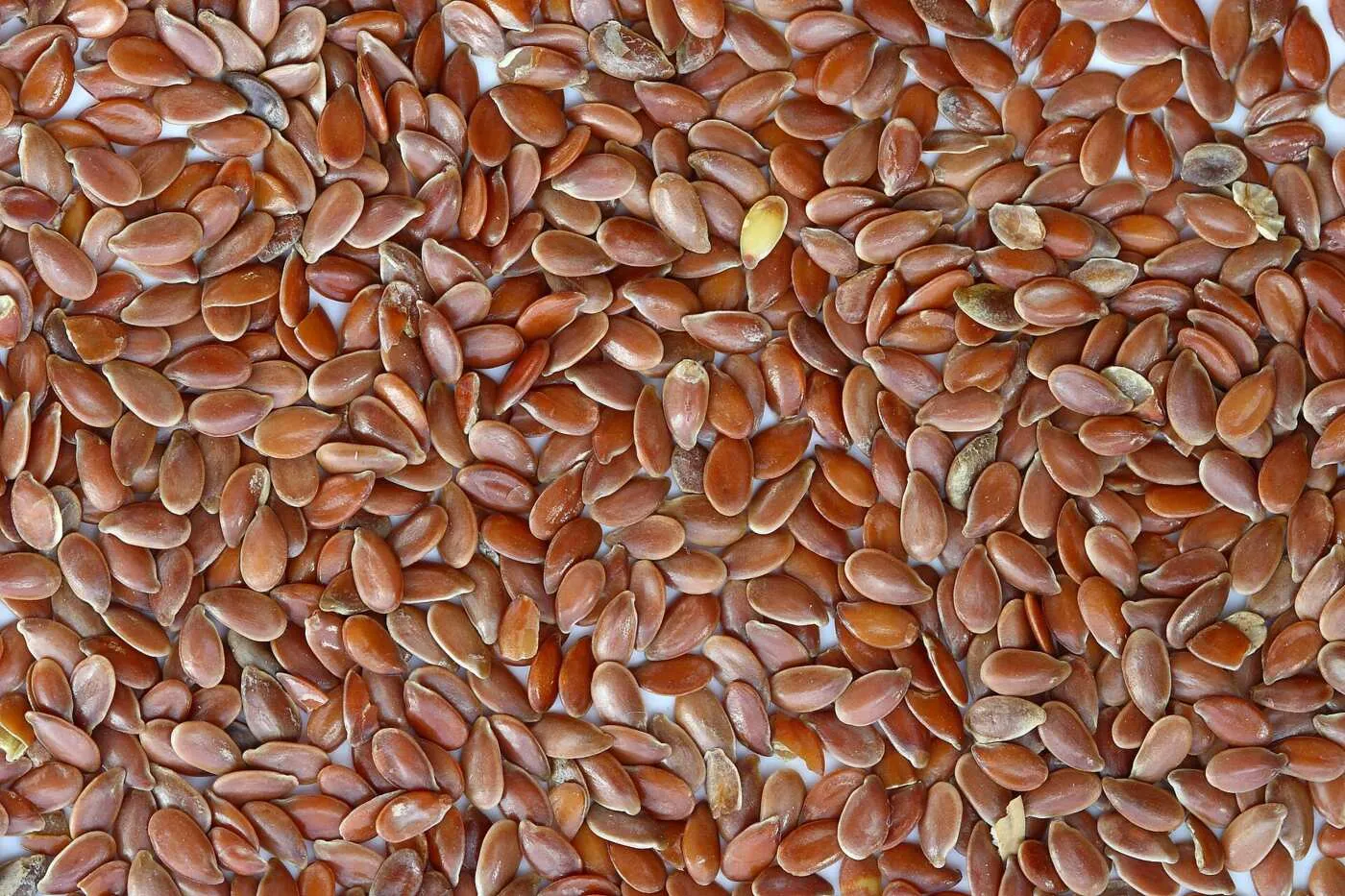 Photo: Sanjay Acharya, CC BY-SA 3.0, via Wikimedia Commons
Whole seeds versus ground flaxseed — a critical bioavailability distinction:
Whole flaxseeds pass through the gastrointestinal tract largely intact. The seed coat is resistant to digestive enzymes, and the ALA, lignan precursors, and proteins within are largely inaccessible when seeds are swallowed whole. In one trial, milled flaxseed and flaxseed oil raised plasma ALA within a month, while the same amount of whole seed did not (Austria et al., 2008).
Ground (milled) flaxseed is recommended for nutritional benefit. Commercial ground flaxseed (“flaxseed meal”) is widely available. Whole seeds can be ground at home in a coffee or spice grinder immediately before use, which also minimizes oxidation.
Flaxseed oil delivers concentrated ALA (approximately 53 g/100 g) without fiber or lignans. Oil should be cold-pressed, refrigerated, and used within weeks of opening; ALA is highly susceptible to oxidative rancidity. Flaxseed oil should not be used for high-heat cooking.
Storage: Ground flaxseed oxidizes more rapidly than whole seeds. Store in an airtight container in the refrigerator for up to 3 months, or freeze for longer storage. Rancid flaxseed has a distinct bitter, paint-like odor and should not be consumed.
Suggested use: 1–2 tablespoons (7–14 g) of ground flaxseed per day stirred into oatmeal, smoothies, yogurt, or baked goods. This range delivers approximately 1.6–3.2 g ALA and 2–4 g fiber (USDA FoodData Central).
For how flax compares with chia on ALA, fiber, lignans, and convenience, see chia seeds vs flaxseed and the chia seeds entry. Why ALA from flax is not a substitute for fish-derived EPA and DHA is covered in EPA vs DHA: what the omega-3 research shows.
Safety, Interactions, and Contraindications
Cyanogenic glycosides: Flaxseed contains linamarin and linustatin, which can release hydrogen cyanide under enzyme action. The European Food Safety Authority set an acute reference dose of 20 µg cyanide per kg body weight that applies to all food sources, and found that mean dietary cyanide exposures in Europe did not exceed it (EFSA CONTAM Panel, 2019). EFSA did not evaluate flaxseed servings specifically, so ordinary culinary amounts are the conservative choice. Cyanide is detoxified to thiocyanate, which competes with iodide for uptake by the thyroid, so people with thyroid disorders or low iodine intake may wish to avoid very large habitual amounts.
Blood thinning: ALA has been proposed to inhibit platelet aggregation, but human evidence for flaxseed is weak: a three-month trial of 30 g/day whole or milled flaxseed, or 6 g/day ALA from flaxseed oil, found no change in platelet aggregation (Austria et al., 2008). At high supplemental doses, additive effects with anticoagulants (warfarin) and antiplatelet agents (aspirin, clopidogrel, NSAIDs) are theoretically possible. Dietary amounts from 1–2 tbsp of ground flaxseed are unlikely to produce clinically significant effects, but patients on these medications should inform their prescribers.
Hormonal considerations: Given its phytoestrogen (lignan) activity, flaxseed has historically raised concern in individuals with hormone-sensitive breast cancer. A 2014 systematic review of 10 human studies concluded that flax may be associated with decreased breast cancer risk and possibly lower mortality among women with breast cancer, though most of that evidence was observational (Flower et al., 2014). The phytoestrogenic effect of lignans is weak and may in some contexts be antiestrogenic. Patients should discuss with their oncologist.
Medication absorption: Like other high-fiber foods, flaxseed can delay or reduce absorption of oral medications when consumed together. Taking oral medications well apart from large servings of flaxseed is a common precaution; a pharmacist can advise on specific drugs.
Gastrointestinal effects: Introducing large amounts of flaxseed rapidly into a low-fiber diet may cause bloating, gas, and loose stools. Gradual dose escalation is recommended.
Allergy: Flaxseed allergy, including anaphylaxis, is uncommon but documented in case reports and has been linked to seed storage proteins such as conlinin (Basagaña et al., 2018; Mota et al., 2024).
Frequently Asked Questions
What happens if you eat flaxseed every day?
For most people, 1 to 2 tablespoons of ground flaxseed a day adds about 1.6 to 3.2 g of ALA and 2 to 4 g of fiber. Trials lasting 12 weeks or more found small drops in blood pressure, and whole-seed trials found small LDL reductions. Daily use can cause bloating at first, and very large habitual amounts are not advised because of the seed’s cyanogenic compounds.
Do you need to grind flaxseed?
Yes, if you want the nutrients. The seed coat resists digestion, so whole flaxseeds often pass through intact. In one trial, milled flaxseed raised blood ALA within a month while the same amount of whole seed did not. Grind seeds just before use, or buy ground flaxseed and keep it in the refrigerator, because ground flax oxidizes faster.
Is flaxseed meal the same as ground flaxseed?
Yes. “Flaxseed meal” is the commercial name for milled or ground flaxseed, and the two terms are used interchangeably on labels. Some products are partially defatted, which lowers their ALA content, so check the label. Store either form airtight in the refrigerator for up to about three months, and discard it if it smells bitter or like paint.
Can flaxseed help lower cholesterol?
Modestly. A meta-analysis of 28 randomized trials found that flaxseed products lowered LDL cholesterol by about 0.08 mmol/L, a small effect. The reduction was significant for whole flaxseed and lignan supplements but not for flaxseed oil, and was larger in postmenopausal women and people with higher starting cholesterol. Flax is a dietary addition, not a substitute for prescribed treatment.
What are the benefits of flaxseed for women?
The evidence is mixed. A phase III trial found a flaxseed bar no better than placebo for hot flashes. Cholesterol reductions in trials were more apparent in postmenopausal women. Cohort studies link higher lignan intake to modestly lower breast cancer risk, but such data cannot show cause, and women with hormone-sensitive cancer should discuss flaxseed with their oncologist.
What are the side effects of flaxseed?
The most common are bloating, gas and loose stools when intake rises quickly. Flaxseed can slow absorption of oral medications taken at the same time. It contains cyanogenic glycosides, which is one reason to stay with ordinary culinary amounts, and allergy, though uncommon, has been documented. A trial found no effect on platelet function, but people on blood thinners should still tell their prescriber.
References
Show all 23 referencesShow fewer
- Khalesi, S., Irwin, C., & Schubert, M. (2015). Flaxseed consumption may reduce blood pressure: a systematic review and meta-analysis of controlled trials. Journal of Nutrition, 145(4), 758–765.
- Pan, A., Yu, D., Demark-Wahnefried, W., Franco, O. H., & Lin, X. (2009). Meta-analysis of the effects of flaxseed interventions on blood lipids. American Journal of Clinical Nutrition, 90(2), 288–297.
- Mohammadi-Sartang, M., Sohrabi, Z., Barati-Boldaji, R., Raeisi-Dehkordi, H., & Mazloom, Z. (2018). Flaxseed supplementation on glucose control and insulin sensitivity: a systematic review and meta-analysis of 25 randomized, placebo-controlled trials. Nutrition Reviews, 76(2), 125–139.
- Thompson, L. U., Chen, J. M., Li, T., Strasser-Weippl, K., & Goss, P. E. (2005). Dietary flaxseed alters tumor biological markers in postmenopausal breast cancer. Clinical Cancer Research, 11(10), 3828–3835.
- Pruthi, S., Qin, R., Terstreip, S. A., Liu, H., Loprinzi, C. L., Shah, T. R., et al. (2012). A phase III, randomized, placebo-controlled, double-blind trial of flaxseed for the treatment of hot flashes: North Central Cancer Treatment Group N08C7. Menopause, 19(1), 48–53.
- Touillaud, M. S., Thiébaut, A. C., Fournier, A., Niravong, M., Boutron-Ruault, M. C., & Clavel-Chapelon, F. (2007). Dietary lignan intake and postmenopausal breast cancer risk by estrogen and progesterone receptor status. Journal of the National Cancer Institute, 99(6), 475–486.
- USDA FoodData Central. (2019). Seeds, flaxseed. FDC ID: 169414. U.S. Department of Agriculture.
- Demark-Wahnefried, W., Polascik, T. J., George, S. L., Switzer, B. R., Madden, J. F., Ruffin, M. T., et al. (2008). Flaxseed supplementation (not dietary fat restriction) reduces prostate cancer proliferation rates in men presurgery. Cancer Epidemiology, Biomarkers & Prevention, 17(12), 3577–3587.
- Burdge, G. C., & Calder, P. C. (2005). Conversion of alpha-linolenic acid to longer-chain polyunsaturated fatty acids in human adults. Reproduction Nutrition Development, 45(5), 581–597.
- Johnsson, P., Kamal-Eldin, A., Lundgren, L. N., & Åman, P. (2000). HPLC method for analysis of secoisolariciresinol diglucoside in flaxseeds. Journal of Agricultural and Food Chemistry, 48(11), 5216–5219.
- Roulard, R., Fontaine, J. X., Jamali, A., et al. (2017). Use of qNMR for speciation of flaxseeds (Linum usitatissimum) and quantification of cyanogenic glycosides. Analytical and Bioanalytical Chemistry, 409(30), 7011–7026.
- EFSA Panel on Contaminants in the Food Chain (2019). Evaluation of the health risks related to the presence of cyanogenic glycosides in foods other than raw apricot kernels. EFSA Journal, 17(4), e05662.
- USDA FoodData Central. Oil, flaxseed, cold pressed. FDC ID: 167702. U.S. Department of Agriculture.
- Goyal, A., et al. (2014). Flax and flaxseed oil: an ancient medicine & modern functional food. Journal of Food Science and Technology, 51(9).
- Thompson, L. U., et al. (1991). Mammalian lignan production from various foods. Nutrition and Cancer, 16(1).
- Basagaña, M., et al. (2018). Anaphylaxis induced by conlinin, a 2S storage protein in flaxseed. Journal of Investigational Allergology and Clinical Immunology, 28.
- Tessier, R., et al. (2023). Digestive and metabolic bioavailability in healthy humans of 15N-labeled rapeseed and flaxseed protein incorporated in biscuits. American Journal of Clinical Nutrition, 117(5).
- Sun, J., et al. (2020). Effects of flaxseed supplementation on functional constipation and quality of life in a Chinese population: a randomized trial. Asia Pacific Journal of Clinical Nutrition, 29(1).
- Soltanian, N., et al. (2018). A randomized trial of the effects of flaxseed to manage constipation, weight, glycemia, and lipids in constipated patients with type 2 diabetes. Nutrition & Metabolism, 15, 36.
- Cockerell, K. M., et al. (2012). Effects of linseeds on the symptoms of irritable bowel syndrome: a pilot randomised controlled trial. Journal of Human Nutrition and Dietetics, 25(5).
- Austria, J. A., et al. (2008). Bioavailability of alpha-linolenic acid in subjects after ingestion of three different forms of flaxseed. Journal of the American College of Nutrition, 27(2).
- Flower, G., et al. (2014). Flax and breast cancer: a systematic review. Integrative Cancer Therapies, 13(3).
- Mota, D., et al. (2024). Flaxseed anaphylaxis: an emerging allergen. Porto Biomedical Journal, 9(5), 265.
Related content



More in Nuts & Seeds
- Almonds (Prunus dulcis)
Almonds benefits and nutrition: what trials show for LDL cholesterol, blood sugar and weight, plus serving size, vitamin E, oxalate and allergy risks.
- Brazil Nuts (Bertholletia excelsa)
Brazil nuts benefits come down to selenium: one nut can hold 8 to 200 mcg. How many to eat per day, what the research shows, and the toxicity limit.
- Cashews (Anacardium occidentale)
Cashews benefits and nutrition: copper, magnesium and iron per serving, what trials show for blood pressure and blood sugar, and allergy and oxalate risks.
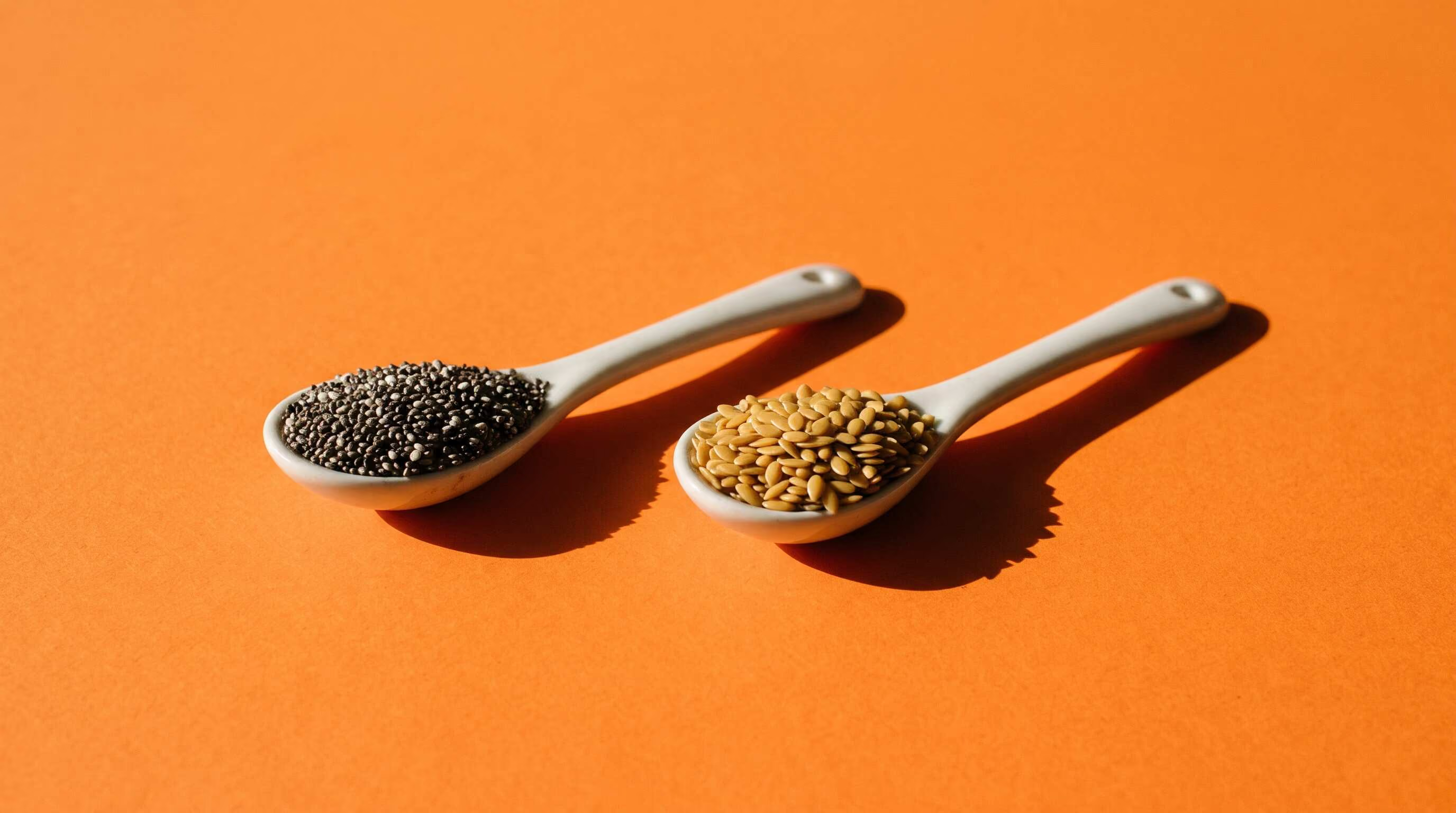
- Chia Seeds (Salvia hispanica)
How to eat chia seeds: soaked, ground or in pudding, with serving size, nutrition and what trials show for blood sugar, blood pressure and weight loss.
- Hazelnuts (Corylus avellana)
Hazelnuts benefits and nutrition: oleic acid, vitamin E and folate per serving, what trials show for cholesterol, and how birch-pollen allergy works.
- Hemp Seeds (Cannabis sativa var. sativa)
Hemp seeds benefits and nutrition: 31.6 g protein per 100 g, omega-3 and GLA, hemp seeds vs hemp hearts, daily amounts, and whether they contain THC.






Curated by Superfoods Advisor Editors·Last updated