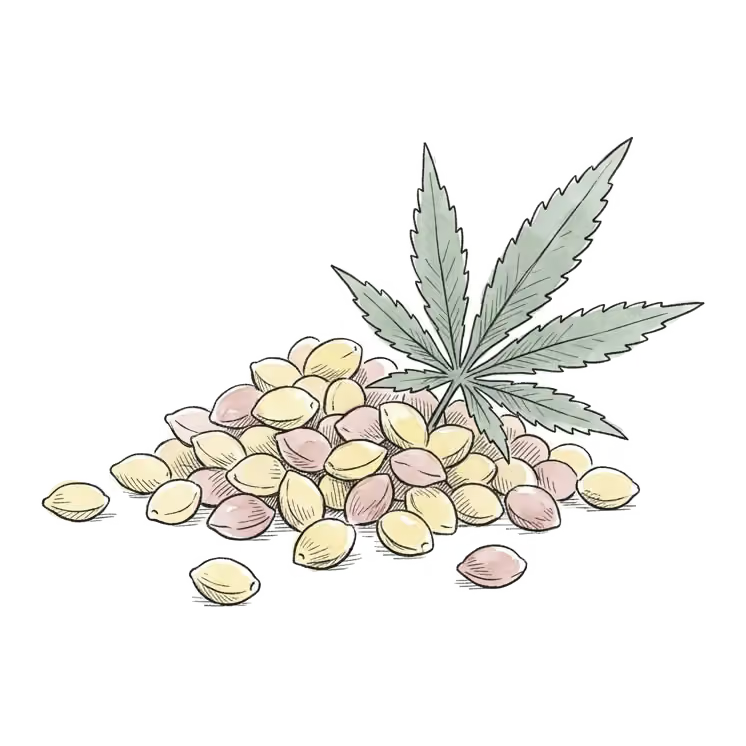
Hemp Seeds (Cannabis sativa var. sativa)
Cannabis sativa var. sativa · also known as hemp hearts, shelled hemp seeds, hulled hemp seeds
By Superfoods Advisor Editors·July 3, 2026
Hemp seeds benefits and nutrition: 31.6 g protein per 100 g, omega-3 and GLA, hemp seeds vs hemp hearts, daily amounts, and whether they contain THC.
Hemp seeds (Cannabis sativa var. sativa; hulled, they are sold as hemp hearts) are the edible seeds of industrial hemp. Hulled seeds hold 31.6 g protein per 100 g, about 10 g in three tablespoons, plus magnesium and omega-3. They do not make you high. Their best-established strength is protein quality; health-outcome trials are few and small.
Hemp is a fiber and seed crop grown across Central Asia, China and Europe; genomic evidence places its first domestication in early Neolithic East Asia (Ren et al., 2021). Unlike drug-type cannabis, industrial hemp is legally defined by a low tetrahydrocannabinol (THC) content (in the United States, no more than 0.3% delta-9 THC on a dry-weight basis for the plant, under 7 U.S.C. § 1639o), making hemp seeds a legally distinct food ingredient in most jurisdictions. An amendment enacted in November 2025 is scheduled to take effect in late 2026; it switches the test to total THC (including THCA) and excludes finished products containing more than 0.4 mg of THC per container (7 U.S.C. § 1639o, as amended). Archaeological evidence from Neolithic sites in China and Japan suggests hemp was among the earliest cultivated plants, valued simultaneously as a fiber source, oil crop, and food grain.
Traditional Chinese medicine referenced hemp seeds (huǒ má rén, 火麻仁) as a mild laxative and tonic dating to texts compiled around the first century CE. Modern commercial interest centers on the hulled form — “hemp hearts” — which removes the fibrous outer shell and delivers a mild, nutty-flavored kernel suitable for direct consumption. Global production is concentrated in Canada, China, France, and the United States.
Evidence at a glance
Active Compounds
Hemp seeds contain a notable constellation of bioactive constituents:
Edestin is a globulin-type storage protein characteristic of cannabis seeds, with published estimates of roughly 65–82% of total seed protein; albumin accounts for most of the rest, with one analysis putting it at about 13% (Farinon et al., 2020). Hemp seeds supply all nine essential amino acids, though lysine falls short of the FAO/WHO reference pattern and is the first limiting amino acid (House et al., 2010).
Gamma-linolenic acid (GLA) is an omega-6 fatty acid (18:3n-6) making up roughly 3% of total fatty acids (about 1.3 g per 100 g of hulled seed, per USDA FoodData Central). GLA is a precursor to anti-inflammatory eicosanoids, and its presence is nutritionally significant because dietary GLA may bypass the rate-limiting delta-6-desaturase conversion step in n-6 fatty acid metabolism.
Omega-6 to omega-3 ratio: Hemp seed oil provides linoleic acid (LA, 18:2n-6) and alpha-linolenic acid (ALA, 18:3n-3) in a ratio of approximately 3:1 (USDA FoodData Central), within the 3:1 to 5:1 range often described as desirable (Farinon et al., 2020), although some researchers consider the ratio itself a poor metric (Harris, 2018). Typical Western diets have been estimated at about 15:1 to 17:1 (Simopoulos, 2002). Hemp seed oil also contains small amounts of stearidonic acid (SDA, 18:4n-3), an omega-3 with potentially greater conversion efficiency to EPA than ALA alone (Kuhnt et al., 2016).
Tocopherols: Vitamin E compounds, primarily gamma-tocopherol (Oomah et al., 2002), are present in hemp seed oil, with totals that can exceed 90 mg per 100 g of oil depending on the extraction method (Farinon et al., 2020), providing antioxidant protection to the polyunsaturated fat fraction.
Phytosterols: Beta-sitosterol, campesterol, and stigmasterol are present. Plant sterols lower LDL cholesterol at supplemental intakes of about 0.6–3.3 g/day (Ras et al., 2014); whether the amounts in hemp seeds have a measurable effect has not been tested.
Terpenes and minor cannabinoids: Trace amounts of cannabidiol (CBD) and terpenes may be present in unrefined oil but are typically absent or negligible in commercially hulled seeds processed under standard conditions.
Nutritional Profile
Per 100 g of hulled hemp seeds (hemp hearts), based on USDA FoodData Central (FDC ID 170148, “Seeds, hemp seed, hulled”):
| Nutrient | Amount | % DV |
|---|---|---|
| Energy | 553 kcal | — |
| Protein | 31.6 g | — |
| Total fat | 48.8 g | — |
| — Saturated fat | 4.6 g | — |
| — Monounsaturated fat | 5.4 g | — |
| — Polyunsaturated fat | 38.1 g | — |
| — Omega-6 (LA + GLA) | ~29 g | — |
| — Omega-3 (ALA + SDA) | ~9 g | — |
| Carbohydrates | 8.7 g | — |
| Dietary fiber | 4.0 g | — |
| Magnesium | 700 mg | 167% |
| Phosphorus | 1650 mg | 132% |
| Zinc | 9.9 mg | 90% |
| Iron | 7.95 mg | 44% |
| Potassium | 1200 mg | 26% |
| Manganese | 7.6 mg | 330% |
| Vitamin B1 (thiamine) | 1.28 mg | 107% |
Hemp seeds are particularly notable for their protein density relative to calories and for their magnesium content, which exceeds that of most commonly consumed seeds.
Evidence for Purported Benefits
Cardiovascular Health
Evidence:Preliminary One small crossover trial (14 adults) found no significant lipid change.
Evidence that hemp seed oil improves blood lipids is limited, and the small human trial to date found only minor effects. A randomized, double-blind crossover trial by Schwab et al. (European Journal of Nutrition, 2006) compared 30 ml/day of hemp seed oil with flaxseed oil for four weeks each in 14 healthy adults. The two oils shifted serum fatty acid profiles differently, and the total-to-HDL cholesterol ratio tended to be lower after hemp seed oil (P = 0.065), but fasting total and lipoprotein lipid concentrations did not differ significantly between periods.
Inflammation Modulation
Evidence:Lab & animal only Mechanistic and preclinical data; no human trials using hemp seeds.
GLA is converted in the body to dihomo-gamma-linolenic acid (DGLA), which can compete with arachidonic acid and give rise to less inflammatory eicosanoids; this is the proposed rationale for an anti-inflammatory role. Well-powered human clinical trials specifically using hemp seeds as the GLA source are lacking.
Protein Adequacy and Muscle Maintenance
Evidence:Moderate Protein quality is measured directly (PDCAAS about 0.5–0.66); muscle outcomes have not been tested.
Hemp seeds contain all nine essential amino acids, though lysine is the first-limiting one, and their moderate protein digestibility-corrected amino acid score position them as a viable plant-based protein source. A study by House et al. (Journal of Agricultural and Food Chemistry, 2010) measured PDCAAS values of about 0.49–0.53 for whole hemp seed and 0.63–0.66 for dehulled seed, with lysine as the first limiting amino acid, placing hemp protein equal to or above certain grains, nuts, and some pulses.
Skin Health
Evidence:Preliminary A single small crossover trial in atopic dermatitis; not replicated.
Topical and oral administration of hemp seed oil has been explored for atopic dermatitis. A 20-week randomized, single-blind crossover trial by Callaway et al. (Journal of Dermatological Treatment, 2005) compared dietary hemp seed oil with olive oil in patients with atopic dermatitis; after the hemp seed oil period, patients reported less skin dryness and itching and used fewer topical skin medications.
Typical Use and Preparation
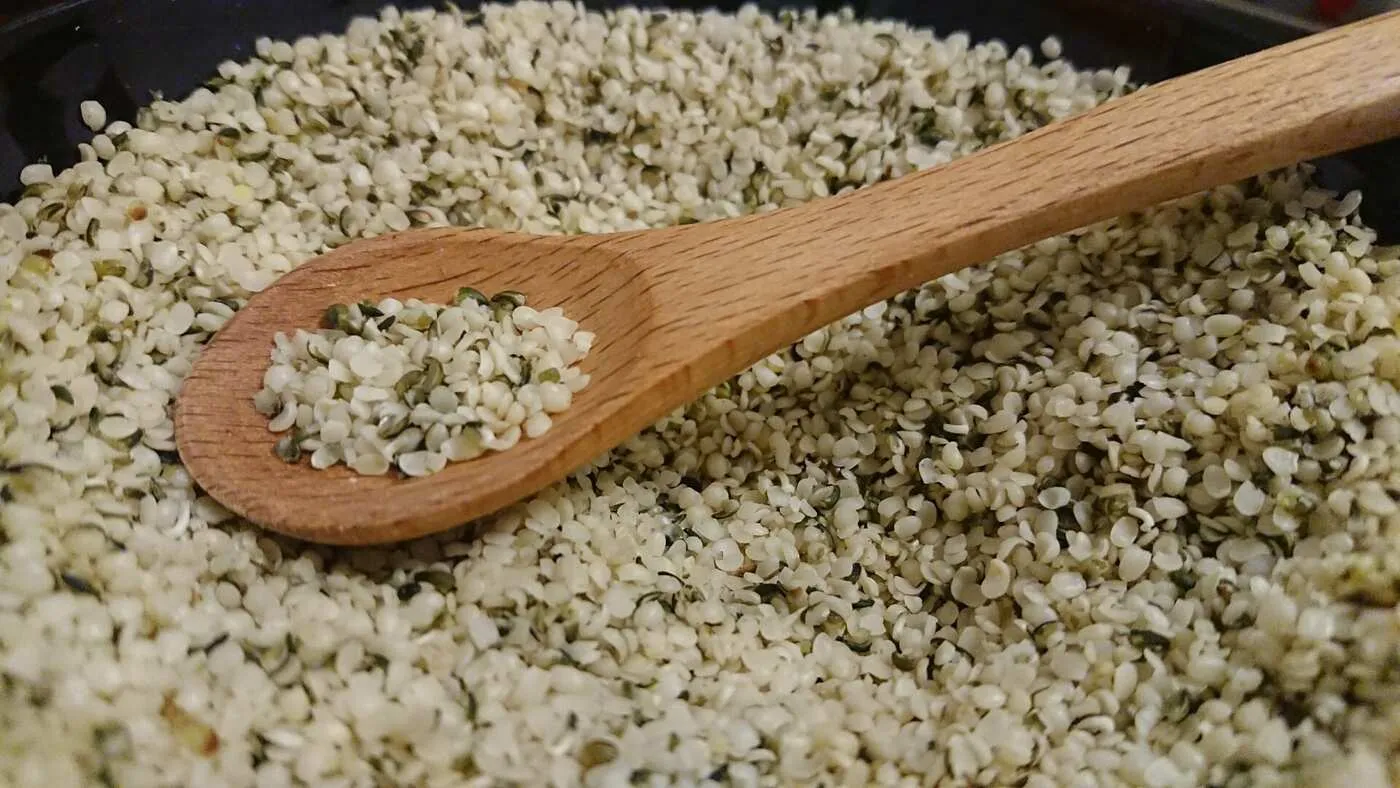 Photo: MPart4, CC BY-SA 4.0, via Wikimedia Commons
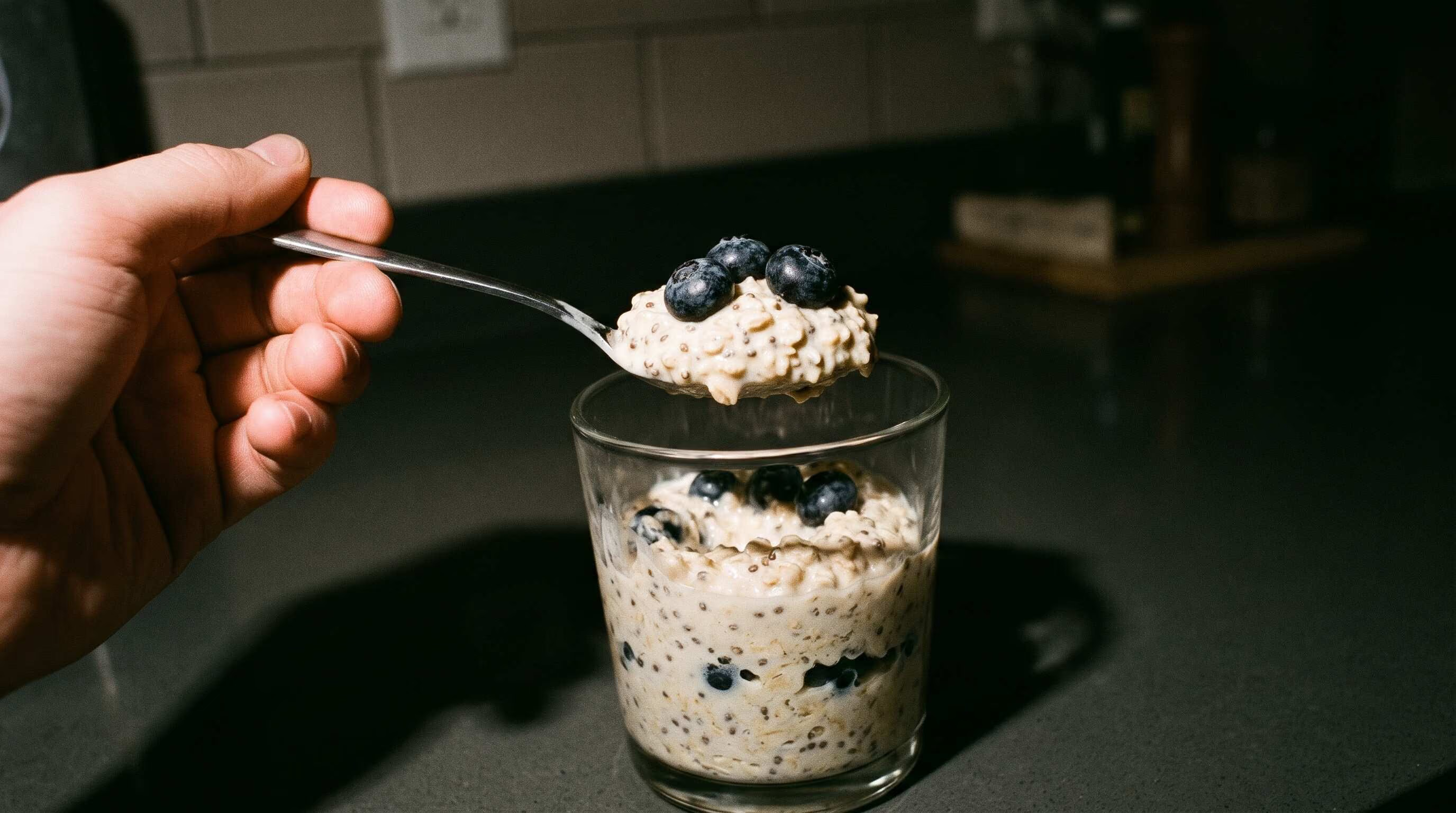
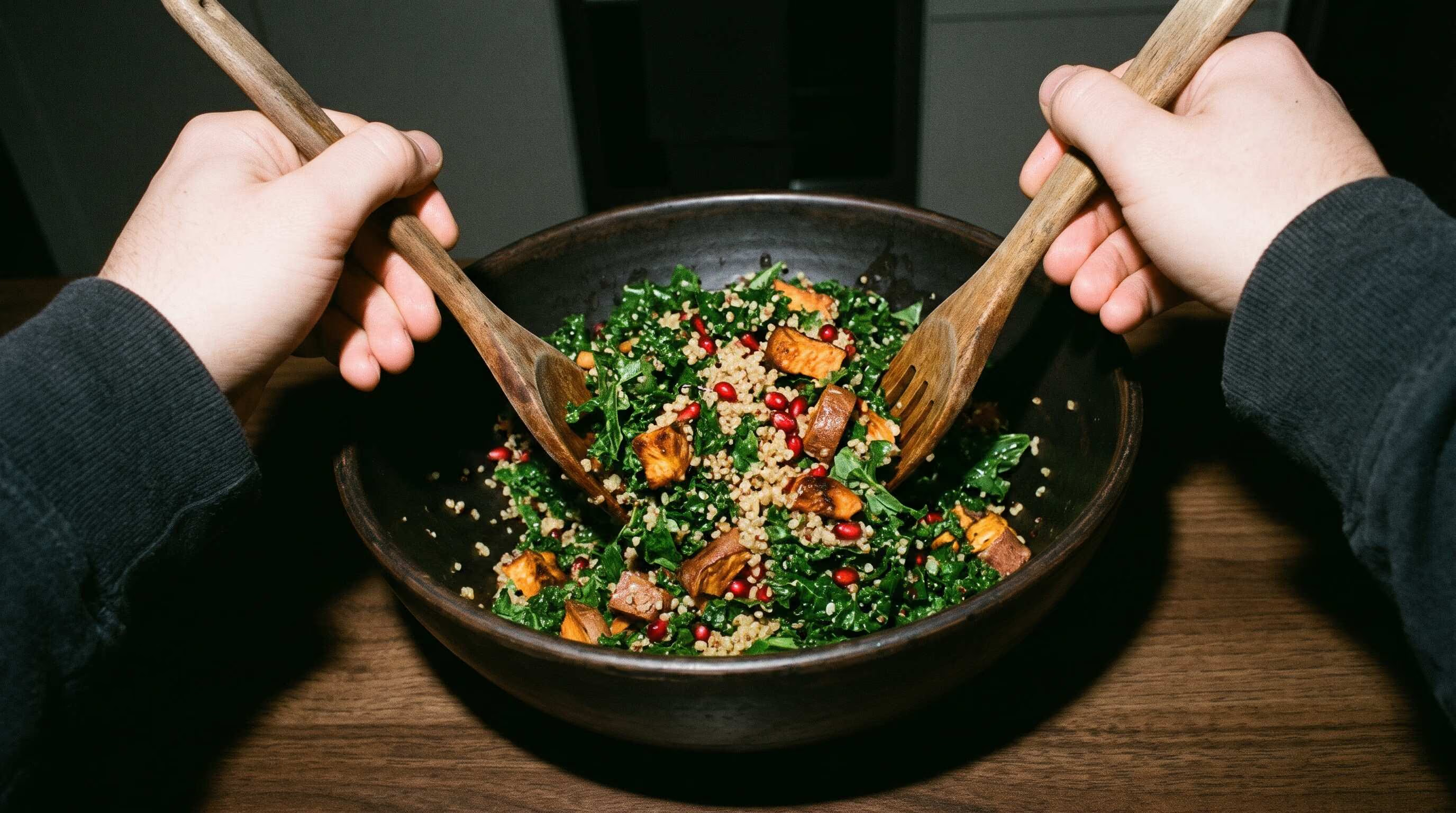
Hulled hemp seeds (hemp hearts) are the most commercially available form and require no cooking. They can be sprinkled over oatmeal, yogurt, or salads, blended into smoothies, or incorporated into baked goods. Three tablespoons (~30 g) provides approximately 10 g of protein and 15 g of fat.
Raw vs. roasted: Prolonged high-heat roasting can oxidize polyunsaturated fatty acids, including GLA. For preserved omega-3 and GLA levels, raw or cold-processed hemp seeds are preferred; brief, gentle toasting is a reasonable compromise.
Hemp seed oil: Cold-pressed hemp seed oil is used as a finishing oil or in dressings. Due to its high PUFA content, it is unsuitable for high-heat frying, as oxidation products form readily at high temperatures. It should be stored refrigerated and used promptly after opening.
Hemp protein powder: Partially defatted hemp meal is ground into protein powder (House et al. measured hemp seed meal at about 41% protein on average). Digestibility is lower than whey but competitive with other plant proteins. It imparts an earthy, slightly grassy flavor.
Hemp seeds get a fuller protein comparison in the guide to high-protein vegan foods. For a seed with more fiber and more omega-3 per gram but less protein, see chia seeds; for zinc, pumpkin seeds are the closest match.
Safety, Interactions, and Contraindications
Hemp seeds are generally well-tolerated. The following considerations apply:
THC content: Hemp seeds do not naturally contain THC; the trace amounts found in seed foods come from contact with other plant parts during harvest and processing, and the FDA has stated that hulled hemp seed, hemp seed protein, and hemp seed oil are not capable of making consumers “high” (FDA, 2018). The 0.3% figure above applies to the hemp plant, not to seed foods: the EU caps delta-9 THC (including THCA) at 3.0 mg/kg in hemp seeds and seed products and 7.5 mg/kg in hemp seed oil (Commission Regulation (EU) 2022/1393). In a controlled study, daily THC intakes equivalent to about 300 g of hulled seeds at 2 µg/g produced no confirmed positive urine tests (Leson et al., 2001), and a 12-week Korean study of 30 g/day found no positive screens (Baeck et al., 2019). Older hemp foods and oils with higher THC residues did cause positive screening results (Fortner et al., 1997; Bosy & Cole, 2000), and THC levels vary by product, so individuals subject to workplace drug testing should consult relevant policies.
Allergy: Hemp seed allergy is uncommon but reported, including anaphylaxis after eating hempseed (Stadtmauer et al., 2003). In laboratory testing, hemp seed storage proteins (vicilins and edestins) bound IgE from sensitized patients and showed possible cross-reactivity with hazelnut (Beriziky et al., 2023). Individuals with known seed allergies should exercise caution on first exposure.
Anticoagulant interactions: The omega-3 in hemp seed oil is ALA, not the EPA and DHA of fish oil. In the Schwab trial, 30 ml/day of hemp seed oil did not change haemostatic factors in healthy adults (Schwab et al., 2006), and even fish oil at 3–6 g/day did not significantly change INR in a small trial of patients on stable warfarin (Bender et al., 1998). Data in people taking anticoagulants are limited, so individuals on blood thinners should mention regular hemp oil use to their prescribing clinician.
Immunosuppressants: GLA may theoretically modulate immune function; individuals on immunosuppressive drug regimens should seek medical advice before supplementing.
Pregnancy and lactation: Hemp seed foods have not been specifically studied in pregnancy or lactation. Concentrated hemp oil supplements lack safety data in pregnancy and should be avoided unless advised by a clinician.
This entry is for informational purposes only and does not constitute medical advice, diagnosis, or treatment.
Frequently Asked Questions
Are hemp seeds weed, and can they get you high?
No. Hemp seeds come from industrial hemp, a Cannabis sativa variety legally defined by its low THC content, and the seeds themselves do not naturally contain THC. The FDA has stated that hulled hemp seed, hemp protein and hemp seed oil cannot make consumers high. Trace THC can transfer from other plant parts during processing, which is why limits apply to seed foods.
Will eating hemp seeds fail a drug test?
Current products are unlikely to cause one. In a controlled study, THC intakes equal to about 300 g of hulled seed a day produced no confirmed positive urine tests, and a 12-week study of 30 g a day found no positive screens. Older hemp foods and oils with higher residues did trigger positives, and THC varies by product, so people subject to testing should check their employer’s policy.
Are hemp seeds the same as hemp hearts?
Hemp hearts are hemp seeds with the hard outer shell removed. Hulling raises protein quality (PDCAAS about 0.63 to 0.66, against 0.49 to 0.53 for whole seed) and gives a soft, nutty kernel that needs no cooking. Whole seeds keep more fiber from the shell but are crunchy and harder to digest. Most nutrition figures on this page are for hulled seeds.
Are hemp seeds a complete protein?
Technically they contain all nine essential amino acids, but lysine falls below the FAO/WHO reference pattern, so they are not a complete protein by the strict definition. Measured protein quality is comparable to or above some grains, nuts and pulses. Pairing hemp with lysine-rich foods such as beans, lentils or soy covers the gap.
How many hemp seeds should you eat per day?
A common serving is three tablespoons, about 30 g, which provides roughly 10 g of protein and 15 g of fat; the 12-week drug-testing study used the same 30 g a day. No official limit exists. People on blood thinners or immunosuppressants should mention regular hemp oil use to their clinician.
Can hemp seeds be eaten raw?
Yes. Hulled hemp seeds are sold ready to eat and need no cooking; sprinkle them on oatmeal, yogurt or salads, or blend them into smoothies. Raw or gently toasted seeds keep their polyunsaturated fats, including GLA, better than seeds roasted at high heat. Hemp seed oil should not be used for frying.
References
Show all 20 referencesShow fewer
- Schwab, U. S., Callaway, J. C., Erkkilä, A. T., Gynther, J., Uusitupa, M. I., & Järvinen, T. (2006). Effects of hempseed and flaxseed oils on the profile of serum lipids, serum total and lipoprotein lipid concentrations and haemostatic factors. European Journal of Nutrition, 45(8), 470–477.
- Callaway, J., Schwab, U., Harvima, I., Halonen, P., Mykkänen, O., Hyvönen, P., & Järvinen, T. (2005). Efficacy of dietary hempseed oil in patients with atopic dermatitis. Journal of Dermatological Treatment, 16(2), 87–94.
- House, J. D., Neufeld, J., & Leson, G. (2010). Evaluating the quality of protein from hemp seed (Cannabis sativa L.) products through the use of the protein digestibility-corrected amino acid score method. Journal of Agricultural and Food Chemistry, 58(22), 11801–11807.
- Oomah, B. D., Busson, M., Godfrey, D. V., & Drover, J. C. G. (2002). Characteristics of hemp (Cannabis sativa L.) seed oil. Food Chemistry, 76(1), 33–43.
- Ren, G., et al. (2021). Large-scale whole-genome resequencing unravels the domestication history of Cannabis sativa. Science Advances, 7(29), eabg2286.
- Farinon, B., Molinari, R., Costantini, L., & Merendino, N. (2020). The seed of industrial hemp (Cannabis sativa L.): Nutritional quality and potential functionality for human health and nutrition. Nutrients, 12(7), 1935.
- Simopoulos, A. P. (2002). The importance of the ratio of omega-6/omega-3 essential fatty acids. Biomedicine & Pharmacotherapy, 56(8), 365–379.
- Leson, G., Pless, P., Grotenhermen, F., Kalant, H., & ElSohly, M. A. (2001). Evaluating the impact of hemp food consumption on workplace drug tests. Journal of Analytical Toxicology, 25(8), 691–698.
- Baeck, S., Kim, B., Cho, B., & Kim, E. (2019). Analysis of cannabinoids in urine samples of short-term and long-term consumers of hemp seed products. Forensic Science International, 305, 109997.
- Fortner, N., Fogerson, R., Lindman, D., Iversen, T., & Armbruster, D. (1997). Marijuana-positive urine test results from consumption of hemp seeds in food products. Journal of Analytical Toxicology, 21(6), 476–481.
- Bosy, T. Z., & Cole, K. A. (2000). Consumption and quantitation of delta9-tetrahydrocannabinol in commercially available hemp seed oil products. Journal of Analytical Toxicology, 24(7), 562–566.
- U.S. Food and Drug Administration. (2018). FDA responds to three GRAS notices for hemp seed-derived ingredients for use in human food.
- Commission Regulation (EU) 2022/1393 of 11 August 2022 amending Regulation (EC) No 1881/2006 as regards maximum levels of delta-9-tetrahydrocannabinol (Δ9-THC) in hemp seeds and products derived therefrom.
- USDA FoodData Central. Seeds, hemp seed, hulled (FDC ID 170148).
- Harris, W. S. (2018). The Omega-6:Omega-3 ratio: A critical appraisal and possible successor. Prostaglandins, Leukotrienes and Essential Fatty Acids, 132, 34–40.
- Kuhnt, K., Weiß, S., Kiehntopf, M., & Jahreis, G. (2016). Consumption of echium oil increases EPA and DPA in blood fractions more efficiently compared to linseed oil in humans. Lipids in Health and Disease, 15, 32.
- Ras, R. T., et al. (2014). LDL-cholesterol-lowering effect of plant sterols and stanols across different dose ranges: a meta-analysis of randomised controlled studies. British Journal of Nutrition, 112(2), 214–219.
- Stadtmauer, G., Beyer, K., Bardina, L., & Sicherer, S. H. (2003). Anaphylaxis to ingestion of hempseed (Cannabis sativa). Journal of Allergy and Clinical Immunology, 112(1), 216–217.
- Beriziky, P., et al. (2023). Hemp seed: An allergen source with potential cross-reactivity to hazelnut. Food Research International, 169, 112932.
- Bender, N. K., et al. (1998). Effects of marine fish oils on the anticoagulation status of patients receiving chronic warfarin therapy. Journal of Thrombosis and Thrombolysis, 5(3), 257–261.
Related content

More in Nuts & Seeds
- Almonds (Prunus dulcis)
Almonds benefits and nutrition: what trials show for LDL cholesterol, blood sugar and weight, plus serving size, vitamin E, oxalate and allergy risks.
- Brazil Nuts (Bertholletia excelsa)
Brazil nuts benefits come down to selenium: one nut can hold 8 to 200 mcg. How many to eat per day, what the research shows, and the toxicity limit.
- Cashews (Anacardium occidentale)
Cashews benefits and nutrition: copper, magnesium and iron per serving, what trials show for blood pressure and blood sugar, and allergy and oxalate risks.
- Chia Seeds (Salvia hispanica)
How to eat chia seeds: soaked, ground or in pudding, with serving size, nutrition and what trials show for blood sugar, blood pressure and weight loss.
- Flaxseed (Linum usitatissimum)
Flaxseed benefits explained: what trials show for blood pressure, cholesterol and constipation, why ground beats whole, daily amounts and side effects.
- Hazelnuts (Corylus avellana)
Hazelnuts benefits and nutrition: oleic acid, vitamin E and folate per serving, what trials show for cholesterol, and how birch-pollen allergy works.

Curated by Superfoods Advisor Editors·Last updated