Superfood Overnight Oats: 6 Recipes Built Around Beta-Glucan and Gut Health
By Superfoods Advisor Editors·July 4, 2026
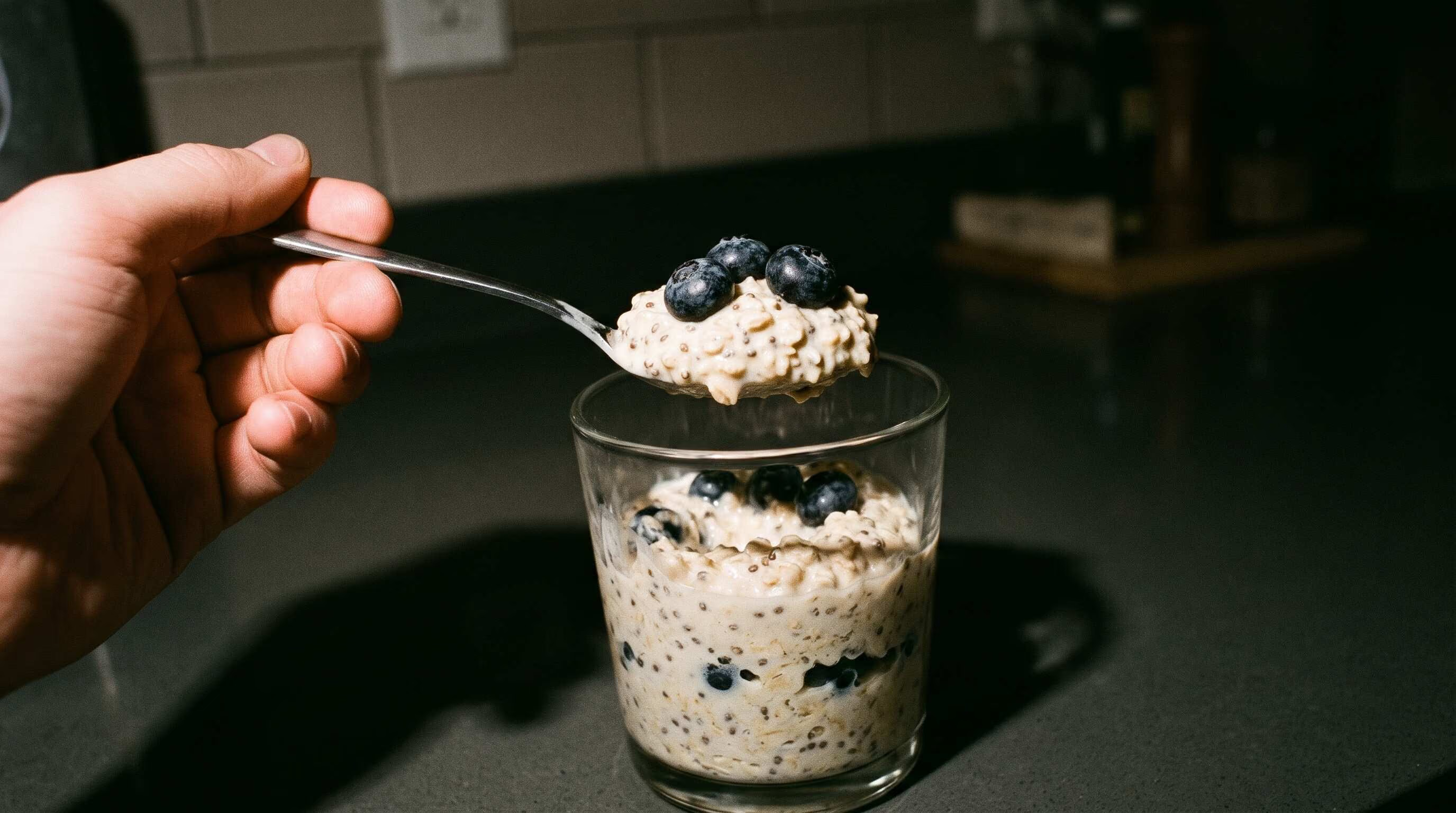
Healthy overnight oats recipes with 16-23 g protein per jar: one rolled-oat, yogurt and chia base, six flavors, and the beta-glucan cholesterol evidence.
For healthy overnight oats, stir 1/2 cup (45 g) of rolled oats with 1/2 cup of milk, 1/4 cup of Greek yogurt, 1 tablespoon of chia seeds and a pinch of salt in a jar, then refrigerate for 6 to 8 hours. The six jars on this page build on that base and land between 16 and 23 g of protein each.
Overnight oats are one of the few breakfast formats where the “convenience” version gives up nothing that matters nutritionally. Cold-soaked rolled oats deliver the same beta-glucan as a cooked bowl. Claims that skipping the stove preserves beta-glucan structure or leaves more resistant starch are often repeated, but they have not been measured in overnight oats.
The cholesterol evidence is solid. A 2014 meta-analysis of 28 randomized controlled trials in the American Journal of Clinical Nutrition found that at least 3 grams of oat beta-glucan per day lowered LDL cholesterol by about 0.25 mmol/L and total cholesterol by about 0.30 mmol/L relative to control, with no clear difference across doses of 3 to 12.4 g/day (Whitehead et al., PubMed:25411276). That’s the mechanism behind the FDA-authorized health claim permitted on oat product labels since 1997. It is one of twelve health claims the agency has authorized by regulation under the 1990 labeling law (21 CFR 101.81).
All six recipes start from a single base formula, then branch into distinct flavor and functional profiles. Made with 1/2 cup of rolled oats, each jar supplies roughly 1.8 g of beta-glucan: FDA rules require rolled oats used for the claim to contain at least 4% beta-glucan by dry weight, and a qualifying food only needs 0.75 g per serving, but the claim itself rests on 3 g or more per day (21 CFR 101.81). One jar covers a bit over half of that.
The Base Formula
Every recipe here starts from the same skeleton. Memorize this and you can improvise indefinitely.
Base (per single serving):
- 1/2 cup (45 g) rolled oats
- 1/2 cup (120 ml) milk of choice
- 1/4 cup (60 g) Greek yogurt or similar
- 1 tbsp (12 g) chia seeds
- Pinch of salt
- Sweetener to taste (maple syrup, honey, or none)
The 1:1 oats-to-milk ratio is the anchor. Deviate too far in either direction and the texture collapses: too much liquid and you get soup, too little and the oats stay chalky in the center. Greek yogurt adds a second liquid phase that thickens as the chia bloom kicks in, giving overnight oats their signature pudding-like body.
Why Rolled, Not Steel-Cut
Steel-cut oats are whole groats chopped into two or three pieces. They’re dense, chewy, and, critically, resistant to cold hydration. Soak them overnight and they’ll still be grainy in the morning. Rolled oats are steamed and pressed flat, which pre-gelatinizes some of the starch and creates a much larger surface area for water uptake. That’s why they soften completely in 6-8 hours of refrigeration while steel-cut oats need at least 24 and often longer.
Instant oats swing the opposite direction. They’re pre-cooked, rolled thinner, and often broken into smaller pieces. They absorb liquid too fast and turn to paste by morning. Rolled oats are the middle path. The same cold-soak logic drives chia pudding, which uses the seed alone on a 1:4 ratio.
Cold-Soak Science
Simmering oats on the stove fully gelatinizes the starch, which is what makes hot porridge creamy. Cold-soaking does not, so it is often said to leave more of the starch in resistant form, the kind that reaches the colon for bacteria to ferment. That is plausible from starch chemistry, but rolled oats are already steamed before they are flaked, and no published study appears to have measured resistant starch in overnight oats against cooked ones. Treat it as unproven.
Oat beta-glucan forms a viscous solution in the gut. That viscosity is thought to bind bile acids in the small intestine, prompting the liver to pull cholesterol from circulation to make replacements, which is the leading explanation for the LDL reduction. No study has compared cold-soaked and cooked oats on this point. Oat’s characteristic antioxidants, the avenanthramides, are not a strong reason to prefer one method: in stability tests only one of the three main forms was heat-sensitive, and only under neutral or alkaline conditions (Dimberg et al., Cereal Chemistry, 2001, DOI). Rolled oats have also already been steamed and flaked before they reach the jar, a step that caused only moderate losses of a single avenanthramide in an analysis of commercial processing (Bryngelsson et al., Journal of Agricultural and Food Chemistry, 2002, PubMed:11902929).
The recipes
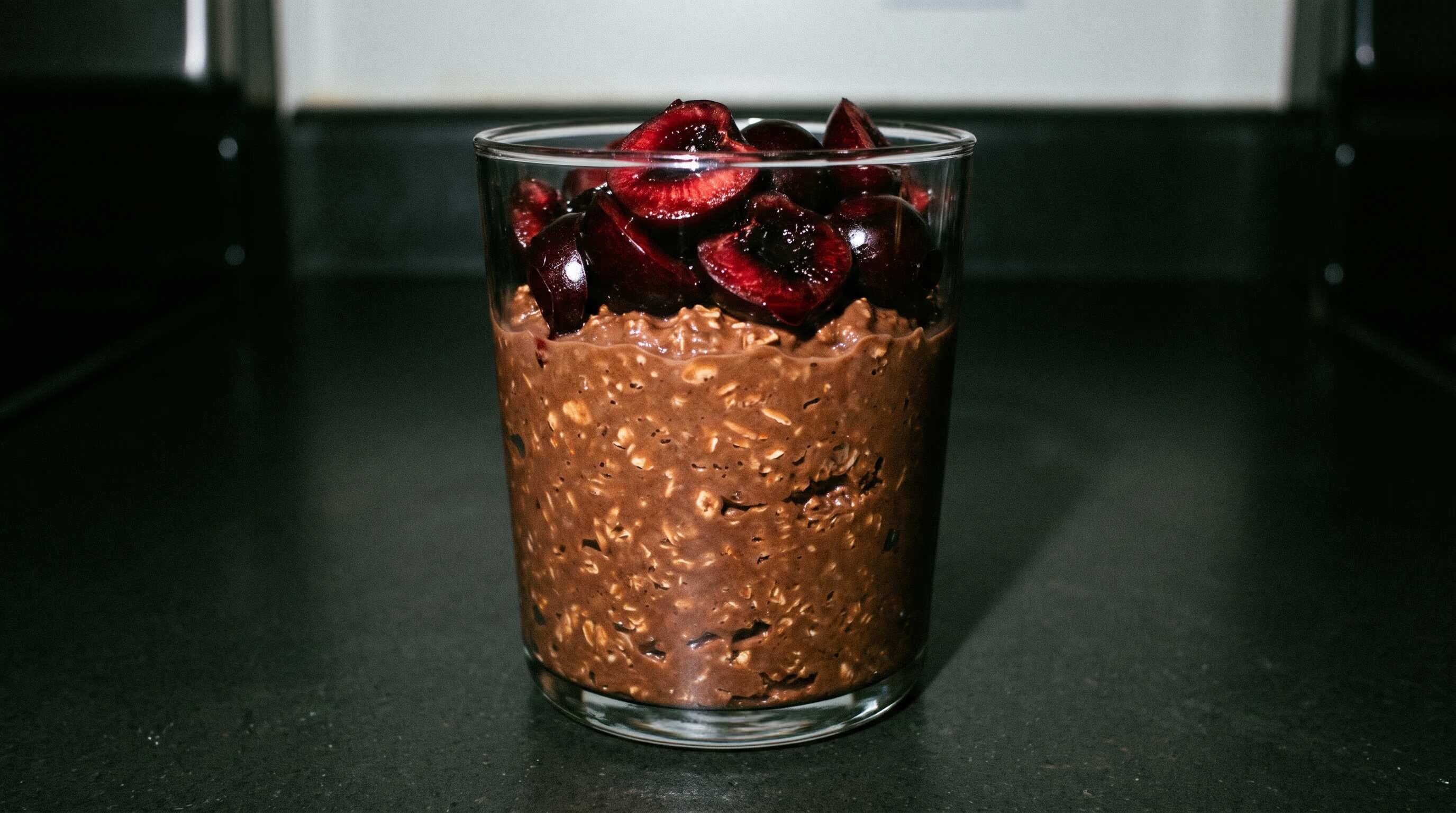
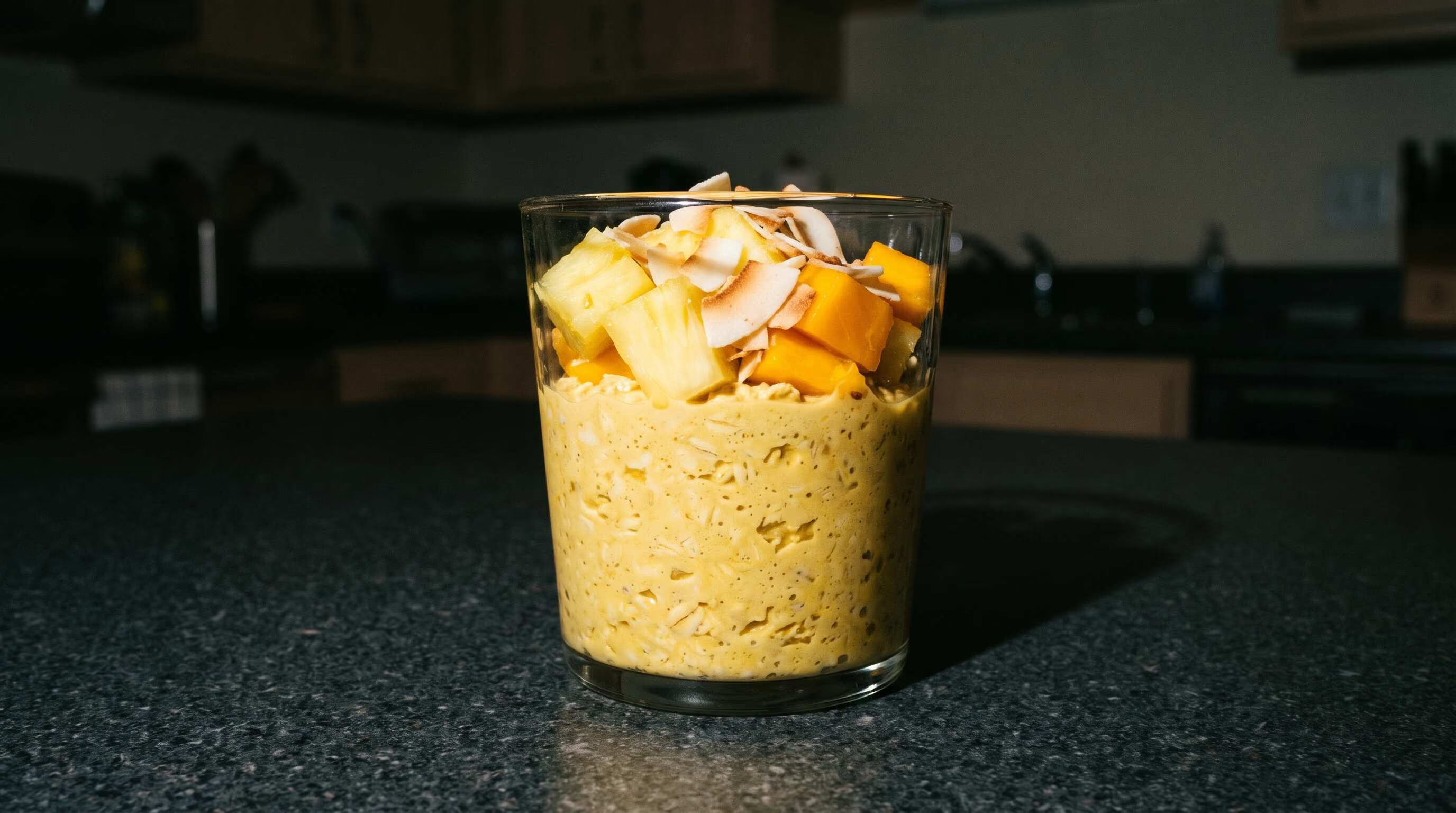
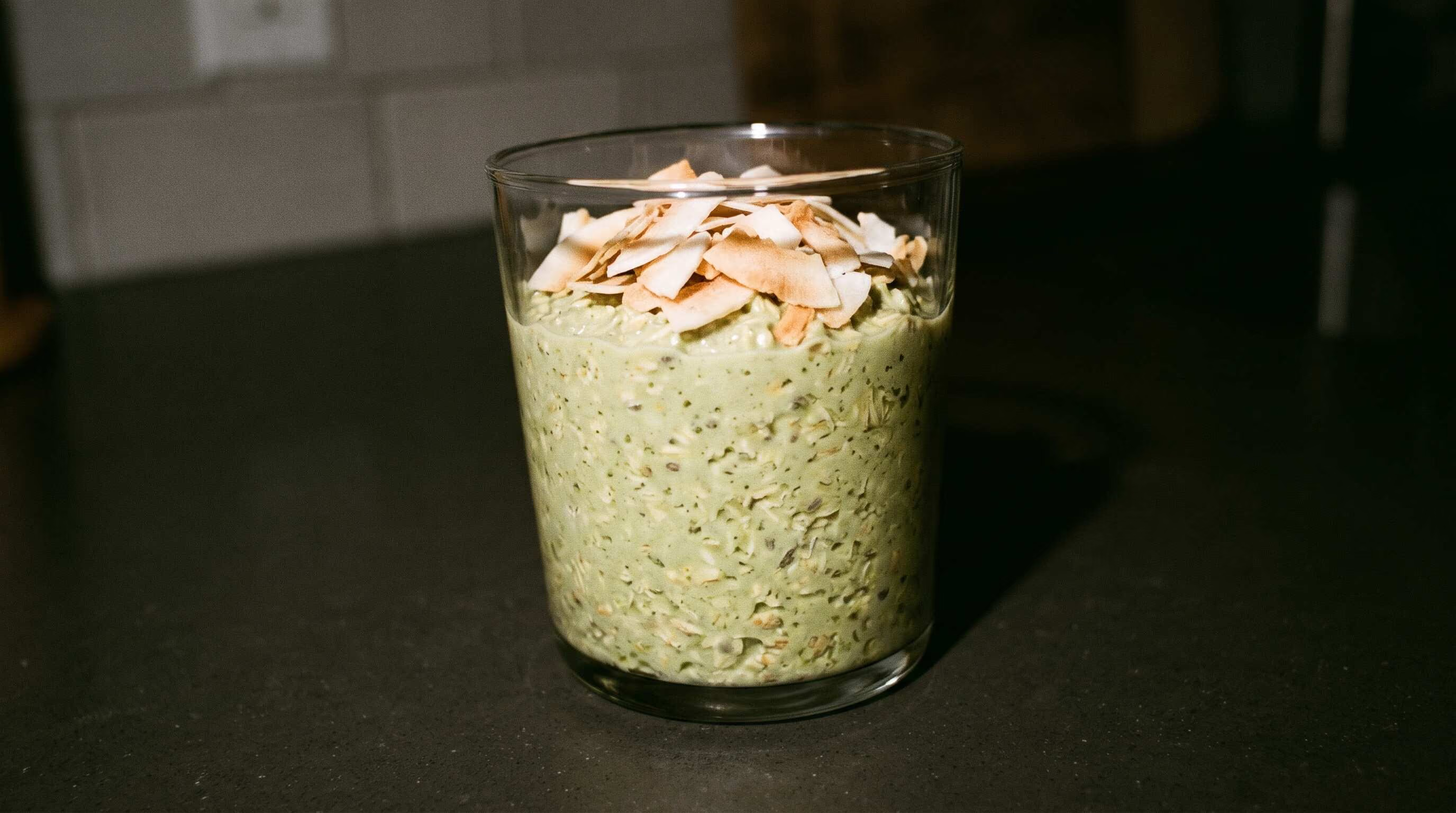
Frequently Asked Questions
Are overnight oats healthy?
They can be a well-balanced breakfast. Each jar here supplies roughly 1.8 g of oat beta-glucan, the soluble fiber behind the FDA-authorized cholesterol claim (which rests on 3 g or more a day), plus 16–23 g of protein from yogurt, milk and seeds. The less healthy versions are the ones built on sweetened yogurt and syrup; most jars here add only a few grams of sugar.
Are overnight oats good for weight loss?
No trial has tested overnight oats for weight loss. They are filling for their calories because of the fiber and protein, which can make a calorie target easier to keep, but the jars here run 390 to 595 calories, so nut butters and toppings matter. For a lighter jar, the matcha (390 kcal) and berry-flax (400 kcal) versions are the leanest.
How much protein is in overnight oats?
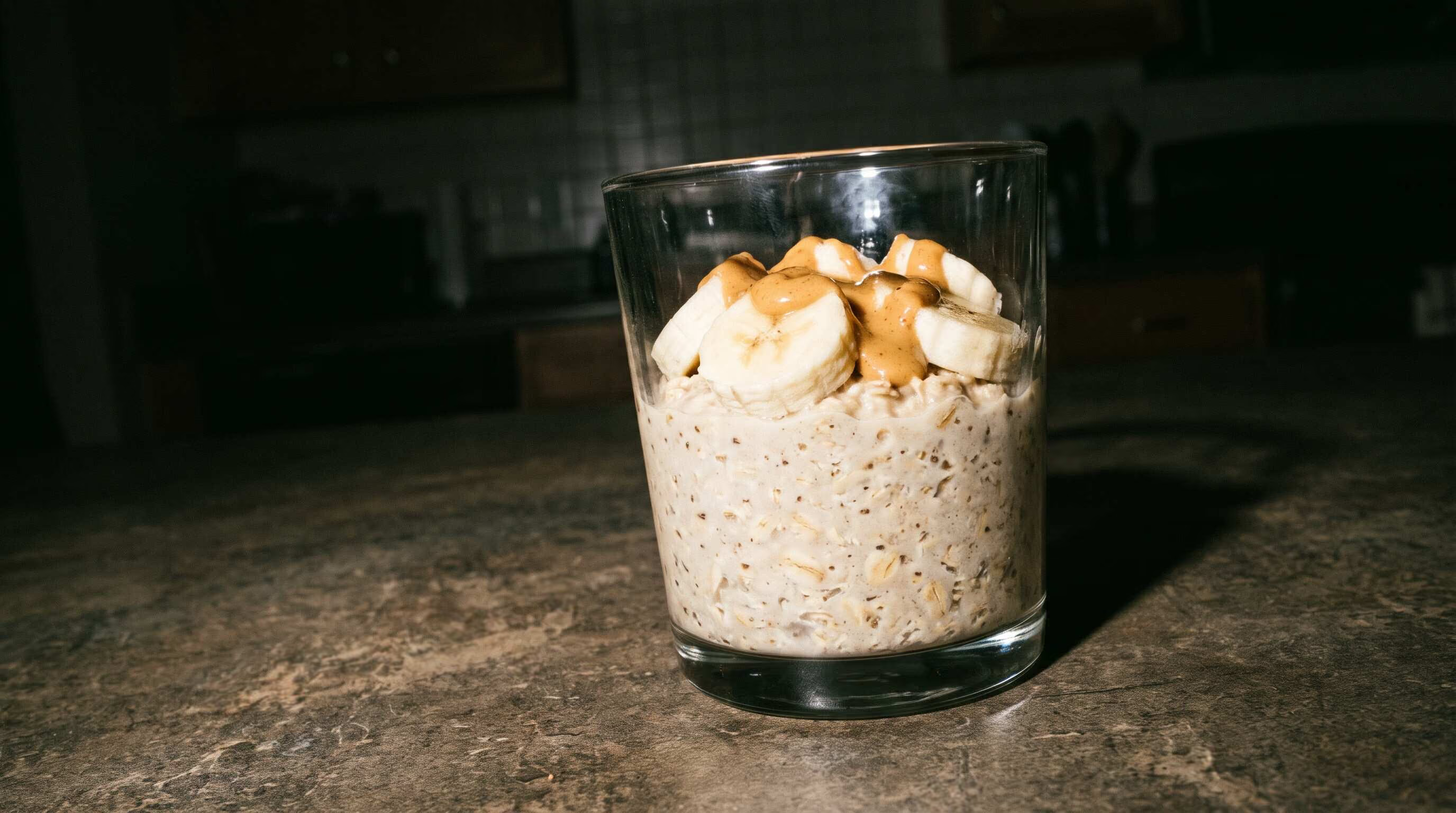
Built on oats, milk, Greek yogurt and chia, the six jars here land at 16–23 g, with the peanut-banana and cacao-cherry versions at the top. For high-protein overnight oats, add a scoop of whey isolate (about 25 g of protein) at soak time and cut the yogurt slightly to keep the liquid ratio.
Are overnight oats good for people with diabetes?
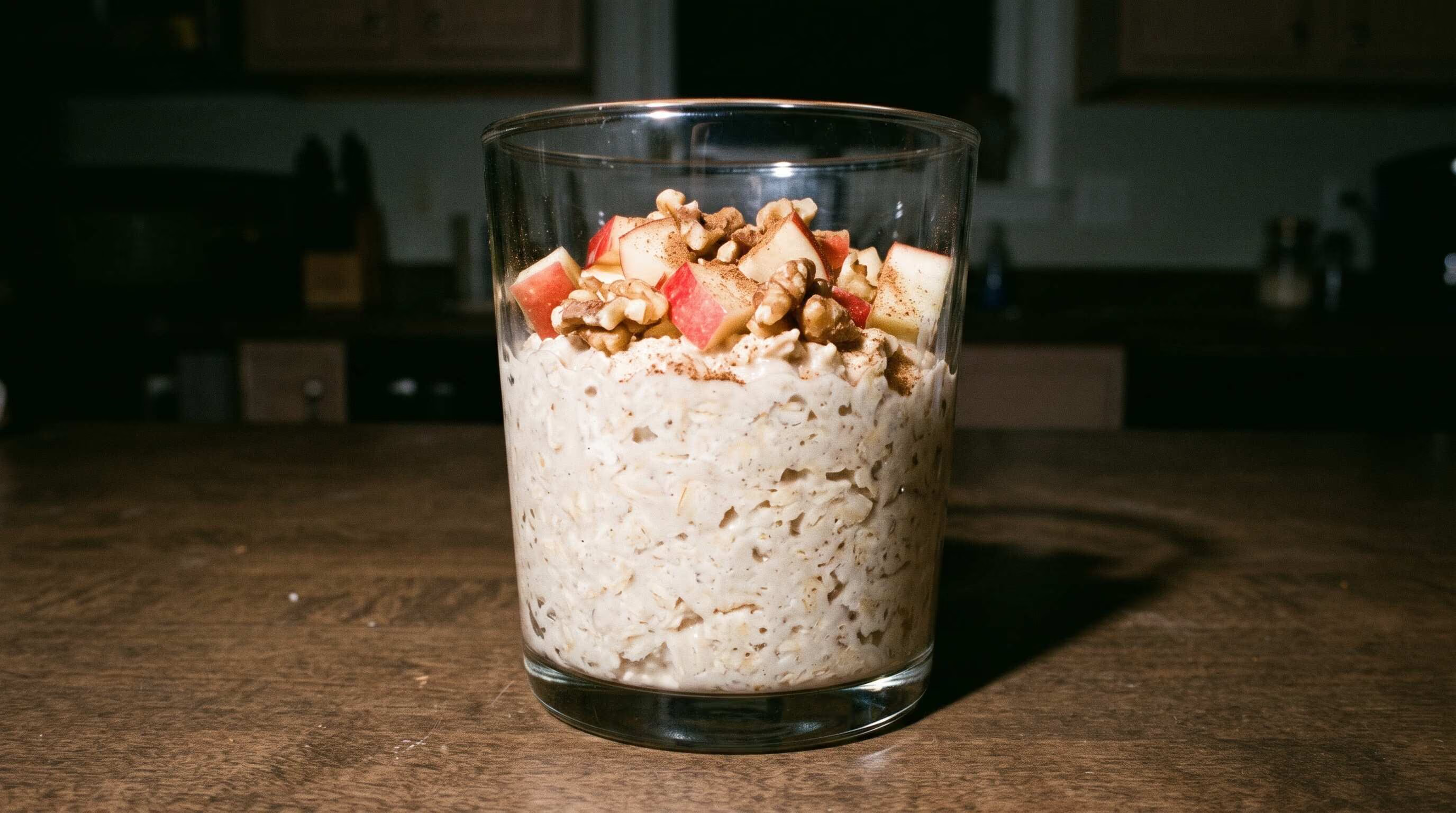
Oats are a whole grain with soluble fiber, but a jar is still a carbohydrate-rich meal, and portion, fruit and sweetener change the glucose response. The apple-cinnamon jar is the one built around glycemic response. If you manage diabetes, ask your clinician or dietitian how a jar fits your carbohydrate targets.
Are these gluten-free?
Oats are naturally gluten-free but are often contaminated with wheat, barley, or rye during growing and processing; a Canadian survey found most regular commercial oat samples above the 20 ppm gluten-free threshold (Koerner et al., 2011). If you have celiac disease or non-celiac gluten sensitivity, buy oats specifically labeled gluten-free. Some people with celiac disease also react to avenin, an oat protein (Arentz-Hansen et al., 2004); if you’re newly diagnosed, ask your gastroenterologist before adding oats and monitor symptoms.
Can I add protein powder?
Yes. Whey isolate blends cleanest; add 1 scoop (~25 g protein) and reduce the Greek yogurt slightly to keep the liquid ratio balanced. Plant proteins (pea, hemp) work but tend to make the texture grittier. Add protein powder at soak time, not in the morning, because the extra hydration overnight smooths the texture.
How long do these keep in the fridge?
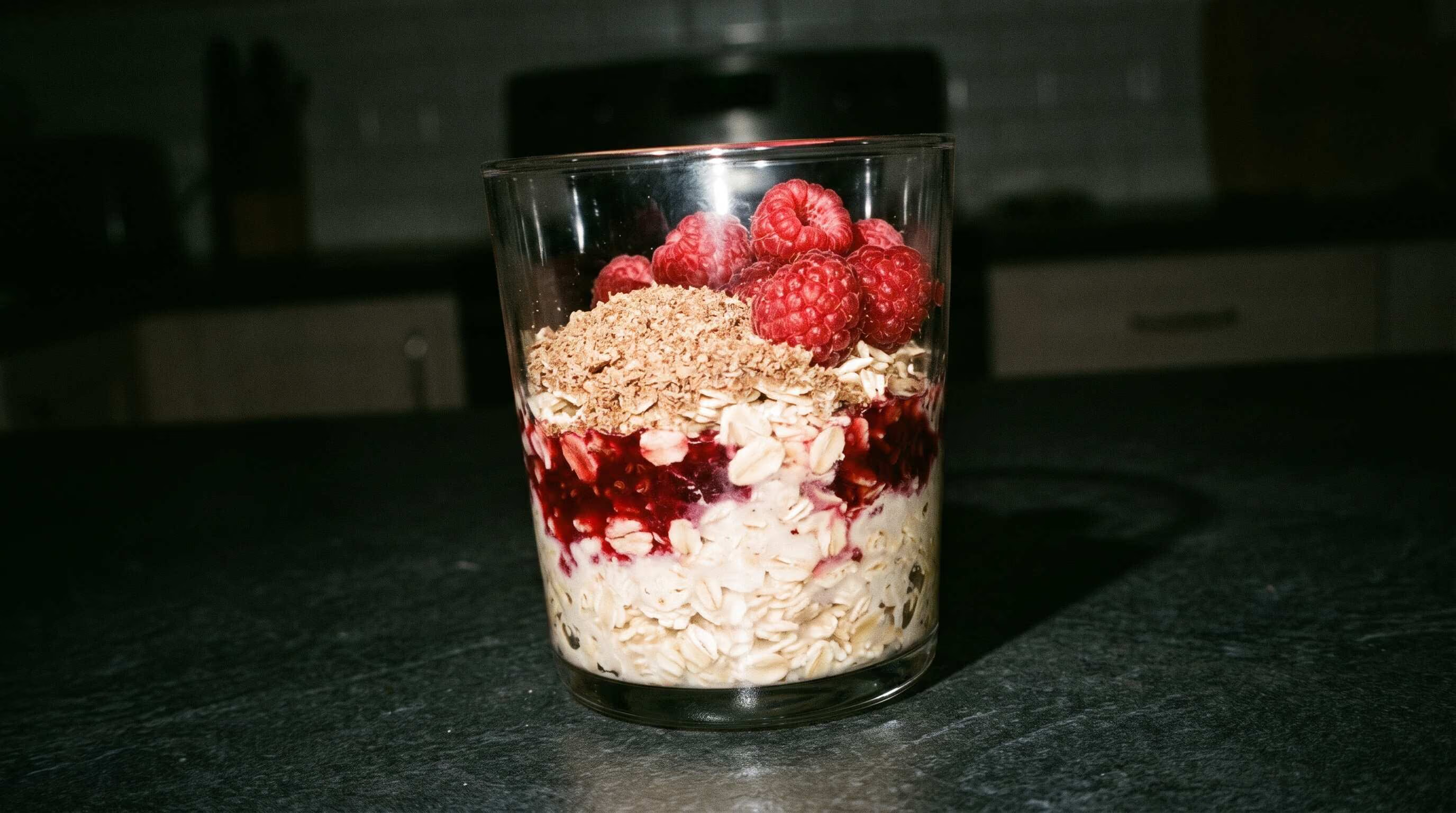
Three to four days for every version, the USDA’s general limit for refrigerated leftovers (FSIS), except the matcha jar (best eaten the next morning, within about 12 hours) and the berry jar (three days max, because the anthocyanins bleed into the oats and change the color and texture). Batch-prep on Sunday for Monday through Wednesday, and make the rest midweek. Add crunchy toppings (walnuts, cacao nibs, sliced almonds) only in the morning.
Can I eat these hot?
Yes. Overnight oats microwave surprisingly well: 60-90 seconds at 70% power. The soaked texture holds up better than fresh-cooked oats. Heating will kill most of the live cultures if you used live-culture yogurt, but the beta-glucan is still there.
A Note on Health Claims
None of the six recipes described here diagnoses, treats, prevents, or cures any medical condition. Beta-glucan’s cholesterol effects are well-documented at 3 g/day sustained intake, but real-world results vary with baseline lipid levels, diet composition, and genetics. If you take statins, blood thinners, or manage diabetes, discuss dietary fiber changes with your physician. Soluble fiber can affect drug absorption; in a short 1991 report, oat bran or pectin taken with lovastatin appeared to reduce the drug’s absorption (Richter et al., 1991).
This article reflects the medical disclaimer published at superfoodsadvisor.com/medical-disclaimer.
References
Show all 18 referencesShow fewer
-
Whitehead A, et al. Cholesterol-lowering effects of oat β-glucan: a meta-analysis of randomized controlled trials. American Journal of Clinical Nutrition. 2014;100(6):1413-1421. PubMed:25411276
-
Shoba G, et al. Influence of piperine on the pharmacokinetics of curcumin in animals and human volunteers. Planta Medica. 1998;64(4):353-356. PubMed:9619120
-
Kuijsten A, Arts IC, van’t Veer P, Hollman PC. The relative bioavailability of enterolignans in humans is enhanced by milling and crushing of flaxseed. Journal of Nutrition. 2005;135(12):2812-2816. PubMed:16317125
-
Kuehl KS, et al. Efficacy of tart cherry juice in reducing muscle pain during running: a randomized controlled trial. Journal of the International Society of Sports Nutrition. 2010;7:17. PubMed:20459662
-
U.S. Food and Drug Administration. Food labeling: health claims; oats and coronary heart disease. Federal Register. 1997;62(15):3584-3601.
-
Dimberg LH, Sunnerheim K, Sundberg B, Walsh K. Stability of oat avenanthramides. Cereal Chemistry. 2001;78(3):278-281. DOI:10.1094/CCHEM.2001.78.3.278
-
Bryngelsson S, Dimberg LH, Kamal-Eldin A. Effects of commercial processing on levels of antioxidants in oats (Avena sativa L.). Journal of Agricultural and Food Chemistry. 2002;50(7):1890-1896. PubMed:11902929
-
Code of Federal Regulations. 21 CFR 101.81, Health claims: soluble fiber from certain foods and risk of coronary heart disease (CHD). govinfo
-
U.S. Department of Agriculture. FoodData Central: Seeds, flaxseed (FDC 169414); Seeds, hemp seed, hulled (FDC 170148); Nuts, walnuts, english (FDC 170187).
-
Kalt W, et al. Interspecific variation in anthocyanins, phenolics, and antioxidant capacity among genotypes of highbush and lowbush blueberries (Vaccinium section cyanococcus spp.). Journal of Agricultural and Food Chemistry. 2001;49(10):4761-4767. PubMed:11600018
-
Hlebowicz J, et al. Effect of cinnamon on postprandial blood glucose, gastric emptying, and satiety in healthy subjects. American Journal of Clinical Nutrition. 2007;85(6):1552-1556. PubMed:17556692
-
Hlebowicz J, et al. Effects of 1 and 3 g cinnamon on gastric emptying, satiety, and postprandial blood glucose, insulin, glucose-dependent insulinotropic polypeptide, glucagon-like peptide 1, and ghrelin concentrations in healthy subjects. American Journal of Clinical Nutrition. 2009;89(3):815-821. PubMed:19158209
-
Wang H, et al. Antioxidant and antiinflammatory activities of anthocyanins and their aglycon, cyanidin, from tart cherries. Journal of Natural Products. 1999;62(2):294-296. PubMed:10075763
-
Giesbrecht T, et al. The combination of L-theanine and caffeine improves cognitive performance and increases subjective alertness. Nutritional Neuroscience. 2010;13(6):283-290. PubMed:21040626
-
Koerner TB, et al. Gluten contamination in the Canadian commercial oat supply. Food Additives & Contaminants: Part A. 2011;28(6):705-710. PubMed:21623493
-
Arentz-Hansen H, et al. The molecular basis for oat intolerance in patients with celiac disease. PLoS Medicine. 2004;1(1):e1. PubMed:15526039
-
Richter WO, Jacob BG, Schwandt P. Interaction between fibre and lovastatin. Lancet. 1991;338(8768):706. PubMed:1679514
-
USDA Food Safety and Inspection Service. Leftovers and Food Safety. FSIS
Read next

Written by Superfoods Advisor Editors·Published July 4, 2026