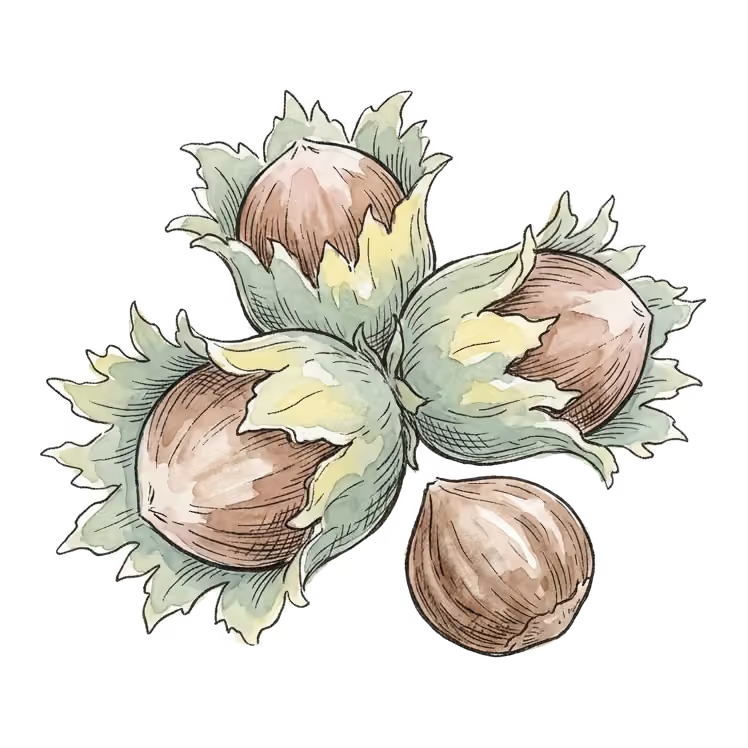
Hazelnuts (Corylus avellana)
Corylus avellana · also known as filberts, cobnuts, European hazelnut, common hazel
By Superfoods Advisor Editors·July 3, 2026
Hazelnuts benefits and nutrition: oleic acid, vitamin E and folate per serving, what trials show for cholesterol, and how birch-pollen allergy works.
Hazelnuts (Corylus avellana, also sold as filberts) are tree nuts whose fat is about 78% oleic acid, the main fat in olive oil. A 28 g serving, about 21 nuts, provides 176 kcal, 2.7 g fiber and roughly 4 mg of vitamin E. Small trials suggest a modest LDL-cholesterol reduction; hazelnut is also Europe’s leading cause of nut allergy.
The plant is a multi-stemmed shrub or small tree native to Europe and western Asia, from the British Isles and Iberia east to the Caucasus and northern Iran. Hazelnuts rank among the oldest documented human foods: archaeobotanical evidence from Mesolithic sites in Scotland (Colonsay Island) suggests organized, large-scale hazelnut harvesting and processing during the Mesolithic, and nutshell fragments appear in Neolithic and Bronze Age middens throughout Europe. The name “filbert” — used interchangeably in North American commerce — derives from the feast day of Saint Philibert, which historically coincided with the nut’s ripening in parts of northern Europe.
Modern commercial production is concentrated in Turkey, which supplies the majority of the world’s crop, followed by Italy, Azerbaijan, and the United States (primarily Oregon’s Willamette Valley). The confectionery and chocolate industries are the dominant consumers, with hazelnut-cocoa spreads and praline accounting for a large share of processed hazelnut demand. From a nutritional standpoint, hazelnuts stand out among tree nuts for their exceptionally high proportion of oleic acid — the same monounsaturated fatty acid that characterizes olive oil — and for their distinctive phytochemical profile including proanthocyanidins, tocopherols, and phenolic acids.
Evidence at a glance
Active Compounds
Oleic acid (18:1n-9): Hazelnuts are among the most oleic-acid-dominant tree nuts, with about 45 g of oleic acid per 100 g of raw kernels, roughly 78% of total fatty acids (USDA FoodData Central). This proportion exceeds that of almonds (about two-thirds MUFA) and approaches the oleic acid content of high-oleic sunflower oil. Diets enriched in oleic acid have been studied for effects on LDL oxidizability, endothelial function, and blood pressure.
Proanthocyanidins (PACs): In a USDA survey of common foods, hazelnuts were among the richest nut sources of condensed tannins (proanthocyanidins) (Gu et al., 2004). PACs are polymeric flavonoids composed principally of catechin and epicatechin subunits linked in chains; hazelnut PACs are B-type oligomers and polymers. In vitro and animal studies have reported antioxidant and anti-inflammatory activities. The skin (pellicle) is the dominant repository: in a comparison of six cultivars, removing the skin significantly reduced flavan-3-ol content, total phenolics, and antioxidant capacity (Schmitzer et al., 2011).
Tocopherols: Hazelnuts provide approximately 15 mg alpha-tocopherol per 100 g (USDA FoodData Central), making them one of the better dietary sources of vitamin E. Unlike walnuts (where gamma-tocopherol dominates), hazelnut tocopherols are predominantly alpha-tocopherol, the form most readily utilized by the body and the predominant circulating form in human plasma. Alpha-tocopherol acts as a chain-breaking antioxidant in lipid membranes, potentially protecting LDL cholesterol from oxidative modification.
Caffeic acid and other phenolic acids: Chlorogenic acid, caffeic acid, and ferulic acid have been identified in hazelnut skins and kernels. Chlorogenic acid — better known for its abundance in coffee — inhibited glucose-6-phosphatase, the enzyme behind the liver’s glucose release, in rat liver microsomes (Arion et al., 1997); whether the amounts in hazelnuts affect blood glucose in people has not been tested.
Folate: Hazelnuts provide approximately 113 µg of folate per 100 g (~28% of the US Daily Value; USDA FoodData Central), positioning them as one of the better nut-based sources of this B vitamin. Folate is required for one-carbon metabolism and DNA methylation; the neural tube defect evidence concerns folic acid supplements taken around conception rather than food folate.
Manganese and copper: Hazelnuts are exceptionally high in manganese (~6.2 mg/100 g, ~270% DV) and copper (~1.7 mg/100 g, ~190% DV) (USDA FoodData Central), both essential cofactors for superoxide dismutase (MnSOD and Cu/ZnSOD), the primary intracellular antioxidant enzymes.
Betaine: Present only in trace amounts (~0.4 mg/100 g; USDA FoodData Central), far below the levels supplied by foods such as wheat bran, spinach, or beets, so hazelnuts are not a meaningful dietary source of this methyl donor.
Nutritional Profile
Per 100 g of raw hazelnuts (USDA FoodData Central FDC ID 170581):
| Nutrient | Amount | % DV |
|---|---|---|
| Energy | 628 kcal | — |
| Protein | 15.0 g | 30% |
| Total Fat | 60.8 g | 78% |
| Saturated Fat | 4.5 g | 22% |
| Monounsaturated Fat | 45.7 g | — |
| Polyunsaturated Fat | 7.9 g | — |
| Omega-6 (linoleic) | 7.8 g | — |
| Omega-3 (ALA) | 0.09 g | — |
| Carbohydrates | 16.7 g | 6% |
| Dietary Fiber | 9.7 g | 35% |
| Folate | 113 µg | 28% |
| Vitamin E | 15.0 mg | 100% |
| Manganese | 6.2 mg | 270% |
| Copper | 1.7 mg | 192% |
| Magnesium | 163 mg | 39% |
| Phosphorus | 290 mg | 23% |
| Calcium | 114 mg | 9% |
| Iron | 4.7 mg | 26% |
| Zinc | 2.5 mg | 23% |
| Potassium | 680 mg | 14% |
Percent Daily Values based on a 2,000-calorie diet. Monounsaturated fat represents ~78% of total fatty acids.
The relatively low polyunsaturated fat content (particularly low ALA and linoleic acid compared to walnuts or Brazil nuts) means hazelnuts are moderately resistant to oxidative rancidity and have a longer shelf life than high-PUFA nuts when stored appropriately.
Evidence for Purported Benefits
Cardiovascular Risk Reduction
Evidence:Limited A few small trials with conflicting lipid results; a meta-analysis found a modest LDL drop. No event trials.
In a small intervention study by Orem et al. (Journal of Clinical Lipidology, 2013), 21 hypercholesterolemic adults followed a hazelnut-enriched diet (hazelnuts supplying 18–20% of energy) for 4 weeks between two control-diet periods; compared with the first control period, total cholesterol fell by 7.8%, LDL cholesterol by about 6%, and flow-mediated dilation improved, with the changes reversing after hazelnuts were withdrawn. An earlier short report by Durak et al. (Clinica Chimica Acta, 1999) likewise described lower plasma cholesterol and higher plasma antioxidant potential after hazelnut supplementation. Not every trial agrees: a 12-week parallel trial by Tey et al. (Journal of Nutrition and Metabolism, 2011; n = 118) found no significant difference in blood lipids between participants given daily hazelnuts and controls, although diet quality improved and body weight did not rise. A 2016 Bayesian meta-analysis by Perna et al. (Nutrients; 9 studies, 425 participants) pooled three randomized trials and found a modest LDL reduction (about 0.15 mmol/L) with a non-significant trend for total cholesterol and no change in HDL, triglycerides, or BMI. The proposed mechanism is oleic acid displacing saturated fat, with a possible contribution from vitamin E and polyphenols limiting LDL oxidation; hazelnut-specific evidence remains limited by small study sizes.
Antioxidant Status and Oxidative Stress
Evidence:Limited A few small, mostly uncontrolled studies on surrogate oxidation markers.
A few small, uncontrolled intervention studies suggest hazelnut intake may reduce LDL oxidation. In a 4-week single-group study by Yücesan et al. (Anadolu Kardiyoloji Dergisi, 2010), healthy normolipidemic adults eating about 1 g of hazelnuts per kg body weight daily showed a longer LDL oxidation lag time, higher LDL alpha-tocopherol, and lower plasma oxidized LDL; Orem et al. (2013) also reported lower oxidized LDL during the hazelnut period. In vitro, Pellegrini et al. (Molecular Nutrition and Food Research, 2006) measured the total antioxidant capacity of nuts and other common foods with three assays, though in vitro capacity does not predict plasma antioxidant status. Because PACs and phenolic acids are concentrated in the skin (pellicle), whole hazelnuts plausibly deliver more of these compounds than blanched ones. Clinical disease endpoint data translating these surrogate improvements are not yet available.
Insulin Sensitivity and Glycemic Control
Evidence:Preliminary Few, small hazelnut trials with glycemic endpoints; none shows a meaningful effect.
Hazelnut-specific trials with glycemic endpoints are few and small, and none has established a meaningful effect on glycemic control; in the Perna et al. (2016) meta-analysis, hazelnut-enriched diets did not change BMI, which at least suggests regular intake need not promote weight gain. The high oleic acid content may favorably influence insulin receptor signaling via membrane fatty acid composition, but this mechanism requires further clinical investigation.
Gut Health and Prebiotic Effects
Evidence:Lab & animal only In vitro fermentation data only; no human trials.
In an in vitro fecal fermentation study, pectin extracted from hazelnut skin promoted Faecalibacterium prausnitzii and Lachnospiraceae, groups that include butyrate producers (Alkay et al., 2024). Human trial data on hazelnut-specific gut microbiome effects are lacking, and in vitro results cannot be extrapolated to clinical outcomes.
Typical Use and Preparation
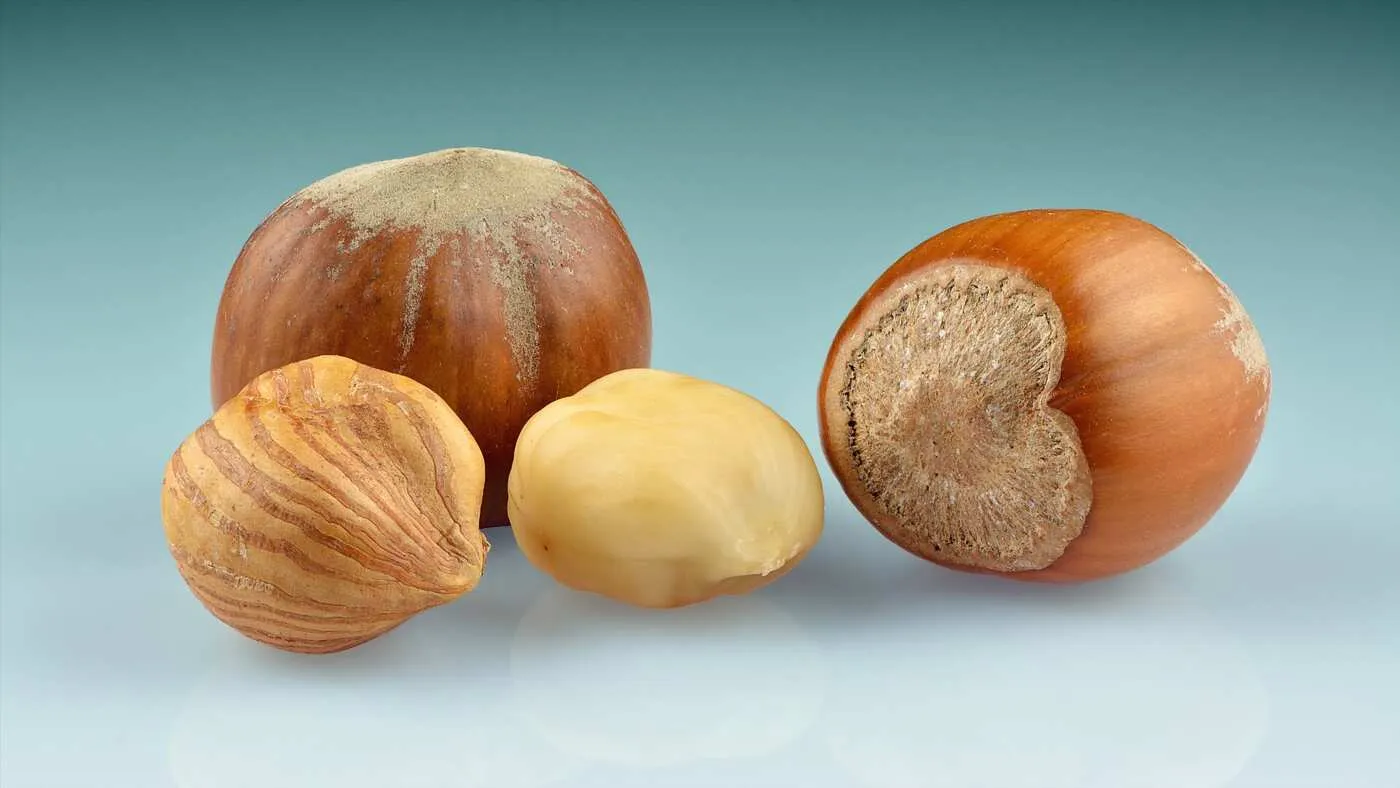 Photo: Ivar Leidus, CC BY-SA 4.0, via Wikimedia Commons
Hazelnuts are consumed raw, roasted, or as processed derivatives including hazelnut butter, hazelnut oil, and hazelnut paste (gianduja, used in pralines and spreads). They are extensively used in European confectionery — most famously in hazelnut-chocolate spreads (e.g., Nutella) and Italian praline (gianduiotto) — and as a flavoring in coffee beverages and baked goods.
Roasting considerations: Light dry-roasting (130–140°C for 15–20 minutes) develops the characteristic aroma through Maillard reaction and pyrazine formation, and facilitates removal of the papery skin (pellicle) by rubbing. Roasting reduces some individual phenolics, but in one cultivar comparison it did not significantly lower total phenolic content or antioxidant capacity; removing the skin, which roasting usually precedes, caused the larger loss (Schmitzer et al., 2011). Vitamin E is relatively heat-stable: across roasting at 125–200°C for up to 30 minutes, hazelnut tocopherols fell by at most 10% (Amaral et al., 2006). For maximizing antioxidant intake, whole raw hazelnuts with intact skins are preferable; for flavor and practicality, light roasting represents a reasonable compromise.
Skin retention: The pellicle should be retained wherever possible. Given that the skin contains the bulk of PACs and phenolic acids, blanched (skin-removed) hazelnuts — common in commercial pastry use — have substantially lower antioxidant activity than whole hazelnuts (Schmitzer et al., 2011).
Hazelnut oil: Cold-pressed hazelnut oil provides a concentrated source of oleic acid and is used as a finishing oil in cooking and salad dressings. However, it lacks the fiber, PACs, and most minerals present in whole kernels.
A standard serving of 28 g (approximately 21 whole nuts) provides approximately 176 kcal, 4.2 g protein, 17 g fat (12.8 g MUFA), and 2.7 g fiber (USDA FoodData Central).
Hazelnuts are one of the nuts that recur in the cardiovascular trials reviewed in the heart-health guide.
Safety, Interactions, and Contraindications
Tree nut allergy: Hazelnut is the main cause of nut allergy in Europe, in large part because of cross-reactivity with birch pollen (Calamelli et al., 2021). The principal allergens are Cor a 1 (a PR-10 pathogenesis-related protein), Cor a 8 (a lipid transfer protein), Cor a 9 (an 11S legumin), and Cor a 14 (a 2S albumin). Cor a 1 is homologous to the major birch pollen allergen Bet v 1, explaining why hazelnut allergy in European populations frequently manifests as oral allergy syndrome (OAS, also called pollen-food allergy syndrome) rather than systemic anaphylaxis — patients with birch pollen sensitization experience itching, tingling, and mild swelling of the lips, mouth, and throat after consuming raw hazelnuts, while tolerating roasted hazelnuts (which denature Cor a 1 by heat). However, sensitization to Cor a 8 (an LTP) or to the storage proteins Cor a 9 and Cor a 14 is associated with more severe systemic reactions including urticaria, angioedema, and anaphylaxis, independent of birch pollen sensitization. Individuals in non-birch-pollen regions (e.g., parts of North America, southern hemisphere) tend toward storage protein sensitization with potentially more severe reactions. Hazelnut allergy is included in mandatory allergen labeling requirements in the EU and other major regulatory jurisdictions.
Oral allergy syndrome (OAS) and birch pollen cross-reactivity: This cross-reactivity is particularly relevant for populations in northern and central Europe, where birch pollen sensitization is common. The thermolabile nature of Cor a 1 means that roasted hazelnuts and hazelnut-containing products processed at high temperatures (chocolate spreads, baked goods) are often tolerated by OAS patients. Raw hazelnuts, hazelnut butter made from raw nuts, and some cold-processed hazelnut products may not be tolerated. Individuals who react to raw hazelnuts should consult an allergist to determine their specific sensitization pattern before concluding they cannot tolerate all hazelnut products.
Cross-reactivity with other nuts and foods: Cross-reactivity has been documented between hazelnuts and other tree nuts such as walnuts, pecans, and almonds, and (via shared PR-10 or LTP proteins) apples, peaches, and celery in some sensitized individuals. The clinical relevance varies widely by individual and region.
Caloric density: At 628 kcal/100 g, hazelnuts are calorie-dense; the standard 28 g serving (~21 nuts) provides 176 kcal.
This entry is for informational purposes only and does not constitute medical advice, diagnosis, or treatment.
Frequently Asked Questions
Are hazelnuts a tree nut?
Yes. Hazelnuts, also called filberts or cobnuts, grow on the hazel shrub and are classed as tree nuts for allergen labeling in the EU and other major jurisdictions. Hazelnut is the most common cause of nut allergy in Europe. People with tree nut allergy may also react to hazelnuts, and cross-reactivity with walnuts, pecans and almonds has been documented.
Are hazelnuts good for you?
In normal portions, they are a nutrient-dense food: a 28 g serving supplies about 176 kcal, mostly from monounsaturated fat, plus vitamin E, folate, manganese and copper. The health evidence is limited. Small trials and a meta-analysis found modest LDL reductions, and a 12-week trial found hazelnuts improved diet quality without weight gain, though without changing blood lipids.
Can hazelnuts be eaten raw?
Yes. Raw hazelnuts with their skins on keep the most proanthocyanidins and phenolic compounds, which sit mainly in the skin. Light roasting develops flavor and loosens the skin, and it barely affects vitamin E. People with birch pollen allergy often get mouth itching from raw hazelnuts but can eat roasted ones, because heat breaks down the protein responsible; an allergist can confirm which pattern applies.
How many hazelnuts should you eat per day?
A standard serving is 28 g, about 21 nuts. The cholesterol trials used much more, with hazelnuts supplying 18 to 20% of daily energy, and one oxidation study used about 1 g per kg of body weight. No official upper limit exists; at 628 kcal per 100 g, portion size matters mainly for energy balance.
Are hazelnuts good for people with diabetes?
There is little direct evidence. Hazelnut trials with blood sugar endpoints are few and small, and none has shown a meaningful effect on glycemic control. A meta-analysis found hazelnut-enriched diets did not raise BMI, so they can fit a diabetes eating plan, but they should not be expected to lower blood sugar on their own.
Hazelnuts vs macadamia nuts: how do they compare?
Both are rich in monounsaturated fat and low in omega-3. Hazelnuts are mostly oleic acid and stand out for vitamin E (15 mg per 100 g), folate and skin polyphenols. Macadamia nuts have even more total fat and unusually high palmitoleic acid. Neither has a large evidence base; both have small trials suggesting modest LDL reductions.
References
Show all 13 referencesShow fewer
- Tey, S. L., Brown, R., Gray, A., Chisholm, A., & Delahunty, C. (2011). Nuts improve diet quality compared to other energy-dense snacks while maintaining body weight. Journal of Nutrition and Metabolism, 2011, 357350.
- Durak, I., Köksal, I., Kaçmaz, M., Büyükkoçak, S., Cimen, B. M., & Öztürk, H. S. (1999). Hazelnut supplementation enhances plasma antioxidant potential and lowers plasma cholesterol levels. Clinica Chimica Acta, 284(1), 113–115.
- Pellegrini, N., Serafini, M., Salvatore, S., Del Rio, D., Bianchi, M., & Brighenti, F. (2006). Total antioxidant capacity of spices, dried fruits, nuts, pulses, cereals, and sweets consumed in Italy assessed by three different in vitro assays. Molecular Nutrition and Food Research, 50(11), 1030–1038.
- Calamelli, E., Trozzo, A., Di Blasi, E., Serra, L., & Bottau, P. (2021). Hazelnut allergy. Medicina, 57(1), 67.
- USDA FoodData Central. (2019). Hazelnuts or filberts, raw. FDC ID 170581. U.S. Department of Agriculture.
- Orem, A., Yucesan, F. B., Orem, C., Akcan, B., Kural, B. V., Alasalvar, C., & Shahidi, F. (2013). Hazelnut-enriched diet improves cardiovascular risk biomarkers beyond a lipid-lowering effect in hypercholesterolemic subjects. Journal of Clinical Lipidology, 7(2), 123–131.
- Perna, S., Giacosa, A., Bonitta, G., Bologna, C., Isu, A., Guido, D., & Rondanelli, M. (2016). Effects of hazelnut consumption on blood lipids and body weight: A systematic review and Bayesian meta-analysis. Nutrients, 8(12), 747.
- Yücesan, F. B., Orem, A., Kural, B. V., Orem, C., & Turan, I. (2010). Hazelnut consumption decreases the susceptibility of LDL to oxidation, plasma oxidized LDL level and increases the ratio of large/small LDL in normolipidemic healthy subjects. Anadolu Kardiyoloji Dergisi, 10(1), 28–35.
- Schmitzer, V., Slatnar, A., Veberic, R., Stampar, F., & Solar, A. (2011). Roasting affects phenolic composition and antioxidative activity of hazelnuts (Corylus avellana L.). Journal of Food Science, 76(1), S14–S19.
- Gu, L., Kelm, M. A., Hammerstone, J. F., Beecher, G., Holden, J., Haytowitz, D., Gebhardt, S., & Prior, R. L. (2004). Concentrations of proanthocyanidins in common foods and estimations of normal consumption. Journal of Nutrition, 134(3), 613–617.
- Arion, W. J., Canfield, W. K., Ramos, F. C., et al. (1997). Chlorogenic acid and hydroxynitrobenzaldehyde: new inhibitors of hepatic glucose 6-phosphatase. Archives of Biochemistry and Biophysics, 339(2), 315–322.
- Alkay, Z., et al. (2024). In vitro fecal microbiota modulation properties of pectin and xyloglucan from hazelnut (Corylus avellana L.) skin, an industrial byproduct, and their incorporation into biscuit formula. International Journal of Biological Macromolecules.
- Amaral, J. S., Casal, S., Seabra, R. M., & Oliveira, B. P. P. (2006). Effects of roasting on hazelnut lipids. Journal of Agricultural and Food Chemistry, 54(4), 1315–1321.
More in Nuts & Seeds
- Almonds (Prunus dulcis)
Almonds benefits and nutrition: what trials show for LDL cholesterol, blood sugar and weight, plus serving size, vitamin E, oxalate and allergy risks.
- Brazil Nuts (Bertholletia excelsa)
Brazil nuts benefits come down to selenium: one nut can hold 8 to 200 mcg. How many to eat per day, what the research shows, and the toxicity limit.
- Cashews (Anacardium occidentale)
Cashews benefits and nutrition: copper, magnesium and iron per serving, what trials show for blood pressure and blood sugar, and allergy and oxalate risks.
- Chia Seeds (Salvia hispanica)
How to eat chia seeds: soaked, ground or in pudding, with serving size, nutrition and what trials show for blood sugar, blood pressure and weight loss.
- Flaxseed (Linum usitatissimum)
Flaxseed benefits explained: what trials show for blood pressure, cholesterol and constipation, why ground beats whole, daily amounts and side effects.
- Hemp Seeds (Cannabis sativa var. sativa)
Hemp seeds benefits and nutrition: 31.6 g protein per 100 g, omega-3 and GLA, hemp seeds vs hemp hearts, daily amounts, and whether they contain THC.

Curated by Superfoods Advisor Editors·Last updated