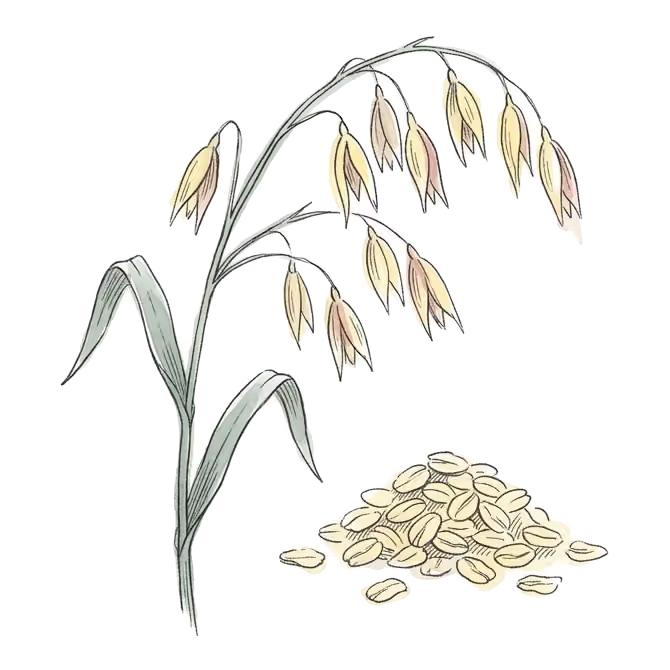
Oats (Avena sativa)
Avena sativa · also known as common oat, oatmeal, rolled oats, steel-cut oats, groats, porridge oats
By Superfoods Advisor Editors·July 3, 2026
Oats benefits and oatmeal nutrition: beta-glucan fiber lowers LDL cholesterol by about 10 mg/dL at 3 g a day. Glycemic index, gluten and safety.
Oats (Avena sativa) are a whole-grain cereal, eaten mostly as oatmeal, whose best-established benefit is lower LDL cholesterol. Their soluble fiber, beta-glucan, lowered LDL by about 10 mg/dL at 3 g or more a day in a meta-analysis of 28 trials, and it carries an FDA-authorized heart health claim. Less processed oats also raise blood glucose less than instant oats.
Oats are a grass (family Poaceae), domesticated later than wheat and barley. They originated as weeds among emmer wheat and einkorn crops in the Fertile Crescent but were gradually selected as a crop in their own right, thriving in cooler, wetter climates where wheat and barley struggled. Oats became a staple grain in Scotland, Ireland, Scandinavia, and parts of Eastern Europe before spreading globally. Today, Russia, Canada, Australia, and the United States are among the top producers.
From a public health standpoint, oats stand out among common cereal grains for their concentration of beta-glucan, a soluble fiber that the FDA has authorized for a health claim regarding reduced risk of coronary heart disease — one of the few dietary components to receive this recognition from a regulatory body. Beyond beta-glucan, oats supply a distinct mix of antioxidant compounds (avenanthramides) not found in other cereal grains (Sang & Chu, 2017), a favorable mineral profile, and a protein content that exceeds most cereals. Their versatility and low cost make them widely accessible.
Evidence at a glance
Active Compounds
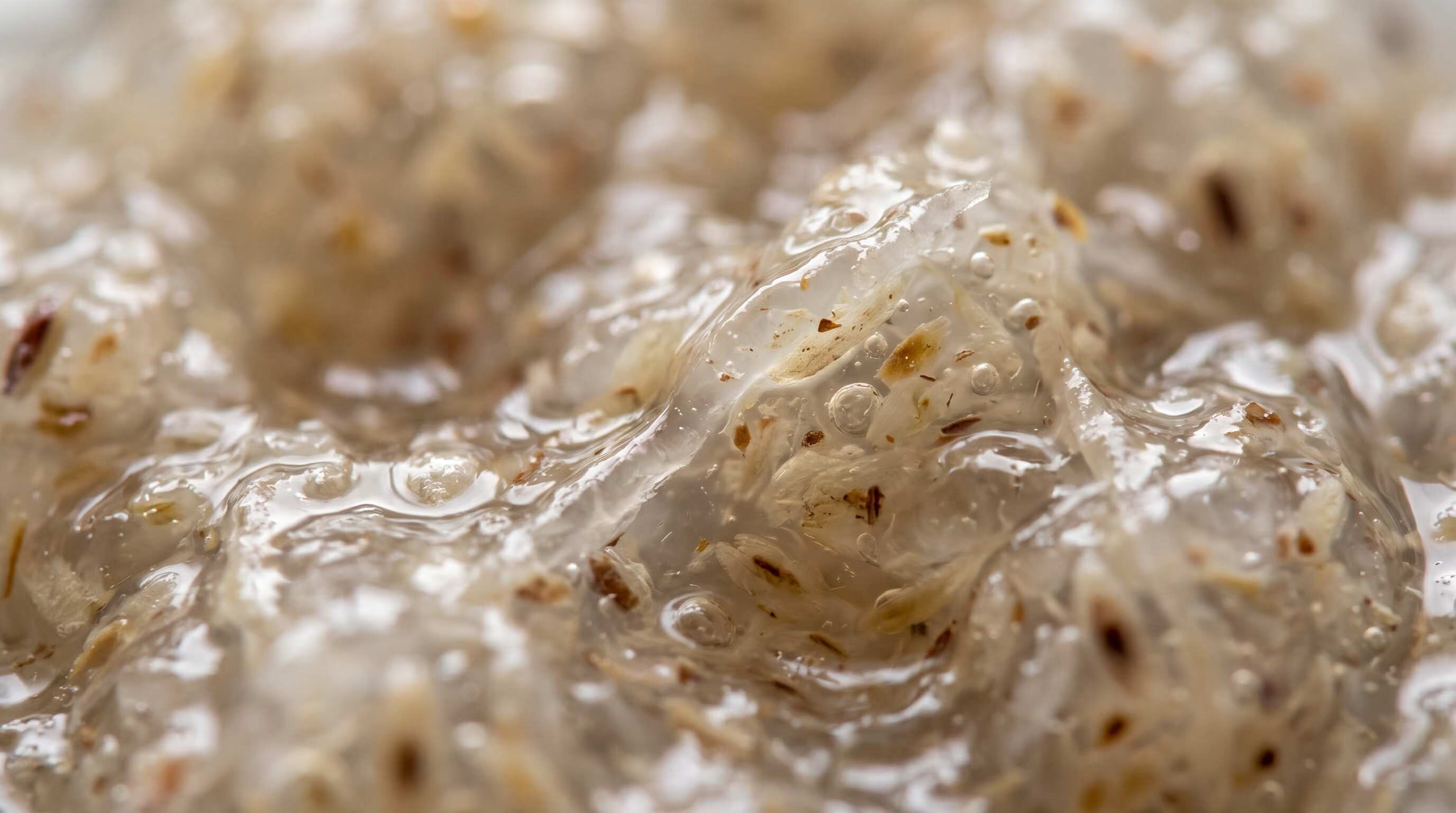
- Beta-glucan (β-glucan): A (1→3)(1→4)-linked linear polysaccharide localized primarily in the aleurone and subaleurone layers of the oat grain. Beta-glucan is the most extensively studied compound in oats. When consumed, it dissolves in intestinal fluid to form a highly viscous gel that slows gastric emptying, attenuates glucose absorption, and reduces bile acid reabsorption, thereby increasing hepatic conversion of cholesterol into bile acids and lowering circulating LDL cholesterol. A recent review puts oat grain at roughly 4–8.5% beta-glucan (Mohammadi et al., 2025); to carry the FDA heart-health claim, rolled oats must supply at least 4% and oat bran at least 5.5% on a dry-weight basis (21 CFR 101.81).
- Avenanthramides: Phenolic alkaloids unique to oats, comprising conjugates of anthranilic acid and hydroxycinnamic acids (mainly avenanthramides A, B, and C). In human endothelial cell cultures they inhibited NF-κB activation (Guo et al., 2008) and reduced adhesion molecule expression and monocyte adhesion (Liu et al., 2004). A small crossover study in six older adults found them bioavailable after an oral dose of an oat extract (Chen et al., 2007); clinical outcomes data are limited.
- Tocopherols and tocotrienols: Vitamin E compounds that act as lipid-soluble antioxidants.
- Phytic acid: Present in oats; reduces absorption of iron, zinc, and calcium. Malting and soaking oats lowered phytate and improved zinc and iron absorption from porridge in a small isotope study (Larsson et al., 1996).
- Avenin: The prolamin (storage protein) of oats. Avenin is structurally distinct from wheat gliadin but shares some peptide sequences. A small subset of celiac disease patients may react to pure oat avenin; most appear to tolerate pure (uncontaminated) oats (Comino et al., 2015).
- Starch (amylose/amylopectin ratio): Like other cereal starches, oat starch is mostly amylopectin; intact cell wall structure contributes to a lower glycemic index than many refined grain products.
- Sterols and stanols: Present in minor amounts.
Nutritional Profile
Values are approximate per 100 g of cooked oatmeal (regular or quick oats, unenriched, cooked with water, no salt; USDA FoodData Central):
| Nutrient | Amount | % DV |
|---|---|---|
| Energy | 71 kcal | — |
| Protein | 2.5 g | — |
| Total fat | 1.5 g | — |
| Carbohydrate | 12.0 g | — |
| Dietary fiber | 1.7 g (higher in less diluted preparations) | — |
| Beta-glucan | ~0.75 g or more (estimated: ~19 g dry oats at ≥4%) | — |
| Iron | 0.9 mg | 5% |
| Magnesium | 27 mg | 6% |
| Phosphorus | 77 mg | 6% |
| Zinc | 1.0 mg | 9% |
| Manganese | 0.58 mg | 25% |
| Thiamin (B1) | 0.08 mg | 6% |
Note: dry rolled oats provide about 10 g total fiber per 100 g (USDA FoodData Central), of which at least 4 g is beta-glucan in oats meeting the FDA standard. The cooked values above reflect the dilution from water absorption. Oat bran concentrates beta-glucan further (at least 5.5% dry weight under the FDA definition).
Evidence for Purported Benefits
LDL Cholesterol Reduction
Evidence:Strong FDA-authorized health claim; a meta-analysis of 28 RCTs found about 10 mg/dL lower LDL at 3 g beta-glucan daily.
Oats lower LDL cholesterol modestly when eaten in amounts that supply at least 3 g of beta-glucan a day. This is the most robustly established health effect of oats. The FDA authorized a health claim for oat beta-glucan soluble fiber and reduced risk of coronary heart disease in 1997 (21 CFR 101.81), tied to an intake of 3 g or more of beta-glucan per day. The mechanistic basis — viscous gel formation reducing bile acid reabsorption and increasing hepatic cholesterol catabolism — is well characterized biochemically.
A meta-analysis by Whitehead et al. (2014) in the American Journal of Clinical Nutrition pooled 28 randomized controlled trials and found that 3 g or more of oat beta-glucan per day lowered LDL cholesterol by 0.25 mmol/L (about 10 mg/dL) and total cholesterol by 0.30 mmol/L relative to control, with no significant effect on HDL cholesterol or triglycerides. The LDL reduction was larger in people with higher baseline LDL, and within the 3–12.4 g/day range tested, neither dose nor duration significantly changed the result. Beta-glucan molecular weight also matters: in a randomized trial of 345 adults, high- and medium-molecular-weight oat beta-glucan lowered LDL cholesterol, while 4 g/day of low-molecular-weight beta-glucan had no significant effect (Wolever et al., 2010).
Postprandial Glucose and Insulin Response
Evidence:Strong A review of 34 acute human studies found consistent drops with at least 4 g beta-glucan; instant oats blunt the effect.
Oat beta-glucan significantly attenuates postprandial blood glucose and insulin responses compared to equivalent carbohydrate loads from refined grains. The effect is dependent on beta-glucan dose (minimum ~4 g per meal appears needed for clinically meaningful attenuation) and molecular weight (preserved in minimally processed oats; partially degraded in instant oats). A review by Tosh (2013) in the European Journal of Clinical Nutrition of 34 acute human studies found that oat and barley foods reduced post-meal glycemic response, with processed foods supplying at least 4 g of beta-glucan (alongside 30–80 g of available carbohydrate) significantly lowering post-prandial blood glucose. A systematic review of glycemic index tests found steel-cut oats (GI ~55) and large-flake rolled oats (~53) similar, and both lower than quick-cooking (~71) and instant oatmeal (~75), reflecting the relationship between particle size, starch gelatinization, and digestibility (Tosh & Chu, 2015).
Satiety and Weight Management
Evidence:Limited A review found most trials report more satiety, but results conflict; long-term weight trials on oats are lacking.
Beta-glucan’s viscosity slows digestion and absorption of nutrients in the small intestine, which is thought to trigger satiety signals. A review by Rebello et al. (2016) in Nutrition Reviews concluded that most of the evidence suggests oat beta-glucan increases perceived satiety, though results were inconsistent across studies, partly because methods for measuring viscosity are not standardized. Long-term weight management benefits from oats specifically are not well established through randomized trials.
Gut Microbiota (Prebiotic Effect)
Evidence:Preliminary One small 6-week crossover in 32 adults raised bifidobacteria and lactobacilli; clinical outcomes are not established.
Beta-glucan is fermented in the colon by saccharolytic bacteria. In a small crossover trial of 32 adults with mild hypercholesterolemia or glucose intolerance, 45 g/day of whole-grain oat granola for six weeks raised fecal bifidobacteria and lactobacilli compared with a non-whole-grain cereal (Connolly et al., 2016). Clinical outcomes from oat-specific microbiome shifts have not been established.
Cardiovascular Events (Hard Outcomes)
Evidence:Preliminary Large cohorts link whole grains, including oats, to lower mortality; no RCT has tested oats on cardiac events.
In two large prospective cohorts (the Nurses’ Health Study and the Health Professionals Follow-up Study), higher whole grain intake (including oats) was associated with lower total and cardiovascular mortality (Wu et al., 2015). Isolating the effect of oats from total whole grain intake is not possible in these datasets. No large RCT has used cardiovascular events as a primary endpoint for oats specifically.
Typical Use and Preparation
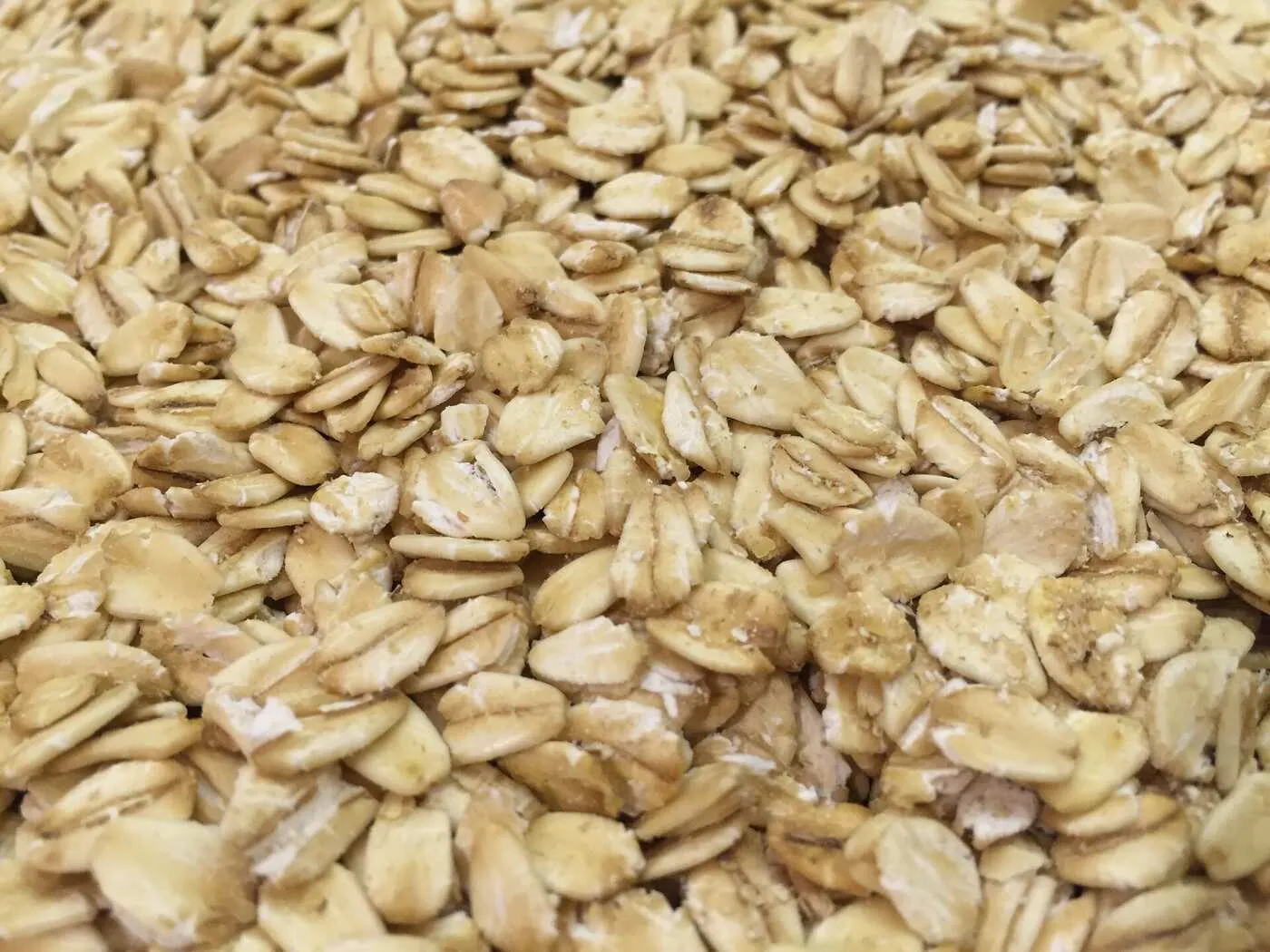 Photo: Yonygg, CC BY-SA 4.0, via Wikimedia Commons
Rolled oats (old-fashioned): Steamed and flattened oat groats that cook in approximately 5 minutes on the stovetop or 2–3 minutes in the microwave. Good balance of cooking convenience and beta-glucan preservation.
Steel-cut oats (Irish oats, pinhead oats): Oat groats cut into 2–3 pieces with a steel blade — not steamed or flattened. Cook in 20–30 minutes. Produce the most intact cell wall structure and a low-to-medium glycemic index (~55, similar to large-flake rolled oats). Overnight soaking reduces cooking time to 10–15 minutes.
Instant oats: Pre-cooked, dried, and finely rolled for rapid reconstitution with hot water. Processing can reduce beta-glucan molecular weight, and instant oatmeal has a higher glycemic index (~75). Lower-molecular-weight beta-glucan was less effective at lowering LDL cholesterol in a randomized trial (Wolever et al., 2010).
Oat bran: The outer bran layer of the oat grain, concentrating beta-glucan (approximately 5–7 g per 100 g). Can be added to porridge, baked goods, smoothies, and yogurt. Provides substantially more beta-glucan per serving than rolled or instant oats.
Cold overnight oats: Combining rolled oats with liquid (milk, yogurt, plant-based milk) and refrigerating overnight produces a no-cook preparation.
Phytate reduction: Malting and soaking oats has been shown to lower phytate and improve iron and zinc absorption (Larsson et al., 1996). How much a simple home soak with yogurt or lemon juice achieves is not well quantified, since the kilning step in commercial rolled-oat production may limit the grain’s own phytase activity.
For no-cook ways to prepare them, see the overnight oats recipes. Oats’ place among other foods studied for cholesterol is covered in the heart health superfoods guide, and their role in glucose control in the blood sugar superfoods guide.
Safety, Interactions, and Contraindications
Celiac disease and oat avenin: Oats do not contain gliadin or glutenin — the gluten proteins responsible for celiac disease. However, commercial oats are frequently contaminated with wheat, barley, or rye during growing, harvesting, storage, or processing. People with celiac disease who eat oats are generally advised to choose only certified pure/uncontaminated oats and to discuss them with their gastroenterologist, since a small percentage of celiac patients react to oat avenin itself. A review by Comino et al. (2015) in the World Journal of Gastroenterology notes that the immunogenicity of oats appears to vary by cultivar, so oat safety in celiac disease remains debated.
Non-celiac gluten sensitivity: Individuals self-reporting gluten sensitivity who consume uncontaminated oats may experience symptoms; whether this is due to avenin specifically, nocebo effects, FODMAP content, or other mechanisms is unclear.
Gluten cross-contamination: Conventional oats frequently contain gluten above the 20 ppm threshold relevant for celiac disease; a Health Canada survey found about 88% of 133 commercial oat samples above 20 mg/kg (Koerner et al., 2011). In the US, a “gluten-free” label requires less than 20 ppm gluten (21 CFR 101.91); products labeled “gluten-free oats” or “purity protocol oats” are intended to meet that standard.
Drug interactions: Viscous fiber may slow the absorption of some co-administered medications, though oat-specific interaction data are limited. As a general precaution, people taking time-sensitive oral medications can ask a pharmacist whether to separate doses from high-fiber meals.
Cardiovascular medication: Oat bran or pectin taken together with lovastatin has been reported to reduce the drug’s absorption (Richter et al., 1991; reviewed by Vaquero et al., 2010), so people on statins may want to ask a pharmacist about timing doses away from high-fiber meals. Oat beta-glucan may also add to the LDL-lowering effect of lipid-lowering medications; lipid levels should be monitored by a healthcare provider.
Frequently Asked Questions
Are oats good for you?
For most people, yes. Oats are a whole grain with soluble beta-glucan fiber, manganese, zinc and more protein than most cereals. Their cholesterol-lowering effect is well established: about 10 mg/dL lower LDL at 3 g of beta-glucan a day across 28 trials. Steel-cut and rolled oats also raise blood glucose less than instant oatmeal.
Are oats gluten free?
Oats do not contain the gluten proteins of wheat, barley and rye, but most conventional oats are contaminated during growing and milling: a Canadian survey found about 88% of 133 samples above 20 ppm gluten. People with celiac disease should use only certified gluten-free or purity-protocol oats, and discuss them with their gastroenterologist, since a small share react to oat avenin itself.
How much oatmeal should you eat a day for cholesterol?
The FDA heart health claim is tied to 3 g of oat beta-glucan a day. Rolled oats meeting the FDA standard contain at least 4% beta-glucan, so up to about 75 g of dry rolled oats supplies 3 g; oat bran, at 5.5% or more, needs less. Splitting that across meals works. People on statins should ask a pharmacist about dose timing.
What are the benefits of oatmeal compared with instant oats?
Less processed oats keep more intact structure and higher-molecular-weight beta-glucan. Steel-cut and large-flake rolled oats have glycemic indexes of about 55 and 53, against about 75 for instant oatmeal. In a trial of 345 adults, low-molecular-weight oat beta-glucan did not significantly lower LDL cholesterol, while higher-molecular-weight forms did.
Are overnight oats healthy?
Overnight oats are rolled oats soaked in milk, yogurt or a plant-based milk instead of cooked, so they keep the same beta-glucan and fiber as cooked rolled oats. How healthy a jar is depends mostly on what is added, such as sweeteners or toppings. The overnight oats recipes post covers combinations and their nutrition.
Oats vs wheat: what is the difference?
Both are cereal grasses, but oats contain much more beta-glucan soluble fiber and no gluten-forming proteins, while wheat contains gluten and its fiber is mostly insoluble. Oats are almost always eaten as a whole grain, because the bran and germ stay on rolled and steel-cut oats. Oats also contain avenanthramides, antioxidant compounds not found in other cereals.
References
Show all 20 referencesShow fewer
- Whitehead, A., Beck, E. J., Tosh, S., & Wolever, T. M. (2014). Cholesterol-lowering effects of oat β-glucan: a meta-analysis of randomized controlled trials. American Journal of Clinical Nutrition, 100(6), 1413–1421.
- Tosh, S. M. (2013). Review of human studies investigating the post-prandial blood-glucose lowering ability of oat and barley food products. European Journal of Clinical Nutrition, 67(4), 310–317.
- Rebello, C. J., et al. (2016). Dietary fiber and satiety: The effects of oats on satiety. Nutrition Reviews, 74(2), 131–147.
- U.S. Food and Drug Administration. Health claims: Soluble fiber from certain foods and risk of coronary heart disease (CHD). 21 CFR 101.81 (first published 1997).
- USDA FoodData Central. Cereals, oats, regular and quick, unenriched, cooked with water, without salt. FDC ID 173905. Dry: FDC ID 173904.
- Sang, S., & Chu, Y. F. (2017). Whole grain oats, more than just a fiber: Role of unique phytochemicals. Molecular Nutrition & Food Research, 61(7), 1600715.
- Comino, I., Moreno, M. de L., & Sousa, C. (2015). Role of oats in celiac disease. World Journal of Gastroenterology, 21(41), 11825–11831.
- Tosh, S. M., & Chu, Y. (2015). Systematic review of the effect of processing of whole-grain oat cereals on glycaemic response. British Journal of Nutrition, 114(8), 1256–1262.
- Koerner, T. B., et al. (2011). Gluten contamination in the Canadian commercial oat supply. Food Additives & Contaminants: Part A, 28(6), 705–710.
- Larsson, M., et al. (1996). Improved zinc and iron absorption from breakfast meals containing malted oats with reduced phytate content. British Journal of Nutrition, 76(5), 677–688.
- Mohammadi, N., Scannell, A. G. M., & Silva-Espinoza, M. A. (2025). Mitigating anti-nutritional factors in oats: Strategic processing approaches to enhance nutrient bioavailability. Food Research International, 226, 118230.
- U.S. Food and Drug Administration. Gluten-free labeling of foods. 21 CFR 101.91.
- Wolever, T. M., et al. (2010). Physicochemical properties of oat β-glucan influence its ability to reduce serum LDL cholesterol in humans: a randomized clinical trial. American Journal of Clinical Nutrition, 92(4), 723–732.
- Guo, W., et al. (2008). Avenanthramides, polyphenols from oats, inhibit IL-1β-induced NF-κB activation in endothelial cells. Free Radical Biology & Medicine, 44(3), 415–429.
- Liu, L., Zubik, L., Collins, F. W., Marko, M., & Meydani, M. (2004). The antiatherogenic potential of oat phenolic compounds. Atherosclerosis, 175(1), 39–49.
- Chen, C. Y., Milbury, P. E., Collins, F. W., & Blumberg, J. B. (2007). Avenanthramides are bioavailable and have antioxidant activity in humans after acute consumption of an enriched mixture from oats. Journal of Nutrition, 137(6), 1375–1382.
- Connolly, M. L., Tzounis, X., Tuohy, K. M., & Lovegrove, J. A. (2016). Hypocholesterolemic and prebiotic effects of a whole-grain oat-based granola breakfast cereal in a cardio-metabolic “at risk” population. Frontiers in Microbiology, 7, 1675.
- Wu, H., et al. (2015). Association between dietary whole grain intake and risk of mortality: two large prospective studies in US men and women. JAMA Internal Medicine, 175(3), 373–384.
- Richter, W. O., Jacob, B. G., & Schwandt, P. (1991). Interaction between fibre and lovastatin. The Lancet, 338(8768), 706.
- Vaquero, M. P., et al. (2010). Major diet-drug interactions affecting the kinetic characteristics and hypolipidaemic properties of statins. Nutrición Hospitalaria, 25(2), 193–206.
Related content



More in Grains & Legumes
- Amaranth (Amaranthus spp.)
Amaranth benefits and nutrition: a gluten-free pseudocereal high in lysine, manganese and iron, what human studies show, and its side effects.
- Beans (Phaseolus spp.)
Beans benefits and nutrition: protein, fiber, folate and resistant starch in navy, pinto, black and kidney beans, what studies show, and side effects.
- Black Beans (Phaseolus vulgaris)
Black beans vs pinto beans compared, plus black beans nutrition and benefits: 8.9 g protein and 8.7 g fiber per 100 g cooked, and what studies show.
- Brown Rice (Oryza sativa)
Brown rice vs white rice: brown keeps the bran, with 4x the fiber and 3x the magnesium, a slightly lower GI and more arsenic. Benefits and evidence.
- Buckwheat (Fagopyrum esculentum)
Is buckwheat gluten free? Yes: it is a seed unrelated to wheat. Buckwheat nutrition, rutin, glycemic index, benefits, allergy and side effects.
- Chickpeas (Cicer arietinum)
Chickpeas (garbanzo beans) benefits and nutrition: 8.9 g protein, 7.6 g fiber and 43% DV folate per 100 g, a GI near 28, what studies show, side effects.


Curated by Superfoods Advisor Editors·Last updated