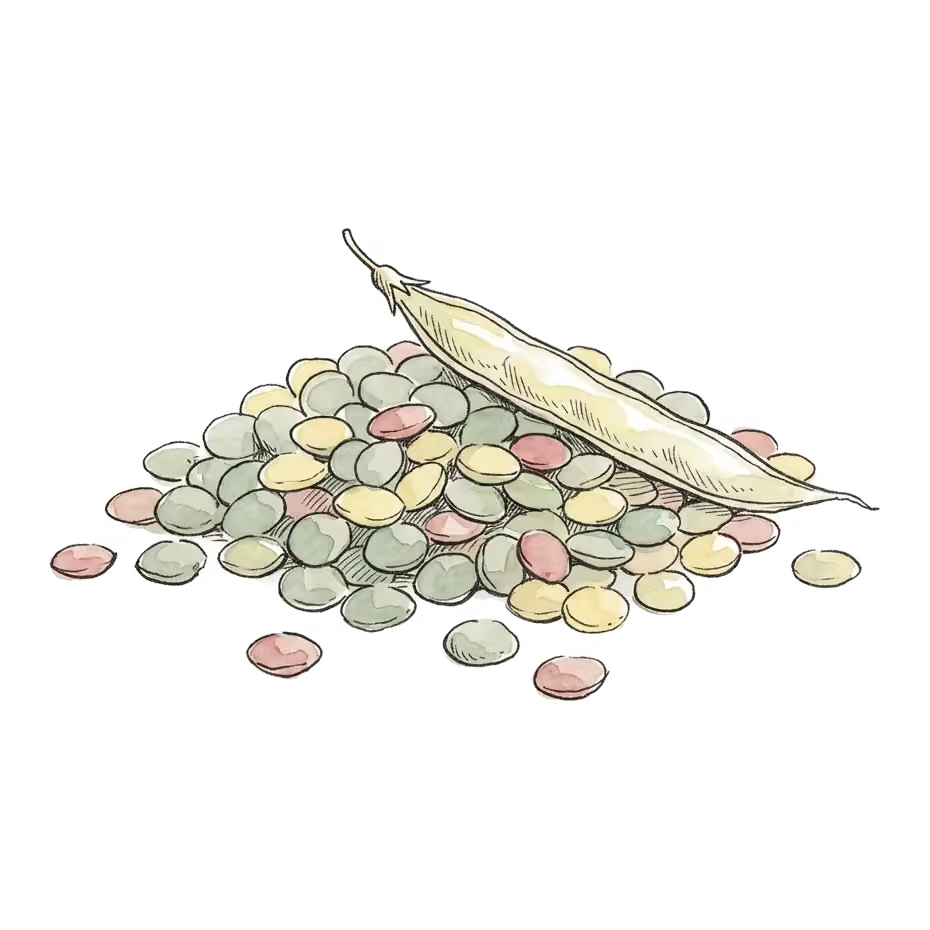
Lentils (Lens culinaris)
Lens culinaris · also known as red lentils, green lentils, French lentils, masoor dal, puy lentils
By Superfoods Advisor Editors·July 3, 2026
Lentils benefits and nutrition: 9 g protein, 7.9 g fiber and 45% DV folate per 100 g cooked, a very low GI, what studies show, and side effects.
Lentils (Lens culinaris) are small, lens-shaped legume seeds that provide about 9 g protein, 7.9 g fiber, 3.3 mg iron and 45% of the Daily Value for folate per 100 g cooked, for 116 kcal. Their glycemic index averages about 32, and trials of pulses, including lentils, suggest modest benefits for blood glucose and LDL cholesterol.
Lentils are among the oldest domesticated crop plants, with archaeological remains found at early Neolithic sites in the Near East, including Tell Abu Hureyra in Syria and Çatalhöyük in Turkey. From that origin, lentils spread throughout South Asia, the Mediterranean, and Ethiopia, becoming a dietary pillar in countries where animal protein has historically been scarce or expensive. In South Asian cuisine, split lentils (dal) prepared into spiced soups and stews are an everyday staple. In France, the green Puy lentil from the Haute-Loire (“Lentille verte du Puy”) holds protected designation of origin (PDO) status.
Lentils are notable for several practical advantages over other legumes: they are small and thin enough to cook without pre-soaking, they cook in 15–25 minutes (much faster than chickpeas or black beans), and boiled lentils have a low glycemic index. They are a concentrated plant source of protein and folate, making lentils of particular nutritional significance in plant-based and lower-income diets globally.
Evidence at a glance
Active Compounds
- Resistant starch: Lentils contain substantial retrograded starch after cooking and cooling, and a portion of starch within intact cotyledon cells resists digestion even in freshly cooked lentils. This contributes to the very low glycemic index: lentils average a GI of about 32 in the international GI tables (Atkinson et al., 2008), and eight varieties tested in one human trial ranged from 10 to 23, although resistant starch content alone did not predict those values (Ramdath et al., 2017).
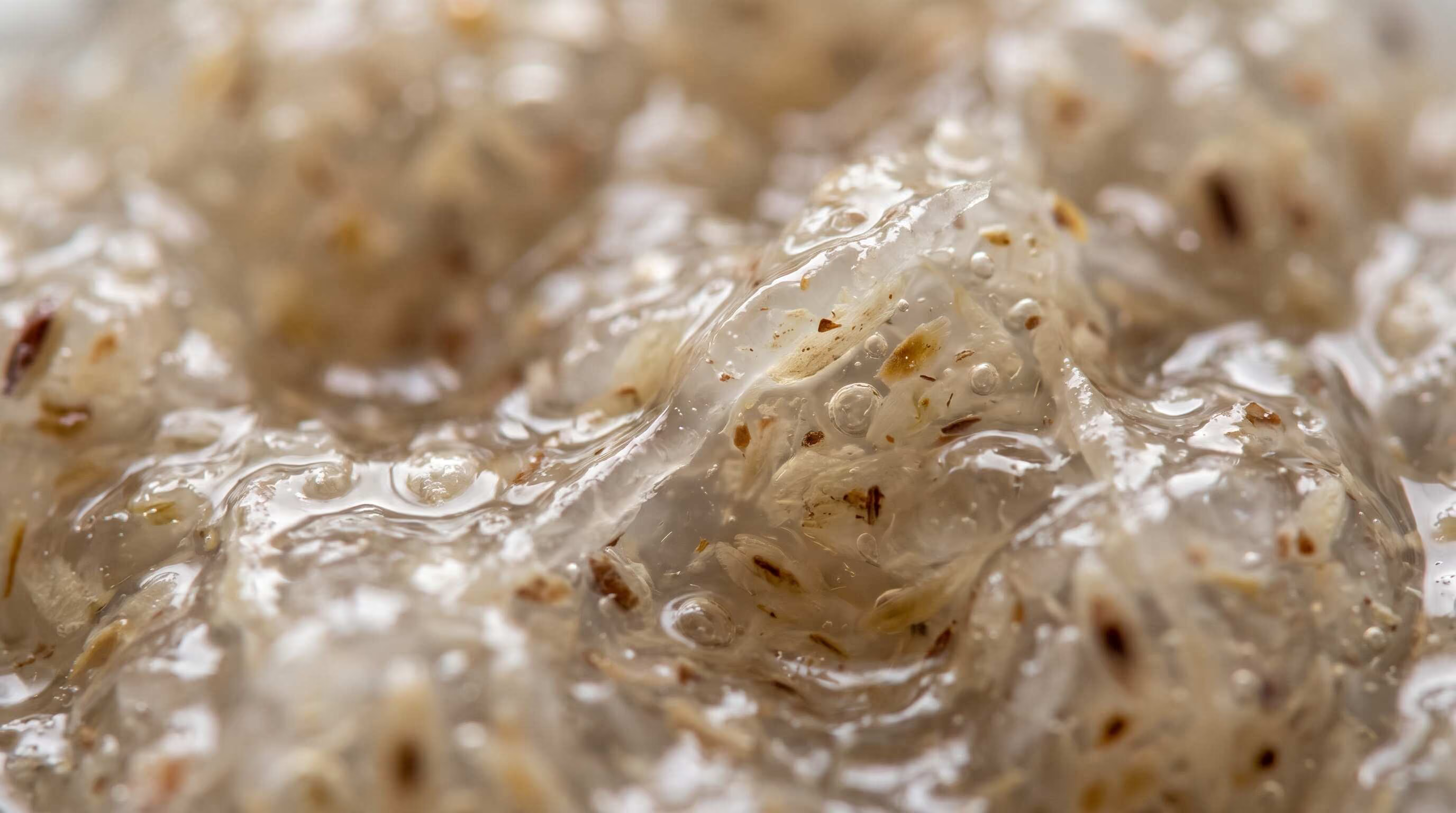
- Soluble fiber (mucilages and pectins): Forms viscous gels that slow gastric emptying and small intestinal transit, attenuating postprandial glucose and insulin responses and reducing cholesterol reabsorption.
- Insoluble fiber: Cellulose and hemicellulose support intestinal motility and stool bulk.
- Polyphenols: Lentils contain kaempferol, quercetin, procyanidins, and hydroxycinnamic acids concentrated in the seed coat. Most legume phenolics sit in the seed coat (Singh et al., 2017), so whole brown and green lentils have higher phenolic content than red (decorticated) lentils. Phenolics contribute to in vitro antioxidant activity and may inhibit α-amylase and α-glucosidase (starch-digesting enzymes).
- Phytic acid: Lentils contain moderate phytate levels that reduce iron and zinc bioavailability. Cooking lowers phytate in lentils, whereas soaking alone had no measurable effect on phytic acid in an analysis of Canadian pulses (Shi et al., 2018).
- Condensed tannins (proanthocyanidins): Present particularly in dark-seed-coat varieties; may inhibit digestive enzymes and reduce digestibility of protein and starch. Levels fall with cooking, partly through leaching into the cooking water (Singh et al., 2017).
- Trypsin inhibitors: Heat-labile antinutritional factors; inactivated by standard cooking temperatures.
- Galacto-oligosaccharides: As with other legumes, contribute to flatulence in susceptible individuals but serve as prebiotic substrate for beneficial colonic bacteria.
Nutritional Profile
Values are approximate per 100 g of lentils, boiled without salt (USDA FoodData Central):
| Nutrient | Amount | % DV |
|---|---|---|
| Energy | 116 kcal | — |
| Protein | 9.0 g | — |
| Total fat | 0.4 g | — |
| Carbohydrate | 20.1 g | — |
| Dietary fiber | 7.9 g | — |
| Folate | 181 µg | 45% |
| Iron | 3.3 mg | 18% |
| Phosphorus | 180 mg | 14% |
| Potassium | 369 mg | 8% |
| Magnesium | 36 mg | 9% |
| Zinc | 1.3 mg | 12% |
| Manganese | 0.49 mg | 21% |
| Thiamin (B1) | 0.17 mg | 14% |
| Vitamin B6 | 0.18 mg | 11% |
Lentils are one of the richest plant sources of folate — a single 100 g serving provides 45% of the daily value. Their iron content (non-heme) is substantial, and consuming lentils with vitamin C-containing foods improves iron absorption (Hallberg et al., 1986). The protein content of approximately 9 g per 100 g cooked is high for a starchy plant food.
Evidence for Purported Benefits
Glycemic Control
Evidence:Moderate A pulse meta-analysis and lentil GI tests show low glycemic response; long-term diabetes data are observational and inconsistent.
Lentils raise blood glucose less than almost any other starchy food, though whether they lower long-term diabetes risk is unclear. Lentils consistently produce one of the lowest postprandial glycemic responses of any commonly consumed carbohydrate food. A meta-analysis by Sievenpiper et al. (2009) found that pulses eaten alone lowered fasting blood glucose and insulin, and that pulses within low-GI diets lowered HbA1c or fructosamine, across controlled trials in people with and without diabetes. In a human trial testing eight cooked lentil varieties, all had low GI values, ranging from 10 to 23 (Ramdath et al., 2017). Proposed mechanisms include physical entrapment of starch, viscous fiber, resistant starch, and enzyme-inhibiting polyphenols. Evidence on long-term diabetes risk is observational and inconsistent: one meta-analysis of cohort studies found no significant association between legume intake and incident diabetes (Afshin et al., 2014).
Iron Status
Evidence:Limited One stable-isotope study found about 2% iron absorption; controlled trials on hemoglobin or iron status are few.
Lentils are a good plant source of non-heme iron, which has drawn interest in low-resource settings, though controlled evidence that lentil-based foods improve hemoglobin or iron status is limited, and absorption varies with phytate content and vitamin C co-consumption. In a stable-isotope study of 19 women, iron absorption from a lentil dal meal averaged about 2%, higher in women with poor iron status (DellaValle et al., 2015). Non-heme iron from lentils is absorbed less efficiently than heme iron from meat, though absorption improves when enhancers such as ascorbic acid are eaten in the same meal.
Folate and Cardiovascular Health
Evidence:Moderate For folate status: lentils are a documented rich folate source, and adequate folate lowers neural tube defect risk.
Evidence:Preliminary For cardiovascular health: legume cohort data only; B-vitamin supplements that lower homocysteine did not prevent heart attacks in trials.
The relationship between adequate dietary folate and reduced neural tube defect risk is one of the most robustly established diet-disease relationships in nutritional science (CDC). As a rich folate source, lentils are nutritionally significant for women of reproductive age. Cohort studies link habitual legume consumption to lower ischemic heart disease risk (Afshin et al., 2014); one proposed pathway is homocysteine lowering by folate and B6 (elevated homocysteine is a cardiovascular risk marker). However, B-vitamin supplements that lower homocysteine did not reduce heart attacks or deaths in clinical trials (Martí-Carvajal et al., 2017), so the clinical significance of the folate pathway specifically requires further study.
LDL Cholesterol
Evidence:Moderate A meta-analysis of RCTs of non-soy legumes, including lentils, found about 8 mg/dL lower LDL.
A meta-analysis by Bazzano et al. (2011) found non-soy legumes (including lentils) reduced LDL cholesterol by approximately 8 mg/dL in randomized controlled trials. Proposed mechanisms include bile acid binding by soluble fiber and displacement of dietary saturated fat by legume protein.
Gut Microbiota and Prebiotic Effect
Evidence:Lab & animal only SCFA production is documented mostly in laboratory fermentation; lentil-specific human microbiome trials are scarce.
The fermentable fiber and resistant starch in lentils may support growth of beneficial anaerobic bacteria in the colon, with SCFA (particularly butyrate and propionate) production documented largely in laboratory fermentation studies. Lentil-specific human trials of microbiome effects are scarce, and clinical outcomes from any such shifts remain to be established.
Typical Use and Preparation
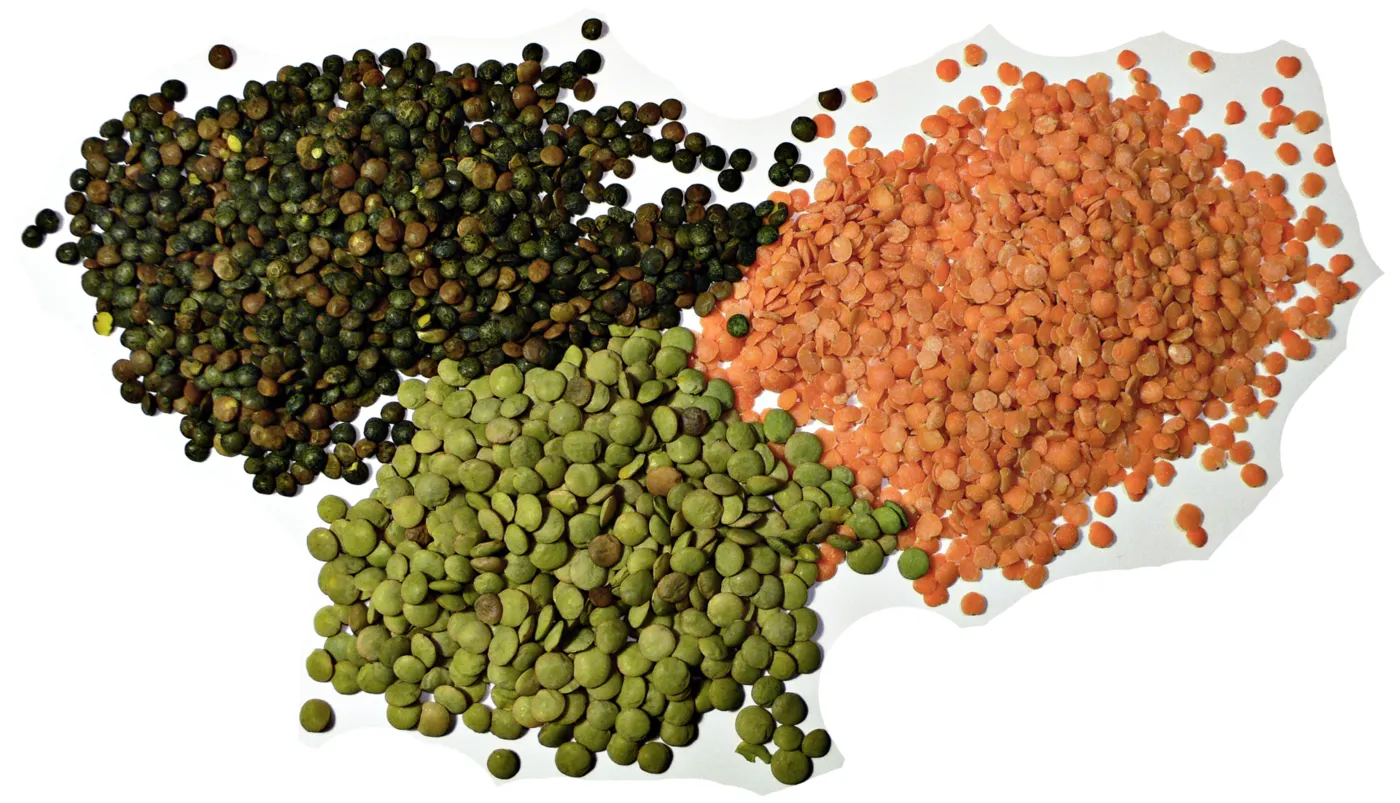 Photo: User:Justinc, CC BY-SA 2.5, via Wikimedia Commons
No soaking required: Unlike chickpeas and black beans, lentils cook in 15–25 minutes without pre-soaking, making them the most convenient legume for weeknight preparation. Red and orange lentils (split, decorticated) cook fastest (10–15 minutes) and disintegrate into a puree suitable for soups and dal. Green, brown, and black (beluga) lentils maintain their shape better and are suitable for salads and grain bowls.
Optional soaking: Soaking whole lentils for a few hours and discarding the soaking water may lower GOS content and flatulence potential. It does little for phytate: in one analysis of Canadian pulses, soaking did not reduce phytic acid, while cooking did (Shi et al., 2018).
Cooking with acid: Adding acidic ingredients (tomatoes, lemon juice, vinegar) early in cooking can lengthen cooking time significantly by stabilizing pectin in cell walls. Add acid ingredients after lentils are nearly tender.
Resistant starch enhancement: Cooking and then cooling lentils in the refrigerator for several hours increases RS3 resistant starch through retrogradation, potentially lowering their glycemic response upon reheating.
Red lentil note: The decortication (hull removal) of red and yellow lentils removes most of the polyphenol-rich seed coat, resulting in lower antioxidant content compared to green or black lentils.
FODMAP considerations: Lentils contain moderate levels of galacto-oligosaccharides. Per Monash University, the low-FODMAP serving of canned, rinsed green lentils is approximately 46 g (¼ cup). Larger servings are likely to cause bloating and gas in individuals with IBS or functional gastrointestinal disorders.
For how lentils compare with other legumes on protein, see the plant-based protein guide; the blood sugar superfoods guide covers pulses among foods studied for glucose control.
Safety, Interactions, and Contraindications
Flatulence and GI discomfort: The most common adverse effect of lentil consumption is gas and bloating from fermentation of oligosaccharides in the colon. This can be reduced by soaking, draining, and rinsing, thorough cooking, and gradual increases in intake to allow adaptation of gut microbiota.
Kidney disease: Lentils are high in potassium and phosphorus. Patients with chronic kidney disease who require restriction of these minerals should discuss lentil intake with their nephrologist or renal dietitian.
Gout and hyperuricemia: Lentils contain moderate purines. In a large cohort of men, purine-rich vegetables were not associated with incident gout, unlike meat and seafood (Choi et al., 2004); among people who already had gout, plant purines were associated with a smaller rise in recurrent attacks than animal purines (Zhang et al., 2012). Individuals with gout should discuss intake with their healthcare provider.
Iron absorption interactions: The non-heme iron in lentils is significantly inhibited by polyphenols (especially in brown/green lentil varieties) and phytate in the same meal. Consuming lentils with vitamin C-rich vegetables increases iron absorption (Hallberg et al., 1986). Tea or coffee taken with the meal (Hurrell et al., 1999), or coffee up to an hour afterward (Morck et al., 1983), further inhibits non-heme iron absorption.
Folate and methotrexate: Methotrexate acts as a folate antagonist. With low-dose methotrexate for rheumatoid arthritis, folic or folinic acid supplements are commonly co-prescribed; a Cochrane review found they reduced gastrointestinal and liver side effects without a significant loss of efficacy (Shea et al., 2013). Patients should still confirm dietary changes with their prescribing physician.
Frequently Asked Questions
What are lentils?
Lentils are the edible seeds of Lens culinaris, a legume first domesticated in the Neolithic Near East. They are sold whole (green, brown, black beluga, French Puy) or split and hulled (red and yellow), and cook in 15–25 minutes without soaking. In South Asia, split lentils are the base of dal; elsewhere they go into soups, stews and salads.
Do lentils have protein?
Yes. Cooked lentils provide about 9 g protein per 100 g, roughly 18 g per cup, which is high for a starchy plant food. Pulse protein, lentils included, is usually described as low in the sulfur amino acids methionine and cysteine, which is why lentils are traditionally eaten with grains such as rice. The plant-based protein guide compares sources.
Are lentils a bean?
Lentils are legumes but not beans in the strict sense. Beans usually refers to Phaseolus species such as kidney, black and pinto beans; lentils belong to a different genus, Lens. Nutritionally they are close: per 100 g cooked, lentils have slightly fewer calories than black beans (116 vs 132 kcal) and more folate and iron, with similar protein.
Can lentils cause gas?
Yes, for some people. Lentils contain galacto-oligosaccharides that colonic bacteria ferment, producing gas and bloating, especially in people with IBS. Thorough cooking, rinsing canned lentils and increasing intake gradually can help. Per Monash University, about 46 g of canned, rinsed green lentils is a low-FODMAP serving; larger portions are more likely to cause symptoms.
Are lentils good for you?
For most people, yes. Lentils are rich in fiber, folate, iron and plant protein, low in fat, and have one of the lowest glycemic indexes of any carbohydrate food. Pooled trials of non-soy legumes show about an 8 mg/dL drop in LDL cholesterol. People with advanced kidney disease or gout should check intake with a clinician, given the potassium, phosphorus and purine content.
How many lentils should I eat per day?
No official lentil-specific amount exists. Nutrition labels and recipes often use ½ cup cooked as a serving, and the 3-month diabetes trial described in the beans entry asked participants to eat at least 1 cup of mixed legumes a day. People not used to legumes often start with smaller portions to limit gas, then build up over a few weeks.
References
Show all 17 referencesShow fewer
- Sievenpiper, J. L., et al. (2009). Effect of non-oil-seed pulses on glycaemic control: A systematic review and meta-analysis of randomised controlled experimental trials in people with and without diabetes. Diabetologia, 52(8), 1479–1495.
- Ramdath, D. D., Liu, Q., Donner, E., Hawke, A., Kalinga, D., Winberg, J., & Wolever, T. M. S. (2017). Investigating the relationship between lentil carbohydrate fractions and in vivo postprandial blood glucose response by use of the natural variation in starch fractions among 20 lentil varieties. Food & Function, 8(10), 3783–3791.
- Bazzano, L. A., et al. (2011). Non-soy legume consumption lowers cholesterol levels: A meta-analysis of randomized controlled trials. Nutrition, Metabolism and Cardiovascular Diseases, 21(2), 94–103.
- USDA FoodData Central. (2019). Lentils, mature seeds, cooked, boiled, without salt. FDC ID 172421. U.S. Department of Agriculture.
- Atkinson, F. S., Foster-Powell, K., & Brand-Miller, J. C. (2008). International tables of glycemic index and glycemic load values: 2008. Diabetes Care, 31(12), 2281–2283.
- Shi, L., Arntfield, S. D., & Nickerson, M. (2018). Changes in levels of phytic acid, lectins and oxalates during soaking and cooking of Canadian pulses. Food Research International, 107, 660–668.
- Singh, B., Singh, J. P., Kaur, A., & Singh, N. (2017). Phenolic composition and antioxidant potential of grain legume seeds: A review. Food Research International, 101, 1–16.
- Hallberg, L., Brune, M., & Rossander, L. (1986). Effect of ascorbic acid on iron absorption from different types of meals. Human Nutrition: Applied Nutrition, 40(2), 97–113.
- Afshin, A., Micha, R., Khatibzadeh, S., & Mozaffarian, D. (2014). Consumption of nuts and legumes and risk of incident ischemic heart disease, stroke, and diabetes: A systematic review and meta-analysis. American Journal of Clinical Nutrition, 100(1), 278–288.
- DellaValle, D. M., Glahn, R. P., Shaff, J. E., & O’Brien, K. O. (2015). Iron absorption from an intrinsically labeled lentil meal is low but upregulated in women with poor iron status. Journal of Nutrition, 145(10), 2253–2257.
- Centers for Disease Control and Prevention. About folic acid.
- Martí-Carvajal, A. J., et al. (2017). Homocysteine-lowering interventions for preventing cardiovascular events. Cochrane Database of Systematic Reviews, 8, CD006612.
- Choi, H. K., et al. (2004). Purine-rich foods, dairy and protein intake, and the risk of gout in men. New England Journal of Medicine, 350(11), 1093–1103.
- Zhang, Y., et al. (2012). Purine-rich foods intake and recurrent gout attacks. Annals of the Rheumatic Diseases, 71(9), 1448–1453.
- Hurrell, R. F., Reddy, M., & Cook, J. D. (1999). Inhibition of non-haem iron absorption in man by polyphenolic-containing beverages. British Journal of Nutrition, 81(4), 289–295.
- Morck, T. A., Lynch, S. R., & Cook, J. D. (1983). Inhibition of food iron absorption by coffee. American Journal of Clinical Nutrition, 37(3), 416–420.
- Shea, B., et al. (2013). Folic acid and folinic acid for reducing side effects in patients receiving methotrexate for rheumatoid arthritis. Cochrane Database of Systematic Reviews, 5, CD000951.
Related content

More in Grains & Legumes
- Amaranth (Amaranthus spp.)
Amaranth benefits and nutrition: a gluten-free pseudocereal high in lysine, manganese and iron, what human studies show, and its side effects.
- Beans (Phaseolus spp.)
Beans benefits and nutrition: protein, fiber, folate and resistant starch in navy, pinto, black and kidney beans, what studies show, and side effects.
- Black Beans (Phaseolus vulgaris)
Black beans vs pinto beans compared, plus black beans nutrition and benefits: 8.9 g protein and 8.7 g fiber per 100 g cooked, and what studies show.
- Brown Rice (Oryza sativa)
Brown rice vs white rice: brown keeps the bran, with 4x the fiber and 3x the magnesium, a slightly lower GI and more arsenic. Benefits and evidence.
- Buckwheat (Fagopyrum esculentum)
Is buckwheat gluten free? Yes: it is a seed unrelated to wheat. Buckwheat nutrition, rutin, glycemic index, benefits, allergy and side effects.
- Chickpeas (Cicer arietinum)
Chickpeas (garbanzo beans) benefits and nutrition: 8.9 g protein, 7.6 g fiber and 43% DV folate per 100 g, a GI near 28, what studies show, side effects.

Curated by Superfoods Advisor Editors·Last updated