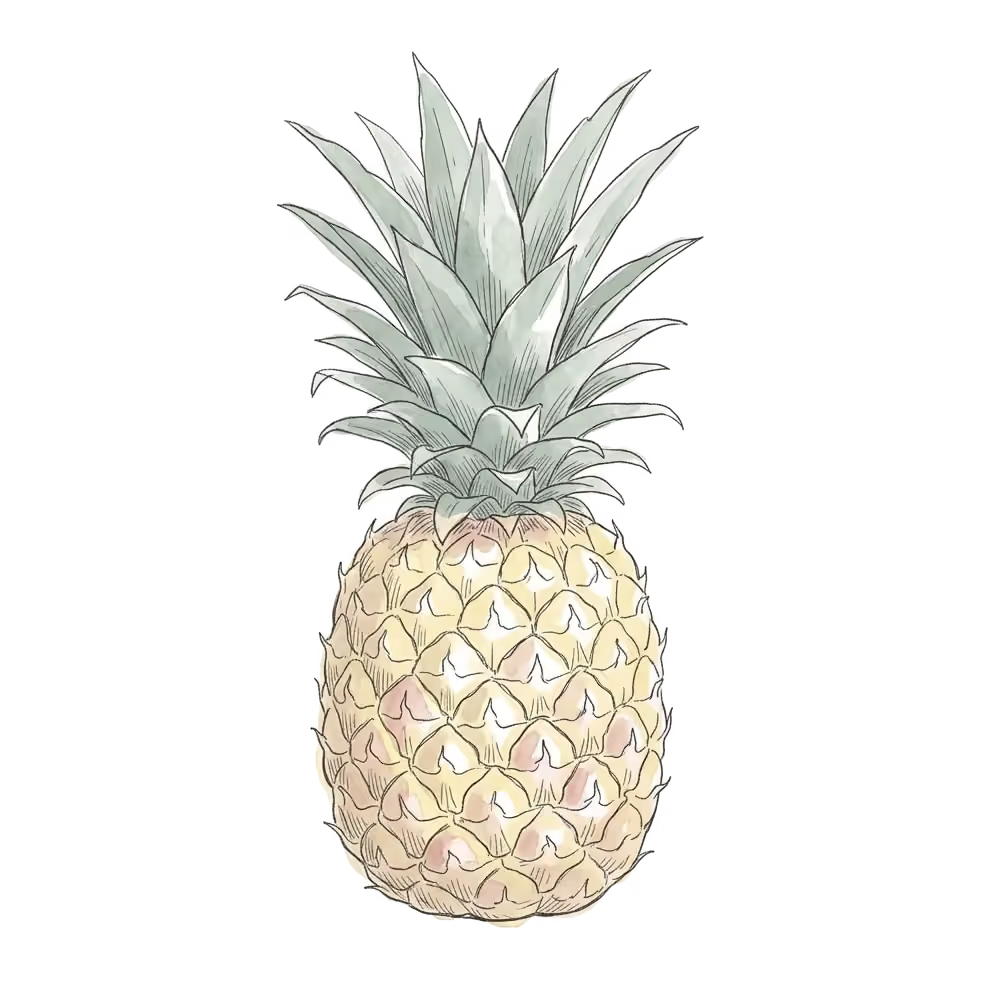
Pineapple (Ananas comosus)
Ananas comosus · also known as ananas, piña, abacaxi, nanas
By Superfoods Advisor Editors·July 3, 2026
Is pineapple good for you? Pineapple is rich in vitamin C and manganese; its enzyme bromelain is studied as a supplement, not in the fruit.
For most people, pineapple is a nutritious, low-calorie fruit. Pineapple (Ananas comosus, also called ananas or piña) is a tropical bromeliad whose fresh flesh provides 50 kcal, 47.8 mg of vitamin C and 0.93 mg of manganese per 100 g. It also contains bromelain, an enzyme mix whose anti-inflammatory evidence comes from concentrated supplements, not from eating the fruit.
The plant is native to lowland South America, most likely between southern Brazil and Paraguay. Tupi-Guaraní peoples had spread it into the Caribbean by the time Columbus’s second expedition met it on Guadeloupe in 1493. The Philippines, Costa Rica, Brazil, Thailand and Indonesia are among the leading producers, and the sweet, low-acid ‘MD-2’ hybrid dominates world trade.
Pineapple has a long history of folk medicine use (Rathnavelu et al., 2016). Bromelain was first extracted from the juice by Venezuelan chemist Vicente Marcano in 1891 and later developed from the stem as a protease preparation, described by Heinicke and Gortner in 1957. It is now one of the most commercially important plant enzyme preparations.
Evidence at a glance
Active Compounds
Bromelain: The defining phytochemical of pineapple, bromelain is not a single compound but a complex mixture of related cysteine endopeptidases — predominantly stem bromelain (EC 3.4.22.32) and fruit bromelain (EC 3.4.22.33) — along with phosphatases, glucosidases, and other enzymes. Bromelain concentration varies considerably by plant part: the stem contains significantly higher enzyme activity than the ripe fruit flesh. Commercial bromelain supplements are typically derived from the stem and standardized in gelatin digestion units (GDU) or milk clotting units (MCU). The protein-digesting activity of bromelain persists across a fairly broad pH and temperature range, contributing to its usefulness both as a digestive supplement and in pharmaceutical applications.
Vitamin C: Fresh pineapple provides about 48 mg of ascorbic acid per 100 g, a little over half of the 90 mg Daily Value (USDA FoodData Central). Vitamin C content diminishes with canning, heat processing, and prolonged storage.
Manganese: Pineapple is one of the richest common fruit sources of manganese, an essential trace mineral required for the activity of manganese-dependent superoxide dismutase (MnSOD), bone formation, and carbohydrate metabolism. One cup (165 g) of fresh pineapple pieces provides about 1.5 mg manganese (USDA FoodData Central), roughly two-thirds of the 2.3 mg/day adequate intake for men and more than 80% of the 1.8 mg/day intake for women (Linus Pauling Institute).
Beta-carotene: Present only in small amounts in the yellow flesh (about 35 µg per 100 g; USDA FoodData Central lists no lutein or zeaxanthin).
Thiamine (Vitamin B1): Pineapple is a relatively good fruit source of thiamine, supporting carbohydrate metabolism and nerve function.
Ferulic acid and coumaric acid: Hydroxycinnamic acid derivatives identified in pineapple flesh and skin; studied for antioxidant and anti-inflammatory properties in vitro.
Nutritional Profile
The following values represent raw fresh pineapple flesh per 100 g (USDA FoodData Central, FDC ID 169124):
| Nutrient | Amount | % DV |
|---|---|---|
| Energy | 50 kcal | — |
| Water | 86.0 g | — |
| Carbohydrates | 13.12 g | — |
| Sugars | 9.85 g | — |
| Dietary fiber | 1.4 g | — |
| Protein | 0.54 g | — |
| Total fat | 0.12 g | — |
| Vitamin C | 47.8 mg | 53% |
| Manganese | 0.927 mg | 40% |
| Thiamine (B1) | 0.079 mg | 7% |
| Vitamin B6 | 0.112 mg | 7% |
| Folate | 18 µg | 5% |
| Potassium | 109 mg | 2% |
| Copper | 0.110 mg | 12% |
Pineapple is moderately low in calories, with manganese as its most distinctive micronutrient contribution. Its vitamin C content is comparable to orange. Canned pineapple (juice pack, solids and liquids) retains its manganese (1.12 mg per 100 g) but has about 80% less vitamin C, 9.5 mg per 100 g (USDA FoodData Central).
Evidence for Purported Benefits
Anti-inflammatory and Analgesic Effects
Evidence:Limited Trials and meta-analyses of concentrated bromelain supplements show small pain reductions; no data for eating pineapple.
Bromelain’s anti-inflammatory activity is the most clinically studied application. Proposed mechanisms include downregulation of pro-inflammatory cytokines (TNF-alpha, IL-1beta, IL-6), modulation of prostaglandin and thromboxane synthesis, inhibition of bradykinin, and reduction of edema through fibrinolytic activity; most of this mechanistic work comes from cell and animal studies (Varilla et al., 2021).
A 2004 review by Brien et al. in Evidence-Based Complementary and Alternative Medicine found that the clinical studies of oral bromelain for osteoarthritis to date had been uncontrolled or comparative; they pointed to potential benefit, but the authors concluded that properly designed trials were still needed to establish efficacy and optimal dosage. An open, uncontrolled dose-ranging study by Walker et al. (2002, Phytomedicine, n=77 completers) in otherwise healthy adults with mild acute knee pain reported that symptom scores fell from baseline after one month of 200 or 400 mg/day bromelain, with greater improvement at the higher dose; the authors called for placebo-controlled trials to confirm the result. These findings apply to concentrated bromelain supplements; whether eating whole pineapple delivers sufficient bromelain for these effects has not been established.
Bromelain has also been studied for post-surgical and post-traumatic edema. A 2023 systematic review and meta-analysis by Leelakanok et al. (Nutrition and Health, 54 studies) concluded that oral bromelain may be effective for sinusitis, found a small but statistically significant pain reduction compared with controls, and found no benefit for cardiovascular conditions; reported adverse events included flatulence, nausea, and headache. The same review found that topical bromelain shortened the time to complete debridement of wounds. After wisdom-tooth (third molar) surgery, a 2019 meta-analysis of six randomized trials found less postoperative pain with bromelain but no effect on swelling or jaw stiffness (Mendes et al., 2019).
Digestive Support
Evidence:Insufficient No controlled human data for pineapple and digestion; the claim rests on bromelain’s enzyme activity.
Bromelain’s proteolytic activity can supplement endogenous proteases in the stomach and small intestine. This property is the basis for numerous commercial digestive enzyme supplement products. Controlled data specifically for pineapple consumption (as opposed to supplement-dose bromelain) on digestive outcomes are lacking.
Note: Pineapple contains bromelain in amounts meaningful for culinary tenderization of meat but at levels lower than concentrated supplement preparations, which are labelled by enzyme activity (GDU or MCU per gram); the knee-pain study above used 200–400 mg/day of bromelain. Whether dietary pineapple consumption meaningfully augments protein digestion in healthy individuals with intact digestive function has not been rigorously tested.
Cardiovascular and Thrombotic Risk
Evidence:Limited Three small bromelain trials suggested reduced platelet aggregation; a later meta-analysis found no cardiovascular benefit. Results conflict.
Bromelain has demonstrated platelet aggregation inhibitory activity and fibrinolytic activity in in vitro and animal studies, suggesting a potential role in reducing thrombotic risk. A 2011 review found only three small human trials, which suggested reduced platelet aggregation with bromelain (Ley et al., 2011). A 2021 narrative review by Varilla et al. in Foods summarized the antithrombotic and fibrinolytic findings, which come largely from in vitro and animal work, and the 2023 Leelakanok meta-analysis found no benefit of bromelain for cardiovascular conditions. Adequately powered double-blind placebo-controlled trials with hard cardiovascular endpoints are lacking.
Immune Modulation
Evidence:Lab & animal only Cell and mouse studies of bromelain only; no human trials.
Bromelain has been reported to modulate T-cell surface antigens and accessory-cell function in vitro and in animal models, suggesting immunomodulatory activity. Engwerda et al. (2001) found in mouse cell cultures and immunized mice that bromelain enhanced T-cell proliferation and antigen-specific antibody responses while suppressing IL-2 production. Clinical implications have not been defined in adequately powered human trials.
Typical Use and Preparation
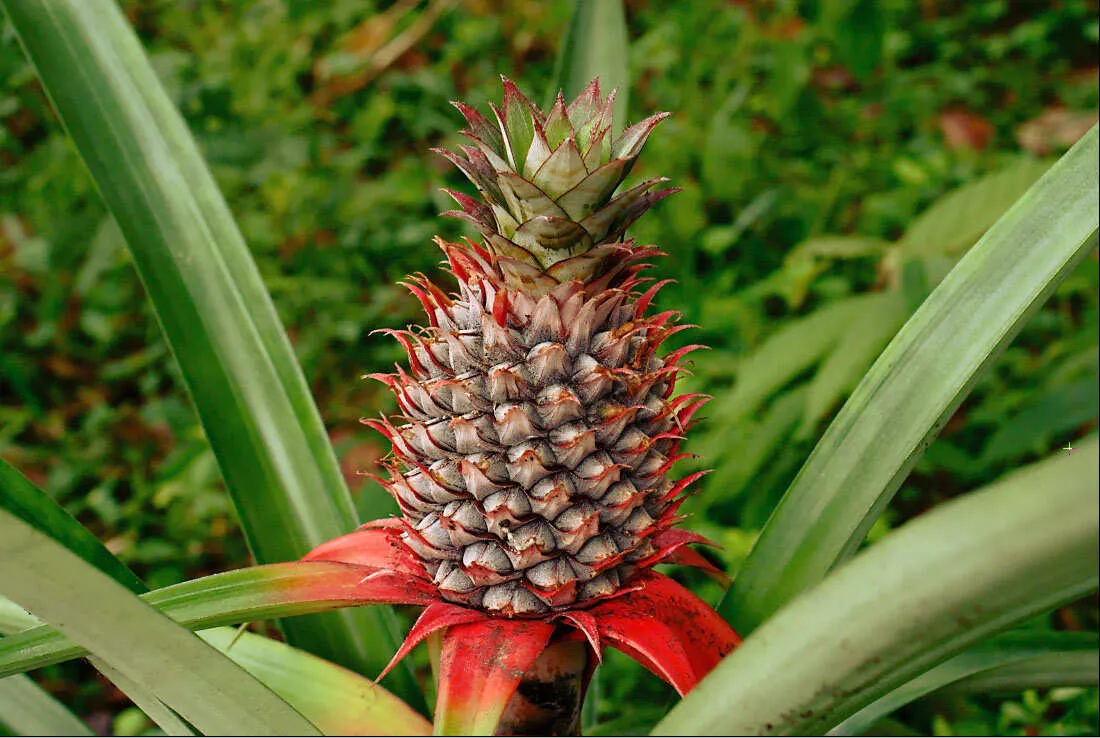 Photo: Suniltg at Malayalam Wikipedia, CC BY 3.0, via Wikimedia Commons
Fresh pineapple is consumed as a snack, in fruit salads, and in cooked dishes such as tropical salsas and curries. Bromelain’s meat-tenderizing properties are exploited in marinades — fresh pineapple juice breaks down muscle proteins in beef or pork, and long marinating can leave meat mushy. Notably, this same proteolytic activity means that fresh pineapple inhibits gelatin setting; recipes requiring gelatin must use canned or cooked pineapple, in which bromelain has been denatured.
Commercially, pineapple is widely available as fresh whole fruit, canned in juice or syrup, as frozen chunks, juice, and concentrate. Dried pineapple is high in concentrated sugars and should be consumed in moderation. Bromelain supplements extracted from pineapple stem are sold separately from the food product and are standardized to enzyme activity rather than fruit weight.
Frozen pineapple chunks are used in one of the superfood smoothie recipes. For other vitamin C sources, see the immune-boosting superfoods guide. Papaya carries a comparable protein-digesting enzyme, papain.
Safety, Interactions, and Contraindications
Generally safe at dietary intakes: Fresh pineapple is a common food, and the main problems reported with it are the oral irritation and allergy described below.
Oral irritation: Fresh pineapple can cause transient tingling, burning, or soreness of the lips, tongue, and inner cheeks commonly attributed to bromelain’s proteolytic action on oral mucosal proteins. This is an irritant effect, not an allergic reaction, and it usually fades after eating stops. It is not expected with canned pineapple in which bromelain has been heat-denatured.
Pineapple allergy: IgE-mediated allergy to pineapple is uncommon. Reported symptoms include urticaria, oral allergy syndrome, and, rarely, anaphylaxis. Cross-reactivity with latex has been reported (latex-fruit syndrome); in one study of 136 latex-allergic patients, pineapple was among the fruits whose IgE cross-reacted with latex allergens (Brehler et al., 1997), and individuals with latex allergy should be aware of this possibility.
Drug interactions — anticoagulants and antiplatelets: Bromelain’s fibrinolytic and antiplatelet activity in laboratory studies raises a theoretical risk of increased bleeding when combined with anticoagulants (warfarin, heparin), antiplatelet agents (aspirin, clopidogrel), or other supplements with blood-thinning properties (fish oil, ginger, vitamin E). The human evidence is thin. A pharmacist review of herb–warfarin interactions listed bromelain among products with a potential, not documented, interaction (Heck et al., 2000). Two non-interventional German studies of 260 surgical patients on low-molecular-weight heparin found only marginal changes in coagulation tests with perioperative bromelain (n=129), similar to the diclofenac comparison group (Johann et al., 2011). Controlled studies of bromelain with warfarin or antiplatelet drugs are lacking, so concentrated bromelain supplements should still be used with caution in individuals on anticoagulant therapy. Consultation with a healthcare provider is advisable before starting bromelain supplements in this context.
Drug interactions — antibiotics: Small human studies from the 1970s and rat experiments reported higher blood and tissue levels of antibiotics, including amoxicillin and tetracycline, when bromelain was given alongside them (Hikisz & Bernasinska-Slomczewska, 2021). The data are dated and the clinical significance is uncertain. Individuals on antibiotic therapy should inform their prescriber if taking high-dose bromelain supplements.
Pregnancy: Pineapple has a folk reputation as an abortifacient and labor inducer, but no human study has shown that eating it starts labor or causes miscarriage, and there is no evidence that pineapple in normal food amounts is harmful during pregnancy. In laboratory work, an aqueous extract of ripe pineapple made isolated pregnant rat and human uterine strips contract; the active compound was identified as serotonin rather than bromelain, and the extract given orally did not stimulate the uterus in pregnant rats, only postpartum (Monji et al., 2016; Monji et al., 2018). The safety of concentrated bromelain supplements in pregnancy has not been established, so pregnant individuals should avoid them unless directed by a healthcare provider.
Manganese in liver disease: Manganese is eliminated mainly in bile, and impaired liver function can reduce its excretion (Linus Pauling Institute). Individuals with chronic liver disease who eat a lot of pineapple or take manganese-containing supplements may want to discuss total manganese intake with their healthcare provider.
This entry is for informational purposes only and does not constitute medical advice. Consult a qualified healthcare provider before using any supplement or making dietary changes to manage a health condition.
Frequently Asked Questions
Is pineapple good for you?
For most people, yes. Fresh pineapple is low in calories and supplies more than half the Daily Value of vitamin C per 100 g, plus a large share of manganese. Claims about inflammation, digestion and immunity mostly come from studies of concentrated bromelain supplements or lab work, not from eating the fruit. Its sugars, about 9.85 g per 100 g, are moderate.
Is it good to eat pineapple every day?
For most healthy people, a daily serving of pineapple fits a balanced diet. A cup of fresh pineapple gives about 1.5 mg of manganese and a good dose of vitamin C. People with chronic liver disease, who clear manganese less well, may want to discuss intake with their clinician, and some people find fresh pineapple irritates the mouth.
Why does pineapple make your mouth tingle or burn?
Fresh pineapple contains bromelain, a protein-digesting enzyme mix that acts on the proteins of the lips, tongue and inner cheeks. The result is a temporary tingling, burning or soreness that usually fades after eating stops. It is an irritant effect, not an allergy, and canned or cooked pineapple, in which bromelain is heat-denatured, does not cause it.
Can pineapple induce labor?
There is no human evidence that it does. Pineapple has a folk reputation for starting labor, but no study has shown that eating it causes labor or miscarriage. In lab work, a pineapple extract contracted isolated uterine strips through serotonin, not bromelain, and given orally it did not stimulate the uterus in pregnant rats. Bromelain supplements in pregnancy are a separate question for a clinician.
Does pineapple have fiber?
A little. Fresh pineapple contains about 1.4 g of dietary fiber per 100 g, according to USDA FoodData Central, less than apples, pears or kiwi. Its bromelain is often promoted as a digestive aid, but there are no controlled human data showing that eating pineapple improves digestion in healthy people.
Is eating pineapple the same as taking bromelain?
No. Pineapple flesh contains bromelain at levels useful for tenderizing meat, but well below concentrated supplements, which are mostly made from the stem and labeled by enzyme activity. The studies on knee pain and post-surgical swelling used supplements such as 200 to 400 mg of bromelain a day. Bromelain supplements may add bleeding risk with anticoagulants, so check with a clinician first.
References
Show all 18 referencesShow fewer
- Brien, S., Lewith, G., Walker, A., Hicks, S. M., & Middleton, D. (2004). Bromelain as a treatment for osteoarthritis: a review of clinical studies. Evidence-Based Complementary and Alternative Medicine, 1(3), 251–257.
- Walker, A. F., Bundy, R., Hicks, S. M., & Middleton, R. W. (2002). Bromelain reduces mild acute knee pain and improves well-being in a dose-dependent fashion in an open study of otherwise healthy adults. Phytomedicine, 9(8), 681–686.
- Varilla, C., Marcone, M., Paiva, L., & Baptista, J. (2021). Bromelain, a group of pineapple proteolytic complex enzymes (Ananas comosus) and their possible therapeutic and clinical effects. A summary. Foods, 10(10), 2249.
- Engwerda, C. R., Andrew, D., Ladhams, A., & Mynott, T. L. (2001). Bromelain modulates T cell and B cell immune responses in vitro and in vivo. Cellular Immunology, 210(1), 66–75.
- Rathnavelu, V., Alitheen, N. B., Sohila, S., Kanagesan, S., & Ramesh, R. (2016). Potential role of bromelain in clinical and therapeutic applications. Biomedical Reports, 5(3), 283–288.
- USDA FoodData Central. (2019). Pineapple, raw, all varieties. FDC ID 169124. U.S. Department of Agriculture.
- Heinicke, R. M., & Gortner, W. A. (1957). Stem bromelain — a new protease preparation from pineapple plants. Economic Botany, 11(3), 225–234.
- Leelakanok, N., Petchsomrit, A., Janurai, T., Saechan, C., & Sunsandee, N. (2023). Efficacy and safety of bromelain: A systematic review and meta-analysis. Nutrition and Health, 29(3), 479–503.
- USDA FoodData Central. (2019). Pineapple, canned, juice pack, solids and liquids. FDC ID 169126. U.S. Department of Agriculture.
- Heck, A. M., DeWitt, B. A., & Lukes, A. L. (2000). Potential interactions between alternative therapies and warfarin. American Journal of Health-System Pharmacy, 57(13), 1221–1227.
- Johann, K., Eschmann, K., & Meiser, P. (2011). No clinical evidence for an enhanced bleeding tendency due to perioperative treatment with bromelain. Sportverletzung Sportschaden, 25(2), 108–113.
- Monji, F., Adaikan, P. G., Lau, L. C., et al. (2016). Investigation of uterotonic properties of Ananas comosus extracts. Journal of Ethnopharmacology, 193, 21–29.
- Monji, F., Adaikan, P. G., Lau, L. C., et al. (2018). Role of the serotonergic pathway in uterotonic activity of Ananas comosus (L.) Merr. — an in vitro and in vivo study. Phytomedicine, 48, 32–42.
- Linus Pauling Institute Micronutrient Information Center. Manganese. Oregon State University.
- Mendes, M. L., do Nascimento-Júnior, E. M., Reinheimer, D. M., & Martins-Filho, P. R. (2019). Efficacy of proteolytic enzyme bromelain on health outcomes after third molar surgery. Systematic review and meta-analysis of randomized clinical trials. Medicina Oral, Patología Oral y Cirugía Bucal, 24(1), e61–e69.
- Ley, C. M., Tsiami, A., Ni, Q., & Robinson, N. (2011). A review of the use of bromelain in cardiovascular diseases. Journal of Chinese Integrative Medicine, 9(7), 702–710.
- Brehler, R., Theissen, U., Mohr, C., & Luger, T. (1997). “Latex-fruit syndrome”: frequency of cross-reacting IgE antibodies. Allergy, 52(4), 404–410.
- Hikisz, P., & Bernasinska-Slomczewska, J. (2021). Beneficial properties of bromelain. Nutrients, 13(12), 4313.
Related content
More in Fruits
- Apple (Malus domestica)
Are apples good for you? Apples supply pectin fiber and quercetin, and large cohort studies link regular intake to lower heart disease and diabetes risk.
- Avocado (Persea americana)
Is avocado good for you? Avocado is high in monounsaturated fat, fiber and potassium, and small trials link a daily avocado to lower LDL cholesterol.
- Banana (Musa acuminata)
Are bananas good for you? Bananas supply potassium, vitamin B6 and fiber, and green bananas add resistant starch. The evidence, and who should limit them.
- Cherry (Prunus avium / Prunus cerasus)
Tart cherry juice benefits, weighed: small trials suggest faster muscle recovery and longer sleep, and gout data are early. Sweet vs tart cherry nutrition.
- Grapefruit (Citrus × paradisi)
Is grapefruit good for you? It is low in calories and rich in vitamin C, but it interacts with statins and 85+ other drugs. Benefits, nutrition and risks.
- Grapes (Vitis vinifera)
Are grapes good for you? Grapes supply skin polyphenols and vitamin K but little fiber and plenty of sugar. What the vascular and resveratrol data show.

Curated by Superfoods Advisor Editors·Last updated