Superfoods for Skin Health: Evidence-Based Nutrition for Collagen, Photoprotection, and Inflammation
By Superfoods Advisor Editors·July 4, 2026
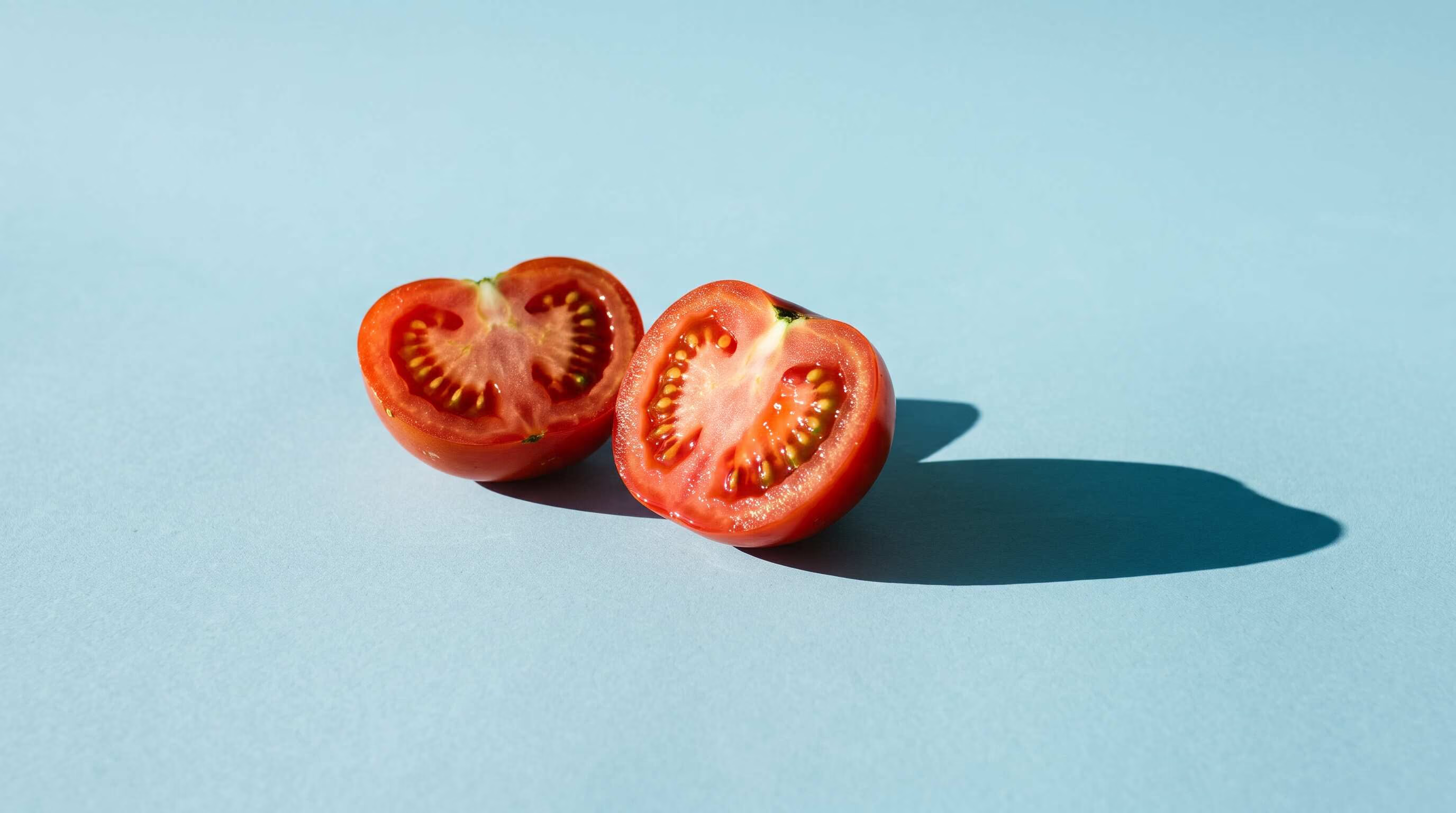
The best foods for skin by the evidence: tomatoes, fatty fish, cocoa, green tea, berries, vitamin C foods for collagen, avocado and nuts, and their limits.
The best foods for skin, on current trial evidence, are cooked tomatoes (lycopene), fatty fish (EPA and DHA), vitamin C sources such as bell peppers and kiwi for collagen synthesis, high-flavanol cocoa, green tea, avocado, and almonds. Effects in trials were modest and took 8-12 weeks or more. None replaces sunscreen or dermatological care.
Nutritional dermatology has a growing body of controlled trials, but it is also one of the most oversold corners of the wellness market. No smoothie clears cystic acne. What the research supports is a modest, cumulative effect of specific nutrients on photoprotection, collagen synthesis, hydration, and inflammatory pathways relevant to conditions like acne and rosacea.
How Does Nutrition Actually Affect Skin?
The epidermis renews itself in about 39 days on average (Weinstein et al., 1984), which means dietary changes have a plausible window to show effects within 6-12 weeks. Nutrients influence skin through four main pathways: collagen and extracellular matrix synthesis, antioxidant defense against UV-induced free radicals, modulation of inflammatory eicosanoids, and support for the epidermal lipid barrier that regulates transepidermal water loss.
A 2012 review in Dermato-Endocrinology by Schagen and colleagues surveyed the literature linking vitamins, carotenoids, tocopherols, and flavonoids, taken orally or applied topically, to skin aging (PubMed, 2012). The effect sizes are real but modest. Nutrition is complementary infrastructure, not a therapeutic replacement.
Most skin-nutrition articles frame food as a topical substitute. Oral nutrients reach the skin through the circulation, generally at lower concentrations than a topical product delivers to the surface, so the two routes are not interchangeable and neither replaces the other.
Do Tomatoes Actually Protect Skin From Sun Damage?
Tomatoes contain lycopene, a carotenoid concentrated in cooked and processed forms because heat disrupts cell walls and isomerizes the compound to more bioavailable cis-forms. Lycopene accumulates in skin over weeks of consumption and acts as a singlet-oxygen quencher, reducing oxidative damage from UV exposure. A 2011 randomized trial by Rizwan et al. (British Journal of Dermatology) in 20 women found that 55 g of tomato paste daily for 12 weeks raised one quantified measure of erythema threshold, though the visually assessed MED did not differ significantly between groups; UV-induced MMP-1 and mitochondrial DNA damage were lower and procollagen I deposition increased with tomato paste (PubMed, 2011).
The practical implication: cooked tomato products (paste, sauce, canned) deliver more absorbable lycopene than raw tomatoes. Olive oil in the same meal increases uptake substantially because lycopene is fat-soluble. This is not a substitute for SPF, but it’s a real, measurable adjunct effect.
What About Other Carotenoids?
Beta-carotene from sweet potato, carrots, and pumpkin also accumulates in skin. A 2008 meta-analysis of seven studies by Köpcke and Krutmann found that beta-carotene supplementation protected against sunburn only after at least 10 weeks, with the effect growing with each additional month (PubMed, 2008). High-dose beta-carotene supplementation isn’t recommended for smokers due to lung cancer risk documented in the ATBC (PubMed, 1994) and CARET (PubMed, 1996) trials; observational studies have instead associated higher dietary beta-carotene with lower lung cancer risk (Yu et al., 2015).
Can Omega-3 Fatty Acids Reduce Skin Inflammation and Acne?
Long-chain omega-3 fatty acids (EPA and DHA) from fatty fish compete with arachidonic acid for cyclooxygenase and lipoxygenase enzymes, shifting eicosanoid production toward less inflammatory series-3 prostaglandins and series-5 leukotrienes. In a 12-week trial in 79 women, EPA supplementation raised skin EPA and shifted the skin’s eicosanoid response to UV toward less pro-inflammatory species (Pilkington et al., 2014); whether this translates into fewer acne lesions rests mainly on small trials like the one above.
Wild salmon, sardines, mackerel, and anchovies are among the richest food sources. Two 3-ounce servings per week of farmed Atlantic salmon, which has about 2.2 g EPA+DHA per 100 g cooked (USDA FoodData Central), average out to roughly 500 mg a day, which is closer to a maintenance intake. Therapeutic doses in the acne trial were higher (2 g/day), typically requiring supplementation. Algal DHA is a viable plant-based option for vegetarians; ALA from flax and walnuts is a poor substitute: its conversion to EPA is limited, and to DHA very low (Burdge & Calder, 2005).
The ALA-to-EPA conversion rate is often glossed over in nutrition writing. In practice, a tablespoon of flaxseed oil delivers essentially no DHA to skin tissue at biologically meaningful levels. Direct EPA/DHA sources or algal supplements are required to replicate trial effects.
The Dairy and Glycemic Load Question
Two dietary factors are most often linked to acne: high-glycemic-load diets, which have small-trial evidence, and milk consumption, including skim milk, which has observational evidence only. A 2007 RCT by Smith et al. (American Journal of Clinical Nutrition) found that 12 weeks on a low-glycemic-load diet reduced acne lesion counts and improved insulin sensitivity in 43 young men, though the diet also produced more weight loss, which the authors could not separate from the dietary effect (Smith et al., 2007). The proposed mechanism involves IGF-1 signaling and androgen-driven sebum production. This is a case where the food-elimination side of nutrition may matter as much as the food-addition side.
Does Dark Chocolate Really Help Skin Hydration?
Cocoa flavanols (epicatechin and catechin) increase nitric oxide bioavailability, which improves microcirculation. Better cutaneous blood flow supports oxygen and nutrient delivery to the dermis. The same trial documented a 15% reduction in UV-induced erythema at 6 weeks and 25% at 12 weeks, along with higher skin hydration and lower transepidermal water loss.
The catch: cocoa processed with alkali (Dutching) loses much of its flavanol content, which removes bitterness but also strips polyphenols; flavanols fall steadily as alkalization increases (Miller et al., 2008). Non-alkalized, minimally processed dark chocolate at 70%+ cocoa retains more of the active compounds. The trial used a specialized high-flavanol cocoa drink, not standard candy bars. Portion size matters too. A square or two of quality dark chocolate is a reasonable inclusion; a bar a day introduces sugar and saturated fat that offset benefits.
What About Green Tea and EGCG?
Green tea is rich in epigallocatechin gallate (EGCG), the most-studied catechin for skin outcomes. In laboratory studies EGCG scavenges reactive oxygen species and inhibits matrix metalloproteinases that degrade collagen. Applied to volunteers’ skin before UV exposure, green tea extracts reduced erythema and sunburn cells and protected epidermal Langerhans cells from UV damage (Elmets et al., 2001), but that was a topical study. Oral results are mixed: a 2015 double-blind trial of 1,080 mg/day of green tea catechins with vitamin C for 3 months found no significant reduction in sunburn threshold, UV erythema, or skin inflammation in 50 adults (Farrar et al., 2015). Brewed green tea supplies roughly 70 mg of EGCG per 100 mL (EFSA, 2018), so the 1,402 mg of catechins used in the 2011 trial is more than a cup or two of tea provides.
Matcha, a powdered whole-leaf preparation, delivers higher catechin concentrations per serving than steeped tea because you consume the whole leaf. Individuals sensitive to caffeine or with iron deficiency should note that tea polyphenols inhibit non-heme iron absorption when consumed with meals.
Are Berries Actually Anti-Aging Foods?
Blueberries, blackberries, raspberries, and pomegranates contain anthocyanins and ellagic acid, polyphenols with well-documented in vitro antioxidant activity. The translation to measurable human skin outcomes is where the evidence gets more preliminary. Most of the evidence for anthocyanin protection against UV-induced photoaging comes from preclinical work, and the human trial literature is thinner than for lycopene or flavanols.
That said, berries fit into an evidence-based skin-supportive dietary pattern for reasons beyond individual polyphenols. They’re low in glycemic load, high in vitamin C (relevant to collagen synthesis), and rich in fiber that feeds the gut microbiome, which some researchers propose influences the skin through a gut-skin axis. Frozen blueberries showed no significant anthocyanin loss over three months of storage (Lohachoompol et al., 2004), and frozen berries are usually cheaper and more accessible.
How Important Is Vitamin C for Collagen Synthesis?
Vitamin C is not optional for collagen production. Prolyl hydroxylase and lysyl hydroxylase, the enzymes that hydroxylate proline and lysine residues in procollagen chains, require ascorbate as a cofactor. Without adequate vitamin C, collagen triple helices don’t stabilize properly. Scurvy, the historical vitamin C deficiency disease, presents with skin fragility, poor wound healing, and gum bleeding precisely because collagen synthesis fails.
Frank scurvy is rare in developed countries, but suboptimal vitamin C status is more common than assumed. A CDC analysis of NHANES 2017-2018 data found about 7% of US adults had serum vitamin C levels in the deficient range, with deficiency more common among smokers and people with low intake (Powers et al., 2023). Bell peppers, kiwifruit, citrus, strawberries, broccoli, and dark leafy greens are the most concentrated food sources. The RDA is 75 mg/day for women and 90 mg/day for men (Linus Pauling Institute); whether higher intakes add any skin benefit is not established. Vitamin C is water-soluble and heat-sensitive; raw and lightly-cooked preparations preserve more.
What Role Do Avocados and Nuts Play?
Avocado provides monounsaturated fats (primarily oleic acid) and lutein, a carotenoid that accumulates in skin. A 2022 randomized pilot study by Henning et al. (Journal of Cosmetic Dermatology) in 39 women aged 27-73 found that one avocado daily for 8 weeks increased forehead skin firmness compared with a habitual diet, with no difference in hydration, pigmentation, or UVB resistance (PubMed, 2022). Adding avocado to salsa or salad also raised absorption of carotenoids such as lycopene, beta-carotene, and lutein from those foods in small crossover studies (Unlu et al., 2005).
Nuts, particularly almonds, deliver alpha-tocopherol (vitamin E), the primary lipid-soluble antioxidant in cell membranes. A 2019 randomized pilot study by Foolad et al. (Phytotherapy Research) found that almonds providing 20% of daily calories reduced wrinkle severity and width compared with a calorie-matched snack in 28 postmenopausal women over 16 weeks (PubMed, 2019). Walnuts add ALA omega-3 and polyphenols, though the ALA conversion caveat noted earlier applies.
Does Bone Broth Actually Boost Collagen?
Bone broth marketing frequently claims it provides collagen that rebuilds skin. The reality is more complicated. Collagen protein is broken down to individual amino acids and small peptides during digestion. You don’t absorb intact collagen. What you do absorb are the amino acids glycine, proline, and hydroxyproline, which are used systemically for various purposes including collagen synthesis.
Hydrolyzed collagen peptide supplements have somewhat better evidence than bone broth for skin outcomes. A 2019 systematic review by Choi et al. (Journal of Drugs in Dermatology) analyzed 11 randomized placebo-controlled trials (805 patients), eight of which used 2.5-10 g/day of collagen hydrolysate for 8-24 weeks and two 3 g/day of collagen tripeptide, and reported improvements in skin elasticity, hydration, and dermal collagen density while calling the results preliminary (Choi et al., 2019). A 2026 systematic review of 25 RCTs found similar improvements and good tolerability but rated most of the trials at high risk of bias (Bassila et al., 2026). Any effect appears small. Bone broth as a food is a fine source of protein and minerals; framing it as a targeted collagen delivery system oversells the mechanism.
The bone broth versus hydrolyzed collagen peptide distinction is often collapsed in wellness content. Broth contains variable, generally low amounts of collagen precursors (Alcock et al., 2019). After people take gelatin or collagen hydrolysate, small hydroxyproline-containing peptides, mainly prolyl-hydroxyproline, appear in the blood (Ichikawa et al., 2010); evidence that these fragments act as biological signals comes mostly from cell and animal studies (Nakatani et al., 2009). The clinical trial literature is on the peptide side, not the broth side.
A Practical Skin-Supportive Weekly Pattern
Rather than fixate on individual “superfoods,” the trial evidence points toward a dietary pattern with these features: two servings of fatty fish per week, daily cooked tomatoes with olive oil, one to two cups of green tea, a handful of nuts, one to two cups of berries, dark leafy greens with most meals, and a moderate portion of quality dark chocolate a few times per week. This roughly mirrors a Mediterranean pattern. In one cross-sectional study of older Greek, Anglo-Celtic Australian, and Swedish adults, higher intakes of vegetables, legumes, and olive oil were associated with less wrinkling of sun-exposed skin (Purba et al., 2001).
Ultra-processed foods, high-glycemic-load meals, excess refined sugar, and (for some individuals) skim milk work against these gains. The subtraction side of dietary intervention often matters as much as the addition side.
Frequently Asked Questions
What foods help collagen production?
Vitamin C-rich foods are the clearest dietary lever, because the enzymes that stabilize collagen need ascorbate as a cofactor. Bell peppers, kiwifruit, citrus, strawberries, broccoli, and dark leafy greens are the most concentrated sources, and the RDA is 75 mg a day for women and 90 mg for men. Collagen itself is digested into amino acids and small peptides; the skin trials tested hydrolyzed peptides, not broth.
What should I eat for glowing skin?
“Glow” is not a trial endpoint, but hydration and redness are. In one 12-week trial, a high-flavanol cocoa drink improved skin hydration and roughness scores and reduced UV-induced redness compared with a low-flavanol control. Tomato paste reduced UV redness in small trials. A pattern built on fatty fish, cooked tomatoes with olive oil, berries, greens, and nuts covers most of these nutrients.
Can I get rid of acne with diet alone?
No. Diet may influence inflammatory acne modestly through insulin/IGF-1 signaling and eicosanoid balance, but moderate-to-severe acne needs dermatological treatment. A low-glycemic-load pattern and 2 g/day EPA+DHA have documented adjunct effects, but they don’t replace topical retinoids, benzoyl peroxide, or when needed, oral treatments. Nutritional changes complement care; they don’t substitute for it.
How long before I see skin changes from dietary changes?
Epidermal turnover takes roughly five to six weeks, and dermal collagen changes take longer. Most trials showing measurable improvements ran 8-12 weeks. Realistic expectations: subtle differences in hydration and texture within 6-8 weeks, more visible changes in elasticity or photoprotection after 12+ weeks of consistent intake.
Is drinking more water going to improve my skin?
Adequate hydration matters for baseline skin function, but the “8 glasses a day” claim for improved skin appearance in already-hydrated adults isn’t well supported. A 2007 commentary by Wolf et al. in Skinmed concluded the evidence that extra water improves skin in normally hydrated people is limited (PubMed, 2007). Drink to thirst; don’t expect dramatic skin changes from extra water alone.
Do collagen supplements really work?
Modestly. Hydrolyzed collagen peptides at 2.5-10 g/day improved skin elasticity and hydration in the trials covered by the 2019 Choi review, which called the results preliminary. Not everyone responds. The trials tested hydrolyzed peptides, not intact collagen or bone broth, so the evidence does not carry over to those.
Is dairy bad for skin?
The evidence is observational. A 2019 meta-analysis found the strongest association with skim milk and no significant association for yogurt or cheese (Aghasi et al., 2019); a 2018 meta-analysis of 78,529 young people found modest associations for all dairy, including whole milk, yogurt, and cheese, and warned of bias across studies (Juhl et al., 2018). One proposed mechanism involves milk proteins and hormones affecting IGF-1. If you have acne and drink a lot of milk, a time-limited elimination trial is reasonable to discuss with a clinician.
Conclusion
Nutrition affects skin measurably but modestly. Lycopene from cooked tomatoes, EPA and DHA from fatty fish, cocoa flavanols, green tea catechins, and vitamin C for collagen synthesis all have controlled-trial evidence supporting specific mechanisms. Effect sizes are real, cumulative, and worth pursuing as part of a coherent dietary pattern.
They do not, however, replace sunscreen, dermatological treatment for skin disease, sleep, or the basics of skin care. Framing food as a topical substitute overstates the mechanism. The most defensible position: a Mediterranean-style pattern rich in the compounds reviewed here provides measurable adjunct support for skin health over months and years, on top of, not instead of, evidence-based dermatological care.
Medical Disclaimer
The information in this article is for educational purposes only. It does not constitute medical advice, diagnosis, or treatment. Consult a qualified healthcare provider or dermatologist before making significant dietary changes or using supplements, particularly if you take prescription medications, have a chronic health condition, or are pregnant or breastfeeding. The statements on this site have not been evaluated by the Food and Drug Administration. Dietary supplements are not intended to diagnose, treat, cure, or prevent any disease, including acne, eczema, psoriasis, or photoaging.
References
Show all 32 referencesShow fewer
-
Stahl W, Heinrich U, Wiseman S, et al. Dietary tomato paste protects against ultraviolet light-induced erythema in humans. Journal of Nutrition. 2001;131(5):1449-1451. PubMed
-
Heinrich U, Neukam K, Tronnier H, Sies H, Stahl W. Long-term ingestion of high flavanol cocoa provides photoprotection against UV-induced erythema and improves skin condition in women. Journal of Nutrition. 2006;136(6):1565-1569. PubMed
-
Jung JY, Kwon HH, Hong JS, et al. Effect of dietary supplementation with omega-3 fatty acid and gamma-linolenic acid on acne vulgaris: a randomized, double-blind, controlled trial. Acta Dermato-Venereologica. 2014;94(5):521-525. PubMed
-
Heinrich U, Moore CE, De Spirt S, Tronnier H, Stahl W. Green tea polyphenols provide photoprotection, increase microcirculation, and modulate skin properties of women. Journal of Nutrition. 2011;141(6):1202-1208. PubMed
-
Smith RN, Mann NJ, Braue A, Makelainen H, Varigos GA. A low-glycemic-load diet improves symptoms in acne vulgaris patients: a randomized controlled trial. American Journal of Clinical Nutrition. 2007;86(1):107-115. PubMed
-
Choi FD, Sung CT, Juhasz ML, Mesinkovska NA. Oral collagen supplementation: a systematic review of dermatological applications. Journal of Drugs in Dermatology. 2019;18(1):9-16. PubMed
-
Schagen SK, Zampeli VA, Makrantonaki E, Zouboulis CC. Discovering the link between nutrition and skin aging. Dermato-Endocrinology. 2012;4(3):298-307. PubMed
-
Rizwan M, Rodriguez-Blanco I, Harbottle A, Birch-Machin MA, Watson REB, Rhodes LE. Tomato paste rich in lycopene protects against cutaneous photodamage in humans in vivo: a randomized controlled trial. British Journal of Dermatology. 2011;164(1):154-162. PubMed
-
Köpcke W, Krutmann J. Protection from sunburn with beta-carotene: a meta-analysis. Photochemistry and Photobiology. 2008;84(2):284-288. PubMed
-
Alpha-Tocopherol, Beta Carotene Cancer Prevention Study Group. The effect of vitamin E and beta carotene on the incidence of lung cancer and other cancers in male smokers. New England Journal of Medicine. 1994;330(15):1029-1035. PubMed
-
Omenn GS, Goodman GE, Thornquist MD, et al. Effects of a combination of beta carotene and vitamin A on lung cancer and cardiovascular disease. New England Journal of Medicine. 1996;334(18):1150-1155. PubMed
-
Henning SM, Guzman JB, Thames G, et al. Avocado consumption increased skin elasticity and firmness in women: a pilot study. Journal of Cosmetic Dermatology. 2022;21(9):4028-4034. PubMed
-
Foolad N, Vaughn AR, Rybak I, et al. Prospective randomized controlled pilot study on the effects of almond consumption on skin lipids and wrinkles. Phytotherapy Research. 2019;33(12):3212-3217. PubMed
-
Wolf R, Parish LC, Davidovici B, Rudikoff D. Drinking 6 to 8 glasses of water a day is essential for skin hydration: myth or reality? Skinmed. 2007;6(2):90-91. PubMed
-
Weinstein GD, McCullough JL, Ross P. Cell proliferation in normal epidermis. Journal of Investigative Dermatology. 1984;82(6):623-628. PubMed
-
Burdge GC, Calder PC. Conversion of alpha-linolenic acid to longer-chain polyunsaturated fatty acids in human adults. Reproduction Nutrition Development. 2005;45(5):581-597. PubMed
-
EFSA Panel on Food Additives and Nutrient Sources added to Food (ANS). Scientific opinion on the safety of green tea catechins. EFSA Journal. 2018;16(4):e05239. PubMed
-
Powers CD, Sternberg MR, Patel SB, et al. Vitamin C status of US adults assessed as part of the National Health and Nutrition Examination Survey remained unchanged between 2003-2006 and 2017-2018. Journal of Applied Laboratory Medicine. 2023;8(2):272-284. PubMed
-
Yu N, Su X, Wang Z, Dai B, Kang J. Association of dietary vitamin A and β-carotene intake with the risk of lung cancer: a meta-analysis of 19 publications. Nutrients. 2015;7(11):9309-9324. PubMed
-
Pilkington SM, Rhodes LE, Al-Aasswad NM, Massey KA, Nicolaou A. Impact of EPA ingestion on COX- and LOX-mediated eicosanoid synthesis in skin with and without a pro-inflammatory UVR challenge: report of a randomised controlled study in humans. Molecular Nutrition & Food Research. 2014;58(3):580-590. PubMed
-
Miller KB, Hurst WJ, Payne MJ, et al. Impact of alkalization on the antioxidant and flavanol content of commercial cocoa powders. Journal of Agricultural and Food Chemistry. 2008;56(18):8527-8533. PubMed
-
Elmets CA, Singh D, Tubesing K, Matsui M, Katiyar S, Mukhtar H. Cutaneous photoprotection from ultraviolet injury by green tea polyphenols. Journal of the American Academy of Dermatology. 2001;44(3):425-432. PubMed
-
Farrar MD, Nicolaou A, Clarke KA, et al. A randomized controlled trial of green tea catechins in protection against ultraviolet radiation-induced cutaneous inflammation. American Journal of Clinical Nutrition. 2015;102(3):608-615. PubMed
-
Lohachoompol V, Srzednicki G, Craske J. The change of total anthocyanins in blueberries and their antioxidant effect after drying and freezing. Journal of Biomedicine and Biotechnology. 2004;2004(5):248-252. PubMed
-
Unlu NZ, Bohn T, Clinton SK, Schwartz SJ. Carotenoid absorption from salad and salsa by humans is enhanced by the addition of avocado or avocado oil. Journal of Nutrition. 2005;135(3):431-436. PubMed
-
Bassila C, Bassila JC, Slim M. Efficacy and safety of hydrolyzed collagen supplementation on skin health outcomes: a systematic literature review of randomized controlled trials. European Journal of Clinical Nutrition. 2026;80(9):867-885. PubMed
-
Alcock RD, Shaw GC, Burke LM. Bone broth unlikely to provide reliable concentrations of collagen precursors compared with supplemental sources of collagen used in collagen research. International Journal of Sport Nutrition and Exercise Metabolism. 2019;29(3):265-272. PubMed
-
Ichikawa S, Morifuji M, Ohara H, et al. Hydroxyproline-containing dipeptides and tripeptides quantified at high concentration in human blood after oral administration of gelatin hydrolysate. International Journal of Food Sciences and Nutrition. 2010;61(1):52-60. PubMed
-
Nakatani S, Mano H, Sampei C, Shimizu J, Wada M. Chondroprotective effect of the bioactive peptide prolyl-hydroxyproline in mouse articular cartilage in vitro and in vivo. Osteoarthritis and Cartilage. 2009;17(12):1620-1627. PubMed
-
Purba MB, Kouris-Blazos A, Wattanapenpaiboon N, et al. Skin wrinkling: can food make a difference? Journal of the American College of Nutrition. 2001;20(1):71-80. PubMed
-
Aghasi M, Golzarand M, Shab-Bidar S, et al. Dairy intake and acne development: a meta-analysis of observational studies. Clinical Nutrition. 2019;38(3):1067-1075. PubMed
-
Juhl CR, Bergholdt HKM, Miller IM, Jemec GBE, Kanters JK, Ellervik C. Dairy intake and acne vulgaris: a systematic review and meta-analysis of 78,529 children, adolescents, and young adults. Nutrients. 2018;10(8):1049. PubMed
Read next


Written by Superfoods Advisor Editors·Published July 4, 2026