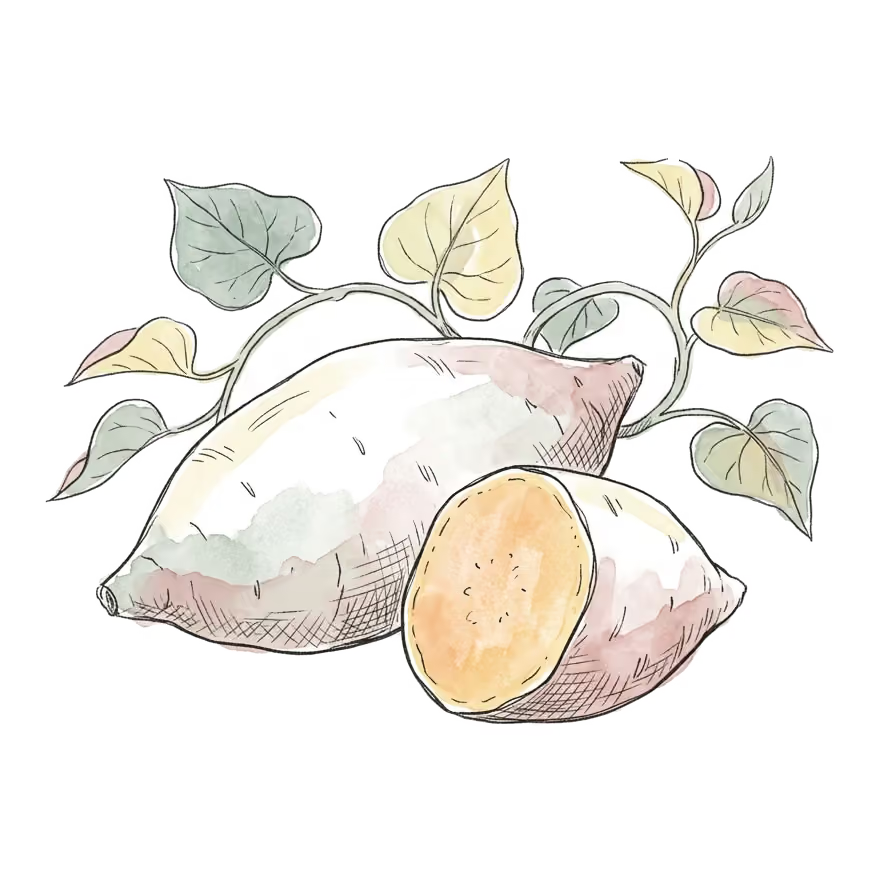
Sweet Potato (Ipomoea batatas)
Ipomoea batatas · also known as kumara, boniato, patata dulce, batata, camote, yam (colloquial), Sweet potatoes
By Superfoods Advisor Editors·July 3, 2026
Are sweet potatoes good for you? Nutrition per 100 g (107% DV vitamin A), glycemic index by cooking method, sweet potatoes vs yams, and safety notes.
Sweet potato (Ipomoea batatas) is a starchy root vegetable in the morning glory family (Convolvulaceae), unrelated to the common potato and distinct from true yams. Sweet potatoes are good for you chiefly as a source of beta-carotene, potassium and fiber: 100 g baked provides 90 kcal, 3.3 g of fiber and 107% of the daily value for vitamin A.
Botanically, sweet potato is unrelated to the common potato (Solanum tuberosum), a member of the nightshade family Solanaceae, and distinct from true yams (Dioscorea spp.). It was domesticated in tropical America several thousand years ago, possibly more than once: genetic data point to separate domestications in Central America and in northwestern South America (Roullier et al., 2013). Sweet potato was a dietary staple of pre-Columbian civilizations throughout South America and Central America, and it was growing in Polynesia, including New Zealand and Hawaii, well before European contact. How it got there is contested. A genetic study of herbarium specimens supported prehistoric transfer from the Peru–Ecuador region to Polynesia, long read as evidence of pre-Columbian contact between Polynesians and South Americans (Roullier et al., 2013). A later phylogenetic analysis argued the plant was present in Polynesia before humans arrived, which would make natural long-distance dispersal sufficient to explain it (Muñoz-Rodríguez et al., 2018).
Spanish and Portuguese explorers introduced sweet potato to Europe, Africa, and Asia in the 16th century, where it was adopted rapidly and is now cultivated on every inhabited continent. Today, China is by far the largest producer, and much of the remaining harvest is grown in sub-Saharan Africa. The crop is valued for food security because of its high caloric yield per hectare, micronutrient density, and adaptability to diverse agroclimatic conditions.
The term “yam” is frequently and incorrectly applied to moist orange-fleshed sweet potato varieties in North America; true yams are a distinct genus (Dioscorea) with a different nutritional profile and are rarely found in North American grocery stores.
Evidence at a glance
Active Compounds
Sweet potato’s bioactive profile is exceptionally broad, particularly in orange-fleshed cultivars:
- Beta-carotene (provitamin A): Orange-fleshed sweet potato is one of the richest plant-based sources of beta-carotene globally. As a fat-soluble compound, beta-carotene is best absorbed with some fat in the meal; as little as 3–5 g appears sufficient (Linus Pauling Institute). Enzymatic cleavage in the intestinal mucosa and liver converts beta-carotene to retinol (vitamin A). Orange-fleshed sweet potato biofortification programs have been deployed in sub-Saharan Africa and parts of Asia to address vitamin A deficiency in at-risk populations.
- Anthocyanins (cyanidin and peonidin glycosides): Concentrated in purple-fleshed sweet potato cultivars (widely consumed in Japan, Okinawa, and Korea). These water-soluble pigments demonstrate potent antioxidant activity in vitro and are under investigation for anti-inflammatory, neuroprotective, and antidiabetic properties in animal and limited human research.
- Chlorogenic acids and caffeic acid derivatives: Major phenolic antioxidants in sweet potato flesh, particularly in purple and orange varieties; studied in laboratory settings for inhibition of LDL oxidation and inflammatory signaling.
- Sporamins: The primary storage proteins of sweet potato, accounting for most of the soluble protein in the root (about 85% by one estimate; Chen et al., 2016); demonstrate antioxidant and trypsin-inhibitory activity in vitro.
- Dietary fiber: Sweet potato provides both soluble and insoluble fiber; soluble fiber (including pectin) can slow gastric emptying, which may contribute to the lower glycemic response of boiled sweet potato.
- Potassium: A significant source; potassium intake is inversely associated with blood pressure and stroke risk in epidemiological literature.
- Vitamin B6 and pantothenic acid: B vitamins supporting coenzyme A synthesis, neurotransmitter production, and energy metabolism.
- Manganese: Sweet potato is among the manganese-rich foods listed by the Linus Pauling Institute; manganese is a cofactor for antioxidant enzymes including manganese superoxide dismutase.
Nutritional Profile
The following values represent sweet potato baked in its skin (flesh only, no added fat or salt) per 100 g edible portion (USDA FoodData Central, SR Legacy). Boiled, peeled sweet potato is lower in most of these nutrients per 100 g (USDA FoodData Central):
| Nutrient | Amount | % DV |
|---|---|---|
| Energy | 90 kcal | — |
| Carbohydrates | 20.7 g | — |
| Dietary fiber | 3.3 g | — |
| Sugars | 6.5 g | — |
| Protein | 2.0 g | — |
| Total fat | 0.1 g | — |
| Vitamin A (as beta-carotene) | 961 mcg RAE | 107% |
| Vitamin C | 19.6 mg | 22% |
| Potassium | 475 mg | 10% |
| Vitamin B6 | 0.29 mg | 17% |
| Manganese | 0.50 mg | 22% |
| Pantothenic acid | 0.88 mg | 18% |
A single medium baked sweet potato (about 114 g of flesh, per the USDA portion weight) provides roughly 1,100 mcg RAE, over 100% of the daily value for vitamin A as provitamin A carotenoids, making it one of the most efficient single-food sources of this nutrient available.
Evidence for Purported Benefits
Vitamin A Status
Evidence:Moderate An RCT in 180 schoolchildren and a large Mozambique program found orange-fleshed sweet potato improved vitamin A status.
Vitamin A deficiency remains a major public health problem in sub-Saharan Africa and South and Southeast Asia, contributing to night blindness, xerophthalmia, immune impairment, and elevated child mortality. Orange-fleshed sweet potato is central to biofortification strategies in these regions. A randomized controlled trial by van Jaarsveld et al. (2005, American Journal of Clinical Nutrition) in 180 South African schoolchildren found that 125 g of boiled, mashed orange-fleshed sweet potato on 53 school days produced a greater improvement in vitamin A liver stores (assessed by the modified-relative-dose-response test) than white-fleshed sweet potato. A later large-scale intervention in rural Mozambique (Hotz et al., 2012, British Journal of Nutrition) found that introducing orange-fleshed sweet potato increased vitamin A intakes among children and women. In nutritionally replete populations, sweet potato remains a valuable source of provitamin A; excess consumption does not produce vitamin A toxicity (hypervitaminosis A) because the conversion of beta-carotene to retinol is downregulated at adequate vitamin A status (Linus Pauling Institute) — a key safety advantage over preformed retinol from animal sources.
Glycemic Management
Evidence:Limited GI depends on cooking method; the one RCT (61 patients) used a white sweet potato extract, not the food.
Glycemic index depends heavily on how sweet potato is cooked. International GI tables list boiled sweet potato at about 63, against about 78 for boiled white potato and 87 for instant mashed potato (Atkinson et al., 2008). In a Jamaican study of ten cultivars, boiled samples had GIs of 41–50, while baked samples reached 82–94, comparable to white potato (Bahado-Singh et al., 2011). Soluble fiber and resistant starch may contribute to the lower response of boiled sweet potato. A randomized trial by Ludvik et al. (2004, Diabetes Care) in 61 diet-treated type 2 diabetic patients found that HbA1c and fasting glucose fell after 12 weeks of Caiapo, an extract of white sweet potato, while they did not change significantly with placebo. However, this study used a concentrated extract rather than whole sweet potato, and direct translation to culinary use requires caution. Preparation method profoundly affects glycemic response: boiling results in a lower GI than baking, which gelatinizes starch and increases glucose availability.
Antioxidant and Anti-inflammatory Activity
Evidence:Preliminary Animal studies plus one small, industry-linked pilot trial (40 adults) of a purple sweet potato drink.
Purple sweet potato anthocyanins have demonstrated anti-inflammatory activity in multiple animal models, reducing NF-kB activation and lowering circulating interleukin-6 and tumor necrosis factor-alpha. Human data are sparse: a small double-blind, placebo-controlled pilot trial by Oki et al. (2017, European Journal of Clinical Nutrition), with authors from the beverage maker Yakult, in 40 healthy Caucasian adults with borderline-elevated liver enzymes found that GGT, AST, and ALT were lower than placebo at some time points during 8 weeks of an anthocyanin-rich purple sweet potato beverage.
Cardiovascular Health
Evidence:Preliminary Potassium trials lower blood pressure; sweet potato itself has not been tested for cardiovascular outcomes.
Sweet potato’s combination of potassium, fiber, vitamin C, and beta-carotene positions it within dietary patterns associated with cardiovascular risk reduction. A 2013 meta-analysis of 22 randomized trials found that increased potassium intake lowered systolic blood pressure by about 3.5 mmHg on average, an effect seen in people with hypertension, with a larger reduction when intake reached 90–120 mmol/day (roughly 3,500–4,700 mg) (Aburto et al., 2013). A medium baked sweet potato provides about 540 mg of potassium (USDA FoodData Central), making it a meaningful contributor toward adequate intake targets. Soluble fiber in general can modestly lower LDL cholesterol by binding bile acids, though trials testing sweet potato itself are lacking.
Typical Use and Preparation
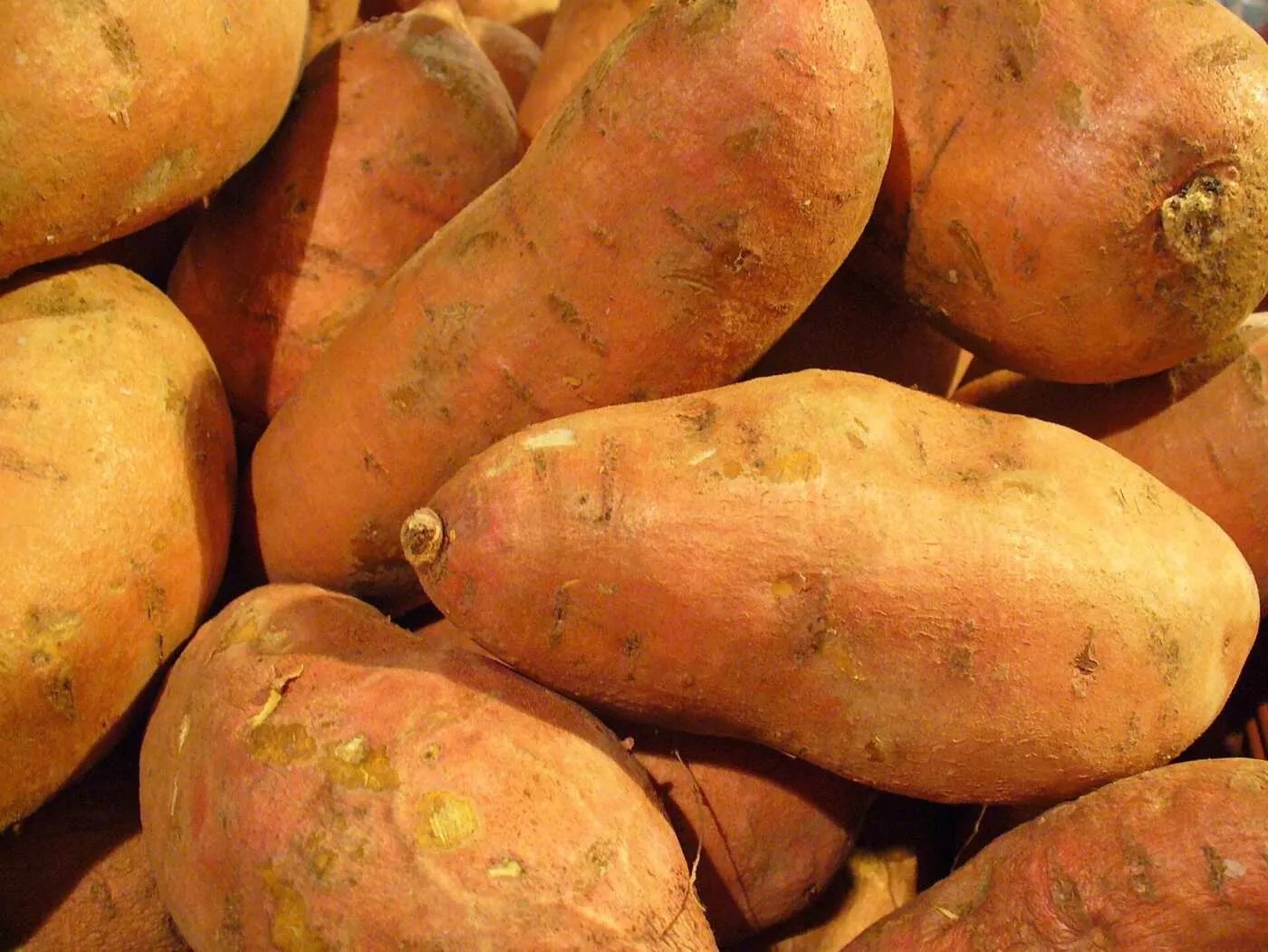 Photo: Llez, CC BY-SA 3.0, via Wikimedia Commons
Sweet potato is exceptionally versatile and tolerates a wide range of cooking methods:
- Baking whole (190–200 degrees C / 375–400 degrees F for 45–60 minutes): Develops sweetness through starch gelatinization and caramelization; increases glycemic index relative to boiling but maximizes flavor complexity.
- Boiling or steaming: Lower GI outcome than baking; retains more moisture. Consuming the cooking water in soups recaptures water-soluble nutrients.
- Mashing: Common preparation; adding a small amount of fat (butter, olive oil, coconut oil) enhances beta-carotene absorption substantially.
- Roasting cubed: With olive oil, which simultaneously caramelizes the exterior and provides lipid for carotenoid absorption — a nutritionally advantageous combination.
- Sweet potato fries: Deep-frying significantly increases caloric density and adds acrylamide risk at high temperatures; air-frying or oven-roasting are lower-risk alternatives.
- Purees: Used in soups, curries, and baked goods; provides natural sweetness that allows reduction in added sugar.
- Eating the skin: The skin is edible and contains additional fiber; wash it thoroughly first.
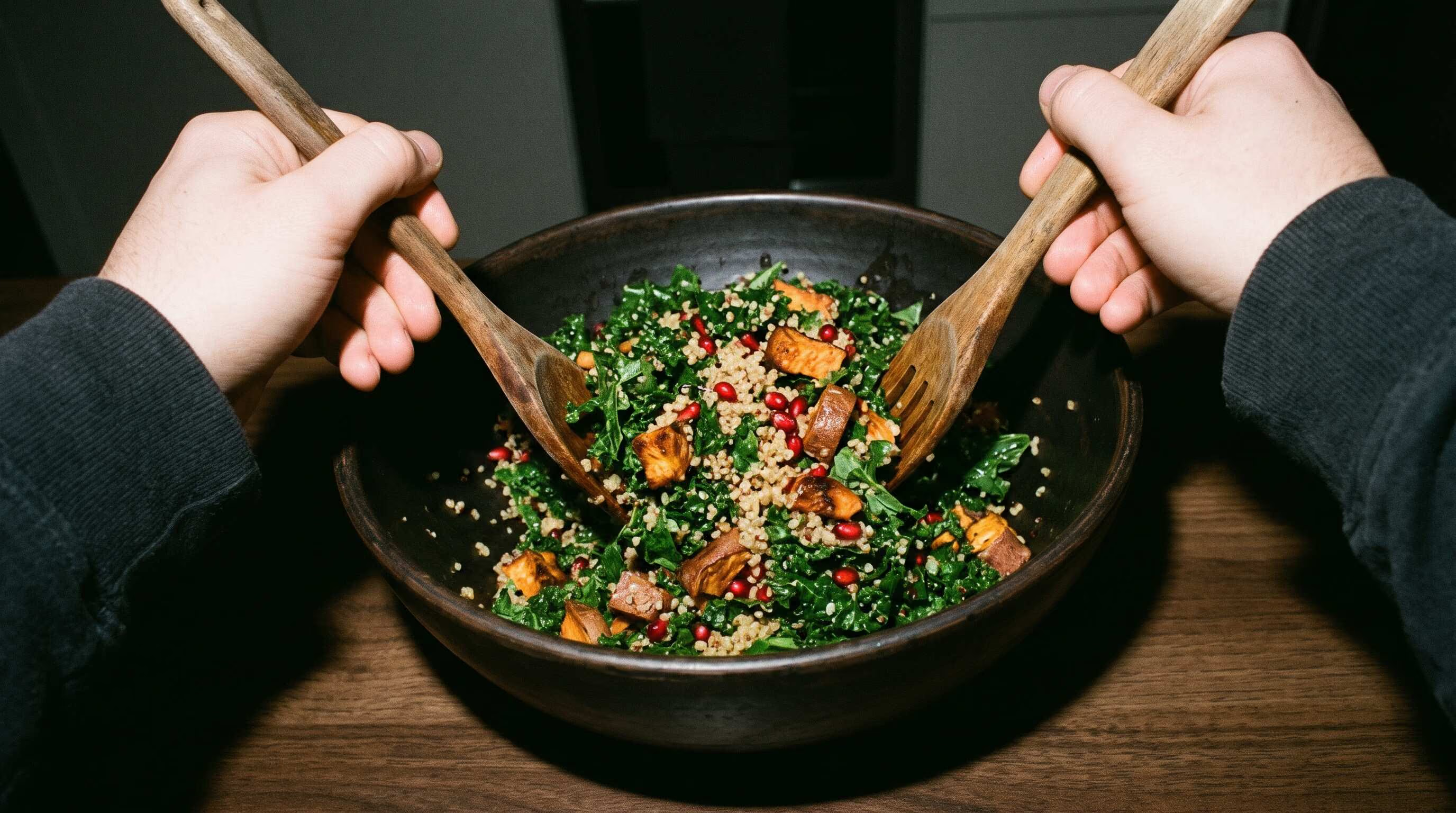
Roasted sweet potato is part of the warm variation of the superfood salad bowl.
Safety, Interactions, and Contraindications
Sweet potato is safe for the general population at typical dietary quantities. Specific considerations:
Carotenodermia: As with carrot and orange winter squash, habitual very high intake of orange-fleshed sweet potato can lead to a yellowing of the skin (primarily palms, soles, and nasolabial folds) due to carotenodermia. The condition is cosmetic and harmless, resolves upon moderating intake, and should be distinguished from jaundice (which involves yellowing of the sclera).
Oxalates: Sweet potato contains oxalic acid (Linus Pauling Institute). Individuals with calcium oxalate kidney stones or those advised by a clinician to follow a low-oxalate diet should discuss sweet potato intake with their healthcare provider. In a study of nine vegetables, boiling cut soluble oxalate by 30–87%, more than steaming, while baking potatoes removed none; the lost oxalate ended up in the cooking water (Chai & Liebman, 2005).
Potassium in kidney disease: Individuals with impaired renal potassium excretion — including those with chronic kidney disease stages 3–5 — may need to limit high-potassium foods, including sweet potato. Consultation with a renal dietitian is essential for this population.
Glycemic impact for diabetes management: While boiled sweet potato has a lower GI than white potato (baked sweet potato does not), it remains a starchy carbohydrate food. Individuals managing diabetes or insulin resistance should account for sweet potato’s carbohydrate content within their overall meal plan and monitor postprandial glucose responses, which vary by preparation method and individual metabolism.
Drug interactions: No drug interactions specific to sweet potato eaten as food were found in the sources reviewed for this entry. Concentrated Caiapo extract lowered blood glucose in a trial, so people taking glucose-lowering medication should talk to their doctor before using it.
This entry is for informational purposes only and does not constitute medical advice. Consult a qualified healthcare provider before making dietary changes for health management.
Frequently Asked Questions
Are sweet potatoes a superfood?
“Superfood” is a marketing term with no legal definition, but orange-fleshed sweet potato has a better human record than most foods given the label. In a trial of 180 South African schoolchildren it improved vitamin A liver stores more than white-fleshed sweet potato, and 100 g baked supplies 107% of the daily value for vitamin A. The honest limit is blood sugar: baked sweet potato tested at a glycemic index of 82–94 in one study, similar to white potato, while boiling keeps it lower.
Are sweet potatoes good for people with diabetes?
Sweet potatoes are a starchy carbohydrate, about 20.7 g per 100 g baked, so portions count in a diabetes meal plan. Cooking method matters: boiled sweet potato has a moderate glycemic index (about 63 in international tables), while baked samples tested as high as 82–94 (Bahado-Singh et al., 2011). The one positive trial used a white sweet potato extract, not the food. People managing diabetes can ask their care team about portions.
Are sweet potatoes and yams the same thing?
No. Sweet potatoes (Ipomoea batatas) belong to the morning glory family, while true yams (Dioscorea spp.) are a separate genus with rough, bark-like skin, starchier flesh and a different nutritional profile. In North American stores, moist orange-fleshed sweet potatoes are often labeled “yams,” but true yams are rarely sold there.
Are sweet potatoes high in potassium?
They are a good source. Baked sweet potato provides about 475 mg of potassium per 100 g, roughly 10% of the daily value, and a medium baked sweet potato about 540 mg (USDA FoodData Central). Higher potassium intake lowered systolic blood pressure in a meta-analysis of trials (Aburto et al., 2013). People with chronic kidney disease may need to limit it.
Are sweet potatoes good for weight loss?
No trial has tested sweet potatoes for weight loss. As a whole food they provide fiber and water with moderate calories, about 90 kcal per 100 g baked, which can make meals filling. Preparation changes the picture: deep-fried sweet potato fries are far more calorie-dense, while baked, boiled or air-fried sweet potato keeps added fat low.
Is sweet potato skin edible?
Yes. The skin is edible and adds extra fiber, so it can be eaten after thorough washing, whether the sweet potato is baked, roasted or boiled. The USDA figures on this page are for the flesh only, baked in its skin, so eating the skin as well adds somewhat more fiber than the table shows.
References
Show all 15 referencesShow fewer
- van Jaarsveld, P. J., et al. (2005). Beta-carotene-rich orange-fleshed sweet potato improves the vitamin A status of primary school children assessed with the modified-relative-dose-response test. American Journal of Clinical Nutrition, 81(5), 1080–1087.
- Hotz, C., et al. (2012). A large-scale intervention to introduce orange sweet potato in rural Mozambique increases vitamin A intakes among children and women. British Journal of Nutrition, 108(1), 163–176.
- Ludvik, B., et al. (2004). Efficacy of Ipomoea batatas (Caiapo) on diabetes control in type 2 diabetic subjects treated with diet. Diabetes Care, 27(2), 436–440.
- Oki, T., et al. (2017). Double-blind, placebo-controlled pilot trial of anthocyanin-rich purple sweet potato beverage on serum hepatic biomarker levels in healthy Caucasians with borderline hepatitis. European Journal of Clinical Nutrition, 71(2), 290–292.
- USDA FoodData Central. Sweet potato, cooked, baked in skin, flesh, without salt (FDC 168483). SR Legacy. See also boiled, without skin (FDC 168484): https://fdc.nal.usda.gov/food-details/168484/nutrients
- Atkinson, F. S., Foster-Powell, K., & Brand-Miller, J. C. (2008). International tables of glycemic index and glycemic load values: 2008. Diabetes Care, 31(12), 2281–2283.
- Bahado-Singh, P. S., et al. (2011). Relationship between processing method and the glycemic indices of ten sweet potato (Ipomoea batatas) cultivars commonly consumed in Jamaica. Journal of Nutrition and Metabolism, 2011, 584832.
- Aburto, N. J., et al. (2013). Effect of increased potassium intake on cardiovascular risk factors and disease: systematic review and meta-analyses. BMJ, 346, f1378.
- Chen, S. P., et al. (2016). Sweet potato NAC transcription factor, IbNAC1, upregulates sporamin gene expression by binding the SWRE motif against mechanical wounding and herbivore attack. Plant Journal.
- Roullier, C., et al. (2013). Historical collections reveal patterns of diffusion of sweet potato in Oceania obscured by modern plant movements and recombination. Proceedings of the National Academy of Sciences, 110(6).
- Muñoz-Rodríguez, P., et al. (2018). Reconciling conflicting phylogenies in the origin of sweet potato and dispersal to Polynesia. Current Biology.
- Chai, W., & Liebman, M. (2005). Effect of different cooking methods on vegetable oxalate content. Journal of Agricultural and Food Chemistry.
- Roullier, C., et al. (2013). Disentangling the origins of cultivated sweet potato (Ipomoea batatas (L.) Lam.). PLoS One, 8(5), e62707.
- Linus Pauling Institute, Micronutrient Information Center. Carotenoids.
- Linus Pauling Institute, Micronutrient Information Center. Manganese.
Related content
More in Vegetables
- Artichoke (Cynara cardunculus var. scolymus)
Artichokes benefits explained: prebiotic inulin, cynarin, nutrition per 100 g, and what leaf-extract trials show for cholesterol, digestion and the liver.
- Asparagus (Asparagus officinalis)
Is asparagus good for you? Nutrition per 100 g, including 37% DV folate and 42% vitamin K, its prebiotic fiber, what studies show, and safety notes.
- Beets / Beetroot (Beta vulgaris)
Beet juice benefits explained: how beetroot nitrates lowered systolic blood pressure and aided endurance in trials, beets nutrition per 100 g, and safety.
- Broccoli (Brassica oleracea var. italica)
Is broccoli good for you? Broccoli nutrition per 100 g, including 118% DV vitamin K, how sulforaphane forms, what human studies show, and safety notes.
- Brussels Sprouts (Brassica oleracea var. gemmifera)
Brussels sprouts benefits and nutrition per 100 g (148% DV vitamin K, 94% vitamin C), their glucosinolates, what studies show, gas, and warfarin safety.
- Cabbage (Brassica oleracea var. capitata)
Is cabbage good for you? Cabbage nutrition per 100 g (63% DV vitamin K, 41% vitamin C), red vs green, sauerkraut, what studies show, and thyroid safety.

Curated by Superfoods Advisor Editors·Last updated