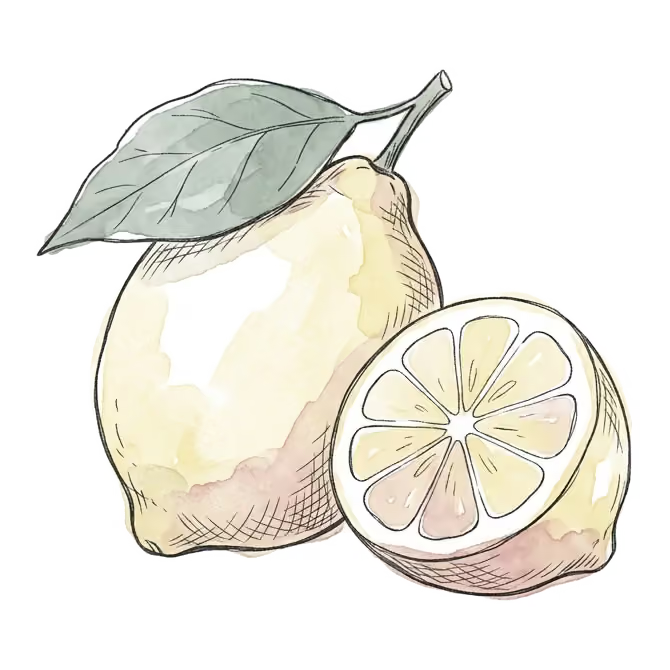
Lemon (Citrus limon)
Citrus limon · also known as common lemon, Eureka lemon, Lisbon lemon, limon
By Superfoods Advisor Editors·July 3, 2026
Is lemon water good for you? It adds vitamin C and citrate and helps iron absorption, but detox and fat-loss claims lack support. Nutrition and risks.
Lemon water is a low-calorie way to get more fluid and some vitamin C, but it does not detoxify the body. Lemon (Citrus limon) juice provides about 39 mg of vitamin C per 100 g plus plenty of citric acid. Vitamin C helps the body absorb iron from plant foods.
The lemon tree probably originated in South Asia, likely northeastern India or the Himalayan foothills, as a hybrid of sour orange and citron. The earliest Mediterranean lemon remains come from the Forum Romanum in Rome, around the turn of the first century BC/AD (Langgut, 2017), and wider cultivation in Sicily and Spain followed in the medieval Islamic period.
James Lind’s 1747 experiment, often cited as one of the first clinical trials, found that sailors with scurvy given oranges and lemons recovered (Dresen et al., 2023). Vitamin C was isolated in 1928. Research now also covers limonene in the peel and the citric acid behind lemon’s proposed role in kidney stone prevention.
Evidence at a glance
Active Compounds
- Vitamin C (ascorbic acid) — About 53 mg per 100 g of raw peeled flesh (USDA FoodData Central) and about 39 mg per 100 g of raw juice (USDA FoodData Central); the flesh figure is comparable to orange (53 mg per 100 g, USDA FoodData Central). The adult RDA is 75 mg per day for women and 90 mg for men, with a tolerable upper intake level of 2,000 mg (Linus Pauling Institute). Vitamin C is a required cofactor for prolyl hydroxylase (collagen synthesis), dopamine beta-hydroxylase (norepinephrine biosynthesis), and functions as a key water-soluble antioxidant in plasma and cellular aqueous compartments.
- Limonene — A monocyclic monoterpene hydrocarbon and the main constituent of lemon peel essential oil; one recent GC-MS analysis measured it at 60.7% of the oil (Kačániová et al., 2024). Limonene is produced in the flavedo (outer peel), and is responsible for the characteristic citrus aroma. It has shown chemopreventive activity against several cancers in rodent models (Crowell, 1999) and antiproliferative effects on certain cancer cell lines in vitro; these findings have not been established in humans. Limonene reaches humans primarily through lemon peel zest, peel essential oil, and cold-pressed lemon oil; juice contains much lower concentrations.
- Citric acid — Lemon juice contains about 1.44 g of citric acid per fluid ounce (roughly 48 g per liter), more than orange or grapefruit juice and similar to lime juice (Penniston et al., 2008). Citric acid inhibits calcium oxalate crystal formation in urine by chelating free calcium ions and raising urinary citrate concentrations, mechanistically supporting its use in kidney stone prevention.
- Eriocitrin and hesperidin — Flavanone glycosides predominant in lemon peel and juice. Eriocitrin (eriodictyol-7-O-rutinoside) is a characteristic lemon flavanone with antioxidant activity in laboratory and animal studies (Yao et al., 2022). Hesperidin is present at lower concentrations than in orange.
- Diosmin — A flavone glycoside found in lemon peel; a pharmaceutical form (micronized purified flavonoid fraction, 90% diosmin) is used clinically for chronic venous insufficiency and hemorrhoids in Europe (Lyseng-Williamson & Perry, 2003), though dietary quantities from lemon are far below pharmaceutical doses.
- Limonoids (limonin, nomilin) — Triterpenoid compounds concentrated in citrus seeds and peel; purified citrus limonoids reduced the viability of human cancer cell lines in vitro (Poulose et al., 2006).
- Pectin — Soluble dietary fiber concentrated in the albedo (white pith); lemon pectin is used commercially as a gelling agent. In a meta-analysis of controlled trials, soluble fibers including pectin produced small reductions in LDL cholesterol (Brown et al., 1999).
- Potassium — 138 mg per 100 g of raw peeled flesh (USDA FoodData Central); modest but relevant contribution to electrolyte balance.
- Folate — 11 µg per 100 g of raw peeled flesh (USDA FoodData Central), about a third of the 30 µg in orange (USDA FoodData Central).
Nutritional Profile
Per 100 g of raw lemon flesh without peel (USDA FoodData Central, SR Legacy):
| Nutrient | Amount | % DV |
|---|---|---|
| Energy | 29 kcal | — |
| Total fat | 0.3 g | — |
| Carbohydrate | 9.3 g | — |
| — Dietary fiber | 2.8 g | — |
| — Sugars | 2.5 g | — |
| Protein | 1.1 g | — |
| Vitamin C | 53.0 mg | — |
| Potassium | 138 mg | — |
| Folate | 11 µg | — |
| Calcium | 26 mg | — |
| Magnesium | 8 mg | — |
Lemon juice is nearly always diluted for consumption due to its high acidity. Its low sugar content (2.5 g per 100 g flesh) results in a very low glycemic load despite its carbohydrate content.
Evidence for Purported Benefits
Iron Absorption Enhancement
Evidence:Moderate Vitamin C reliably raises non-heme iron absorption in human radioiron studies; lemon juice is a source, not itself trialled.
Ascorbic acid from lemon juice enhances the absorption of non-heme iron (the primary dietary iron form in plant foods) through two complementary mechanisms: (1) reducing ferric iron (Fe³⁺) to the more soluble and absorbable ferrous form (Fe²⁺) in the acidic gastric environment, and (2) forming soluble ascorbate-iron chelates that remain soluble at intestinal pH, preventing iron precipitation as insoluble hydroxides. In radioiron absorption tests in 63 men, Cook and Monsen (1977, American Journal of Clinical Nutrition) found that the increase in iron absorption from a semisynthetic meal was directly proportional to the amount of ascorbic acid added: absorption rose about 1.65-fold with 25 mg and about 9.6-fold with 1,000 mg, with a smaller relative effect when the meal contained meat. Hallberg et al. (1989, American Journal of Clinical Nutrition) showed that phytate, the main iron inhibitor in grains and legumes, reduces iron absorption in a dose-dependent way and that added ascorbic acid significantly counteracted this inhibition. For scale, 25 mg of vitamin C corresponds to roughly 65 mL of fresh lemon juice, at about 39 mg per 100 g (USDA FoodData Central). This interaction is of particular relevance for individuals following plant-based diets who rely on non-heme iron sources.
Kidney Stone Prevention
Evidence:Limited Small, short-term and retrospective studies; results conflict, and the largest RCT (n=203) missed its primary endpoint.
Urinary citrate is the primary endogenous inhibitor of calcium oxalate and calcium phosphate stone formation, as it chelates urinary calcium and prevents its incorporation into crystal nuclei. Lemon juice consumption has raised urinary citrate excretion in some small studies, providing a plausible preventive mechanism. In an uncontrolled study by Seltzer et al. (1996, Journal of Urology), 12 hypocitraturic calcium stone formers drank lemonade made from 4 oz (about 120 mL) of reconstituted lemon juice (5.9 g citric acid) in 2 L of water daily; after 6 days, average urinary citrate rose from 142 to 346 mg/day and 7 of 12 patients reached normal citrate levels. A retrospective study by Kang et al. (2007, Journal of Urology) followed 11 hypocitraturic patients on lemonade therapy for a mean of 44 months: urinary citrate rose in 10 of 11, and stone formation fell from 1.00 to 0.13 stones per patient per year, although that change was not statistically significant. Not all data are favorable: in a randomized crossover study under controlled metabolic conditions, Odvina (2006, Clinical Journal of the American Society of Nephrology, n = 13) found that orange juice raised urinary pH and citrate compared with water, whereas lemonade with comparable citrate content did not. The largest trial to date, a randomized open-label study by Ruggenenti et al. (2022, EClinicalMedicine), added fresh lemon juice (60 mL twice daily) to a standard diet in 203 patients with recurrent calcium oxalate stones. Over two years, stones recurred in 21 of 100 patients given lemon juice and 32 of 103 controls, a difference that was not statistically significant (HR 0.62, 95% CI 0.35–1.07). An exploratory analysis at one year did find fewer recurrences with lemon juice (HR 0.43), but adherence fell from 68% at one year to 48% at two years, and gastrointestinal complaints were more frequent in the lemon juice group. Lemon juice also delivers less alkali than potassium citrate tablets, and the evidence base for pharmacological potassium citrate is substantially larger. Limited, mixed evidence supports lemon juice as a complementary dietary measure, not a replacement for established pharmacological therapy.
Vitamin C and Immune Function
Evidence:Moderate A Cochrane meta-analysis of vitamin C supplements found shorter colds; lemon-specific trials are absent.
Lemon provides about 53 mg vitamin C per 100 g of flesh and about 39 mg per 100 g of juice (USDA FoodData Central), making it an efficient dietary source relative to its energy content. Evidence for vitamin C’s role in immune function includes: support of barrier function of skin and mucous membranes, stimulation of neutrophil and lymphocyte proliferation, and direct scavenging of reactive oxygen species produced during respiratory burst. Hemilä and Chalker (2013, Cochrane Database of Systematic Reviews) (meta-analysis of 29 RCTs, n > 11,000) found that regular vitamin C supplementation (≥200 mg/day) did not reduce the incidence of the common cold in the general population, but shortened cold duration by 8% in adults and 14% in children, and roughly halved cold incidence in people exposed to brief periods of heavy physical stress such as marathon runners and soldiers on subarctic exercises. Whether whole lemon juice provides equivalent immune benefit to isolated ascorbic acid at equivalent doses has not been specifically studied.
Antimicrobial Activity
Evidence:Lab & animal only Laboratory studies against Vibrio cholerae; no clinical trials.
Lemon juice’s low pH and organic acid content (citric, malic, ascorbic acids) create a hostile environment for many bacterial pathogens. In a laboratory study, de Castillo et al. (2000, Biological and Pharmaceutical Bulletin) found that freshly squeezed lemon juice diluted 1:100 completely inhibited Vibrio cholerae at 10⁸ CFU/mL within five minutes, and that concentrated lemon juice and lemon essential oils inhibited it at every dilution tested; fresh and dried peel were only partially inhibitory. Acidification is thought to be the main factor, though the activity of the essential oils suggests other constituents contribute. Whether such antimicrobial activity translates to meaningful protection in normal cooking practices has not been systematically studied in clinical trials.
Weight Management (Lemon Detox/Alkaline Diet Claims)
Evidence:Insufficient Detox and alkalizing claims contradict basic physiology; no supporting human data.
Numerous popular diet regimens claim that lemon water “detoxifies” the liver, “alkalizes” the body, or promotes fat loss. These claims lack mechanistic or clinical support: the body maintains strict blood pH homeostasis through respiratory and renal buffering, and dietary acids or bases cannot meaningfully alter systemic pH in healthy individuals. Lemon water’s potential contribution to weight management is limited to its calorie-negligible status making it a preferable substitute for caloric beverages, not any intrinsic metabolic property.
Typical Use and Preparation
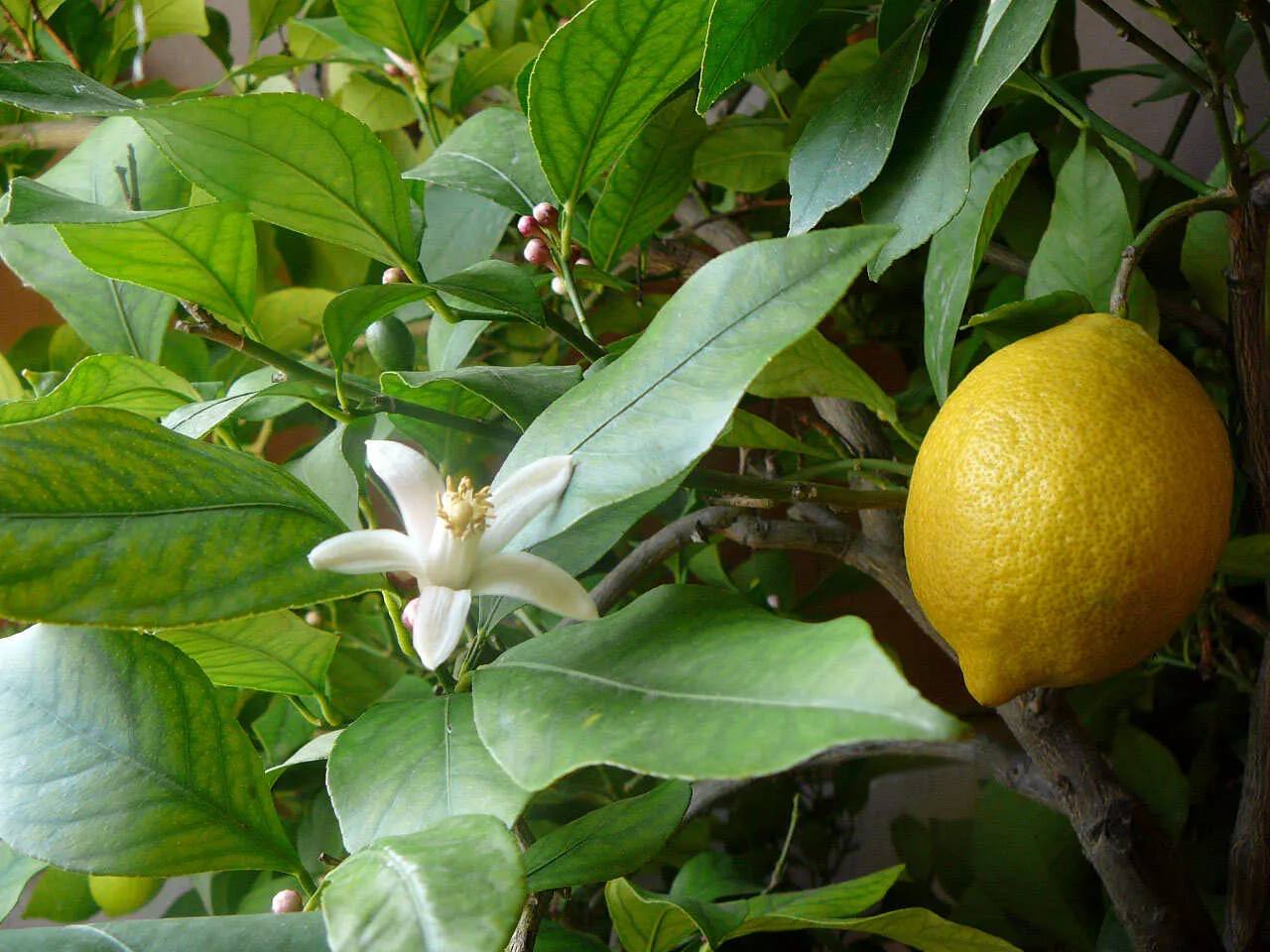 Photo: Elena Chochkova, CC BY-SA 4.0, via Wikimedia Commons
Lemon juice is primarily used as a culinary acid: in dressings, marinades, sauces, beverages, and baked goods. The juice is rarely consumed neat but is widely used diluted in water (“lemon water”), as lemonade (with sugar), or in cocktails. Approximately 30 mL of fresh-squeezed lemon juice (roughly the juice of one medium lemon) delivers about 12 mg vitamin C (USDA FoodData Central) and about 1.4 g citric acid (Penniston et al., 2008).
Lemon zest (grated peel) delivers concentrated limonene, eriocitrin, and lemon essential oil. It is incorporated into baked goods, pasta, salad dressings, and desserts. Cold-pressed lemon peel oil is used in food flavoring, aromatherapy, and as a starting material for d-limonene synthesis. The peel should be washed before zesting; commercial non-organic lemons are commonly treated with post-harvest fungicides (thiabendazole, imazalil) that concentrate on the outer surface.
Preserved lemons (salt-cured whole lemons used in North African and Middle Eastern cuisines) retain lemon flavor compounds while reducing acidity; their vitamin C content is likely reduced during the long cure.
Lemon juice is the acid in the lemon-olive oil dressing used in the superfood salad bowl. The plant-based protein guide covers why pairing vitamin C sources with beans and other plant iron matters. For the closely related citrus, see limes, and for the citrus fruit with the strongest drug interactions, grapefruit.
Safety, Interactions, and Contraindications
Lemon is safe at typical dietary consumption for the majority of the population. Specific considerations include:
Dental enamel erosion: Lemon juice is strongly acidic, well below the critical pH of approximately 5.5 at which hydroxyapatite enamel begins to demineralize. Regular direct contact of undiluted lemon juice with teeth or brushing immediately after lemon consumption can cause erosive tooth wear over time. Diluting lemon juice in water, drinking through a straw, and waiting before toothbrushing are commonly advised.
Gastroesophageal reflux (GERD): The high acidity of lemon juice may exacerbate symptoms in individuals with GERD or erosive esophagitis. Those with established acid reflux should assess their individual tolerance.
Photosensitivity: Lemon contains furanocoumarins, including bergapten and bergamottin; one HPLC analysis measured more bergamottin in lemon peel than in white grapefruit peel (Masuda et al., 2018). Skin contact with lemon juice followed by sun exposure can cause phytophotodermatitis, a delayed inflammatory reaction that can leave hyperpigmentation (Zhu et al., 2024). This is primarily a topical concern rather than a dietary one.
Drug interactions: Grapefruit juice inhibits the drug-metabolizing enzyme CYP3A4 mainly through furanocoumarins such as bergamottin. Lemon peel contains bergamottin, and juice of the closely related lime contains more of it than grapefruit juice (Masuda et al., 2018). Whether lemon juice at culinary amounts affects CYP3A4-metabolized drugs in people has not been established in clinical studies. Patients taking CYP3A4-sensitive medications who use large amounts of lemon juice or peel should check with their pharmacist.
Vitamin C and iron overload: Because vitamin C increases non-heme iron absorption, the NHS advises people with hereditary hemochromatosis to avoid vitamin C supplements (NHS); the same caution may apply to other iron overload conditions. These individuals should consult a physician regarding dietary iron and vitamin C management.
Kidney stones — oxalate type: Although citric acid from lemon juice may inhibit calcium oxalate stone formation, lemon juice also contains a small amount of oxalate. People following an oxalate-restricted diet should confirm portions with their clinician or dietitian.
Frequently Asked Questions
Is lemon water good for you?
For most people it is a reasonable everyday drink. It adds a small amount of vitamin C, about 12 mg per 30 mL of juice, and citrate, with negligible calories, so it can replace sugary drinks. Claims that it detoxifies the liver, alkalizes the body or burns fat have no clinical support. The main downsides are tooth enamel erosion and, for some people, reflux.
Is it OK to drink lemon water every day?
For most healthy adults, daily lemon water in normal amounts is considered safe. Because lemon juice is strongly acidic, frequent contact can wear tooth enamel over time; diluting it well, drinking through a straw and waiting before brushing are commonly advised. People with acid reflux or erosive esophagitis should judge their own tolerance, and people with hemochromatosis should ask a clinician about vitamin C.
Does lemon water help you lose weight?
Not through any special property. Lemon water is nearly calorie-free, so drinking it in place of soda, juice or sweetened coffee lowers total energy intake, and that substitution is its only plausible contribution to weight management. Claims that lemon “detoxifies” or speeds fat loss lack clinical evidence, and dietary acids cannot meaningfully change blood pH in healthy people.
Does lemon water help prevent kidney stones?
Limited and mixed evidence suggests it may help some people. Lemonade therapy raised urinary citrate, a natural stone inhibitor, in small studies. In the largest trial, 203 people with recurrent calcium oxalate stones, adding 60 mL of fresh lemon juice twice daily did not significantly reduce recurrence over two years. Lemon juice does not replace prescribed potassium citrate; a urologist can advise.
What are the benefits of lemon zest?
Lemon zest, the grated outer peel, concentrates limonene, the main compound in lemon peel oil, along with flavanones such as eriocitrin. Limonene has shown anticancer activity in rodent and cell studies, but this has not been established in humans. In practice zest is a flavoring. Wash lemons before zesting, since non-organic fruit is often treated with post-harvest fungicides.
What is the difference between lemons and limes?
Both are acidic citrus fruits with similar citric acid levels in their juice, about 48 g per liter for lemon. Lemons (Citrus limon) are larger and yellow, and their flesh provides about 53 mg of vitamin C per 100 g. Limes are smaller and green, and lime juice contains more bergamottin, the furanocoumarin behind grapefruit’s drug interactions, than grapefruit juice.
References
Show all 20 referencesShow fewer
- Cook, J. D., & Monsen, E. R. (1977). Vitamin C, the common cold, and iron absorption. American Journal of Clinical Nutrition, 30(2), 235–241.
- Seltzer, M. A., Low, R. K., McDonald, M., Shami, G. S., & Stoller, M. L. (1996). Dietary manipulation with lemonade to treat hypocitraturic calcium nephrolithiasis. Journal of Urology, 156(3), 907–909.
- Odvina, C. V. (2006). Comparative value of orange juice versus lemonade in reducing stone-forming risk. Clinical Journal of the American Society of Nephrology, 1(6), 1269–1274.
- Hemilä, H., & Chalker, E. (2013). Vitamin C for preventing and treating the common cold. Cochrane Database of Systematic Reviews, 2013(1), CD000980.
- de Castillo, M. C., de Allori, C. G., de Gutierrez, R. C., et al. (2000). Bactericidal activity of lemon juice and lemon derivatives against Vibrio cholerae. Biological and Pharmaceutical Bulletin, 23(10), 1235–1238.
- Hallberg, L., Brune, M., & Rossander, L. (1989). Iron absorption in man: ascorbic acid and dose-dependent inhibition by phytate. American Journal of Clinical Nutrition, 49(1), 140–144.
- Poulose, S. M., Harris, E. D., & Patil, B. S. (2006). Antiproliferative effects of citrus limonoids against human neuroblastoma and colonic adenocarcinoma cells. Nutrition and Cancer, 56(1), 103–112.
- Kang, D. E., Sur, R. L., Haleblian, G. E., et al. (2007). Long-term lemonade based dietary manipulation in patients with hypocitraturic nephrolithiasis. Journal of Urology, 177(4), 1358–1362.
- Penniston, K. L., Nakada, S. Y., Holmes, R. P., & Assimos, D. G. (2008). Quantitative assessment of citric acid in lemon juice, lime juice, and commercially-available fruit juice products. Journal of Endourology, 22(3), 567–570.
- Kačániová, M., et al. (2024). Citrus limon essential oil: chemical composition and selected biological properties focusing on the antimicrobial (in vitro, in situ), antibiofilm, insecticidal activity and preservative effect against Salmonella enterica inoculated in carrot. Plants (Basel), 13(4), 524.
- Ruggenenti, P., Caruso, M. R., Cortinovis, M., et al. (2022). Fresh lemon juice supplementation for the prevention of recurrent stones in calcium oxalate nephrolithiasis: A pragmatic, prospective, randomised, open, blinded endpoint (PROBE) trial. EClinicalMedicine, 43, 101227.
- Langgut, D. (2017). The Citrus Route Revealed: From Southeast Asia into the Mediterranean. HortScience, 52(6), 814–822.
- Dresen, E., Lee, Z. Y., Hill, A., et al. (2023). History of scurvy and use of vitamin C in critical illness: A narrative review. Nutrition in Clinical Practice, 38(1), 46–54.
- Crowell, P. L. (1999). Prevention and therapy of cancer by dietary monoterpenes. Journal of Nutrition, 129(3), 775S–778S.
- Yao, L., et al. (2022). Eriocitrin: A review of pharmacological effects. Biomedicine & Pharmacotherapy, 154, 113563.
- Lyseng-Williamson, K. A., & Perry, C. M. (2003). Micronised purified flavonoid fraction: a review of its use in chronic venous insufficiency, venous ulcers and haemorrhoids. Drugs, 63(1), 71–100.
- Brown, L., Rosner, B., Willett, W. W., & Sacks, F. M. (1999). Cholesterol-lowering effects of dietary fiber: a meta-analysis. American Journal of Clinical Nutrition, 69(1), 30–42.
- Masuda, M., Watanabe, S., Tanaka, M., Tanaka, A., & Araki, H. (2018). Screening of furanocoumarin derivatives as cytochrome P450 3A4 inhibitors in citrus. Journal of Clinical Pharmacy and Therapeutics, 43(1), 15–20.
- Zhu, C. S., Trickett, J., O’Brien, J., & Cruz, P. D. Jr. (2024). When handed lemons, beware of squeezing them. Contact Dermatitis, 90(3), 327–328.
- NHS. Haemochromatosis: treatment.
Related content

More in Fruits
- Apple (Malus domestica)
Are apples good for you? Apples supply pectin fiber and quercetin, and large cohort studies link regular intake to lower heart disease and diabetes risk.
- Avocado (Persea americana)
Is avocado good for you? Avocado is high in monounsaturated fat, fiber and potassium, and small trials link a daily avocado to lower LDL cholesterol.
- Banana (Musa acuminata)
Are bananas good for you? Bananas supply potassium, vitamin B6 and fiber, and green bananas add resistant starch. The evidence, and who should limit them.
- Cherry (Prunus avium / Prunus cerasus)
Tart cherry juice benefits, weighed: small trials suggest faster muscle recovery and longer sleep, and gout data are early. Sweet vs tart cherry nutrition.
- Grapefruit (Citrus × paradisi)
Is grapefruit good for you? It is low in calories and rich in vitamin C, but it interacts with statins and 85+ other drugs. Benefits, nutrition and risks.
- Grapes (Vitis vinifera)
Are grapes good for you? Grapes supply skin polyphenols and vitamin K but little fiber and plenty of sugar. What the vascular and resveratrol data show.

Curated by Superfoods Advisor Editors·Last updated