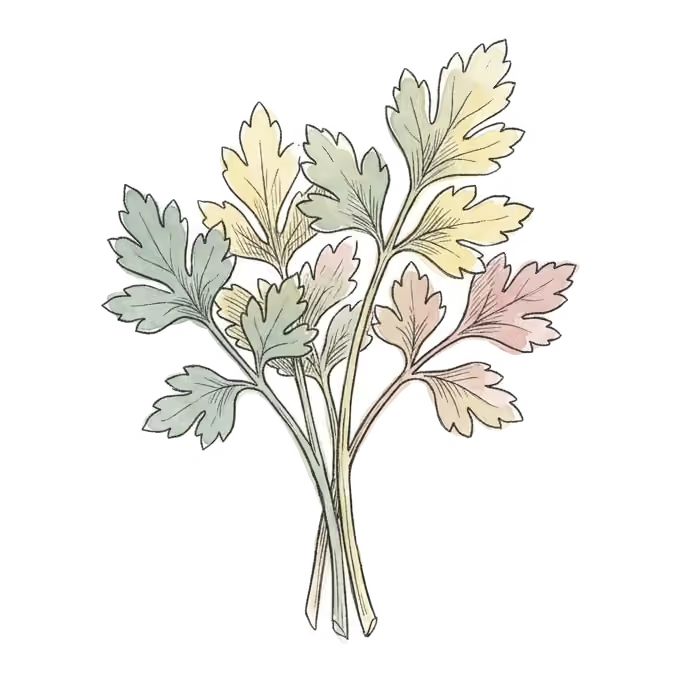
Parsley (Petroselinum crispum)
Petroselinum crispum · also known as parsley, curly parsley, flat-leaf parsley, Italian parsley, Hamburg parsley, garden parsley
By Superfoods Advisor Editors·July 3, 2026
Parsley benefits: vitamin K, vitamin C, iron and apigenin per 100 g, what studies show, how much is safe to eat daily, and the warfarin caution.
Parsley (Petroselinum crispum) is a leafy herb in the carrot family whose clearest benefit is nutritional. Per USDA data, 100 g of fresh parsley holds about 1,640 µg of vitamin K, 133 mg of vitamin C and 6.2 mg of iron. Its flavonoid apigenin has been studied mostly in cells and animals, and no human trial shows a disease benefit from eating parsley.
The plant is a biennial in the Apiaceae family, cultivated in two principal forms: the curly-leaved type (var. crispum), familiar in Western European garnishing traditions, and the flat-leaved or Italian type (var. neapolitanum), which chefs generally prefer for its more robust flavor. A third type, Hamburg or turnip-rooted parsley (var. tuberosum), is cultivated for its fleshy taproot, consumed as a vegetable in central and eastern European cooking. Parsley is native to the central and eastern Mediterranean and has been cultivated since antiquity; ancient Greek sources describe a plant called selinon used in funeral rites and victors’ crowns, though the name may also have referred to wild celery.
Beyond its vitamin K, one of the highest concentrations among culinary herbs, parsley stands out for a volatile oil whose notable constituent, myristicin, it shares with nutmeg. Its flavonoid apigenin has attracted substantial preclinical oncology research interest, though the gap between in vitro evidence and clinical validation remains wide. When consumed in customary culinary quantities (5–20 g per serving), parsley contributes meaningfully to daily vitamin K and provides useful amounts of vitamin C and folate. Concentrated forms — juiced parsley, parsley tea, or supplements — create different risk profiles due to higher myristicin and furocoumarin exposure.
Evidence at a glance
Active Compounds
Apigenin (4’,5,7-trihydroxyflavone) is the primary flavone in parsley, present mainly as the glycoside apiin (apigenin-7-O-apiosylglucoside). Parsley is among the richest dietary sources of apigenin: the USDA Flavonoid Database, Release 3.3 lists an average of about 215 mg/100 g in fresh parsley (individual samples ranged widely, up to 630 mg) and about 4,500 mg/100 g in dried parsley. In cell and animal studies, apigenin modulates multiple signaling pathways relevant to cancer biology, including cell cycle kinases, caspase-mediated apoptosis, and NF-κB and Akt signaling (Shukla & Gupta, 2010). In mouse macrophages it suppressed COX-2 expression by blocking NF-κB activation (Liang et al., 1999).
Luteolin and quercetin are additional flavonoids in parsley contributing to its antioxidant profile. Luteolin co-occurs with apigenin in many plant matrices and shares many of apigenin’s mechanistic pathways.
Myristicin (3-methoxy-4,5-methylenedioxyphenyl-2-propene) is a phenylpropanoid volatile oil compound found in both parsley and in high concentrations in nutmeg (Myristica fragrans). Large doses of nutmeg can cause hallucinations, agitation, and tachycardia, effects usually attributed to myristicin (Carstairs & Cantrell, 2011). Metabolic conversion of myristicin to the amphetamine derivative MMDA has been proposed, but no amphetamine derivatives were detected in the urine of a nutmeg abuser or of dosed rats (Beyer et al., 2006). Myristicin is often a major constituent of parsley essential oil: oils tested in studies summarized by Seneme et al. (2021, Molecules) contained roughly 14% to 42% myristicin. The essential oil, however, makes up only a small fraction of the fresh herb, so typical culinary parsley consumption does not provide toxicologically relevant doses. However, concentrated parsley essential oil and very large parsley seed preparations deliver higher myristicin loads that warrant caution.
Furocoumarins (including bergapten) are photosensitizing compounds present in parsley. In a survey of 29 U.S. foods, fresh parsley was among the foods with the highest total furocoumarin concentration, alongside grapefruit and limes (Melough et al., 2017). Like others in the Apiaceae family, parsley can cause phototoxic dermatitis on skin contact followed by UV exposure, and very large intakes may contribute to photosensitization.
Vitamin K1 (phylloquinone): Parsley is extraordinarily rich in vitamin K1, with fresh parsley containing approximately 1,640 µg/100 g (USDA FoodData Central) — over 13 times the daily adequate intake (AI) of 120 µg for adult men (Linus Pauling Institute). Even a 15 g garnish serving provides roughly 245 µg, exceeding the daily AI. This places parsley among the most concentrated vitamin K sources in common foods, which matters for patients on vitamin K antagonist anticoagulants.
Non-heme iron: Parsley contains approximately 6.2 mg iron per 100 g fresh weight (USDA FoodData Central) — a little over twice the iron density of raw spinach (2.7 mg/100 g, USDA FoodData Central) on a per-weight basis, though spinach is typically consumed in larger quantities. As with all plant-source iron, it is non-heme iron, which is less well absorbed than heme iron; overall iron bioavailability has been estimated at 5–12% for vegetarian diets versus 14–18% for mixed diets (Hurrell & Egli, 2010). Vitamin C co-present in parsley may partially enhance non-heme iron absorption.
Nutritional Profile
Per 100 g fresh parsley (USDA FoodData Central; %DV against FDA Daily Values):
| Component | Amount |
|---|---|
| Calories | 36 kcal |
| Water | 87.7 g |
| Protein | 3.0 g |
| Total fat | 0.8 g |
| Carbohydrate | 6.3 g |
| Dietary fiber | 3.3 g |
| Vitamin K | 1,640 µg (>1,300% DV) |
| Vitamin C | 133 mg (148% DV) |
| Vitamin A (as β-carotene) | 421 µg RAE (47% DV) |
| Folate | 152 µg (38% DV) |
| Iron | 6.2 mg (34% DV non-heme) |
| Calcium | 138 mg (11% DV) |
| Potassium | 554 mg (12% DV) |
| Apigenin | ~215 mg (fresh weight; USDA Flavonoid Database, Release 3.3) |
Evidence for Purported Benefits
Cancer Biology (Apigenin)
Evidence:Lab & animal only Extensive cell and animal work on apigenin; eating parsley yields plasma levels far below those used in the lab.
Apigenin has been studied in a large body of preclinical work examining its antiproliferative and proapoptotic effects across cancer cell lines including breast, cervical, colon, thyroid, leukemia, and prostate models. Key mechanisms include G2/M cell cycle arrest through CDK1 inhibition, mitochondrial pathway apoptosis induction, and PI3K/Akt pathway suppression. A 2010 review by Shukla and Gupta (Pharmaceutical Research) summarized the evidence across models, noting consistent antiproliferative effects in cell and animal models while acknowledging that human clinical trials had not been conducted. Plasma concentrations reached after eating parsley are far below the micromolar concentrations typically used in cell culture: in a small human study, a large single dose of parsley (2 g per kg body weight) produced an average peak plasma apigenin level of about 0.13 µM (Meyer et al., 2006).
No adequately powered randomized clinical trial has demonstrated that parsley consumption or isolated apigenin supplementation reduces cancer incidence, tumor growth, or cancer mortality in humans. Epidemiologic studies cited in the Shukla and Gupta review associated flavone-rich diets with lower risk of certain cancers, but isolating apigenin’s contribution from a complex dietary pattern is methodologically challenging. These findings are scientifically interesting but should not be interpreted as evidence that parsley prevents or treats cancer.
Diuretic Effect
Evidence:Insufficient Traditional use and one rat study; human data are limited.
Parsley has been used as a diuretic in traditional medicine across European and Middle Eastern herbal traditions, including for urinary complaints and high blood pressure. An animal study by Kreydiyyeh and Usta (2002, Journal of Ethnopharmacology) found that an aqueous parsley seed extract increased urine output in rats, with a proposed mechanism involving inhibition of renal Na+/K+ ATPase activity, reducing sodium and potassium reabsorption. Human clinical data are limited. The effect, if real at culinary doses, is likely modest.
Antioxidant and Anti-inflammatory Activity
Evidence:Lab & animal only In vitro capacity and a mouse cell model; no parsley-specific human trials.
Parsley’s flavonoids, vitamin C, and carotenoids collectively contribute to high in vitro antioxidant capacity. Apigenin suppressed COX-2 expression in a mouse macrophage model (Liang et al., 1999). Human intervention trials measuring inflammatory biomarkers with dietary parsley appear to be lacking; existing evidence is extrapolated from flavonoid biochemistry rather than parsley-specific trials.
Iron Support
Evidence:Limited Iron-dense per gram, but servings are small, non-heme iron is poorly absorbed, and no trials test iron status.
Parsley’s iron content is notable per gram but non-heme iron absorption depends heavily on co-consumed enhancers (vitamin C, meat) and inhibitors (tannins, phytates, calcium). The simultaneous presence of vitamin C in parsley may partially compensate for the lower bioavailability of plant-source iron, but concentrated dietary iron sources such as meat or fortified foods provide far more readily absorbed iron per serving.
Typical Use and Preparation
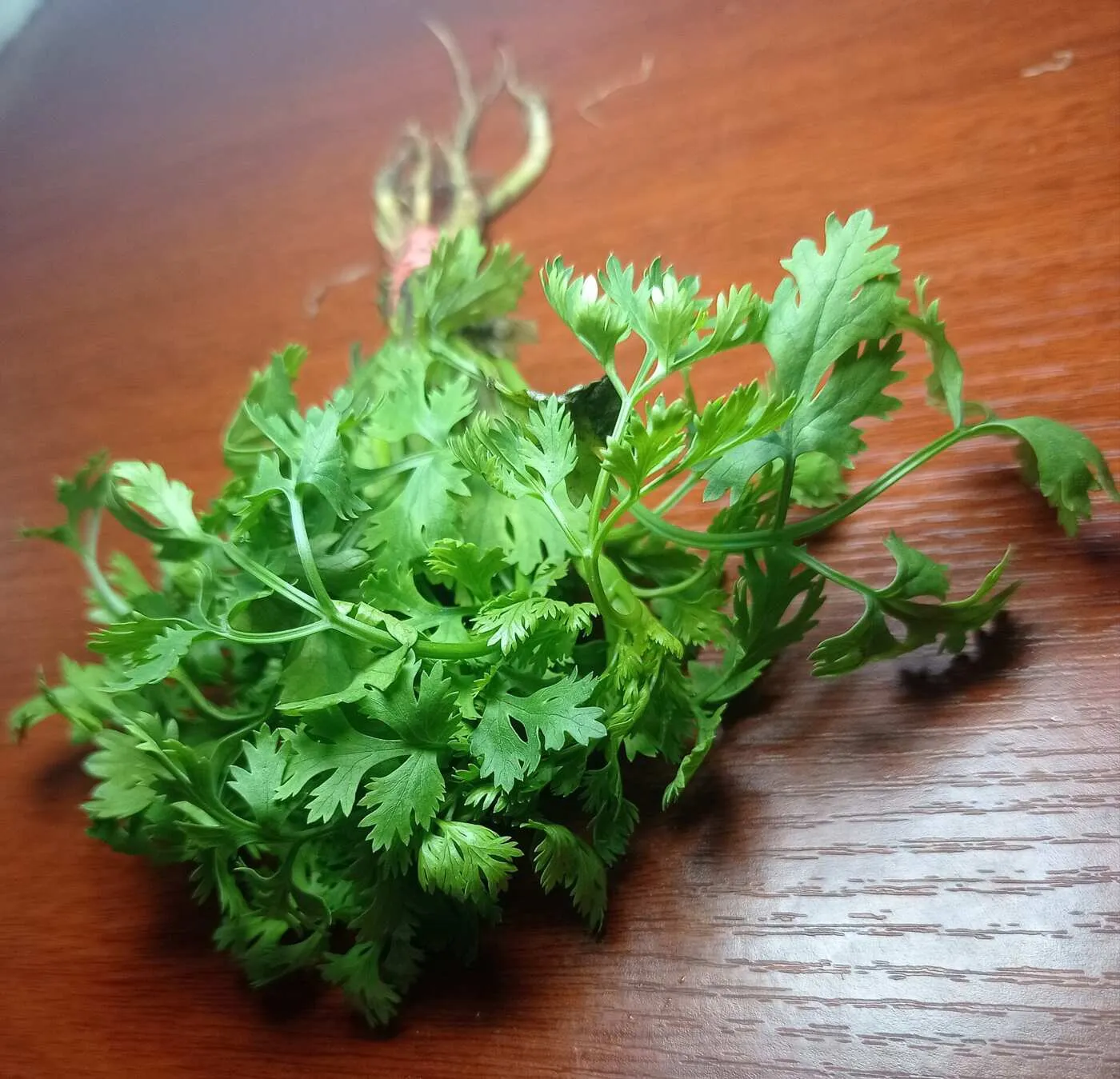 Photo: SarKaLay စာကလေး, CC BY-SA 4.0, via Wikimedia Commons
Fresh flat-leaf parsley is the more flavorful choice for cooking; curly parsley is more commonly used as a garnish. Both can be used interchangeably in cooking, though their volatile oil composition differs.
As a garnish: Finely chopped fresh parsley scattered over soups, grilled meats, pasta, and roasted vegetables immediately before serving. The volatile oils responsible for parsley’s fresh, slightly peppery-bitter character are heat-labile; adding parsley at the end of cooking preserves flavor.
As a primary ingredient: Middle Eastern tabbouleh uses very large quantities of finely chopped parsley (parsley is the primary green ingredient, not bulgur, in the authentic Levantine version). A single serving of traditional Lebanese tabbouleh may contain 40–80 g of fresh parsley, providing clinically significant vitamin K (approximately 650–1,300 µg) — a relevant consideration for patients on warfarin.
Parsley tea: Brewed from fresh or dried leaves, traditionally used as a diuretic and digestive aid. Concentrated preparations increase furocoumarin and myristicin exposure relative to culinary use.
Dried parsley: Substantially reduced volatile oil content compared with fresh; most of the herb-forward flavor is lost. Minerals are concentrated per gram, while heat-sensitive vitamins such as vitamin C are partly lost in drying.
Fresh herbs like parsley fit easily into the staples described in the anti-inflammatory pantry guide. Parsley is often confused with cilantro; the cilantro vs parsley comparison sets their flavor and nutrient differences side by side.
Safety, Side Effects, and Interactions
Parsley is safe for most people in food amounts; the cautions concern warfarin, pregnancy, allergy and concentrated preparations.
Warfarin (vitamin K antagonist) interaction — clinically significant: This is the most important safety consideration with parsley. Warfarin and related anticoagulants (acenocoumarol, phenprocoumon) work by antagonizing vitamin K’s role in activating clotting factors II, VII, IX, and X. Consuming large or variable amounts of high-vitamin-K foods like parsley shifts the drug–vitamin K balance: a sudden increase in vitamin K intake can lower INR and counteract warfarin, while a sudden drop can raise INR (Violi et al., 2016). Patients taking warfarin are generally advised to maintain a consistent (not necessarily low) vitamin K intake (Linus Pauling Institute), discuss dietary habits with their anticoagulation team, and be aware that a large bowl of tabbouleh or a juiced parsley supplement could require INR recalibration.
Pregnancy — high-dose contraindication: Parsley is “generally recognized as safe” (GRAS) as a food by the U.S. FDA (LactMed, 2024). However, parsley seed oil and large medicinal doses of parsley have been used historically as abortifacients and emmenagogues. Apiol, a phenylpropanoid concentrated in parsley seed oil, was sold for this purpose, and deaths from apiol taken to induce abortion were reported in the medical literature (Hermann et al., 1956). The NIH LactMed entry on parsley advises that the essential oil should not be used because of the potential toxicity of its apiol and myristicin content (LactMed, 2024). These doses are not achievable through dietary food use, but high-dose parsley supplements, parsley essential oil, or herbal preparations marketed for menstrual regulation should be avoided during pregnancy.
Apiaceae allergy and oral allergy syndrome: Like other Apiaceae, parsley carries potential for cross-reactivity with birch pollen. Parsley contains Pet c 1, a PR-10 protein with the typical structure of the Bet v 1 (major birch pollen allergen) family and closest in sequence to the celery and carrot allergens Api g 1 and Dau c 1 (Stratilová et al., 2020); a lipid transfer protein allergen has also been reported in parsley (Cordobés-Durán et al., 2007). Oral allergy syndrome — mild itching or swelling in the mouth and throat triggered by fresh herbs — is most common in birch pollen–sensitive individuals. Cooking may reduce reactions to some heat-sensitive plant allergens, but it should not be relied on to make parsley safe for a sensitized person.
Phototoxicity: Contact with parsley leaves or juice followed by ultraviolet light exposure may cause phytophotodermatitis, a phototoxic reaction driven by the herb’s furocoumarins; a Belgian burn center reported a partial-thickness skin burn after parsley contact and sun exposure (Lagey et al., 1995). This is primarily an occupational concern (food handlers, agricultural workers) rather than a typical culinary risk from handling parsley briefly.
Kidney disease: Parsley’s oxalate content (it was among the foods found high in oxalate in an enzymatic analysis of common foods, Kasidas & Rose, 1980) and the diuretic effect of concentrated preparations suggest caution in individuals with a history of calcium oxalate kidney stones or significant renal impairment.
Frequently Asked Questions
Is parsley good for you?
Parsley is a nutrient-dense herb: per 100 g it supplies about 1,640 µg of vitamin K, 133 mg of vitamin C, 152 µg of folate and 6.2 mg of iron, for 36 kcal. Typical servings are small, so the vitamin K is the contribution that adds up. Claims about cancer, inflammation or detoxification rest on lab and animal research, not human trials.
How much parsley is safe to eat daily?
No upper limit is set for parsley as a food, and the FDA classes it as generally recognized as safe. Customary servings of 5 to 20 g are not a concern for healthy people. The issues are concentrated forms such as juices, teas, supplements and seed oil, which add myristicin, furocoumarins and apiol, and large swings in intake for anyone on warfarin.
Is parsley good for your kidneys?
There is no good evidence that it helps them. Parsley’s reputation as a diuretic rests on traditional use and one rat study, so its effect in people is unknown. Parsley is also high in oxalate, so people with a history of calcium oxalate kidney stones or reduced kidney function should be cautious with large amounts and ask their clinician.
Can you eat parsley if you take warfarin?
Usually, yes, as long as intake stays consistent. Parsley is one of the richest vitamin K foods: a 15 g garnish holds about 245 µg, and a serving of tabbouleh 650 to 1,300 µg. A sudden increase can lower INR and counteract the drug. People on warfarin should tell their anticoagulation team about their usual parsley intake before changing it.
Is parsley the same as cilantro?
No. Both are in the Apiaceae family and flat-leaf parsley resembles cilantro, but they are different species with different flavors. Per 100 g, parsley has about five times the vitamin K and vitamin C of cilantro. The cilantro entry has a side-by-side nutrient table.
References
Show all 19 referencesShow fewer
- Shukla, S., & Gupta, S. (2010). Apigenin: A promising molecule for cancer prevention. Pharmaceutical Research, 27(6), 962–978.
- Kreydiyyeh, S. I., & Usta, J. (2002). Diuretic effect and mechanism of action of parsley. Journal of Ethnopharmacology, 79(3), 353–357.
- Haytowitz, D. B., Wu, X., & Bhagwat, S. (2018). USDA Database for the Flavonoid Content of Selected Foods, Release 3.3. U.S. Department of Agriculture, Agricultural Research Service.
- Seneme, E. F., dos Santos, D. C., Silva, E. M. R., Franco, Y. E. M., & Longato, G. B. (2021). Pharmacological and therapeutic potential of myristicin: A literature review. Molecules, 26(19), 5914.
- USDA FoodData Central. (2019). Parsley, fresh. FDC ID 170416.
- Violi, F., et al. (2016). Interaction between dietary vitamin K intake and anticoagulation by vitamin K antagonists: Is it really true? A systematic review. Medicine (Baltimore), 95(10), e2895.
- Meyer, H., Bolarinwa, A., Wolfram, G., & Linseisen, J. (2006). Bioavailability of apigenin from apiin-rich parsley in humans. Annals of Nutrition and Metabolism, 50(3), 167–172.
- Hurrell, R., & Egli, I. (2010). Iron bioavailability and dietary reference values. American Journal of Clinical Nutrition, 91(5), 1461S–1467S.
- Hermann, K., Le Roux, A., & Fiddes, F. S. (1956). Death from apiol used as abortifacient. The Lancet, 270(6929), 937–939.
- Drugs and Lactation Database (LactMed). (2024). Parsley. National Institute of Child Health and Human Development.
- Linus Pauling Institute. Vitamin K. Micronutrient Information Center, Oregon State University.
- Stratilová, B., et al. (2020). Structural characterization of the Pet c 1.0201 PR-10 protein isolated from roots of Petroselinum crispum (Mill.) Fuss. Phytochemistry, 175, 112368.
- Cordobés-Durán, C., et al. (2007). Detection of a 12-kilodalton lipid transfer protein allergen in parsley. Journal of Investigational Allergology and Clinical Immunology, 17(4), 282–283.
- Lagey, K., et al. (1995). Burns induced by plants. Burns, 21(7), 542–543.
- Kasidas, G. P., & Rose, G. A. (1980). Oxalate content of some common foods: determination by an enzymatic method. Journal of Human Nutrition, 34(4), 255–266.
- Liang, Y. C., et al. (1999). Suppression of inducible cyclooxygenase and inducible nitric oxide synthase by apigenin and related flavonoids in mouse macrophages. Carcinogenesis, 20(10), 1945–1952.
- Carstairs, S. D., & Cantrell, F. L. (2011). The spice of life: An analysis of nutmeg exposures in California. Clinical Toxicology, 49(3), 177–180.
- Beyer, J., Ehlers, D., & Maurer, H. H. (2006). Abuse of nutmeg (Myristica fragrans Houtt.): Studies on the metabolism and the toxicologic detection of its ingredients elemicin, myristicin, and safrole in rat and human urine using gas chromatography/mass spectrometry. Therapeutic Drug Monitoring, 28(4), 568–575.
- Melough, M. M., et al. (2017). Identification and quantitation of furocoumarins in popularly consumed foods in the U.S. using QuEChERS extraction coupled with UPLC-MS/MS analysis. Journal of Agricultural and Food Chemistry, 65(24), 5049–5055.
More in Roots & Herbs
- Ashwagandha (Withania somnifera)
Ashwagandha side effects, who should avoid it, and drug interactions, plus what trials show for stress, sleep and strength at clinical doses.
- Basil (Ocimum basilicum)
Basil benefits: what lab and human studies show, vitamin K per serving, sweet basil vs holy basil, and the estragole and warfarin cautions.
- Black Pepper (Piper nigrum)
Black pepper benefits: how piperine raises absorption of curcumin and some drugs, what human studies show, side effects, and drug interactions.
- Cilantro / Coriander (Coriandrum sativum)
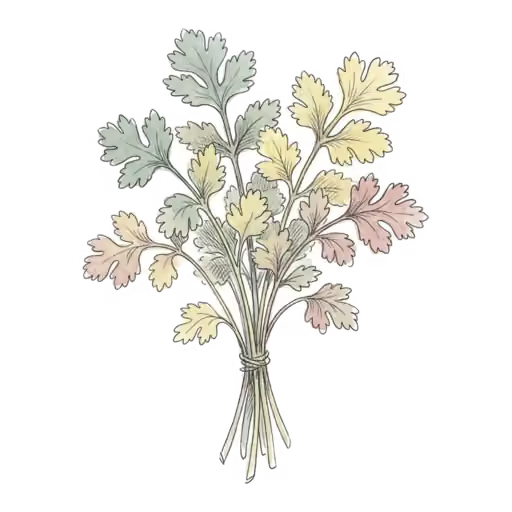
Cilantro vs parsley: how the two herbs differ in flavor, vitamin K and vitamin C, plus what the evidence says about cilantro benefits and safety.
- Cinnamon (Cinnamomum verum / C. cassia)
Ceylon cinnamon vs cassia: coumarin levels and liver risk, how much is safe per day, and what trials show for blood sugar and cholesterol.
- Garlic (Allium sativum)
Garlic benefits for blood pressure, cholesterol and colds: what trials show, how much raw garlic or supplement they used, and bleeding risks.

Curated by Superfoods Advisor Editors·Last updated