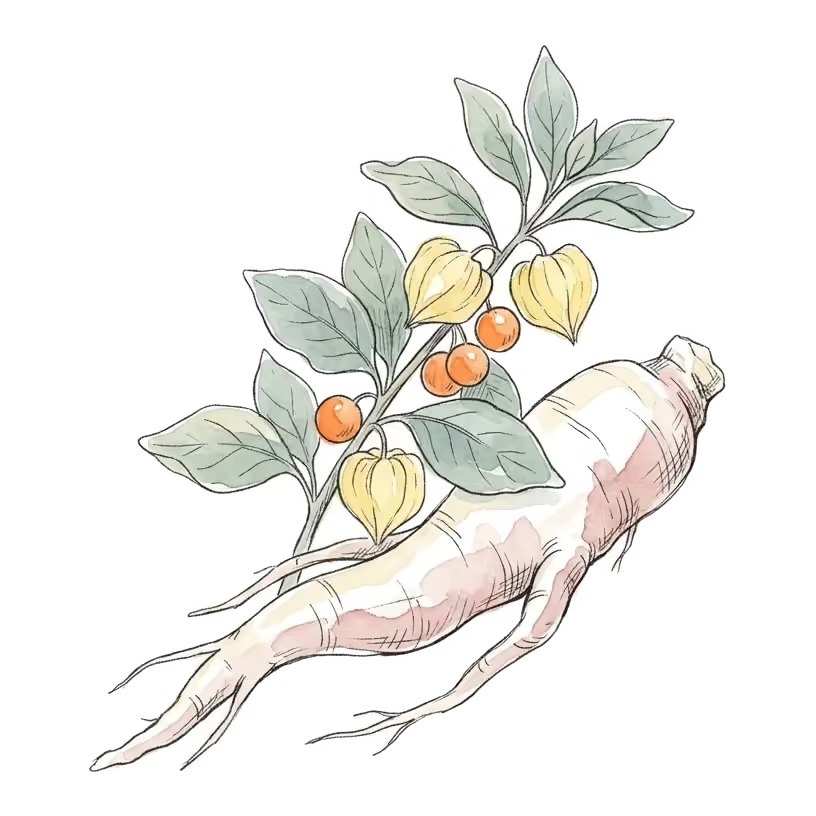
Ashwagandha (Withania somnifera)
Withania somnifera · also known as Indian ginseng, Winter cherry
By Superfoods Advisor Editors·July 3, 2026
Ashwagandha side effects, who should avoid it, and drug interactions, plus what trials show for stress, sleep and strength at clinical doses.
Ashwagandha (Withania somnifera), also called Indian ginseng or winter cherry, is an adaptogenic root used in Ayurvedic medicine. In clinical trials it is usually well tolerated: the side effects reported most often are drowsiness, stomach upset, diarrhea and vomiting. Rare cases of liver injury have been published, and pregnant people and those with thyroid or autoimmune conditions are advised to avoid it.
The plant is a small evergreen shrub in the nightshade family (Solanaceae), native to India, the Middle East, and parts of Africa. Its root has been used in Ayurvedic medicine for more than three thousand years as a rasayana — a category of tonics traditionally used to promote physical and mental longevity. In contemporary supplement markets, ashwagandha is classified as an adaptogen: a compound proposed to help the body resist non-specific physiological and psychological stressors.
The common name derives from the Sanskrit ashva (horse) and gandha (smell), a reference to the horse-like odor of the fresh root. Most traditional preparations use the dried root, though several standardized modern extracts include or focus on the leaf.
Evidence at a glance
Active Compounds
Ashwagandha’s pharmacological activity is attributed primarily to a class of steroidal lactones known as withanolides, of which about forty have been identified in the plant (Mirjalili et al., 2009). Three groups are most relevant:
- Withaferin A — concentrated in the leaves; studied in preclinical models for anti-inflammatory and cytotoxic activity.
- Withanolide A, D, and related glycowithanolides (sitoindosides) — concentrated in the root; associated with neuroprotective and adaptogenic effects in animal models.
- Alkaloids and free amino acids — present in smaller amounts and of less-clear pharmacological significance.
Commercial extracts are standardized to a percentage of total withanolides. Two proprietary extracts dominate the human clinical literature:
- KSM-66 — a full-spectrum root extract standardized to at least 5% withanolides (Langade et al., 2019).
- Shoden / Sensoril — root-and-leaf extracts; Shoden is standardized to 35% withanolide glycosides (Mishra et al., 2024).
Because the majority of clinical trials use these specific extracts at specific doses, results should not be extrapolated uncritically to generic ashwagandha powder.
Evidence for Purported Benefits
Ashwagandha is among the more actively studied adaptogens, but the overall evidence base remains constrained by small sample sizes, industry sponsorship, and short trial durations. What follows summarizes the peer-reviewed literature as of this article’s last update.
Stress and Anxiety
Evidence:Limited A 12-trial meta-analysis favours ashwagandha over placebo, but trials are small, often industry-funded, and rated low certainty.
Several randomized, placebo-controlled trials report reductions in perceived stress and serum cortisol among adults with elevated stress at baseline. A frequently cited trial by Chandrasekhar and colleagues (2012, Indian Journal of Psychological Medicine) reported a significant reduction in Perceived Stress Scale scores in participants taking 300 mg of a full-spectrum root extract twice daily for sixty days. Subsequent trials using KSM-66 at 250 to 600 mg per day (Salve et al., 2019) have reported similar directional effects, though effect sizes vary. A 2022 meta-analysis of 12 randomized trials found lower stress and anxiety scores with ashwagandha than with placebo but rated the certainty of the evidence as low (Akhgarjand et al., 2022).
Preliminary evidence suggests ashwagandha may modulate the hypothalamic-pituitary-adrenal (HPA) axis, but the mechanism has not been definitively established in humans.
Sleep Quality
Evidence:Limited Several small RCTs and a five-trial meta-analysis show a small effect, larger in people diagnosed with insomnia.
A 2019 trial by Langade and colleagues (Cureus) in 60 patients with insomnia and anxiety reported shorter sleep onset latency and better Pittsburgh Sleep Quality Index scores with 300 mg of root extract twice daily over ten weeks. In the stress trial by Salve and colleagues (2019, Cureus), participants taking ashwagandha also reported better sleep quality than those on placebo. A 2020 trial by Deshpande and colleagues (Sleep Medicine) in 150 adults with non-restorative sleep, using a different extract (Shoden, 120 mg once daily) for six weeks, reported improved self-reported sleep quality and actigraphy measures. A 2021 meta-analysis of five trials found a small overall effect on sleep that was more pronounced in adults diagnosed with insomnia (Cheah et al., 2021).
Athletic Performance
Evidence:Limited A few small RCTs, mostly in untrained young men; few trials include women or experienced athletes.
A small trial by Wankhede and colleagues (2015, Journal of the International Society of Sports Nutrition) reported greater gains in muscle strength and muscle size, and improved recovery markers, compared with placebo in 57 men with little resistance-training experience who took 300 mg of root extract twice daily during eight weeks of resistance training. Sample sizes across the literature remain small, and few trials have enrolled women or experienced athletes.
Male Reproductive Health
Evidence:Limited Mostly small, uncontrolled studies; the few randomized trials show hormone shifts without consistent symptom benefits.
Small studies in infertile men, mostly uncontrolled, have reported improvements in sperm parameters and serum testosterone; a 2018 systematic review found only one randomized trial and judged the data too limited to be conclusive (Durg et al., 2018). A 2019 trial by Lopresti and colleagues (American Journal of Men’s Health) reported small increases in DHEA-S and testosterone in overweight men aged forty to seventy, but no significant differences from placebo in fatigue, vigor, or sexual well-being. In the resistance-training trial by Wankhede and colleagues, testosterone also rose more with ashwagandha than with placebo in young men, but hormone changes were a secondary outcome.
Thyroid Function
Evidence:Preliminary One pilot RCT of 50 adults with subclinical hypothyroidism.
A 2018 pilot randomized trial by Sharma and colleagues (Journal of Alternative and Complementary Medicine) in 50 adults with subclinical hypothyroidism reported that 600 mg per day for eight weeks lowered TSH and raised T3 and T4 compared with placebo. Because ashwagandha may increase thyroid hormone output, the NCCIH does not recommend it for people with thyroid disorders, and individuals with hyperthyroidism or Graves’ disease should avoid supplementation without medical supervision.
Shopping for ashwagandha?
Top-ranked of 6 products compared.
Compare all 6 picks →Affiliate links. Disclosure.
Typical Dosing in Clinical Trials
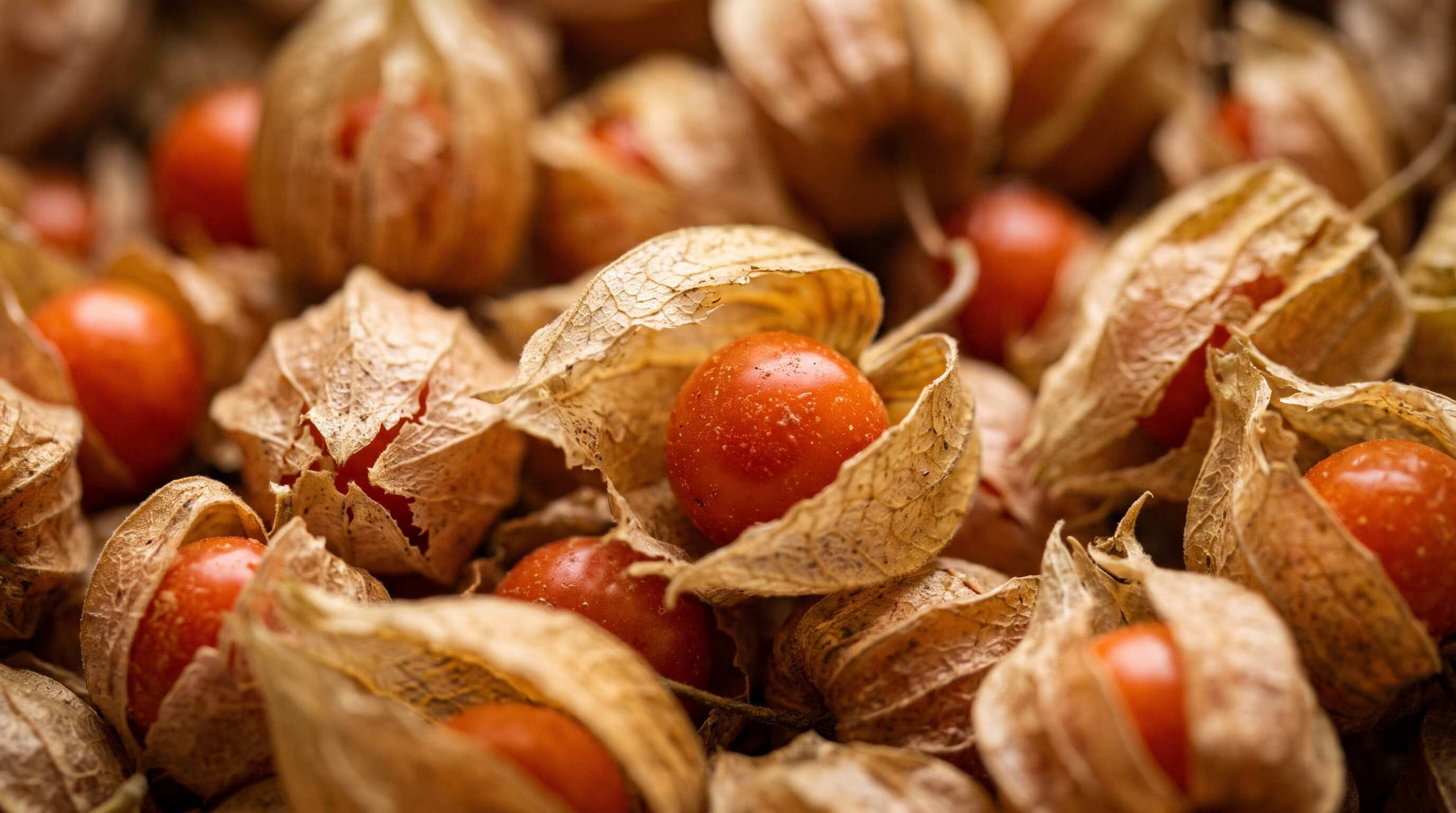
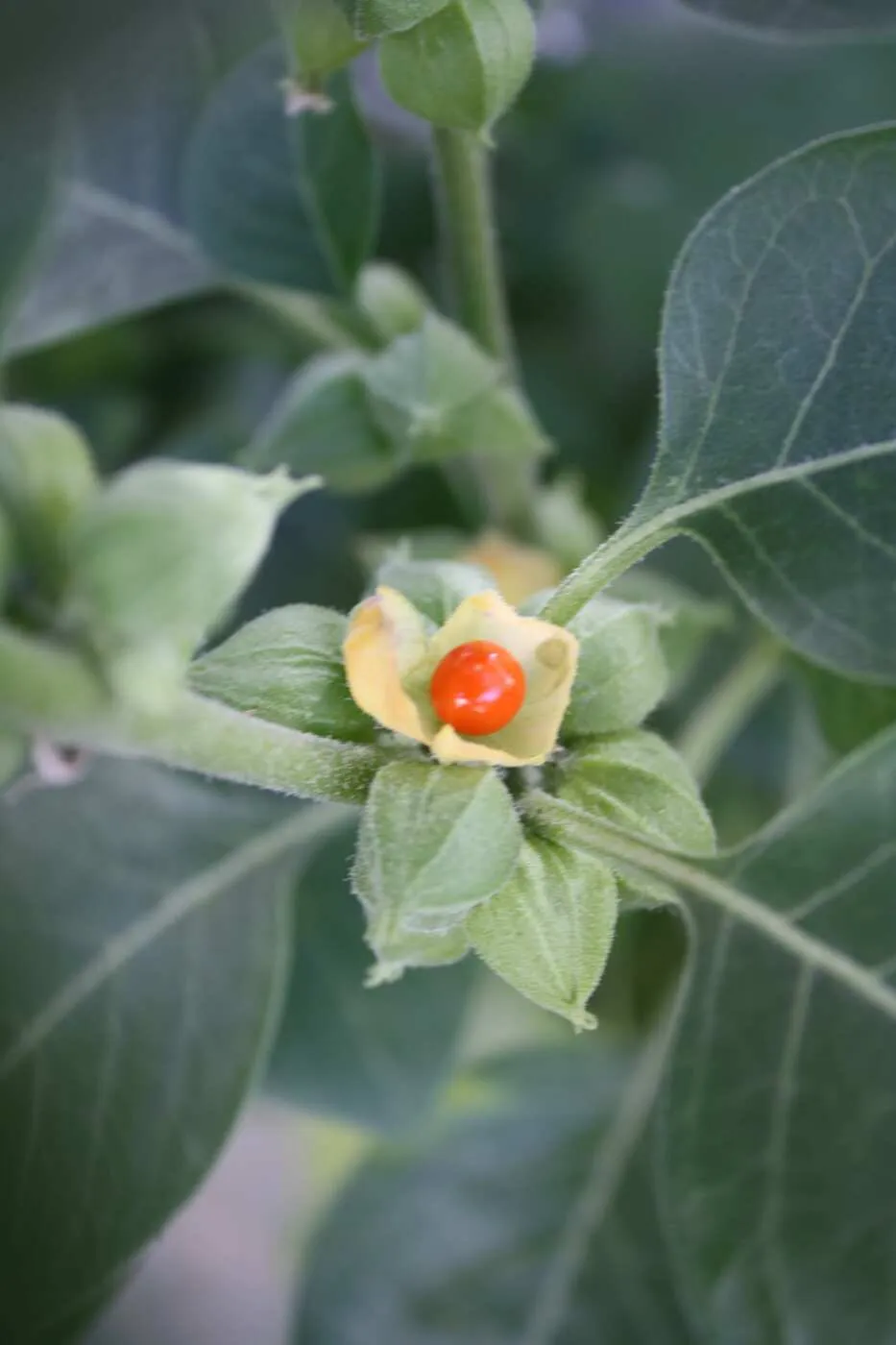 Photo: Wowbobwow12, CC BY-SA 3.0, via Wikimedia Commons
- Root extract (KSM-66): 250 to 600 mg per day, taken in one or two doses (Salve et al., 2019).
- Root-and-leaf extract (Shoden): 120 to 240 mg per day (Deshpande et al., 2020; Lopresti et al., 2019).
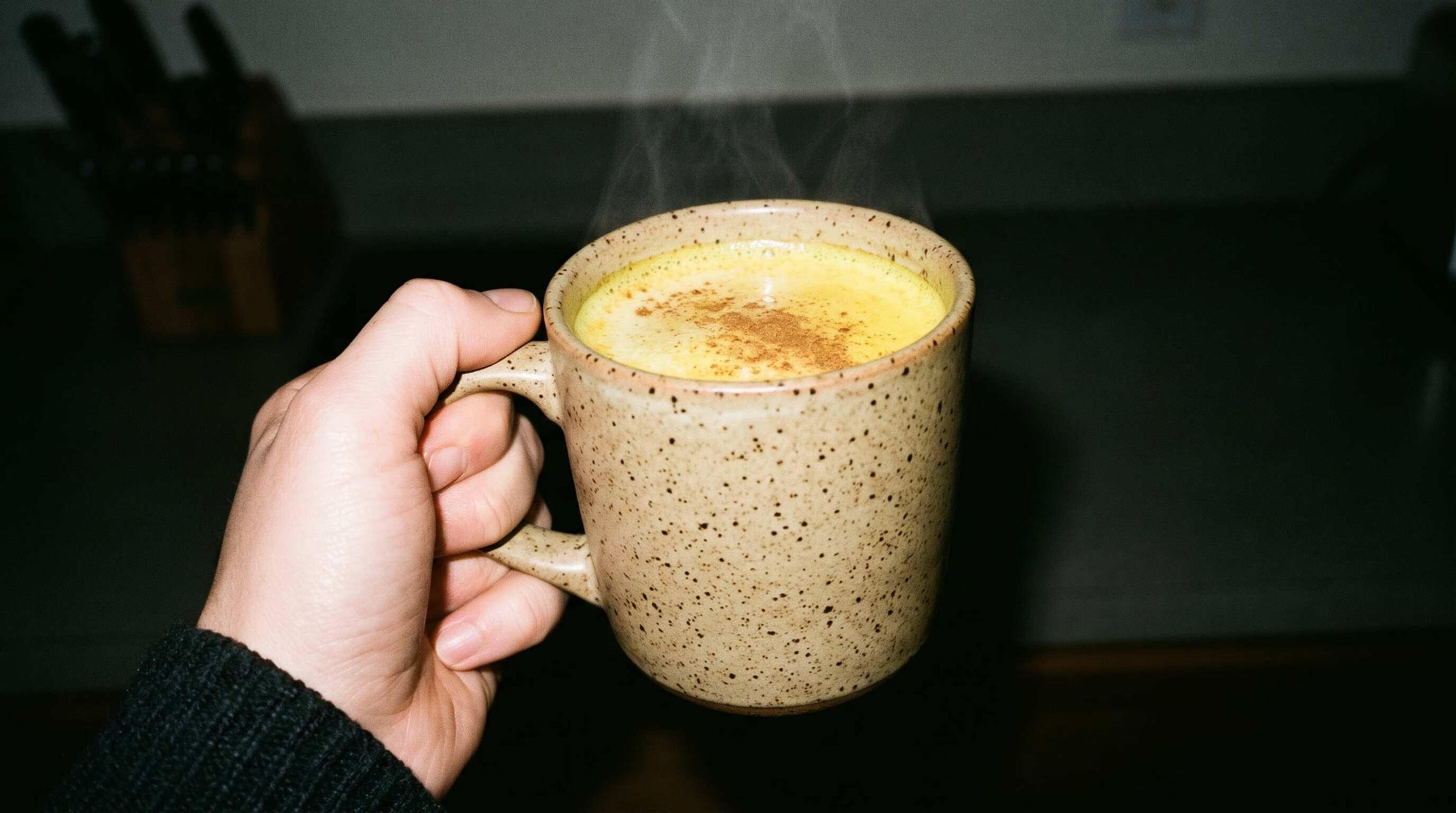
- Traditional root powder (Ayurvedic churna): taken in gram-scale amounts, historically prepared with warm milk; these doses have not been tested in controlled trials.
Most trials have run for six to ten weeks. The NCCIH notes that ashwagandha may be safe for up to three months, but there is not enough information to draw conclusions about long-term safety.
For practical questions about timing and form, see how to take ashwagandha for sleep and anxiety.
Safety, Interactions, and Contraindications
Ashwagandha is generally well tolerated in clinical trials. Reported adverse effects are typically mild; the NCCIH lists drowsiness, stomach upset, diarrhea, and vomiting. Rare cases of liver injury have been reported, including a 2020 case series from Iceland and the US Drug-Induced Liver Injury Network describing five patients who developed jaundice after taking ashwagandha supplements. A 2023 series from India reported eight cases linked to single-ingredient products; five patients had pre-existing chronic liver disease, and three of them developed acute-on-chronic liver failure and died. Germany’s Federal Institute for Risk Assessment (BfR Communication 39/2024) cites reports of liver damage, including acute liver failure, and advises people with acute or pre-existing liver disease not to take ashwagandha supplements.
Ashwagandha should be avoided, or used only under qualified medical supervision, by the following groups:
- Pregnant or breastfeeding individuals. Ashwagandha has historically been used as an abortifacient, and safety data for pregnancy and breastfeeding are lacking (BfR, 2024). The NCCIH advises avoiding it during pregnancy and breastfeeding.
- Individuals with autoimmune conditions such as lupus, rheumatoid arthritis, or multiple sclerosis. The NCCIH does not recommend it for people with autoimmune disorders.
- Individuals taking medication for diabetes, high blood pressure, or seizures, or taking sedatives, thyroid hormone, or immunosuppressants. The NCCIH lists possible interactions with each of these drug classes.
- Individuals scheduled for surgery. The NCCIH does not recommend ashwagandha before surgery; discuss timing with the surgical team.
- People with hormone-sensitive prostate cancer. Because ashwagandha may raise testosterone, the NCCIH advises against its use.
Regulatory Status
In the United States, ashwagandha is classified as a dietary supplement under the Dietary Supplement Health and Education Act (DSHEA) of 1994. It is not evaluated by the U.S. Food and Drug Administration for the treatment of any medical condition, and product quality varies widely across the market. Independent third-party certification can help: USP Verified and NSF Certified for Sport both include contaminant limits, while Informed Sport screens for banned substances only.
In India, ashwagandha is a licensed component of Ayurvedic medicine under the Ministry of AYUSH. In the European Union, rules for botanicals in food supplements are not harmonized. Denmark’s food authority treats products containing ashwagandha as illegal to sell as food, and Germany’s BfR stated in 2024 that it and other European authorities advise against ashwagandha food supplements, noting that no safe intake level has been established.
Product Selection Criteria
When evaluating an ashwagandha product, the following criteria are load-bearing. Our roundup of the best ashwagandha supplements applies them to products sold on Amazon.
- Extract, not raw powder. Clinical trials almost universally use standardized extracts. Raw root powder at capsule-scale doses (300 to 600 mg) will not deliver comparable withanolide content.
- Standardization disclosure. A reputable product will disclose the withanolide percentage and, ideally, the specific extract used (KSM-66, Shoden, or Sensoril).
- Third-party testing. Heavy metal contamination is a documented issue in some Ayurvedic products; independent testing mitigates the risk.
- Manufacturing certification. Look for current Good Manufacturing Practice (cGMP) compliance, and NSF or USP verification where available.
Frequently Asked Questions
What are the most common side effects of ashwagandha?
The NCCIH lists drowsiness, stomach upset, diarrhea and vomiting as the reported adverse effects, and in clinical trials they are typically mild. The more serious concern is rare liver injury: case series from Iceland, the United States and India describe jaundice and, in people who already had chronic liver disease, liver failure. Anyone who develops yellowing skin or dark urine should stop and seek care.
Who should not take ashwagandha?
The NCCIH advises against ashwagandha during pregnancy and breastfeeding, and does not recommend it for people with thyroid disorders, autoimmune conditions such as lupus or rheumatoid arthritis, or hormone-sensitive prostate cancer, or for anyone shortly before surgery. Germany’s BfR adds people with acute or pre-existing liver disease. Anyone in these groups should talk to a clinician before using it.
What should you not mix with ashwagandha?
The NCCIH lists possible interactions with medicines for diabetes, high blood pressure and seizures, and with sedatives, thyroid hormone and immunosuppressants. Ashwagandha may add to the effect of a sedative or a glucose-lowering drug, and a pilot trial found it raised thyroid hormone levels. Anyone taking one of these medicines should check with a clinician or pharmacist first.
Is it safe to take ashwagandha every day?
Daily use is what the trials tested, usually for six to ten weeks. The NCCIH says ashwagandha may be safe for up to three months, but there is not enough information on longer use. Several European authorities, including Germany’s BfR and Denmark’s food agency, advise against ashwagandha food supplements because no safe intake level has been established.
How much ashwagandha per day did studies use?
Trials of KSM-66 root extract used 250 to 600 mg a day, often split into two doses, and trials of the Shoden root-and-leaf extract used 120 to 240 mg a day. Raw root powder in capsules is not equivalent to these extracts. For timing and form, see the guide on how to take ashwagandha for sleep and anxiety.
What is ashwagandha good for?
Small randomized trials suggest modest reductions in perceived stress and improvements in self-reported sleep, and one trial in untrained men reported greater strength gains during resistance training. Each of these rests on limited evidence. The adaptogen research overview compares ashwagandha with rhodiola, ginseng and maca.
References
Show all 18 referencesShow fewer
- Chandrasekhar, K., Kapoor, J., & Anishetty, S. (2012). A prospective, randomized double-blind, placebo-controlled study of safety and efficacy of a high-concentration full-spectrum extract of Ashwagandha root in reducing stress and anxiety in adults. Indian Journal of Psychological Medicine, 34(3), 255–262.
- Salve, J., Pate, S., Debnath, K., & Langade, D. (2019). Adaptogenic and Anxiolytic Effects of Ashwagandha Root Extract in Healthy Adults: A Double-blind, Randomized, Placebo-controlled Clinical Study. Cureus, 11(12), e6466.
- Wankhede, S., Langade, D., Joshi, K., Sinha, S. R., & Bhattacharyya, S. (2015). Examining the effect of Withania somnifera supplementation on muscle strength and recovery: a randomized controlled trial. Journal of the International Society of Sports Nutrition, 12(1), 43.
- Lopresti, A. L., Drummond, P. D., & Smith, S. J. (2019). A Randomized, Double-Blind, Placebo-Controlled, Crossover Study Examining the Hormonal and Vitality Effects of Ashwagandha in Aging, Overweight Males. American Journal of Men’s Health, 13(2).
- Sharma, A. K., Basu, I., & Singh, S. (2018). Efficacy and Safety of Ashwagandha Root Extract in Subclinical Hypothyroid Patients: A Double-Blind, Randomized Placebo-Controlled Trial. Journal of Alternative and Complementary Medicine, 24(3), 243–248.
- Langade, D., Kanchi, S., Salve, J., Debnath, K., & Ambegaokar, D. (2019). Efficacy and Safety of Ashwagandha (Withania somnifera) Root Extract in Insomnia and Anxiety: A Double-blind, Randomized, Placebo-controlled Study. Cureus, 11(9), e5797.
- Deshpande, A., Irani, N., Balkrishnan, R., & Benny, I. R. (2020). A randomized, double blind, placebo controlled study to evaluate the effects of ashwagandha (Withania somnifera) extract on sleep quality in healthy adults. Sleep Medicine, 72, 28–36.
- Mirjalili, M. H., Moyano, E., Bonfill, M., Cusido, R. M., & Palazón, J. (2009). Steroidal lactones from Withania somnifera, an ancient plant for novel medicine. Molecules, 14(7), 2373–2393.
- Mishra, D. N., & Kumar, M. (2024). Shoden promotes relief from stress and anxiety: A randomized, double-blind, placebo-controlled study on healthy subjects with high stress levels. Heliyon, 10(17), e36885.
- Lopresti, A. L., Smith, S. J., Malvi, H., & Kodgule, R. (2019). An investigation into the stress-relieving and pharmacological actions of an ashwagandha (Withania somnifera) extract: A randomized, double-blind, placebo-controlled study. Medicine, 98(37), e17186.
- Björnsson, H. K., et al. (2020). Ashwagandha-induced liver injury: A case series from Iceland and the US Drug-Induced Liver Injury Network. Liver International, 40(4), 825–829.
- Philips, C. A., et al. (2023). Ashwagandha-induced liver injury—A case series from India and literature review. Hepatology Communications, 7(10), e0270.
- Saper, R. B., et al. (2008). Lead, mercury, and arsenic in US- and Indian-manufactured Ayurvedic medicines sold via the Internet. JAMA, 300(8), 915–923.
- German Federal Institute for Risk Assessment (BfR). (2024). Ashwagandha: food supplements with potential health risks. Communication 39/2024.
- National Center for Complementary and Integrative Health (NCCIH). Ashwagandha.
- Akhgarjand, C., et al. (2022). Does Ashwagandha supplementation have a beneficial effect on the management of anxiety and stress? A systematic review and meta-analysis of randomized controlled trials. Phytotherapy Research, 36(11), 4115–4124.
- Cheah, K. L., et al. (2021). Effect of Ashwagandha (Withania somnifera) extract on sleep: A systematic review and meta-analysis. PLoS One, 16(9), e0257843.
- Durg, S., et al. (2018). Withania somnifera (Indian ginseng) in male infertility: An evidence-based systematic review and meta-analysis. Phytomedicine, 50, 247–256.
Reviews
Product recommendations tied to this entry, selected by the criteria in our affiliate disclosure.
The Best Ashwagandha Supplements in 2026
 Check price on Amazon on Amazon for Youtheory Ashwagandha 1000 mg (KSM-66), 60 Count (opens in a new tab)
 Check price on Amazon on Amazon for Pure Encapsulations Ashwagandha 500 mg, 60 Capsules (opens in a new tab)
 Check price on Amazon on Amazon for Goli Nutrition ASHWA Vitamin Gummy (KSM-66) (opens in a new tab)
Compare all 6 picks →Affiliate links. Disclosure.
Related content
More in Roots & Herbs
- Basil (Ocimum basilicum)
Basil benefits: what lab and human studies show, vitamin K per serving, sweet basil vs holy basil, and the estragole and warfarin cautions.
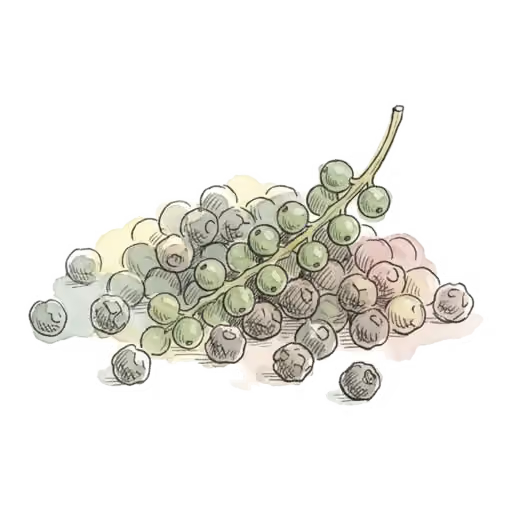
- Black Pepper (Piper nigrum)
Black pepper benefits: how piperine raises absorption of curcumin and some drugs, what human studies show, side effects, and drug interactions.
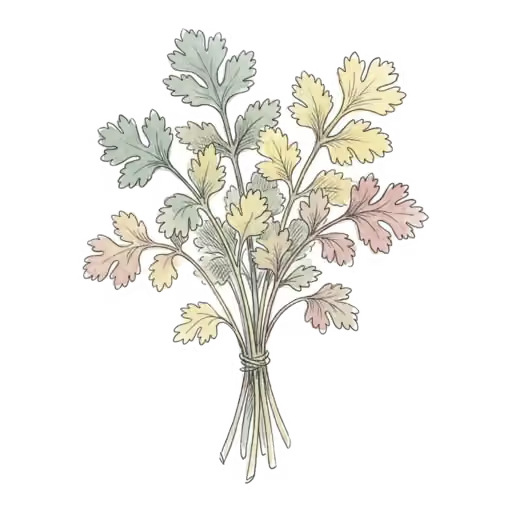
- Cilantro / Coriander (Coriandrum sativum)
Cilantro vs parsley: how the two herbs differ in flavor, vitamin K and vitamin C, plus what the evidence says about cilantro benefits and safety.
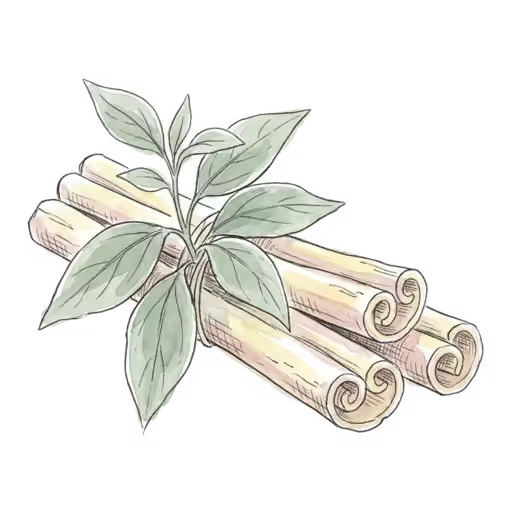
- Cinnamon (Cinnamomum verum / C. cassia)
Ceylon cinnamon vs cassia: coumarin levels and liver risk, how much is safe per day, and what trials show for blood sugar and cholesterol.
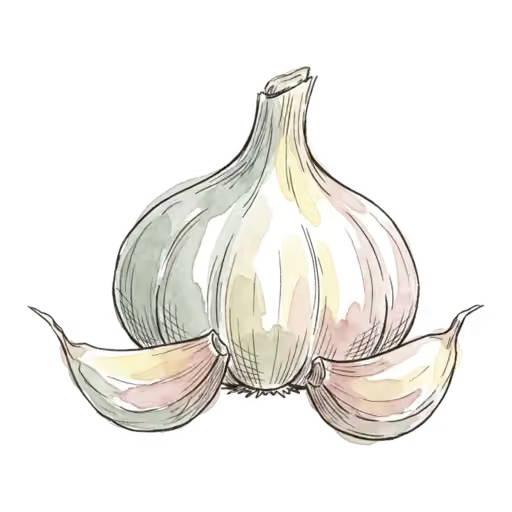
- Garlic (Allium sativum)
Garlic benefits for blood pressure, cholesterol and colds: what trials show, how much raw garlic or supplement they used, and bleeding risks.
- Ginger (Zingiber officinale)
Ginger for nausea: what trials show for morning sickness, chemotherapy, surgery and motion sickness, the doses studied, and ginger's side effects.

Curated by Superfoods Advisor Editors·Last updated