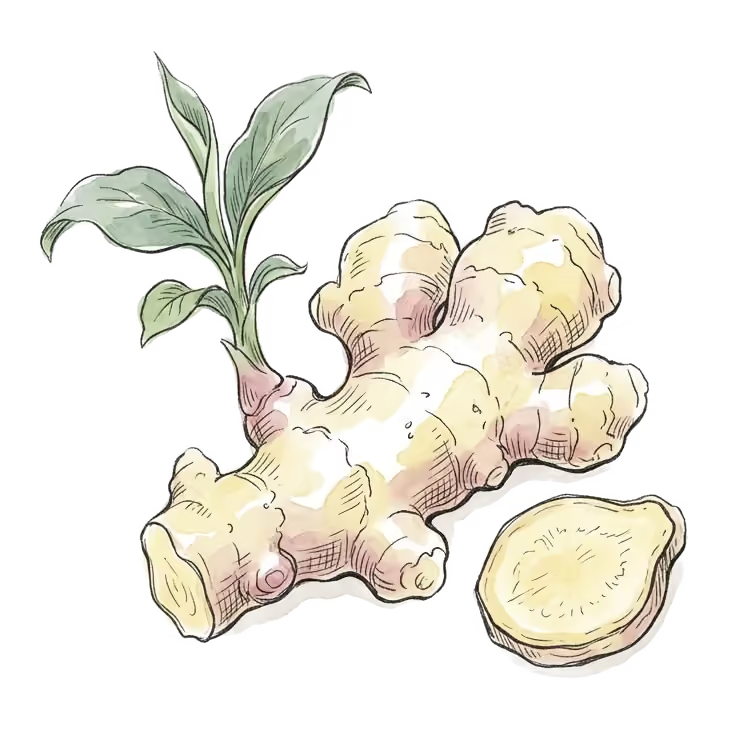
Ginger (Zingiber officinale)
Zingiber officinale · also known as Common ginger, True ginger, Adrak, Sheng jiang
By Superfoods Advisor Editors·July 3, 2026
Ginger for nausea: what trials show for morning sickness, chemotherapy, surgery and motion sickness, the doses studied, and ginger's side effects.
Ginger (Zingiber officinale) is a rhizome used as a spice and as a traditional remedy for nausea. For nausea in pregnancy, several meta-analyses favour about 1 g of dried ginger a day over placebo, although it did not reduce vomiting. Results for chemotherapy and postoperative nausea are mixed, and most motion sickness studies found no benefit.
The plant belongs to the family Zingiberaceae, which also includes turmeric, and is thought to have originated in Maritime Southeast Asia; it is known today only in cultivation. The edible portion is the rhizome — a horizontal underground stem rather than a true root — which serves as both a culinary spice and a medicinal substance in virtually every traditional medicine system that has had access to it. Zingiber officinale has been cultivated in South Asia since antiquity. It was among the earliest Asian spices traded to Europe and became one of the most traded spices in medieval commerce.
In Ayurveda, ginger (shunthi in its dried form, ardrak or adrak fresh) is considered one of the most important medicinal plants and is described as a vishvabhesaj (universal medicine). Traditional Chinese Medicine similarly positions ginger (sheng jiang fresh, gan jiang dried) for digestive, respiratory, and anti-emetic applications. Modern clinical research on ginger has concentrated on nausea and vomiting, where the evidence is most consistent for nausea of pregnancy (NCCIH).
Evidence at a glance
Active Compounds
Ginger’s bioactivity is attributed primarily to a family of phenylpropanoid compounds concentrated in the rhizome:
Gingerols are the principal pungent compounds in fresh ginger, with [6]-gingerol the most abundant. Gingerols are vanilloid phenols structurally related to capsaicin. In cell and isolated-tissue studies they inhibit serotonin 5-HT3 receptors, the target of antiemetic drugs such as ondansetron, but they act non-competitively at a different site from those drugs rather than blocking the serotonin binding site (Abdel-Aziz et al., 2006; Walstab et al., 2013). Gingerols also inhibit prostaglandin synthesis and 5-lipoxygenase (5-LOX) in vitro (Kiuchi et al., 1992), a plausible mechanistic basis for anti-inflammatory effects.
Shogaols are dehydration products of gingerols, formed when fresh ginger is dried or cooked. [6]-shogaol is the most studied shogaol, and its concentration rises as ginger is dried, stored, or heated. In comparative in vitro studies, [6]-shogaol was the most potent of the compounds tested at 5-HT3 receptors (Abdel-Aziz et al., 2006) and in antioxidant and anti-inflammatory assays (Dugasani et al., 2010).
Zingerone is formed from gingerol through a retro-aldol reaction during heating. It contributes a milder, less pungent flavor and has antioxidant properties in vitro.
Paradols are minor phenylpropanoids present in smaller quantities; their pharmacological significance is not well characterized.
Volatile oil fraction (a small percentage of dry weight) includes zingiberene, beta-sesquiphellandrene, and bisabolene — sesquiterpene hydrocarbons responsible for the fresh aroma.
Galanolactone is a diterpenoid lactone in ginger that showed 5-HT3 antagonism in guinea-pig ileum preparations (Huang et al., 1991) and may contribute to ginger’s antiemetic activity.
Practical note on preparation: The conversion of gingerols to shogaols during drying means that fresh and dried ginger have distinct compound profiles and potentially distinct potencies for different applications. Most clinical antiemetic trials have used capsules of dried ginger powder (standardized or non-standardized), not fresh ginger preparations.
Evidence for Purported Benefits
Most clinical research on ginger concerns nausea and vomiting, and the results differ by context (NCCIH).
Ginger for Nausea and Vomiting
Evidence:Moderate For nausea in pregnancy: several meta-analyses of small, varied RCTs favour ginger for nausea, though not for vomiting.
Evidence:Limited For nausea from chemotherapy, surgery or motion sickness: results conflict, and most motion sickness studies found no benefit.
Pregnancy-associated nausea (morning sickness): Multiple randomized controlled trials have evaluated ginger for nausea and vomiting of pregnancy (NVP). Several meta-analyses have concluded that ginger tends to outperform placebo for reducing nausea in early pregnancy, although the included trials are small and heterogeneous. A systematic review by Viljoen and colleagues (2014, Nutrition Journal) of 12 trials (1,278 women) found that ginger improved nausea but did not significantly reduce vomiting episodes, and a subgroup analysis favored daily doses below 1,500 mg. A meta-analysis by Thomson and colleagues (2014, Journal of the American Board of Family Medicine) pooled 6 randomized placebo-controlled trials (508 women) and found that about 1 g of ginger daily for at least 4 days was associated with roughly a 5-fold higher likelihood of improvement in nausea and vomiting; the authors noted that ginger’s safety profile in pregnancy is still not fully established.
Chemotherapy-induced nausea (CINV): Results are mixed, and NCCIH considers it uncertain whether ginger adds to standard antiemetic treatment (NCCIH). A double-blind, multicenter trial by Ryan and colleagues (2012, Supportive Care in Cancer) randomized 744 cancer patients (576 analyzed) to placebo or 0.5, 1.0, or 1.5 g of ginger daily for 6 days, starting 3 days before chemotherapy, alongside a standard 5-HT3 antagonist antiemetic. All three ginger doses reduced acute nausea severity on the first day of chemotherapy compared with placebo, with the largest reductions at 0.5 g and 1.0 g; the higher dose added no further benefit.
Postoperative nausea (PONV): A meta-analysis by Chaiyakunapruk and colleagues (2006, American Journal of Obstetrics and Gynecology) of five randomized trials (363 patients) found that a fixed dose of at least 1 g of ginger reduced 24-hour postoperative nausea and vomiting compared to placebo (relative risk 0.69, 95% CI 0.54–0.89). NCCIH nonetheless rates the overall evidence for postoperative nausea as uncertain.
Motion sickness: Most studies of ginger for motion sickness have not found it helpful (NCCIH).
Anti-inflammatory and Analgesic Effects
Evidence:Limited A five-RCT meta-analysis found small osteoarthritis pain reductions; other pain uses rest on single small trials.
Osteoarthritis: A meta-analysis by Bartels and colleagues (2015, Osteoarthritis and Cartilage) pooled five randomized placebo-controlled trials (593 patients) of oral ginger in osteoarthritis. Ginger produced statistically significant but small reductions in pain (standardized mean difference −0.30) and disability (−0.22), with low inconsistency between trials. Participants taking ginger were, however, more than twice as likely to stop treatment because of adverse events, and the authors rated the evidence as moderate quality.
Dysmenorrhea: A double-blind comparative trial by Ozgoli and colleagues (2009, Journal of Alternative and Complementary Medicine) in 150 university students with primary dysmenorrhea found no difference in pain relief between 250 mg of ginger four times daily for three days from the onset of menses, mefenamic acid, and ibuprofen. There was no placebo group and participants were allocated alternately rather than randomly, so the finding requires replication in larger trials.
Exercise-induced muscle pain: Two double-blind, placebo-controlled randomized experiments by Black and colleagues (2010, Journal of Pain; 34 and 40 volunteers) found that 2 g of raw or heat-treated ginger daily for 11 days reduced arm (elbow flexor) muscle pain 24 hours after eccentric exercise by about 25% and 23%, respectively, compared to placebo. Effects on other measures were smaller, and the finding has not been consistently replicated. Ginger’s place among other anti-inflammatory foods is covered in the anti-inflammatory pantry guide.
Gastrointestinal Motility
Evidence:Limited Two small crossover trials show faster gastric emptying without symptom change; the effect is also seen in animals.
Ginger accelerates gastric emptying in animal models and in small human studies, including a crossover trial in 11 patients with functional dyspepsia that found faster emptying without any change in symptoms (Hu et al., 2011). A small randomized, double-blind crossover study by Wu and colleagues (2008, European Journal of Gastroenterology and Hepatology) in 24 healthy volunteers found that 1.2 g of ginger roughly halved gastric half-emptying time compared to placebo, though it did not change gastrointestinal symptoms.
Typical Use and Dosing
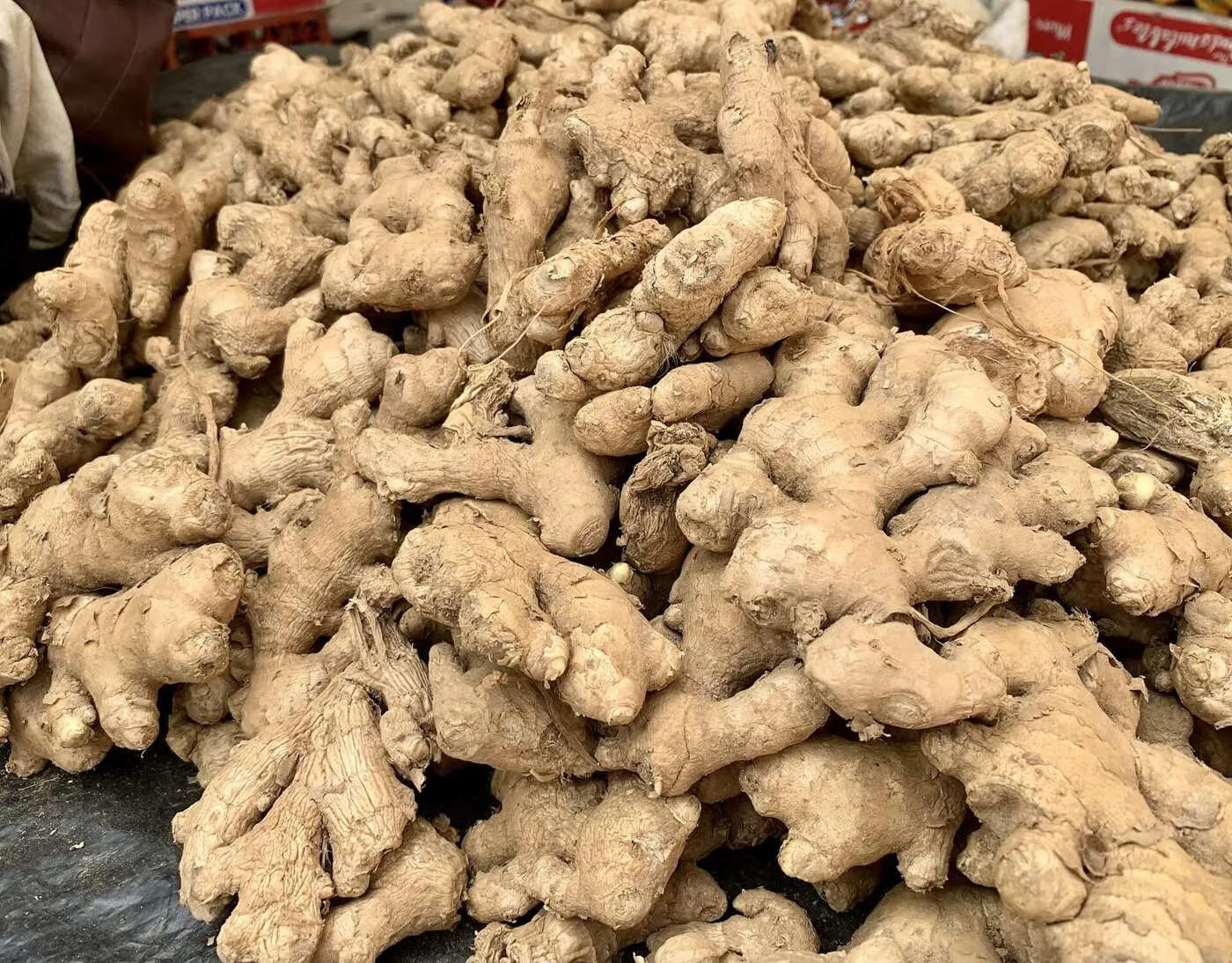 Photo: Judethedeus, CC0, via Wikimedia Commons
Culinary use: Fresh ginger root is grated, sliced, or julienned into stir-fries, curries, teas, and marinades. Gingerol content varies widely between fresh roots, spices, teas, and beverages (Schwertner & Rios, 2007), so the amount delivered by a culinary portion is unpredictable and has not been compared directly with trial doses.
Clinical dosing by application:
- Nausea and vomiting of pregnancy: 250 mg of dried ginger powder four times daily (1,000 mg/day total), or 500 mg twice daily, most consistently studied. A meta-analysis subgroup favored daily doses below 1,500 mg (Viljoen et al., 2014).
- Chemotherapy-induced nausea: 0.5–1.0 g/day, taken in divided doses for 6 days, starting 3 days before chemotherapy (the regimen used in the largest trial).
- Postoperative nausea: a fixed dose of at least 1 g given before surgery (the dose associated with benefit in the Chaiyakunapruk meta-analysis).
- Osteoarthritis pain: the trials pooled by Bartels and colleagues used different extracts and doses, and no standard regimen has been established.
Ginger tea: Prepared by steeping 2–4 g of fresh grated ginger in 240 mL hot water for 5–10 minutes; gingerol content in teas varies widely (Schwertner & Rios, 2007), and tea doses have not been compared with the capsule doses used in trials.
Fresh grated ginger is used in the golden milk recipes.
Safety, Side Effects, and Interactions
Ginger has been taken safely as an oral supplement in many research studies; reported side effects include abdominal discomfort, heartburn, diarrhea, and mouth and throat irritation (NCCIH).
Anticoagulant interactions: Gingerol inhibited thromboxane formation and platelet aggregation in vitro (Guh et al., 1995). Human platelet studies are inconsistent: a single 10 g dose of powdered ginger reduced platelet aggregation in patients with coronary artery disease while 4 g daily for 3 months did not (Bordia et al., 1997), and 2 g of dried ginger had no effect in healthy men (Lumb, 1994). Ginger did not change warfarin pharmacokinetics or INR in 12 healthy men (Jiang et al., 2005), but a case of raised INR and nosebleeds was reported in a woman taking phenprocoumon (Krüth et al., 2004). The possible interaction with warfarin and other anticoagulants warrants caution. Ginger supplements should be disclosed to prescribers in patients on anticoagulant therapy. In a prospective 16-week diary study of 171 adults on warfarin, Shalansky and colleagues (2007, Pharmacotherapy) found that self-reported ginger use was independently associated with a higher risk of self-reported bleeding events (odds ratio 3.20), although not with supratherapeutic INR values. This was observational and relied on self-report, but it supports monitoring.
Hypoglycemic medications: Meta-analyses of ginger in type 2 diabetes have found no significant pooled effect on fasting glucose, with an HbA1c reduction in one analysis but not another (Huang et al., 2019; Schumacher et al., 2024). Additive effects with insulin secretagogues or insulin are theoretically possible.
Tacrolimus and NSAIDs: Memorial Sloan Kettering notes that ginger supplements may raise blood levels of the immunosuppressant tacrolimus, with unknown clinical relevance, and may add to bleeding risk with NSAIDs (MSK About Herbs).
Gastrointestinal side effects: At supplemental doses, ginger can cause heartburn, belching, and GI irritation, and in the osteoarthritis trials pooled by Bartels and colleagues, participants taking ginger were more than twice as likely to stop because of adverse events. Individuals with a history of GERD or peptic ulcer disease should use supplemental ginger with caution and physician guidance. Memorial Sloan Kettering advises people with gallstones to avoid ginger supplements because they may increase bile flow (MSK About Herbs).
Pregnancy: This warrants particular nuance. In a meta-analysis of controlled trials, ginger was not associated with a significant increase in spontaneous abortion, heartburn, or drowsiness, though the evidence was of low quality (Viljoen et al., 2014). The American College of Obstetricians and Gynecologists (ACOG) says ginger “can be considered as a nonpharmacologic option” for nausea and vomiting of pregnancy, a Level B recommendation (limited or inconsistent evidence), and its treatment algorithm lists ginger capsules at 250 mg four times daily, or 1 g/day in total (ACOG Practice Bulletin No. 189, 2018, Obstetrics & Gynecology). The bulletin notes that ginger improved nausea in systematic reviews but did not reduce vomiting. It sets no formal upper limit, but higher doses have been less studied in pregnancy and are best used only with an obstetric clinician’s involvement. Authorities differ: NCCIH says ginger supplements in pregnancy “may be safe” and that little is known about breastfeeding (NCCIH), while Memorial Sloan Kettering advises avoiding ginger supplements during pregnancy and lactation, citing limited data on fetal outcomes and animal findings on embryo development (MSK About Herbs).
Perioperative use: Because of its possible antiplatelet activity, Memorial Sloan Kettering advises against ginger supplements around surgery (MSK About Herbs); they should be disclosed before elective surgery and stopped on the schedule the surgical team advises.
Product Selection Criteria
- Standardized extract: For therapeutic applications, prefer products standardized to a stated gingerol content, as non-standardized dried ginger powder can vary substantially in potency due to differences in rhizome variety, growing conditions, and processing. One HPLC analysis of nine ginger supplements found a coefficient of variation of 115% in their [6]-gingerol content (Schwertner & Rios, 2007).
- [6]-gingerol quantification: The most clinically meaningful specification is total gingerol content (particularly [6]-gingerol). Some premium products provide this analysis from third-party testing.
- Fresh vs. dried: Understand the compound profile difference. For anti-nausea applications, dried powder (higher shogaol content) has a stronger evidence base than fresh-equivalent preparations.
- Third-party testing: NSF International or USP verification provides assurance of identity, potency accuracy, and absence of heavy metals and pesticide residues, to which rhizome crops can be susceptible.
- Enteric coating: For individuals who experience GI discomfort with standard capsules, enteric-coated ginger preparations may reduce gastric irritation by releasing content in the small intestine.
Frequently Asked Questions
Does ginger help with nausea?
It depends on the cause. For nausea in early pregnancy, meta-analyses of small trials favour ginger over placebo, though it did not reduce vomiting. In a large chemotherapy trial, adding 0.5 to 1 g a day to standard antiemetics reduced first-day nausea, but NCCIH rates that benefit as uncertain. Most motion sickness studies found no effect.
How much ginger for nausea did studies use?
Pregnancy trials most often used 250 mg of dried ginger powder four times a day, or 500 mg twice a day, for about 1 g in total; a review subgroup favoured doses under 1,500 mg. The largest chemotherapy trial used 0.5 to 1 g a day for six days, and postoperative trials used at least 1 g before surgery. Anyone pregnant or in treatment should agree a dose with their clinician.
Is ginger safe during pregnancy?
ACOG says ginger can be considered for nausea and vomiting of pregnancy and lists 250 mg capsules four times daily. A meta-analysis found no significant rise in miscarriage, though the evidence was low quality. Authorities differ: NCCIH says supplements may be safe, while Memorial Sloan Kettering advises avoiding them in pregnancy. An obstetric clinician should guide use above about 1 g a day.
Does ginger tea help with nausea?
Ginger tea has not been tested the way capsules have. A cup made with 2 to 4 g of fresh grated ginger contains an unpredictable amount of gingerol, and tea doses have never been compared with the 1 g of dried powder used in trials. It may help some people, but the trial evidence applies to measured capsule doses.
How much ginger is too much?
No formal upper limit exists. At supplement doses, heartburn, belching, diarrhea and mouth irritation become more common, and in osteoarthritis trials people on ginger were twice as likely to stop because of side effects. Higher doses have been studied less in pregnancy. People on anticoagulants, or with gallstones, should check with a clinician before taking supplements.
References
Show all 26 referencesShow fewer
- Thomson, M., Corbin, R., & Leung, L. (2014). Effects of ginger for nausea and vomiting in early pregnancy: A meta-analysis. Journal of the American Board of Family Medicine, 27(1), 115–122.
- Ryan, J. L., Heckler, C. E., Roscoe, J. A., Dakhil, S. R., Kirshner, J., Flynn, P. J., Hickok, J. T., & Morrow, G. R. (2012). Ginger (Zingiber officinale) reduces acute chemotherapy-induced nausea: A URCC CCOP study of 576 patients. Supportive Care in Cancer, 20(7), 1479–1489.
- Chaiyakunapruk, N., Kitikannakorn, N., Nathisuwan, S., Leeprakobboon, K., & Leelasettagool, C. (2006). The efficacy of ginger for the prevention of postoperative nausea and vomiting: A meta-analysis. American Journal of Obstetrics and Gynecology, 194(1), 95–99.
- Bartels, E. M., Folmer, V. N., Bliddal, H., Altman, R. D., Juhl, C., Tarp, S., Zhang, W., & Christensen, R. (2015). Efficacy and safety of ginger in osteoarthritis patients: A meta-analysis of randomized placebo-controlled trials. Osteoarthritis and Cartilage, 23(1), 13–21.
- Ozgoli, G., Goli, M., & Moattar, F. (2009). Comparison of effects of ginger, mefenamic acid, and ibuprofen on pain in women with primary dysmenorrhea. Journal of Alternative and Complementary Medicine, 15(2), 129–132.
- Black, C. D., Herring, M. P., Hurley, D. J., & O’Connor, P. J. (2010). Ginger (Zingiber officinale) reduces muscle pain caused by eccentric exercise. Journal of Pain, 11(9), 894–903.
- Wu, K. L., Rayner, C. K., Chuah, S. K., Changchien, C. S., Lu, S. N., Chiu, Y. C., Chiu, K. W., & Lee, C. M. (2008). Effects of ginger on gastric emptying and motility in healthy humans. European Journal of Gastroenterology and Hepatology, 20(5), 436–440.
- Shalansky, S., Lynd, L., Richardson, K., Ingaszewski, A., & Kerr, C. (2007). Risk of warfarin-related bleeding events and supratherapeutic international normalized ratios associated with complementary and alternative medicine: A longitudinal analysis. Pharmacotherapy, 27(9), 1237–1247.
- American College of Obstetricians and Gynecologists, Committee on Practice Bulletins—Obstetrics. (2018). ACOG Practice Bulletin No. 189: Nausea and vomiting of pregnancy. Obstetrics & Gynecology, 131(1), e15–e30.
- Viljoen, E., Visser, J., Koen, N., & Musekiwa, A. (2014). A systematic review and meta-analysis of the effect and safety of ginger in the treatment of pregnancy-associated nausea and vomiting. Nutrition Journal, 13, 20.
- Schwertner, H. A., & Rios, D. C. (2007). High-performance liquid chromatographic analysis of 6-gingerol, 8-gingerol, 10-gingerol, and 6-shogaol in ginger-containing dietary supplements, spices, teas, and beverages. Journal of Chromatography B, 856(1–2), 41–47.
- Abdel-Aziz, H., Windeck, T., Ploch, M., & Verspohl, E. J. (2006). Mode of action of gingerols and shogaols on 5-HT3 receptors: Binding studies, cation uptake by the receptor channel and contraction of isolated guinea-pig ileum. European Journal of Pharmacology, 530(1–2), 136–143.
- Walstab, J., Krüger, D., Stark, T., Hofmann, T., Demir, I. E., Ceyhan, G. O., Feistel, B., Schemann, M., & Niesler, B. (2013). Ginger and its pungent constituents non-competitively inhibit activation of human recombinant and native 5-HT3 receptors of enteric neurons. Neurogastroenterology and Motility, 25(5), 439–447.
- Kiuchi, F., Iwakami, S., Shibuya, M., Hanaoka, F., & Sankawa, U. (1992). Inhibition of prostaglandin and leukotriene biosynthesis by gingerols and diarylheptanoids. Chemical and Pharmaceutical Bulletin, 40(2), 387–391.
- Dugasani, S., Pichika, M. R., Nadarajah, V. D., Balijepalli, M. K., Tandra, S., & Korlakunta, J. N. (2010). Comparative antioxidant and anti-inflammatory effects of [6]-gingerol, [8]-gingerol, [10]-gingerol and [6]-shogaol. Journal of Ethnopharmacology, 127(2), 515–520.
- Huang, Q. R., Iwamoto, M., Aoki, S., Tanaka, N., Tajima, K., Yamahara, J., et al. (1991). Anti-5-hydroxytryptamine3 effect of galanolactone, diterpenoid isolated from ginger. Chemical and Pharmaceutical Bulletin, 39(2), 397–399.
- Hu, M. L., Rayner, C. K., Wu, K. L., Chuah, S. K., Tai, W. C., Chou, Y. P., Chiu, Y. C., Chiu, K. W., & Hu, T. H. (2011). Effect of ginger on gastric motility and symptoms of functional dyspepsia. World Journal of Gastroenterology, 17(1), 105–110.
- Guh, J. H., Ko, F. N., Jong, T. T., & Teng, C. M. (1995). Antiplatelet effect of gingerol isolated from Zingiber officinale. Journal of Pharmacy and Pharmacology, 47(4), 329–332.
- Bordia, A., Verma, S. K., & Srivastava, K. C. (1997). Effect of ginger (Zingiber officinale Rosc.) and fenugreek (Trigonella foenumgraecum L.) on blood lipids, blood sugar and platelet aggregation in patients with coronary artery disease. Prostaglandins, Leukotrienes and Essential Fatty Acids, 56(5), 379–384.
- Lumb, A. B. (1994). Effect of dried ginger on human platelet function. Thrombosis and Haemostasis, 71(1), 110–111.
- Jiang, X., Williams, K. M., Liauw, W. S., Ammit, A. J., Roufogalis, B. D., Duke, C. C., Day, R. O., & McLachlan, A. J. (2005). Effect of ginkgo and ginger on the pharmacokinetics and pharmacodynamics of warfarin in healthy subjects. British Journal of Clinical Pharmacology, 59(4), 425–432.
- Krüth, P., Brosi, E., Fux, R., Mörike, K., & Gleiter, C. H. (2004). Ginger-associated overanticoagulation by phenprocoumon. Annals of Pharmacotherapy, 38(2), 257–260.
- Huang, F. Y., Deng, T., Meng, L. X., & Ma, X. L. (2019). Dietary ginger as a traditional therapy for blood sugar control in patients with type 2 diabetes mellitus: A systematic review and meta-analysis. Medicine, 98(13), e15054.
- Schumacher, J. C., Mueller, V., Sousa, C., Peres, K. K., da Mata, I. R., Menezes, R. C. R., & Dal Bosco, S. M. (2024). The effect of oral supplementation of ginger on glycemic control of patients with type 2 diabetes mellitus: A systematic review and meta-analysis. Clinical Nutrition ESPEN, 63, 615–622.
- National Center for Complementary and Integrative Health. Ginger.
- Memorial Sloan Kettering Cancer Center. About Herbs: Ginger.
Related content



More in Roots & Herbs
- Ashwagandha (Withania somnifera)
Ashwagandha side effects, who should avoid it, and drug interactions, plus what trials show for stress, sleep and strength at clinical doses.
- Basil (Ocimum basilicum)
Basil benefits: what lab and human studies show, vitamin K per serving, sweet basil vs holy basil, and the estragole and warfarin cautions.
- Black Pepper (Piper nigrum)
Black pepper benefits: how piperine raises absorption of curcumin and some drugs, what human studies show, side effects, and drug interactions.
- Cilantro / Coriander (Coriandrum sativum)
Cilantro vs parsley: how the two herbs differ in flavor, vitamin K and vitamin C, plus what the evidence says about cilantro benefits and safety.
- Cinnamon (Cinnamomum verum / C. cassia)
Ceylon cinnamon vs cassia: coumarin levels and liver risk, how much is safe per day, and what trials show for blood sugar and cholesterol.
- Garlic (Allium sativum)
Garlic benefits for blood pressure, cholesterol and colds: what trials show, how much raw garlic or supplement they used, and bleeding risks.

Curated by Superfoods Advisor Editors·Last updated